Good lighting can make all the difference in how a room feels, and the ceiling is a great place to start getting it right. The right ceiling lights can work wonders, making a space feel brighter, more welcoming, and even creating a sort of hub for your favourite activities. But then there’s the problem of choice. There are so many styles out there, so how do you pick the right one for your space?
You can’t just go for the most popular option and expect it to work. The right choice will depend on the size and layout of your room, the height of your ceiling and the kind of vibe you’re going for. Some fixtures are designed to be totally low-key, while others are made to be a real showstopper. To help you find the perfect option for your space, let’s take a look at some of the most popular types of ceiling lights and where they work best.
Flush Ceiling Lights
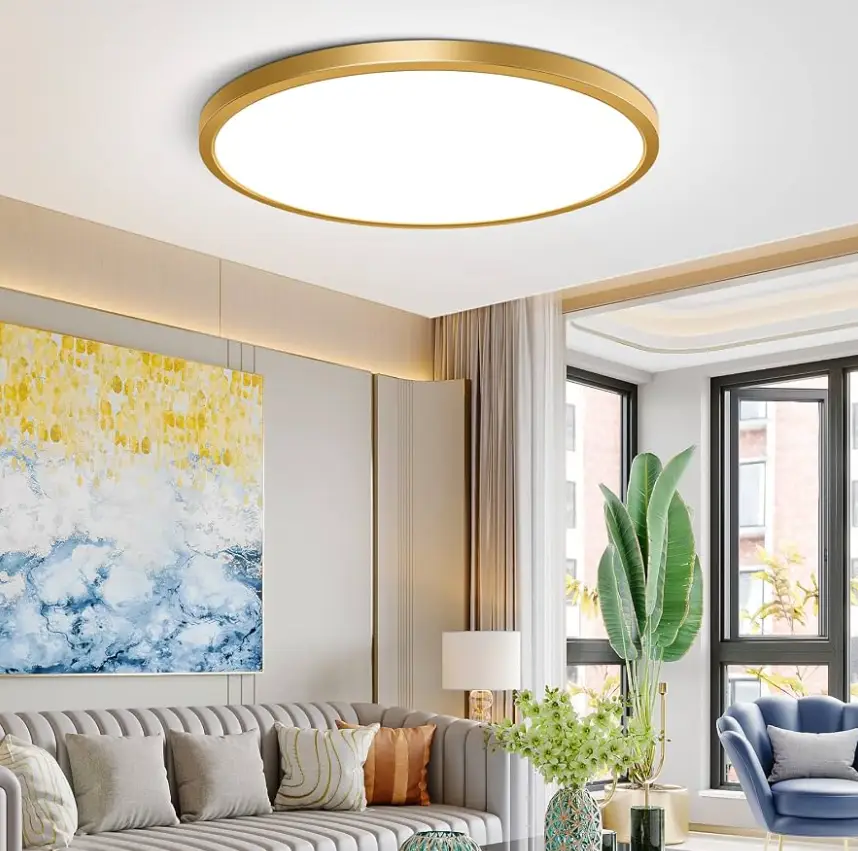
If you’ve got a low ceiling or just prefer a neat, uncluttered look, flush lighting fixtures are a great place to start. These lights essentially flush with the ceiling, providing heaps of light without taking up much room – either physically or visually. They work particularly well in bedrooms, hallways and smaller rooms where a pendant light might be too bulky. You’ll find many different styles, from modern minimalist to more ornate designs, so you’re sure to find a flush fitting that belongs with the rest of your decor.
Pendant Lights
Want to make a bit more of a statement with your lighting? Pendant lights are the way to go. They hang down from the ceiling on a cable, rod or chain, making them both a practical light source and a stylish feature. They’re especially popular above dining tables and kitchen islands, where they provide focused lighting while also helping to define the space. With so many shapes, sizes and finishes to choose from, you can go for something really understated or make a real design statement.
Recessed Downlights
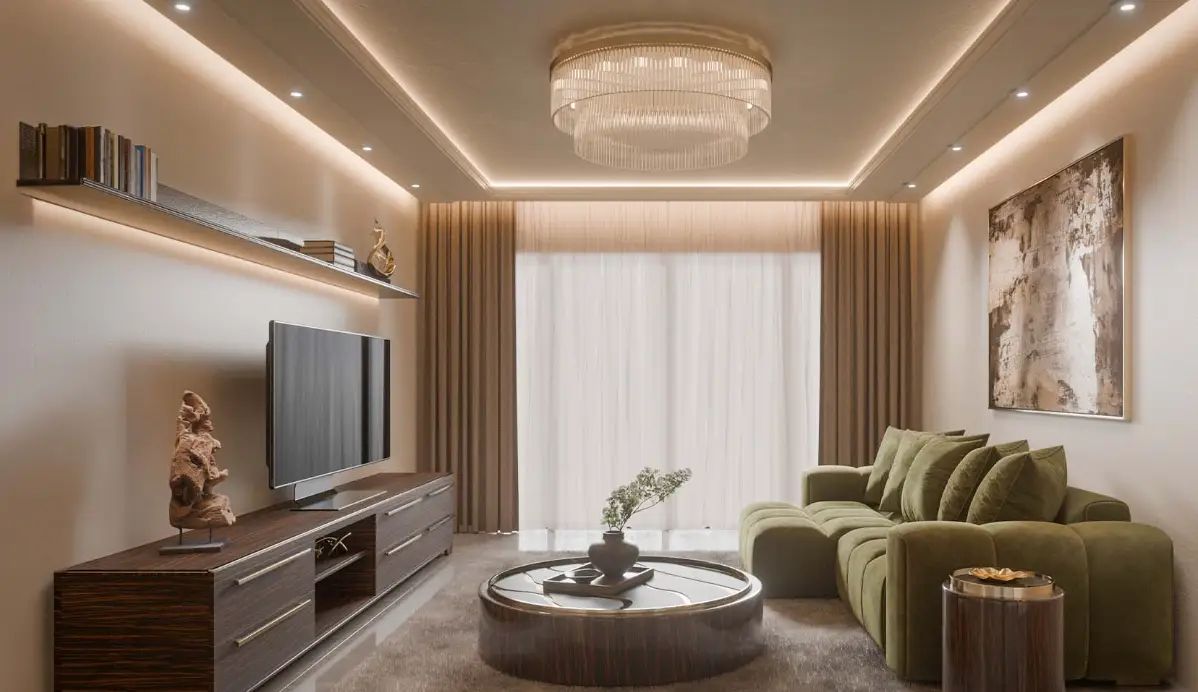
And then there’s those who prefer their lighting to just blend in with the rest of the room. Recessed downlights are a great option for those people – they’re fitted into the ceiling so they’re nice and discreet, providing a clean finish and a nice even spread of light across the room. They can be used to create a general lighting effect or to highlight specific areas. And there are even adjustable designs which let you direct the light exactly where you need it.
Ceiling Spotlights
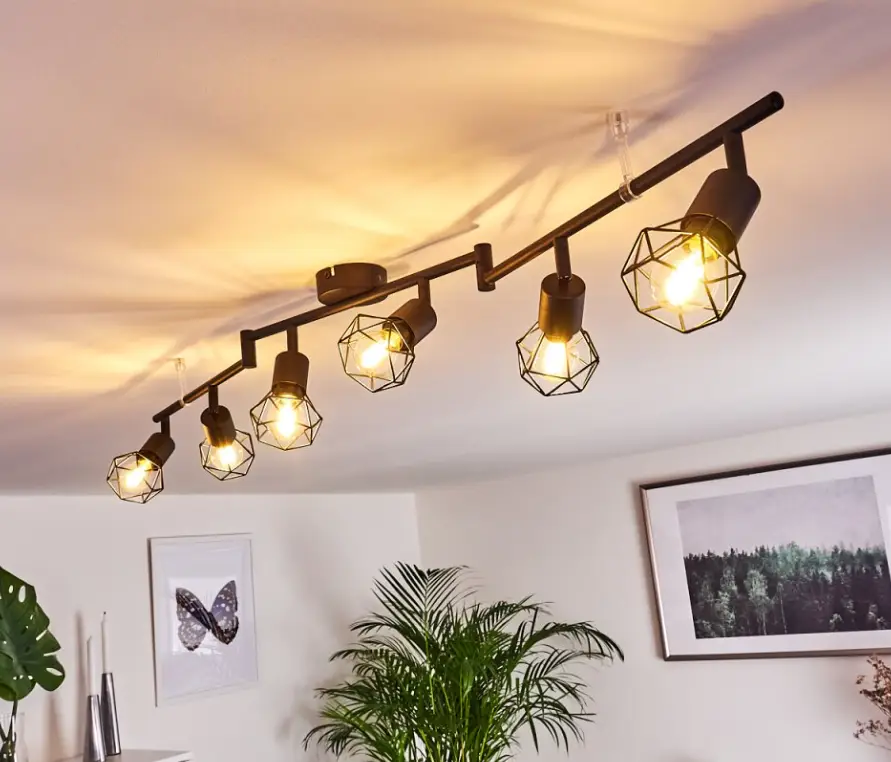
Sometimes, you just want a bit more control over where your light is going. Ceiling spotlights can make this possible with adjustable heads that can be nudged over to point at specific parts of the room. They come in handy for highlighting a nice bit of artwork, a particular piece of furniture or, in a kitchen or living space, a specific area that you want to draw attention to. The nice thing about multi-light fittings is that they can pick out a bigger room as well, so spotlights are a pretty versatile choice if you’re after something more interesting than just the usual overhead lighting.
Track Lighting
If flexibility is a priority, track lighting takes one step further. Multiple lights are strung along a track so you can adjust the individual heads to where you need them. This can be especially useful in kitchens, big living spaces, or home offices where the lighting needs are different in different areas. It also offers a practical way to create more adaptable lighting without having to install several separate fittings.
Chandeliers and Decorative Ceiling Lights
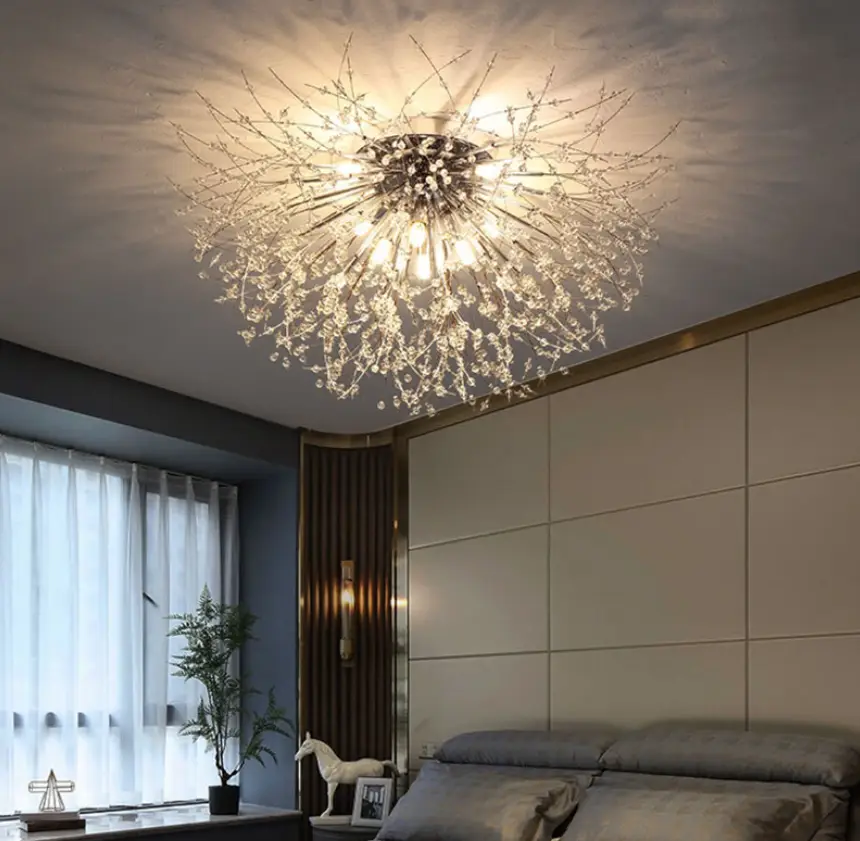
For rooms where the light itself needs to be a bit of a showstopper, decorative ceiling lights or chandeliers can be a real stand-out feature – a ‘Wow’ moment if you like. They can bring real character to a dining room, living room, entrance hall and other spaces where you want to make a bit of a statement. Whether you like the look of something really elegant and traditional or something a bit more modern, a decorative light can pull the whole room together while giving you the lighting you need.
What Else Should You Be Thinking About When You’re Choosing a Ceiling Light?
Choosing the right ceiling light is only half the battle of getting a well-lit room. Even a light that looks the part can end up feeling out of place or just not giving enough light if it’s not right for the space. So before you choose, it’s worth thinking about a few other things that can really make a difference in how the lighting looks and feels on a day-to-day basis.
Think About the Room’s Size
The size of your space influences what kind of ceiling lights you go for – both in terms of size and number. A small bedroom just might be able to get by with a single compact unit that’s a bit more discreet, but a larger room or open-plan area might need multiple light sources to keep things feeling bright. Choose a fitting that’s too small, and the room can end up feeling dark and dingy, but go too big and it can dominate the whole space.
Ceiling Height Matters, Especially When Choosing Between Flush and Hanging
This is especially important when you’re deciding between ceiling lights that sit flush against the ceiling and ones that hang down. Flush lights are usually the best choice for lower ceilings because they stick out just a bit less, while pendant lights and chandeliers can look great in rooms with a bit more headroom. If you do go for a hanging fitting, just make sure it’s not too high, and it’s not going to get in people’s way.
Think About What You Use the Room For
Different rooms have different lighting needs, obviously. A kitchen might be better with some brighter, more focused lighting for cooking, while a bedroom wants something a bit softer and more relaxing. And if you’re working from home, good task lighting can really help reduce shadows around your desk, whereas a dining area might do really well with a pendant that creates a nice atmosphere.
Colour Temperature Really Does Matter
The colour of the light you choose can have a big impact on the mood of the room. Warm lights tend to create a nice, relaxing atmosphere – perfect for bedrooms, living rooms and dining areas. Cooler, brighter light can give you an energy boost and is usually a better fit for kitchens, bathrooms and home offices where being able to see what you’re doing is super important.
Lighting Comes in Many Forms
You don’t need to rely on just your ceiling lights to light up a room. Combining overhead lighting with some wall lights, table lamps or floor lamps can create all sorts of different moods and give you way more control over the overall atmosphere. You can crank up the brightness when you need to see some specific task through, and dial it back to something softer when you just want to chill out.
Fitting in With the Rest of the Decor
Your ceiling light doesn’t have to match every other fixture in the room. But if you can find a design that complements your furniture, wall colour and overall style, it’ll all start to feel a lot more cohesive. With a bit of thought put into the fitting, the placement, how bright it is and what it looks like, your lighting can be so much more than just a practical necessity – it really can be the thing that holds the whole room together.