Breakout-prone skin can be frustrating, especially when the usual solutions feel too harsh. Many people try strong cleansers, drying spot treatments, exfoliating acids and multiple active ingredients, only to find that the skin becomes irritated as well as congested. This is one reason blue LED light has become a popular treatment option in modern skincare clinics. It offers a non-invasive approach that can be included in a clearer-skin plan without relying on peeling, needles or aggressive resurfacing.
Blue light therapy uses a selected blue wavelength of LED light. In clinics, it is commonly chosen for oily, congested and blemish-prone skin. The treatment is usually comfortable and does not involve applying strong ingredients to the surface of the skin. For clients who feel that products alone are not giving them the improvement they want, professional blue LED can be a useful addition to their routine.
People looking for blue light therapy for acne are often searching for something that feels calmer than traditional aggressive treatments. They may have already tried many creams, prescriptions, facials or home devices. Some may have sensitive skin that reacts badly to strong products. Others may be dealing with repeated breakouts and want a professional treatment plan that does not leave the face red, flaky or sore for days.
One of the biggest advantages of blue LED therapy is the lack of downtime. Many acne-focused treatments can make the skin look worse before it looks better. This can be difficult for people who work with the public, attend school, run a business or have social commitments. Blue light therapy is generally discreet. Clients can usually return to normal activities afterwards, which makes it easier to commit to a course.
A professional course is important because blue light therapy is not usually a one-session solution. Breakout-prone skin often needs consistent management. A clinic may recommend regular treatments over several weeks, depending on the skin, the device and the concern. This repeated exposure gives the treatment a better chance to support clearer-looking skin than a random single appointment.
Blue light therapy is often discussed in relation to bacteria associated with blemishes, but good clinics should explain it carefully and avoid exaggerated claims. The treatment can be part of a plan to improve the appearance of acne-prone skin, but it does not replace medical advice for severe acne. Clients with painful cystic acne, scarring or sudden severe breakouts may need to speak with a GP or dermatologist. LED can be supportive, but it should be used responsibly.
For mild to moderate congestion, blue LED can be particularly appealing. Many clients with this type of skin are not necessarily looking for medical treatment. They want fewer visible blemishes, calmer skin and a routine that feels manageable. Blue light therapy can sit alongside cleansing advice, appropriate moisturisers and other non-invasive facial treatments.
Another benefit is that blue LED does not strip the skin. People with oily skin are often tempted to over-cleanse or use harsh products because they want to reduce shine. Unfortunately, this can damage the skin barrier and sometimes make the skin feel more reactive. A damaged barrier can lead to redness, tightness and discomfort. Blue light therapy offers a gentler route because it does not physically scrub or peel the surface.
However, blue light therapy still needs to be planned correctly. Not every person with breakouts should be treated in exactly the same way. Some have oily skin, some have dry but congested skin, some have hormonal breakouts, and some have irritation that looks similar to acne. A consultation helps identify what the client is trying to improve and whether LED is suitable.
A good practitioner will ask about medication, photosensitivity, pregnancy, recent skin treatments and current skincare products. This matters because some products and medications can make the skin more sensitive to light. The treatment may be gentle, but safety questions should still be taken seriously. Professional care is not just about using a machine; it is about knowing when and how to use it.
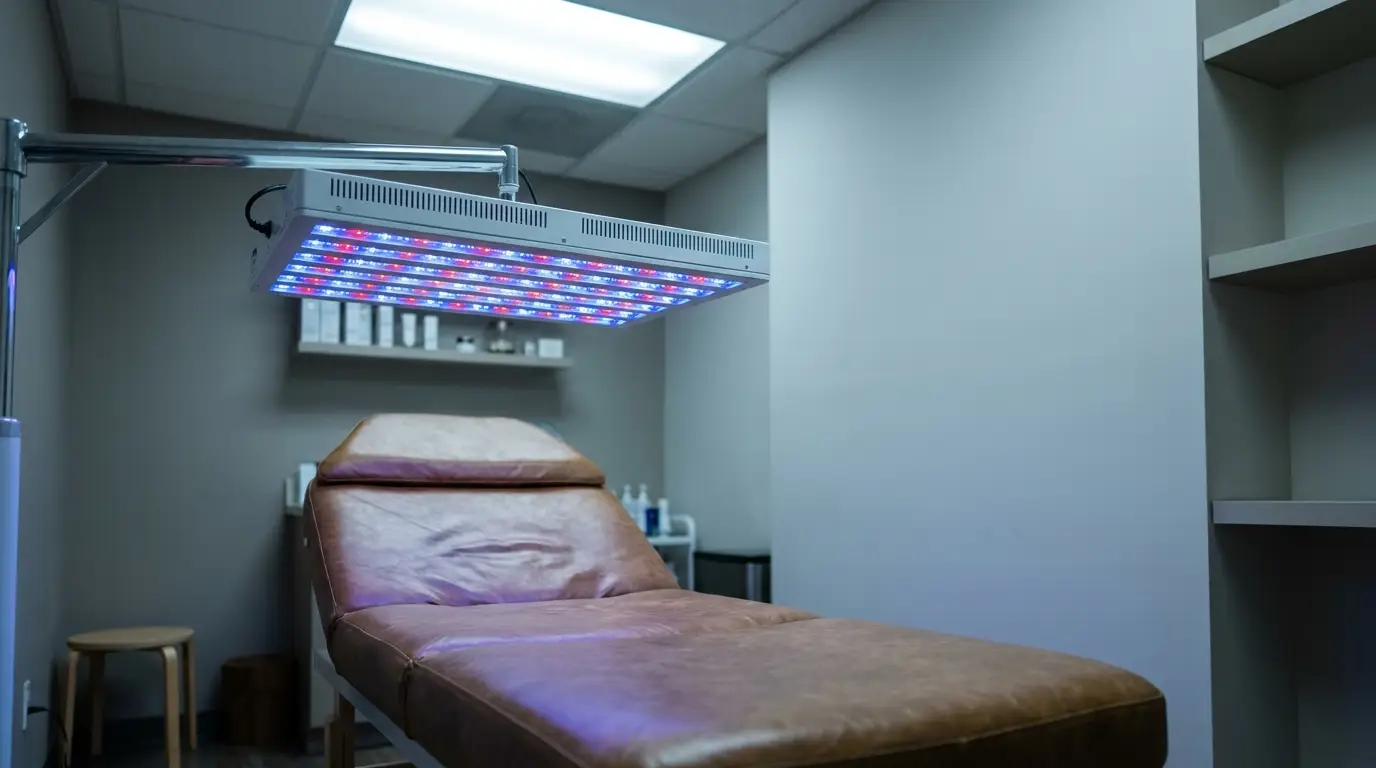
Blue light is also often combined with red light. This can be useful because breakout-prone skin may also be inflamed or irritated. Red light is commonly used for calming and rejuvenation support, while blue light targets a different concern. A combined plan may help the skin look clearer and calmer, but it should be selected according to the individual rather than offered automatically.
Home blue light devices have become popular, especially masks and handheld tools. Some clients may use these for maintenance, but they are not all the same. The strength, wavelength accuracy, coverage and treatment time can vary widely. A professional clinic device usually provides more consistent coverage and is used within a structured plan. This is one reason people choose clinic-based treatment when they want a more serious approach.
Skincare habits still matter. Blue light therapy cannot compensate for a routine that constantly irritates the skin. Clients may need to reduce harsh scrubs, avoid picking, use non-comedogenic products and protect the skin from sun damage. A simple, consistent home routine can make the professional treatment more effective. In many cases, the best plan is not more products but better-selected products.
Diet, hormones, stress and sleep can also affect skin appearance. While a beauty clinic should not overstep into medical diagnosis, it can remind clients that breakouts are often influenced by more than one factor. LED therapy can support the skin, but the client may also need to consider lifestyle triggers, product choices and whether medical advice is required.
For many clients, the emotional side of acne is just as important as the physical side. Breakouts can affect confidence, photographs, work and social life. People may feel self-conscious even when the acne is considered mild by others. A treatment that feels gentle and supportive can make clients feel more in control. Blue light therapy offers a calm appointment experience, which is important for people who are already stressed about their skin.
It is also useful for clients who want a treatment that can be repeated. Some procedures cannot be done too often because they are too aggressive. LED therapy is usually easier to build into a schedule. A course might be performed weekly or several times within a treatment plan, followed by maintenance as advised by the clinic. This repeatability is one of its strengths.
Results should be judged realistically. Some people may notice their skin looks calmer after a few sessions, while others may need a longer course. Breakouts can also fluctuate due to hormones, stress or product changes. The treatment should be assessed over time rather than after one session. Before photos can help clients track progress more fairly.
Blue light therapy is also popular because it suits people who prefer a natural-looking approach. It does not change facial structure or create an artificial result. The goal is clearer-looking, healthier-looking skin. This makes it appealing to younger clients, professionals and anyone who wants improvement without looking like they have had an obvious procedure.
For clinics, blue LED is valuable because it can be included in many acne-focused programmes. It may be offered as a standalone treatment, combined with cleansing facials, or used as part of a course for oily skin. The key is that the plan should be honest and not oversold. Clients appreciate clear guidance about how many sessions they may need, what they might feel and how to care for the skin afterwards.
After treatment, the skin should be treated gently. Clients should avoid picking, avoid unnecessary exfoliation and follow any aftercare given by the clinic. Sunscreen remains important, particularly if other active treatments are being used. The aim is to support the skin barrier while the LED course works alongside a sensible routine.
Blue light therapy has become popular because it fills a gap. It is more professional than simply buying another cleanser, but less aggressive than many traditional acne treatments. It gives clients a calm, non-invasive way to support clearer-looking skin and can be repeated as part of a structured plan.
For anyone struggling with congestion, oiliness or repeated blemishes, blue LED therapy may be worth considering. The best results come from choosing a clinic that offers proper consultation, realistic expectations and a plan that fits the skin rather than chasing quick fixes. When used consistently and responsibly, blue light therapy can become a helpful part of a clearer skin routine.
A key part of treating blemish-prone skin is patience. Many people change products too quickly because they panic when a breakout appears. This constant switching can irritate the skin and make it harder to understand what is actually helping. Blue light therapy works best when it is part of a steady plan. The clinic should set expectations from the beginning: progress may be gradual, sessions may need to be repeated, and home care should remain simple and consistent.
It is also important to recognise that not every spot is the same. Some breakouts are linked to oiliness and congestion, while others may be hormonal, inflammatory or related to irritation. A professional consultation helps separate these possibilities. Blue LED may be suitable for many people with blemish-prone skin, but severe acne, painful cysts or sudden changes should be assessed medically. Responsible clinics know where their treatment fits and when to recommend further advice.
Many clients are drawn to blue light because they want to avoid treatments that make the skin flake or sting. This is especially true for people who already feel embarrassed about their skin. They may not want a treatment that makes redness more visible before it improves. Blue LED is appealing because it is normally discreet. The appointment feels calm, and the client can usually return to daily life afterwards without explaining obvious downtime.
The confidence side of clearer skin should not be underestimated. Breakouts can affect how people behave in photographs, meetings, relationships and social situations. Even mild congestion can feel major to the person experiencing it. A supportive, non-judgemental clinic environment is therefore important. Clients should feel that the practitioner understands the emotional frustration of acne-prone skin rather than treating it as a minor cosmetic issue.
Blue light therapy is strongest when combined with realistic advice. It is not about promising perfect skin overnight. It is about giving the skin a structured, gentle form of support and helping the client build better habits around it. For many people, that combination of professional treatment, calm expectations and simple home care is far more useful than another harsh product bought in frustration.
For makeup wearers, clearer-looking skin can also make a practical difference. When the skin is congested or irritated, foundation and concealer often sit badly and draw more attention to texture. A calmer treatment plan can help the skin look smoother under makeup, even before perfect clarity is achieved. This is another reason clients choose blue LED as part of regular maintenance rather than waiting until breakouts feel out of control.
Blue light therapy may also suit people who want support between other treatments. It can be used as part of a wider programme that includes cleansing facials, calming red light or product advice, depending on the clinic’s approach. The aim should be to reduce unnecessary irritation while giving the skin regular professional support. For many clients, this balanced approach feels more manageable than constantly trying new products at home.
Ultimately, the appeal of blue LED is that it gives clients another option. It is not a magic answer, and responsible clinics should never describe it that way. But for people who want a non-invasive, comfortable and repeatable treatment for blemish-prone skin, it can be an excellent addition to a clearer-skin plan. The strongest results usually come from consistency, patience and advice that respects the skin barrier.
For this reason, blue light therapy is best viewed as a supportive treatment rather than a desperate last resort. Used early and consistently, it can help clients stay on top of congestion before the skin feels unmanageable. That makes it useful for maintenance as well as active concerns.