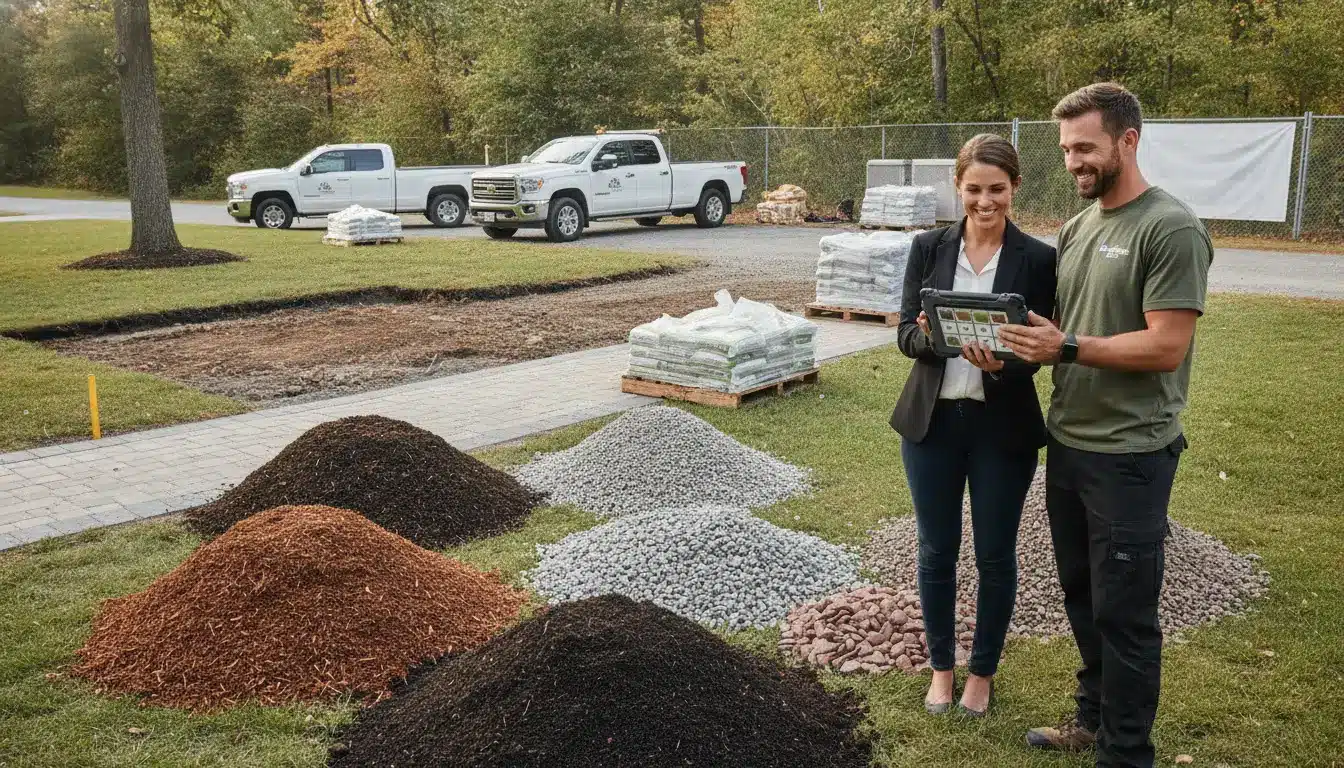
The landscaping industry in the United States has undergone a significant digital transformation over the past decade. What was once a trade built entirely on handshakes, local yard visits, and paper invoices has evolved into a streamlined, technology-driven sector.
For agencies managing multiple residential projects and contractors juggling tight deadlines, the ability to Order Mulch Online has become more than a convenience—it is a strategic advantage. However, moving from traditional procurement to digital purchasing requires a clear understanding of best practices to avoid common pitfalls like inconsistent quality, delivery delays, and budget overruns.
This guide outlines the essential steps for agencies and contractors to navigate the online marketplace effectively, ensuring every project starts on solid ground.
Why Digital Procurement Matters for Landscaping Professionals
The traditional method of sourcing landscaping materials often involves multiple trips to supply yards, waiting in line, and dealing with limited inventory. For a contractor in Texas managing five concurrent jobs, those lost hours add up quickly.
Online ordering platforms have emerged as a solution, offering real-time inventory visibility, competitive pricing, and scheduled delivery to job sites.
According to a 2023 survey by the National Association of Landscape Professionals, over 60% of contractors now use digital tools for at least part of their material procurement. This shift is driven by the need for efficiency, especially during peak seasons when demand for materials like hardwood mulch, river rock, and topsoil spikes dramatically.
By embracing online ordering, agencies can reduce administrative overhead and focus more on client satisfaction and project execution.
Understanding Your Material Needs Before You Click
One of the biggest mistakes professionals make when ordering online is failing to accurately assess their material requirements. Unlike walking through a yard where you can physically see and touch products, digital transactions rely on precise descriptions and specifications.
Calculate Volume Accurately
Before placing any order, calculate the exact volume needed. For mulch, a common rule of thumb is that one cubic yard covers approximately 100 square feet at a depth of three inches. For gravel or stone, the coverage varies by aggregate size. Use online calculators provided by reputable suppliers to double-check your math.
Overestimating leads to wasted material and budget, while underestimating causes costly delays as you scramble for additional supply. Always add a 5-10% buffer for settling and uneven ground, especially on larger commercial projects.
Verify Product Specifications
Online listings can vary significantly between suppliers. A product labeled “brown mulch” might be a dyed hardwood in one listing and a natural pine bark in another. Read the fine print carefully. Look for details on particle size, color consistency, and whether the material is aged or fresh.
For agencies designing high-end residential landscapes in California or Florida, color matching is critical. Request digital samples or high-resolution photos if the listing is unclear. Some premium suppliers now offer video tours of their inventory to bridge the gap between online and in-person selection.
Evaluating Suppliers: Beyond the Price Tag
Price is always a consideration, but the cheapest option is rarely the best for professional use. When evaluating suppliers for ordering landscaping materials online, consider these factors:
- Delivery reliability: Check reviews specifically about on-time delivery. A missed delivery can derail an entire day’s labor schedule.
- Minimum order quantities: Some suppliers require a minimum delivery, which might exceed what a small residential project needs.
- Return and replacement policies: Understand what happens if the material arrives damaged or does not match the description. Reputable suppliers offer clear policies.
- Customer support responsiveness: Test the supplier’s support team before committing to a large order. A quick response time often indicates a well-managed operation.
Look for suppliers that cater specifically to the trade. These businesses understand that contractors need consistent quality across multiple orders and are more likely to offer bulk discounts and dedicated account managers.
Timing Your Orders for Maximum Efficiency
Seasonality plays a massive role in landscaping material availability and pricing. In the United States, spring is the peak season for mulch and soil products. Ordering in late winter or early fall often yields better prices and faster delivery windows. For agencies managing multi-phase projects, plan your material deliveries to coincide with specific work stages.
For example, order hardscaping materials like gravel and pavers first, then schedule mulch and soil delivery closer to planting dates. This prevents materials from sitting on site for weeks, where they can degrade, get stolen, or become a safety hazard.
Streamlining Delivery Logistics
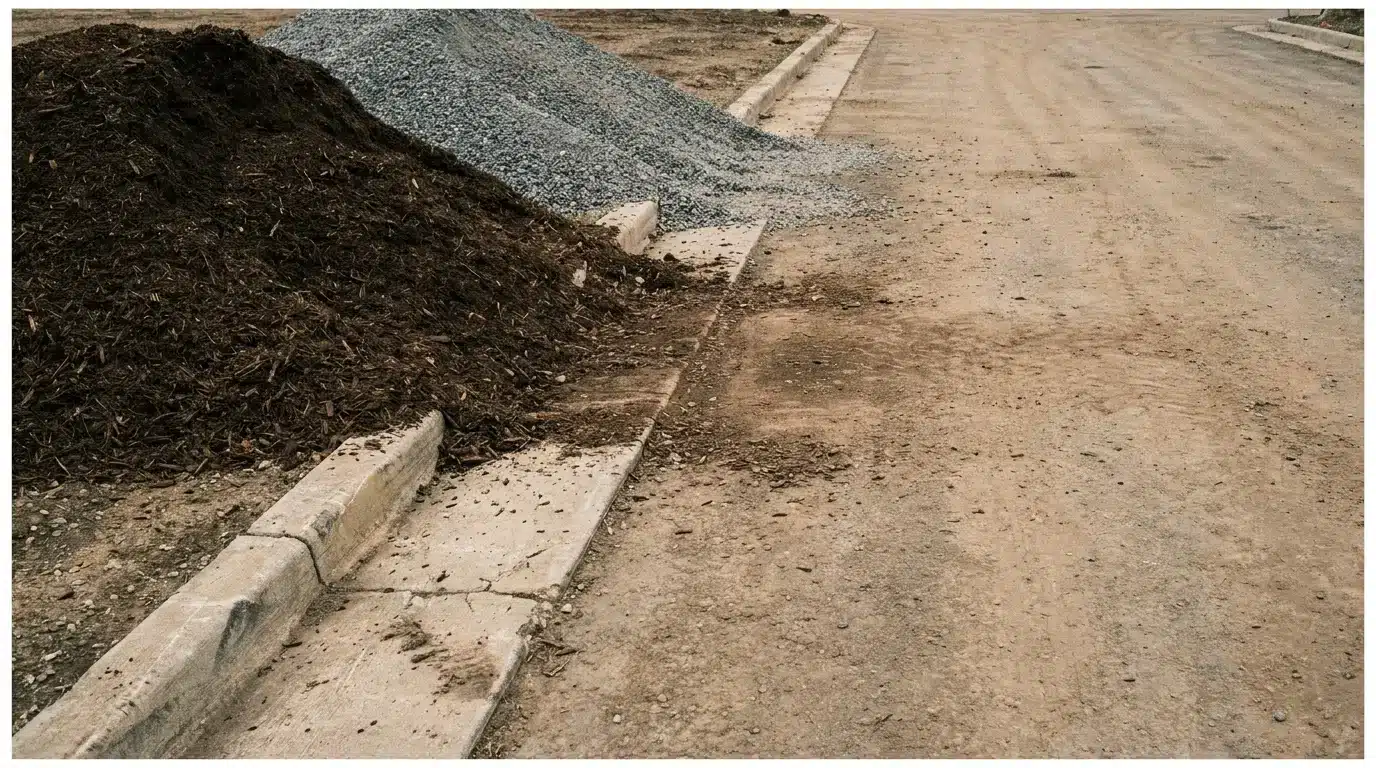
Delivery is where online ordering either shines or fails. Unlike picking up materials yourself, you are entrusting the supplier with logistics. Provide clear, detailed delivery instructions. Include gate codes, width restrictions for access roads, and specific drop zones. If your job site has low-hanging power lines or narrow driveways, communicate that upfront to avoid truck refusal upon arrival.
Many professional suppliers offer “curb-side” versus “stacked” delivery. For most contractors, curb-side is sufficient, but for agencies working in tight urban spaces or HOAs with strict rules, you may need to arrange for immediate spreading. Some suppliers now offer “blown-in” mulch services using pneumatic trucks, which can cut installation time by up to 75% on large properties. Factor these options into your procurement strategy.
Managing Inventory Across Multiple Projects
For agencies handling several clients simultaneously, inventory management becomes a complex puzzle. Create a centralized spreadsheet or use project management software to track what materials have been ordered, what has been delivered, and what is pending for each job. Assign a single point of contact within your team to handle all online ordering.
This reduces the risk of duplicate orders or forgotten deliveries. Some advanced suppliers offer API integrations with popular construction management platforms, allowing you to pull real-time order status directly into your workflow.
Building Long-Term Relationships with Digital Suppliers
The best online ordering experiences come from repeat business. Once you find a supplier that delivers consistently, invest in that relationship. Sign up for trade accounts that offer net-30 payment terms, which can significantly improve your cash flow. Many suppliers reward loyalty with tiered pricing, early access to seasonal inventory, and dedicated delivery slots.
Provide feedback on product quality and delivery performance—good suppliers want to improve and will value your professional input. Over time, this partnership becomes a competitive advantage, allowing you to secure materials even during supply shortages.
Avoiding Common Pitfalls
Even experienced contractors can stumble when transitioning to digital procurement. Here are the most common mistakes and how to avoid them:
- Ignoring shipping costs: A low per-unit price can be wiped out by high delivery fees. Always calculate the total landed cost.
- Assuming stock accuracy: Online inventory is not always real-time. Confirm availability via phone or chat before finalizing a large order.
- Neglecting weather forecasts: Ordering materials during a forecasted rain week in the Pacific Northwest can lead to muddy, unusable stockpiles. Schedule deliveries for dry windows.
- Overlooking local regulations: Some municipalities have restrictions on dyed mulches or specific fill materials. Verify local codes before ordering.
The Future of Landscaping Material Procurement
Technology continues to reshape how agencies and contractors source materials. We are already seeing the rise of AI-powered platforms that predict inventory needs based on project timelines and historical usage. Drone delivery for small, urgent orders is being tested in select markets.
Blockchain technology is also being explored to provide full traceability for sustainable materials, a growing concern among eco-conscious clients. Professionals who adapt early to these innovations will position themselves ahead of competitors still relying on manual processes.
Conclusion
Ordering landscaping materials online is no longer a trend—it is the new standard for efficiency in the American landscaping industry. By calculating needs accurately, vetting suppliers thoroughly, planning deliveries strategically, and building lasting digital partnerships, agencies and contractors can save time, reduce costs, and improve project outcomes.
The key is to approach digital procurement with the same professionalism and attention to detail that you bring to your craft. When done right, the click of a button becomes the first step toward a flawless project execution. Start by evaluating your current procurement process, identify one area for improvement, and take the leap into the digital marketplace. Your schedule—and your bottom line—will thank you.