I used to think pancakes were either a weekend treat or something to feel guilty about later. You might feel the same way when they show up on the breakfast table.
The question of are pancakes healthy comes up because advice online often feels mixed and unclear. Some sources praise whole grains, while others warn about sugar and portion size.
That confusion matters, especially when breakfast sets the tone for the rest of your day. The good news is that pancakes are not a simple yes or no situation.
Small choices around ingredients, portions, and pairings can change everything. Understanding those details makes breakfast decisions feel clearer and more practical as you keep reading.
Can Pancakes Be Considered Healthy?
Yes, pancakes can be healthy, but only under certain conditions. Pancakes are not automatically harmful, and they are not automatically helpful either. Their impact depends on what goes into them and how they are eaten.
The type of flour affects fiber and blood sugar response. Portion size affects calorie intake and fullness. Toppings often matter more than the pancake itself, especially when syrup and added sugar dominate the plate.
Pancakes made with whole grains, eaten in reasonable portions, and paired with protein can support steady energy and better fullness.
Pancakes made with refined flour, large portions, and heavy sweet toppings are more likely to lead to hunger and energy drops.
Simple takeaway: pancakes change from meal to treat based on ingredients, portions, and what you eat with them.
Are Pancakes Right for You?
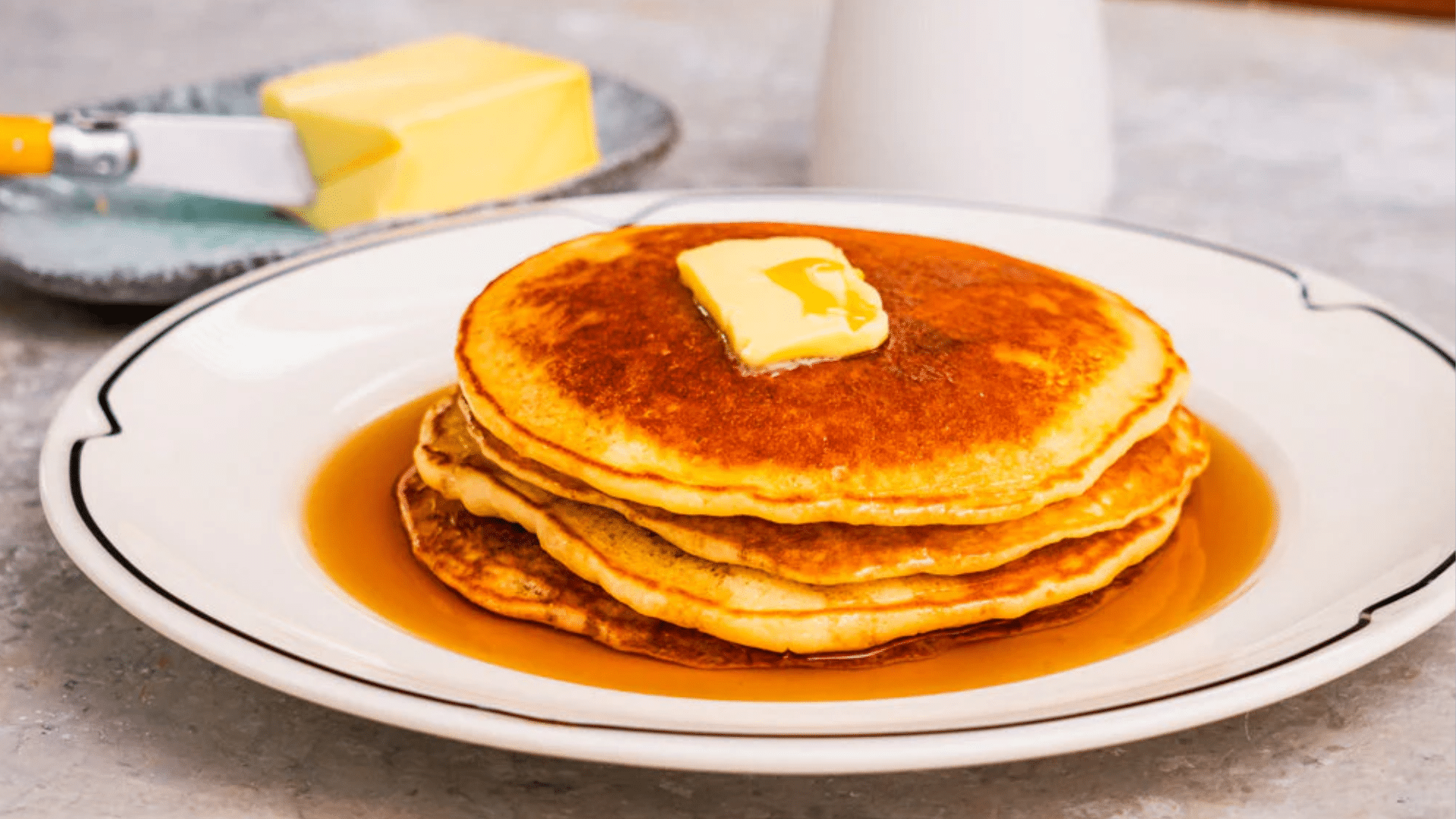
Pancakes can work for some people and feel less helpful for others. They tend to fit better when meals include whole grains, protein, and filling toppings.
Pancakes may suit mornings that allow time for a balanced plate instead of a rushed bite. They can also make sense after physical activity, when the body uses carbohydrates more efficiently.
Pancakes may feel less supportive when eaten alone, in large portions, or topped mainly with syrup and butter. Energy dips often follow meals that rely only on refined flour and sugar.
Personal goals also matter. If steady energy and fullness are priorities, pancakes need added protein and fiber to feel satisfying. If breakfast is meant to be quick and light, other options may work better.
The best choice depends on eating habits, activity level, and how pancakes are prepared and served.
What Pancakes Are Made Of and Why It Matters?
This section explains common pancake ingredients and how each one influences nutrition, fullness, and energy levels, helping clarify why small changes in recipes and portions can shift pancakes toward balance.
Core Pancake Ingredients Explained
This section explains common pancake ingredients and shows how each one affects nutrition, fullness, and energy after eating.
- Flour: Flour forms the structure of pancakes and supplies carbohydrates, with grain options adding fiber that slows digestion and supports energy.
- Eggs: Eggs add protein and nutrients that help with fullness, muscle support, and steady energy when pancakes are eaten with meals.
- Milk or milk alternatives: Milk or milk alternatives add protein, calcium, and liquid needed for texture, while also affecting calorie content and nutrient balance.
- Fat (oil or butter): Oil or butter adds moisture and flavor but increases calorie density and saturated fat, which can affect heart health overall.
- Sweeteners: Sweeteners improve taste but raise sugar intake, which can affect energy levels and hunger when portions or frequency increase regularly.
How Each Ingredient Affects Health
- Flour type and fiber content: Whole grain flours provide more fiber than refined flour, slowing digestion and helping control hunger and energy changes after meals.
- Protein contribution from eggs and milk: Protein from eggs and milk supports fullness and muscle health, making pancake meals feel more satisfying and balanced over time.
- Added fats and sugars: Added fats and sugars raise calorie intake quickly, which can reduce meal balance when portions are not controlled very well.
Healthy vs. Unhealthy Pancakes: Side-by-Side Comparison
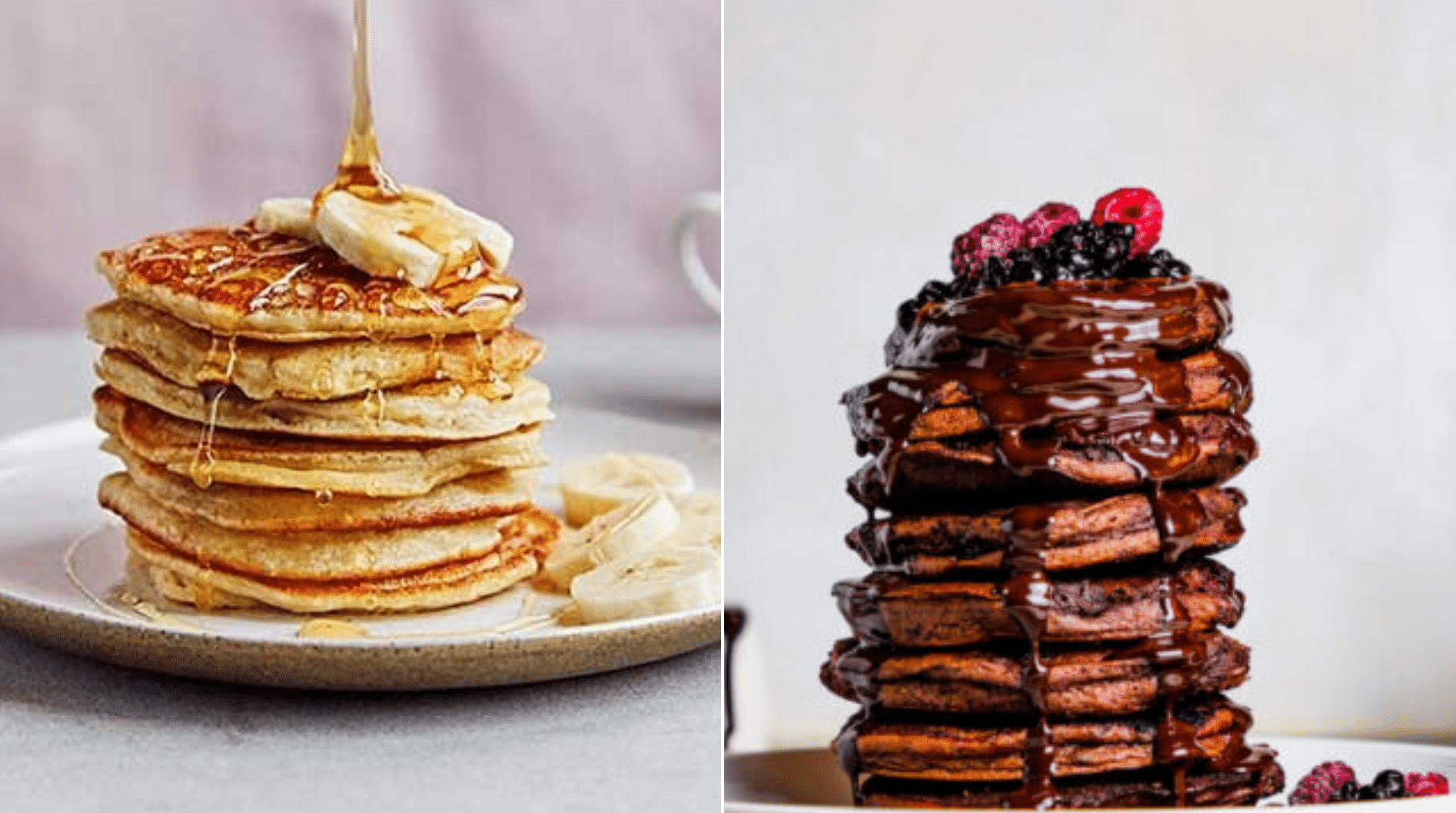
This comparison shows how small ingredient and topping changes can shift pancakes from less supportive meals to more balanced breakfast options.
| Factor | Less Healthy Pancakes | Healthier Pancakes |
|---|---|---|
| Flour | Refined white flour | Whole grain, oat, buckwheat |
| Fiber | Low | Moderate to high |
| Protein | Low | Boosted with eggs, yogurt, nuts |
| Sweeteners | Syrup-heavy | Fruit-based or minimal |
| Blood sugar | Quick spike | More stable |
| Fullness | Short-lasting | Longer-lasting |
The table highlights how flour type, protein, and toppings strongly affect energy, hunger levels, and overall meal balance after eating.
Nutritional Value of Pancakes
Pancakes provide a mix of nutrients, though the amounts depend on ingredients and preparation.
Plain pancakes mainly supply carbohydrates, which the body uses as a quick energy source. This can help start the day, especially when physical activity follows breakfast.
Pancakes also contain small amounts of protein from eggs and milk, though this amount is usually not enough to support long-lasting fullness on its own. Milk adds calcium and certain vitamins that support bones and basic body functions.
At the same time, pancakes often fall short in key areas. Fiber is usually low when refined flour is used, which can lead to quicker hunger after eating.
Protein levels are also limited unless extra sources are added. When pancakes are adjusted with whole grains, fruit, or protein-rich sides, their nutritional balance improves and energy tends to last longer.
Why Pancakes Get a Bad Reputation?
Pancakes are often criticized because common ingredients, portion sizes, and toppings can affect energy, fullness, and overall nutrition when eaten often.
This reputation often leads people to ask, are pancakes bad for you, especially when sugar and portion size are not controlled.
Refined Flour and Blood Sugar
Refined flour is one of the main reasons pancakes are viewed negatively. This type of flour has most fiber removed, which allows it to digest quickly.
Fast digestion can cause blood sugar to rise soon after eating, followed by a noticeable drop. When blood sugar falls, hunger often returns sooner, leading to snacking or overeating later.
Meals built mainly on refined flour may also feel less filling, even when portions seem large. Over time, repeated blood sugar swings can affect energy levels throughout the morning.
Using refined flour alone does not make pancakes harmful, but frequent intake without protein or fiber can reduce how steady and satisfying the meal feels.
Sugary Toppings and Excess Calories
Toppings often shape the health impact of pancakes more than the batter itself. Syrup portions can add large amounts of sugar in just a few spoonfuls. Many people pour syrup freely, unaware of how quickly calories add up.
Restaurant pancakes often come with syrup already added or served in generous amounts, making portion control difficult. Sweet sauces, whipped toppings, and chocolate chips raise sugar intake even further.
High sugar meals can increase calorie intake without improving fullness, which may lead to hunger returning quickly. When pancakes are treated mainly as a sweet dish, their overall balance tends to suffer.
Sodium and Saturated Fat
Boxed pancake mixes and cooking methods also affect reputation. Some mixes contain added sodium to improve flavor and shelf life, which can increase daily salt intake without notice.
Cooking pancakes in large amounts of butter raises saturated fat levels, especially when multiple servings are eaten. Saturated fat adds calories and may affect heart health when intake stays high over time.
Restaurant kitchens often use extra fat to improve texture and browning, which further raises calorie density. These factors combined can make pancakes feel heavier and less supportive when eaten frequently without balance or portion awareness.
How to Make Pancakes Healthier Step by Step?
This section breaks down simple changes that improve nutrition, support fullness, and help pancakes fit better into balanced meals.
Improve the Base
The base sets the foundation for how pancakes affect energy and hunger. Whole grain or mixed flours add fiber, which slows digestion and helps manage appetite after eating.
Blending whole grain flour with lighter flour can improve texture while still increasing fiber intake. Reducing added sugar in the batter also helps control total sugar levels, especially when toppings already add sweetness.
Many pancake recipes taste just as good with little or no added sugar when fruit or lightly sweet toppings are used instead.
Add Fiber and Protein
Fiber and protein help pancakes feel more filling and steady energy levels. Adding fruit, nuts, or seeds increases fiber and provides natural sweetness or texture. Yogurt or nut butter adds protein and healthy fats that slow digestion.
Eggs or protein-rich sides, such as eggs served separately, help balance the meal and reduce hunger later. These additions help pancakes function as part of a complete breakfast instead of a quick energy boost followed by hunger.
Choose Smarter Toppings
Toppings often determine whether pancakes support balance or feel heavy. Fresh fruit adds sweetness without large sugar spikes and contributes fiber.
Yogurt adds protein and creaminess without relying on sugary sauces. Nut butters provide protein and fats that support fullness. Light syrup use allows flavor without overwhelming the meal with sugar.
Using smaller amounts of syrup alongside other toppings helps control sugar intake while keeping pancakes enjoyable.
Portion Size: How Much is Reasonable?
Portion size plays a larger role in health outcomes than pancakes alone. Even well-prepared pancakes can feel heavy when servings grow too large.
Reasonable portions help manage energy levels, support fullness, and reduce excess calorie intake without removing enjoyment from the meal.
- 1–2 medium pancakes per serving
- Syrup: 1–2 tablespoons
- Protein: one palm-sized portion
Choosing appropriate portions helps pancakes fit into balanced eating patterns. When portions stay controlled and protein is included, pancakes are less likely to cause energy drops or hunger soon after eating.
Portion awareness often matters more than avoiding specific foods, especially for meals eaten regularly.
Blood Sugar Strategy: How to Eat Pancakes Without Crashing
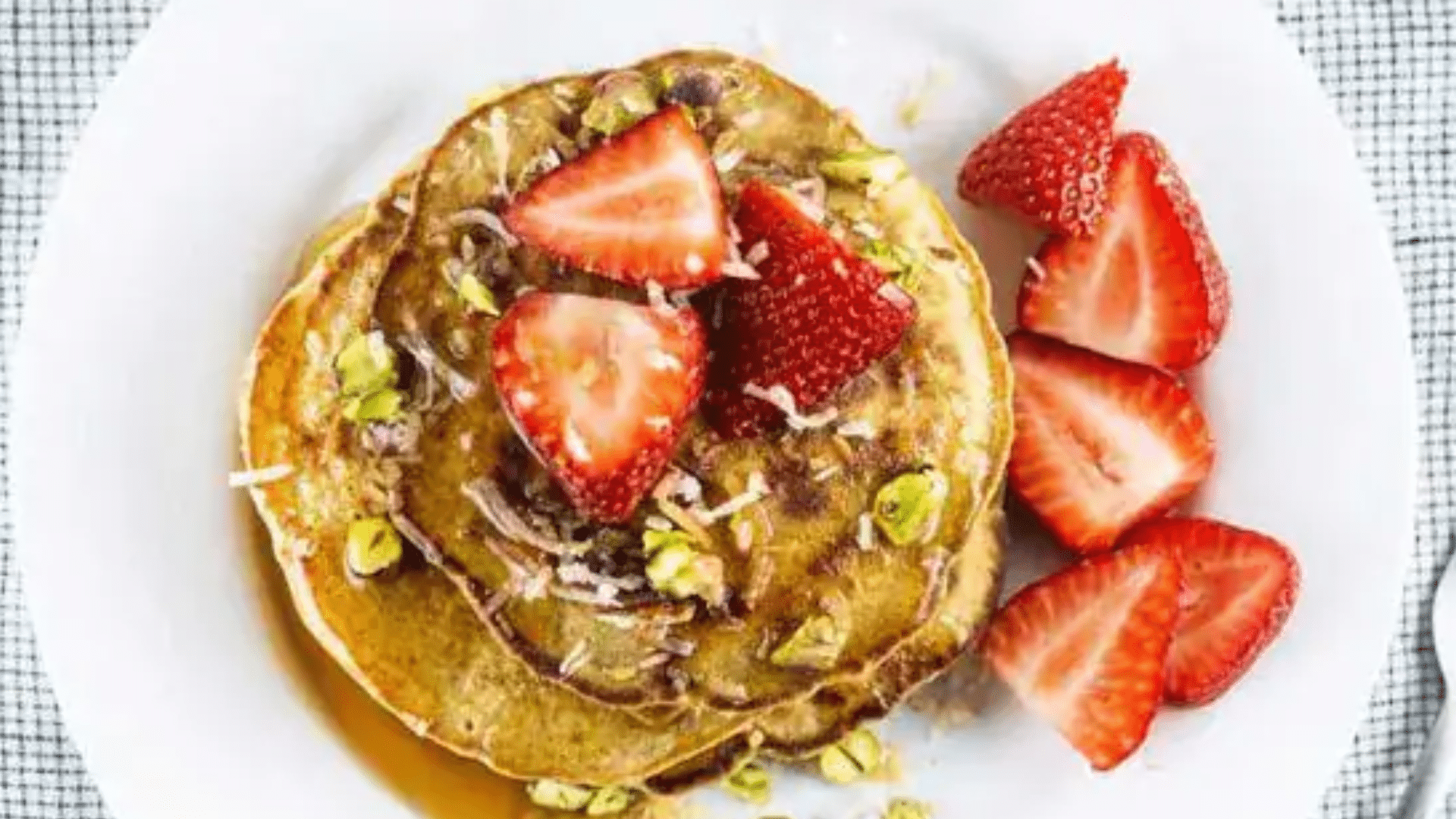
Pancakes can affect blood sugar because they are usually high in carbohydrates and low in fiber when eaten alone. Carbohydrates break down quickly, which can raise blood sugar soon after eating.
When that rise is followed by a drop, energy levels often fall and hunger returns faster. This effect becomes stronger when pancakes are made with refined flour and topped mainly with syrup.
A steadier response comes from slowing digestion. Adding protein and fiber helps do this. Protein from eggs, yogurt, or nut butter slows how fast carbohydrates are absorbed. Fiber from whole grains or fruit also reduces sharp changes.
Eating pancakes as part of a meal, rather than alone, supports steadier energy. Smaller syrup portions and pairing pancakes with protein-rich sides can reduce rapid shifts and help energy last longer through the morning.
Homemade vs. Restaurant and Boxed Pancakes
This comparison shows how preparation methods change ingredient control, portion size, and overall nutrition across different pancake options.
| Type | Key Characteristics | Health Impact |
|---|---|---|
| Homemade | Full control over ingredients and portions | Easier to balance fiber, protein, and sugar |
| Restaurant | Large portions with added sugar and fat | Higher calories and reduced balance |
| Boxed | Convenience with added sodium or sugar | Can work with careful adjustments |
Preparation style strongly influences pancake nutrition. Homemade versions allow better ingredient choices, while restaurant and boxed options often need portion awareness and added protein or fiber to improve balance.
How Often Should You Eat Pancakes?
How often pancakes are eaten can affect health more than the food itself. Eating pancakes occasionally, especially when balanced with protein and fiber, usually fits well into regular eating patterns.
Regular intake may still work, but portions and preparation matter more in that case.
Pancakes tend to fit better on days with higher activity, when the body uses carbohydrates more efficiently. They may feel less helpful on very sedentary days when energy needs are lower.
Frequency matters because repeated high-sugar or low-fiber meals can affect energy and hunger patterns over time. Avoiding pancakes entirely is not required for most people.
Instead, spacing them out and preparing them thoughtfully helps maintain balance. Paying attention to how often pancakes appear on the menu often leads to better outcomes than cutting them out completely.
A Simple Healthy Pancake Formula: This simple formula helps guide pancake choices by focusing on balance, fullness, and steady energy rather than strict food rules.
Whole grain + protein + fiber + controlled sweetness = a healthier pancake
Conclusion
After breaking everything down, the main point stays simple. Pancakes are neither good nor bad on their own. Ingredients, portions, and what you eat with them shape the outcome.
Whole grains, protein, and thoughtful toppings help support steadier energy, while large portions and heavy sugar push pancakes toward treat territory.
I find that paying attention to how often pancakes appear on the menu matters more than cutting them out completely. One steady habit often works better than strict rules.
If you have been asking yourself Are pancakes healthy, the answer depends on the everyday choices you can control.
How do pancakes usually show up in your meals? If this topic helped, check out other related blogs for more practical food guidance.