Metal buildings are valued for their durability, speed of construction, and relatively straightforward maintenance. They serve as warehouses, workshops, agricultural facilities, retail spaces, vehicle storage buildings, and even homes. Yet one crucial detail is often treated as an afterthought: insulation.
A metal shell can be exceptionally strong, but steel is also an efficient conductor of heat. Without a well-designed insulation strategy, a building’s roof and walls can quickly become pathways for unwanted heat gain, heat loss, and moisture. The visible effects may be minor at first—a stuffy workspace in July or a chilly corner in January—but the financial and operational consequences tend to accumulate over time.
Poor insulation is not simply a comfort issue. It can affect utility costs, indoor air quality, building longevity, equipment performance, and the people working inside.
Energy Loss Is the Most Obvious Expense
In most metal buildings, the roof represents the largest exposed surface area. During warm weather, solar radiation can heat an uninsulated metal roof dramatically, transferring that heat into the space below. In colder climates, interior heat can escape through the roof and exterior wall panels just as quickly.
Heating and cooling equipment must then work harder to maintain usable indoor conditions. That higher workload increases energy consumption, but it also puts more strain on HVAC components. A system that runs longer and cycles more frequently is more likely to need repairs sooner than one serving a properly insulated building envelope.
The problem is especially pronounced in facilities with large open interiors. Warehouses and workshops may have high ceilings, wide roof spans, and multiple overhead doors. If insulation is insufficient, conditioned air is lost quickly, while outdoor temperatures exert a constant influence on the interior environment.
This can create a frustrating pattern: owners invest in larger heaters or air-conditioning systems, only to discover that the building remains difficult to regulate. In many cases, the issue is not the capacity of the HVAC equipment. It is the amount of heat moving through the roof, walls, seams, and penetrations.
Condensation Can Cause Damage Long Before It Is Noticed
Energy costs are easy to measure on a utility bill. Moisture damage is often less obvious—and potentially more expensive.
When warm, humid air meets a cold metal surface, condensation can form. In an inadequately insulated metal building, this frequently occurs beneath roof panels or along wall surfaces. Small amounts of moisture may seem harmless, but repeated condensation can lead to persistent problems.
Why Metal Building Condensation Matters
Condensation can contribute to:
- Corrosion on metal components, fasteners, and framing
- Rust stains and deterioration around roof panels
- Damaged stored inventory, tools, machinery, or vehicles
- Mold or mildew growth on adjacent materials
- Wet insulation that loses thermal performance
- Dripping moisture that creates slip hazards or disrupts operations
A building used for storage may be particularly vulnerable. Cardboard packaging, lumber, paper products, electronics, and fabric-based goods do not respond well to changing humidity or periodic dripping. Even a workshop can suffer when moisture settles on machinery, electrical equipment, or finished materials.
The right insulation system does more than slow heat transfer. Depending on the material and installation approach, it can help manage vapor movement and reduce the chance that interior moisture reaches cold metal surfaces. For building owners evaluating reflective insulation and radiant-barrier options, resources such as bluetexinsulation.com can help clarify how different products are intended to address heat and moisture challenges in metal structures.
Worker Comfort Has a Direct Operational Impact
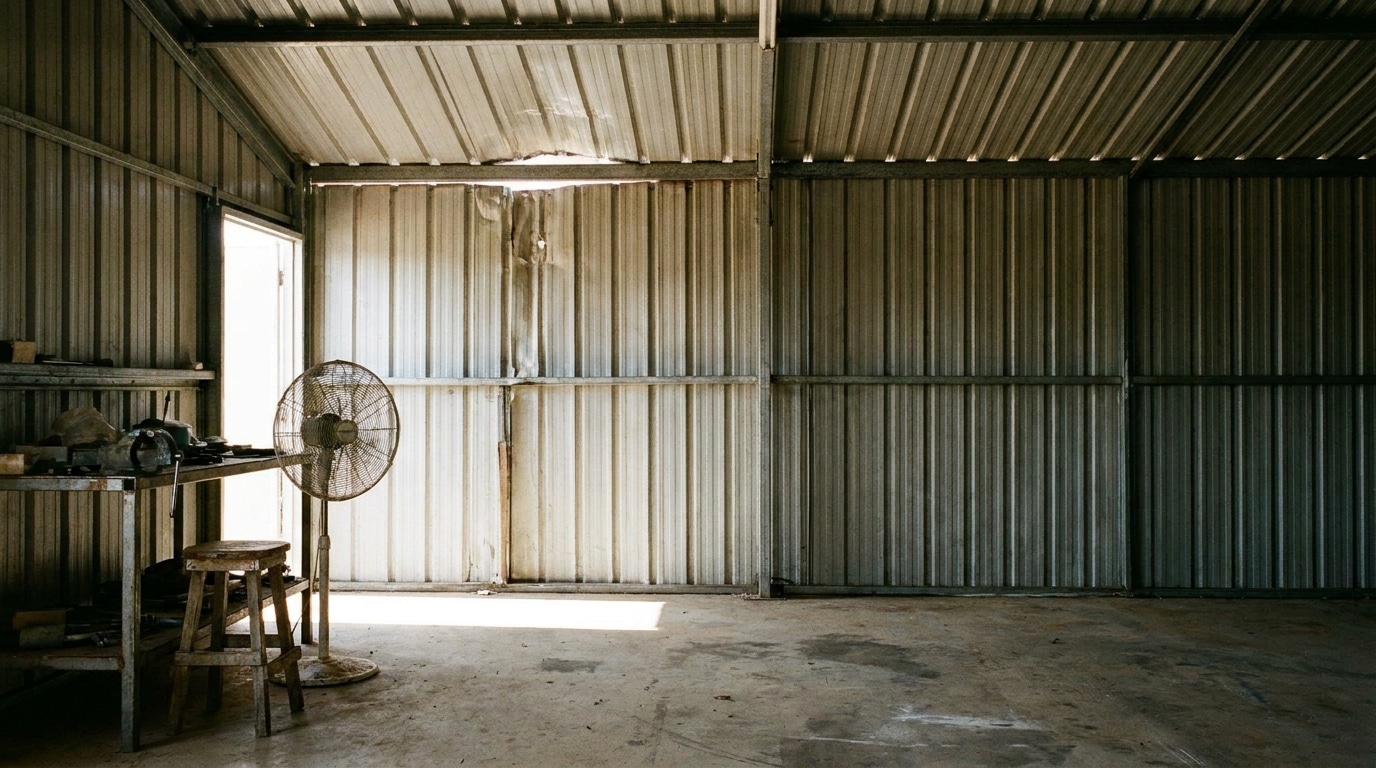
A poorly insulated building can be difficult to occupy productively. In summer, radiant heat from the roof can make the space feel significantly hotter than the thermostat reading suggests. In winter, cold metal walls and ceilings can create uncomfortable drafts and uneven temperatures.
That matters for more than morale. Employees working in hot, cold, or humid conditions may need more breaks, work more slowly, or face greater safety risks. Heat stress is a legitimate concern in industrial and agricultural environments, while cold conditions can affect dexterity and concentration.
Comfort also influences how a building can be used. A structure that is tolerable for occasional storage may not be suitable for a year-round workshop, retail operation, hobby space, or production area without insulation improvements. Owners sometimes discover this only after they try to expand operations or change the building’s purpose.
Insulation creates a more stable interior environment, making the building more flexible and more valuable over its lifespan.
Equipment and Inventory May Pay the Price
Temperature swings and humidity are hard on equipment. Electronics, power tools, compressors, vehicle batteries, production machinery, and stored materials all perform better in more controlled conditions.
Consider a metal workshop where the interior becomes extremely hot each afternoon and cools sharply overnight. The repeated expansion and contraction of materials can contribute to wear over time. Moisture can also find its way into sensitive equipment, especially where condensation is common.
For agricultural buildings, the stakes can be different but equally important. Feed, seed, livestock supplies, and certain chemicals may require dry storage conditions. In commercial settings, inventory losses from moisture or heat damage can quickly outweigh the cost of improving insulation.
The lesson is simple: the building envelope protects what is inside it. If the roof and walls allow extreme temperature changes and moisture intrusion, the contents of the building effectively absorb that risk.
Insulation Should Be Considered as a System
There is no single insulation solution that works identically for every metal building. Climate, building use, roof design, ventilation, occupancy, and local code requirements all influence the right approach.
Start With the Building’s Actual Conditions
Before selecting materials, it helps to answer a few practical questions:
- Is the primary concern summer heat, winter heat loss, condensation, or all three?
- Will the building be heated or cooled regularly?
- Are there signs of existing moisture, such as dripping, rust, or musty odors?
- Does the roof receive intense direct sun for much of the day?
- Are doors opened frequently, or is the space largely enclosed?
- Is the building used for people, sensitive equipment, inventory, livestock, or basic storage?
These details shape the insulation design. A simple storage building in a mild climate may need a different solution than a conditioned fabrication shop in a region with hot summers, freezing winters, and high humidity.
Installation quality matters just as much as material selection. Gaps, poorly sealed seams, compressed insulation, and unaddressed thermal bridges can undermine otherwise good products. Ventilation also deserves attention, particularly in buildings where humidity is generated by occupants, processes, animals, or stored materials.
The Cost of Inaction Grows Over Time
Leaving a metal roof or wall poorly insulated can feel like a way to reduce upfront construction costs. In reality, it often shifts expenses into the future: higher energy bills, premature HVAC wear, corrosion repairs, damaged inventory, reduced comfort, and limited building usability.
The most effective time to address insulation is during construction, when access is straightforward and systems can be planned together. Still, existing metal buildings can often be improved through retrofit measures that target the roof, walls, seams, and areas prone to condensation.
A metal building is built to last decades. Its insulation strategy should be treated with the same long-term perspective. When heat, moisture, and airflow are managed properly, the result is not merely a more comfortable space—it is a building that costs less to operate, protects its contents more effectively, and remains useful through changing seasons and changing needs.