Looking for new ways to cover your garden soil and step away from the typical wood chips? Looking at alternatives to mulch opens up a world of exciting possibilities you might not have considered before.
I get how it feels seeing the same materials everywhere; your landscape deserves something unique that reflects your style while keeping your plants happy and healthy.
If you need better drainage, want to save money, or are craving a fresh look, there are plenty of options to choose from. I’m here to introduce you to ground covers that can elevate your garden in ways traditional mulch just can’t.
Some options are free and easy to find, while others offer specific benefits for your garden. Let’s take a closer look at what’s available!
Why Consider Alternatives to Mulch?
Traditional mulch is a popular choice for gardeners due to its ability to control weeds, retain soil moisture, and keep gardens neat.
It’s been the go-to for many years, offering reliable benefits. However, I’ve found that mulch alternatives offer several practical and personal advantages.
Some traditional mulches raise environmental concerns, especially when sourced unsustainably or transported long distances. Alternative materials allow you to achieve unique looks that better suit your style and landscape vision.
Maintenance needs also vary significantly between mulch options, influencing how much time you spend on upkeep.
Cost-effectiveness plays a role, too, as some alternatives last longer, saving you money in the long run. Eventually, the best ground cover for you depends on your gardening needs, budget, and long-term goals.
Popular Mulch Alternatives for Your Landscape
I’ve compiled a list of versatile ground cover options that work beautifully in different garden situations and climates.
Each alternative offers unique benefits, if you need better drainage, moisture retention, weed control, or just a fresh look for your yard.
1. Shredded Rubber Tires
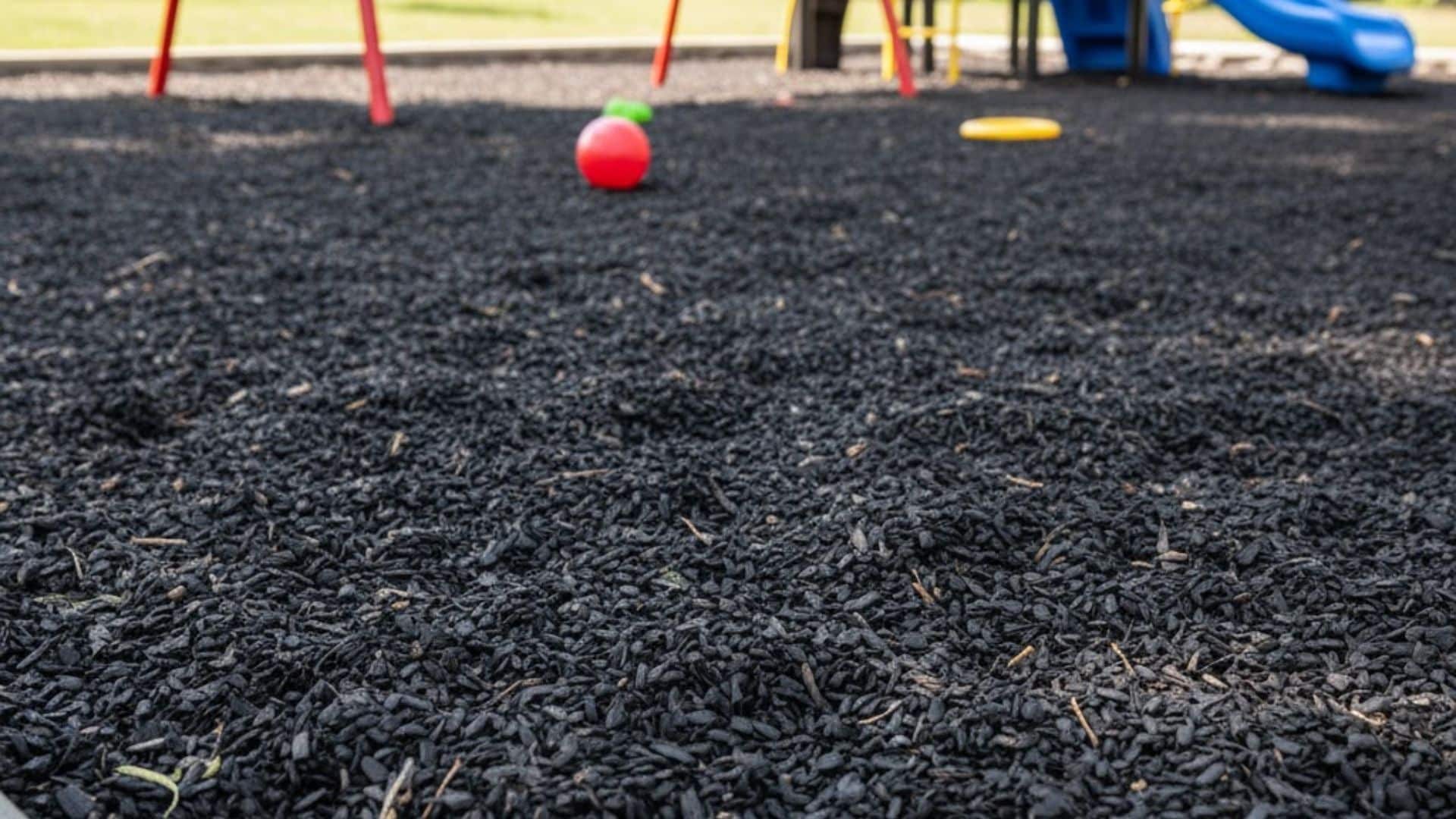
Shredded rubber tires are recycled into landscape mulch from crushed pieces of old tires. They’re extremely durable, weed-resistant, and hold up well in high-traffic areas without breaking down.
This material works best for playgrounds, pathways, and non-planting areas around your property. I wouldn’t recommend using rubber near vegetable gardens as it can leach chemicals over time.
2. Gravel or River Rock
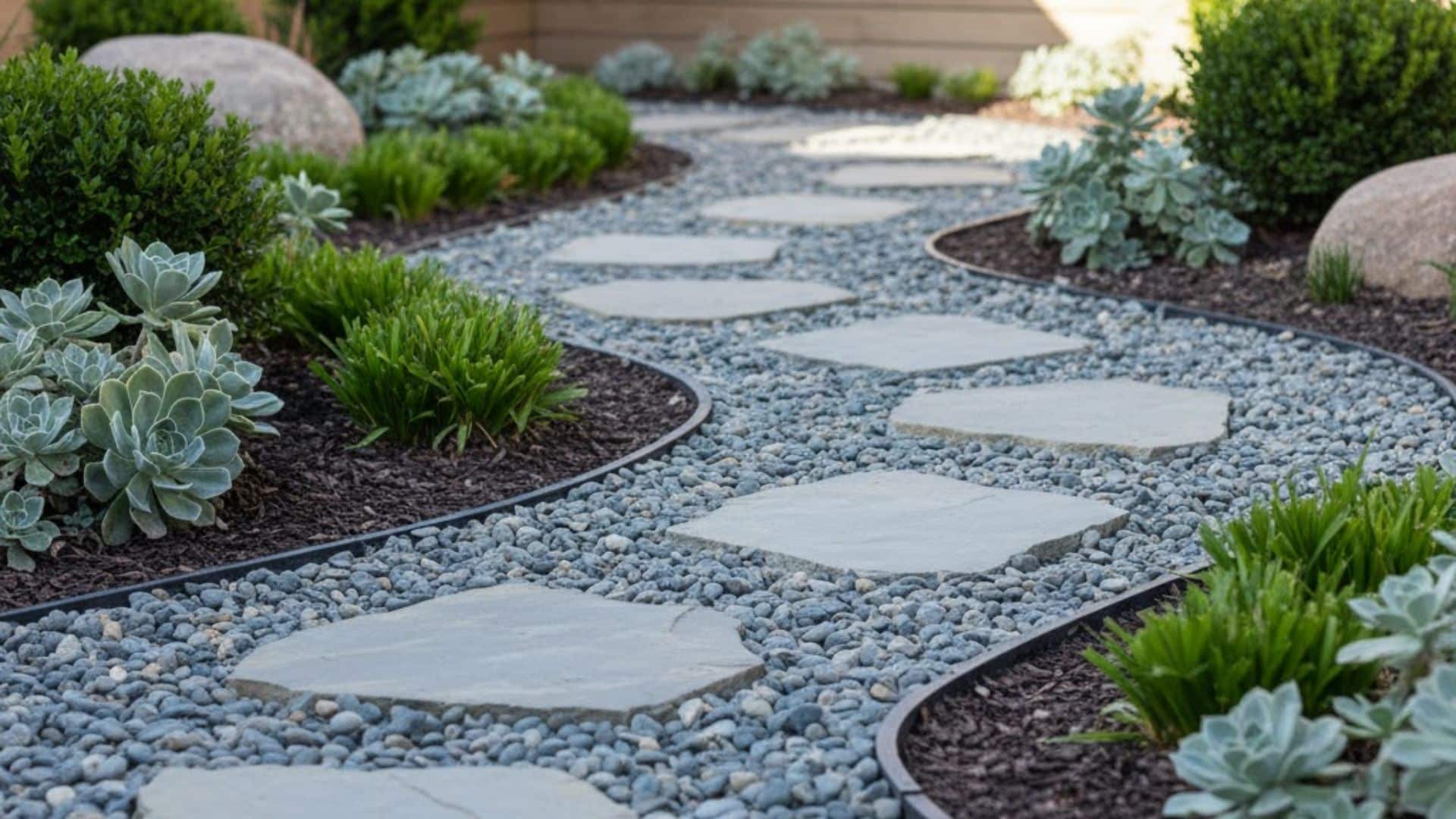
Gravel consists of small, decorative stones that add visual appeal to your landscape. These rocks allow for great drainage and last many years without needing replacement.
Once properly installed, gravel needs very little maintenance. It’s best for pathways, driveways, or xeriscaping in dry climates. However, gravel doesn’t retain moisture, making it unsuitable for plants needing consistent water.
3. Leaf Litter
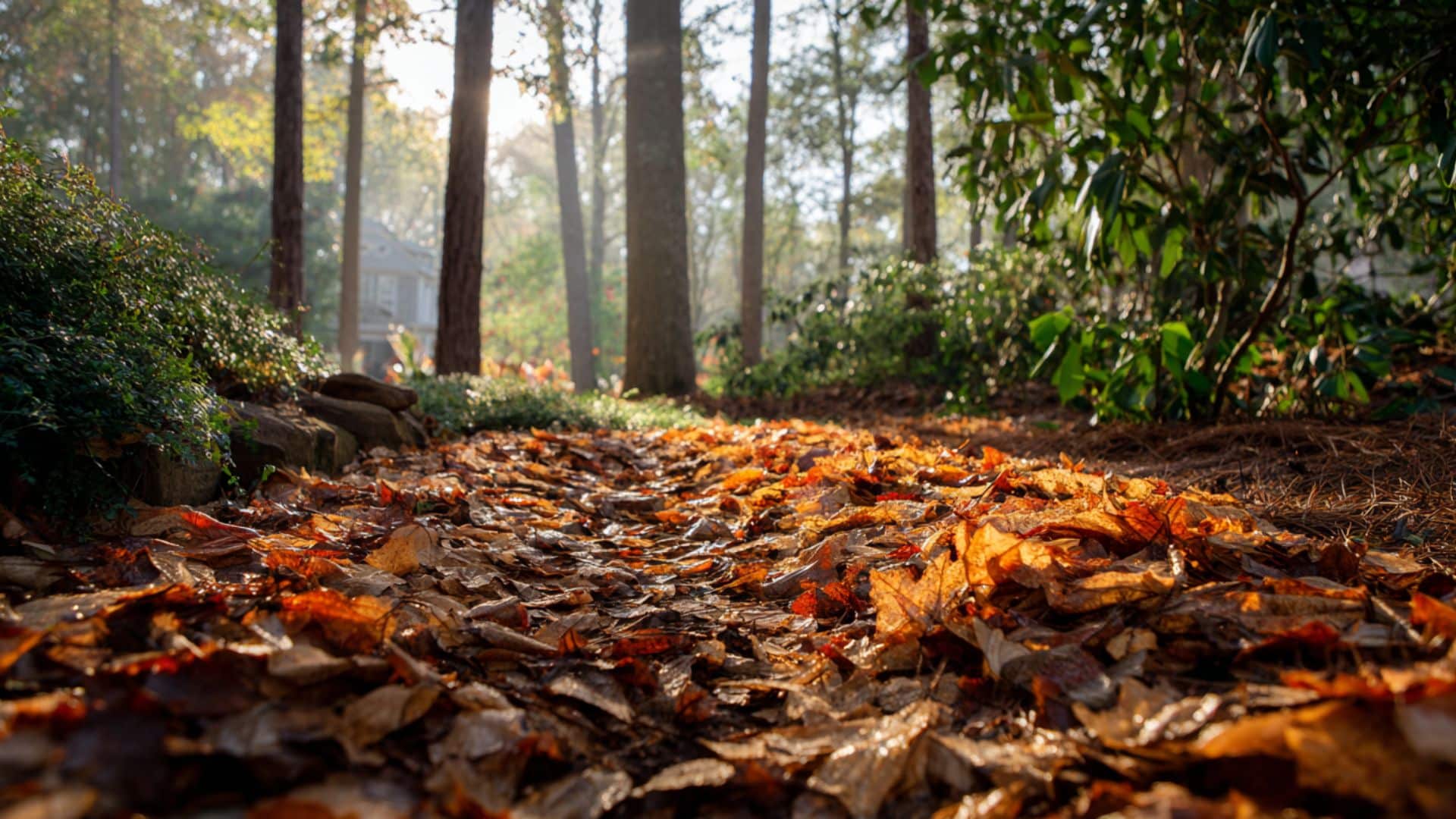
Leaf litter is simply fallen leaves collected from trees and spread across garden beds. This option costs nothing, recycles natural yard waste, and adds essential nutrients. I love using leaf litter in woodland gardens, under trees, or vegetable patches.
You’ll need to replenish the leaves regularly as they break down quickly. Leaves may also compact over time, reducing airflow and water penetration into the soil.
4. Straw or Hay
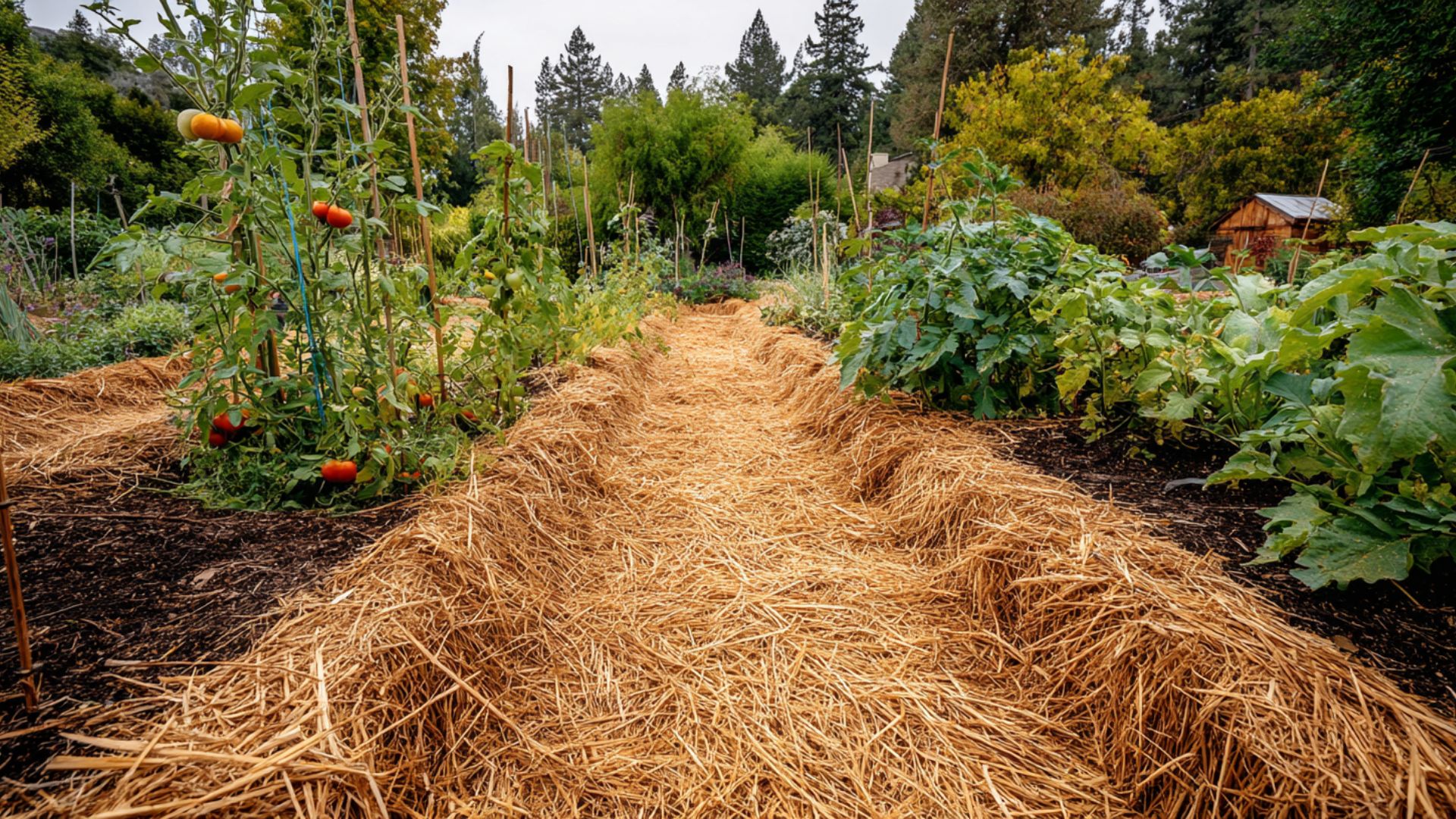
Straw and hay are lightweight organic materials harvested from grain crops. They biodegrade naturally and are excellent at preventing weed growth. These materials work well in vegetable gardens, organic farms, or around shrubs.
Straw stays loose and doesn’t compact easily, allowing air and water to reach the soil. However, straw can attract rodents if not monitored properly.
5. Grass Clippings
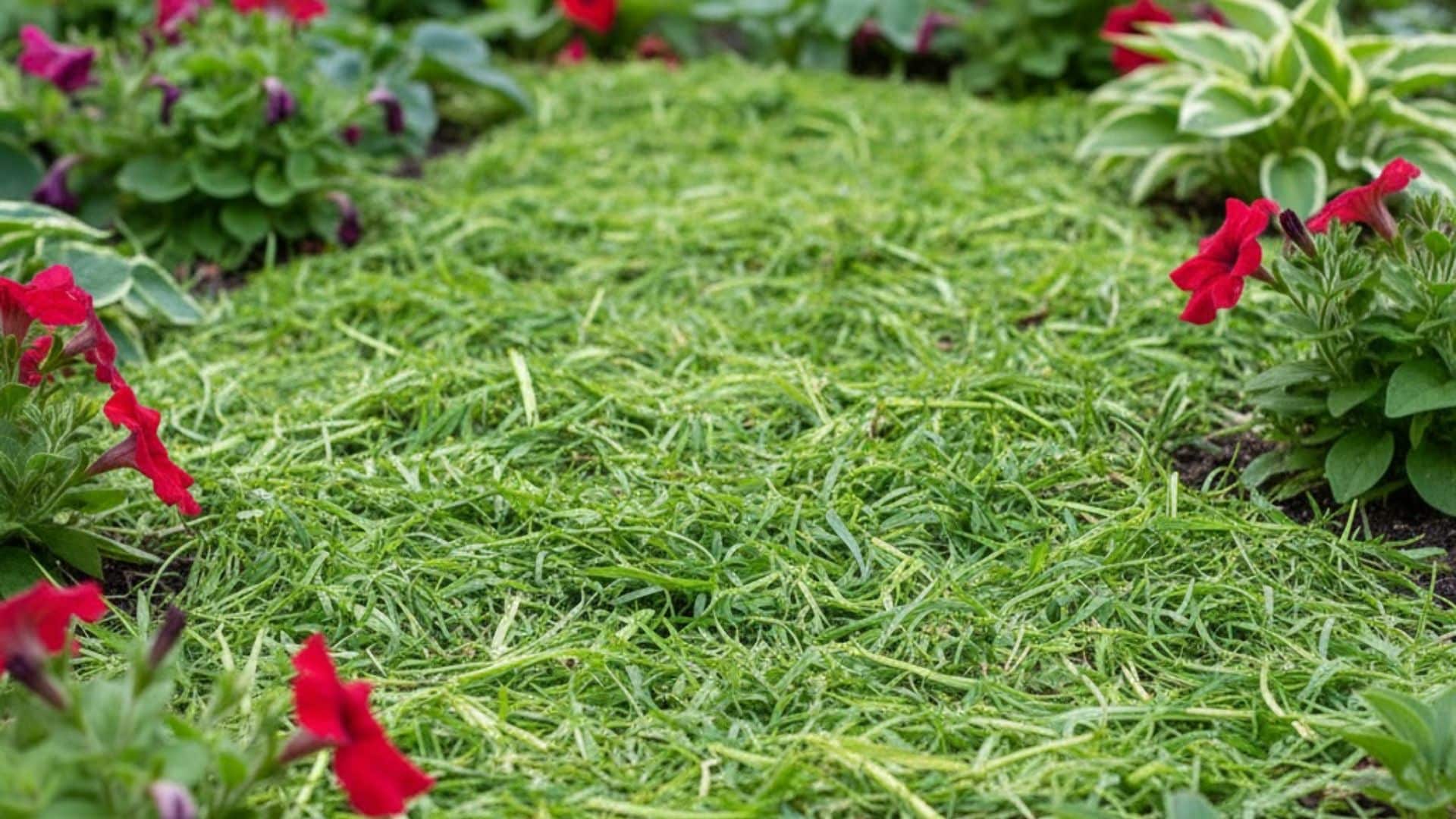
Grass clippings are the cut grass left over after mowing your lawn. I appreciate that they’re free, help retain moisture, and naturally add nitrogen to the soil. Use grass clippings in thin layers on lawns or garden beds for the best effect.
Thick layers can become mat-like, creating smelly, slimy conditions that harm plants. Let clippings dry slightly before spreading them to avoid clumping and improve airflow.
6. Cocoa Shell Mulch
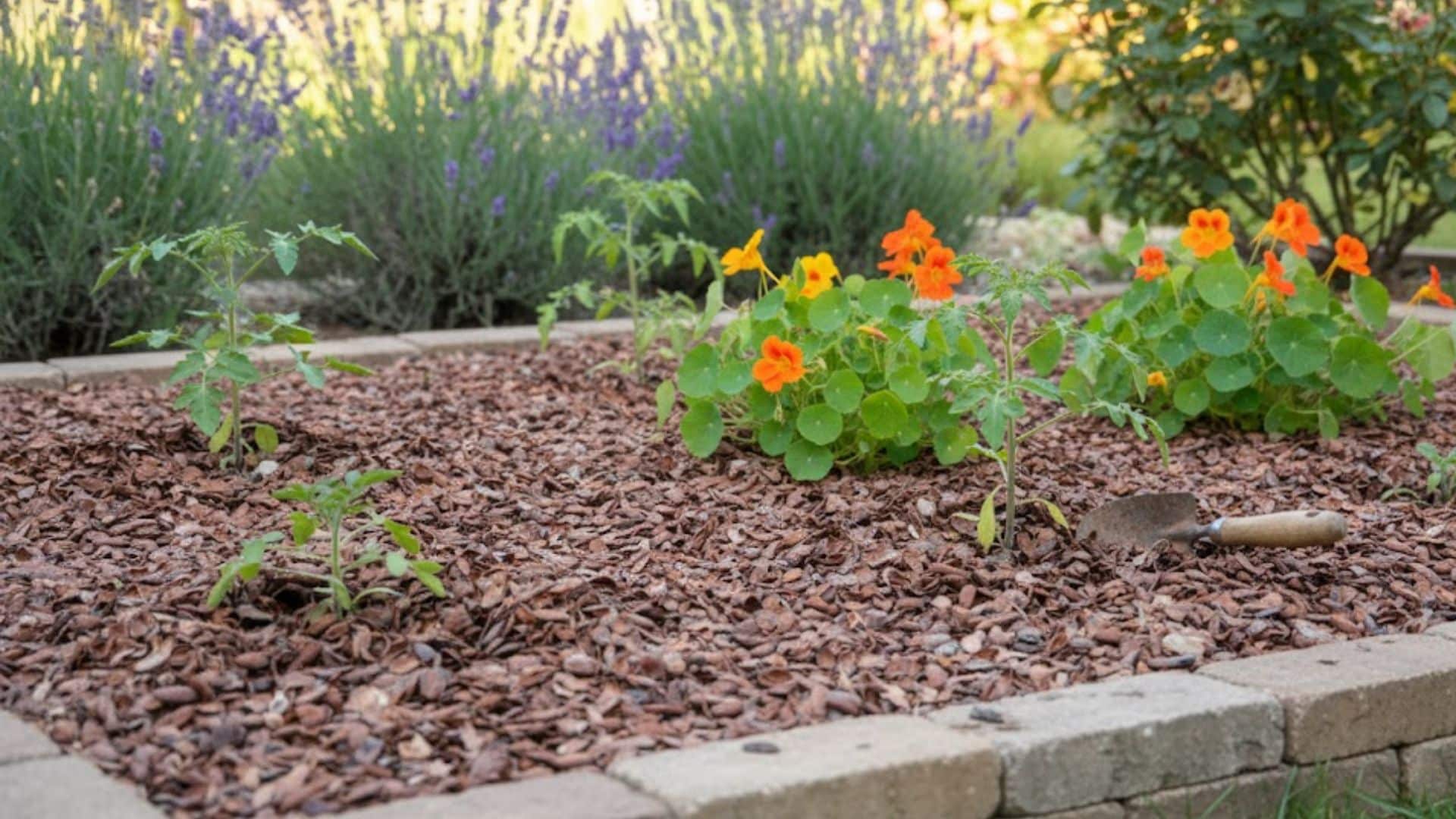
Cocoa shell mulch comes from the outer shells of cocoa beans. It has a pleasant chocolate scent, an attractive dark color, and looks great in flower beds. This mulch works well for decorative gardens where appearance matters.
However, cocoa shells are toxic to pets, especially dogs, so avoid using them around animals. The pleasant smell fades after a few weeks, but the attractive color remains throughout the season.
7. Cardboard or Newspaper
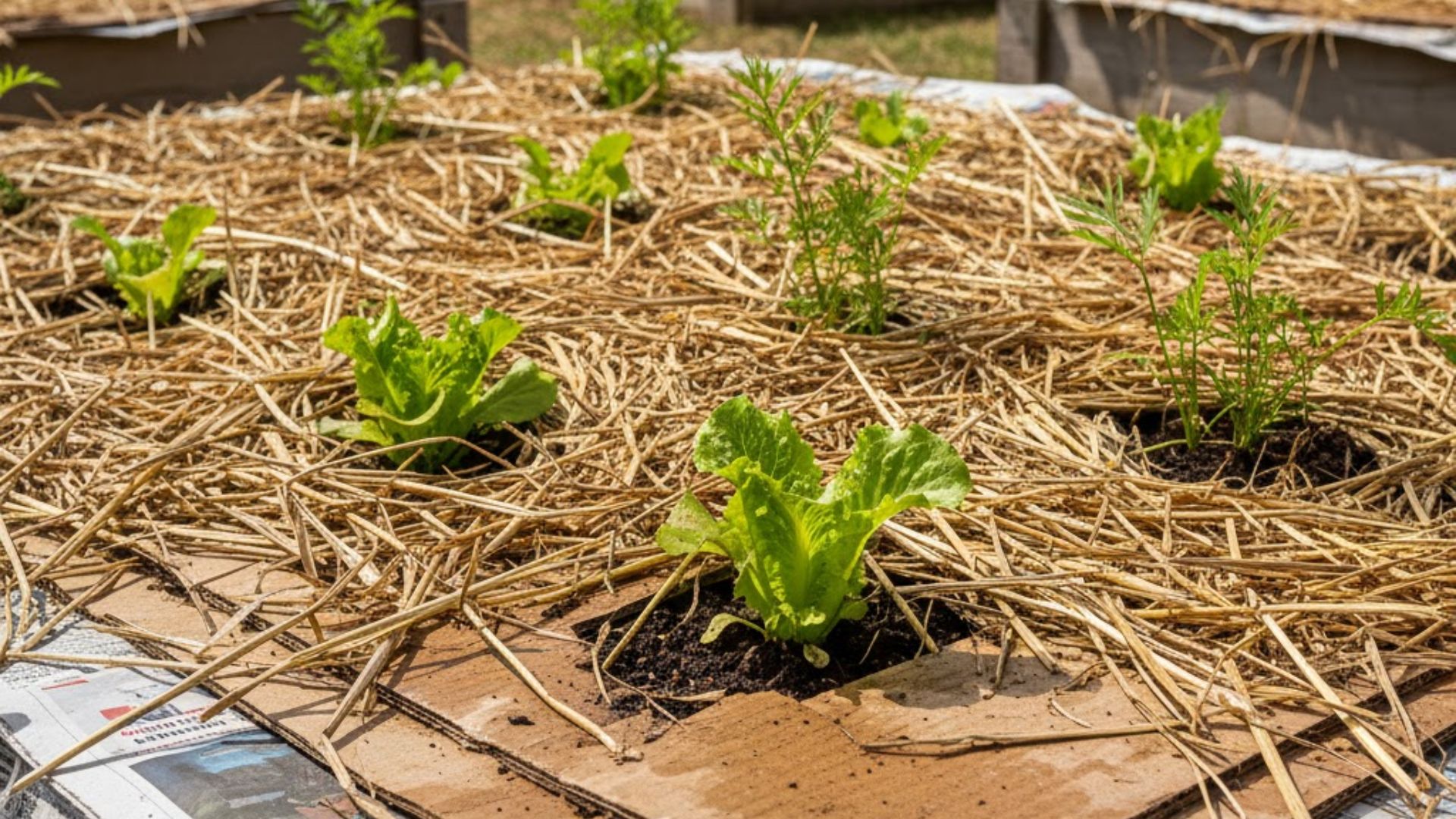
Cardboard and newspaper layers create an excellent barrier against weeds. I’ve found them effective for smothering weeds and extremely cost-effective. These materials are perfect for new garden beds or vegetable patches.
You’ll need to cover cardboard or newspaper with leaves or straw to improve the appearance. Wetting the materials before covering them will help keep them from blowing away.
8. Seaweed
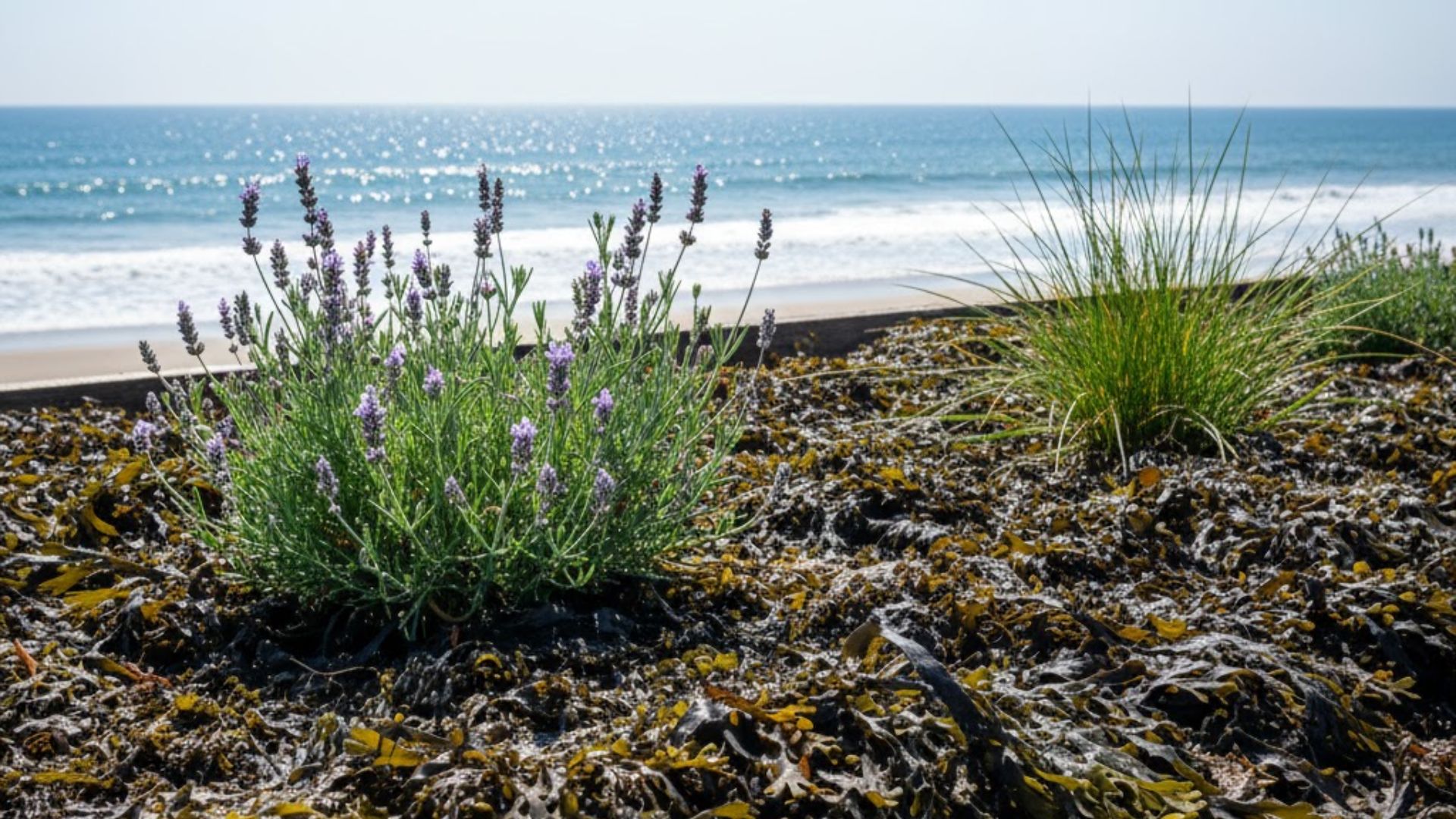
Seaweed is saltwater vegetation collected from beaches or harvested from ocean waters directly. It’s incredibly rich in nutrients and excellent for naturally improving overall soil health.
Seaweed works perfectly in vegetable gardens, flower beds, or coastal gardens with easy access. However, seaweed can be salty and needs thorough rinsing before use in the garden.
9. Pea Gravel
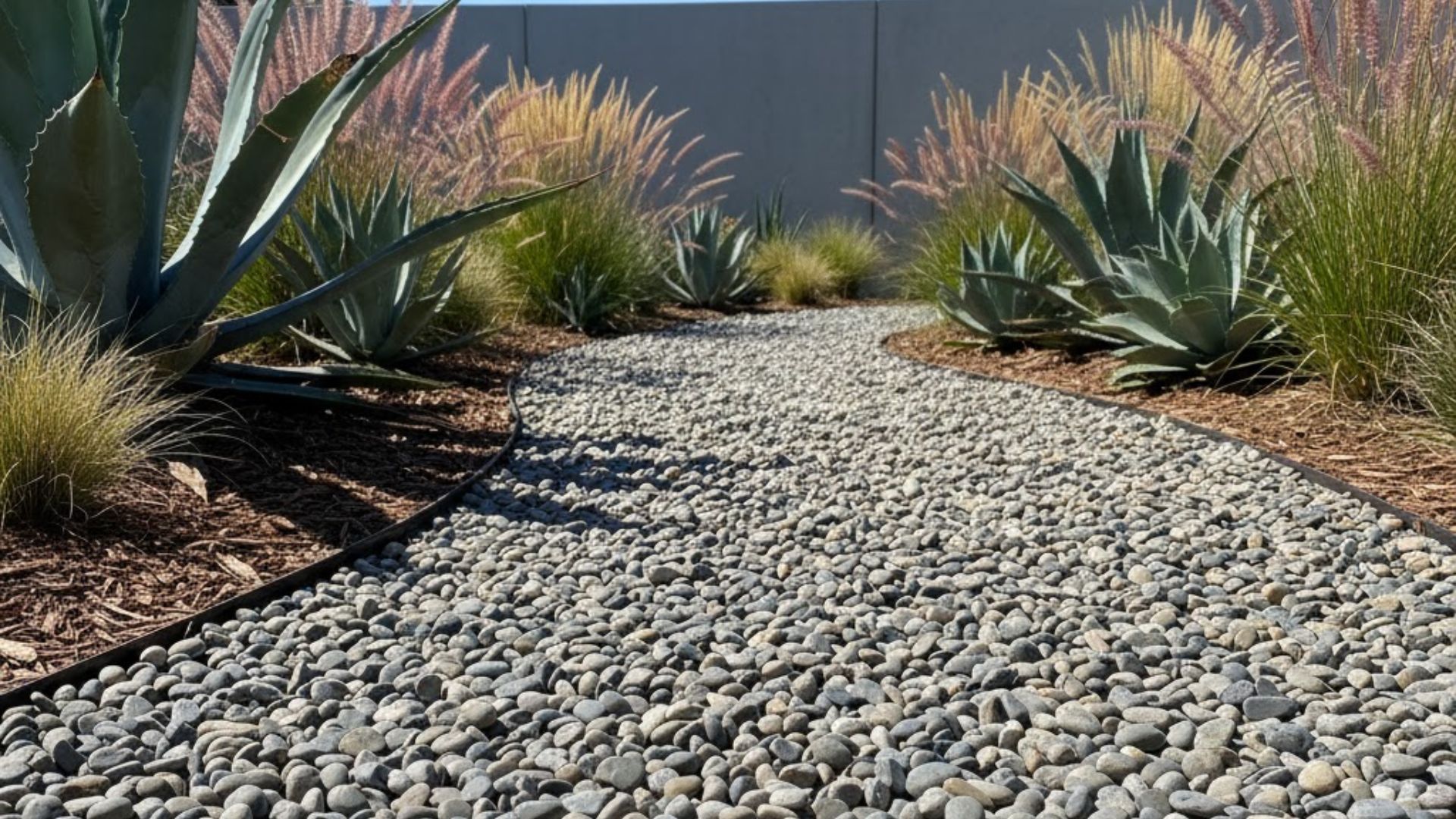
Pea gravel consists of smooth, rounded stones that are perfect for clean pathways. It offers excellent drainage, requires little maintenance, and doesn’t wash away during rain. It’s ideal for pathways, driveways, or areas with heavy foot traffic.
Pea gravel can be uncomfortable to walk on barefoot, and the small stones may scatter into lawn areas, requiring occasional raking back into place.
10. Pine Needles
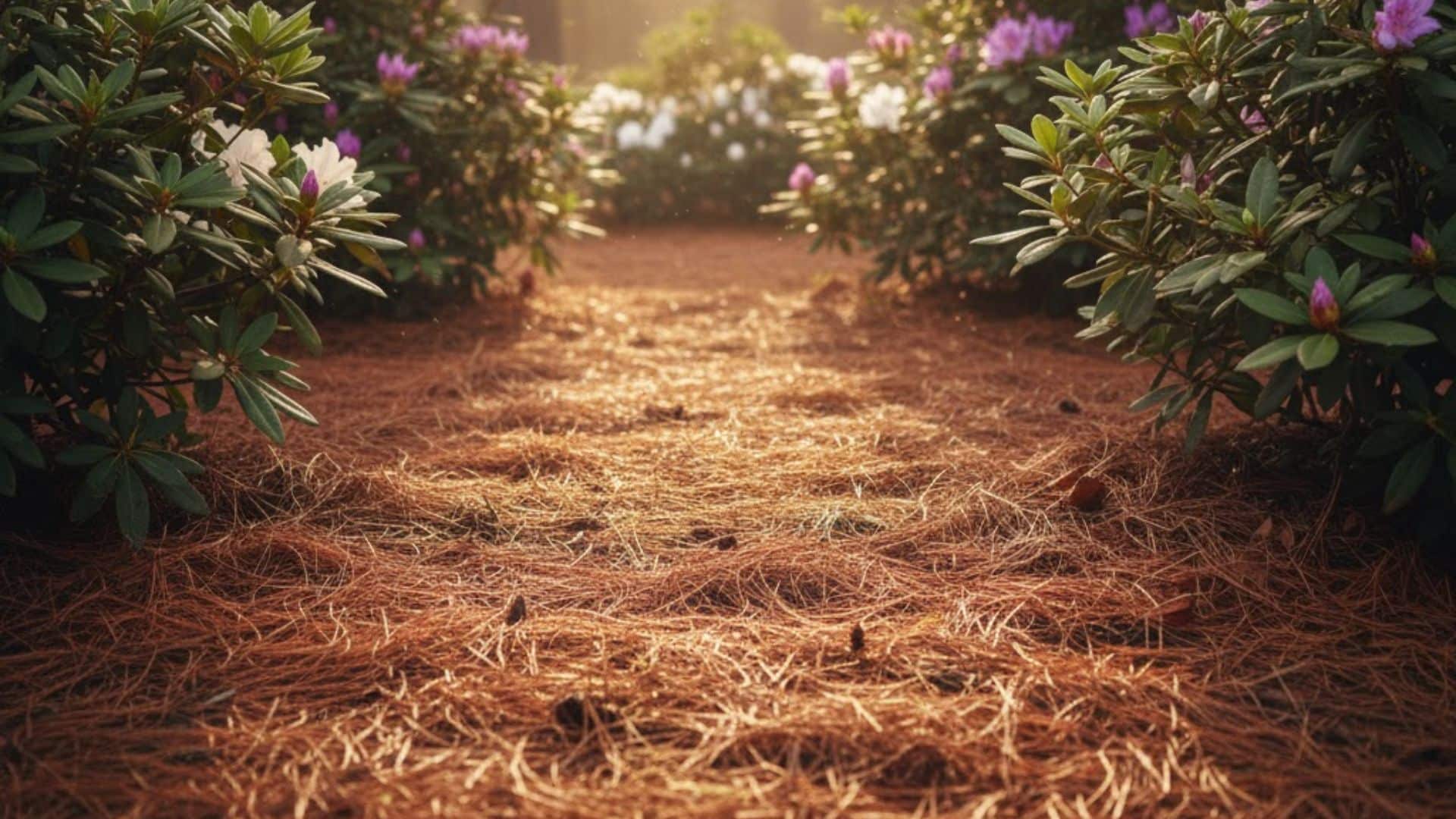
Pine needles are fallen needles collected from pine trees. They’re lightweight, break down slowly, and create a natural, attractive look. Pine needles work great for acid-loving plants like azaleas, rhododendrons, and blueberries.
You’ll need to replenish them as they decompose each season. Be cautious on slopes, as pine needles can become slippery when wet, posing a hazard.
11. Coconut Coir
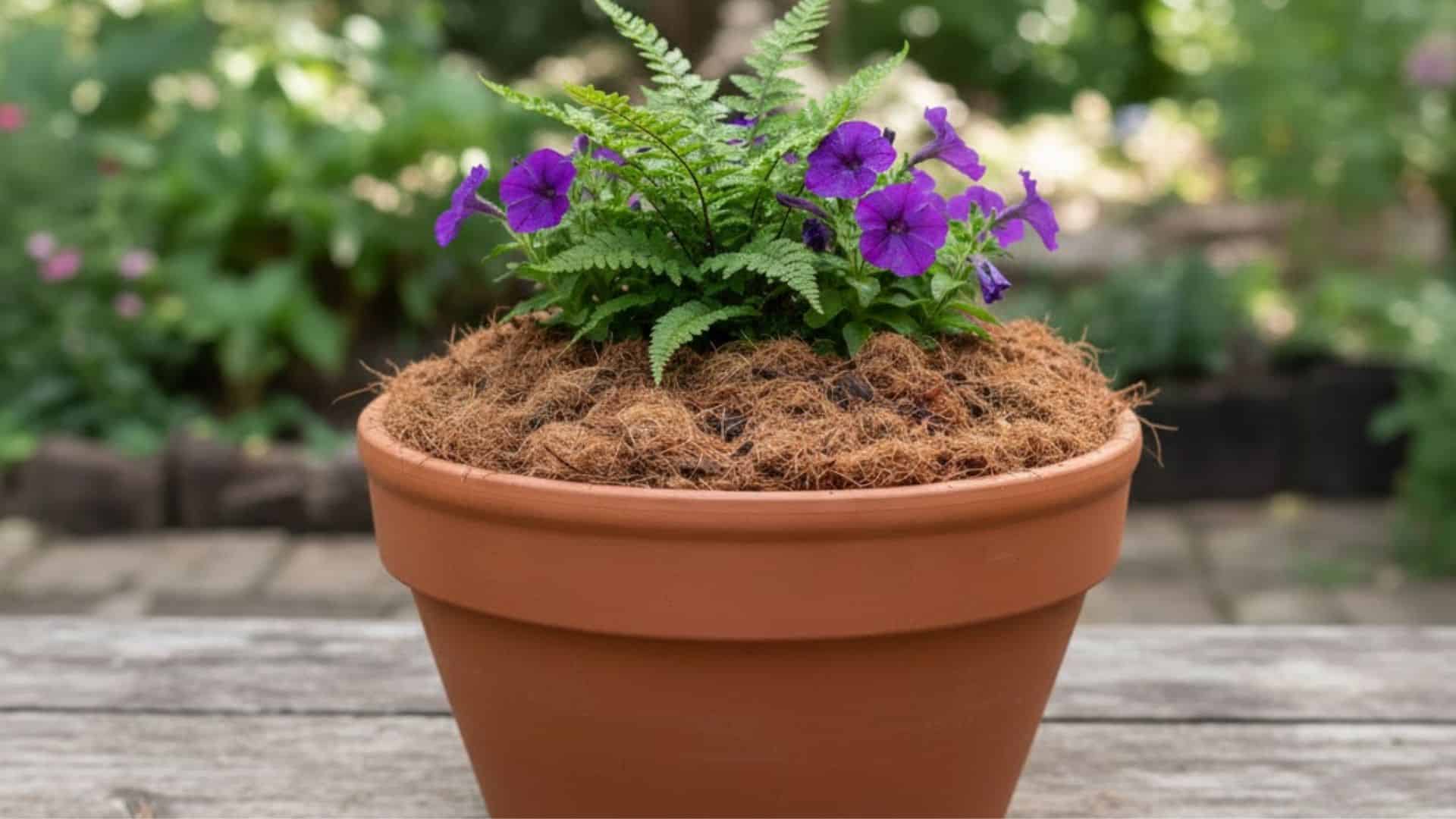
Coconut coir is made from fibrous coconut husks and retains moisture exceptionally well for plants. It’s environmentally friendly, lightweight, and easy to spread across garden beds or hanging baskets.
This material is suitable for potted plants that need consistent watering throughout the season. However, coconut coir can be expensive compared to other options and needs regular replenishment.
12. Pumice Stone
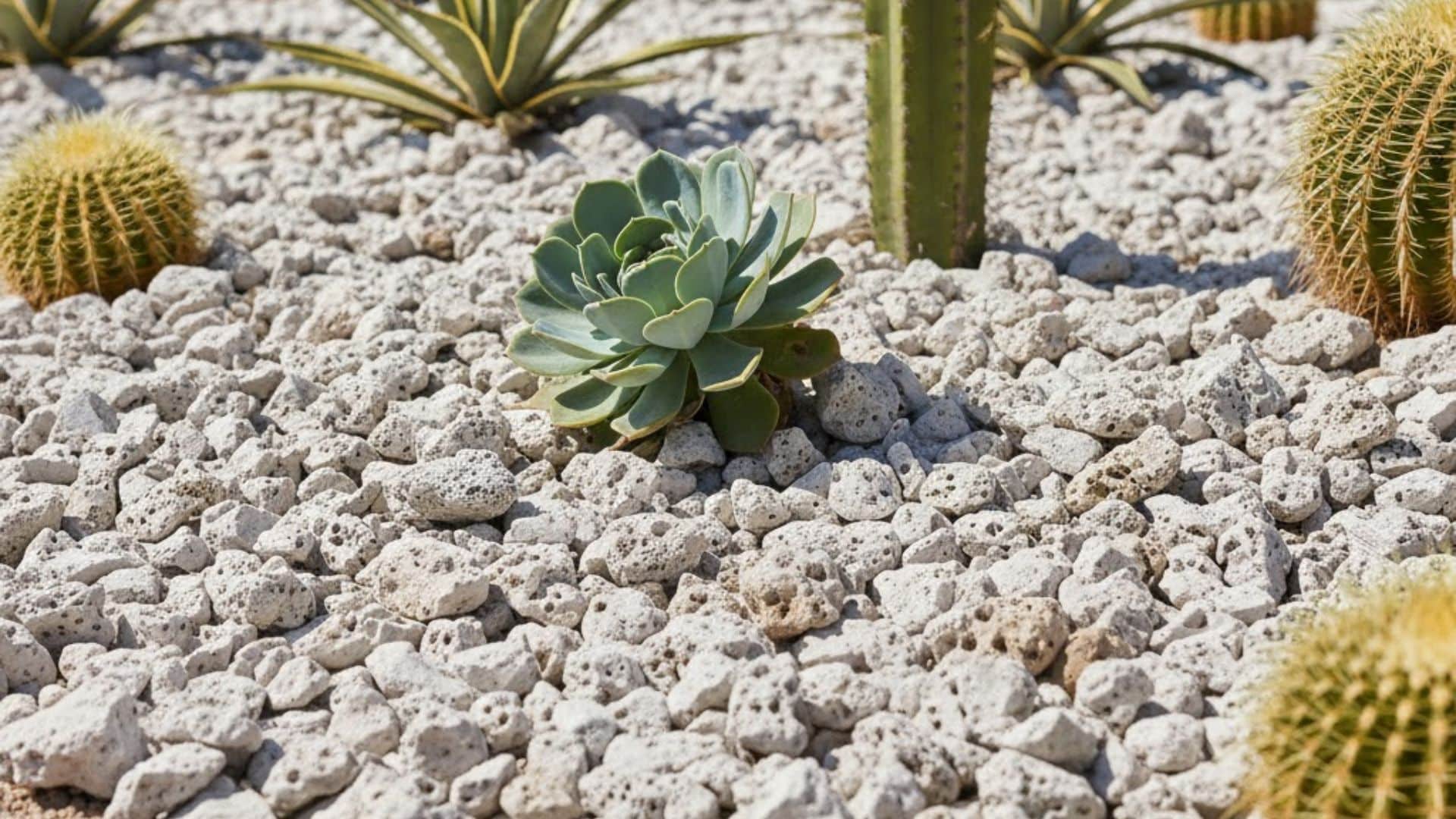
Pumice is a lightweight, porous volcanic rock that provides excellent drainage for plant roots. It adds interesting texture to landscapes while lasting many years without breaking down naturally.
This material works perfectly for xeriscaping, pathways, or around drought-tolerant plants needing good drainage. I’ve noticed that pumice doesn’t provide much insulation or moisture retention for roots, though.
13. Bark Nuggets
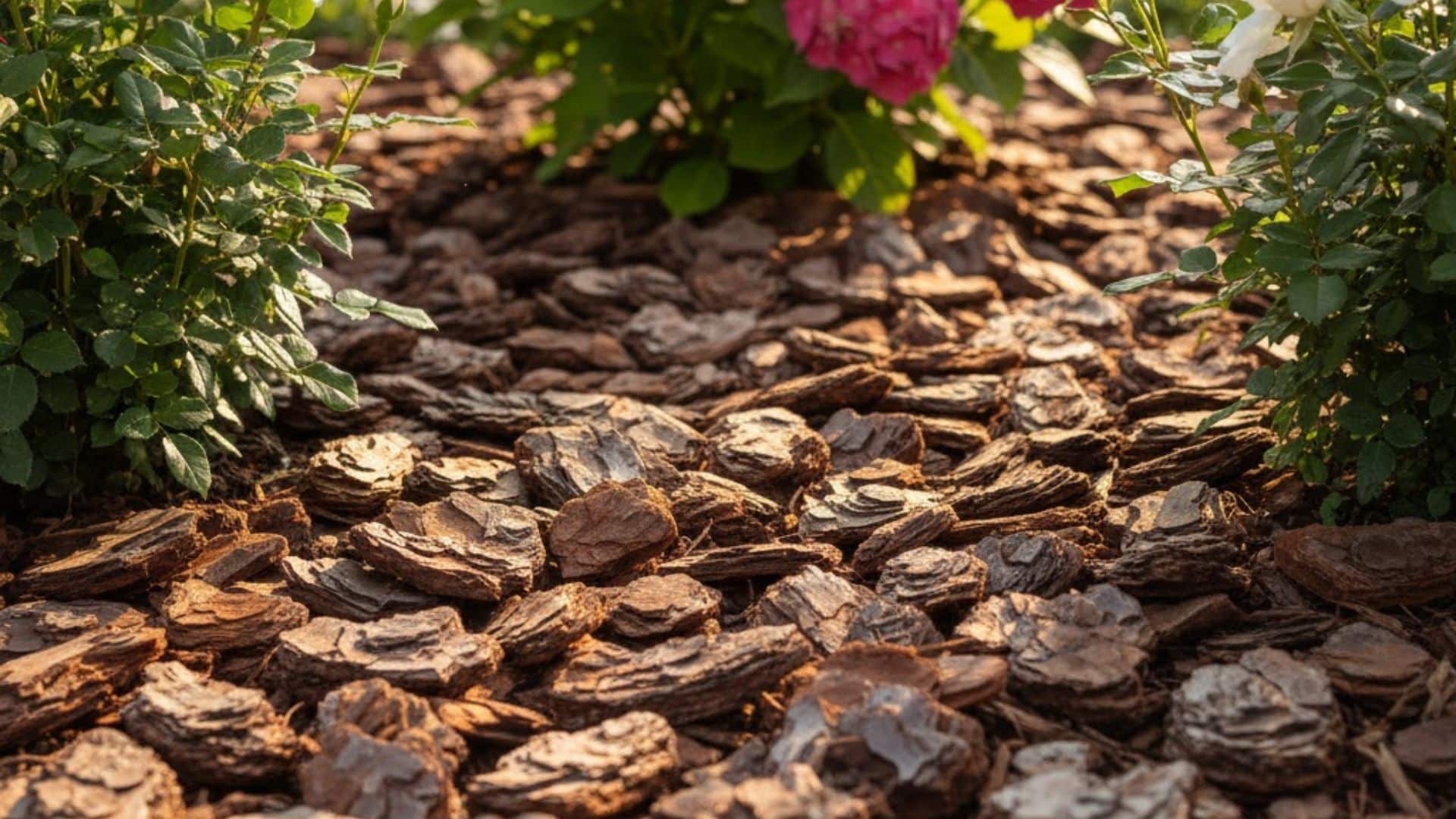
Bark nuggets are larger bark pieces from trees like pine or cedar that look decorative. They provide good weed control and decompose much more slowly than smaller bark chips do.
These nuggets work beautifully in flower beds or landscaping around trees and large shrubs. Bark nuggets can be expensive depending on the type and need occasional replenishing over time.
14. Shell Mulch
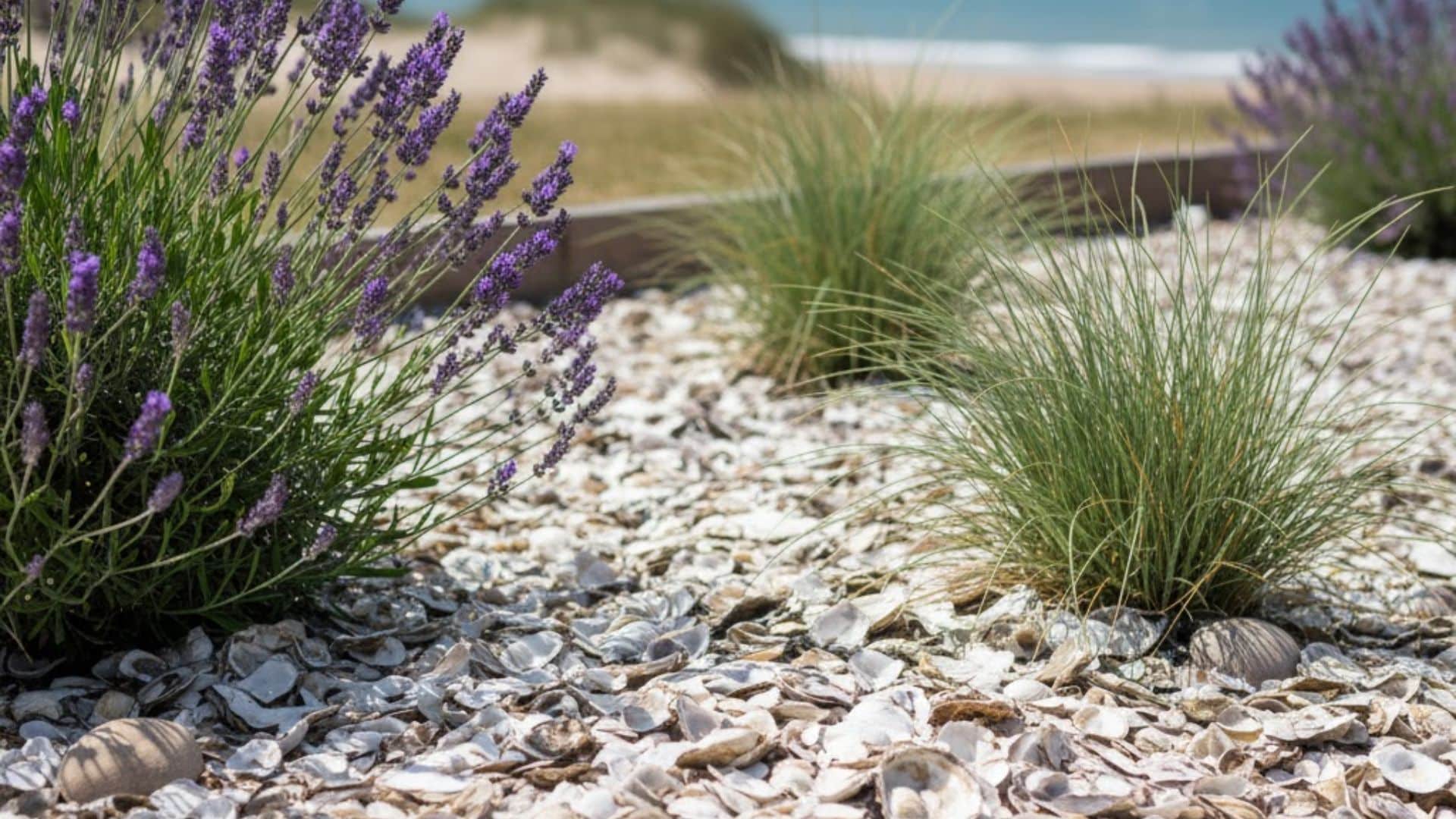
Shell mulch consists of crushed or whole oyster and clam shells from coastal areas. It looks attractive in coastal gardens and helps improve soil pH over time naturally.
I find that shells work perfectly in flower beds or areas where visual appeal matters. However, shells can be heavy and difficult to spread, requiring occasional replenishment, too.
How to Choose the Best Mulch Alternative for Your Yard?
I know that selecting the right mulch alternative depends on several important factors specific to your garden situation. Here are key considerations to help you make the smartest choice for your landscape:
- Climate conditions: What works well in dry climates may not be suitable for humid areas with heavy rainfall or high moisture levels.
- Plant requirements: Different plants need different moisture levels, soil quality, and pH balance to flourish and grow properly.
- Budget and availability: Some materials are free or low-cost, like leaf litter and grass clippings, while others are pricier.
- Visual preferences: Decide if you want a natural, organic look or something more refined and structured for your yard.
- Environmental impact: Choose sustainable options and eco-friendly materials that align with your environmental values and reduce waste.
Taking time to evaluate these factors ensures you pick the best material for your needs. Your choice should balance practicality, cost, and the overall look you want to achieve.
That’s a Wrap
Now that you’re familiar with several mulch alternatives, your garden can truly shine in new ways. I hope you’re feeling inspired to try something fresh instead of sticking with the same old routine.
Every option offers unique advantages, so choose one that suits your plants, climate, and personal style. Keep in mind that experimenting helps you figure out what works best in your specific garden conditions.
Some materials might surprise you with their performance! Start with a small section and see how it goes before applying it to your whole garden.
After all, your garden is your creative space, so choose what feels right for you. I’d love to hear which alternative you’re most excited to try first; drop a comment below!