What is top soil used for? I used to think it was just dirt until I learned about its actual practical uses in gardening and landscaping. You know that it’s the top dark, damp soil that all of us have played with as kids, but there’s more to it.
The underestimated topsoil has more personality traits than just growing flowers, crops, and herbs. For starters, many living creatures, such as our friendly earthworms, live in the top soil. The topsoil is like the first line of defense, and once you get through, you are through.
Through the following sections, I will teach you all about the heroic top soil. Its features, uses, benefits, and community discussions on the red and green flags of topsoil.
What is Topsoil?
Before talking about what top soil is used for, let’s make sure you understand what it actually is.
Topsoil is the uppermost layer of soil, usually the top 2 to 8 inches of earth. It’s what you see when you dig into your yard.
It’s darker than the soil below because it contains more organic matter, including decomposed leaves, roots, and other organic material.
Think of it as the working layer of your yard. It’s where seeds germinate, roots spread, and microorganisms break down organic matter. The soil below (subsoil and parent material) is lighter colored, denser, and less fertile.
Topsoil is looser and easier for roots to penetrate than the packed clay or rock underneath. It’s the foundation of a healthy lawn or garden, which is why understanding what topsoil is used for can make or break your yard projects.
What is Top Soil Used For?
1. Using Topsoil for Lawn Repair
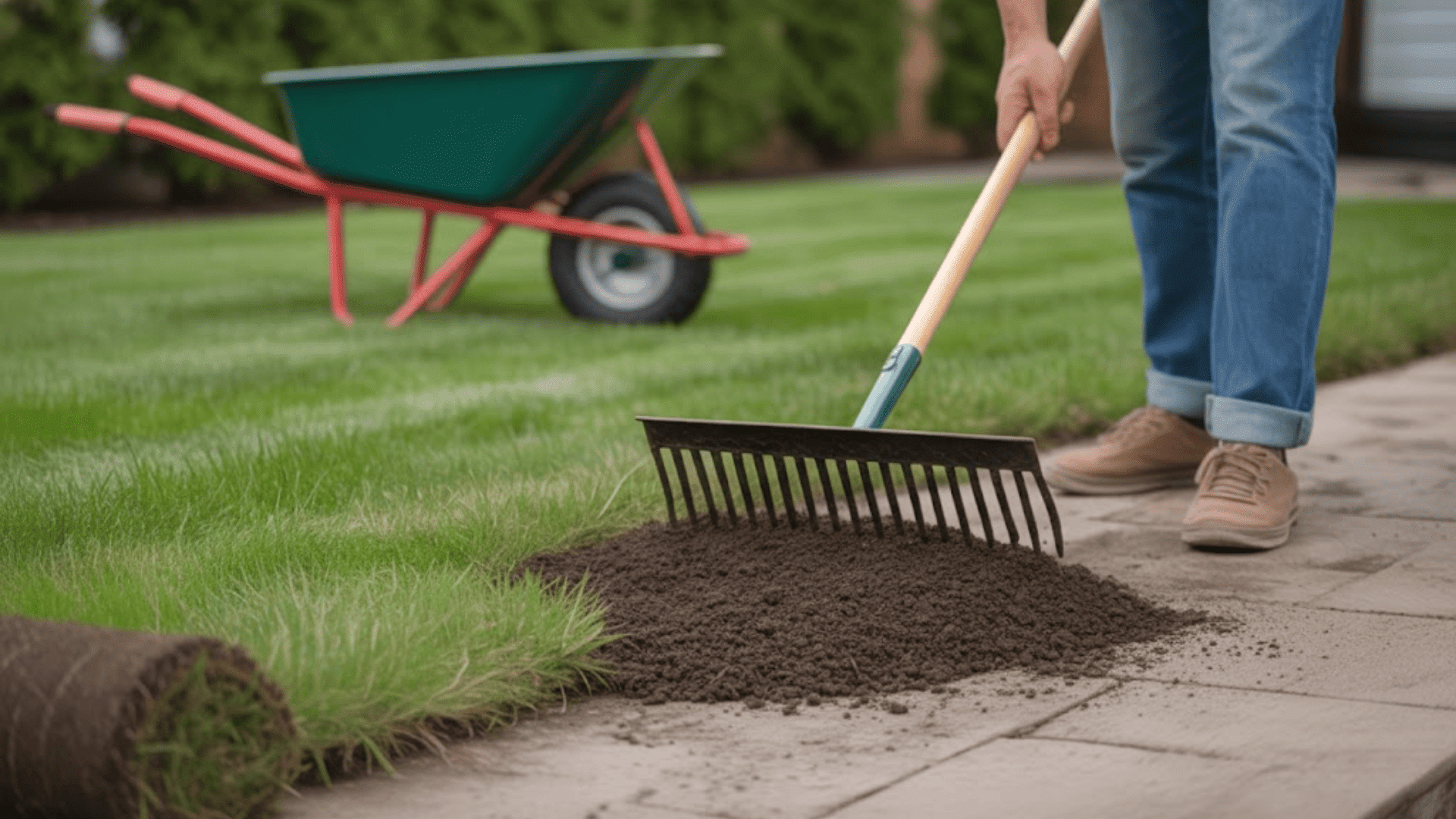
Topsoil is the go-to material for smoothing out a bumpy yard or fixing drainage issues.Because it is screened, it spreads easily without large rocks or debris getting in the way.
- Filling Low Spots: Use thin layers to fill depressions where water pools, allowing grass to grow through the new soil.
- Leveling Uneven Turf: Apply topsoil in 1-inch increments to gradually level a yard without smothering the existing root system.
When using it for repair, always rake the area thoroughly to ensure the soil settles into the low points rather than sitting on top of the grass blades.
2. Starting New Lawns and Sod
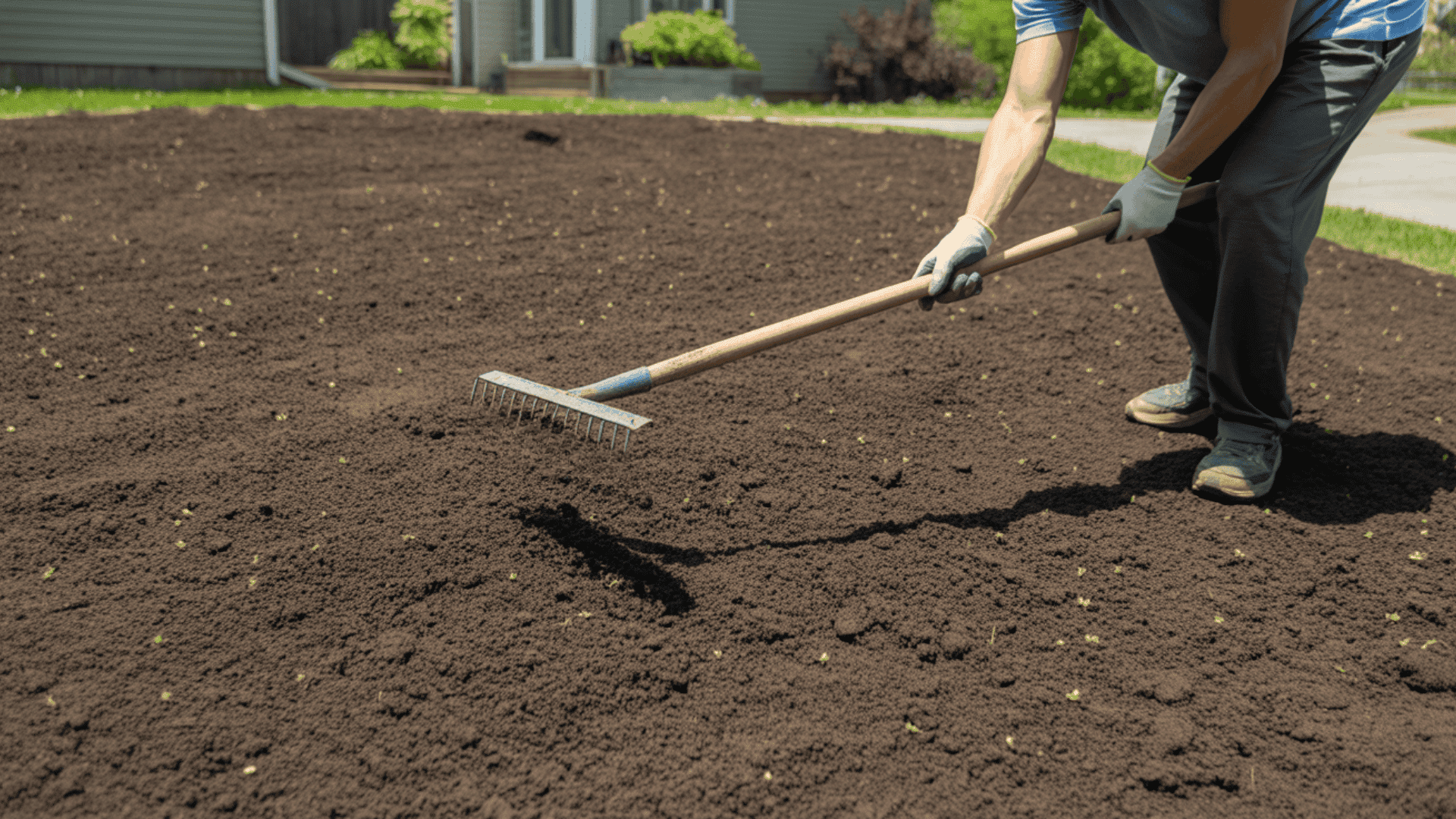
A successful lawn starts with a healthy seedbed. Top soil provides the loose, friable texture that young roots need to penetrate the ground quickly and establish a strong foundation.
- Seedbed Preparation: Spreading a fresh layer of top soil gives grass seeds a nutrient-rich environment for better germination rates.
- Sod Establishment: Placing top soil underneath new sod improves “knitting,” which is the process of the sod roots growing into the native earth.
Without this loose layer, roots may struggle to penetrate compacted subsoil, leading to a lawn that dries out quickly or fails to thrive in summer heat.
3. Light Grading and Erosion Control
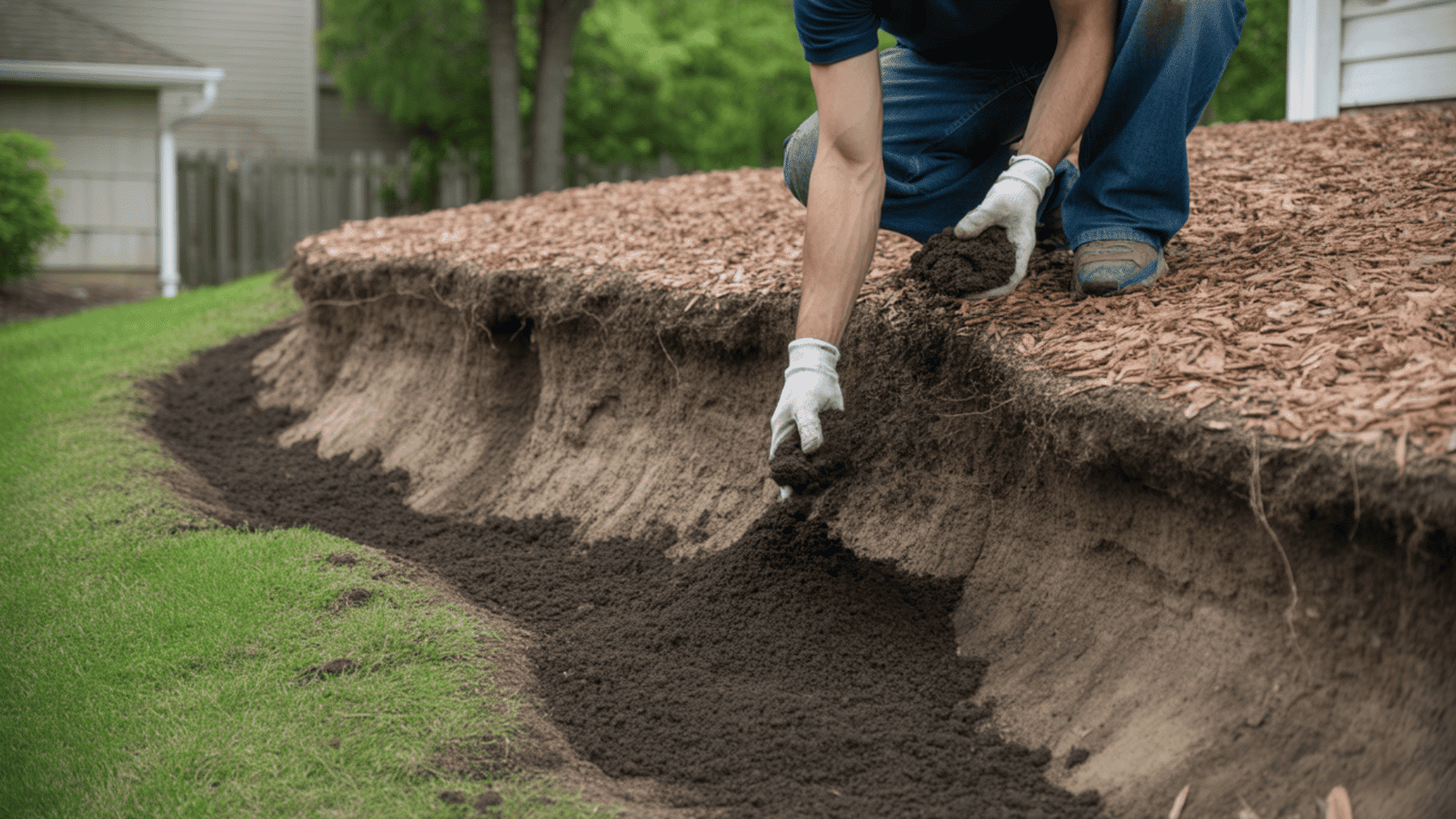
Managing the flow of water around a home is critical for foundation health.Topsoil is an effective tool for minor landscape adjustments that direct water away from structures.
- Foundation Grading: Create a gentle slope away from the house to prevent basement leaks and standing water near the footer.
- Erosion Repair: Replace soil that has washed away during heavy rains, though it should be stabilized with seed or mulch immediately.
While “fill dirt” is used for deep holes, top soil is the preferred finishing material because it supports the vegetation needed to hold the slope in place permanently.
4. Amending Soil for Garden Beds
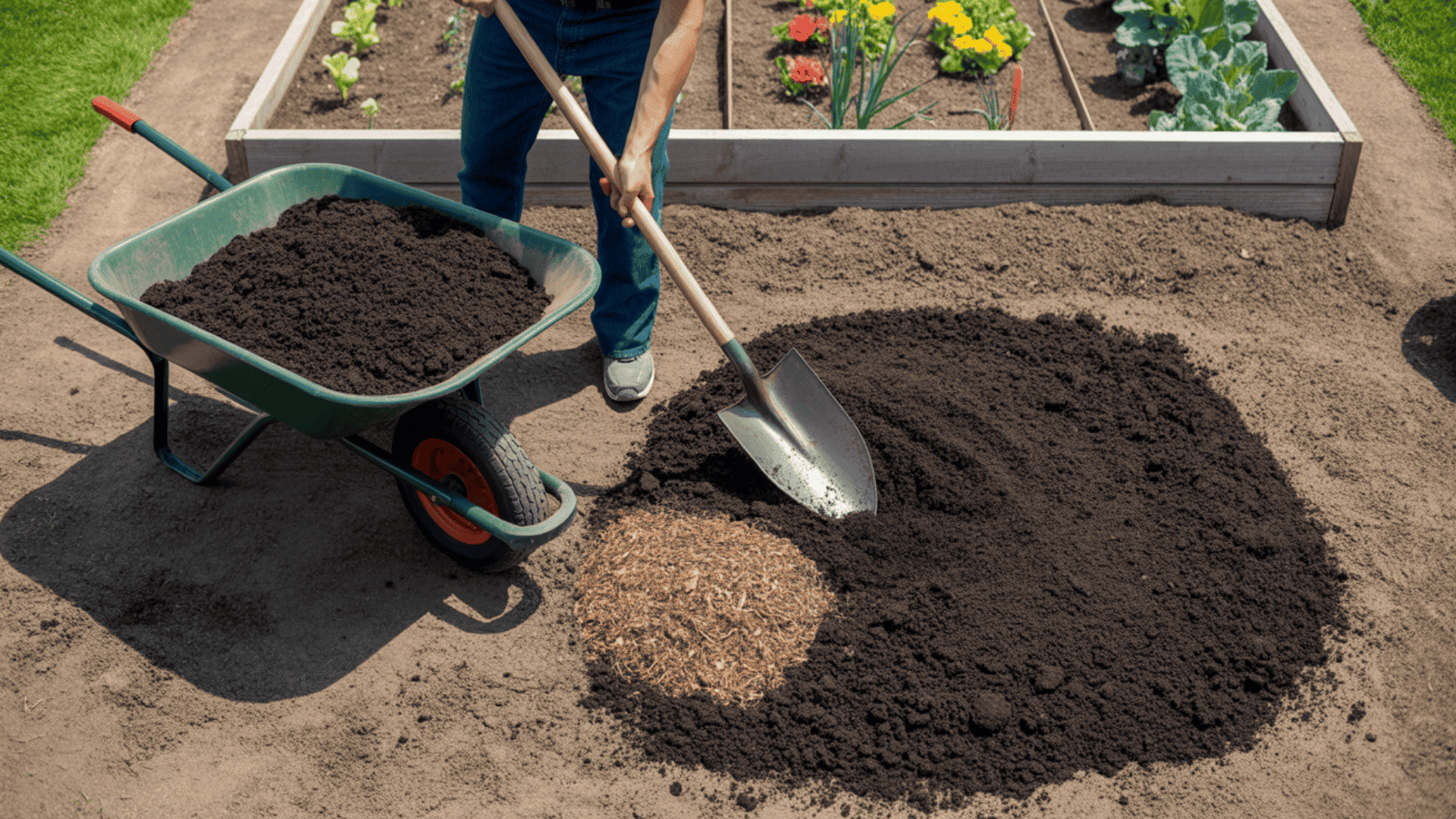
Pure topsoil is rarely enough for a high-performing garden. In real-life applications, it serves as a structural base that must be improved with organic matter to support plant life.
- Texture Improvement: Mixing top soil into heavy clay or loose sand helps create “loam,” which is the ideal balance for drainage and air flow.
- Creating New Borders: Use top soil to define the shape of new flower beds before tilling in compost or manure.
Always remember that top soil provides the “house,” but compost provides the “food.” For vegetables and flowers, a 50/50 mix of topsoil and organic matter is the gold standard.
5. Filling Deep Raised Beds
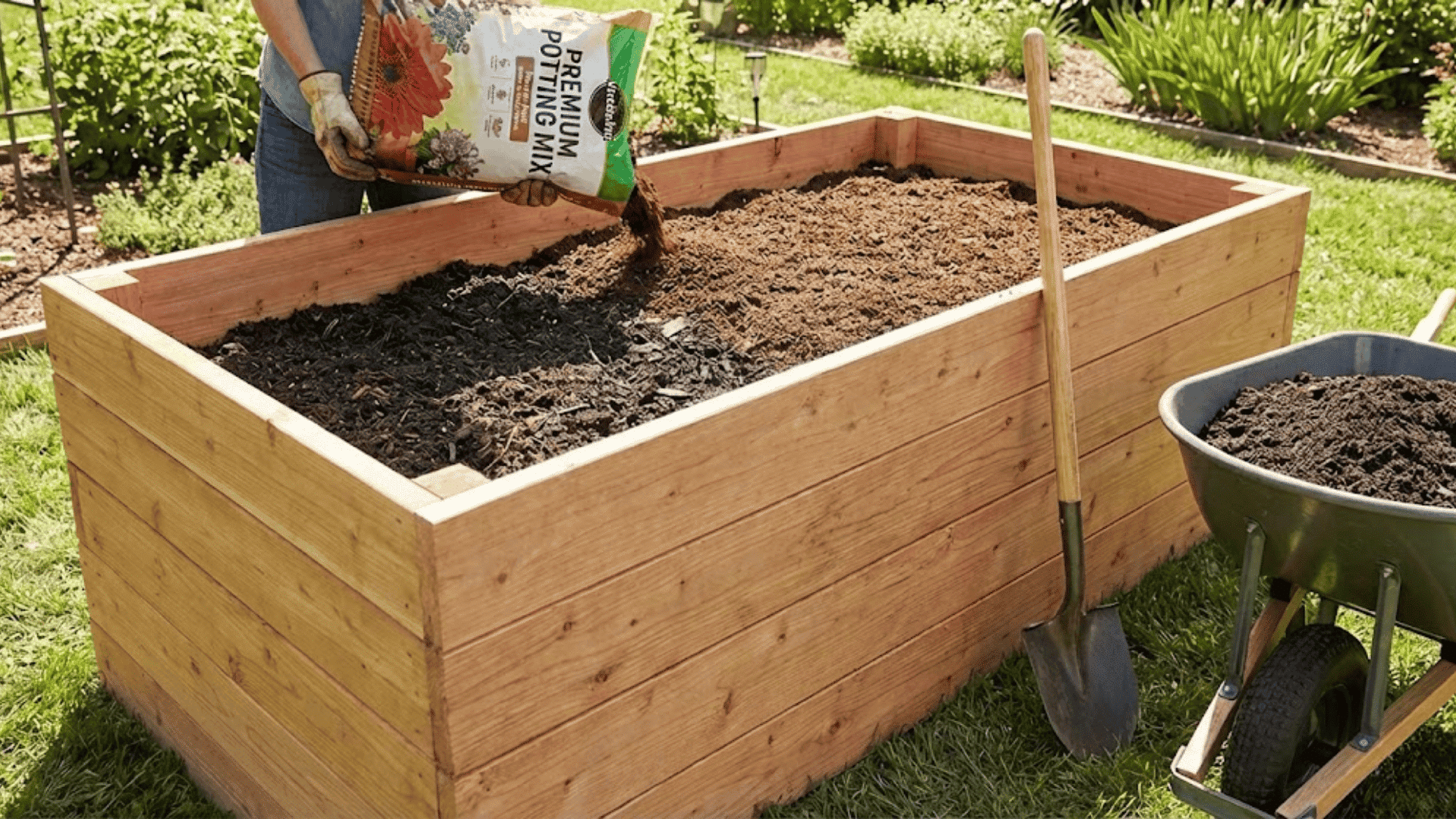
Filling large raised beds can be expensive if you use premium potting mix for the entire depth. top soil offers a cost-effective way to fill the bulk of the container.
- Base Layer Filler: Use top soil to fill the bottom 50% of deep beds (12 inches or more) where most vegetable roots won’t reach.
- Cost Management: Substituting top soil for expensive mixes in the lower half of a bed significantly reduces the overall project cost.
This layering strategy ensures that your plants have premium, nutrient-dense soil in the top 6 inches, while the topsoil underneath provides stable bulk and moisture retention.
Advantages and Disadvantages of Topsoil
Topsoil isn’t perfect, but it has its place. Topsoil plays a practical role in many lawn and garden projects, but it is not a one-size-fits-all solution. Knowing its strengths and limits helps you use it correctly.
Key Benefits of Using top soil
Top soil is often chosen because it solves basic surface-level problems without adding complexity. For many lawn and yard projects, it offers a simple and cost-aware starting point.
- Affordability: Top soil costs $15–$50 per cubic yard (bulk) or $2–$5 per bag, making it budget-friendly for large projects.
- Easy to work with: No special tools needed. A shovel and rake are enough to spread it, especially when slightly damp.
- Improves existing soil: Loosens clay, adds body to sand, and creates better conditions for roots and water movement.
This makes it useful for surface improvements where structure matters more than nutrients.
It’s especially helpful when you need volume and coverage rather than rich soil.
Potential Issues with Top soil
While top soil is useful, it also comes with limits that catch many people off guard. Knowing these issues ahead of time can save you money and frustration. Remember the following Drawbacks:
- Lacks Nutrients: You’ll need to add fertilizer or compost for any planting to succeed in plain top soil alone.
- Application Matters: Don’t apply too thickly, or it can compact and become almost as bad as dense clay soil.
- Quality Varies: Some batches contain rocks, clay chunks, or debris that need removal before use on your property.
Because of these issues, top soil works best as a base or filler, not a finished growing medium. Using it correctly often means pairing it with better soil or organic matter.
What Reddit Users Say About Using Top soil
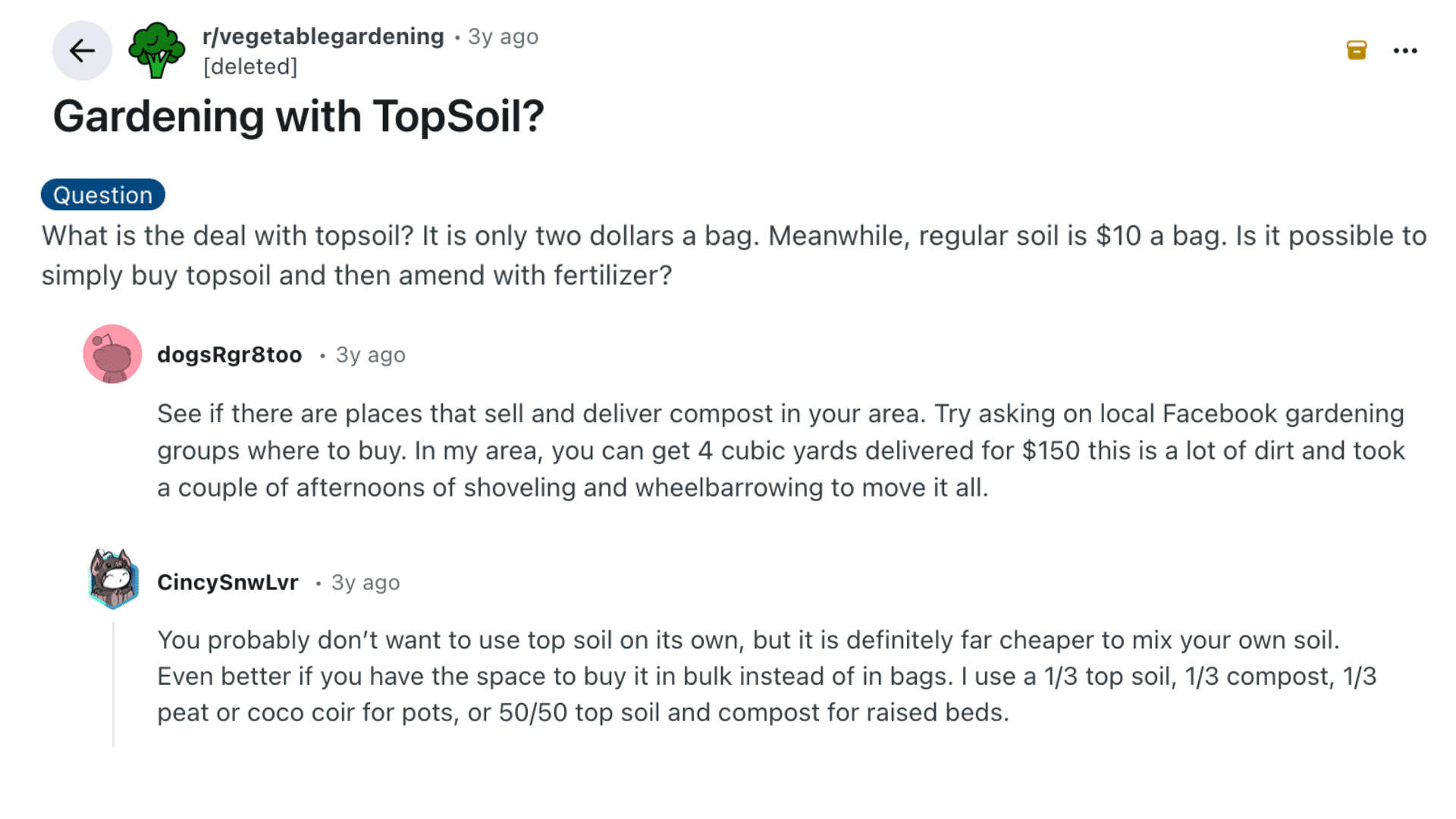
I’ve spent way too much time reading lawn and garden threads on Reddit, and here’s what real people actually say about what top soil is used for.
One user put it simply: “You probably don’t want to use top soil on its own, but it is definitely far cheaper to mix your own soil.” Most gardeners stress mixing it with richer material, especially for vegetables.
The Most Common Ways People Use Topsoil
These uses come up often because they fix everyday yard problems in a simple, low-cost way. Across gardening discussions, top soil is most often used for light surface improvements rather than deep planting.
- Leveling low spots: Top soil smooths shallow lawn dips where water collects or soil settles.
- Covering grass seed: A light layer keeps seed moist, improves soil contact, and limits loss.
- Filling minor dips: Small amounts even out shallow settling near lawns or walkways.
- Thin layer use: Apply about 1–2 inches to avoid compaction and drainage problems.
The main takeaway is that top soil works best for surface-level fixes. It’s not meant to replace quality garden soil, but performs well for small, targeted improvements when used correctly.
What Reddit Users Say Not to Do
These mistakes recur because they lead to poor plant growth and wasted effort. Many gardeners share these warnings after learning the hard way.
- Planting directly: Pure top soil lacks structure and nutrients when used alone.
- Thick layers: Deep applications can smother grass and compact over time.
- Assuming nutrients: Bagged top soil often contains very few nutrients.
- Container use: top soil is too dense for pots and restricts drainage.
A common recommendation is to mix top soil with compost, often around a 50/50 mixture, for better results. top soil works best as a base layer, with richer soil added on top, and should always be checked for smell and texture before use.
How to Use Topsoil the Right Way
Understanding when and how to use top soil makes the difference between thriving plants and disappointing results. Pure top soil lacks nutrients for vegetables, flowers, or shrubs.
For lawns, you can use it straight, but for gardens, always mix it with compost (50/50 to 60/40 ratio), peat moss or coco coir (70/30), perlite (80/20), or aged manure (70/30).
How much you need depends on the project. For lawn leveling, apply 1–2 inches at a time. Overseeding needs just ¼–½ inch.
New garden beds require 4–6 inches mixed with compost, while raised beds need 4–8 inches as a bottom layer only. When filling low spots, use 1–3 inches per application.
To calculate cubic yards, multiply length × width × depth (in feet), then divide by 27. A 10×10 area with 2 inches needs about 0.63 cubic yards, round up to 1 yard to be safe.
Common Misunderstandings About Topsoil
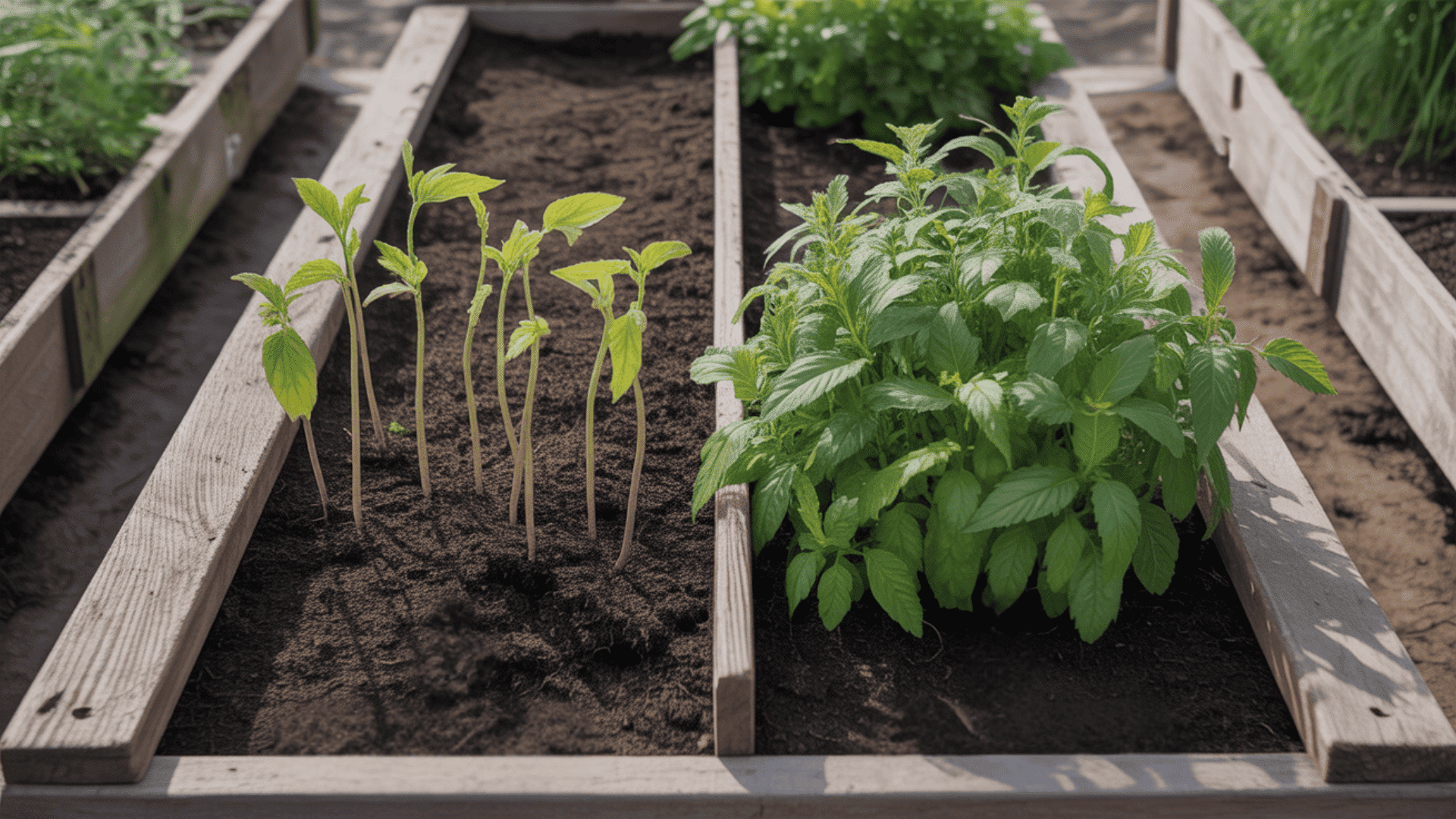
Topsoil works well when used correctly. Most problems come from misuse, not the material itself, wasting time and money. Understanding these mistakes helps you get better results from the start:
- Using it alone: Pure top soil lacks nutrients. Always mix with compost when planting to support healthy growth and strong roots.
- Buying poor-quality soil: Check reviews and request samples. Avoid soil with rocks, clay, or bad smells. Good top soil feels loose and earthy.
- Over-applying top soil: Thick layers smother grass and compact. Use thin layers (1-2 inches), wait for growth, then add more if needed.
- Skipping inspection: Always check soil quality before buying. It should smell earthy and feel crumbly, not sour or clumpy.
Getting these basics right prevents redoing work. Small adjustments in buying and applying top soil save significant time and money.
Top soil vs Other Soil Options
I know this gets confusing, so let me break down how top soil compares to other stuff you might be considering.
Understanding these differences helps you choose the right material and avoid expensive mistakes. The following table clarifies the differences:
| Feature | Top soil | Compost | Garden Soil | Peat Moss |
| Nutrient Content | Low to moderate | Very high | Moderate (pre-enriched) | Very low |
| Texture | Dense, provides structure | Light, fluffy | Balanced mixture | Very light, fluffy |
| Moisture Retention | Moderate | Good | Good | Excellent (holds 10-20x weight) |
| pH Level | Neutral to slightly alkaline | Neutral | Neutral | Acidic (3.5-4.5) |
| Ready to Use | No, needs amendments | Too rich alone | Yes, pre-mixed | No, use as an amendment only |
| Cost | Cheapest (bulk) | More expensive | Most expensive | Moderate |
| Best For | Volume, structure, filling, lawns | Nutrients, soil amendment | Small garden beds | Moisture retention, seed starting |
| Planting Alone | Not ideal for most plants | Can be too rich | Yes, ready to plant | No, too acidic and nutrient-poor |
Use top soil for bulk and structure in large projects. Choose compost for nutrient-rich amendments. Garden soil suits small projects. Peat moss improves moisture retention but needs mixing.
Is Top soil the Right Choice for Your Project?
Let me help you figure out if you should actually buy top soil or if you need something else.
Topsoil makes sense as it’s perfect for leveling shallow areas, filling dips, or repairing settled ground. It’s affordable, easy to work with, and ideal for overseeding lawns or giving grass seed a place to establish.
If you’re dealing with heavy clay or pure sand, mixing top soil with compost improves soil texture. Don’t use top soil for planting vegetables directly; use garden soil or compost-rich mixes instead.
For high nutrient needs like annual flowers or herbs, go with compost or specialty planting mixes. Never use top soil in containers; it’s too heavy and compacts easily. Use potting mix instead.
If you’re leveling or creating a base layer, top soil works. For feeding plants or growing food, you need something else.
Final Thoughts
If you still think that top soil is useless, then you’d better read the blog again. I honestly am amazed by how little people know about top soil.
No one realizes how much estimation and calculation go into choosing and using top soil, and even after that, its delicate texture requires care and nourishment.
If you want the full benefits of top soil, you have to follow the guide, or you’ll become one of those Reddit users spending hours looking for clarification on what they’re doing wrong.
Now you know exactly what top soil is used for and how to make the most of it in your gardening projects. Share your top soil experiences, success stories, or tips you’ve learned in the comments below; I’d love to hear from you!