





The first time I cooked a purple root vegetable, I expected the flavor to be odd. Instead, it turned out sweet, earthy, and surprisingly easy to work with.
You’ve probably walked past these bright roots in the store and wondered which ones are worth buying or how to cook them without guessing.
I used to feel the same way and often picked the wrong thing because I didn’t know what to look for.
Once you understand what each purple root vegetable brings to your meals, it becomes much easier to choose the right one and cook with confidence, just like knowing which garden plants and flowers are safe to eat.
What are Purple Root Vegetables?
Purple root vegetables are those that naturally have purple skin or flesh, which is shaped by pigments called anthocyanins. These pigments not only give them their striking tone but also hint at their rich nutrient value.
You’ve likely seen them before: beets with their earthy sweetness, purple carrots that fade to orange at the core, or the dense, sweet ube used in desserts.
Even simple purple potatoes can surprise you with how vibrant they look once cut open. They’re proof that the garden hides more colour than we expect, waiting quietly beneath the surface until we’re ready to notice it.
All Purple Root Vegetables
A vibrant collection of roots that grow in every shade of purple, from beets to taro, each offering unique flavor, texture, and nutrients straight from the soil.
1. Beetroot

Purple beets carry a deep, earthysweetness, their color staining hands and knives alike.
Beneath the skin lies vibrant flesh rich in folate, manganese, fiber, and antioxidants that support heart health and circulation. Their natural pigment, betalain, gives both color and anti-inflammatory strength.
Beets grow best in cool, moist, well-drained soil, forming round roots while tender greens above can be cooked like spinach. In the kitchen, they’re versatile, roasted until caramelized, simmered into borscht, pickled, or grated raw into salads.
Heat draws out their sugars, creating a balance of sweetness and depth. Paired with citrus or goat cheese, they bring brightness to a simple meal, quite proof that beauty often grows beneath the surface.
2. Purple Carrot

Purple carrots bring color to the garden long before harvest, with deep violet skin that fades to orange at the core. Their color comes from anthocyanins, potent antioxidants that support circulation and cell repair.
The roots grow long and slim in soft soil, thriving best under even moisture and full sun. Crunchy and lightly sweet, they add depth to salads, slaws, and roasted vegetable trays.
When cooked, their hue darkens, and the flavor mellows into warmth and spice. These carrots are rich in beta-carotene and vitamin K, feeding both body and soil.
Whether sliced thin or roasted whole, they turn ordinary dishes into something quietly vibrant without ever asking for attention.
3. Purple Potato
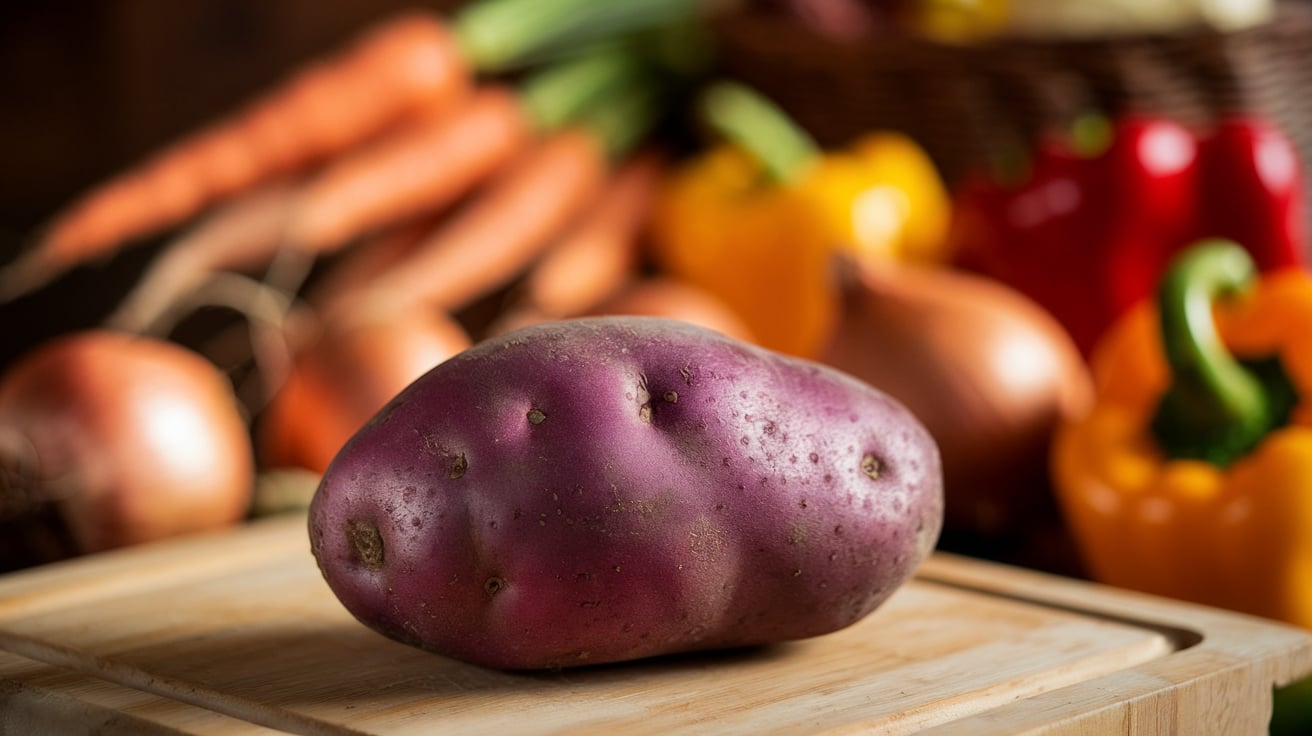
Purple potatoes hide their brilliance beneath dark skin, revealing flesh the color of twilight when cut. They’re firm and starchy, packed with anthocyanins, potassium, and fiber that support heart and gut health.
These tubers prefer cool soil and steady light, forming clusters underground like polished stones. Their color holds through roasting or boiling, making them as striking on the plate as they are nourishing.
The texture stays firm, never mushy, ideal for salads or slow-baked sides. Their mild, nutty flavor pairs easily with herbs and olive oil.
In the garden, they return year after year with quiet consistency, reminders that good things often grow out of sight and without fuss.
4. Purple Sweet Potato (Stokes Purple)
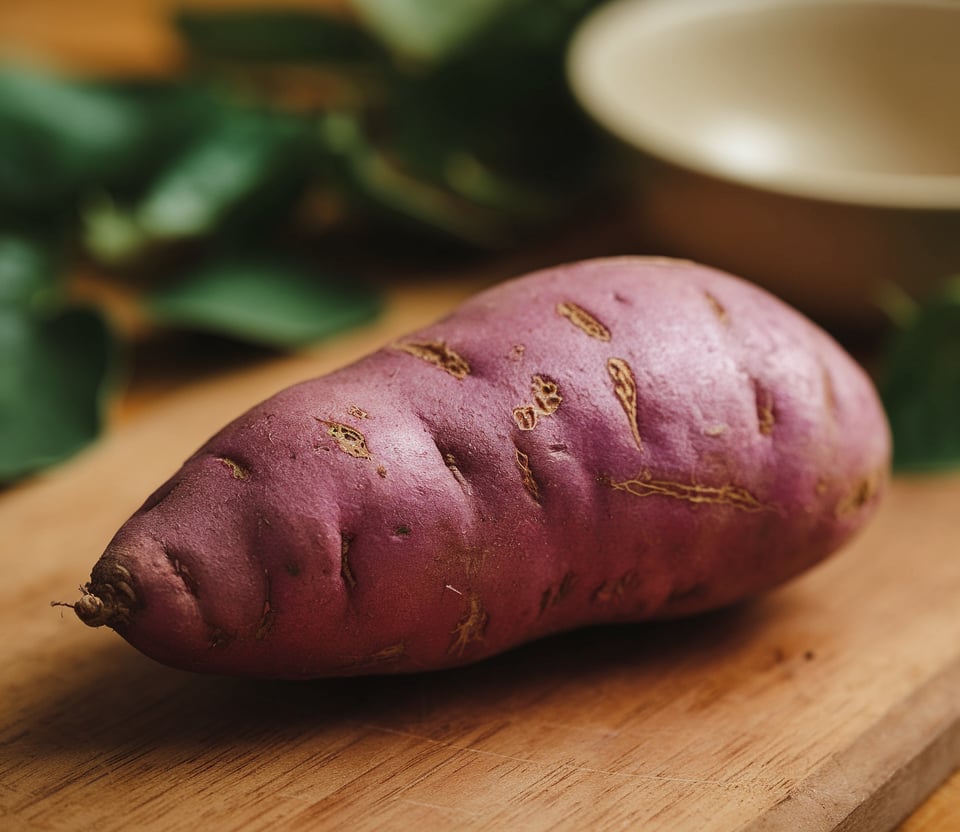
Stokes Purple sweet potatoes stand out for their vivid color and dry, dense flesh.
Beneath their rough skin lies a nutrient-rich root full of fiber, vitamin C, and antioxidants that support energy and blood health. They need warmth, loose sandy soil, and patience, thriving best in long summers.
When roasted, their sugars deepen, creating a subtle sweetness balanced by earthy notes. They’re firm enough for fries, soft enough for mash, and their color holds even through baking.
Slightly drier than orange varieties, they lend a natural richness to pies, soups, and simple side dishes. They embody calm strength, quiet, reliable, and deeply rooted in warmth.
5. Okinawan Sweet Potato
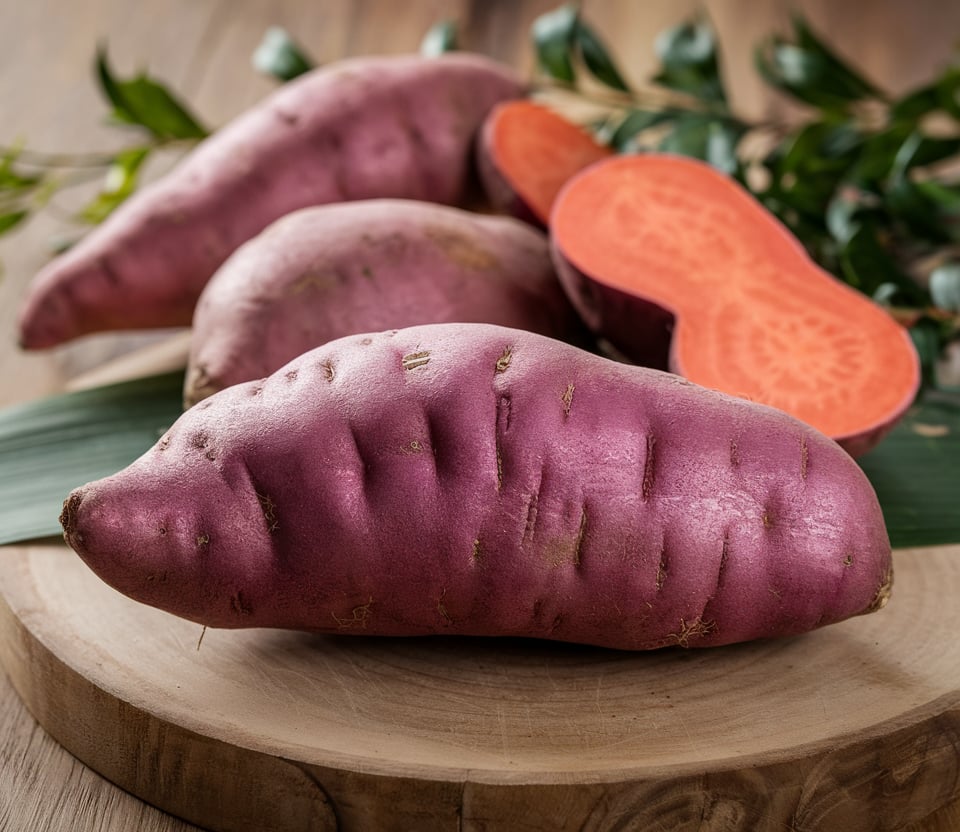
Okinawan sweet potatoes surprise at first cut, pale skin revealing vivid violet flesh beneath. High in fiber, antioxidants, and vitamin A, they support digestion and immunity while adding color to any dish.
Originally from the Pacific Islands, they prefer tropical warmth and sandy, well-drained soil. Their texture is creamy and soft once baked, with a sweetness that feels clean rather than heavy.
They hold their hue even after cooking, making them popular in both savory meals and desserts. Mashed with coconut milk or baked with sesame, they carry a light, floral aroma.
In every form, they offer nourishment that feels as calm and natural as coastal air.
6. Ube (Purple Yam)

Ube grows deep underground, forming thick roots tinted in shades of violet and lavender. Rich in complex carbohydrates, fiber, and antioxidants, it fuels energy gently and supports blood health.
Native to Southeast Asia, it thrives in tropical warmth and moist, fertile soil. The flesh turns soft and sweet when steamed, with a nutty aroma that works in both desserts and savory dishes.
Its color remains striking, even when mixed into cakes, puddings, or ice cream. Ube has a way of connecting food and memory; its gentle sweetness lingers without excess.
Each root feels like a stored piece of sunlight, slow-growing, nourishing, and entirely its own.
7. Taro
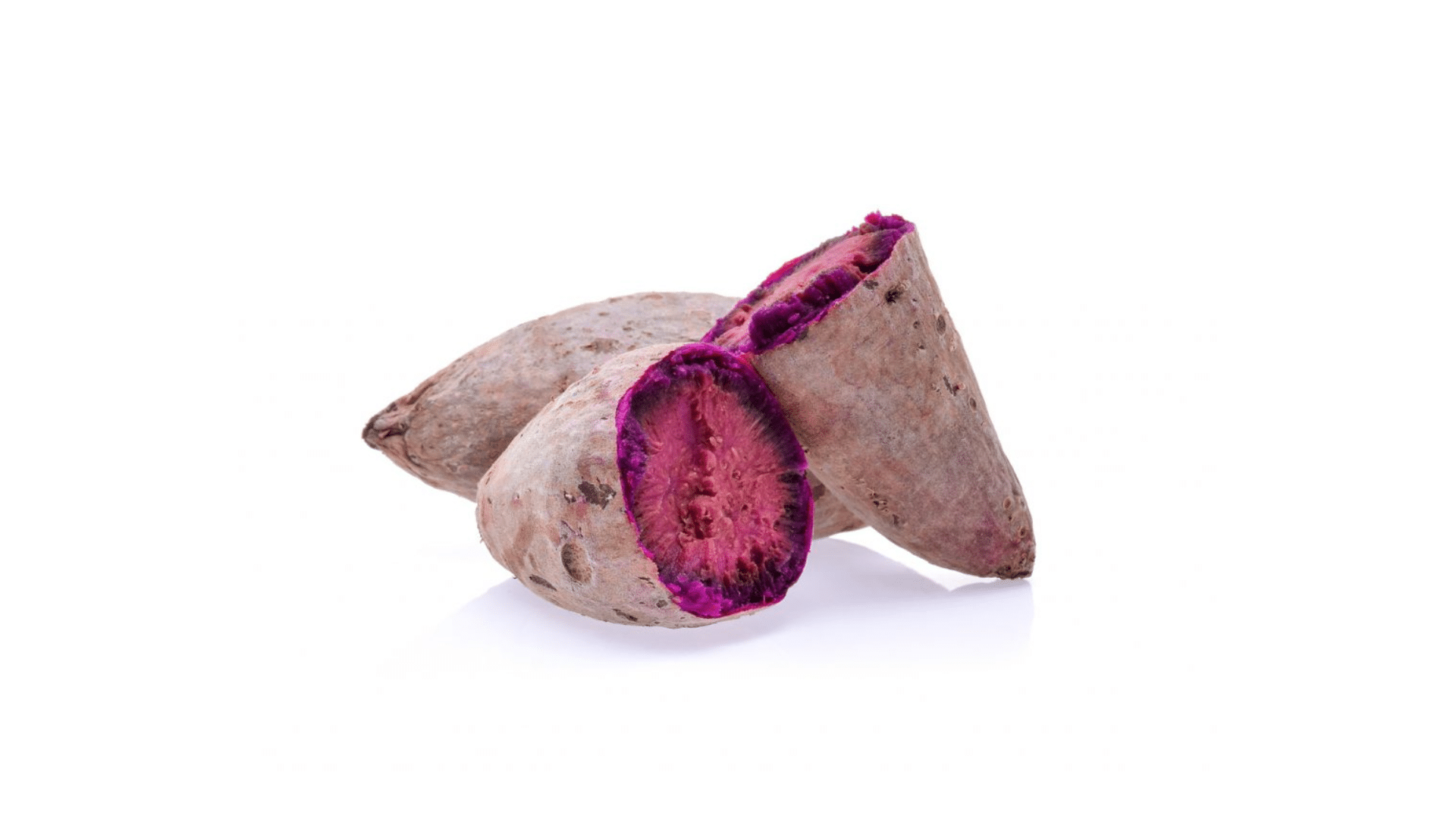
Taro roots grow beneath broad, heart-shaped leaves that sway with every breeze. Their skin is rough and fibrous, yet inside lies pale flesh flecked with purple veins.
High in fiber, vitamin E, and resistant starch, taro supports gut and immune health. It prefers wet, tropical soil and thrives in humid climates, growing steadily with consistent moisture.
Once cooked, the texture turns creamy and subtly nutty, perfect for soups, stews, or desserts like poi and taro pudding. Its mild flavor carries other ingredients beautifully, grounding bold spices or coconut milk.
A reminder from the garden that resilience often hides beneath humble surfaces.
8. Purple Turnip

Purple turnips grow quickly, their tops touched with violet while their undersides stay white and crisp. The flavor is mild when young and sharper as the roots mature. They’re rich in vitamin C, potassium, and fiber, aiding digestion and circulation.
Best planted in cool seasons, they form smoothly in loose soil and prefer steady moisture, the same conditions that matter when reseeding thin or patchy areas. When roasted, their edges caramelize, softening the peppery bite into sweetness.
The greens are edible too, sautéed or wilted into broths. Turnips bridge the line between old-fashioned and classic, a reminder that simple crops often bring the greatest reward with the least demand.
9. Purple Radish
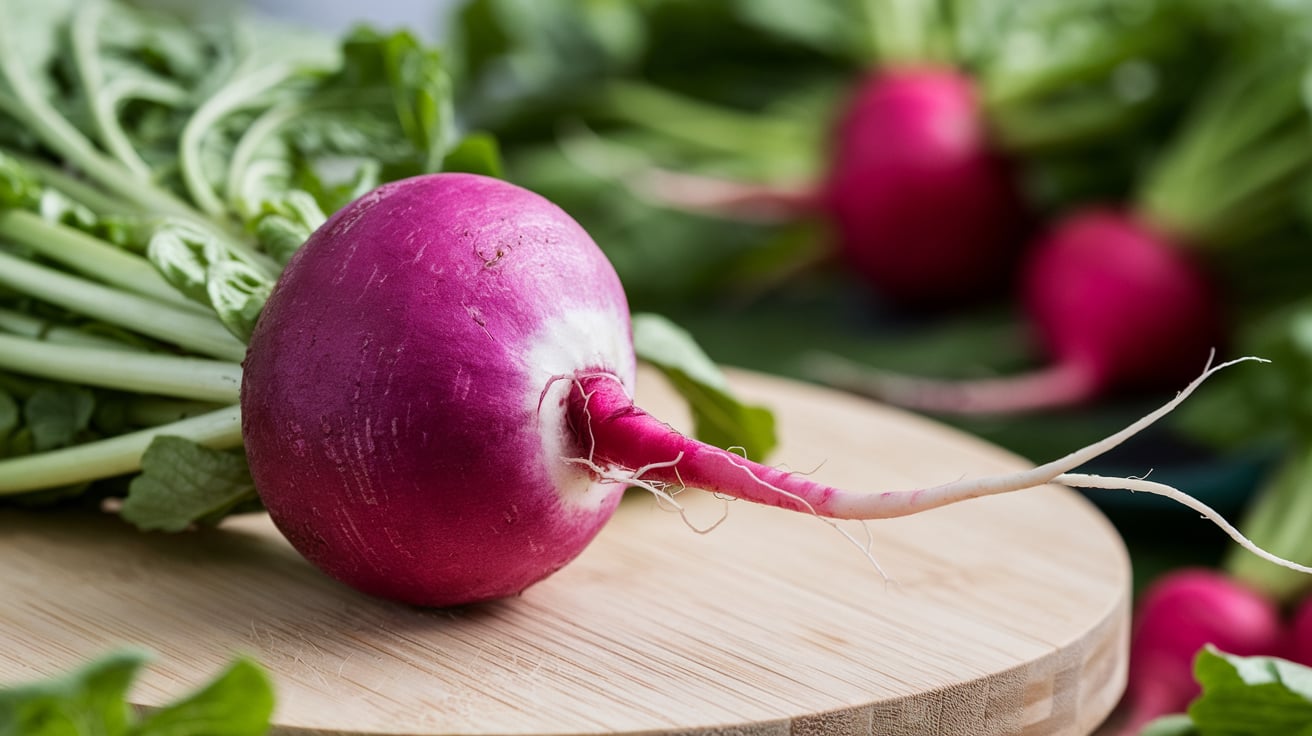
Purple radishes burst with color, their thin skin glowing violet over crisp white flesh. They’re fast growers, ready within a few weeks, and thrive in cool weather with light, well-drained soil.
The taste is clean and lightly spicy, rich in vitamin C and potassium. When sliced thin, they add color and crunch to salads; roasted, their heat softens into sweetness. They store well in cool conditions, staying firm for days.
Their quick harvest makes them a steady favorite in small gardens, dependable, bright, and easy to care for. Each one carries the sharp freshness of spring, brief but memorable.
10. Purple Daikon Radish
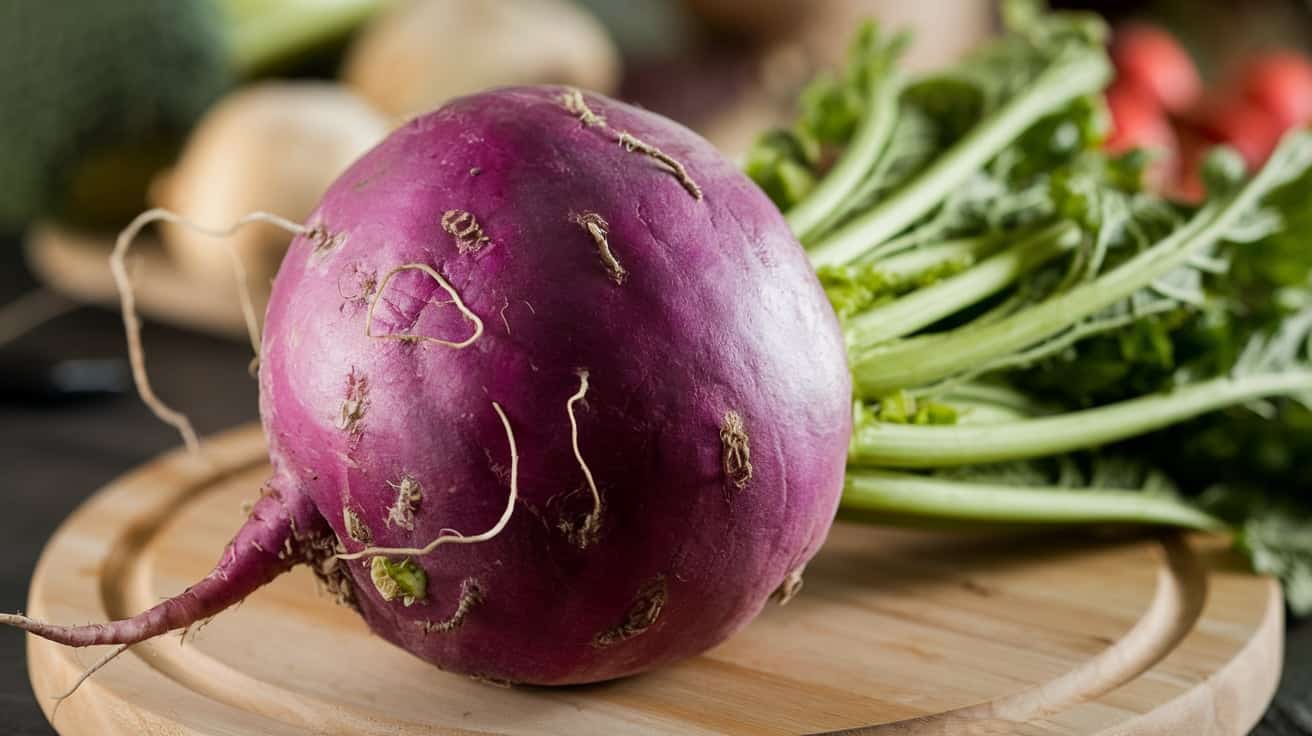
Long and sleek, purple daikon grows deep into the soil, showing its violet skin only at the surface. Inside, the flesh stays crisp and tender, mild in flavor compared to common radishes.
Rich in vitamin C and digestive enzymes, it supports gut health and hydration. Cooler weather brings out its best color and sweetness, and it keeps well after harvest.
Raw slices lend brightness to salads and pickles, while gentle cooking softens the bite. Its calm flavor and smooth texture make it a subtle, reliable staple, a root that doesn’t compete for attention but always leaves a trace of color behind.
11. Dioscorea Alata (True Purple Yam)

Known across tropical Asia as the true purple yam, Dioscorea alata grows with a patience that mirrors the seasons.
Its thick, knotted roots hold vivid violet flesh rich in complex carbohydrates, fiber, and antioxidants that support steady energy and cell repair. The plant thrives in warm, humid climates with loamy soil and plenty of rainfall.
When cooked, its texture turns soft and lightly creamy, the flavor mellow and slightly nutty. It’s used in both savory stews and desserts across the Philippines, Indonesia, and the Pacific Islands.
Each harvest feels ancient, a crop that’s carried families for generations, humble yet deeply nourishing, like the memory of shared meals after long, warm days.
12. Oca (Oxalis tuberosa)

Oca is a small Andean root, bright-skinned and full of quiet charm. Its purple varieties shimmer with pink or red undertones, each tuber shaped like a tiny fingerling potato.
The taste is tangy with a hint of lemon, firm when raw but tender once roasted. Rich in vitamin C and iron, it offers both flavor and nutrition to high-altitude gardens.
Oca thrives in cool, well-drained soil and long daylight, where the air stays crisp. Once baked, the sourness fades into a subtle sweetness that pairs well with herbs or simple olive oil.
Its roots carry the flavor of mountain air, light, clean, and gently surprising with every bite.
13. Yautia (Malanga)

Yautia, or malanga, is a tropical root often found in Caribbean and Latin American kitchens. Beneath its rough exterior are creamy veins streaked with pale purple, a sign of its rich mineral content and gentle starch.
It’s easy to digest, gluten-free, and full of potassium and fiber. The flesh becomes soft and nutty when boiled or mashed, taking on the flavors of garlic, herbs, or coconut milk.
In the garden, yautia thrives in moist, shaded soil, the kind that stays cool under broad leaves. Its quiet versatility makes it a comfort food across cultures, proof that simple roots can anchor entire cuisines with ease and warmth.
14. Cassava (Purple Variety)
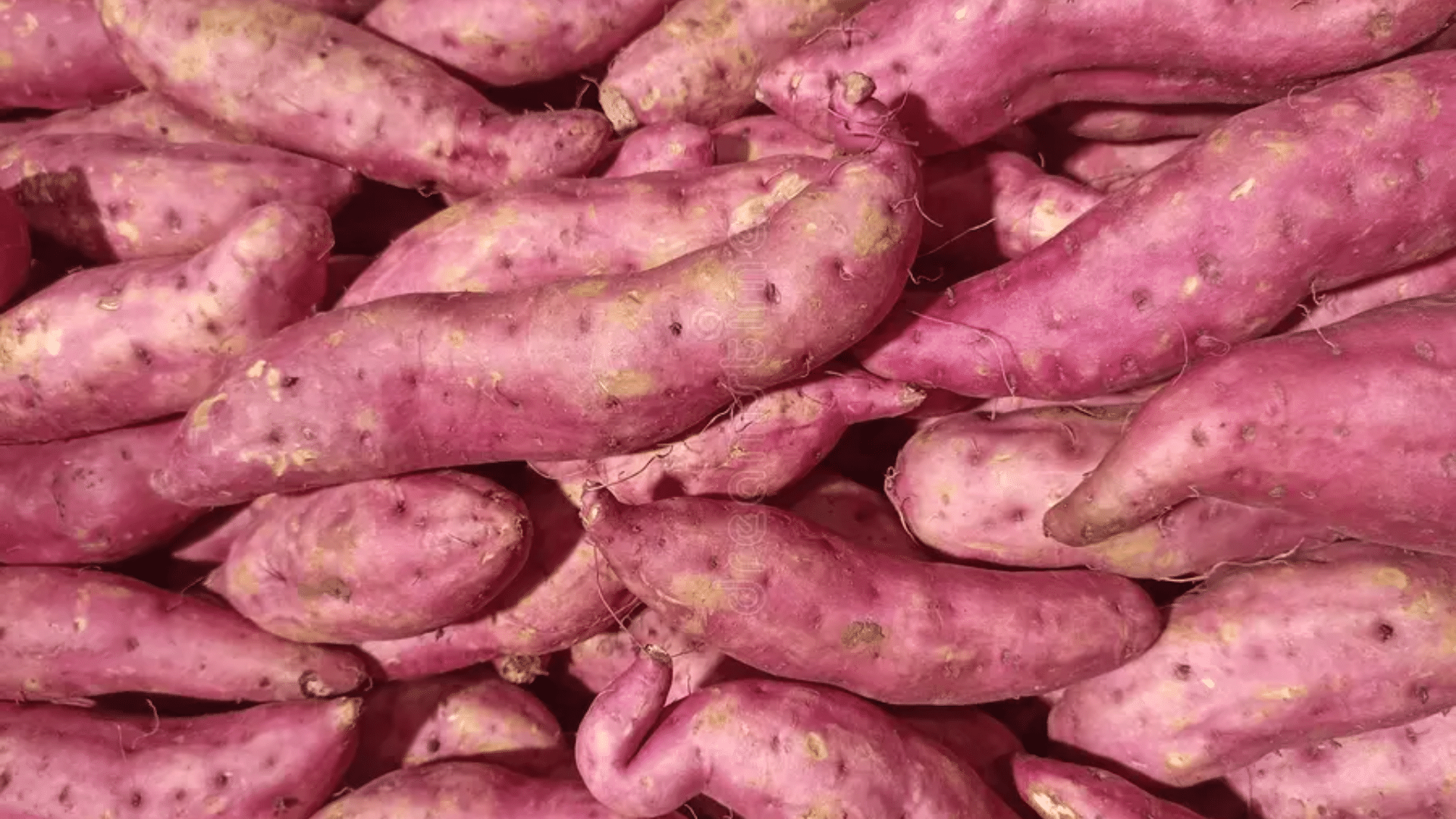
The purple variety of cassava grows with a quiet sturdiness, its long, tapered roots stretching deep into tropical soil. The inner flesh shows streaks of violet, a rare trait in a plant better known for its white starch.
Cassava is rich in carbohydrates, calcium, and vitamin C, providing a steady source of energy in hot, humid regions. The purple type holds a slightly nuttier flavor and firmer texture.
Once peeled and properly cooked, it becomes tender and filling, ideal for fritters, flatbreads, or sweet puddings. Each root reminds growers of balance: beneath the soil’s rough surface lies a food that sustains both land and community year after year.
15. Purple Jicama
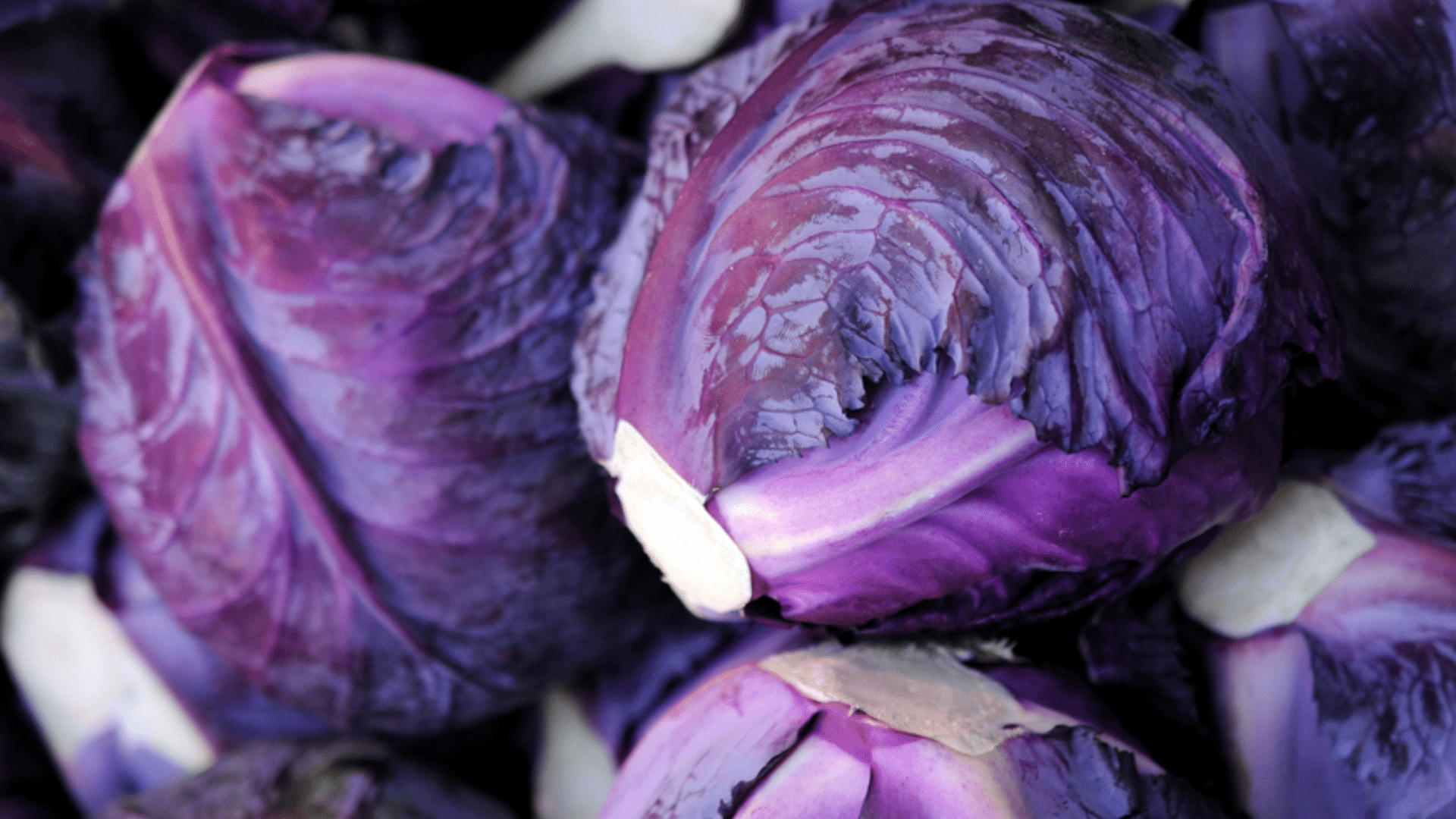
Purple jicama is a rare cousin of the familiar white variety, prized for its lavender skin and crisp, watery crunch. The roots stay cool to the touch, storing moisture that keeps them refreshing in warm weather.
Lightly sweet and faintly nutty, jicama is high in prebiotic fiber and vitamin C, making it gentle on digestion. It thrives in sunny, well-drained soil, with vines that sprawl gracefully through the garden.
Peeled and sliced, it brings brightness to salads, fruit bowls, or tacos. The color fades slightly when exposed to air but never loses its charm, a quiet reminder of how freshness carries its own beauty, no matter how fleeting.
16. Purple Sunchoke (Jerusalem Artichoke)

Purple sunchokes grow like hidden treasures beneath tall, sunflower-like stalks. Their knobby violet skin covers crisp, nutty flesh that tastes faintly of hazelnut and artichoke heart.
High in inulin, a natural prebiotic, they support gut health and sustain gentle energy. These roots prefer loose, sandy soil and full sunlight, thriving in the mild chill of autumn.
When roasted, they turn sweet and golden, their skins wrinkling slightly as the aroma deepens. Even when raw, sliced thin in salads, they add an earthy freshness that lingers.
The purple hue feels like a quiet nod to the season’s change, subtle, natural, and easy to appreciate.
17. Purple Lotus Root
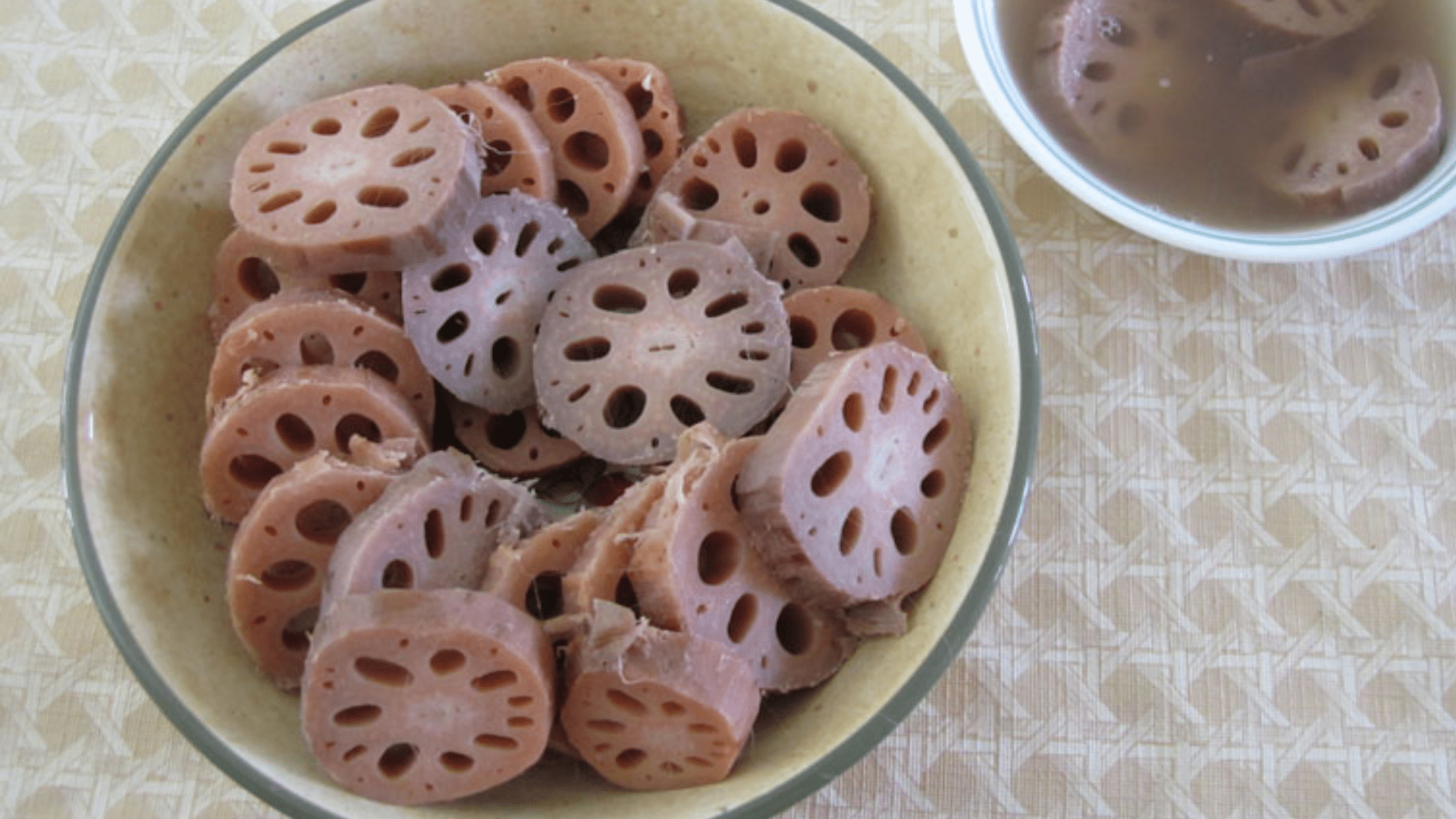
Purple lotus root is an aquatic wonder, grown in calm, shallow ponds across parts of Asia. Beneath the water’s surface, its lavender-tinged roots grow in long, hollow tubes patterned with circular holes.
Crisp when raw and tender when cooked, they hold a mild, floral sweetness. Rich in vitamin C, fiber, and minerals, lotus root supports circulation and hydration. When sliced thin and sautéed or steamed, it keeps its gentle crunch and stylish appearance.
In the garden pond, the plant stands tall with broad green leaves, its roots spreading quietly below. It’s a plant of balance, calm above, complex beneath, always at ease in its own rhythm.
18. Purple Yacon

Grown high in the Andes, purple yacon roots glisten with a waxy skin that hides juicy, pale-purple flesh. Known as the “ground apple,” yacon tastes refreshingly sweet, with a crisp texture like pear or melon.
It’s low in calories but rich in fructooligosaccharides, natural sugars that promote gut health without spiking blood sugar.
Yacon thrives in cool, sunny mountain climates, with tall, leafy stems that sway gently in the breeze. When harvested, the roots release a faint honey scent.
Eaten raw, they refresh the palate; cooked, they caramelize lightly, adding depth to stir-fries or salads. It’s a root that carries both nourishment and lightness, rare in equal measure.
19. Boniato (Cuban Sweet Potato)
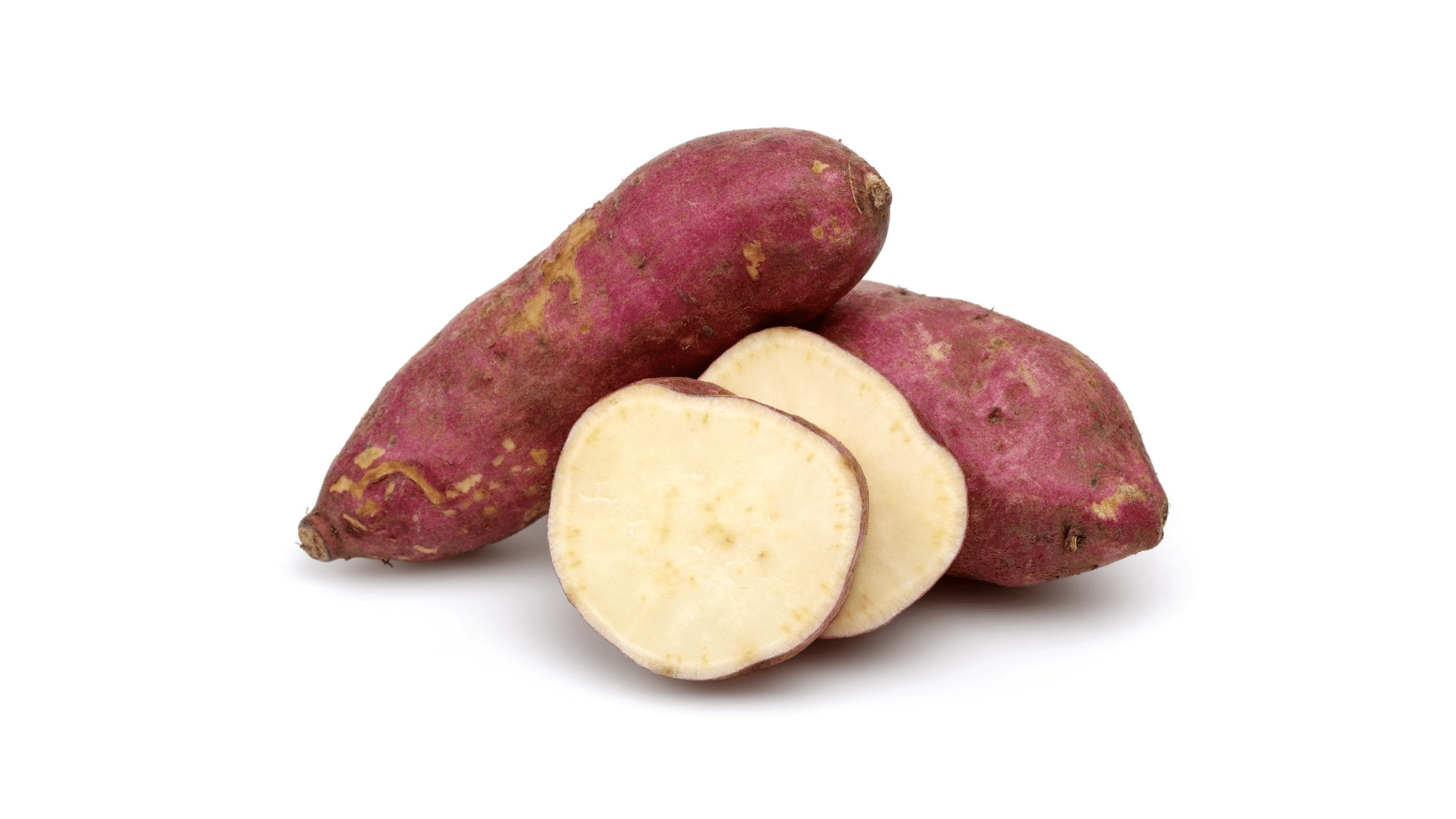
Boniato, often called the Cuban sweet potato, hides gentle purple streaks beneath its pale skin.
The flesh is dry and fluffy once cooked, offering mild sweetness with hints of chestnut. It’s high in fiber, vitamin C, and complex carbohydrates, providing steady energy without heaviness.
In tropical gardens, boniato grows best in sandy, sun-soaked soil, its vines spreading easily across open ground.
The root holds up well to boiling, roasting, or mashing, and pairs naturally with lime, garlic, or a drizzle of oil. Its flavor feels balanced and honest, less sugary than other sweet potatoes, more rooted in warmth and substance.
20. Purple Cassava Root

Distinct from its white counterpart, purple cassava reveals a deep violet interior once peeled, dense with starch and minerals. It’s a vital crop in parts of Africa and South America, known for its resilience in poor soil and harsh heat.
The purple pigment adds antioxidants, making it both nourishing and visually striking. When cooked, it turns soft yet structured, perfect for steamed dishes, chips, or porridges.
The roots grow deep and strong, anchoring the plant even through dry spells. Cassava’s dependable nature mirrors its taste, steady, grounding, and full of quiet strength that sustains families long after the harvest ends.
21. Purple Kohlrabi
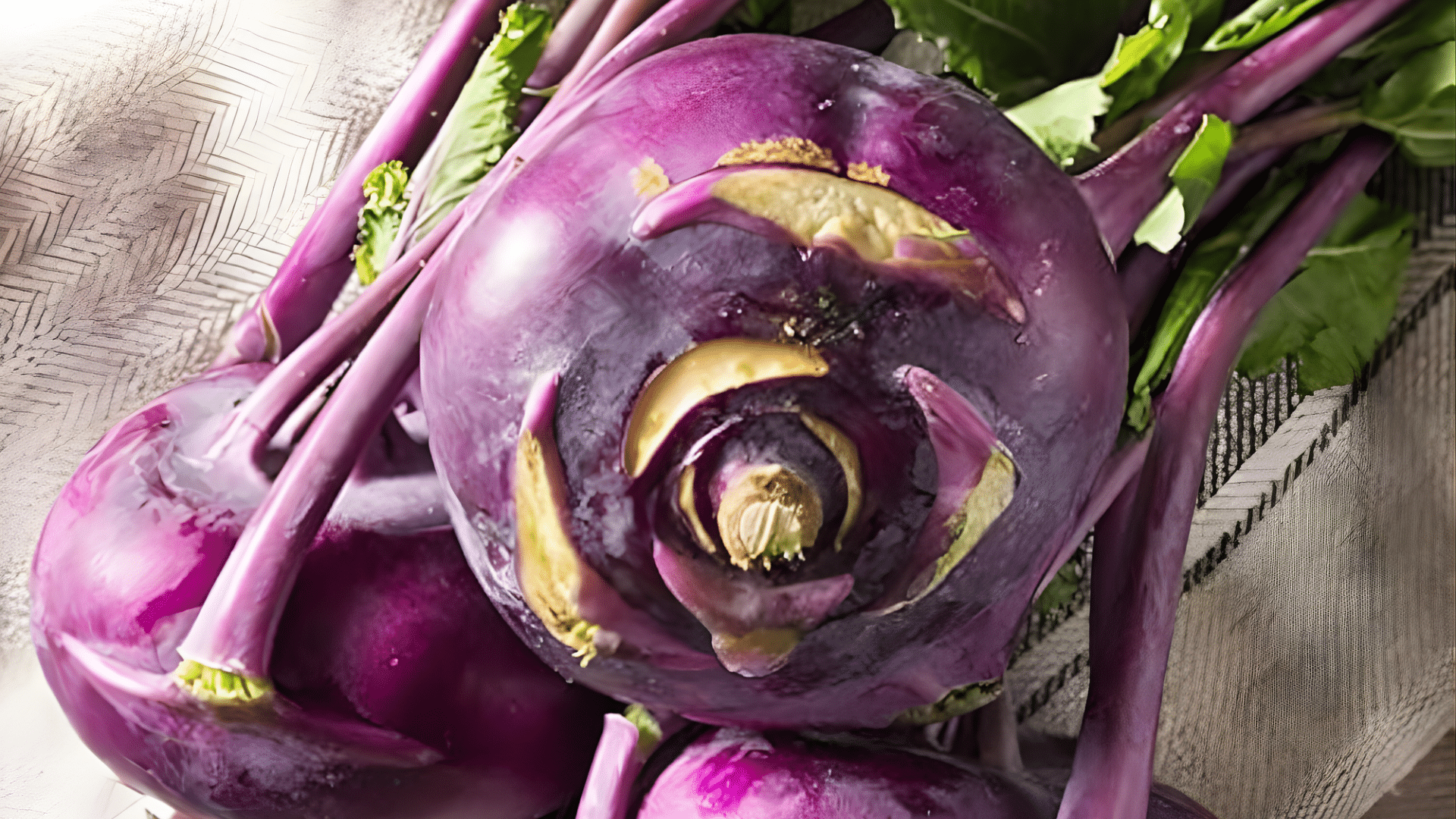
Purple kohlrabi stands tall above the soil, its round bulb catching sunlight like polished stone. Part of the cabbage family, it grows crisp and peppery, with tender leaves that curl slightly in the breeze.
Beneath the violet skin lies pale, juicy flesh rich in vitamin C and fiber. It thrives in cool weather and loose, fertile soil, maturing quickly into a satisfying harvest.
Sliced raw, it tastes like a mix between radish and apple; roasted, it turns mellow and sweet. Its flavor and texture make it as welcome in salads as it is in stir-fries. Few roots bring so much liveliness from such a simple shape.
22. Purple Parsnip

A rare sight in most gardens, purple parsnips reveal deep plum skin wrapped around creamy, sweet flesh. They hold all the earthy comfort of a traditional parsnip but carry extra antioxidants from their violet pigment.
Best grown in loose, well-drained soil, they prefer the cool days of early spring or autumn. Once roasted, their sweetness deepens, and the faint spice becomes more pronounced. They’re excellent pureed into soups or glazed with honey and herbs.
The color fades slightly when cooked, yet the taste remains rich and warm. These roots remind gardeners that even small variations can change the familiar into something quietly remarkable.
23. Purple Burdock Root (Gobo)
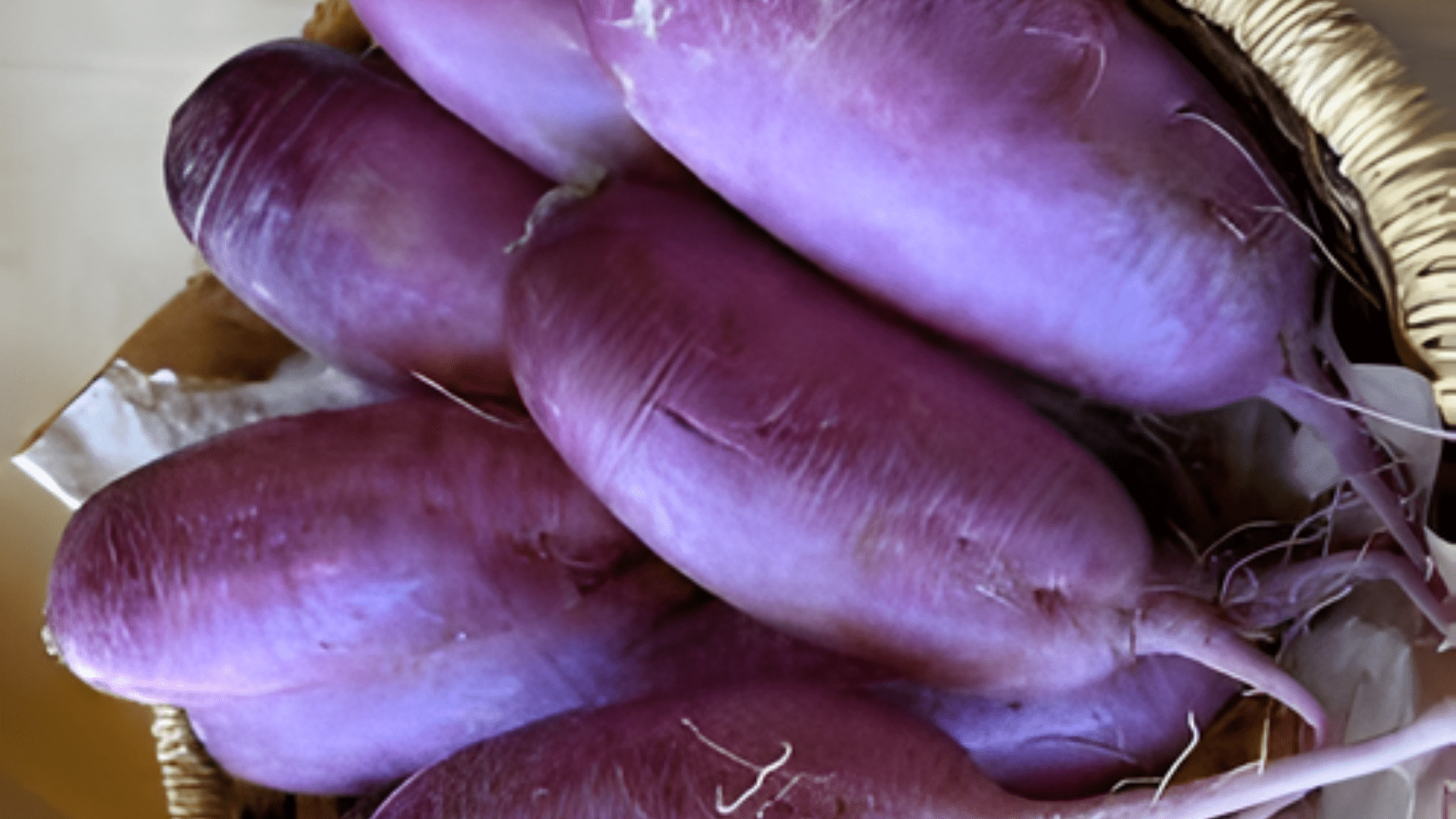
Long and slender, purple burdock root grows deep into the earth, drawing minerals and moisture into its crisp, fibrous flesh. The outer skin carries a faint reddish-purple hue that darkens as it matures.
Known as gobo in Japan, it’s used for both flavor and health, supporting digestion and circulation with its high inulin content. The taste is earthy, slightly sweet, and aromatic when stir-fried or simmered in broths.
Burdock prefers moist, sandy soil and steady watering, sending roots down a foot or more. Its growth teaches patience, slow, steady, and rewarding in both the kitchen and the garden.
24. Purple Salsify (Oyster Plant)

Purple salsify earns its “oyster plant” name from the subtle briny flavor that appears when cooked. Its skin carries a faint violet tint, while the inner flesh stays pale and smooth.
The roots grow easily in well-drained soil, forming long tapers that lift cleanly from the earth. High in potassium and fiber, they’re nourishing yet light. Boiled or roasted, the texture softens into something creamy and delicately sweet.
The scent of roasting salsify is gentle, somewhere between artichoke and vanilla. Though rarely seen in home gardens now, it remains a small treasure for those who appreciate vegetables with quiet character and simple grace.
25. Purple Horseradish
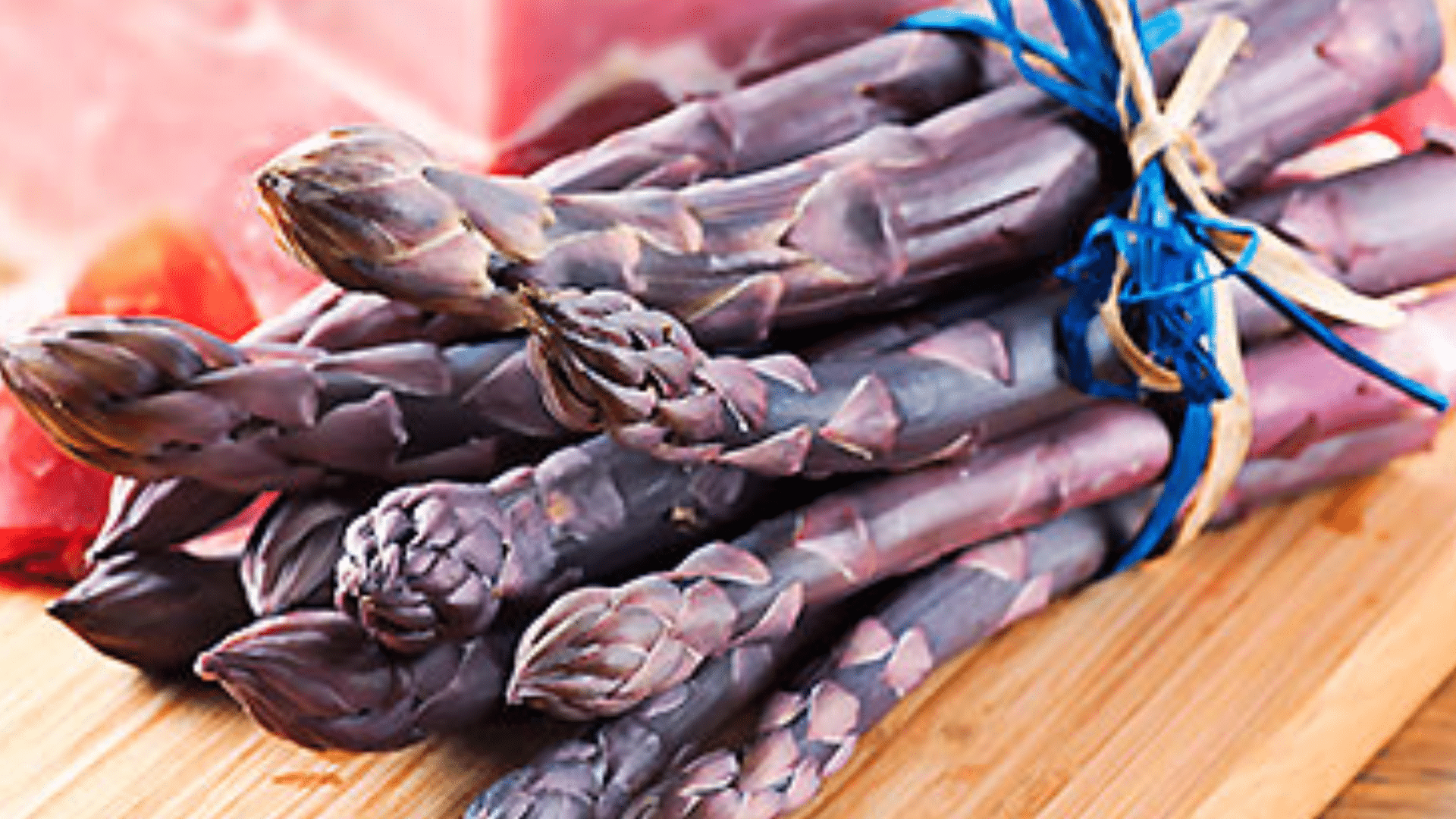
Purple horseradish grows with all the fiery vigor of its white cousin, though its roots show streaks of violet under rough brown skin. When grated, the flesh releases sharp, peppery oils that clear the senses in seconds.
The color variation appears mostly in heirloom strains, prized for both flavor and beauty. Hardy and cold-tolerant, horseradish spreads quickly through rich soil, returning each year without much coaxing.
Its compounds support digestion and immunity, and its strength mellows slightly with vinegar or cream. Used sparingly, it adds heat and life to a meal, proof that even spice can carry elegance when grown with care.
26. Purple Tuberous Begonia Root
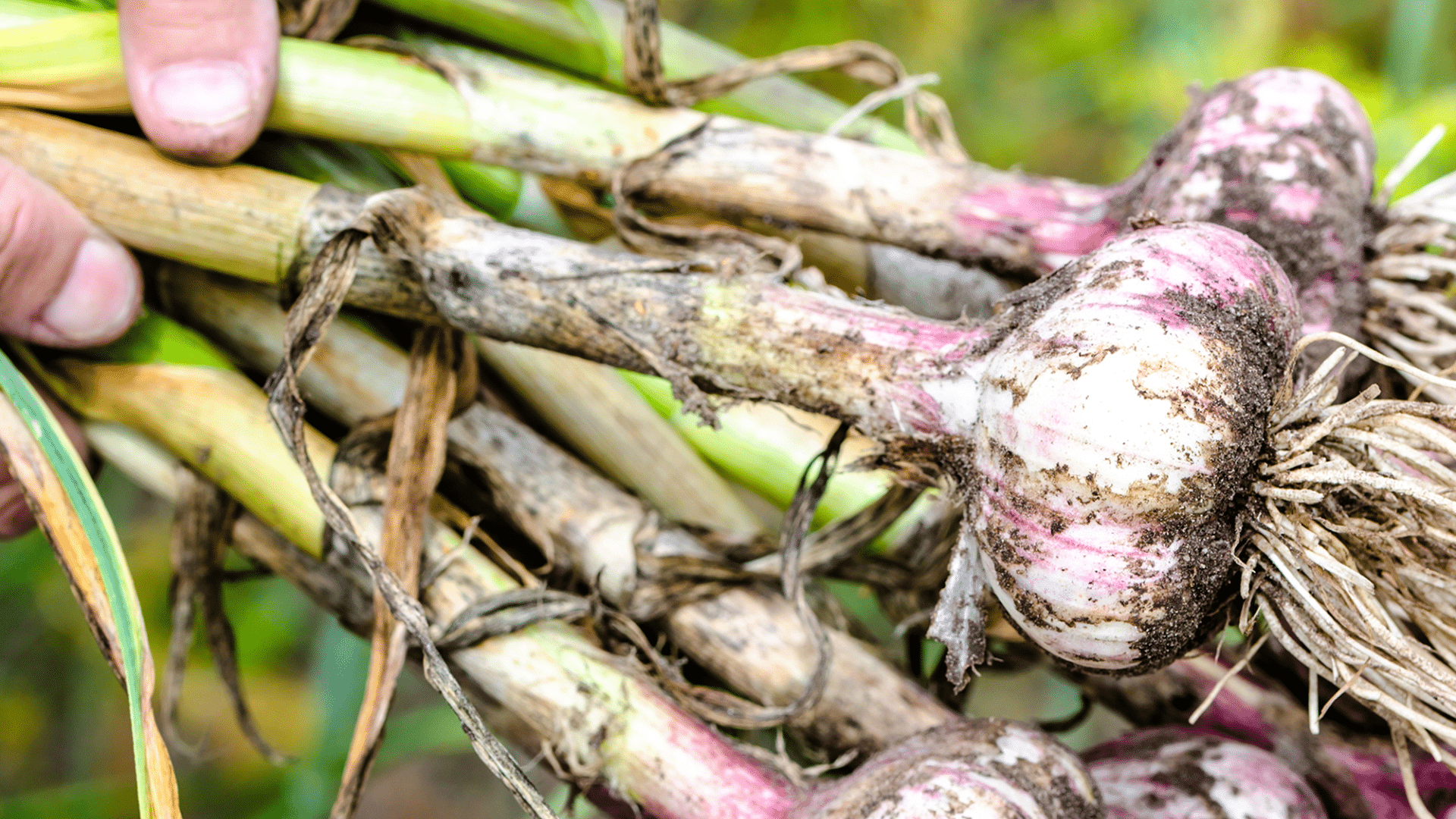
Beneath lush, showy flowers, the tuberous begonia hides roots that can surprise the observant gardener.
The roots, lightly tinged with purple, are edible in small quantities and have a crisp, tart flavor reminiscent of lemon. They store moisture well and prefer cool, shaded soil rich in compost.
Though not commonly grown for food, some gardeners appreciate them for their novelty and delicate texture. The flavor pairs well with fresh greens or mild cheese.
Like the blooms above, the roots show that beauty in plants often goes unnoticed until curiosity leads to discovery.
27. Purple Arrowroot

Purple arrowroot grows low and steady, its slender rhizomes spreading through warm, damp soil. The faint violet hue in its starch-filled roots distinguishes it from the white variety.
Used across the Caribbean, it’s valued for its silky texture and easy digestion. Once dried and ground, it becomes a fine powder ideal for thickening sauces or puddings. When boiled fresh, it yields a mild, nutty flavor and smooth consistency.
Arrowroot thrives in filtered sunlight and constant moisture, a quiet crop that rewards steady care. Its calm, grounding nature mirrors its taste, subtle yet nourishing in its simplicity.
28. Purple Celeriac (Celery Root)
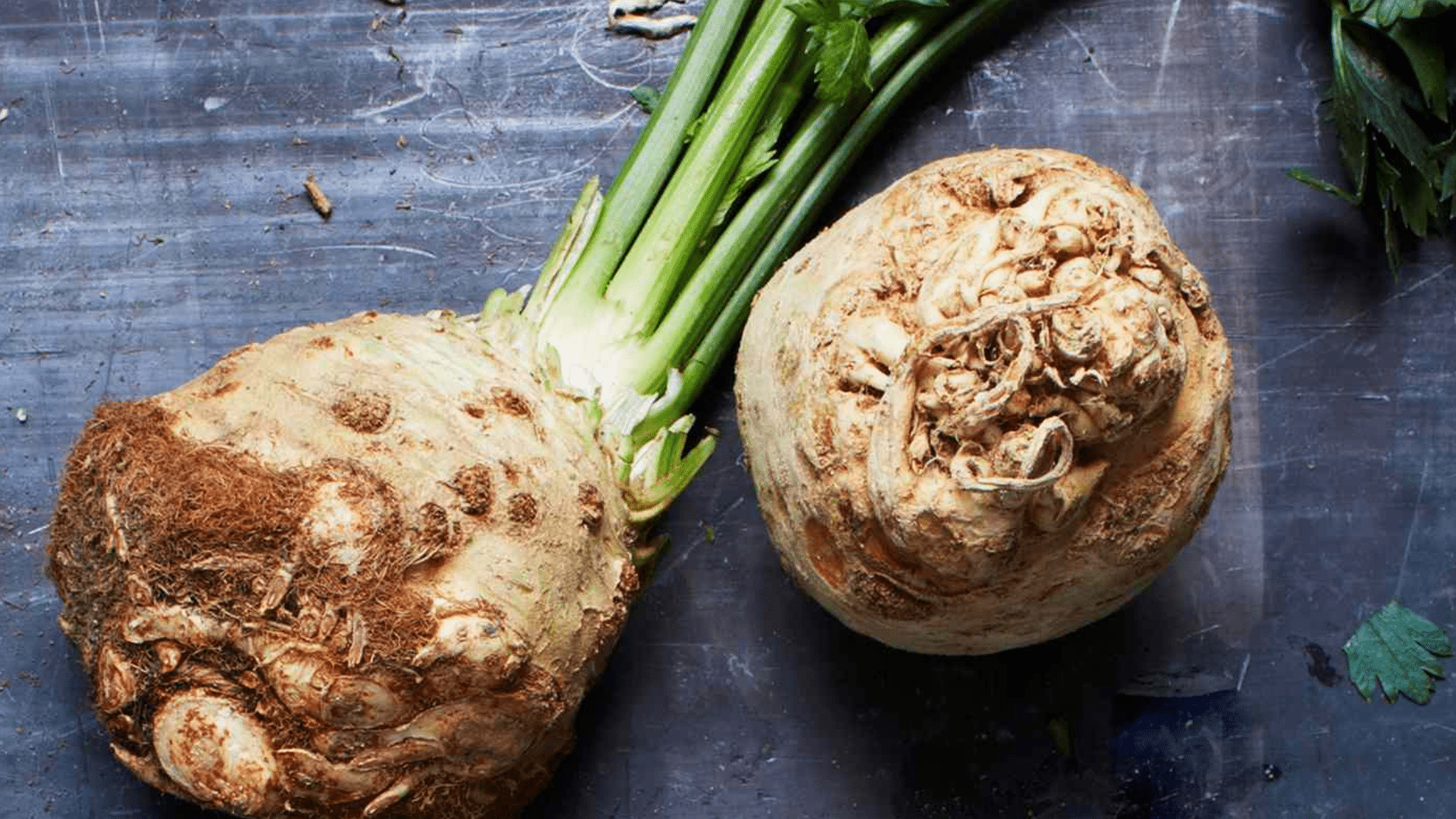
Purple celeriac grows knotted and rough, the lilac tones along its skin hinting at flavor hidden within.
Once peeled, the flesh is creamy and aromatic, tasting like a softer version of celery with nutty undertones.
It’s rich in vitamin K, fiber, and antioxidants, supporting heart and bone health. This rare heirloom variety prefers cool climates and loose soil where its roots can expand easily.
When roasted or pureed, it becomes smooth and fragrant, pairing beautifully with root vegetables or herbs. Though often overlooked for its odd shape, purple celeriac proves that flavor and depth often hide behind imperfect forms.
29. Purple Rutabaga (Swede)

The purple rutabaga wears its color like a crown, violet top fading into creamy gold beneath. It’s a hybrid of turnip and cabbage, blending sweetness with gentle spice.
High in vitamin C, fiber, and antioxidants, it’s both nourishing and filling. The roots prefer cool, steady weather and reward gardeners with firm, rounded bulbs that store well through winter.
Roasted, the flavor turns buttery and smooth; mashed, it replaces potatoes with lighter sweetness. The simplicity of rutabaga cooking feels classic no fuss, just steady warmth that fits as easily in rustic meals as in thoughtful home cooking.
30. Purple Cassava Yam Hybrid

Born from crossbreeding cassava and yam species, this tropical hybrid brings together resilience and rich color. The roots are long and dense, their interiors a deep violet that stays true even when cooked.
Starchy and filling, they’re a reliable energy source, rich in potassium and antioxidants. The texture sits between cassava’s firmness and yam’s smoothness, perfect for mashes, fritters, or steamed dishes.
It grows best in tropical, well-drained soil with consistent moisture. Despite its hybrid origin, it keeps a natural honesty, a root made strong through adaptation, offering nourishment where the land demands both patience and care.
31. Purple Groundnut (Apios Americana)
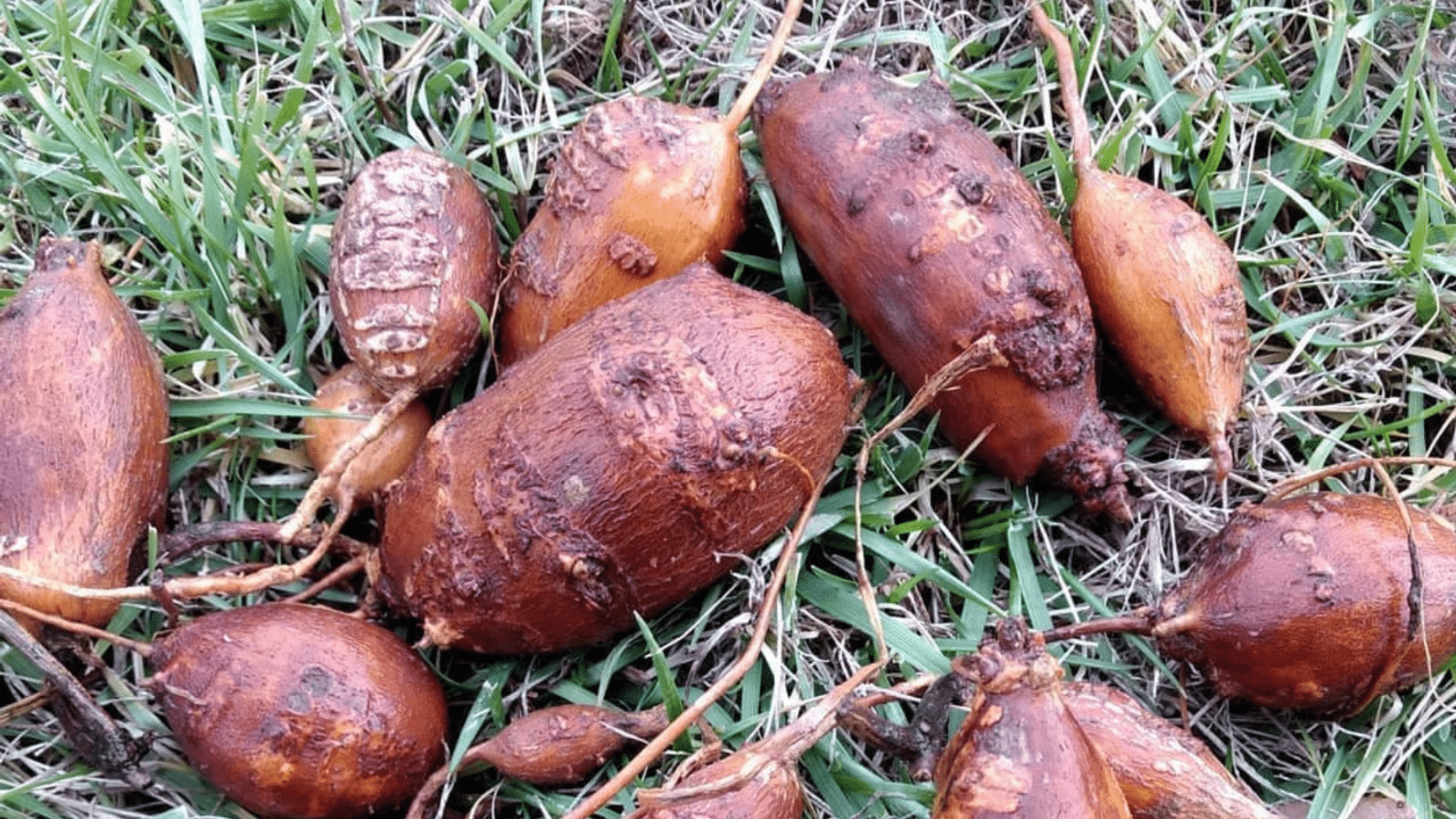
Native to North America, the purple groundnut grows along riverbanks and forest edges, twining its vines around shrubs and trees. The small, bead-like tubers cluster underground, their skins flushed with violet and brown.
Rich in protein, fiber, and iron, they once sustained Indigenous communities for generations. The flavor is nutty and slightly sweet, somewhere between a potato and a peanut.
Groundnuts thrive in moist, shaded soil, returning each year with quiet reliability. When roasted, their scent deepens into something warm and familiar, a reminder that native roots hold stories as much as sustenance.
Nutritional & Health Benefits of Purple Root Vegetables
Purple root vegetables are nutrient-dense, offering natural protection, steady energy, and long-term wellness through their unique pigments and minerals. Healthy roots start with healthy soil, and keeping your garden fed year-round follows the same seasonal rhythm as a proper lawn fertilizing schedule.


Buying & Storing Tips for Purple Root Vegetables
I’ve found that choosing and storing purple root vegetables carefully keeps their color, flavor, and texture fresh long after harvest.
How to Choose Fresh Produce
I always pick firm, bright roots with smooth skin and deep color; they feel alive, fresh, and full of good flavor.
- Check Firmness: Avoid soft or shriveled roots; they indicate aging.
- Inspect Color: Deep purple hues mean strong antioxidant levels.
- Watch for Damage: Skip roots with cuts, cracks, or dark spots.
- Smell Test: A clean, earthy scent signals freshness.
Proper Storage to Extend Shelf Life
I like to store my roots in a cool, dark spot with good airflow, which keeps their texture firm and flavor fresh.
- Ideal Temperature: 45–55°F (7–13°C) keeps them crisp.
- Avoid Moisture: Too much dampness causes mold or rot.
- Separate Greens: Trim leafy tops to prevent wilting.
- Use Paper or Mesh Bags: Helps maintain airflow and prevents sprouting.
Quick Reference Comparison Table
A simple guide to help you compare popular purple root vegetables by origin, flavor, and best culinary uses.

Conclusion
When you think about it, purple root vegetables do more than fill a plate; they add color, comfort, and quiet nourishment.
From beets and purple potatoes to taro and ube, each root offers its own balance of sweetness, texture, and natural goodness.
Growing or cooking them reminds me how much variety the soil can hold if you take the time to notice.
If you’ve never tried these colorful roots before, start with one, roast it, mash it, or toss it in a salad and see how it changes the dish.
Which purple root vegetable will you try first? Check out more ideas in my other gardening and kitchen guides to keep the inspiration going.


















One Response
fdfvhdf