Last spring, I looked out at my lawn and thought, “Why does it still look tired?” I’d been watering, mowing, doing all the usual bits, yet it stayed patchy. That’s when I realised it wasn’t about how much care I gave it, it was about when.
I’d always assumed fertilising was something you just did now and then, whenever the bag in the shed caught your eye. But it turns out, timing changes everything. Too early, and the roots aren’t ready. Too late, and the moment’s gone.
So here’s what finally worked for me: a simple, seasonal way to feed your lawn that actually makes sense, no guessing, just results you can see under your feet.
Understand Your Grass Type and Climate
Cool-Season vs. Warm-Season Grasses
Before you start planning when to fertilise, it helps to know what kind of grass you’re actually working with. Each one has its own rhythm; some love the cool mornings of spring, others thrive in the thick of summer heat.
| Grass Type | Common Varieties | Ideal Growing Season | Best Fertilising Time | Key Traits |
|---|---|---|---|---|
| Cool-Season | Fescue, Ryegrass, Kentucky, Bluegrass | Spring and Autumn | Early spring and early autumn | Grows best in mild weather; slows during hot summers |
| Warm-Season | Bermuda, Zoysia, St. Augustine | Late Spring to Early Autumn | Late spring and mid-summer | Thrives in heat; goes dormant during winter |
Once you know which side your lawn falls on, the rest becomes much simpler. Your fertiliser schedule will finally match how your grass naturally grows, not fight against it.
How Climate and Soil Affect Fertilising
The soil is your lawn’s kitchen; it needs the right balance to cook up that perfect green.
- Rainy weather can wash nutrients away too soon.
- Dry or compacted soil traps them but struggles to absorb water.
Do a quick soil test before you start. It’s simple and saves you guessing what your lawn’s craving.
When Should I Fertilize My Lawn (Based on the Season)?
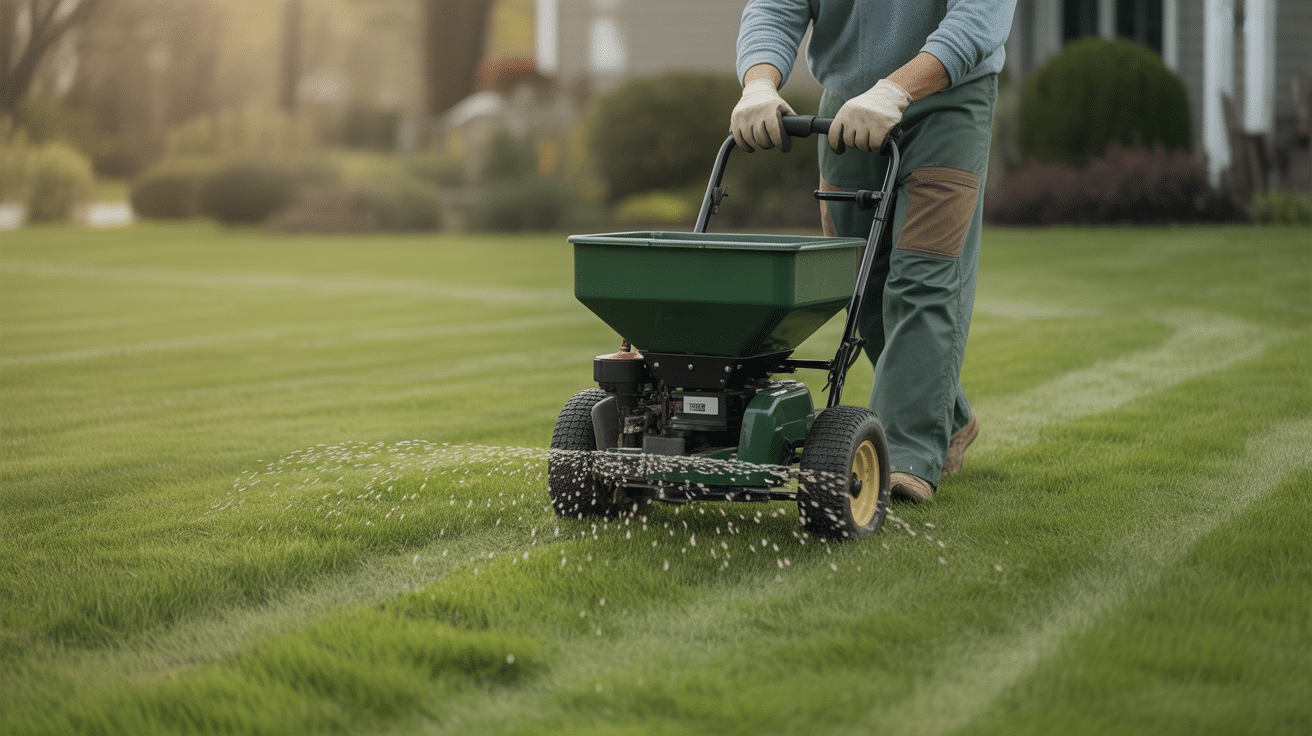
Here’s where things get practical: the actual “when”. Your calendar will thank you for this.
Cool-Season Lawn Fertilizer Schedule
Cool-season grasses thrive when the weather is mild; think crisp mornings and soft rain. Their roots are most active in spring and autumn, so that’s when feeding matters most.
- Early Spring: Give it a light feed as soon as growth begins again. This helps the grass recover from winter stress and encourages steady greening without overdoing it.
- Late Spring / Early Summer: If your lawn looks pale or patchy, offer a small top-up. Avoid heavy fertilising during heat waves, as it can do more harm than good.
- Early Autumn: This is the most important feeding of the year. A balanced fertiliser strengthens roots and prepares the grass for colder months ahead.
- Late Autumn: Finish with a lighter “winteriser” mix that helps the lawn store nutrients and stay resilient through frost.
Warm-Season Lawn Fertilizer Schedule
Warm-season lawns prefer the heat, thriving when the days are long and bright. They rest through winter, so your feeding focus should be on spring and summer.
- Late Spring: Start fertilising once your grass has fully greened up, not before. Early feeding can waste nutrients when the soil’s still cool.
- Mid-Summer: A second feeding keeps colour strong and growth even. Choose a slow-release mix to avoid burning during hot spells.
- Early Autumn: Give a light feed before temperatures start to drop. This helps the lawn recover from summer wear and store enough energy for dormancy.
- Winter: Skip fertilising altogether. The grass won’t absorb it, and it’s best to let the roots rest until spring warmth returns.
Sample Lawn Fertilizer Schedule
If all this talk of timing feels a bit much, don’t worry; it’s easier when you see it laid out. Think of your fertiliser routine like a seasonal rhythm rather than a strict calendar.
| Month / Season | Cool-Season Lawns | Warm-Season Lawns |
|---|---|---|
| March–April | Light fertiliser | Wait for green-up |
| May–June | Optional feed | First main feeding |
| July–August | Rest period | Mid-summer feeding |
| September–October | Heavy feeding | Final feeding |
| November–February | Minimal or none | None |
Think of it as your lawn’s meal plan, light breakfasts, hearty dinners, and a few well-earned naps in between. Once you get into the rhythm, you’ll barely need to check the calendar.
Choosing the Right Lawn Fertilizer
Understanding N-P-K Ratios
Those three numbers on every bag, say, 20-5-10, aren’t random. They stand for:
- Nitrogen (N): Keeps it lush and green.
- Phosphorus (P): Builds roots.
- Potassium (K): Strengthens and protects.
Spring lawns love nitrogen. Autumn lawns need more potassium. Think of it as adjusting the recipe to match the season.
Slow-Release & Quick-Release Fertilisers
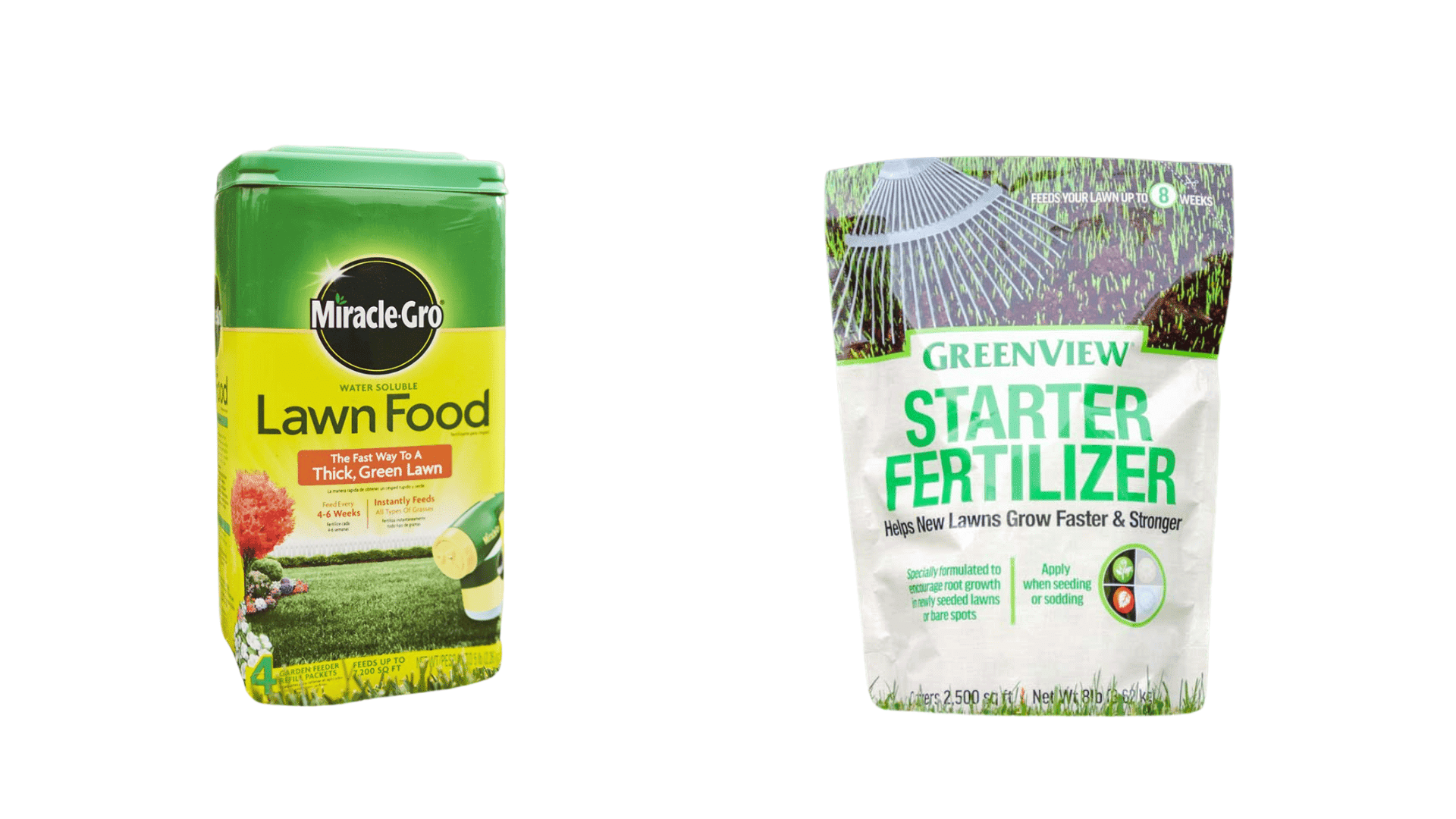
Slow-release and quick-release fertilisers each play their own part in keeping a lawn healthy; it’s just about knowing when to use which.
Slow-release feeds the grass gently over time, so you don’t have to keep reapplying. It’s reliable, steady, and ideal for most of the year.
Quick-release, on the other hand, gives your lawn an instant boost. It’s perfect if you’ve got guests coming or your grass suddenly looks a little dull.
Personally, I rely on slow-release for regular feeding and keep a quick one on hand for those “the lawn needs perking up” moments.
Suggested brands: Miracle-Gro Water Soluble Lawn Food, GreenView Instant Lawn Fertilizer.
Organic vs. Synthetic Options
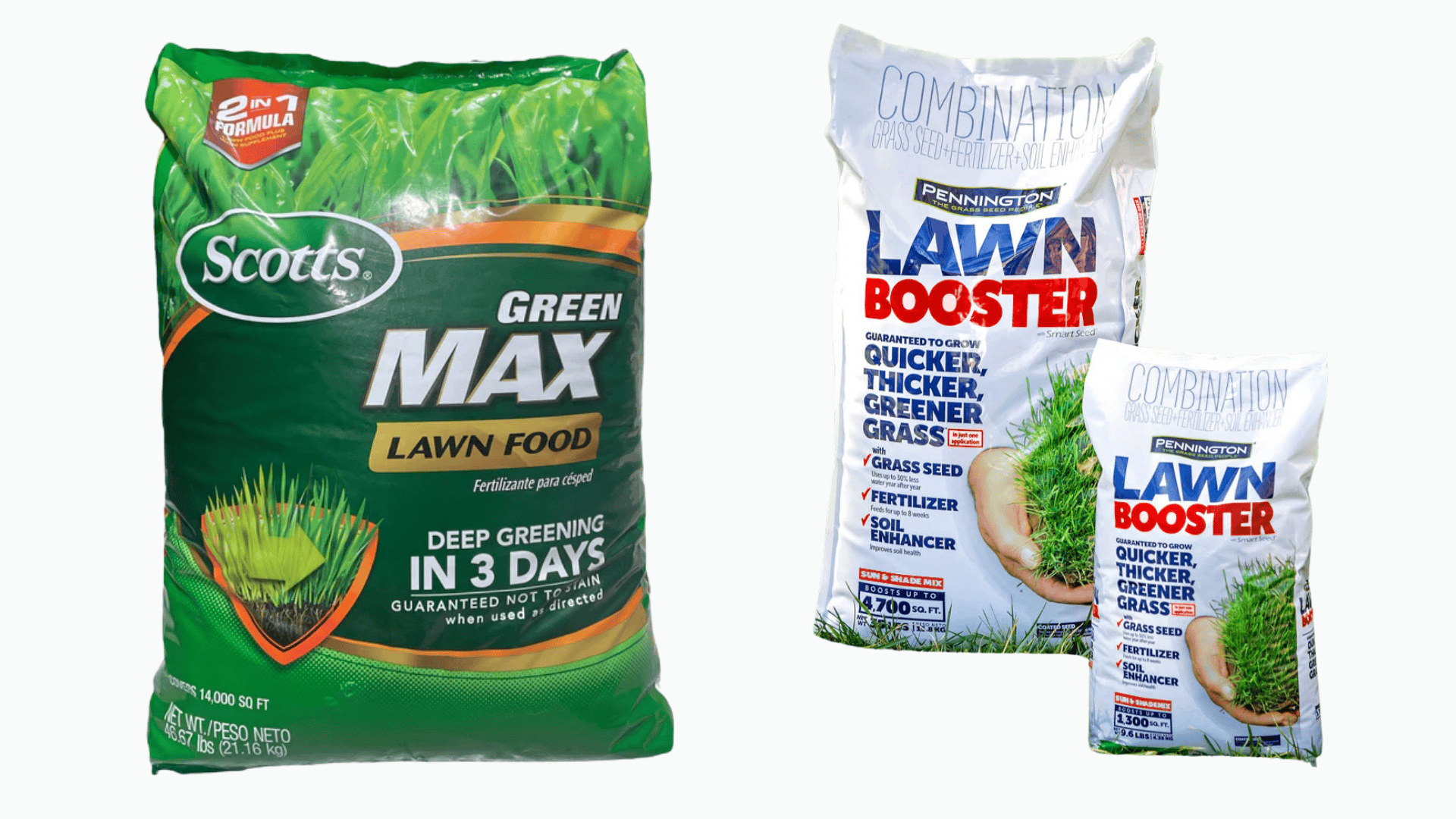
Organic fertilisers, such as compost, bone meal, or seaweed-based mixes, feed the soil first. They slowly release nutrients, stimulate earthworms and microbes, and improve texture over time. It’s a patient process, but one that leaves your lawn genuinely stronger.
Synthetic fertilisers, on the other hand, are the quick fix; they give you that vibrant green almost overnight. They’re precise and convenient, but don’t do much to improve soil quality in the long term.
I’ve found that combining the two works best: organics in spring and autumn for steady growth, and synthetics in between for that fresh, bright lift.
Suggested brands: Scotts Green Max Lawn Food, Lesco Professional Turf Fertilizer, and Pennington Lawn Booster.
How to Apply Fertilizer the Right Way
Getting fertiliser right isn’t complicated; it’s more about rhythm than rules. A few careful steps make all the difference between patchy results and a lawn that looks well-fed.
Preparation and Timing:
- Mow first: Keep the blades high; cutting too short stresses the grass.
- Water lightly: Damp soil helps nutrients soak in properly.
- Check the forecast: Skip feeding before heavy rain; it’ll just wash away.
Application Tips:
- Use a spreader: Keeps coverage even and avoids clumps or bare spots.
- Water after feeding: A light sprinkle helps nutrients settle.
- Clean up paths: Sweep stray granules; fertiliser marks are surprisingly persistent.
Once you’ve done it a few times, the whole process becomes second nature; a small effort for a big reward.
Special Situations and Adjustments
Every lawn has its own little personality. Some need more care than others. A few thoughtful tweaks can keep them all looking their best.
| Lawn Type | What It Needs | Timing | Extra Note |
|---|---|---|---|
| High-Traffic | One extra feed | Mid-season | Helps grass recover from kids, pets, or garden gatherings |
| Transition Zone | Feed each grass when it’s actively growing | Spring & Summer | Watch which parts green up first — they tell you when to feed |
| Shaded / Patchy | Half-strength fertiliser | Every 6–8 weeks | Gentler care prevents weak spots from burning out |
| Newly Seeded | Starter fertiliser only | After 6–8 weeks | Builds root strength before regular feeding begins |
| Restricted Areas | Low-nitrogen formula | Follow local rules | Keeps runoff and water pollution in check |
Every patch of grass has its rhythm; once you learn it, your fertilising routine feels less like guesswork and more like second nature.
Mistakes to Avoid
We’ve all had that one patch go yellow overnight, usually from getting a bit too excited with the fertiliser. Here’s what to steer clear of:
- Overfeeding: Too much fertiliser burns the blades and weakens the roots. Less is often more.
- Skipping the soil test: You can’t fix what you don’t understand. A quick test tells you exactly what your lawn actually needs.
- Feeding dry or dormant grass: Fertiliser can’t work if the lawn’s asleep or thirsty. Always water lightly first.
- Forgetting to water after feeding: A gentle soak helps nutrients settle into the soil and reach the roots.
- Rushing the routine: Spacing out feeds gives the grass time to grow strong naturally; slow, steady care beats quick fixes every time.
Even seasoned gardeners slip up now and then, but catching these early keeps your lawn green and thriving instead of stressed and patchy.
Wrap-Up
So, when should you fertilize your lawn? It all depends on your grass type, your weather, and a bit of patience. Once you learn the rhythm, it becomes second nature.
Feed when it’s growing, rest when it’s not, and treat the process like caring for something alive, because it is.
I mark my calendar each season now. It takes minutes, and the payoff is a soft, green patch that feels good under bare feet; the best kind of reward.
If you’re planning your next feed or just getting started, have a read through my other garden guides; they’ll help you keep everything from soil to shrubs looking their best all year.