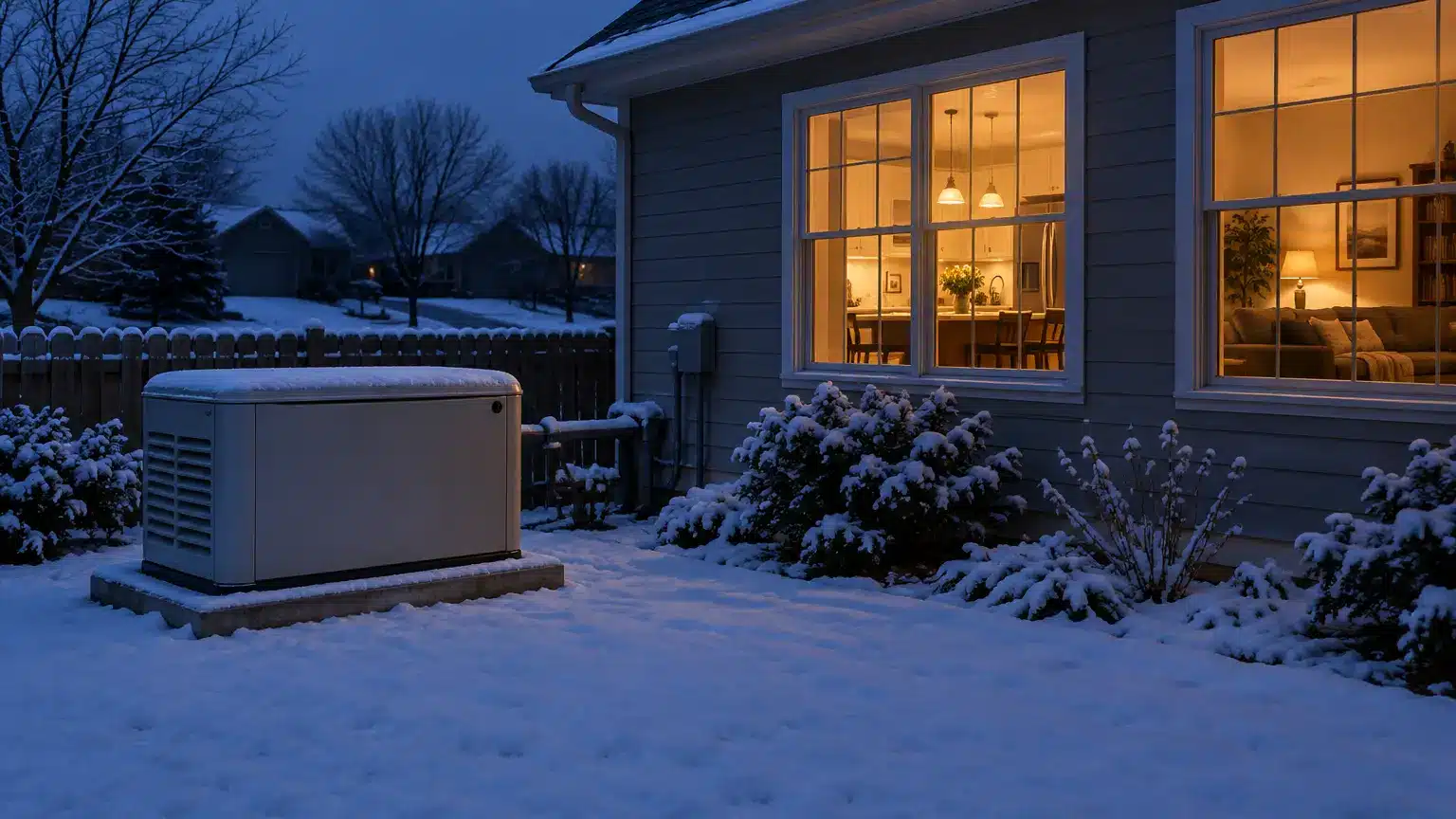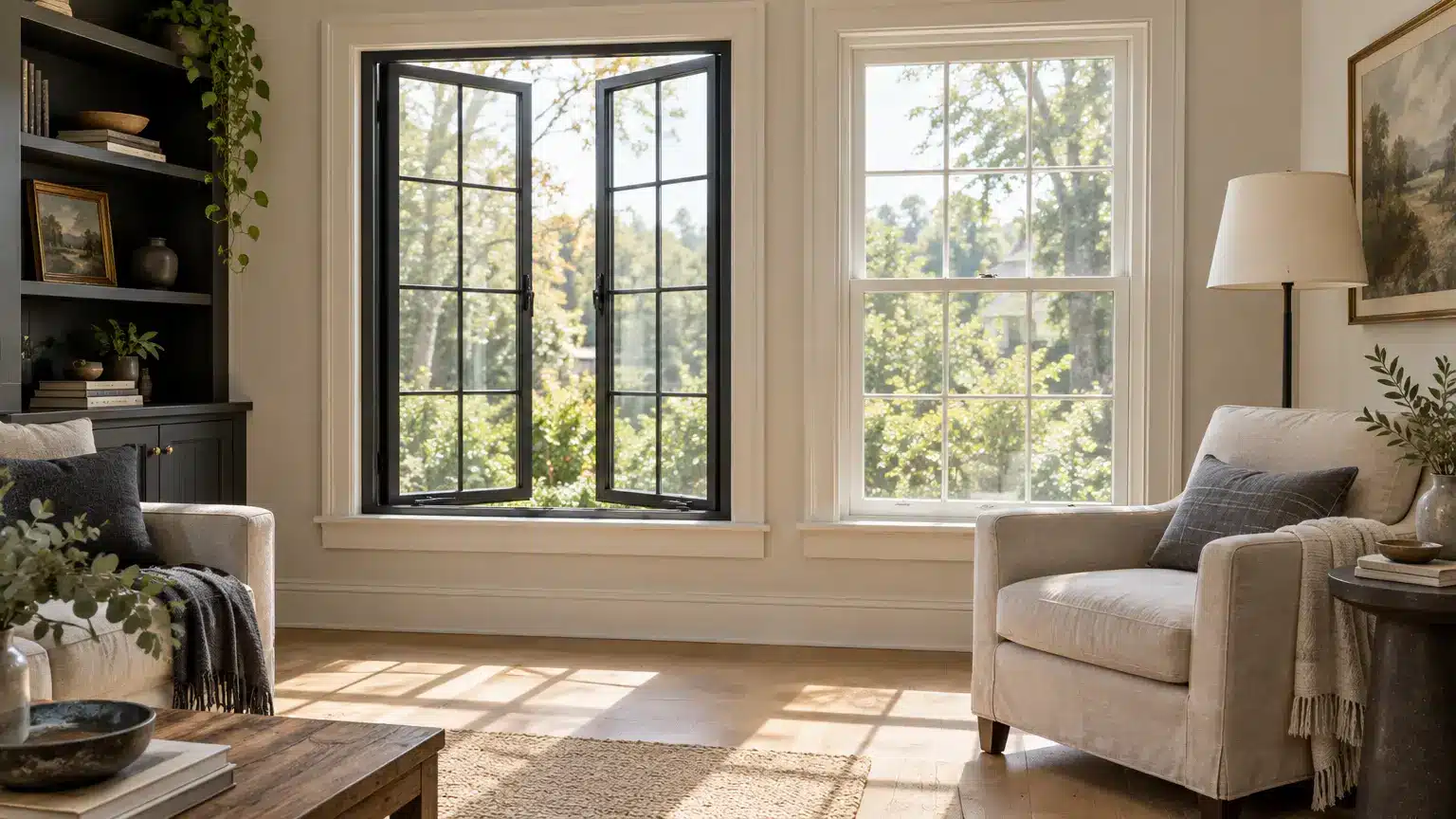
Windows dictate how a room breathes, how daylight lands across flooring, and how furnishings settle into a layout. The right window style can expand the visual footprint of a compact living room, frame outdoor scenery, or bring character to a simple interior. Choosing among different frame materials, operating styles, and finishes can easily feel overwhelming. Homeowners updating a single room or planning a larger renovation gain an advantage by understanding how window choices interact with interior design.
Match Your Interior Design Style
Every home has an architectural language. Windows represent permanent structural features, meaning their design should complement interior spaces rather than compete against them.
When planning residential window replacement, consider how different window designs relate to your home’s architectural character, existing finishes, and overall interior aesthetic. A well-chosen style should feel like a natural extension of the room rather than a separate design element.
Modern and minimalist interiors emphasize clean sightlines, open floor plans, and minimal decoration. Large picture windows and casement styles excel here because they provide expansive glass without visual clutter. Slim frames in black, charcoal, or neutral tones reinforce a contemporary profile. For an uncluttered aesthetic, windows without decorative grilles keep the glass uninterrupted.
Traditional and classic homes rely on symmetry, decorative moldings, and timeless architectural elements. Double-hung windows fit these rooms naturally. Their balanced proportions align with traditional trim, while divided-light grilles highlight historic character. White frames remain a classic choice, though wood-look finishes introduce rich warmth to complement stained woodwork.
Farmhouse and transitional spaces blend comfortable traditional charm with clean modern elements. Straightforward double-hung or casement windows fitted with black or white frames complement these rooms well. The objective is maintaining architectural depth without adding unnecessary ornamentation.
How Window Styles Shape a Space
Window mechanics alter everyday living alongside visual design. Proportions, venting paths, and sash operations directly influence airflow, furniture arrangements, and overall room atmosphere.
Picture windows feature large, fixed glass panels engineered to showcase uninterrupted outdoor views. They suit living rooms and dining areas where natural light and scenery serve as design priorities. Because picture windows do not open, pairing them with operable flanking units supplies necessary ventilation.
Casement windows swing outward on side hinges using a crank. Their clean frames complement modern and transitional spaces while capturing breezes to ventilate kitchens, bedrooms, and living areas. Checking exterior clearance is essential before selecting casements, particularly around walkways or patios where an open sash could interrupt foot traffic.
Double-hung windows feature two vertically sliding sashes, allowing ventilation through the top opening, the bottom opening, or both. Their classic proportions suit colonial architecture, traditional millwork, and farmhouse interiors. Paired with flat trim and unadorned glass, double-hung units also integrate into contemporary rooms.
Bay and bow windows extend outward from the exterior wall, creating physical depth and architectural interest. They serve as natural focal points in living rooms, bedrooms, or breakfast areas. The resulting recess provides space for a built-in window seat or decorative display, making them an excellent choice when the window itself should define the room.
Frame Colors and Interior Palettes
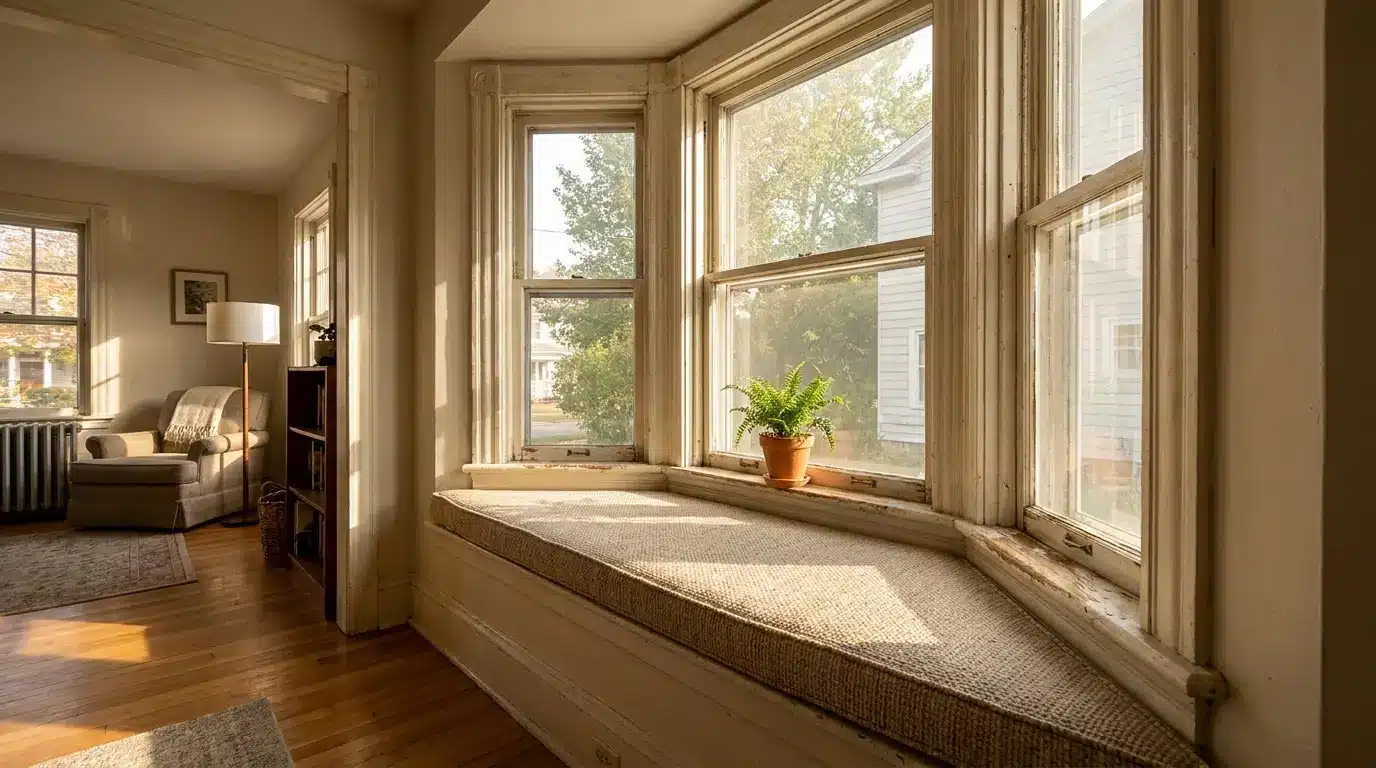
Frame color influences interior atmosphere as noticeably as wall paint or flooring selections.
White frames remain versatile, pairing naturally with traditional, coastal, and Scandinavian interiors. They blend quietly with light-colored walls to support an airy mood.
Black frames deliver striking visual contrast. They anchor modern rooms with neutral walls, natural wood, and simple furnishings.
Wood-look finishes supply texture and warmth, grounding rustic, farmhouse, and nature-inspired spaces.
Neutral gray and bronze frames present an understated middle ground when black appears too harsh.
Evaluating finish samples inside the actual room prevents costly mistakes. A swatch viewed under showroom fluorescents shifts under residential sunlight and ambient evening bulbs. Comparing physical samples against existing trim, wall colors, and flooring helps avoid conflicting undertones. Some window products offer split-finish options with different colors on interior and exterior surfaces, giving you design flexibility on both sides of the wall.
Daylight, Privacy, and Placement
Sunlight transforms interior perception. Expansive glass makes compact spaces feel larger, while thoughtful window placement brightens dark alcoves and accentuates key architectural details.
Bigger glass is not always practical. Bathrooms and bedrooms require privacy over open sightlines. Frosted or obscure glass brings in daylight while shielding the room from outside view.
Sun orientation directly affects indoor lighting quality. In the Northern Hemisphere, south-facing glass captures steady daylight through the middle of the day. North-facing windows deliver a softer, consistent daylight through morning and afternoon. Factoring in sun angles prevents practical problems, including harsh glare across television screens. Layering woven shades, blinds, or fabric draperies gives you control over shifting light while introducing welcoming texture.
Efficiency and Daily Function
Visual appeal must balance with everyday utility and physical comfort. When comparing window models, examine mechanical features. Check how smoothly sashes operate, how much ventilation they generate, and how convenient exterior glass is to clean from indoors.
Thermal protection matters throughout the year, especially in regions facing cold winters or hot summers. Modern high-efficiency windows use insulated frames, multi-pane glass packages, low-emissivity coatings, and specialized glazing to minimize heat transfer.
Look closely at certified ratings like U-factor and solar heat gain coefficient rather than relying on appearance alone. Professional installation quality matters equally, preventing drafts and moisture leaks. Where street noise is an issue, sound-reduction features help maintain a quiet indoor environment.
Unifying Windows With Interior Elements
Windows should coordinate with surrounding architectural elements to look intentional.
Interior trim establishes architectural harmony. Matching window casings to baseboards and door frames builds a unified appearance across the entire home.
Proportions shape visual scale. Tall windows emphasize high ceilings, while wide horizontal configurations accentuate the open feel of expansive floor plans.
Furniture arrangements require careful consideration around window openings. Avoid blocking windows with oversized furniture, particularly where scenic views anchor the room. Window treatments should also align with the room’s character. Flowing linen curtains soften crisp contemporary frames, while structured Roman shades flatter traditional woodwork.
Maintaining visual continuity between adjoining spaces does not require identical windows throughout the entire house. Consistent frame colors or matching trim details maintain cohesion while allowing individual rooms to meet their specific lighting and ventilation demands.
Selecting window styles comes down to balancing structural architecture with daily lifestyle needs. When you match frame designs to your personal aesthetic, observe natural daylight patterns, and prioritize dependable thermal performance, your windows will anchor your living spaces with enduring style and everyday comfort as your interior decor evolves.