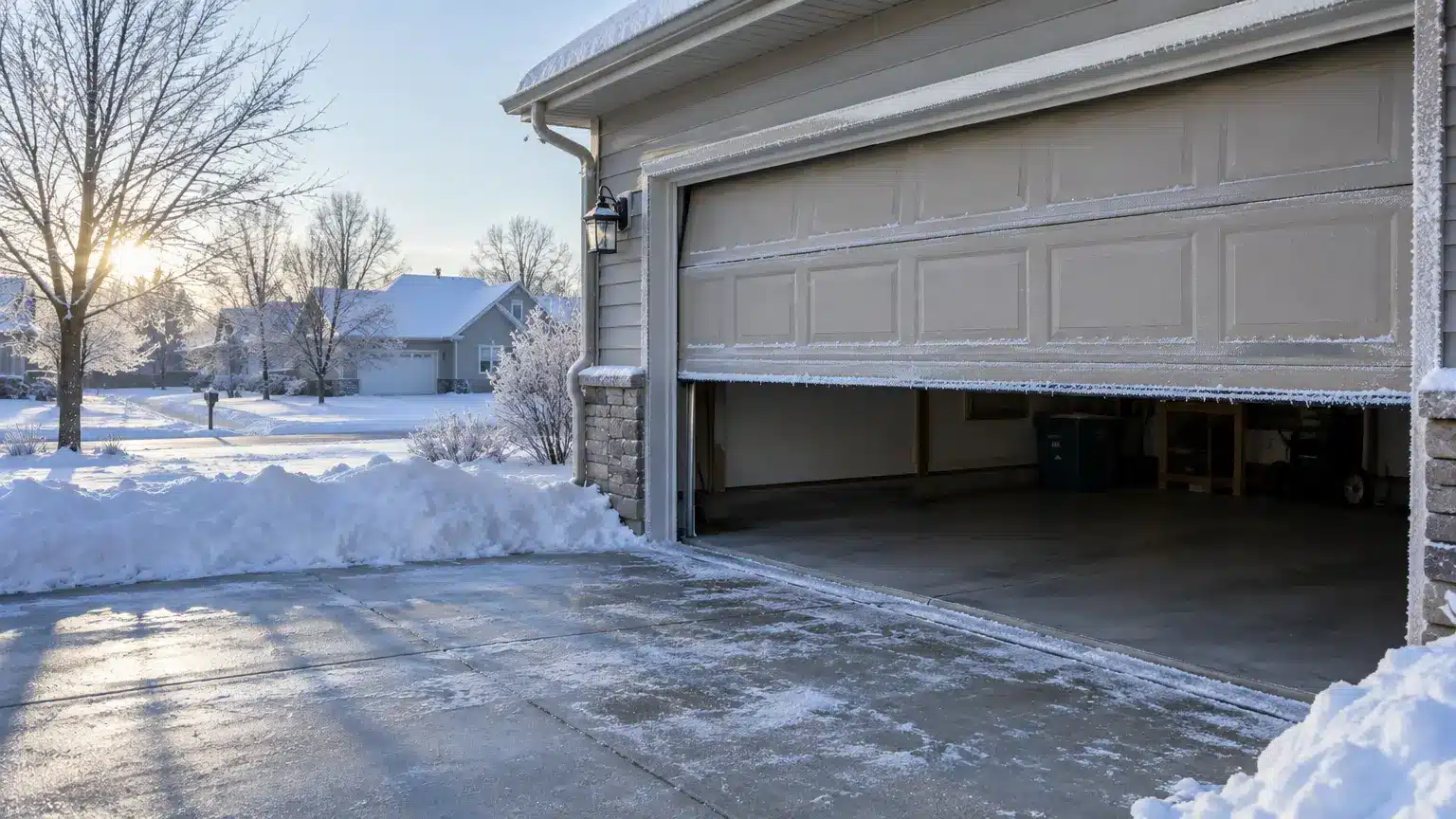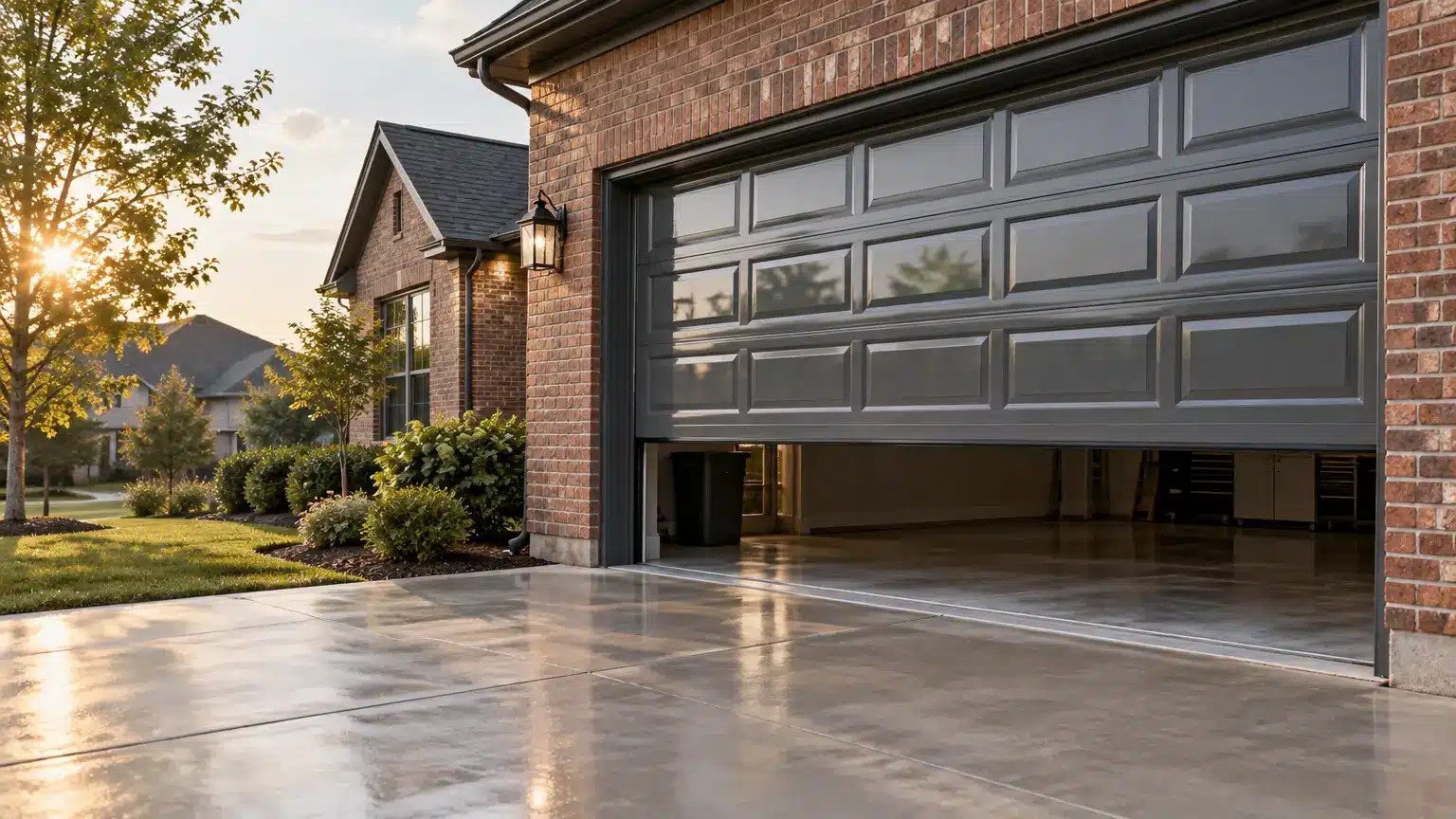
When it comes to selecting a garage door, one of the most important decisions is determining what system will best serve your specific needs. The garage door you install should match your property type, usage patterns, climate, and budget. Whether you’re managing a residential home, a small commercial building, or planning an upgrade, understanding your options will help you make a choice that provides security, functionality, and long-term value.
Understanding Your Property Type and Access Needs
The type of property you own fundamentally shapes what garage door system makes sense. Residential properties, commercial facilities, and specialized buildings all have different requirements for security, durability, frequency of use, and operational features.
A single-family home typically uses a standard residential garage door that operates on a predictable schedule, usually opening and closing once or twice daily. The door needs to be attractive, reasonably energy efficient, and reliable for daily use.
Commercial buildings, warehouses, and larger facilities face different demands. A commercial space might require doors that operate dozens of times per day, accommodate larger vehicles or equipment, and integrate with access control systems. The frequency and intensity of use means durability becomes a critical factor.
Understanding whether your property needs basic convenience features or more sophisticated operational capabilities will guide every subsequent decision.
Residential Garage Door Options and Features
For homeowners, the choice typically comes down to material, style, insulation, and whether you want manual or motorized operation.
Materials and construction: Steel is the most popular choice for residential doors because it combines affordability, durability, and a clean appearance. Wood offers a traditional aesthetic but requires more maintenance. Aluminum and vinyl are lightweight alternatives that work well in less demanding climates. Fiberglass and composite materials provide moisture resistance for humid environments.
Insulation considerations: If your garage is attached to your home, an insulated door helps regulate temperature and reduces heating and cooling costs. Insulation also dampens noise from outside traffic or weather. For detached garages, insulation is less critical unless the space is climate-controlled.
Panel designs: Garage doors come in various panel configurations, from simple raised-panel designs to decorative carriage-house styles. The visual style you choose should complement your home’s architecture. Since the garage door often dominates a home’s front exterior, appearance matters as much as function for many homeowners.
When exploring what’s available, residential garage door styles and options can help you compare materials, colors, and designs specific to your needs.
Safety and security: Residential doors should include basic safety features like photoelectric sensors that prevent the door from closing if an object is detected, and manual override systems that allow you to open the door if power is lost.
Commercial Garage Door Systems and Access Control

Commercial garage doors operate under fundamentally different conditions than residential doors. They see heavier use, support larger vehicles, and often integrate with business operations and security systems.
A commercial space might have a loading dock that needs to open and close dozens of times daily, serve delivery trucks of varying sizes, or require controlled access for security reasons. These operational demands mean commercial doors must be built for extended cycling and harsh conditions.
Frequency and durability: Commercial doors require heavy-duty construction because they operate far more often than residential doors. Springs, rollers, and tracks must withstand this increased wear. Professional installation and regular maintenance become essential investments rather than optional conveniences.
Access and automation: Many commercial facilities need to control who can access the building and when. This is where sophisticated operator technology for commercial access becomes important. Automated systems can integrate with building security, allow remote operation, and provide access logs that track which doors opened when.
Performance requirements: Commercial doors may need to meet specific safety standards, withstand wind loads, accommodate high-speed traffic, or integrate with fire suppression systems. These specialized requirements often mean commercial doors are customized rather than selected from standard residential options.
When to Upgrade or Replace Your Garage Door
Several situations suggest it’s time to replace your garage door rather than continuing to repair an aging system. If your door is more than 15-20 years old, replacement often makes financial sense even if it’s still functioning, because newer models are more efficient and reliable.
Signs that replacement should be considered include:
- The door makes excessive noise or operates roughly
- Springs are worn, broken, or showing rust
- Panels are dented, damaged, or rotting
- The opener is unreliable or makes grinding sounds
- The door sags or is misaligned
- Energy bills are rising and the door is poorly insulated
- Safety sensors are not functioning properly
The cost of replacing an entire system is often comparable to repairing an old door repeatedly over several years. A new door also offers modern safety features, better insulation, and design options that older doors don’t provide.
Installation and Professional Support
Whether residential or commercial, proper installation is crucial for safe operation and longevity. A door that’s incorrectly installed will operate poorly, wear prematurely, and potentially create safety hazards. Springs must be properly tensioned, tracks must be aligned, and the opener must be correctly calibrated.
For residential installations, a professional installer typically completes the job in a few hours. For commercial installations, especially those involving access control integration, the process is more complex and may require coordination with security systems.
Professional installation also ensures compliance with local building codes and safety regulations. Many jurisdictions have specific requirements for garage door safety features and installation practices.
Key Takeaways
Selecting the right garage door depends on understanding your property type, usage patterns, and specific operational needs. Residential doors emphasize appearance, efficiency, and convenient daily operation. Commercial systems prioritize durability, access control, and the ability to handle frequent use. Taking time to evaluate what your property requires and exploring both standard and specialized options ensures you’ll choose a system that provides reliable service for years to come.