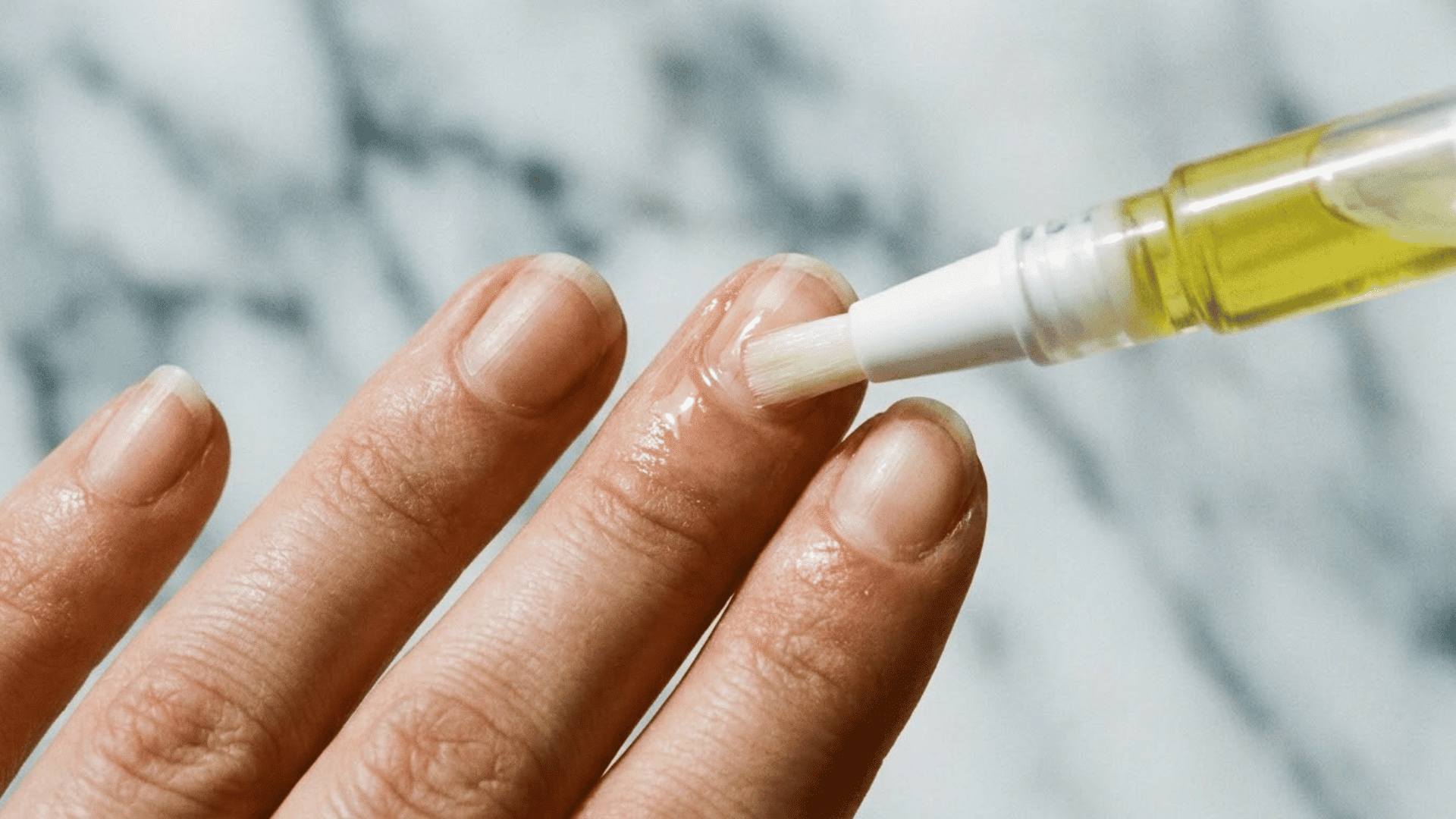
Dry cuticles can make even a fresh manicure look a little unfinished. I often notice mine feeling rough after frequent handwashing, polish removal, or a few days of skipping nail care.
That is usually when cuticle oil starts looking like a useful addition rather than just another beauty product. But what does cuticle oil do, and when is it actually worth reaching for?
A simple routine can make nail care feel much easier. From everyday use to proper application, there are a few things worth knowing before adding it to your routine
What is Cuticle Oil?
Cuticle oil is a moisturizing product made for the skin around your nails and the nail plate itself.
Most formulas combine lightweight plant oils with conditioning ingredients such as vitamin E.
Although it is called cuticle oil, you can apply it around the entire nail, including the sidewalls and beneath the free edge.
It restores moisture lost to washing, sanitizer, polish remover, cleaners, and weather but cannot treat infections or disease.
What Does Cuticle Oil Do?
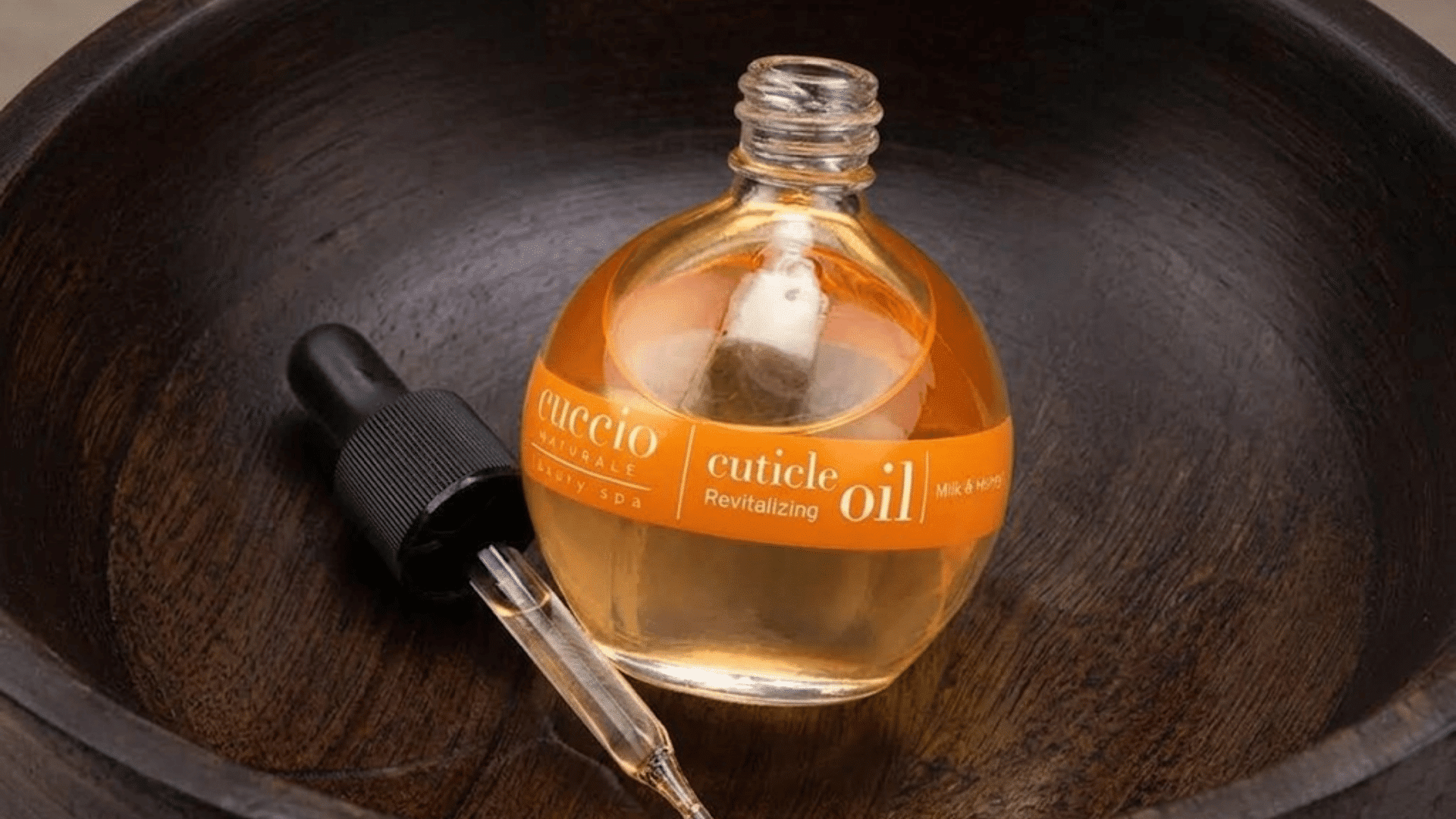
Cuticle oil offers practical benefits that improve nail appearance, comfort, and protection when you include it in your daily routine.
-
Moisturizes Dry Skin: It replenishes lost moisture and softens rough skin exposed to water, sanitizer, acetone, or cold weather.
-
Reduces Cracking and Hangnails: It keeps surrounding skin flexible, helping reduce splits and painful hangnails along the nail edges.
-
Helps Nails Stay Flexible: It conditions dry nail plates, helping them bend under everyday pressure instead of peeling or snapping.
-
Supports the Cuticle Barrier: It keeps skin around the nail softer and more intact, protecting against everyday irritants and dryness.
-
Refreshes Your Manicure: It adds shine and smooths dry edges. The American Academy of Dermatology shares tips for healthy nails with gel manicures.
Does Cuticle Oil Help Nails Grow?
No, cuticle oil does not speed nail growth, but it can reduce breakage and preserve length. Cleveland Clinic focuses on the concept of the nail matrix.
Nail growth begins in the matrix beneath the skin and depends on factors such as age, health, nutrition, and genetics.
However, regular oil use keeps the nail plate conditioned and flexible, making it less likely to peel, split, or snap.
Because fewer nails break as they grow, they may appear to gain length more quickly and remain longer over time.
How to Apply Cuticle Oil Correctly?

A small amount of cuticle oil applied correctly is enough to moisturize each nail and its surrounding skin.
-
Start With Clean Hands: Wash your hands thoroughly, then let your nails dry completely before applying the cuticle oil.
-
Apply a Small Amount: Place one small drop or light brushstroke near the base of each clean, dry nail.
-
Cover the Nail Area: Spread the oil across the cuticle, sidewalls, nail plate, and, when accessible, beneath the free edge.
-
Massage It Gently: Gently massage each nail for about thirty seconds to help the oil spread and absorb evenly.
-
Leave It in Place: Avoid washing your hands immediately afterward so the oil can settle into the skin and nails.
NOTE: A brush, rollerball, dropper, or cuticle oil pen can all work well. Choose the applicator you are most likely to use consistently.
How Often Should You Use Cuticle Oil?
For general maintenance, apply cuticle oil at least once a day. Bedtime is convenient because the product can remain on your nails while you sleep.
If your hands are very dry, you can reapply it after washing, using sanitizer, or removing nail polish.
Consistent daily application works better than covering fingers with a large amount of cuticle oil at once.
Keeping a cuticle oil pen beside your bed, in your bag, or near your workspace can make daily use easier to remember.
When to Apply Cuticle Oil?
Cuticle oil enhances manicures, as different types of manicures require proper timing to protect polish adhesion and keep surrounding skin comfortably moisturized.
|
Situation |
Best Time to Apply |
Why |
|---|---|---|
|
Regular Polish |
After it dries |
Prevents poor adhesion |
|
Gel Polish |
After finishing |
Soothes prepared skin |
|
Acrylic Nails |
Daily |
Moisturizes nearby skin |
|
Polish Removal |
Immediately after |
Replaces lost moisture |
|
Between Manicures |
Once or twice daily |
Reduces dryness |
NOTE: If you accidentally apply oil before painting your nails, wipe the nail plate with an appropriate cleanser before applying the base coat.
How Long Does Cuticle Oil Take to Work?
Cuticle oil can make dry skin appear smoother immediately, although lasting improvement requires regular use.
Cuticles may soften within days, while peeling, splitting, and nail damage improve gradually as healthy nails grow out.
Results also depend on your nail condition, climate, handwashing habits, and chemical exposure.
Daily use for a few weeks provides a more realistic picture than expecting a major change after one application.
What Ingredients Should You Look For?
Choose a cuticle oil with nourishing ingredients that absorb easily without leaving your nails feeling overly greasy.
|
Ingredient |
What It Offers |
Best Suited For |
|---|---|---|
|
Jojoba oil |
Lightweight moisture and quick absorption |
Everyday care |
|
Sweet almond oil |
Rich conditioning for rough skin |
Dry cuticles |
|
Avocado oil |
A heavier and nourishing texture |
Very dry nail areas |
|
Grapeseed oil |
Light application with little residue |
Daytime use |
|
Vitamin E |
Additional conditioning for dry skin |
Rough cuticle areas |
NOTE: Choose fragrance-free oil for sensitive skin, check nut-derived ingredients for allergies, and patch-test unfamiliar formulas before regular use.
When Should You Avoid Cuticle Oil?
Do not apply fragranced or strongly scented cuticle oil to broken, bleeding, or inflamed skin.
Redness, swelling, itching, or burning may indicate an allergic reaction to gel polish, cuticle oil, or another nail product.
Pain, warmth, pus, persistent redness, nail separation, or unusual discoloration may indicate an infection or another nail condition. Cuticle oil will not treat these problems.
Speak with a dermatologist or healthcare professional instead of covering the area with more product or attempting to cut away inflamed skin.
Common Mistakes to Avoid While Applying Cuticle Oil
Avoiding common application mistakes helps cuticle oil absorb properly and keeps your nail-care routine effective.
-
Using Too Much: Apply one small drop per nail, since excess oil creates mess without improving or accelerating results.
-
Wiping It Away Quickly: Let the oil remain for several minutes so it can condition the nail and surrounding skin.
-
Applying Before Polish: Avoid oil before painting because residue can prevent the base coat and polish from adhering evenly.
-
Ignoring the Sidewalls: Massage oil along both sidewalls because dryness and hangnails frequently develop around these overlooked nail edges.
-
Expecting Rapid Growth: Use oil to reduce dryness and breakage, not to increase your natural rate of nail growth.
-
Ignoring Irritation: Stop using the formula immediately if redness, itching, swelling, burning, or another uncomfortable skin reaction develops.
Final Thoughts
Healthy-looking nails often come down to small habits we can actually stick with, and cuticle oil is one of the easiest to add to a routine.
A few drops can help keep dry cuticles softer, support nail flexibility, and give your manicure a smoother, well-cared-for appearance.
I like to think of cuticle oil as a simple finishing step, not another complicated beauty task. Keep it somewhere visible, such as beside your hand cream or on your nightstand, and apply it whenever your nails feel dry.
With consistent care, you may notice your nails and surrounding skin looking healthier over time. Do you already use cuticle oil? Share your experience and favorite routine in the comments below.
Frequently Asked Questions
Can You Use Cuticle Oil on Toenails?
Yes, apply a small amount around clean toenails to soften dry skin, but do not use it to treat fungal changes.
Is Cuticle Oil the Same as Cuticle Cream?
Cuticle oil absorbs quickly and suits daytime use, while thicker cuticle cream creates a longer-lasting moisture barrier for very dry skin.
Can You Use Cuticle Oil on Bare Nails?
Yes, cuticle oil works on bare nails and can be massaged across the nail plate, cuticles, sidewalls, and underneath longer tips.
Can Coconut Oil Replace Cuticle Oil?
Coconut oil can temporarily soften dry cuticles, although a dedicated cuticle oil may absorb faster and contain additional conditioning ingredients.