
Some days, I want my makeup to look less like makeup and more like I just happened to wake up with even skin, brighter eyes, and a little color in my cheeks.
That’s where natural makeup looks fit perfectly. The idea isn’t to cover everything or spend an hour getting ready.
A few well-placed products can even out the complexion, define your features, and still let your real skin show through.
From barely there makeup for an ordinary morning to something a little more polished for work or brunch, you can do a lot without piling on product.
What is a Natural Makeup Look?
A natural makeup look enhances your features with lightweight layers, softly blended edges, and shades suited to your complexion.
Real skin texture remains visible, while concealer evens specific areas and blush restores healthy color.
Lightly filled brows, defined lashes, and a subtle lip shade complete the finish. Natural makeup does not necessarily require fewer products.
The difference lies in careful application, balanced coverage, and seamless blending that keeps everything looking fresh, comfortable, and true to you.
How to Create a Natural Makeup Look?
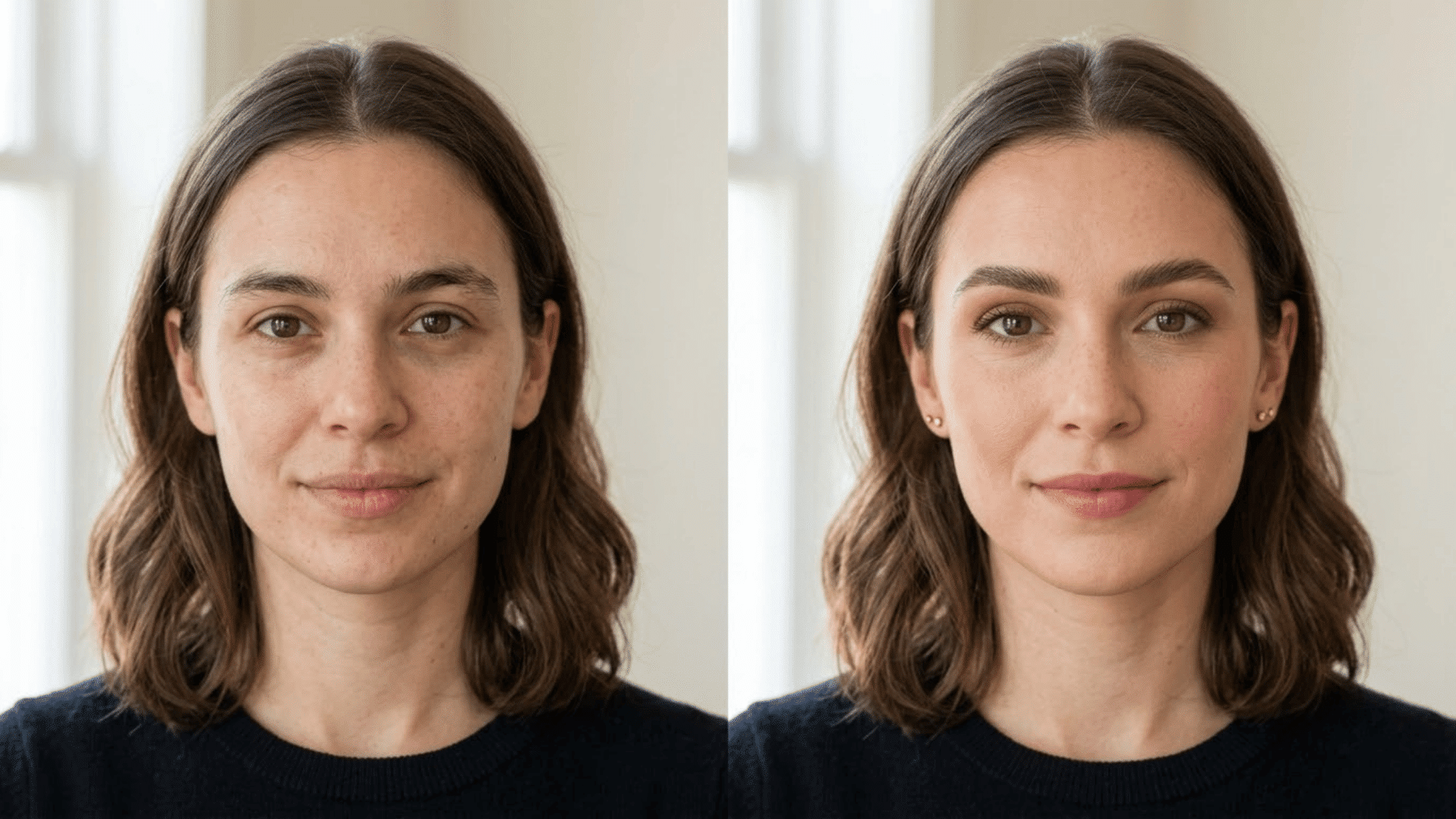
Follow these steps to create a fresh natural makeup look that evens the complexion and enhances your features without appearing heavily made up.
Step 1. Prepare and Hydrate Your Skin
Begin with clean skin and apply a lightweight moisturizer, such as CeraVe Daily Moisturizing Lotion. Let it absorb before applying sunscreen, as advised by the American Academy of Dermatology.
Proper hydration softens dry areas and creates a smooth surface, helping complexion products blend evenly without looking patchy or heavy.
Step 2. Apply a Lightweight Skin Tint
Use a thin layer of e.l.f. Halo Glow Skin Tint SPF 50 to lightly even your complexion. Blend outward with clean fingers, a brush, or a damp sponge.
Keep the coverage sheer so freckles and natural skin texture remain visible through the base.
Step 3. Conceal Only Where Needed
Apply NYX Bare With Me Concealer Serum beneath the eyes and over redness or blemishes instead of covering the entire face.
Gently tap the edges with your ring finger or a sponge until the concealer blends seamlessly into the surrounding skin.
Step 4. Add a Soft Flush
Place one or two small dots of Rare Beauty Soft Pinch Liquid Blush on each cheek.
Blend the color upward with your fingertips or a brush. Choose a muted peach, rose, or berry shade that resembles your skin’s natural flush.
Step 5. Groom and Define Your Brows
Brush brow hairs upward and outward before filling only noticeable gaps with light, hair-like strokes. Finish with NYX The Brow Glue to hold the shape.
Avoid drawing a sharp outline, as softly groomed brows look more natural and balanced.
A softly groomed effect can resemble brow lamination, although clear brow gel offers a simple temporary alternative.
Step 6. Apply Neutral Eyeshadow
Sweep a light neutral shade from the ColourPop Brewtiful Neutrals Palette across your eyelids. Blend a slightly deeper brown shade into the crease for gentle definition.
Keep the edges diffused and avoid heavy shimmer or sharply defined color
For added definition, you should know how to apply eyeliner lightly close to the upper lashes, then soften the edge with a small brush.
Step 7. Lightly Define Your Lashes
Curl your lashes at the base, then apply one light coat of Maybelline’s brown mascara.
Concentrate the product near the roots and separate any clumps with a clean spoolie. Brown mascara provides softer definition than intense black formulas.
Step 8. Finish with Tinted Lip Balm
Complete the look with Burt’s Bees Tinted Lip Balm in a shade close to your natural lip color.
Apply it directly, then press your lips together to distribute the tint. The sheer finish adds comfortable moisture and subtle color without a precise lipstick outline.
Natural Makeup Look for Different Skin Types
Your skin type affects how makeup applies and lasts, so adjust textures and powder for a natural finish.
| Skin Type | Product Choices | Application Approach |
|---|---|---|
| Dry | Hydrating primer and luminous skin tint | Moisturize well and limit powder |
| Oily | Oil-free base and soft-matte products | Apply thin layers and powder the T-zone |
| Combination | Lightweight base with targeted powder | Hydrate dry areas and control shiny areas |
| Sensitive | Fragrance-free and gentle formulas | Introduce products gradually and avoid irritation |
| Acne-prone | Non-comedogenic base and targeted concealer | Build coverage only over areas that need it |
Choose Shades for Your Undertone
Your undertone helps you select makeup shades that brighten your complexion and create soft, balanced, natural results.
- Warm Undertones: Choose peach, coral, bronze, caramel, and golden brown shades that enhance the skin without looking too bright.
- Cool Undertones: Select rose, mauve, berry, plum, taupe, and cool pink shades for naturally balanced color and gentle definition.
- Neutral Undertones: Try pink, nude, brown, peach, and muted berry shades since warm and cool colors complement you equally.
- Olive Undertones: Use terracotta, bronze, peach, rose, and earthy brown shades to naturally complement green or golden tones.
Types of Natural Makeup Looks
These natural makeup looks use different finishes, shades, and techniques to comfortably complement varied skin types and personal preferences.
1. Soft Matte Makeup
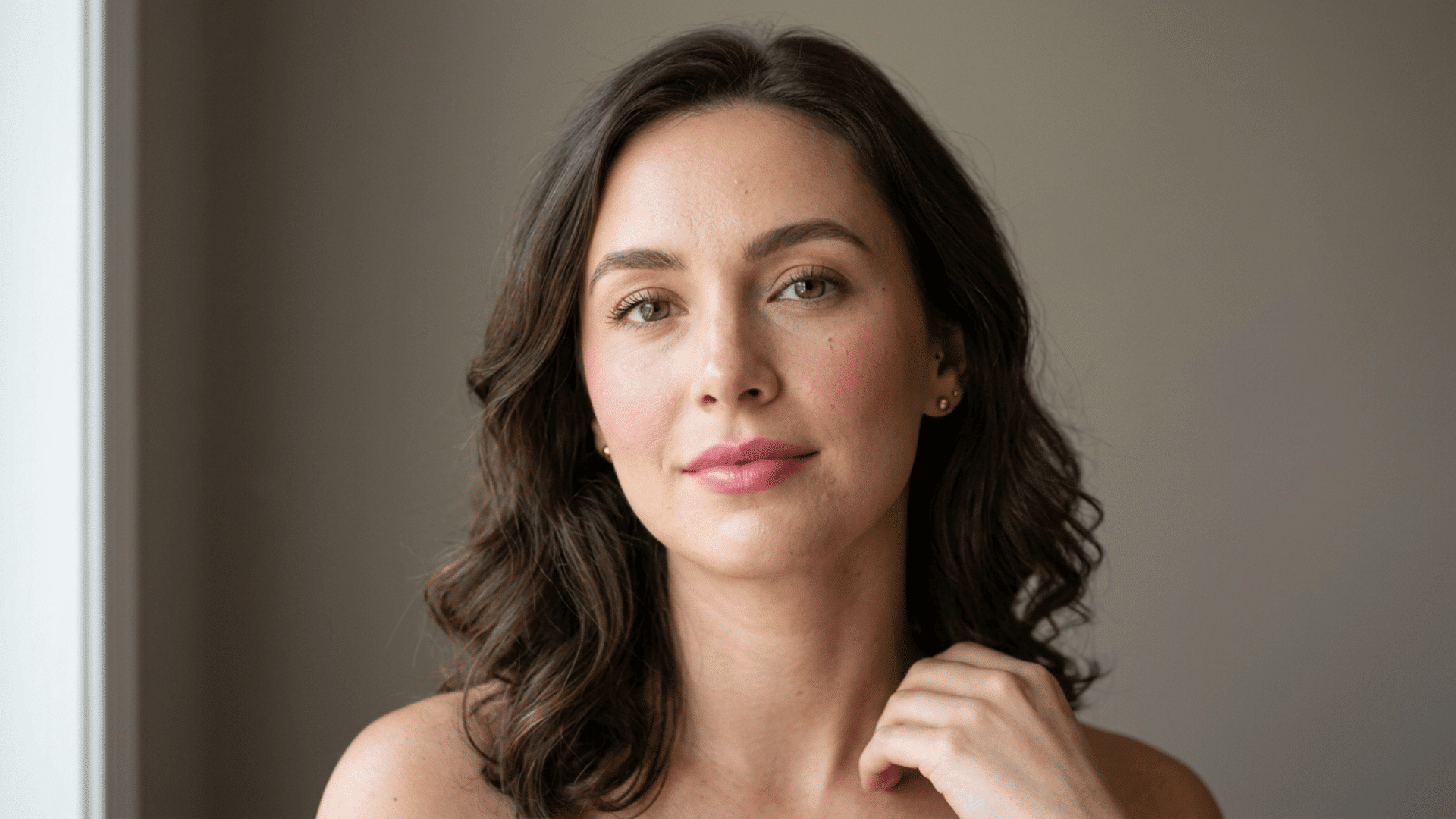
Choose lightweight satin or soft-matte foundation and apply powder only where shine develops.
Diffused blush and subtle mascara prevent the complexion from looking flat, making this finish especially helpful for oily or combination skin.
2. Warm Bronzed Makeup
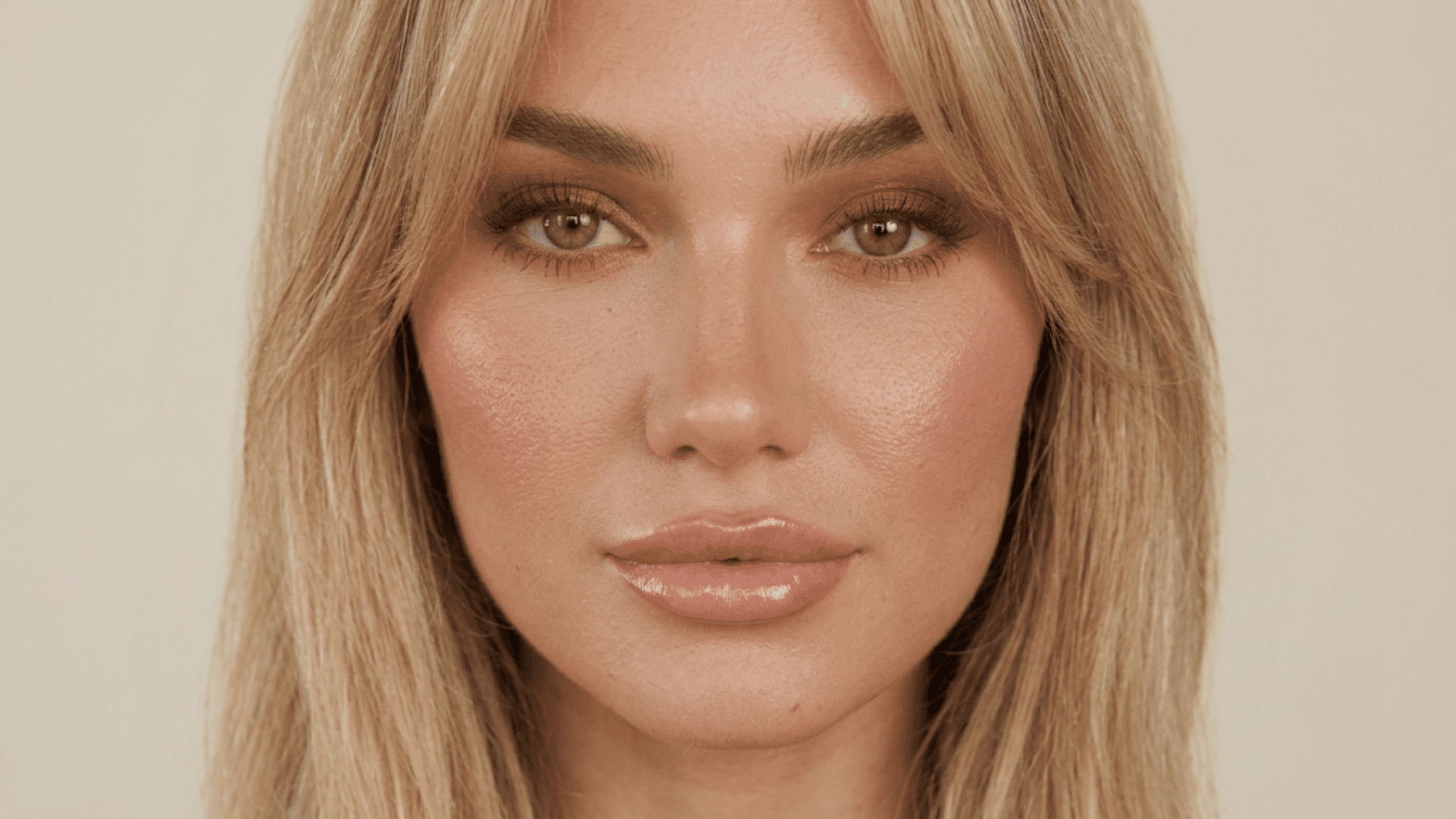
Sweep bronzer lightly around the temples, cheeks, and jawline for gentle warmth without sharp contouring.
Complete the look with caramel eyeshadow, brown mascara, and warm nude lips for an easy sun-kissed appearance.
3. Monochromatic Nude Makeup

Use related neutral shades across the eyes, cheeks, and lips for a coordinated finish.
Depending on your complexion, choose beige, caramel, cocoa, or rose-brown tones, and blend each layer until the edges appear soft.
4. Glossy Natural Makeup

Combine luminous skin, cream blush, and glossy lips while keeping the T-zone controlled.
Concentrating shine on selected areas creates healthy radiance without making the entire complexion appear greasy or overly reflective in daylight.
5. Natural Makeup for Deep Skin
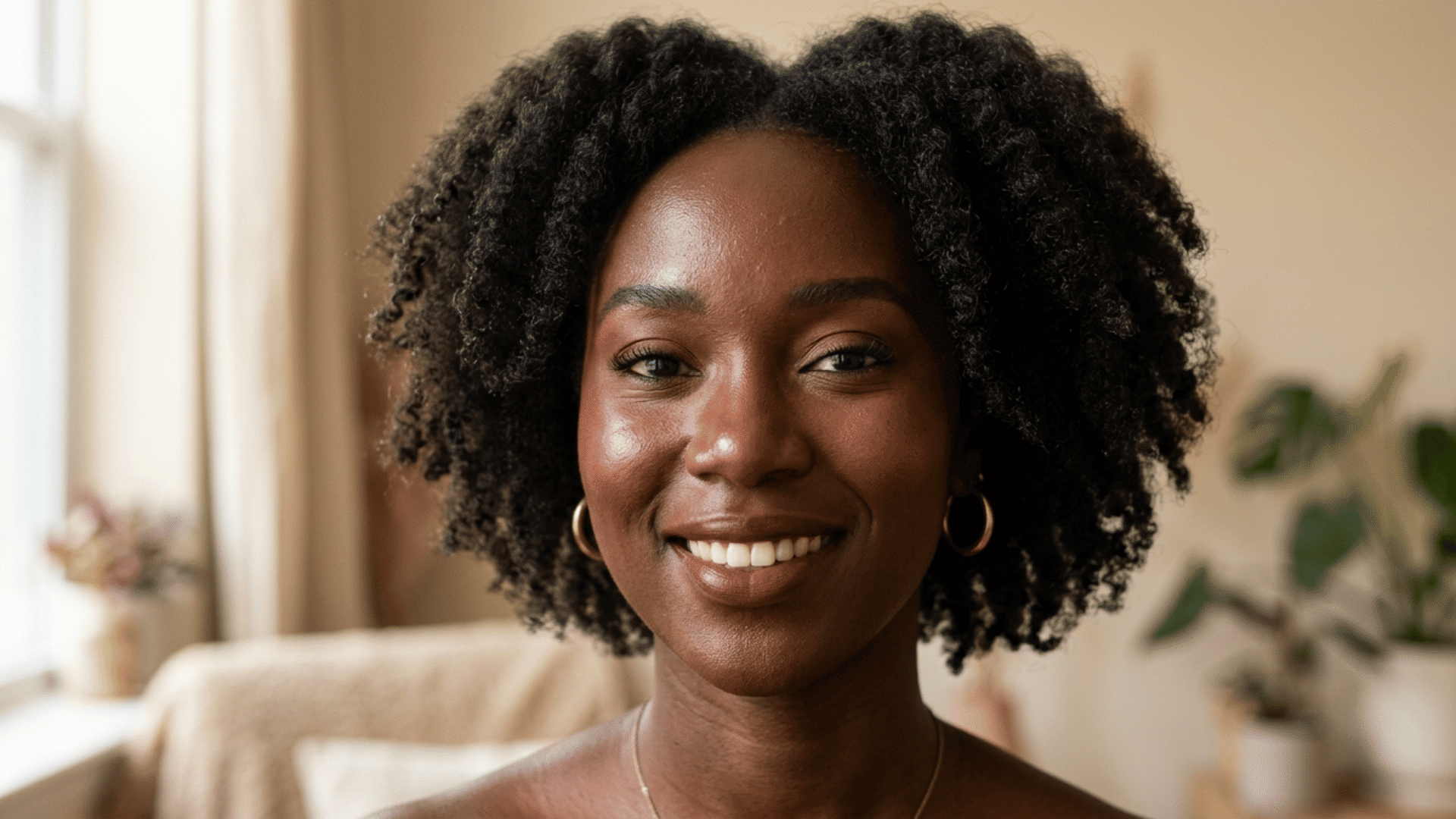
Use breathable coverage with rich blush, defined lashes, and a nude lip that has enough depth.
Cocoa, brick, raisin, deep peach, and berry shades enhance deep skin while maintaining natural contrast and dimension.
6. Natural Makeup for Mature Skin

Prepare the skin with moisturizer before applying thin complexion layers and softly placed blush.
Limit powder to selected areas, then add gentle brow definition, lengthening mascara, and moisturizing lip color for a comfortable, fresh finish.
Tips for a Flawless Natural Makeup Finish
Small application changes can help makeup blend seamlessly, last comfortably, and maintain a fresh, skin-like finish all day.
- Match Shades: Test foundation and concealer on your jawline in daylight for an accurate match.
- Build Coverage: Apply thin layers only where needed to keep your complexion looking natural.
- Blend Edges: Blend products into your hairline, jawline, and neck to prevent noticeable makeup lines.
- Choose Flattering Colors: Select cheek and lip shades that complement your natural skin undertone.
- Control The Finish: Powder shiny areas, limit highlighter, and check your makeup under different lighting.
Final Thoughts
Natural makeup looks are proof that makeup doesn’t always have to completely transform your appearance to make an impact.
Sometimes, feeling polished while still looking like yourself is exactly what you want.
What I like most about this style is how easily it fits into everyday life. It can work for a casual morning, a busy workday, brunch with friends, or even an occasion when you simply want something understated.
There’s also plenty of room to make the look your own rather than following one set aesthetic.
Which natural makeup look is your favorite? Share your pick in the comments!
Frequently Asked Questions
Is Natural Makeup the Same as Clean Makeup?
No, natural makeup describes a soft-looking finish, while clean makeup refers to product formulation standards, ingredient preferences, or brand claims.
Is a Brush or Sponge Better for Natural Makeup?
A damp sponge creates sheer, skin-like coverage, while a brush offers greater control and coverage. Choose according to your preferred finish.
How Should You Remove Natural Makeup?
Use micellar water or cleansing balm first, then wash with a gentle facial cleanser to remove remaining makeup, sunscreen, and oil.
Is Natural Makeup Different from No-Makeup Makeup?
Natural makeup includes any softly blended, feature-enhancing style. No-makeup makeup specifically aims to make the applied products appear nearly invisible.