Some outfits look great on the hanger but somehow feel completely different once you put them on. I’ve found that paying attention to the lines, shapes, and proportions of an outfit can make personal style feel much more intentional.
If you are learning the Dramatic body type, you may be thinking about what makes it distinctive and how those qualities translate into everyday fashion.
From clothing and fabrics to hairstyles and accessories, you can experiment in plenty of ways without losing your individuality.
I like to use these styling ideas as a starting point, then adapt them to suit my comfort, preferences, and personal sense of style.
What is the Dramatic Body Type?
The Dramatic Body Type is the most Yang-dominant identity in the Kibbe system, emphasizing a strong, elongated, and structured visual impression.
Rather than focusing on individual measurements, the Kibbe system looks at how your proportions, bone structure, and features come together to create your overall appearance.
A Dramatic type typically has a sleek, commanding presence that stands out through its strong lines and defined structure.
Being tall or thin alone does not make someone Dramatic. The focus is on your complete visual impression and the way your natural features work together.
If you want the broader framework before narrowing into Dramatic specifics, my guide on how to dress for your body type covers the fundamentals of proportion and fit that apply across every Kibbe identity.
Yang-Yin Balance and Key Characteristics
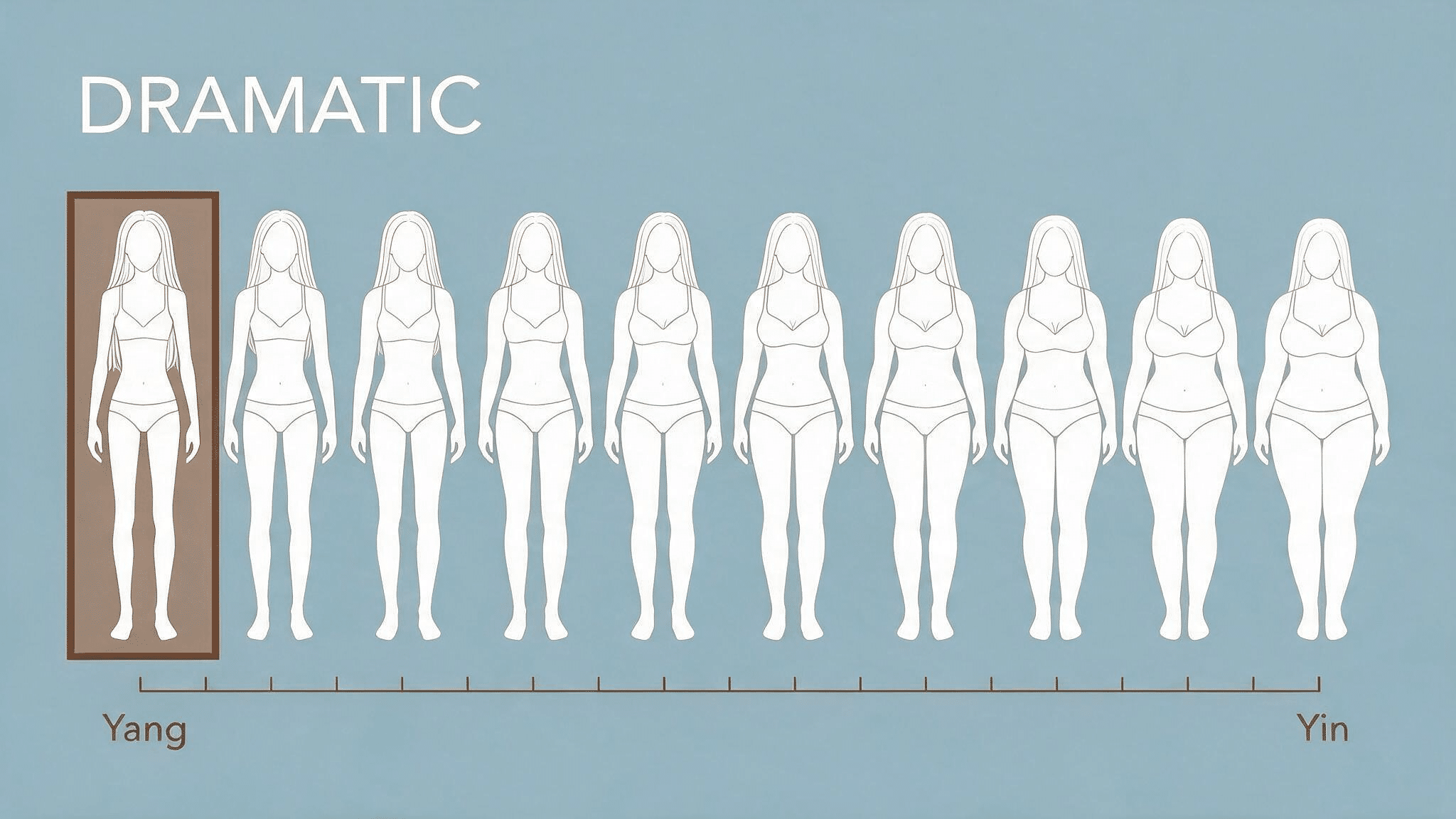
In the Kibbe system,Yang represents elongated, sharp, angular, and structured qualities, while Yin represents softer, rounded, and more delicate traits.
Dramatic types are strongly Yang-dominant, giving them a distinctly sharp, streamlined appearance. This can show through narrow or angular bones, long limbs, defined facial features, and a noticeable sense of verticality.
These qualities create the bold visual effect associated with the Dramatic type and can help explain why clean lines, structured shapes, and streamlined details often complement this image.
How to Identify a Dramatic Body Type?
Rather than judging individual features separately, look at how your proportions work together. A Dramatic body type usually creates a strong sense of length, sharpness, and structure across the overall silhouette.
- Strong Vertical Line: Your silhouette appears noticeably long and elongated from head to toe.
- Sharp Structure: Your overall frame may have defined, angular, or narrow lines rather than rounded ones.
- Straighter Silhouette: Your proportions generally create a streamlined appearance with less emphasis on softness or curve.
- Elongated Proportions: Longer-looking limbs or an extended overall line can contribute to the Dramatic impression.
- Overall Impression: Your complete appearance tends to look striking, defined, and strongly Yang rather than soft or delicate.
Dramatic Body Type Celebrities
Celebrity examples can make thedramatic body type easier to visualize, especially when looking at its long vertical line, sharp structure, and striking presence. Kibbe Body lists these celebrities as associated with the Dramatic type.
1. Cate Blanchett
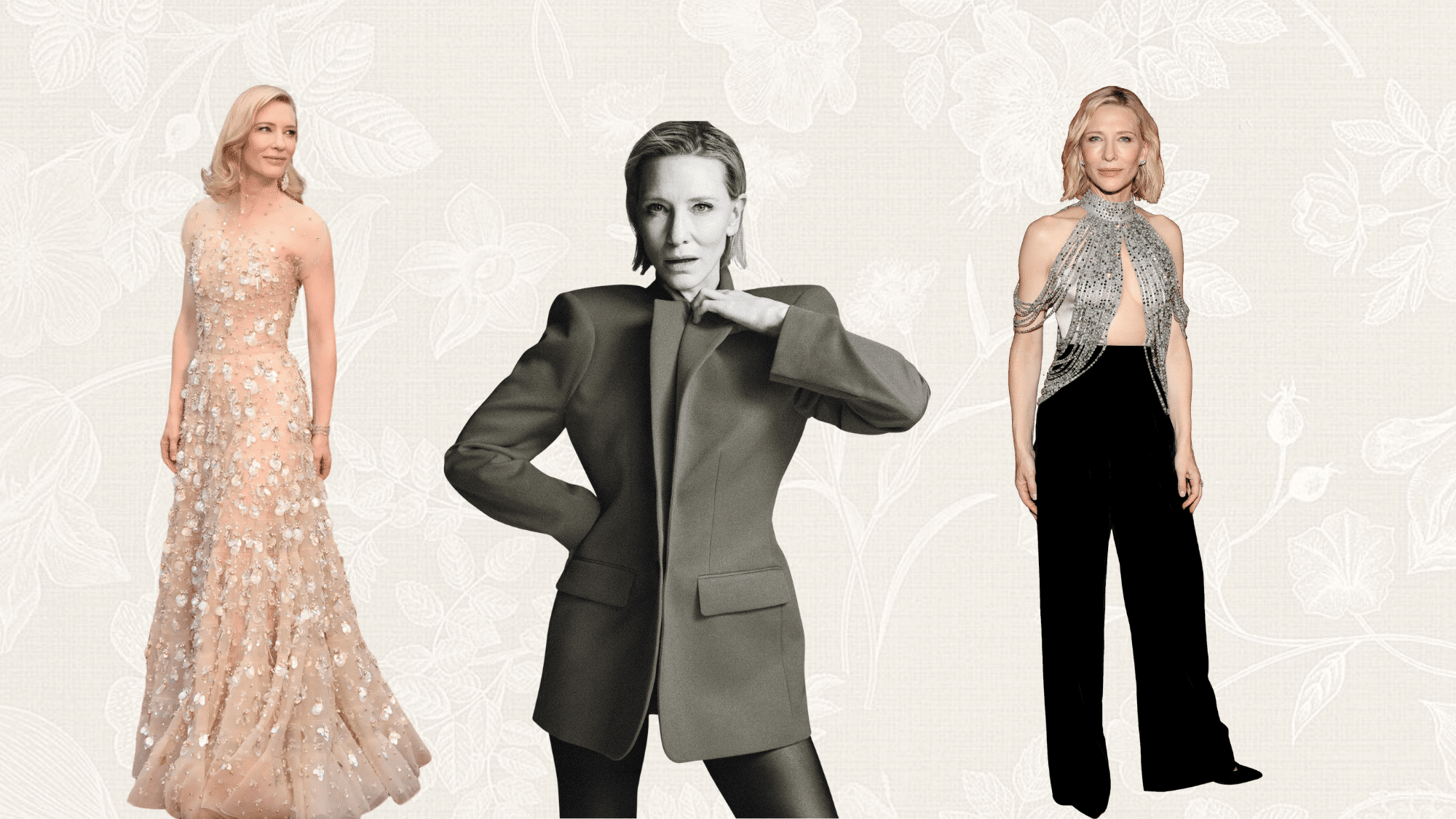
Cate Blanchett is often associated with the Dramatic type, with an elongated appearance, defined features, and a polished presence.
Her red-carpet styling frequently highlights sleek silhouettes, strong tailoring, and clean lines that complement these characteristics.
2. Tilda Swinton
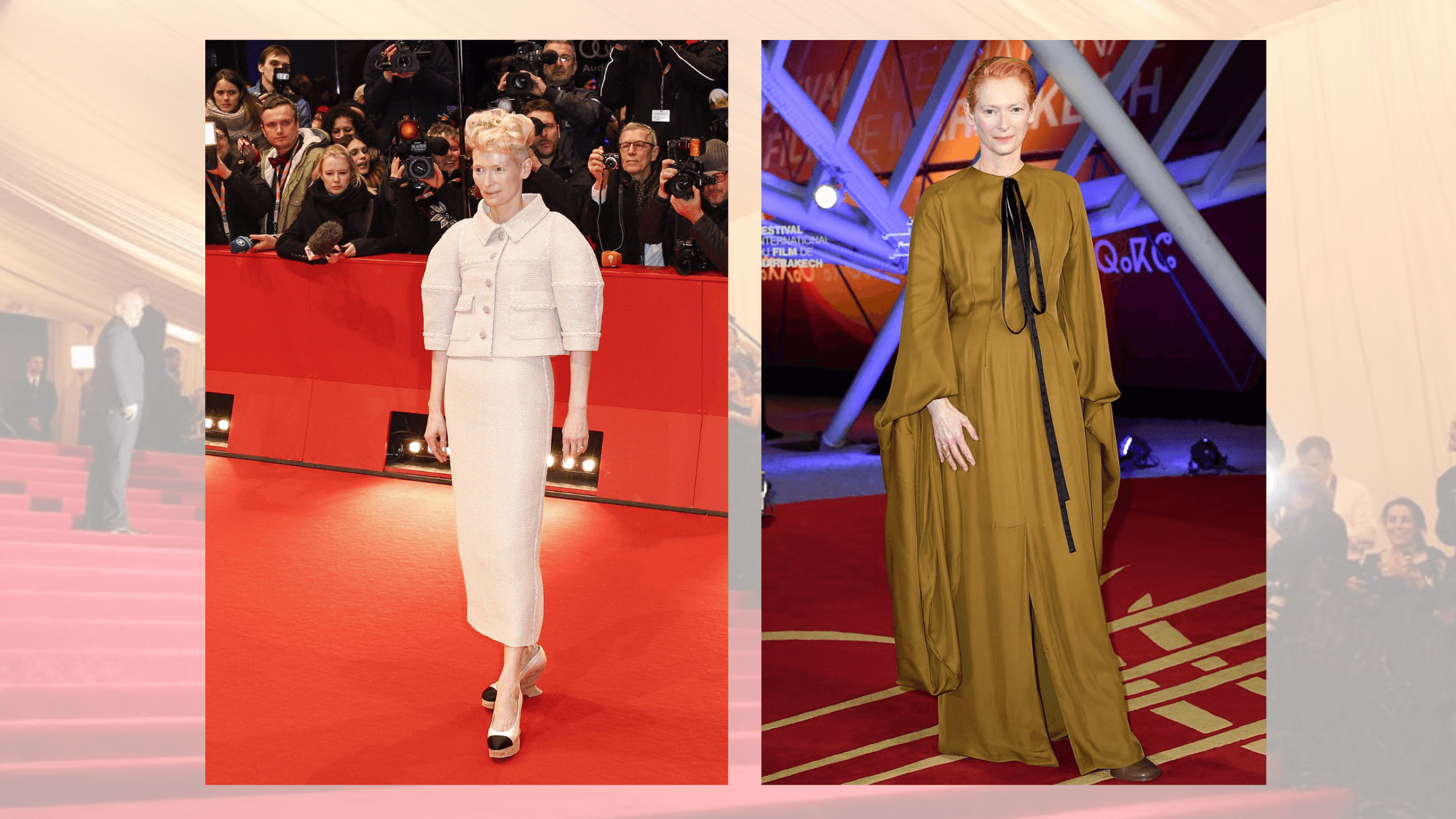
Tilda Swinton is another well-known Dramatic example, recognized for her striking angular features and elongated appearance.
Her structured, minimalist fashion choices provide a useful reference for how strong silhouettes can work with a Dramatic image identity.
3. Joan Crawford
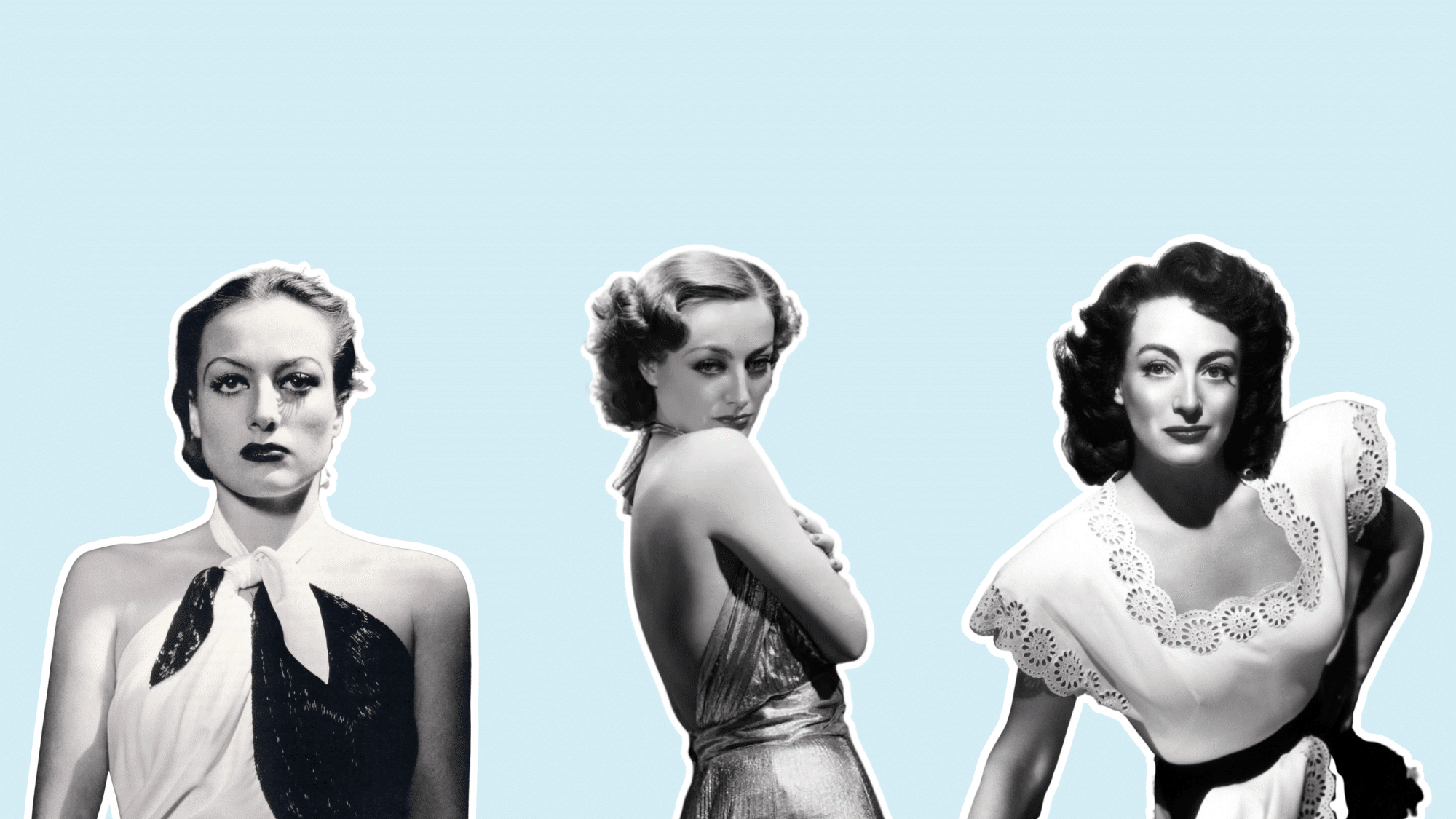
Joan Crawford is included among the David Verified Dramatic celebrities listed by Kibbe Body.
Her defined features and commanding screen presence exemplify the bold, structured qualities commonly associated with this type.
4. Katharine Hepburn
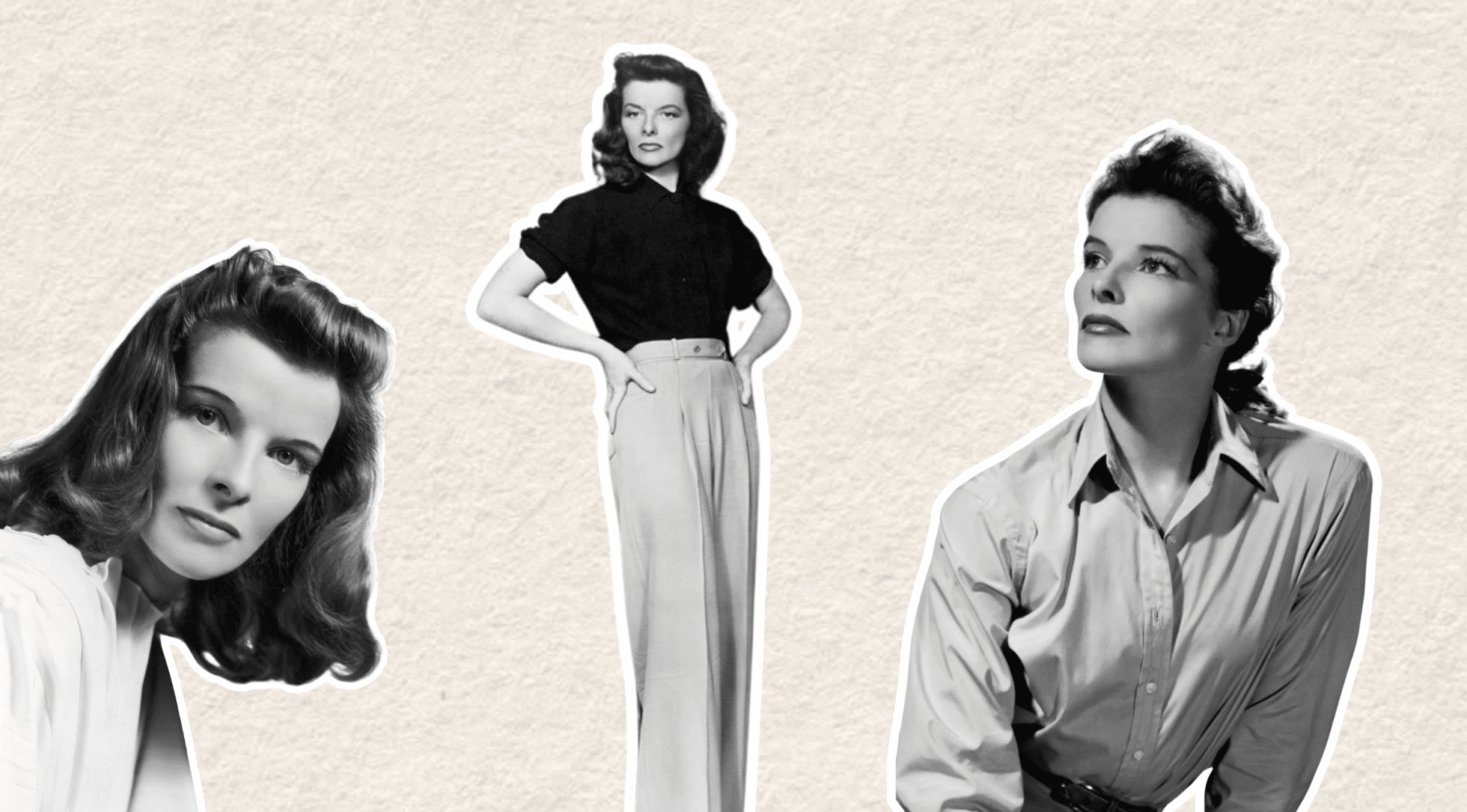
Katharine Hepburn is also listed as a David Verified Dramatic.
Her strong, tailored style makes her particularly useful as a fashion reference, showing how clean lines and structured clothing can create an elegant, confident appearance.
5. Taylor Swift
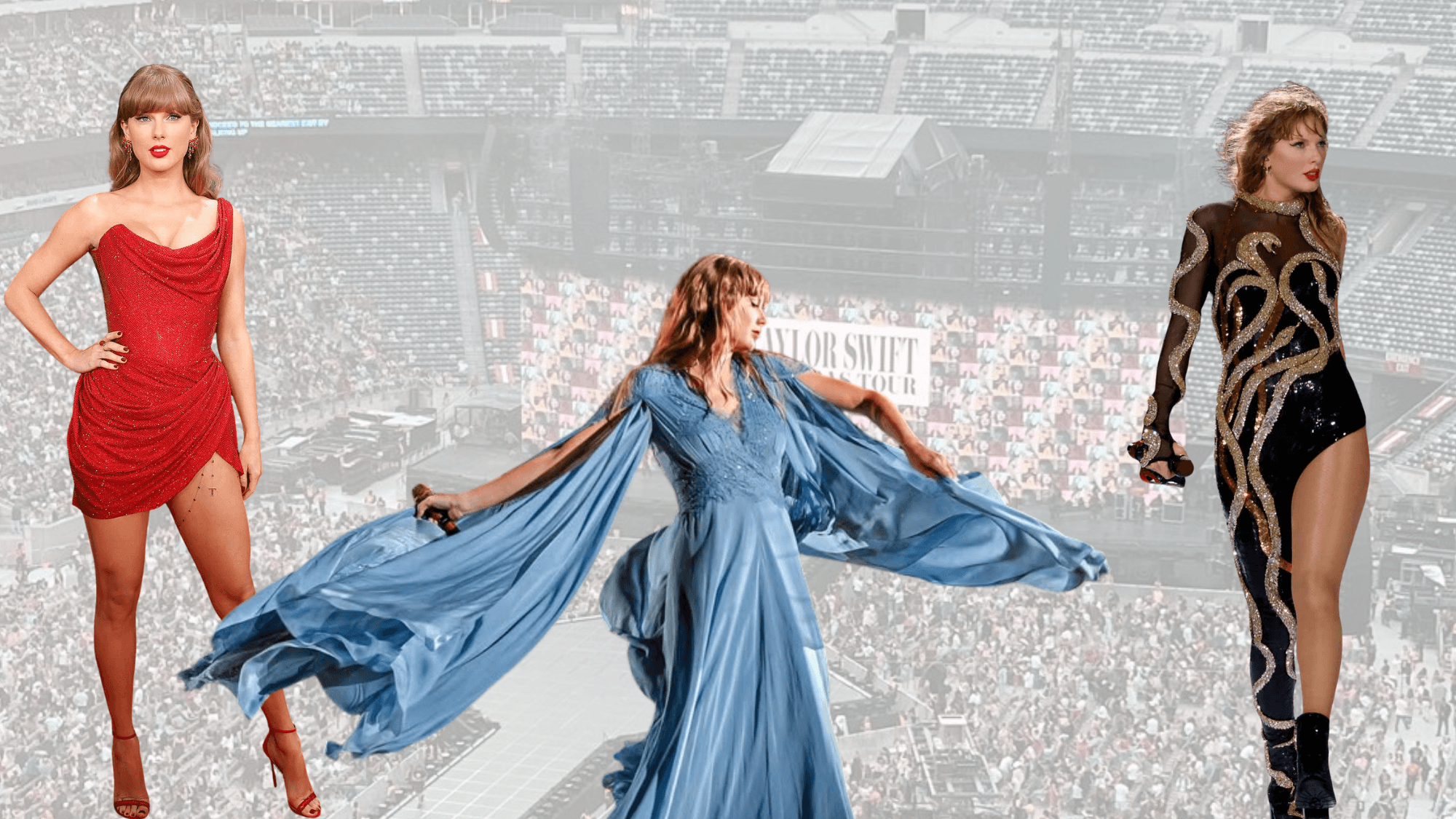
Taylor Swift is listed among the Dramatic celebrities on Kibbe Body and offers a more contemporary reference.
Her elongated appearance and ability to carry sleek, streamlined silhouettes make her a useful example when visualizing the Dramatic aesthetic.
How to Style a Dramatic Body Type for Different Occasions?
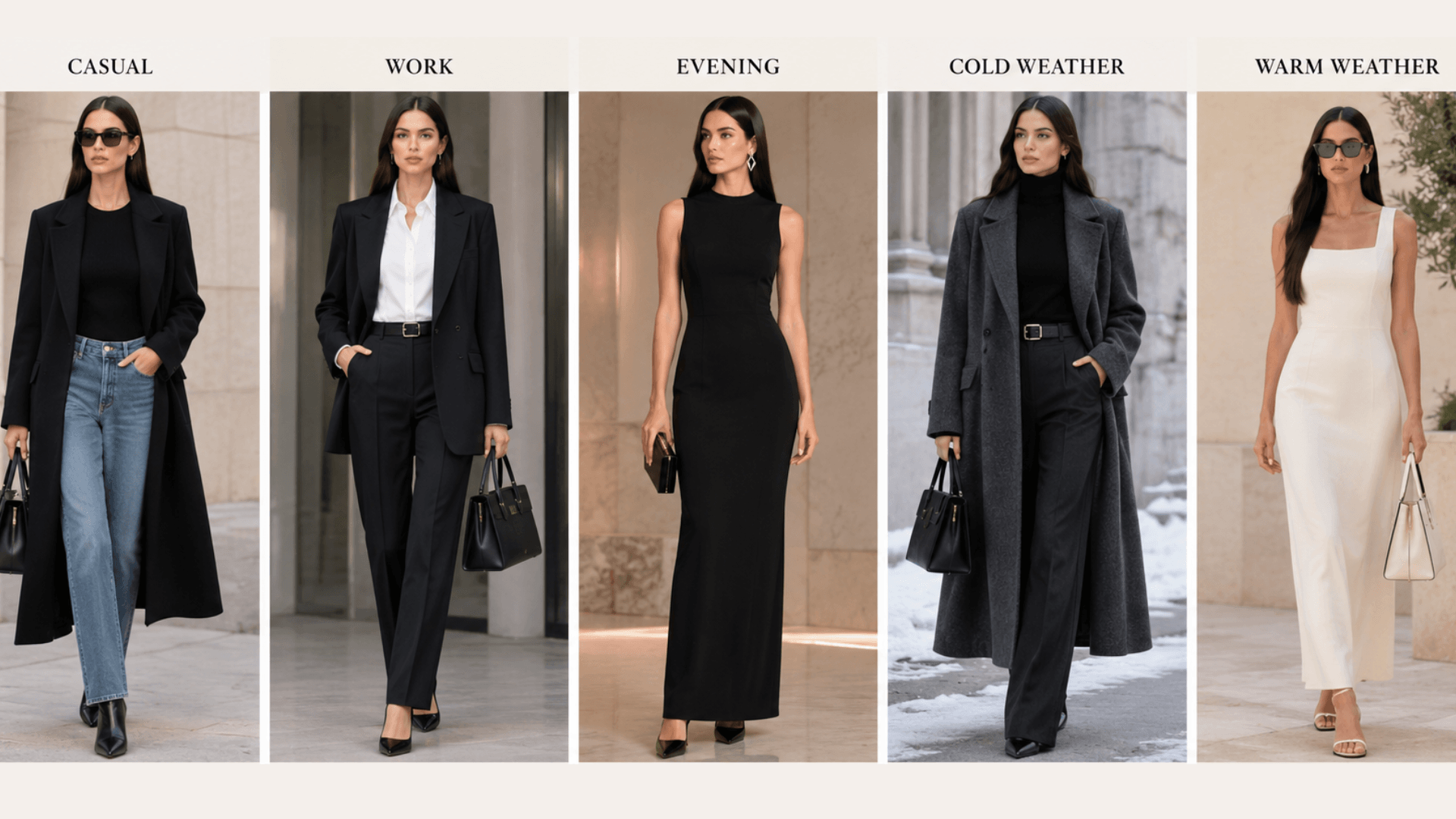
Dramatic styling can easily shift from everyday dressing to formal occasions without losing its distinctive character. Instead of following rigid outfit rules, use each setting to play with tailoring, length, scale, and statement details.
A casual outfit can feel relaxed while still looking intentional, while workwear can lean into precise tailoring. Evening looks offer room for stronger silhouettes and statement accessories.
Seasonal dressing works the same way: winter layers can create visual impact through long outerwear, while summer outfits can feel lighter through simple shapes and minimal accessories.
Best Clothing for A Dramatic Body Type
The dramatic body type is complemented by clothing that highlights its natural length, sharpness, and structure.
Clean silhouettes, bold details, and strong proportions can create a polished look while keeping the outfit balanced with the body’s striking lines.
1. Silhouettes and Shapes
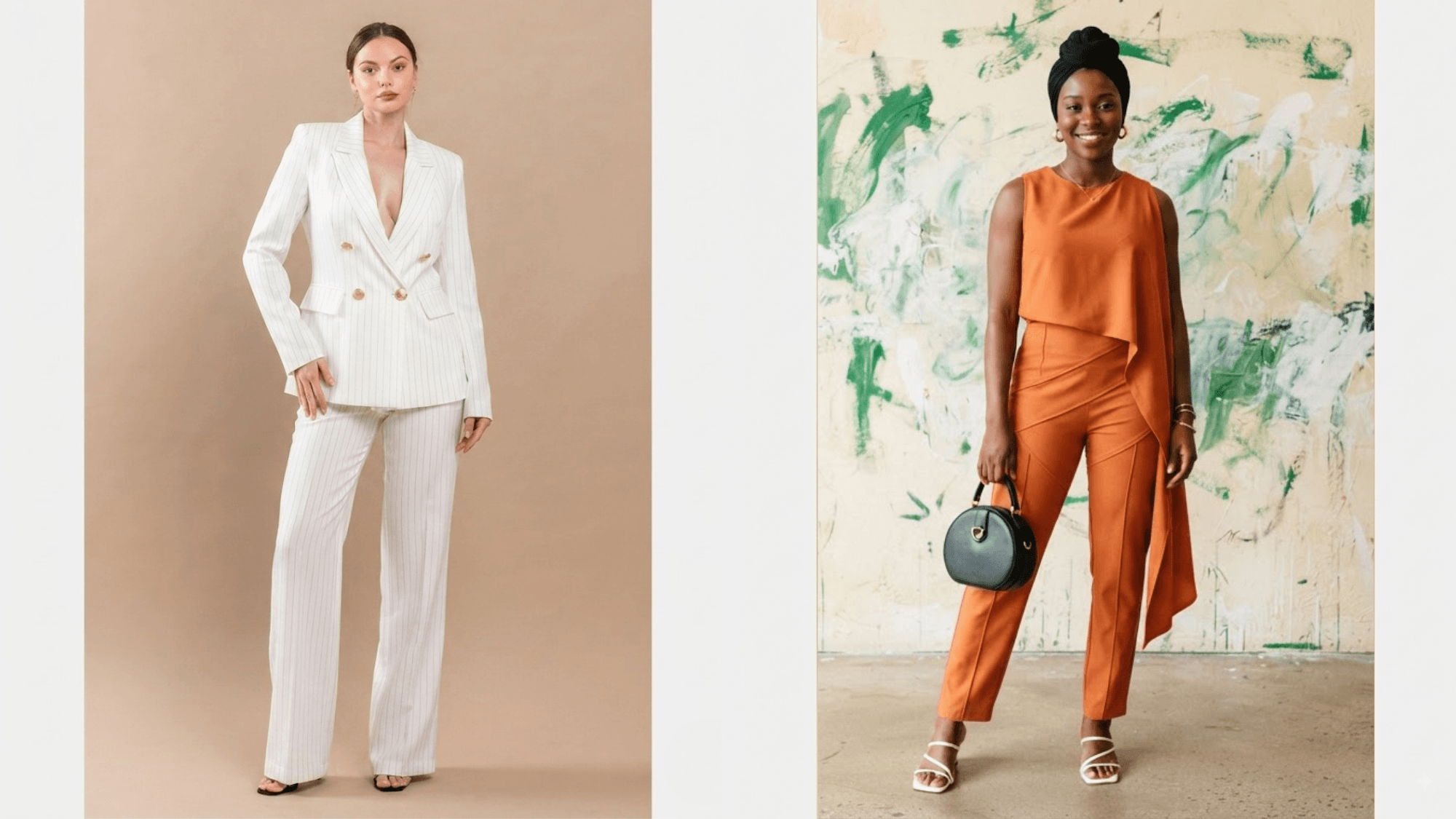
Long, sleek, and structured silhouettes naturally complement the Dramatic frame. Look for clean tailoring, elongated jackets, straight-leg trousers, and streamlined dresses that follow your body’s vertical line.
Sharp edges and defined shapes can enhance your natural structure without adding unnecessary bulk or breaking up your proportions.
Styling Note: Complete a structured outfit with sleek accessories such as geometric earrings, angular handbags, or pointed shoes to enhance the sharp, polished effect.
2. Fabrics and Textures
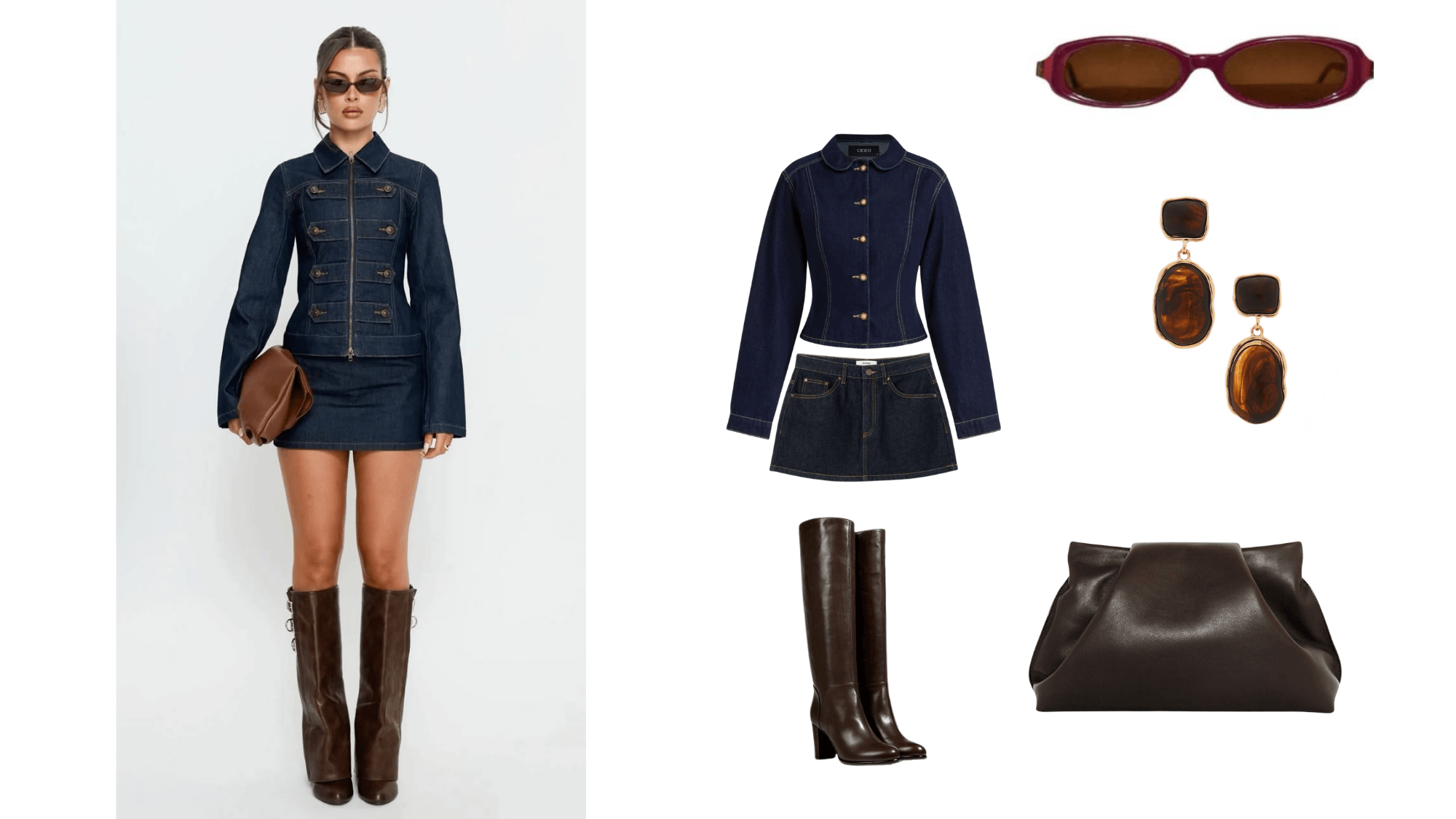
Choose fabrics with enough structure to maintain a defined shape. Materials like crisp cotton, wool, denim, structured blends, and viscose can complement the Dramatic silhouette.
Smooth, sleek textures also complement the Dramatic’s sharp appearance, while overly delicate or floppy fabrics may appear less balanced against the stronger frame.
Styling Note: A polished makeup finish with defined eyes, sculpted features, and bold lips enhances structured looks.
3. Colors and Patterns
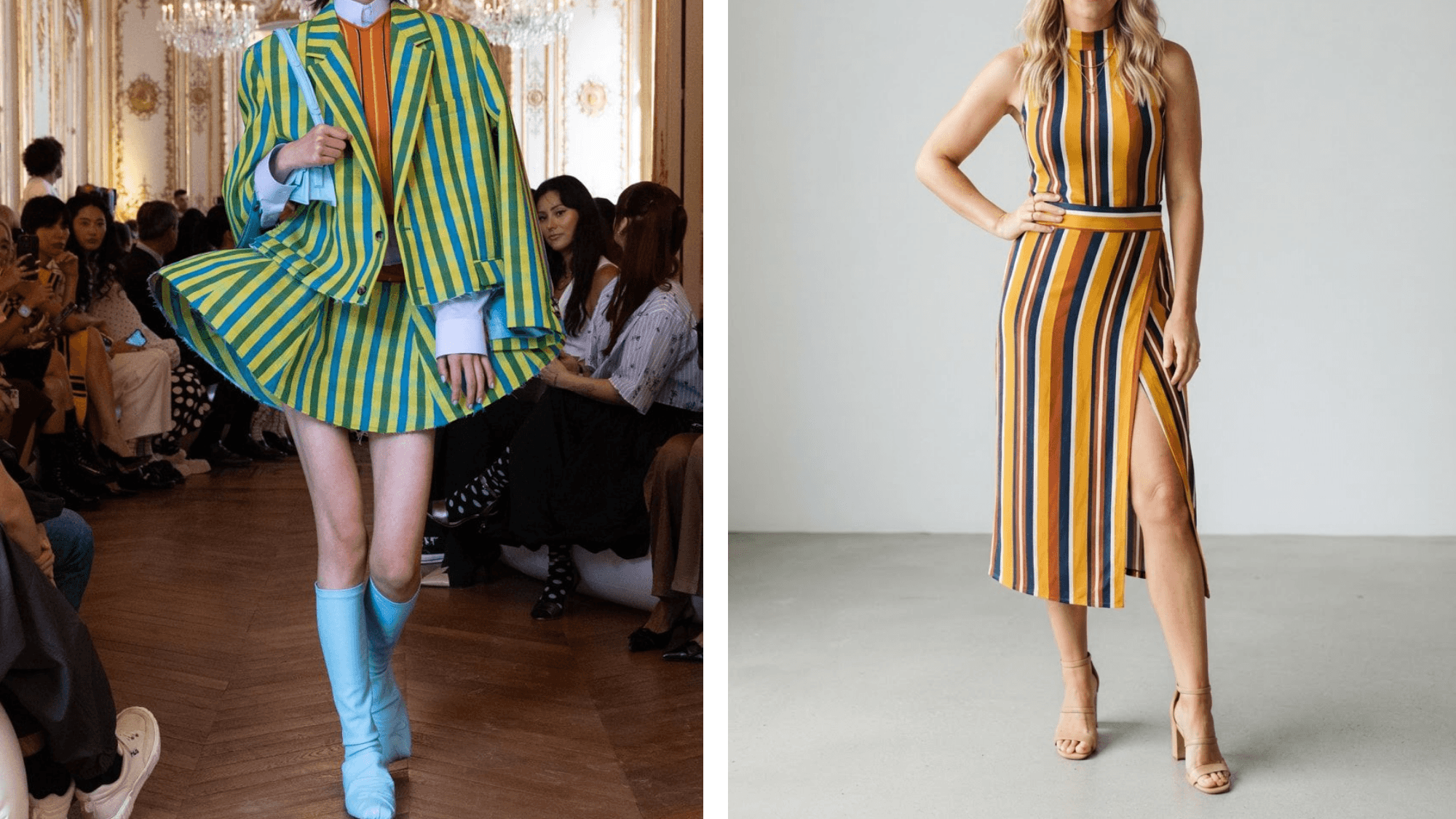
Bold color combinations and higher-contrast outfits can complement the Dramatic’s striking appearance. Geometric patterns, strong stripes, and large-scale prints often work well with a longer vertical line.
Retro fashion trends can also inspire bold patterns, structured silhouettes, and statement pieces that suit this aesthetic.
Clear, defined patterns tend to create more harmony than tiny, scattered prints that can look visually busy against the overall silhouette.
Styling Note: Choose makeup shades and accessories that enhance your natural contrast.
4. Dresses and Skirts
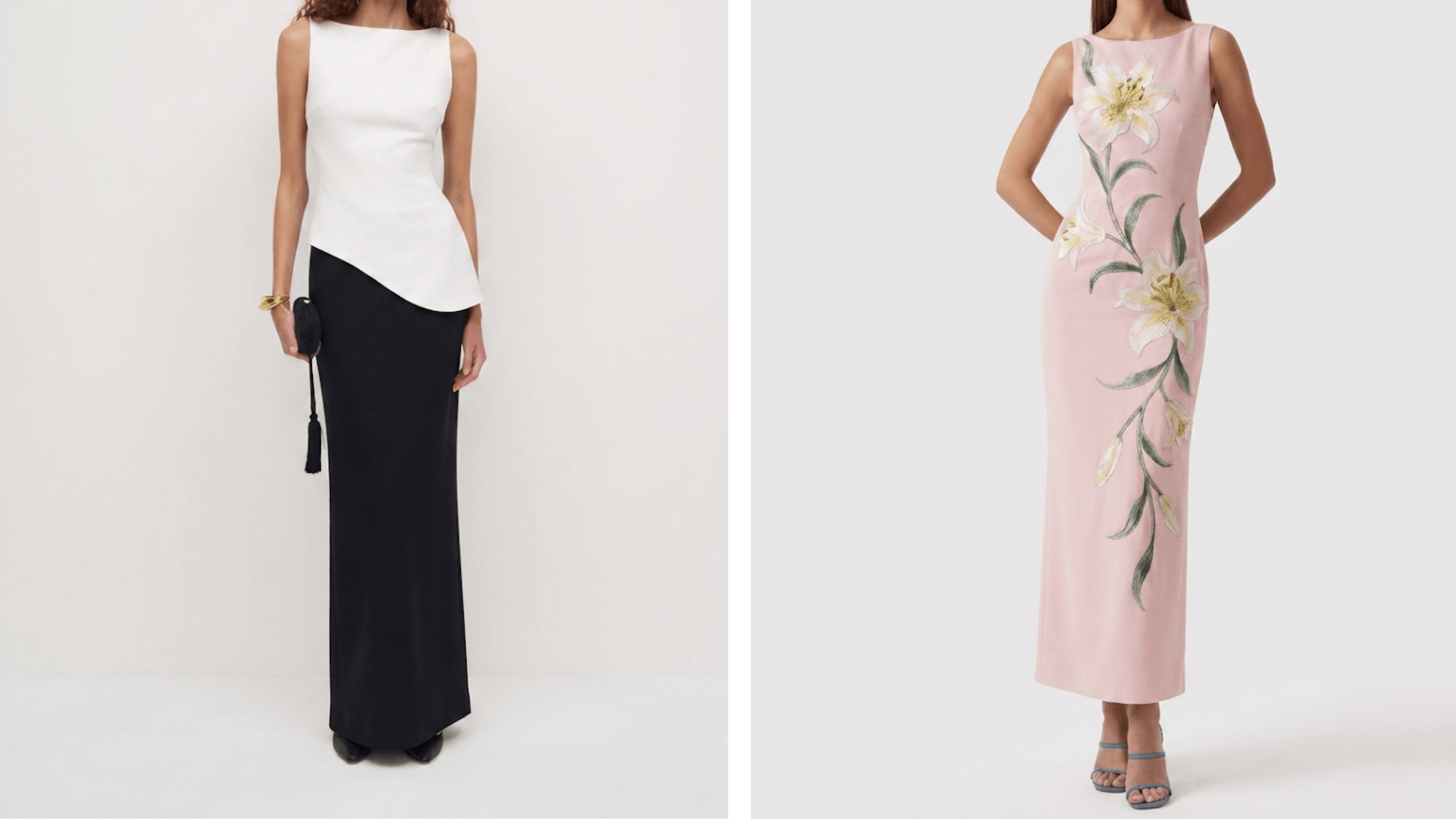
Long, straight, fitted, or sharply tailored dresses and skirts can emphasize the Dramatic’s natural vertical line.
Column dresses, sleek maxi skirts, and structured pencil skirts are useful options. Keep details clean and intentional, as excessive ruffles, tiny embellishments, or overly fussy designs can compete with the frame.
Styling Note: Pair these silhouettes with pointed shoes, structured bags, or minimal jewelry to maintain a sleek and elongated appearance.
5. Tops, Pants, and Jeans
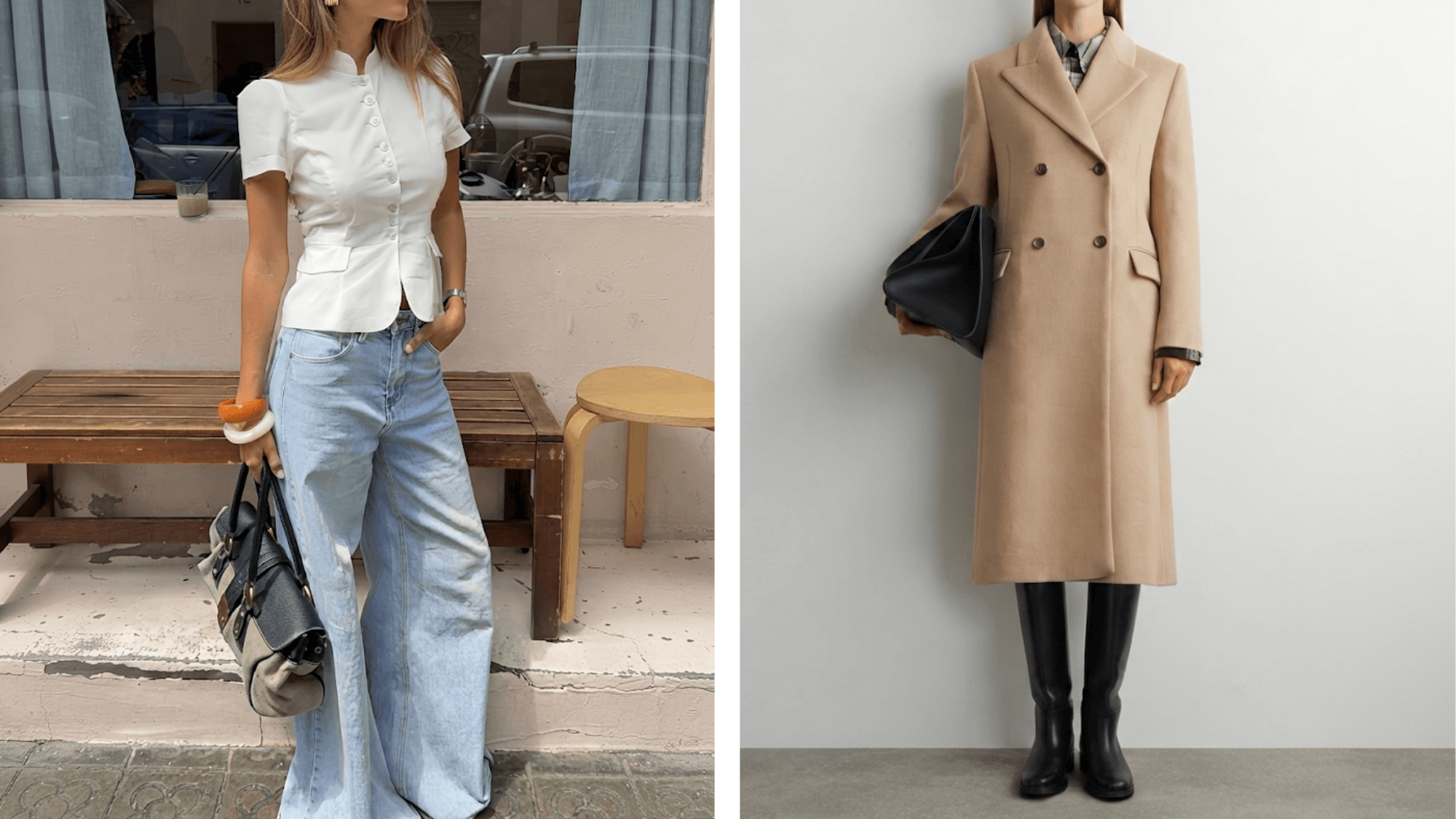
Structured tops, long coats, tailored trousers, and streamlined jeans can work beautifully for the Dramatic body type.
Choose pieces with clean proportions and defined lines rather than overly relaxed shapes. High-waisted and elongated styles can also complement the silhouette when they maintain a smooth, uninterrupted sense of length.
Styling Note: Try pairing fitted or sharply cut tops with straight-leg or wide-leg trousers to create a clean, continuous line from top to bottom.
Best Hairstyles for a Dramatic Body Type
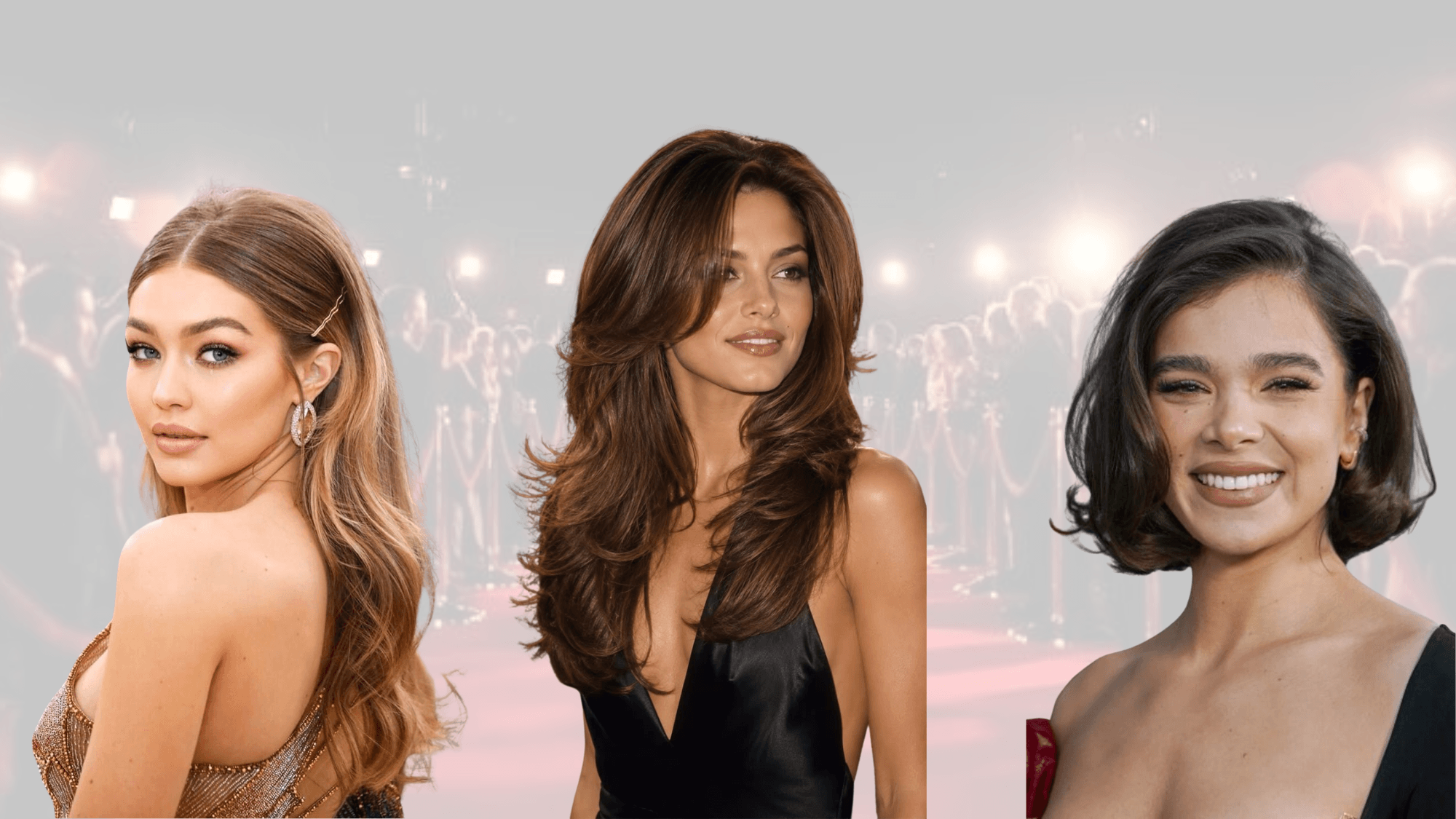
Sleek and defined hairstyles often complement the long, sharp lines associated with a dramatic body type. Rather than focusing on soft or overly tousled styles, consider haircuts and styling that create a polished shape.
- Sleek and Straight: Smooth, straight hair creates a clean finish and works particularly well at medium to longer lengths.
- Swept-Back Styles: Wearing the hair away from the face can emphasize defined facial features and create a sophisticated appearance.
- Long, Defined Lengths: Longer hairstyles can echo the elongated lines commonly associated with the dramatic type.
- Angular Bobs: A sharp bob with a precise shape can add structure without looking overly heavy.
- Personalized Styling: Face shape, hair texture, and personal preference should also influence the final hairstyle you choose
Dramatic vs Similar Kibbe Types
Dramatic can share certain traits with other Kibbe types, but differences in vertical line, width, curve, and overall balance help distinguish each one.
| Kibbe Type | Overall Look | What Stands Out |
|---|---|---|
| Dramatic | Long, sleek, and sharply defined | Strong vertical with narrow, angular lines |
| Soft Dramatic | Long and striking with noticeable softness | Vertical combined with curve and softer features |
| Flamboyant Natural | Long, strong, and more relaxed | Vertical combined with width and broader lines |
| Dramatic Classic | Balanced, polished, and slightly sharp | Moderate proportions with a subtle Yang influence |
Common Styling Mistakes for a Dramatic Body Type
The biggest styling mistakes often come from ignoring the overall balance of your look. Paying attention to proportion, cohesion, and personal style can help your outfits feel more intentional and natural.
- Overcomplicating an outfit: Too many competing details can distract from your naturally striking overall appearance.
- Ignoring outfit cohesion: Mixing unrelated shapes, scales, or styles can make the complete look feel disconnected.
- Forcing every Kibbe recommendation: Strictly following every Dramatic guideline can make your style feel unnatural or unlike you.
- Dressing for your body type only: Your personal taste, lifestyle, face, and individual features should still influence your styling choices.
- Overlooking comfort and confidence: An outfit may suit your lines but still feel wrong if you cannot wear it comfortably or confidently.
Conclusion
Finding your Dramatic body type can make getting dressed feel more intentional, but it should never limit your personal style.
Use its long lines, sharp shapes, structured fabrics, and bold details as a starting point, not a strict set of rules.
I believe the best outfits are the ones that complement your natural features while still feeling comfortable and genuinely like you.
Try different silhouettes, accessories, hairstyles, and styling combinations to see what makes you feel your best.
As we build our personal style, preferences can matter just as much as recommendations.
Have you tried dressing for a Dramatic body type? Share your favorite styling tips or experiences in the comments below.
Frequently Asked Questions
Can a Dramatic Body Type Gain Weight and Still Remain Dramatic?
Yes. Weight changes do not automatically change a Kibbe identity. The overall bone structure, proportions, and visual lines remain more important than changes in body size.
Can a Short Person Have a Dramatic Body Type?
Height alone does not determine Kibbe identity, but Dramatic typically requires a noticeable vertical presence. A shorter person may fit another type with similar angular characteristics.
Can Dramatic Body Types Wear Casual or Sporty Clothes?
Absolutely. Casual styling can still suit a Dramatic by choosing streamlined shapes, clean details, and intentional proportions, rather than relying on overly relaxed or loose pieces.
Does the Dramatic Body Type Change with Age?
Your appearance can change with age, but your Kibbe image identity generally remains based on your underlying structure and overall visual lines, not temporary physical changes.