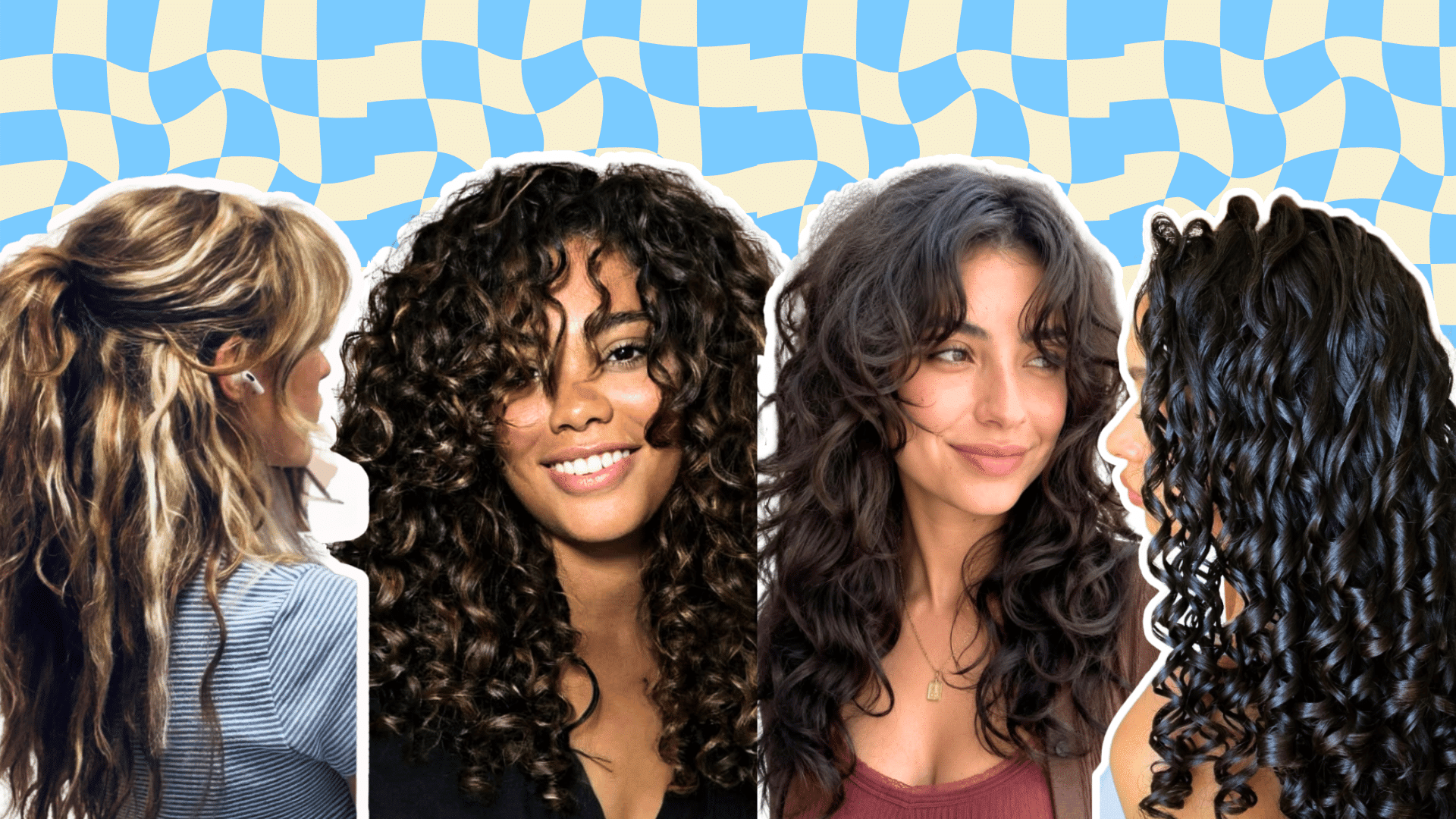
Curious about your curl type? Knowing your natural curl pattern can help you understand your hair better and find a routine that suits your texture.
From loose waves to defined curls and tight coils, every hair pattern has its own beauty.
A curl chart makes it easier to compare your strands and identify if your hair falls into the wavy, curly, or coily category.
Keep in mind that many people have a mix of curl patterns, so your hair may not fit into just one type, and that is completely normal.
What are Curl Types?
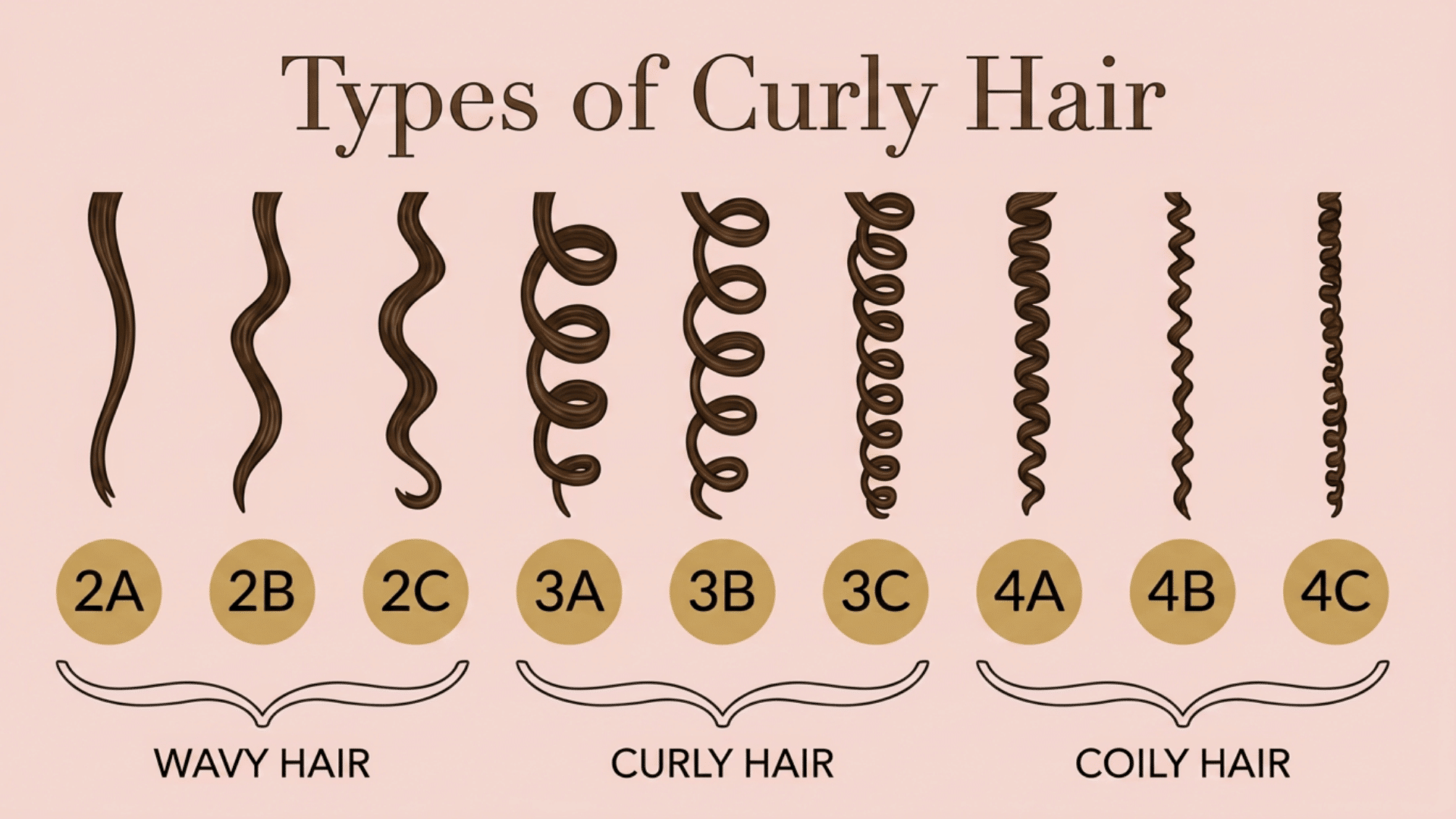
Curl types describe the natural shape and pattern of your hair strands, from straight and wavy to curly and coily.
The commonly used hair typing system, associated with hairstylist Andre Walker, groups hair into four main categories: Type 1 is straight, Type 2 is wavy, Type 3 is curly, and Type 4 is coily.
Types 2, 3, and 4 are further divided into A, B, and C based on differences in pattern and curl tightness. For example, 2A features loose waves, while 4C has very tight coils.
Product recommendations are general suggestions, and results may vary depending on your hair type, porosity, texture, and overall condition.
Different Curl Types And How To Recognize Them
Curl types range from loose waves to tight coils, and knowing yours can make choosing the right hair care routine much easier
Type 2 Hair: Wavy Hair
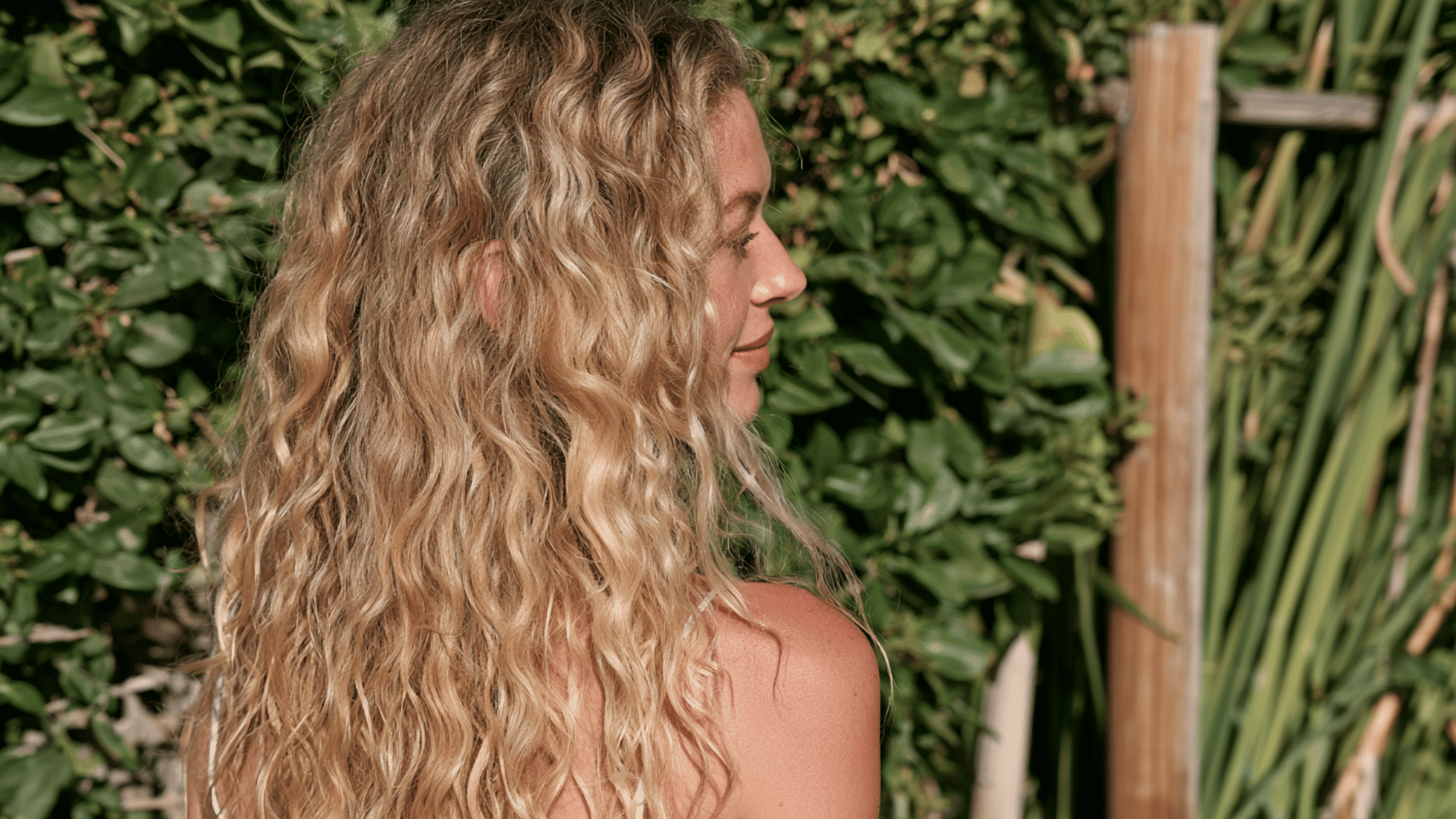
- Type 2A Hair: Loose Waves
Features soft, subtle waves with a relaxed pattern. It has less volume and can lose its shape easily with heavy products. - Type 2B Hair: Defined Waves
Has more visible S-shaped waves with added texture and movement. It may experience some frizz and benefits from lightweight moisture. - Type 2C Hair: Deep Waves
Contains stronger waves that are closer to curly patterns. It has more volume and definition, and a higher chance of frizz than 2A and 2B hair.
Type 3 Hair: Curly Hair
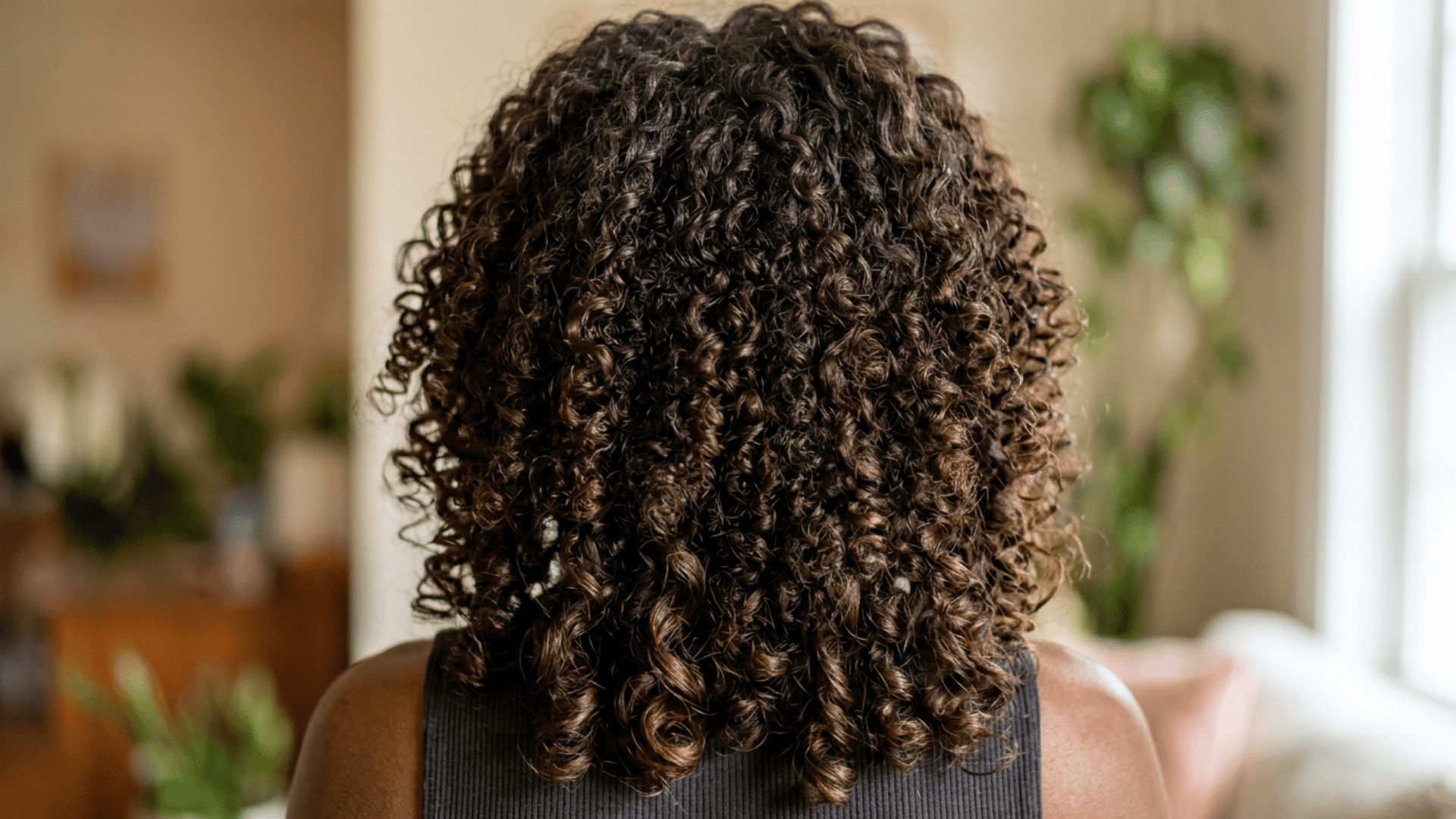
- Type 3A Hair: Loose Curls
Features large, loose spiral curls with a soft and bouncy look. These curls have less shrinkage but may lose their shape with heavy products. - Type 3B Hair: Medium Curls
Has tighter spiral curls with more volume and definition. This curl type is more likely to experience dryness and frizz, so it benefits from regular hydration. - Type 3C Hair: Tight Curls
Contains small, dense corkscrew curls with more volume and shrinkage. These curls often need extra moisture and gentle care to maintain their shape.
Type 4 Hair: Coily Hair
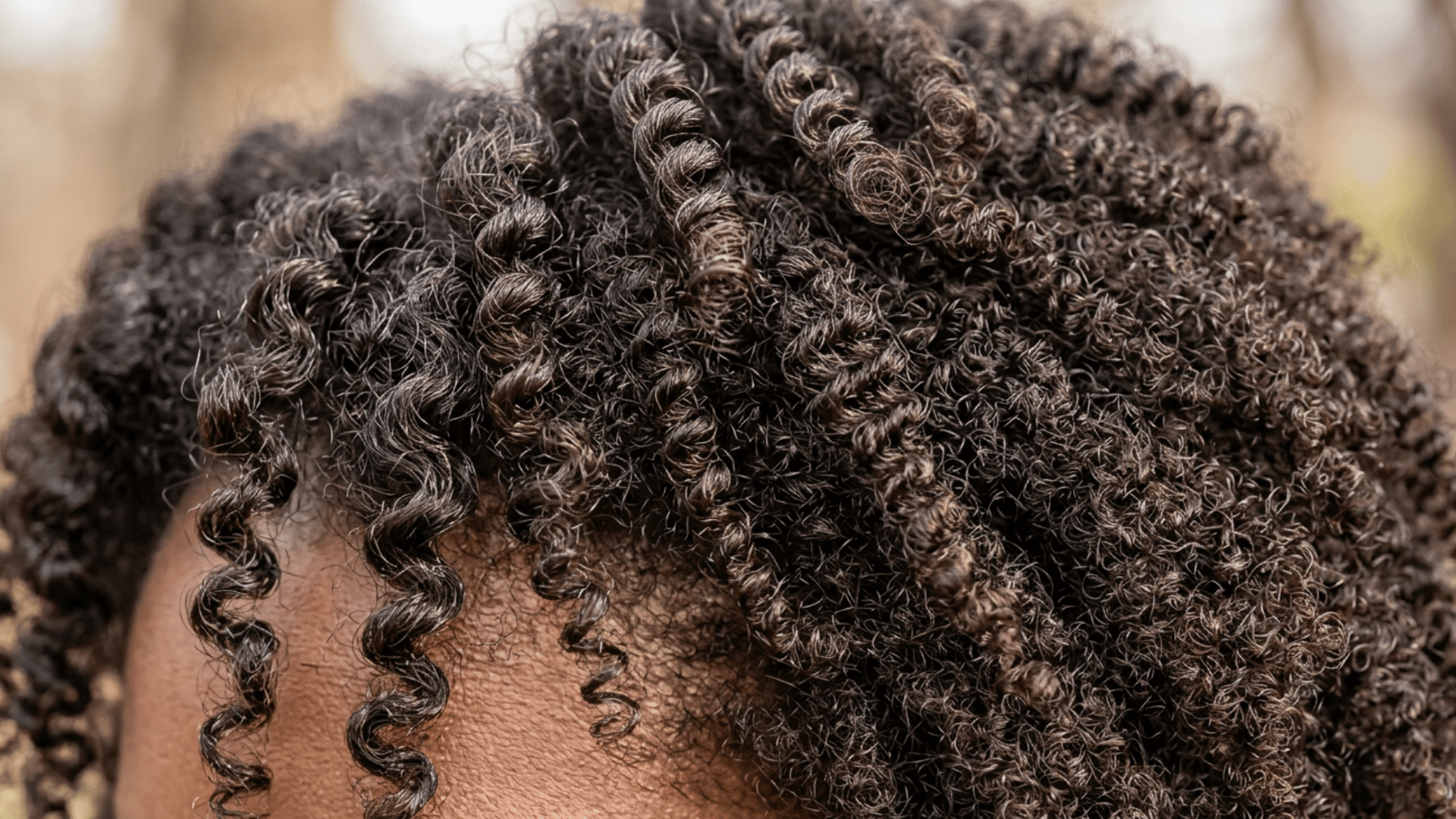
- Type 4A Hair: Defined Coils
Features small, springy coils with a clear curl pattern. It usually has moderate shrinkage and holds definition well with proper moisture. - Type 4B Hair: Zig-Zag Coils
Has a tighter Z-shaped pattern with less visible curl definition. This hair type often experiences more shrinkage and needs gentle handling to prevent dryness. - Type 4C Hair: Tight Coils
Contains the tightest coil pattern with significant shrinkage. It requires extra moisture, careful detangling, and gentle styling to maintain healthy-looking coils.
Curl Type Chart: 2A To 4C at a Glance
The curl type chart below breaks down the main characteristics of hair types 2A through 4C. Each type differs in pattern, shape, and curl tightness.
| Curl Type | Hair Pattern | Key Characteristics |
|---|---|---|
| 2A | Loose Waves | Soft, subtle S-shaped waves with minimal definition |
| 2B | Defined Waves | Noticeable S-shaped waves with more texture and movement |
| 2C | Deep Waves | Strong, defined waves that may resemble loose curls |
| 3A | Loose Curls | Large, soft spirals or ringlets with a defined shape |
| 3B | Medium Curls | Springy, tighter ringlets with noticeable definition |
| 3C | Tight Curls | Small, dense corkscrew curls with a tighter pattern |
| 4A | Defined Coils | Small, springy coils with a clearly visible pattern |
| 4B | Zig-Zag Coils | Tight strands with angular or Z-shaped bends |
| 4C | Tight Coils | Very compact coils with a tightly packed pattern |
How to Find Your Curl Type?
Finding your curl type becomes easier when you look at your natural hair without products that change its appearance.
- Step 1: Start With Clean Hair
Wash your hair and avoid heavy creams, oils, or styling products that may alter its natural pattern. - Step 2: Check Your Hair When Dry
Let your hair dry naturally and observe how your waves, curls, or coils form without styling. - Step 3: Look at the Shape of Your Strands
Check whether your strands form S-shaped waves, spiral ringlets, tight coils, or zig-zag patterns. - Step 4: Compare Different Sections
Look at the crown, front, sides, and back, as you may have more than one curl pattern.
Wavy vs Curly vs Coily Hair: Key Differences
Wavy, curly, and coily hair differ in their curl shape, texture, shrinkage, and moisture needs. Understanding these differences can help you identify your natural pattern
| Feature | Wavy Hair | Curly Hair | Coily Hair |
|---|---|---|---|
| Curl Pattern | Loose S-shaped waves | Defined spiral curls | Tight coils or zig-zag shapes |
| Curl Category | Type 2 | Type 3 | Type 4 |
| Volume | Light to medium | Medium to high | High |
| Shrinkage | Low | Medium | High |
| Moisture Needs | Moderate | High | Very high |
| Common Concern | Flatness and frizz | Dryness and definition | Dryness and breakage |
What Else Affects How Your Curls Behave?
Your curl type describes your curl pattern, but it does not tell the whole story. Porosity, density, and strand thickness also affect how your hair looks, feels, and responds to products.
Porosity refers to how easily hair absorbs and retains moisture.
Density describes how many strands grow on your scalp, which can influence fullness and product use.
Strand thickness refers to whether individual hairs are fine, medium, or coarse and can affect how they respond to styling and handling.
Quick tip: Two people with 3B curls may need different routines based on porosity, density, and strand thickness. Use curl type as a starting point and adjust your routine to your hair’s needs.
Can You Have More Than One Curl Type?
Yes, you can have more than one curl type on your head. It is common for different sections of hair to form slightly different waves, curls, or coils.
For example, you may notice 2C waves near the crown and 3A curls around the sides or underneath. Instead of trying to fit all your hair into one category, check several areas, including the front, back, sides, and crown.
Identify the patterns that appear most often and consider how each section responds to your routine.
Basic Care Tips for Wavy, Curly, and Coily Hair
This table breaks down quick care approaches and go-to product types for each curl family.
| Hair Type | Basic Care Tips | Best Product Approach |
|---|---|---|
| Wavy Hair (Type 2) | Use lightweight products, avoid heavy buildup, and handle gently to help maintain wave definition. | Lightweight leave-ins, mousses, foams, and gels |
| Curly Hair (Type 3) | Focus on moisture, gentle detangling, and products that support curl definition without excessive weight. | Leave-in conditioners, curl creams, and gels |
| Coily Hair (Type 4) | Prioritize moisture retention, gentle detangling, and low-manipulation styling to reduce dryness and breakage. | Rich conditioners, creams, butters, and moisturizing gels |
If you like DIY, a homemade flaxseed styling gel is worth trying for curl definition without added chemicals.
Common Mistakes When Identifying Curl Type
These are the slip-ups that throw off curl typing the most, even for people who have been doing it for years.
- Checking your hair with heavy products that can change the natural curl pattern
- Relying only on how your hair looks when wet
- Looking at only one section of hair instead of checking the full scalp
- Ignoring shrinkage that can make curls and coils appear shorter
- Comparing your curl pattern directly with someone else’s hair
- Assuming your hair can only have one curl type throughout the head
Conclusion
Finding your curl type is not about fitting your hair perfectly into one category. It is about understanding your natural pattern and using that knowledge to make more informed choices about your routine.
I find a curl chart most useful as a starting point, especially since many of us have more than one pattern across different sections of our hair.
As you learn more about your waves, curls, or coils, remember to consider porosity, density, strand thickness, and how your hair responds to different products. What works for one person may not work for another.
What curl type do you have? Share your curl pattern, routine, or personal experience in the comments below.
Frequently Asked Questions
Can I Have More than One Curl Type?
Yes. Many people have multiple curl patterns on different areas of their scalp.
Is 4C the Tightest Curl Type?
Yes, 4C is considered the tightest curl pattern in the common curl classification system.
Does Curl Type Change Over Time?
Your natural curl pattern is mainly influenced by genetics, but factors like heat damage, chemical treatments, hormones, and hair condition can affect how your curls look.