There’s something satisfying about watching tiny lettuce seeds turn into crisp green leaves, but getting the timing wrong can quickly change the outcome.
I always pay close attention to the weather before reaching for my seed packets because lettuce can be surprisingly particular about growing conditions.
Knowing when to plant lettuce helps you plan around changing temperatures, frost, and seasonal shifts without relying on one calendar date.
Whether you have a backyard bed or a few pots, a little planning can make your next lettuce crop far more rewarding.
Best Time to Plant Lettuce
The best time to plant lettuce is during the cool weather of early spring or late summer through fall. Lettuce is a cool-season crop and generally grows best before intense summer heat arrives.
Seeds can begin germinating in cool soil, but temperatures around 55°F to 65°F are especially favorable. Once temperatures remain consistently hot, germination can become less reliable and mature plants are more likely to bolt.
|
Season |
When to Plant |
What to Know |
|---|
|
Early Spring |
A few weeks before the last frost |
Sow once the soil is workable |
|
Mid Spring |
Every 10–14 days |
Make small sowings for continued harvests |
|
Late Summer |
About 6–8 weeks before first fall frost |
Start crops for cooler fall weather |
|
Fall |
While temperatures remain mild |
Grow fast-maturing or cold-tolerant varieties |
|
Winter |
Mainly in mild climates |
Use suitable varieties and frost protection when needed |
How to Grow Lettuce Step by Step
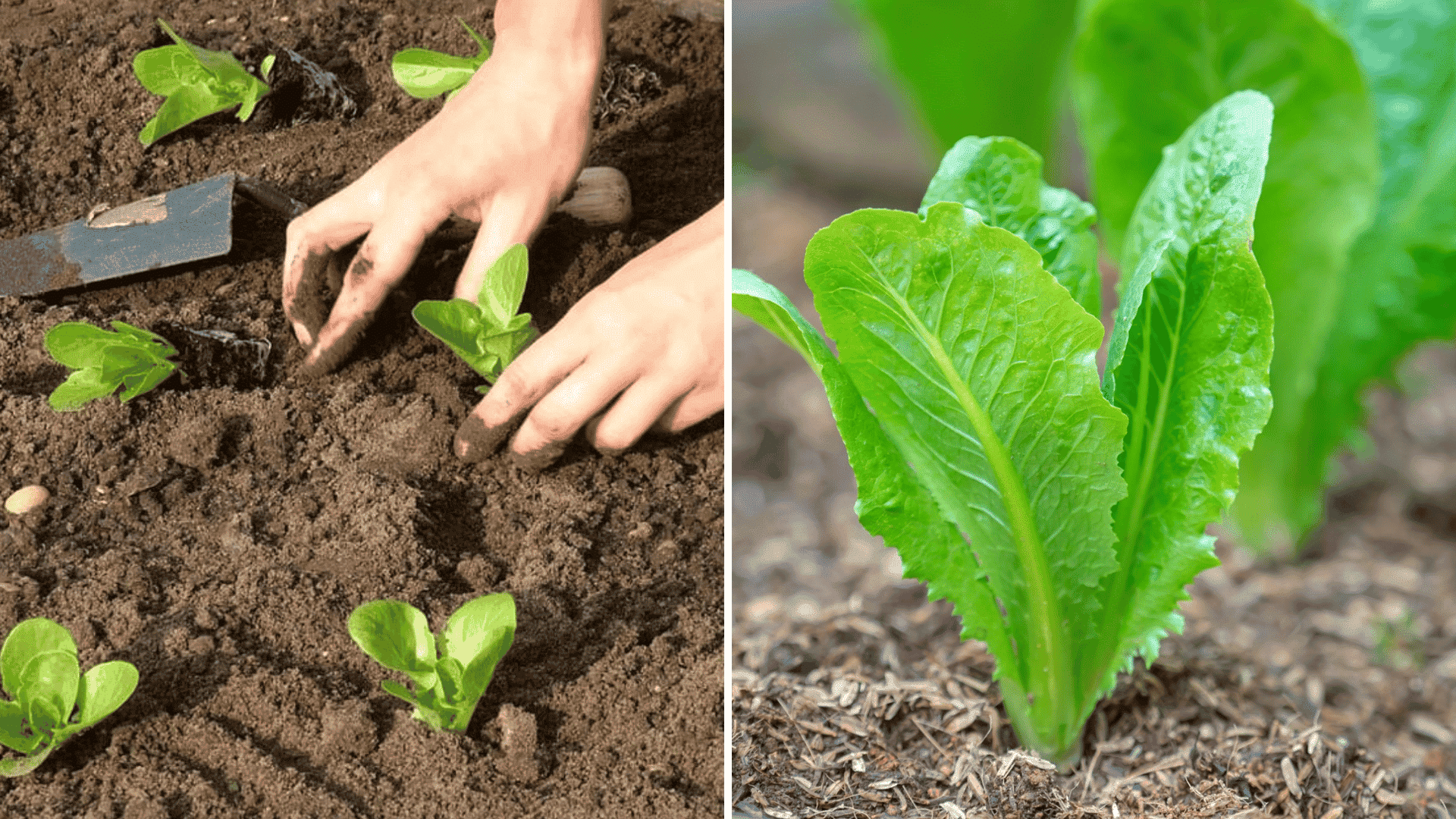
Once your planting timing is right, lettuce is relatively simple to grow if you provide consistent moisture, suitable spacing, and healthy soil.
1. Choose the Right Lettuce Variety
Different lettuce types mature at different rates, so your variety choice affects how quickly you can harvest.
|
Lettuce Type |
Growth Speed |
Best For |
|---|
|
Loose leaf |
Fast |
Beginners and repeated harvests |
|
Butterhead |
Moderate |
Soft tender heads |
|
Romaine |
Moderate |
Upright crisp heads |
|
Crisphead |
Slow |
Longer cool seasons |
2. Pick a Suitable Growing Spot
Lettuce grows best in a location with good light during cool weather. As temperatures rise, some afternoon shade can help reduce heat stress.
Choose a site with:
-
Morning sun
-
Well-drained soil
-
Easy access to water
-
Good airflow
-
Partial afternoon shade in warmer weather
3. Prepare the Soil
Lettuce grows best in loose, fertile soil that drains well but can still hold enough moisture.
Before planting, remove any weeds and loosen the top few inches of soil so the roots can grow easily.
If your soil is poor, mix in some compost to improve it.
Break up large clumps and level the surface before sowing, since lettuce seeds are very small and are easier to spread evenly on smooth soil.
4. Plant Lettuce Seeds
Lettuce seeds are small and should be planted shallowly. Sow them about ¼ to ½ inch deep, or follow the depth listed on the seed packet.
After sowing:
-
Cover seeds lightly with soil.
-
Firm the surface gently.
-
Water with a soft spray.
-
Keep the seedbed moist.
-
Avoid washing seeds out of place.
5. Thin and Space Seedlings
Thin lettuce seedlings once they are large enough to handle.
For baby leaves, leave about 2 to 4 inches between plants.
Loose-leaf lettuce needs around 6 inches, while butterhead and romaine usually need 8 to 12 inches.
Crisphead lettuce does best with about 12 inches of space. Proper spacing helps each plant grow well and also improves airflow around the leaves.
6. Water the Plants Regularly
Lettuce has shallow roots, so the soil should stay evenly moist rather than drying out completely between waterings.
Water when the top layer of soil begins to dry. During warm or windy weather, check the bed more often.
For container-grown lettuce, moisture can disappear faster, so check more often.
Succession Planting for More Lettuce
Planting an entire packet of lettuce at once can leave you with more mature leaves than you can use in a short period.
I prefer sowing a small row or container every 10 to 14 days while temperatures remain suitable. That spreads the harvest across several weeks instead of creating one large flush.
Stop making new sowings once sustained heat makes germination and growth difficult. When cooler weather returns in late summer, you can begin the same succession routine again for a fall crop.
How to Grow Lettuce in Pots
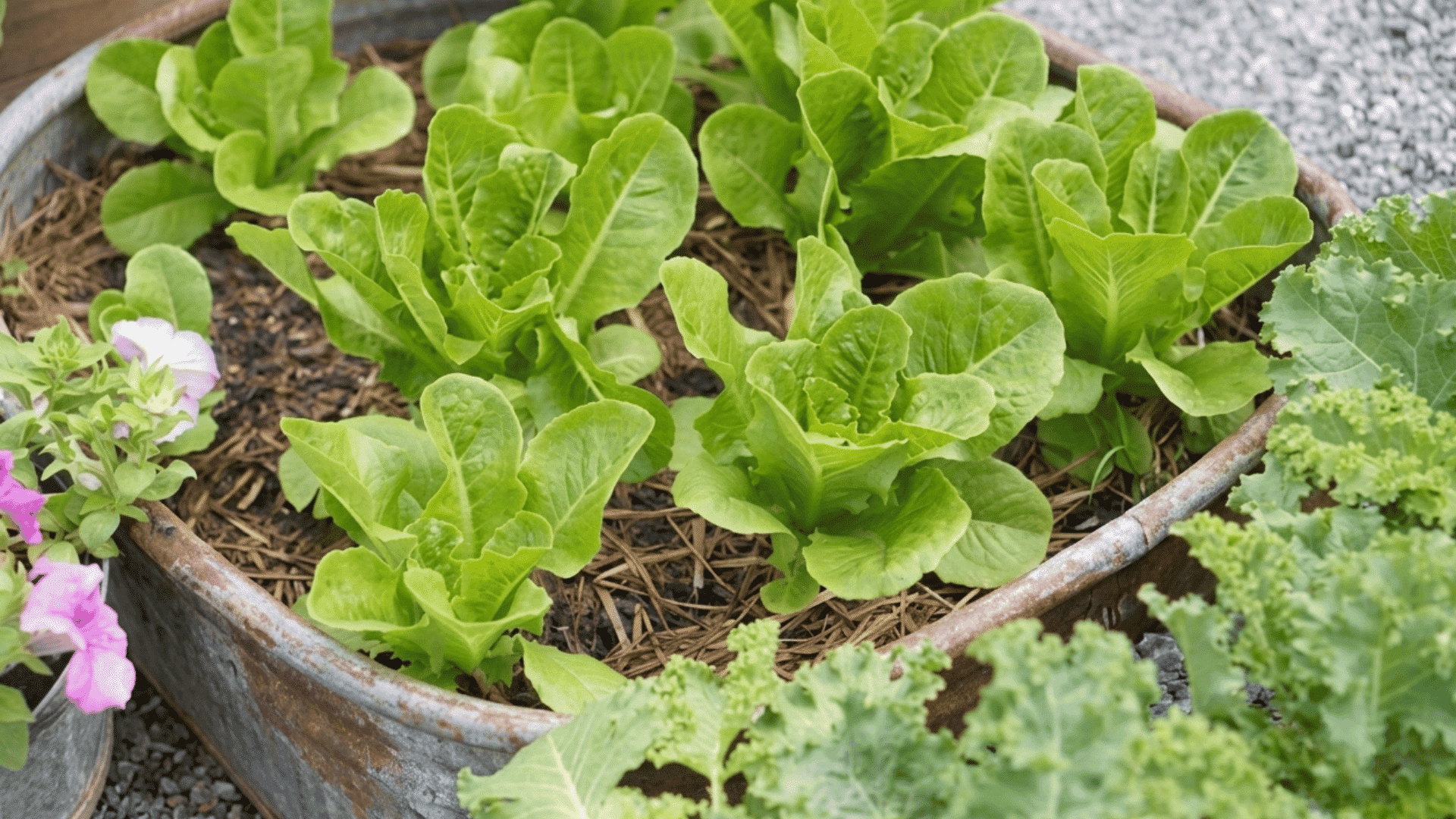
Growing lettuce in pots is easy if you use a wide container about 6 to 8 inches deep with drainage holes.
Fill it with a loose potting mix and space plants according to the variety, leaving more room for full heads.
Place the pot where it gets several hours of sunlight, with some afternoon shade in warm weather.
Keep the soil evenly moist because containers dry out quickly. Loose-leaf lettuce works especially well in pots and can be harvested gradually from the outer leaves.
Does Lettuce Need Fertilizer?
Lettuce does not need heavy feeding, but a little fertilizer can support healthy leaf growth.
Before planting, mix compost or a balanced fertilizer into the soil. If growth looks slow, you can apply a nitrogen-rich fertilizer once the plants are established.
Avoid using too much, as excess fertilizer can harm the plants. Healthy, nutrient-rich soil is often enough for a good lettuce crop.
Common Lettuce Pests and Problems
Lettuce is generally simple to grow, but a few issues are common.
-
Aphids: Small insects that gather on leaves and feed on plant sap.
-
Slugs and snails: Chew irregular holes in tender lettuce leaves.
-
Cutworms: Damage young seedlings by cutting stems near the soil.
-
Downy mildew: Causes yellow patches and fuzzy growth on leaves.
-
Tipburn: Makes leaf edges turn brown due to uneven growth conditions.
-
Bolting: Warm temperatures can make lettuce flower early and turn bitter.
When and How to Harvest Lettuce?
Harvest lettuce while the leaves are tender and before the plants begin flowering or developing a noticeably bitter flavor.
For loose-leaf lettuce, pick the largest outer leaves first, leaving the center intact so new leaves can keep developing.
You can harvest head-forming varieties at the base once they reach a useful size and suitable firmness.
I like harvesting lettuce in the morning when the leaves are cool and crisp. Use clean scissors or a knife to avoid unnecessary damage, and refrigerate harvested leaves soon afterward
Common Mistakes to Avoid
A few simple mistakes can reduce the quality or length of your lettuce harvest.
-
Planting Too Late: Lettuce prefers cool weather. Planting when temperatures are already high can encourage bolting and bitter-tasting leaves.
-
Letting Soil Dry Out: Dry soil can slow growth and stress lettuce. Keep the soil consistently moist, especially during warmer weather.
-
Keeping Soil Soggy: Too much water can create poor growing conditions and contribute to root problems. Use well-drained soil and avoid overwatering.
-
Crowding Plants: Plants growing too close together compete for light, water, and nutrients. Proper spacing also improves airflow between leaves.
-
Planting Too Deeply: Lettuce seeds are small and need to be planted shallowly. Covering them with too much soil can make germination more difficult.
-
Waiting Too Long to Harvest: Overmature lettuce may become tough or bitter, particularly as temperatures rise. Harvest when the leaves are tender and fresh.
Conclusion
Growing lettuce feels much easier once the basic steps become part of your routine. I like to keep things simple by checking plant growth regularly, watering consistently, and harvesting leaves while they are still fresh and tender.
Understanding when to plant lettuce also helps you plan each crop with fewer surprises as the season changes.
Start with a small bed or container, then adjust as you learn what works best in your space. Try these tips in your garden, and leave a comment sharing how your lettuce turns out.
Frequently Asked Question
Can You Grow Lettuce From Store-Bought Lettuce?
Yes, some lettuce bases can regrow small leaves in water, but they rarely produce a full head like lettuce grown from seed.
Can You Plant Lettuce Next to Tomatoes?
Yes, lettuce can grow near tomatoes. Their taller foliage may provide helpful shade, while lettuce uses the lower growing space efficiently.
Should I Soak Lettuce Seeds Before Planting?
No, lettuce seeds do not normally need soaking. Sow them shallowly in moist soil and keep the surface consistently damp during germination.