Nail Tech Program vs. Specialized Courses: Which Training Path Is Right for You?
There’s a Russian manicure class on Saturday. The pictures look good, registration takes two minutes, and you’ve been meaning to learn something new. Then the course starts. Everyone else seems to know how to hold the e-file already.
You don’t.
The class assumes six months of experience. Nail education ranges from a broad nail tech program to very specific workshops, and sometimes the names are misleading. Start with what you know now. And what your state allows professionally. That can change the plan.
What Does a Comprehensive Nail Tech Program Cover?
A beginner needs a lot before doing anyone’s nails. The structure of the natural nail, hygiene, what a damaged nail looks like. Products have rules of their own. Then a client asks why their last manicure lifted.
Course content varies, but a broader curriculum may involve:
- Anatomy and assessment. Know when a nail needs attention outside the salon. Not every discoloration is something to cover with polish.
- Tool cleaning, disinfection, and applicable sterilization rules. Ideally practiced, too.
- Preparation and shape. How much filing is enough? Students need to recognize when it’s becoming too much.
- Manicures and pedicures. And eventually enhancements, gel application, all the particular instructions those products require.
- Client conversations, appointment timing, keeping a workspace ready for the next person.
Check the actual schedule. A school may advertise extensions while giving them one afternoon. Another spends days there. Same title, different experience.
What Are Specialized Nail Courses Designed For?
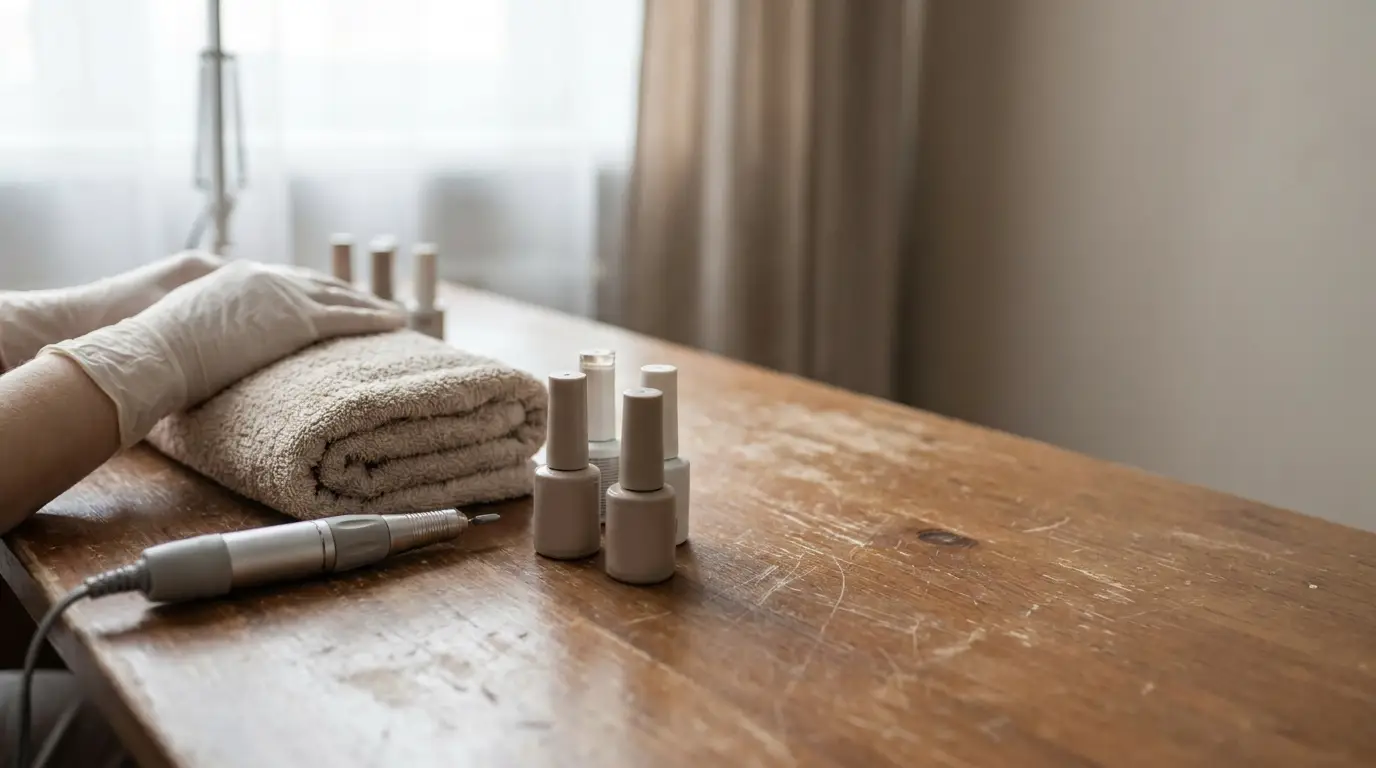
A technician can be comfortable with ordinary gel manicures and still have a problem with one thing. Cuticle work, maybe. A bit that keeps catching at the sidewall, or extensions that take ages to finish.
A specialty course can stay with that problem. Russian manicure, e-file technique, particular pedicure methods, different extension systems. A narrower curriculum leaves more time for the instructor to watch a student work. That’s the useful part, assuming the course really includes supervised work.
Check the prerequisites before you book. “Advanced” can mean the teacher isn’t going to explain how to hold the tool.
Which Option Makes Sense for Beginners?
Before the interesting classes, the boring paperwork. Anyone planning to work as a nail technician needs to check local licensing rules. A private workshop might be educational and still count for none of the hours required by a state.
If You Want Salon Work
Look for the training pathway your state recognizes. A comprehensive program covers more services and basic decisions: which nail to work on, how to prepare it safely, when to stop. But the word program on a website proves nothing about state approval. Check that separately.
Just Want to Try It?
A short introductory workshop is fine for exploring a technique. You might find the e-file difficult. Or enjoy it immediately, and want more instruction. It doesn’t authorize client work.
When Should an Experienced Nail Technician Choose Specialized Training?
You’ve already learned the fundamentals. Now there’s this one part of appointments you dread a little. The product near the cuticle lifts again. Your extension shape takes too much filing to fix. That’s a reasonable reason to go back to class.
For example:
- Clients keep asking for soft gel tips. Find a course that teaches that particular system properly.
- E-file control still feels uncertain. Get somebody to watch your hand position and correct it there, in person.
- You know how to apply gel, but the structure ends up too thick. Ask for a class with real assessments of student work.
- Pedicure techniques? Check what the method includes, especially hygiene and contraindications.
Bring photos of troublesome sets, if you have them. The instructor can see it.
Know which skill you’re paying to improve.
Compare Time, Cost, and Practical Experience
The price is obvious. Practice time, less so. A six-hour workshop might contain forty minutes on a model; another could give students several supervised attempts. Even lunch changes the timetable. Ask what those advertised hours contain.
| Check | Ask something specific |
|---|---|
| Duration | How much is theory? What happens each day? |
| Practice | Live models, or demonstrations only? |
| Instructor attention | How many students share one teacher? |
| Supplies | Is the e-file included? Do I buy a kit? |
| Tuition | Extra fees for models, products, certificates? |
| Credential | What does completion actually certify? |
Why Not Nails Academy lists focused classes and a broader Nail tech program. Compare the current schedules and what’s included; don’t assume two courses with similar titles give you the same amount of practice.
Understand the Difference Between Training Certificates and Licenses
You finish the class and get a certificate. Good. What, exactly, does it mean?
Usually it documents attendance or completion of that private training. Permission to provide nail services professionally comes through state licensing requirements, which are separate. In New York, for example, the approved-school route for a Nail Specialty license involves 250 hours of education and state exams; other qualifying routes exist.
Before paying, check your state board’s information. If a school says its course qualifies you for licensing, ask where that approval is listed. Keep it.
How to Choose Your Next Step
Don’t begin with the biggest package. Write down your experience, even the gaps you feel a little embarrassed about.
- New to nails and planning a career? Check the licensing route, then examine broad programs that suit it.
- Already trained, and clients want a particular service? Focus on that service.
- Curious about Russian manicure but unsure you’ll like the work: an introductory workshop may be plenty for now.
- Already working, same mistake each week? Describe it to the instructor before enrolling. Ask if they’ll actually work on it with you.
Conclusion
Read the syllabus, of course. Then ask what happens when a student struggles. How long does somebody stand next to them? Do they get another try? Who checks that hygiene isn’t just a slide in the presentation?
Those answers are harder to put in a glossy course advertisement. Which is why they’re worth asking for.