Getting invited to a black tie event can feel exciting… and slightly stressful. You open your closet, look at your options, and suddenly wonder if one wrong choice will make you stand out in the worst way.
That’s usually when questions start popping up in your head. Is this too casual? Is this trying too hard? Will everyone else know something I don’t?
If you’re searching for what not to wear to a black tie event, you’re really looking for peace of mind. You want clear boundaries, not guesswork.
I’m here to help you avoid those awkward outfit mistakes so you can walk in feeling confident, comfortable, and completely at ease.
What Does “Black Tie” Actually Mean?
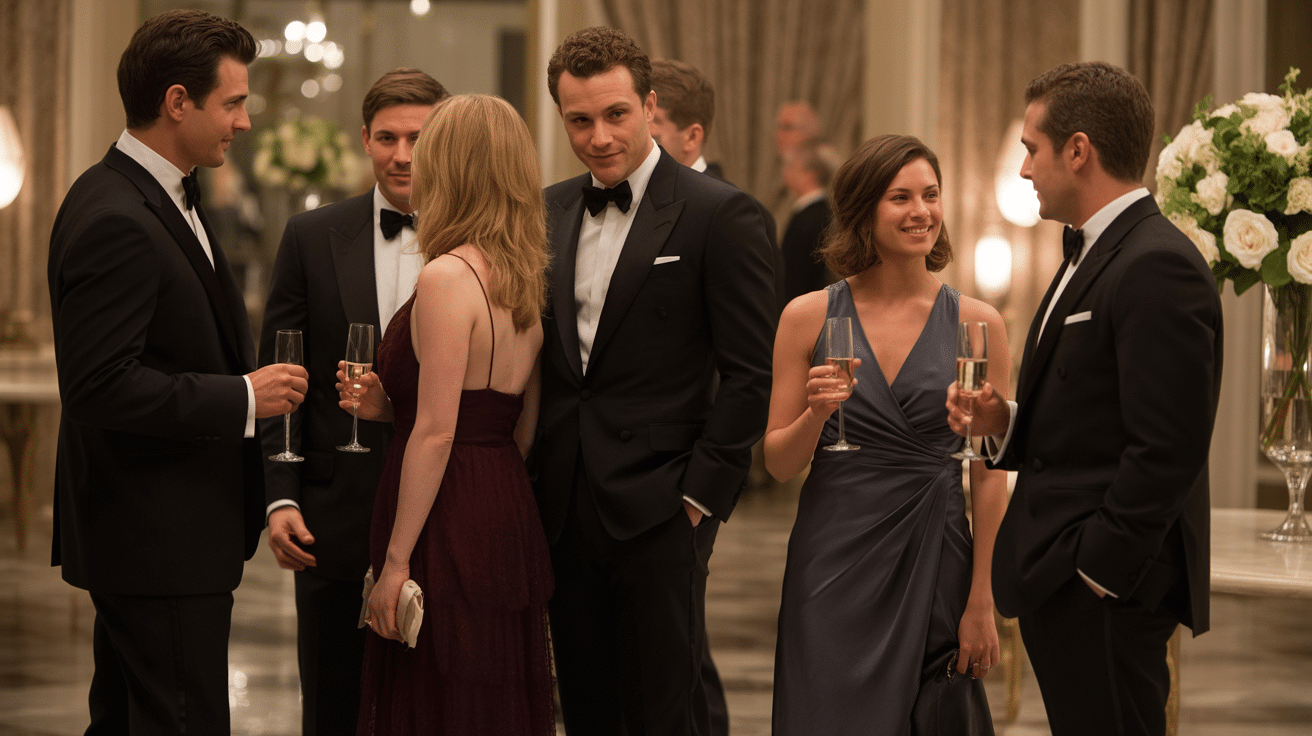
Black tie is a formal evening dress code that signals grace and high style. Think of it as the go-to attire for upscale events that typically start after 6 PM, like galas, weddings, or charity dinners. It sits in that sweet spot between casual cocktail attire and the ultra-formal white tie dress code.
While cocktail or semi-formal events allow for more flexibility and creativity in your outfit choices, black tie requires you to step it up significantly.
You’re expected to wear traditional ceremonial wear that shows you understand the occasion’s importance. That said, it’s less strict than white tie events, which demand the most formal attire possible.
Understanding where black tie falls on the formality spectrum helps you dress properly and feel confident at any high-style evening affair.
Now that you know what black tie means, let’s talk about the specific items that don’t belong at these events.
What NOT to Wear to a Black Tie Event
Knowing what to avoid is just as important as knowing what to wear. Black tie events demand a certain level of formality, and some clothing choices can stand out for the wrong reasons.
Casual or Semi-Formal Clothing
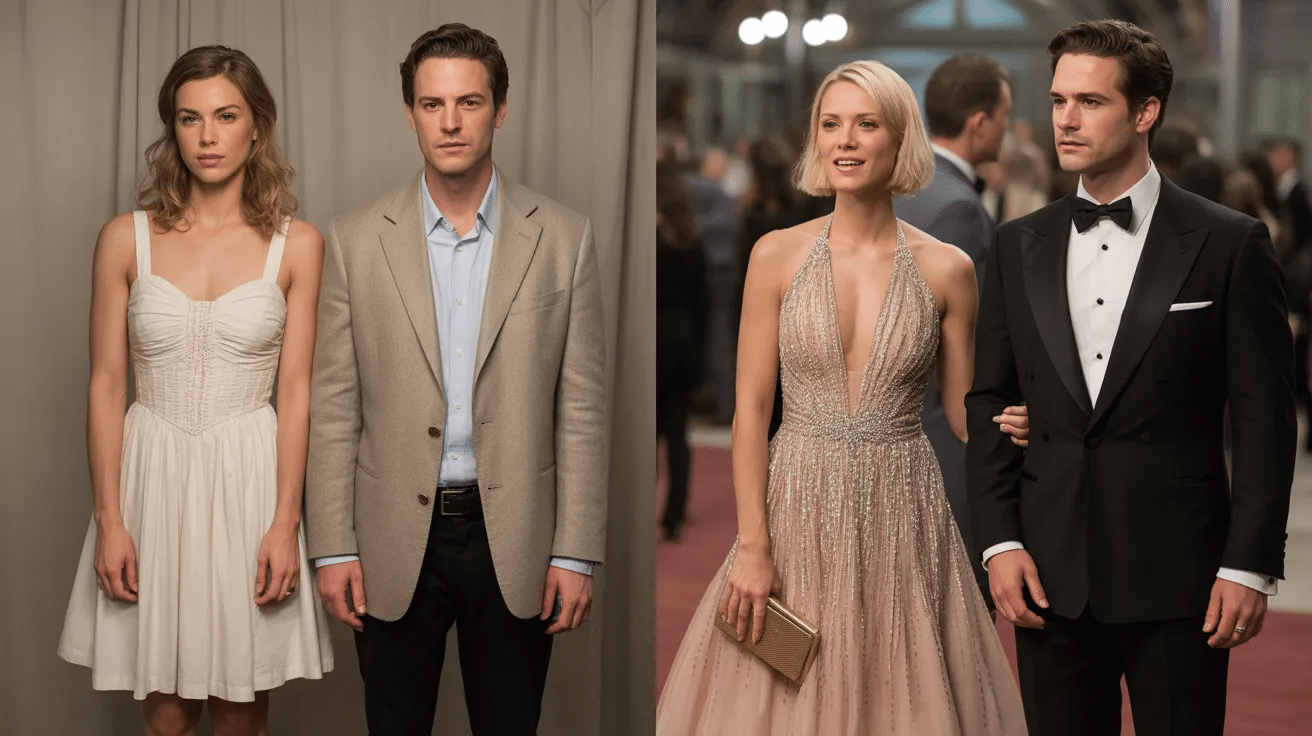
For women, sundresses and knit dresses are for daytime events, not black tie affairs. For men, blazers and mix-and-match separates are too casual for a black tie event. Black tie attire calls for premium fabrics and cohesive, formal wear.
Short, Revealing, or Nightclub-Style Outfits
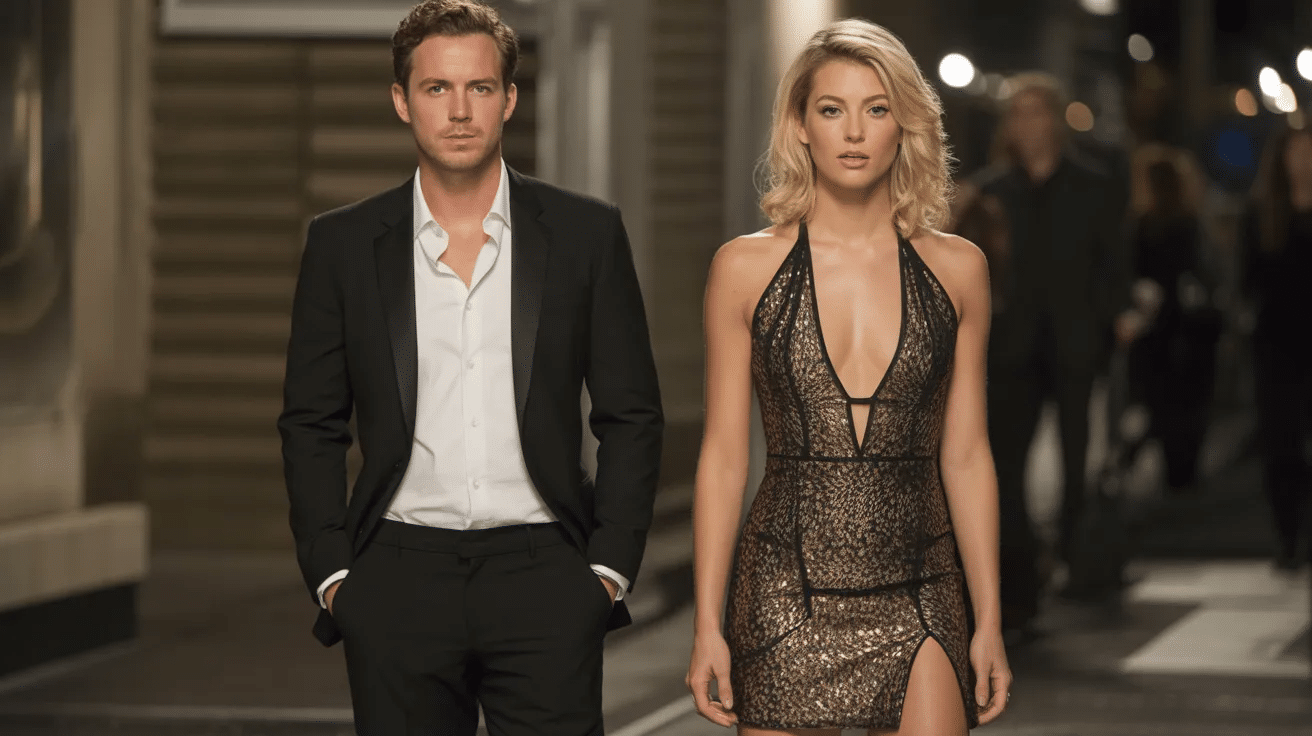
Mini dresses and overly revealing outfits are meant for cocktail parties, not black tie events. Excessively low necklines or high slits that are designed for nightlife don’t belong at formal occasions. Men should avoid less formal suits or any attire that’s too trendy or flashy.
Casual Shoes
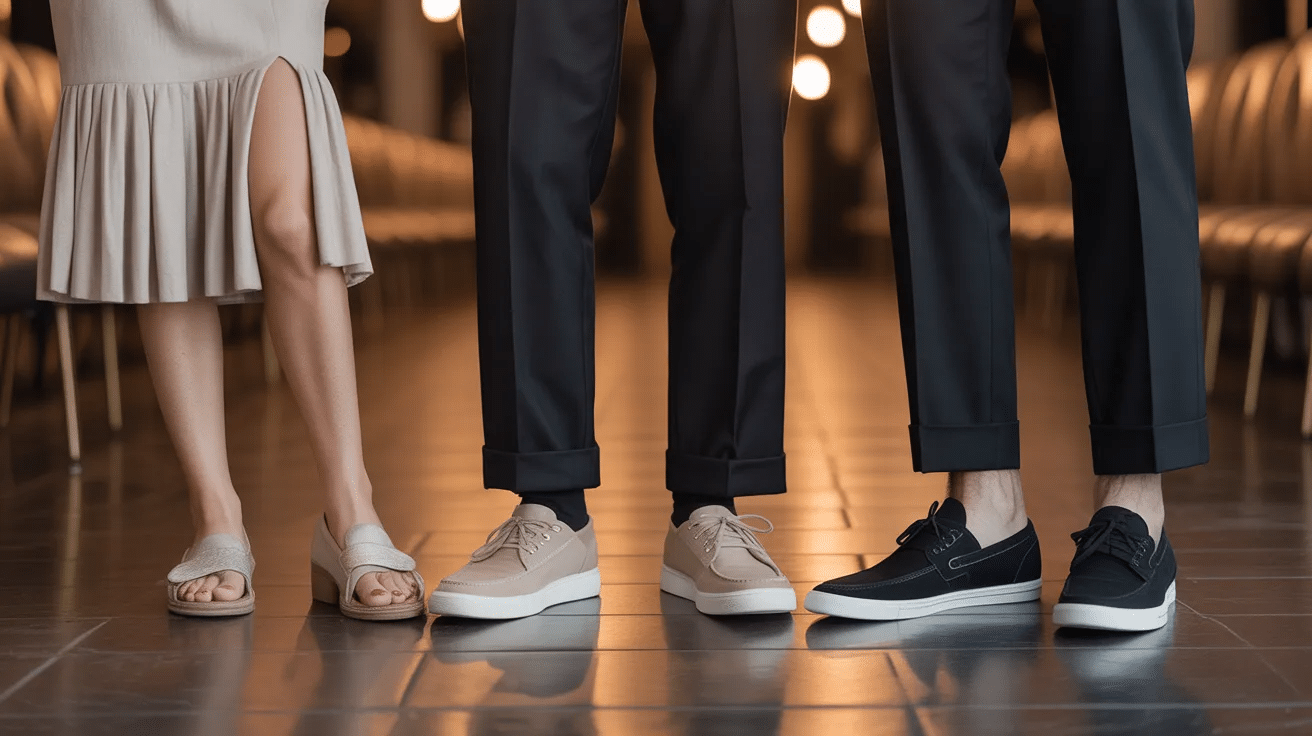
For women, everyday flats should stay at home unless they’re dressy and embellished. Men, avoid casual shoes like loafers or sneakers. Open-toe sandals and casual shoes disrupt the formal tone of a black tie event, regardless of gender.
Loud Colors or Distracting Prints
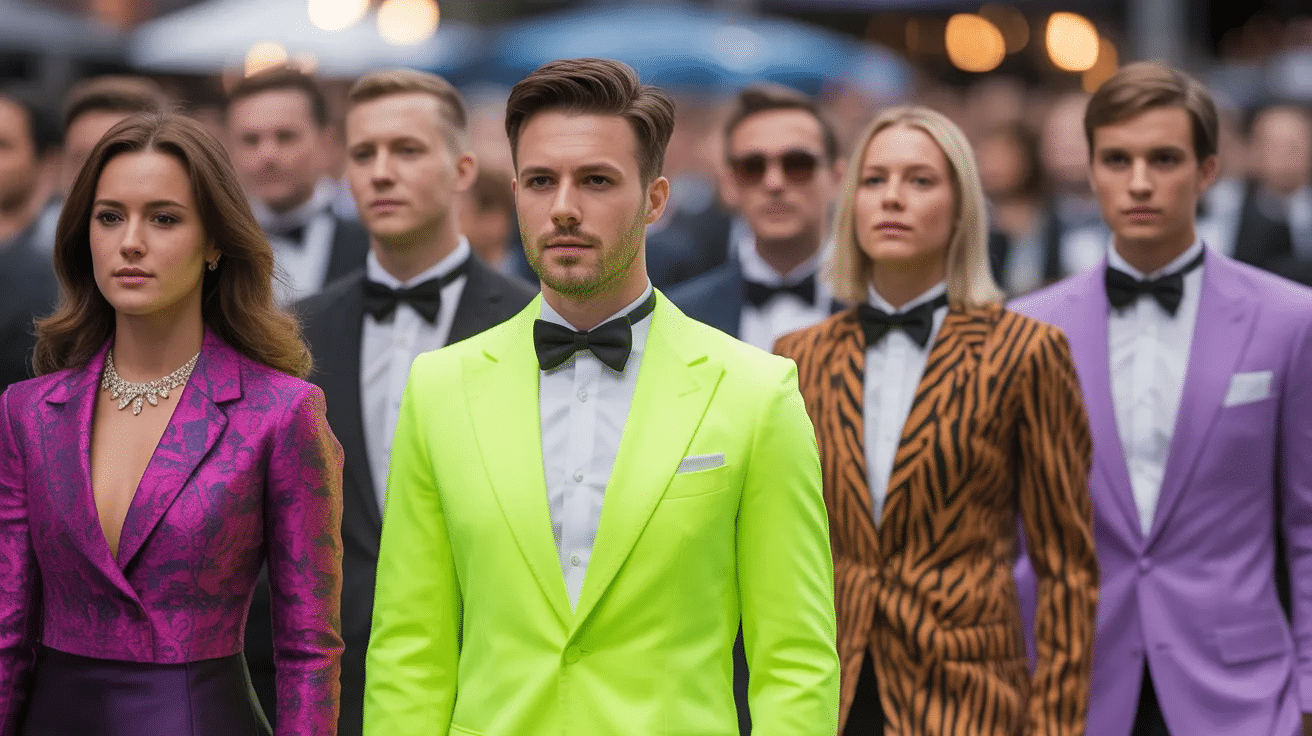
Neon shades and overly bright colors are too attention-grabbing for black tie events. Men should avoid bold colors and loud prints that clash with the formal atmosphere. Both men and women should avoid heavy patterns or anything too flashy.
Overdone or Underthought Accessories
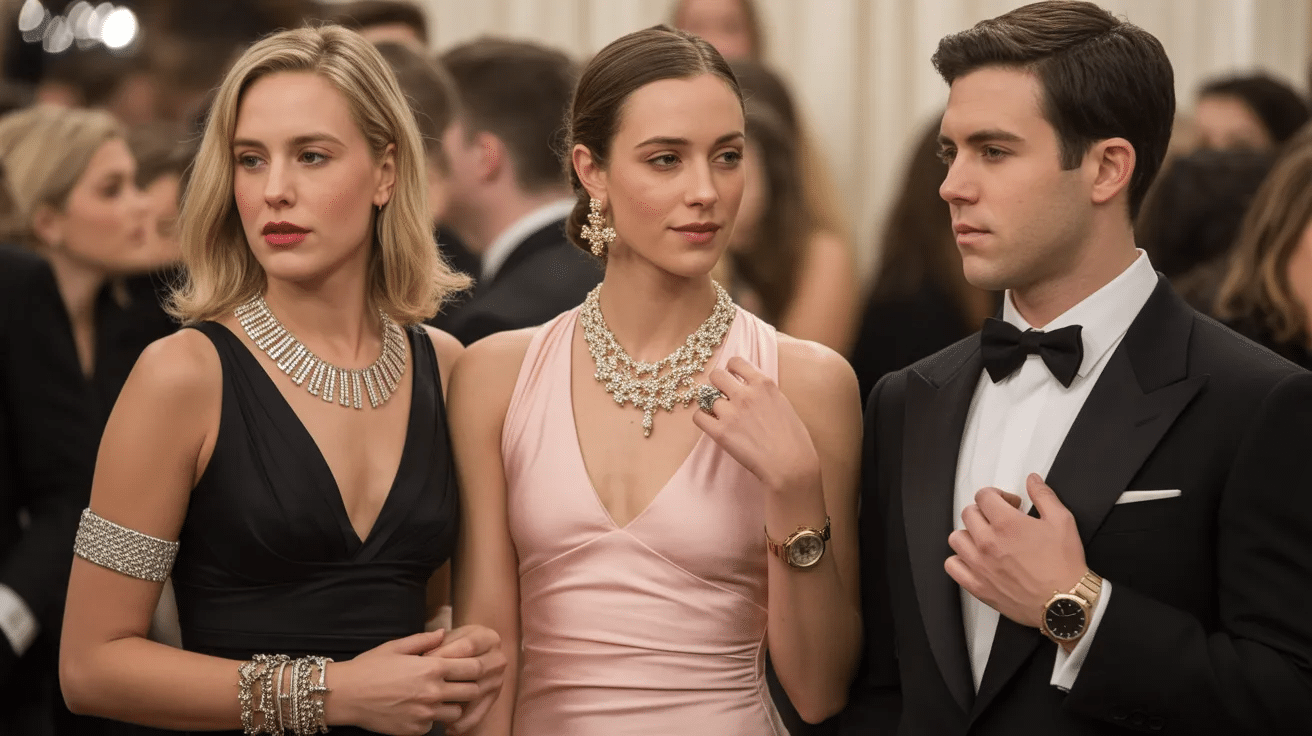
Women, avoid piling on too much jewelry as it can create a cluttered, distracting look. Men should avoid flashy accessories or anything too casual, like overly bold watches or casual belts. Over-the-top accessories take away from a refined, formal appearance. Stick to quality, understated pieces.
What is Black Tie Attire for a Woman?
Black tie attire for women traditionally centers on floor-length evening gowns crafted from luxurious, formal fabrics such as silk, satin, velvet, or chiffon. These gowns should feature structured silhouettes with attention to proper fit and tailoring.
When considering what is black tie attire for a woman, the standard remains a full-length dress that flows gracefully to the floor. However, modern black tie events may accept tasteful alternatives, including midi-length dresses in formal fabrics or well-made jumpsuits with impeccable tailoring.
Many women wonder what is black tie attire for a woman in today’s context. Regardless of the specific style chosen, focus on quality materials, refined construction, and a polished appearance that respects the formality of the event.
Even with this knowledge in hand, women still make predictable mistakes that can undermine their entire look.
What is Black Tie Attire for a Man?
Black tie attire for men centers on the classic tuxedo. This formal dress code requires a black or midnight blue tuxedo jacket with satin lapels, paired with matching trousers featuring a satin stripe down the side.
A crisp white dress shirt with a turn-down collar or wing collar is essential, along with a black bow tie, preferably self-tied rather than pre-tied.
Complete the look with black patent leather or highly polished Oxford shoes, black dress socks, and optional accessories like cufflinks and a pocket square.
A black waistcoat or cummerbund adds the finishing touch to this timeless, formal ensemble.
How to Fix a Black Tie Outfit That Feels Wrong
Sometimes your outfit just doesn’t feel right. Here’s how to fix it or know when to start over:
1. Upgrade Your Footwear and Accessories: Swap everyday flats for dressy heels or formal shoes. Replace casual jewelry with refined pieces and trade large bags for formal clutches.
2. Switch to Proper Formal Basics: Change to a crisp white shirt and classic black bow tie. If wearing a regular suit, swap it for a tuxedo immediately.
3. Add Formal Finishing Touches: Include a formal wrap, shawl, or jacket. Add cufflinks or a pocket square to complete your look and boost sophistication.
4. Perfect the Fit and Presentation: Steam your outfit to remove wrinkles. Check hemlines, make tailoring adjustments, and remove excessive jewelry that distracts from formality.
5. Know When to Start Over: If wearing a cocktail-length dress instead of a gown or casual fabrics like cotton, rethink your outfit completely. Quick fixes won’t work here.
Black Tie Accessories: What to Avoid and What to Wear Instead
Accessories can make or break your black tie look. Choosing inappropriate pieces undermines the grace of even the most beautiful formal attire.
| Accessory Type | What to Avoid | What to Choose Instead |
|---|---|---|
| Jewelry | Oversized statement pieces, novelty items, and costume jewelry | Refined pieces: subtle necklaces, classic earrings, minimal bracelets |
| Handbags | Casual handbags, oversized totes, backpacks, crossbody bags | Small clutches or minaudières in satin, silk, or metallics |
| Watches | Everyday watches, smartwatches, sports watches, bulky timepieces | Dress watches with leather straps or slim metal bands, or no watch at all |
| Other Accessories | Flashy belts, casual scarves, trendy hair accessories | Classic wraps or shawls, refined hair clips, opera gloves (optional) |
Keeping accessories minimal, refined, and intentional ensures they complement rather than compete with your formal attire. Speaking of complementing your outfit, the season and setting also play a role in what works and what falls flat.
Seasonal Black Tie Style Missteps
Black tie dress codes remain formal year-round, but seasonal considerations require careful attention to fabric choices, styling details, and weather-appropriate adjustments without compromising formality.
- Summer Black Tie Mistakes: Casual cotton or linen fabrics, sundress styles, beach sandals, shortened hemlines for heat.
- Winter Black Tie Mistakes: Bulky casual coats over gowns, boots instead of formal shoes, heavy, unflattering fabrics, and missing formal wraps.
- Outdoor Black Tie Mistakes: Stilettos that sink in grass, no weather backup plans, impractical hemlines for terrain, and forgetting shawls.
Adapting to seasonal conditions while maintaining formality ensures appropriate attire regardless of weather or venue. But what if you’ve already gotten dressed and something feels off? Don’t panic, there are ways to fix it.
Black Tie Etiquette Tips Beyond Clothing
Black tie events require more than just the right outfit. Your grooming, behavior, and respect for the occasion all contribute to your formal presentation. Follow these etiquette tips to ensure you leave a lasting, positive impression.
1. Grooming Matters: Style your hair neatly and keep nails clean and manicured. Choose polished, understated makeup and ensure shoes are scuff-free and polished.
2. Arrive On Time and Greet Properly: Punctuality is essential at black tie events. Greet hosts with warmth and respect, and maintain good posture throughout the evening.
3. Follow Event Guidelines: Carefully read the invitation for any instructions or guidelines. If unsure about details like theme or protocol, discreetly ask the host beforehand.
4. Mind Your Conversation and Phone: Keep discussions respectful and appropriate for the occasion. Silence your phone completely or leave it in your bag during the event.
Final Takeaway
Knowing what not to wear to a black tie event removes the stress and second-guessing that often come with formal invitations.
Understanding what is black tie attire for a woman and the limits of the dress code makes your choices clearer and far more confident.
Black tie works best when you respect formality, focus on fit and fabric, and avoid casual shortcuts that feel out of place.
When you know the guidelines and dress with intention, you blend in for the right reasons and feel comfortable all evening.
If you want more guidance on formal dress codes, outfit mistakes, or event styling tips, explore my other blogs for clear, practical advice you can rely on.