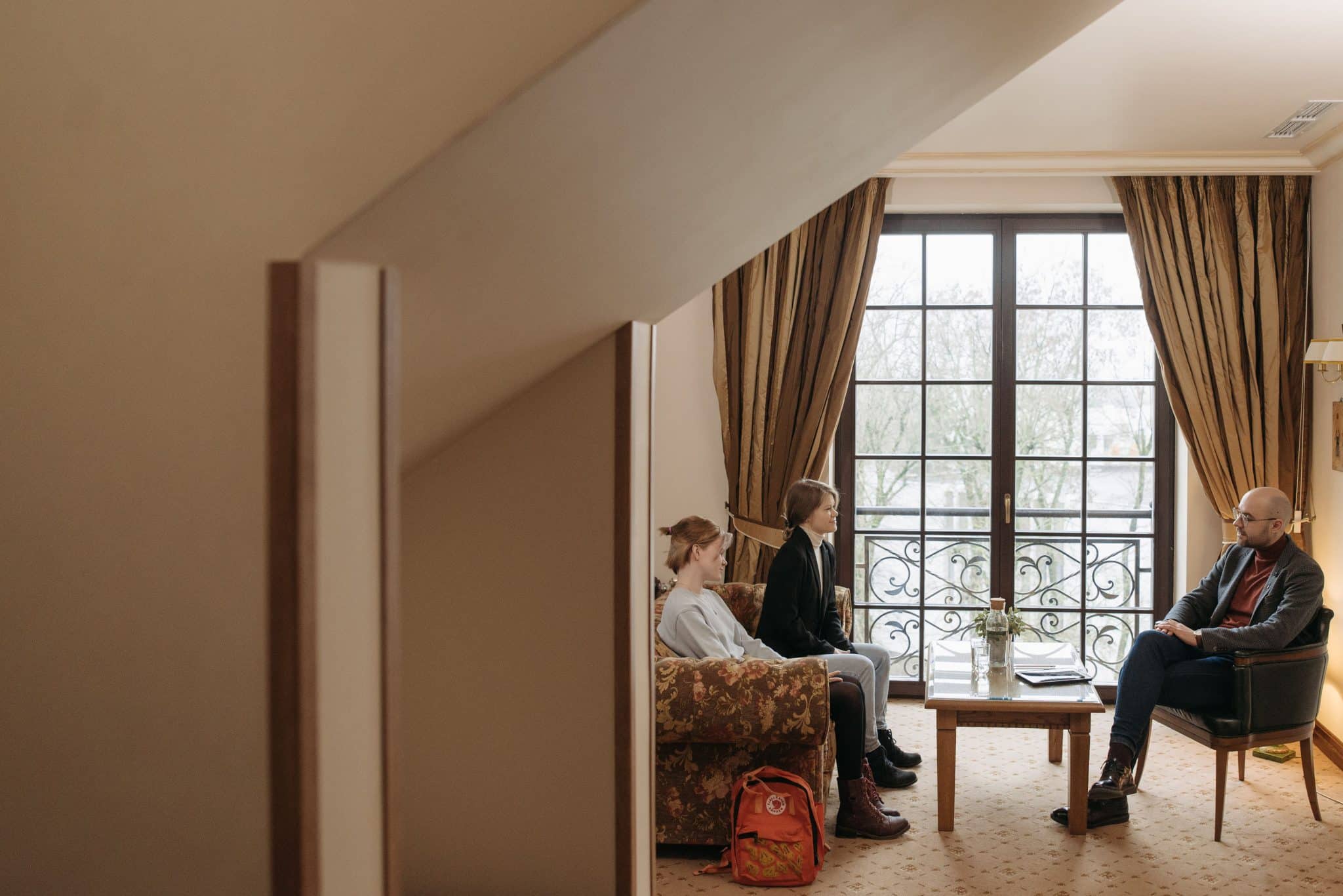
A mental health unit is a place where patients get admitted if they show signs of grave psychological distress. It’s a safe hospital setting with round-the-clock surveillance and trained medical professionals, all designed to provide a safe and therapeutic environment for admitted patients.
If you or a loved one is about to be admitted to a mental health unit (sometimes also called a psych ward or psychiatric unit), the entire experience can feel disorienting and overwhelming. It’s not uncommon for family members to hold some reservations or have some questions and concerns about the needs and routine of a patient being admitted to the unit.
If you’re feeling that way, know that having these feelings surrounding the experience is normal. The good news is that these psych wards are very much equipped to handle distressed patients, and they’re excellent environments to place loved ones who may be at risk of harming themselves or others with good supervision.
Regardless, if you want to get a bird’s-eye view of what goes on inside a mental health unit to prepare yourself or your loved one for admission, then we’ll show you what to expect in a mental health unit in this article.
Let’s jump right into it!
The Admission Process: How it Works
Undergoing the admission process to a mental health unit can feel quite harrowing.
After all, your loved one will make a major lifestyle adjustment, and this can be quite overwhelming for the entire family to follow through. However, taking such a leap is essential to ensure your loved one’s safety and treatment.
Given the fact that this adjustment is ultimately for their sake, it’s important to closely vet the mental health unit you’re planning to admit them to.
Regardless, being in close contact with medical professionals and living in an environment that’s carefully selected and designed to ensure their safety can be a big help in managing any mental health conditions that they may have.
Admission Process: Patient-Side
Upon arrival at the psych ward, the patient and their loved one will undergo a medical assessment to help doctors understand the state of mind they’re currently in and what kind of care they need.
They may also request things like medical history for a more comprehensive overview of the patient’s mental state. A scan will also be conducted to ensure that no harmful items will be brought over to the place.
From there, patients will also need to complete registration forms and fill out other forms. They’ll also be briefed on their rights and the house rules of the establishment to help them settle in more smoothly.
Moreover, incoming patients will be introduced to the different rooms, communal areas, and facilities around the mental health ward that they’re assigned to.
These rooms are specifically equipped to support patient needs, being equipped with dedicated mental health furniture like Knightsbridge Furniture. During this time, patients will also be introduced to the psychiatrists, nurses, psychologists, occupational therapists, and social workers who will oversee them.
Lastly, they’ll also be briefed on the routine that the mental health unit will follow, such as meal time, visiting hours, and so on.
Admission Process: Family-Side
As a family member of the admitant, it’s crucial to bring all the necessary documents, such as identification and health insurance details of the loved one you’re admitting.
If you’re planning to admit your loved one on the same day, be sure to bring their bags and remove anything that may pose harm to themselves and others beforehand. Prepare their medication as well, if any.
You should also talk to the primary physician about the state of your loved one and anything to watch out for regarding their background and behaviour.
Answer any questions that they may ask to help the team develop an appropriate treatment plan. The team will also brief you on visiting and calling hours, as well as contact information in case you need to check up on your loved one or if the ward has any updates.
You can also prepare to ask questions beforehand so that you’ll have a more thorough understanding of the individual process of that particular mental health unit. This can help ease any anxieties you may have regarding the procedure.
A Typical Day Inside a Mental Health Unit
Although every mental health unit operates a little differently in its day-to-day, there are several strict guidelines and standards of care that each unit has to follow and abide by.
Usually, patients wake up at around 7 AM and follow a morning routine—making their bed, showering, getting dressed, and so on. Then breakfast is served a little while later. This routine is often consistent.
Then, afterwards, medication and morning checks are conducted by a nurse. This helps the facility monitor the patient’s well-being and ensures that they’re getting the right dosage for their needs.
After medication, the patient will undergo a care plan. This may entail counselling, psychiatric consultations, group therapy, or other forms of care. Lunch follows, and the rest of the afternoon is often spent on recreational activities and therapeutic programmes to help patients cope and manage their symptoms in a light and productive manner.
Usually, family visits and calls are allowed during the late afternoon to early evenings. Patients then eat dinner, and during the night, the establishment will dim the lights and help the patients wind down for the night. Medication may also be prescribed in the evening if necessary.
How a Mental Health Unit Keep Patients Safe
Mental health units may come with unnecessary stigmas attached to them, but the truth is, they are safe environments that are constantly overseen by trained healthcare personnel. The interior itself is designed with the main intention to minimise risk and maximise healing and emotional well-being.
Here are some ways a mental health unit can ensure a patient’s safety:
Facilities are Purpose Built
Mental health units are not built shoddily. There is intention in each item placed within the premises.
For instance, a normal bedroom in a standard house may contain sharp corners or exposed fixtures that could pose some amount of risk in everyday settings. The risk of falling and intentional harm is non-zero with standard furniture pieces.
Mental health units, on the other hand, have tamper-resistant and anti-ligature fixtures and furniture pieces that essentially eliminate the risk of self-harm and accidental injury. This makes the place secure and conducive for every patient’s treatment and recovery journey.
Facilities are Monitored Constantly
The physical environment is not only risk-free, but there are also roving personnel and constant supervision that patients will be subjected to for their safety and benefit.
The level of monitoring a patient will undergo ultimately depends on the patient’s risk and condition. These assessments are regularly reviewed to adjust the level of supervision as the patient’s condition improves.
This supervision helps the patient as it allows staff to respond quickly in case behaviours or symptoms fall beyond the usual threshold levels. This quicker response time can help patients overcome moments of distress with greater success, helping both the patient and family have peace of mind knowing that their health and self-care needs are met.
Care Plans are Individualised
No two patients experience mental health conditions in the same way, which is why mental health units don’t provide a general treatment plan that all patients get funnelled under.
Each patient will be offered care depending on the findings from their assessment plan and the medical background provided by the patient’s physician and family.
It’s also not uncommon for a patient’s care plan to adjust as time passes and their response to support changes. This personalised approach helps patients stay directed towards their recovery plan at a pace that best fits them.
Environment Has Controlled Access
Lastly, mental health wards also have limited access. This means that patients won’t easily be able to get out, and unauthorised personnel won’t be able to easily sneak in.
This is a good thing. When patients are not in the right frame of mind, they may wander off and pose a risk to themselves and others. Mental health facilities have safeguards in place to prevent that from happening, ensuring that everyone within the premises is as safe as they can be.
Specifically, mental health units have control access doors and visitor screening procedures that are closely monitored and reviewed. These policies and features help maintain a secure setting for everyone in the facility, helping support the patient’s recovery journey.
We hope that this article has given you enough insights into what takes place inside a mental health institution. All the best in navigating that with your family!