Some days, I move through life without checking in on myself. I get things done, but feel drained. I used to think I didn’t have time for self-care. Then I made a simple self-care checklist, and it changed everything. It helped me slow down, notice what I needed, and make small changes that added up.
Now it’s your turn. If you’ve been feeling off, like you’re running on empty, this blog will help. You’ll learn how to make a checklist that works for you, one that fits your day, your needs, and your pace.
This isn’t about doing more. It’s about doing what matters. You’ll leave with a plan that’s easy, real, and made to help you feel better.
What is a Self-Care Checklist?
A self-care checklist is a simple list of things you can do each day to take care of your mind, body, and emotions. It helps you remember what matters, especially when life feels overwhelming or busy.
Instead of guessing what you need, the checklist gives you clear steps you can follow.
It might include small things like drinking enough water, getting outside for a few minutes, stretching, or taking a break from your phone.
It can also include things like checking in with your feelings, saying no when needed, or writing down your thoughts.
The best part? You get to make it your own. There’s no right or wrong way to do it. It’s not about being perfect. It’s about being kind to yourself and staying connected to what helps you feel okay.
A self-care checklist is a tool, a gentle reminder that you matter and deserve to feel good.
How to Create Your Own Self-Care Checklist
Start by asking yourself what helps you feel calm, clear, or just okay. Think about small things you can do daily or weekly, things that don’t take much time but make a difference. Write them down.
Split your list into three parts: mind, body, and feelings.
- For your mind, add things like reading, resting, or quiet time.
- For your body, include eating well, moving a little, or drinking water.
- For your feelings, think about talking to someone, saying no, or doing something that brings you peace.
Keep your list short and real. Don’t add things you’ll feel bad about skipping. This isn’t a to-do list to impress anyone. It’s for you. You can use paper, a note on your phone, or a habit tracker, whatever feels easy.
Your checklist should help you check in, not check out. The goal is to support yourself, not to pressure yourself.
The 6 Core Areas of Self-Care
Balance across different parts of your life helps you stay well, not just physically, but mentally and emotionally too. These six areas make up the full picture of self-care:
Physical Self-Care
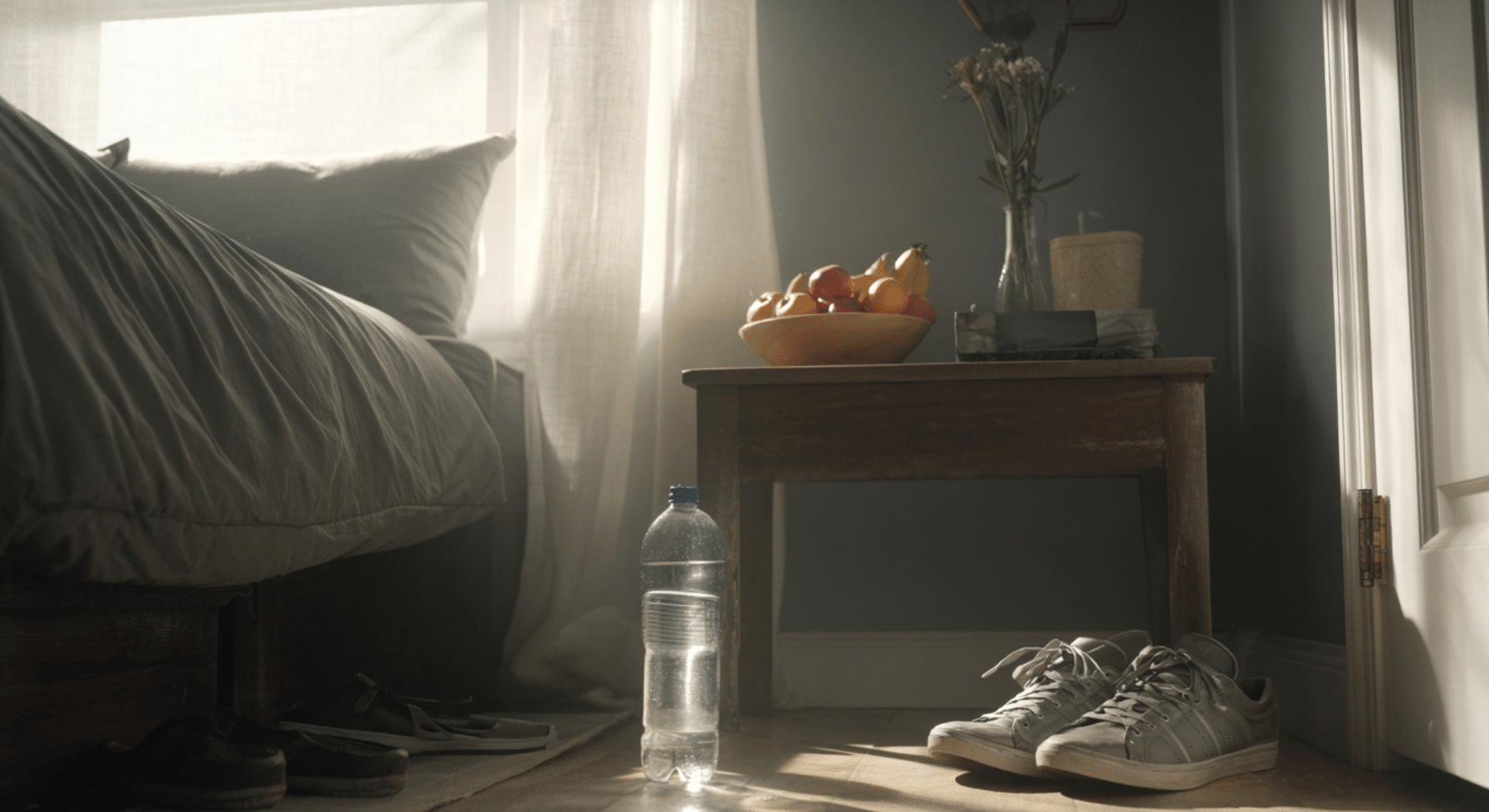
You usually notice this area through your energy. When your physical needs are slipping, you might feel tired for no reason, get headaches, crave quick snacks, or feel tense in your shoulders or back.
You may also notice that simple tasks feel heavier than they should. Paying attention to these signals helps you understand what your body has been trying to tell you.
Getting enough sleep helps your brain and body rest. Drinking water keeps your body working right. Moving, even just walking, gives you more energy.
Eating balanced meals fuels you. Regular checkups help catch small issues before they grow. Taking care of your body helps you feel stronger and more stable.
Mental Self-Care

This area shows up in your thinking. You may feel scattered, forgetful, distracted, or unable to focus on one thing at a time.
You might jump between tasks without finishing them or feel overstimulated even on quiet days. When your mind is overloaded, everything feels like “too much,” even easy stuff.
Reading or learning something new keeps your brain active. Taking breaks from screens helps clear your head. Mindfulness or quiet time gives your thoughts space to settle.
Doing less can actually help you think more clearly. Mental self-care helps you feel focused and less overwhelmed by noise or information.
Emotional Self-Care

You see this area through your reactions. You may snap quicker than usual, shut down during conversations, or feel numb without knowing why.
Small problems suddenly feel big. You might avoid dealing with your feelings, or you may feel overwhelmed by them. Emotional strain is often the first sign that something deeper needs care.
Setting boundaries protects your energy. Writing your thoughts in a journal helps you sort them out. Talking to a therapist or someone you trust can bring relief.
Being kind to yourself when you’re struggling is just as important. Emotional self-care helps you stay steady when feelings come fast or hard.
Social Self-Care

This area affects your relationships and energy around people. When it’s off, you may feel lonely even around others, dread messages or plans, or feel drained after interactions that used to feel fine.
You might also notice you’re giving more than you’re getting. Your social world should feel supportive, not exhausting.
Spending time with people who care about you makes life feel lighter. Honest talks, laughs, or even just being with someone can boost your mood.
But it also means stepping back from relationships that leave you drained. Social self-care is about feeling seen, heard, and safe with others.
Spiritual Self-Care

Spiritual needs show up when life feels directionless or disconnected. You might question your purpose, feel stuck, or feel like you’re moving through your days on autopilot.
You may crave quiet, meaning, or grounding, but not know where to find it. When this part is low, even good days feel flat.
Spiritual self-care isn’t always about religion. It’s about feeling connected to something bigger: your beliefs, values, or purpose. Meditation, prayer, or quiet reflection can give you direction.
It helps you feel grounded when things get confusing. Making time for this can bring peace, even during hard times.
Environmental Self-Care
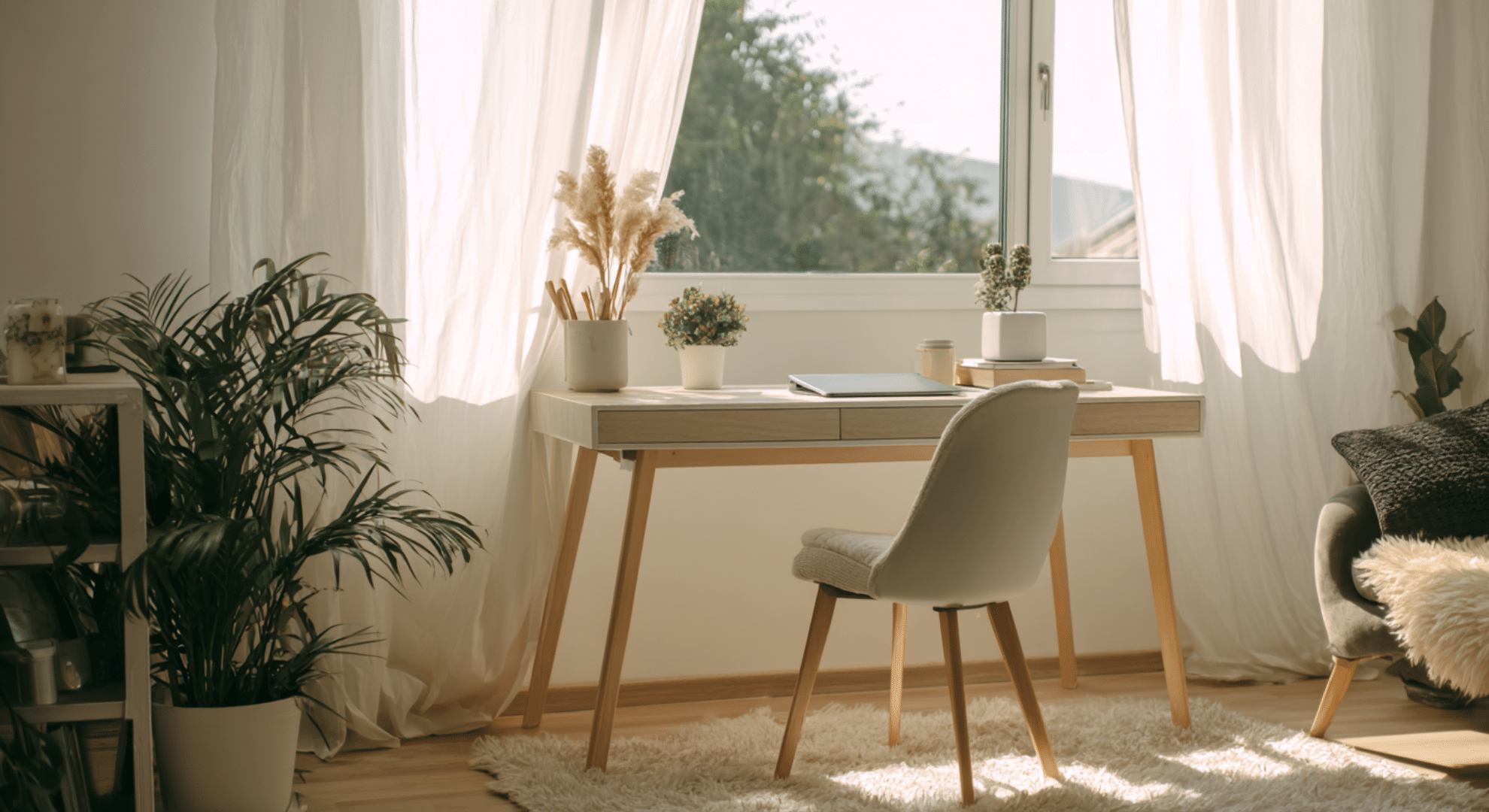
This area shows up in your surroundings. When things feel cluttered, messy, loud, or chaotic, your stress level rises without you noticing.
You may find it harder to relax, think clearly, or start anything new. Your environment affects your mood more than you realize — even small shifts can change how you feel.
Your surroundings affect your mind more than you think. Cleaning up clutter can help you think clearly. Nature can lift your mood, even just sitting outside for a few minutes.
Creating a space that feels safe and calm supports your mental health. Environmental care is self-care; right where you live.
Sample Self-Care Checklist That You Can Follow
Not sure where to begin? Here’s a simple checklist to help you care for your body, mind, and feelings. Use it as a gentle reminder, not a strict rule. Pick what works for you and leave what doesn’t. You can always change it to fit your needs.
Physical Self-Care
- Drink 6–8 glasses of water
- Eat three balanced meals
- Move your body for at least 15 minutes
- Sleep 7–8 hours
- Take needed meds or vitamins
- Schedule or go to any health checkups
Mental Self-Care
- Read something enjoyable or helpful
- Take breaks from screens or social media
- Write down anything that’s crowding your mind
- Practice quiet time or deep breathing
- Step away when things feel too much
Emotional Self-Care
- Check in with how you’re feeling
- Write in a journal for 5–10 minutes
- Say no to something that drains you
- Use kind, honest words with yourself
- Talk to someone you trust
- Let yourself feel without guilt
Social Self-Care
- Talk or message someone you care about
- Spend time with people who make you feel safe
- Skip plans if you feel too tired
- Be honest about what you need
- Set limits with people who stress you out
Spiritual Self-Care
- Meditate, pray, or reflect for 5 minutes
- Think about what gives your life meaning
- Spend time in nature or quiet
- Write down one thing you’re thankful for
- Read or listen to something that lifts your spirit
Environmental Self-Care
- Tidy up one small space
- Open windows for fresh air
- Add something calming to your space (plant, candle, soft light)
- Spend a few minutes outside
- Clear out one item you no longer need
You don’t need to check every item. Even doing one or two can make a big difference. The goal is to care for yourself in ways that feel kind, real, and doable.
How to Make Self-Care a Habit
Making self-care a habit starts with keeping it simple. You don’t need a long list or a perfect routine. Start with one or two small things that feel doable each day, like drinking water in the morning or taking five minutes to breathe before bed.
Pick a time that fits your day, and link your habit to something you already do. For example, stretch after brushing your teeth, or write in your journal before checking your phone.
Keep it visible. Put a note on your mirror, or use a checklist on your fridge or phone. That little reminder helps.
Also, be kind to yourself if you miss a day. Self-care isn’t about being perfect; it’s about showing up for yourself again and again.
Over time, these small steps add up. The more you repeat them, the more natural they feel. And that’s how it becomes part of your life.
Conclusion
Taking care of myself hasn’t always been easy. But having a self-care checklist helps me figure out what I need, when I need it. It gives me a simple way to check in with my body, mind, and feelings without having to guess or overthink it.
Now it’s your turn. Think about which parts of the list stood out to you. Start small. Pick one thing and try it for a few days.
This list should fit your life, not the other way around. The more you use it, the easier it’ll feel.
If this helped you pause and focus on yourself, don’t stop here. There are more blogs with real, simple ideas that can help you keep going. Check them out when you’re ready!