Some light can actually help your skin. I used to ask myself what does blue light therapy do and if it was just another trend.
Turns out, it helps kill the bacteria that cause acne and can calm red, swollen spots. I was surprised it didn’t involve creams or harsh treatments, just light that feels gentle on the skin.
If you’re curious too, you’re in the right place. Here, you’ll learn how blue light therapy works, who it’s for, and what results you might see.
I’ll also talk about safety, myths, and how to use it at home or with a doctor. You’ll leave with a clear idea of what to expect and whether it’s worth trying for yourself.
What is Blue Light Therapy?
Blue light therapy is a skin treatment that uses short-wavelength visible light, typically 405-420 nanometers (nm), to help treat acne and other skin conditions.
The light targets bacteria on the skin, especially Cutibacterium acnes, which cause pimples. The light damages the bacteria so they can’t grow, which helps clear the skin.
There are three main ways to get blue light therapy:
In-office LED treatments
A doctor or skin specialist uses a strong blue LED light. It’s painless, fast (usually under 30 minutes), and doesn’t need any extra products. These are good for mild to moderate acne and are done in a clinic setting.
PDT (Photodynamic Therapy)
This is a more intense treatment. A doctor first applies a photosensitizer to your skin. Then they shine the blue light. The solution helps the light go deeper. This is often used for more severe acne or sun-damaged spots.
At-home LED devices
These are weaker versions of in-office LED lights. They’re safe for regular use but take longer to show results. They’re best for mild acne and need consistent daily or weekly use.
Each method has the same goal: killing acne bacteria, but they vary in strength, cost, and speed of results.
What Does Blue Light Therapy Do
Blue light therapy targets the root cause of many breakouts: acne-causing bacteria. These bacteria live on your skin and inside your pores.
They produce natural compounds called porphyrins. When blue light hits these porphyrins, it creates a burst of oxygen that damages the bacteria and makes it hard for them to survive.
This is how the light helps clear up acne without needing harsh creams or antibiotics.
Blue light also has anti-inflammatory effects. It helps calm the skin, reduces redness, and may make pimples look less swollen.
Since it only reaches the outer layers of the skin, it works best for surface-level acne like whiteheads and blackheads, rather than deep cysts.
When it comes to collagen or skin texture, blue light has only mild effects. It’s not strong enough to boost collagen the way red light therapy can.
Red light goes deeper and helps with healing, fine lines, and firmness. Blue light might slightly smooth the skin if breakouts are reduced, but that’s a side benefit, not the main result.
In short, blue light is most effective for fighting acne bacteria, calming inflammation, and helping with surface breakouts. It’s gentle, easy to use, and works without damaging your skin barrier.
Who Can Benefit from Blue Light Therapy
Blue light therapy isn’t just for acne; it may help with several skin conditions. Its main strengths are fighting bacteria and calming the skin, but some people may also see other benefits.
Here’s a closer look at how blue light therapy for skin is a game-changer and what to expect for each condition:
1. Acne & Oily Skin
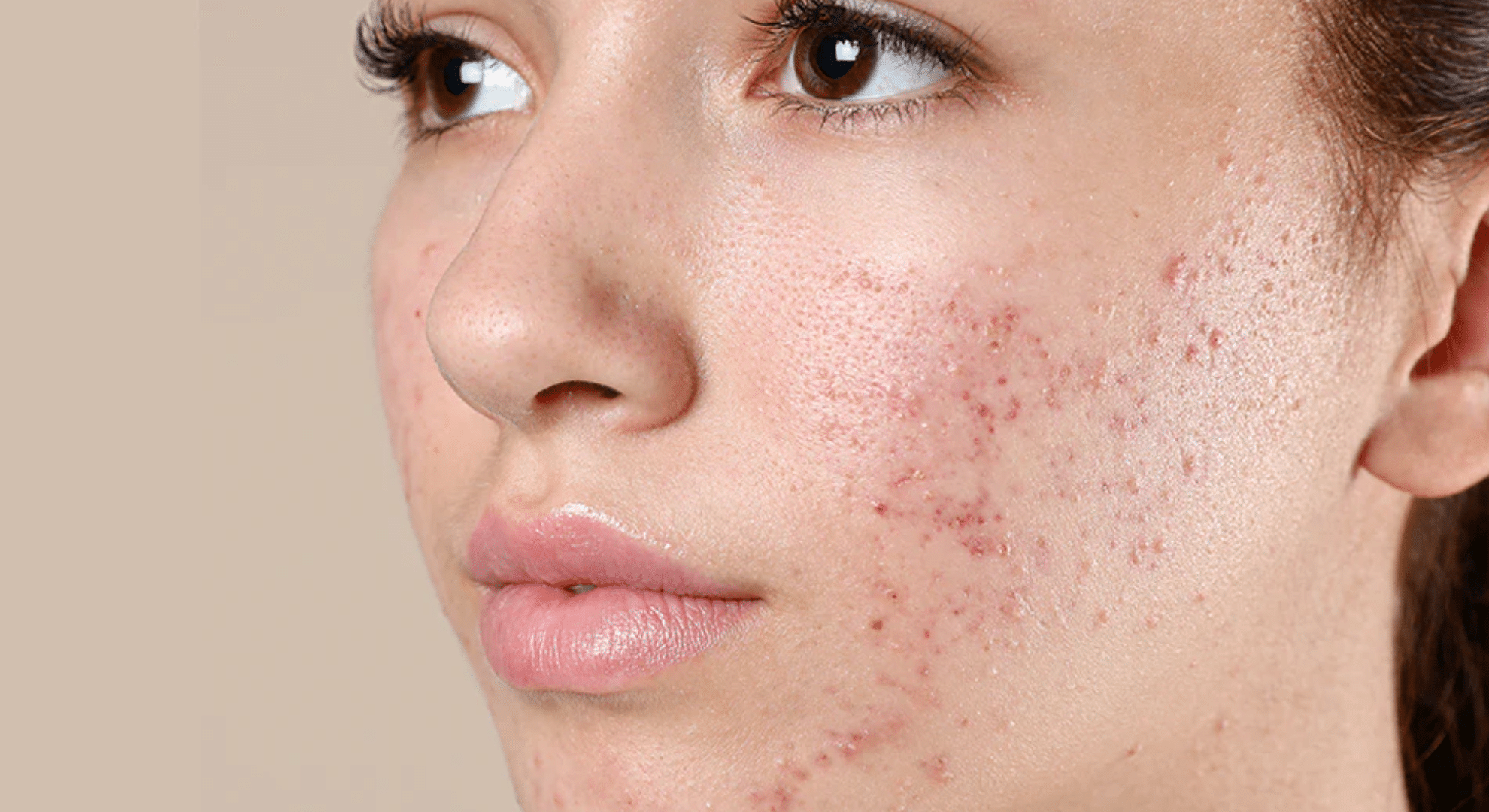
Blue light therapy works best for mild to moderate acne. If you get regular breakouts or have oily skin, it can help reduce bacteria and calm redness.
For severe acne, it may not be enough alone, but it can still support other treatments. Results take time—usually several weeks.
2. Actinic Keratoses (AK)
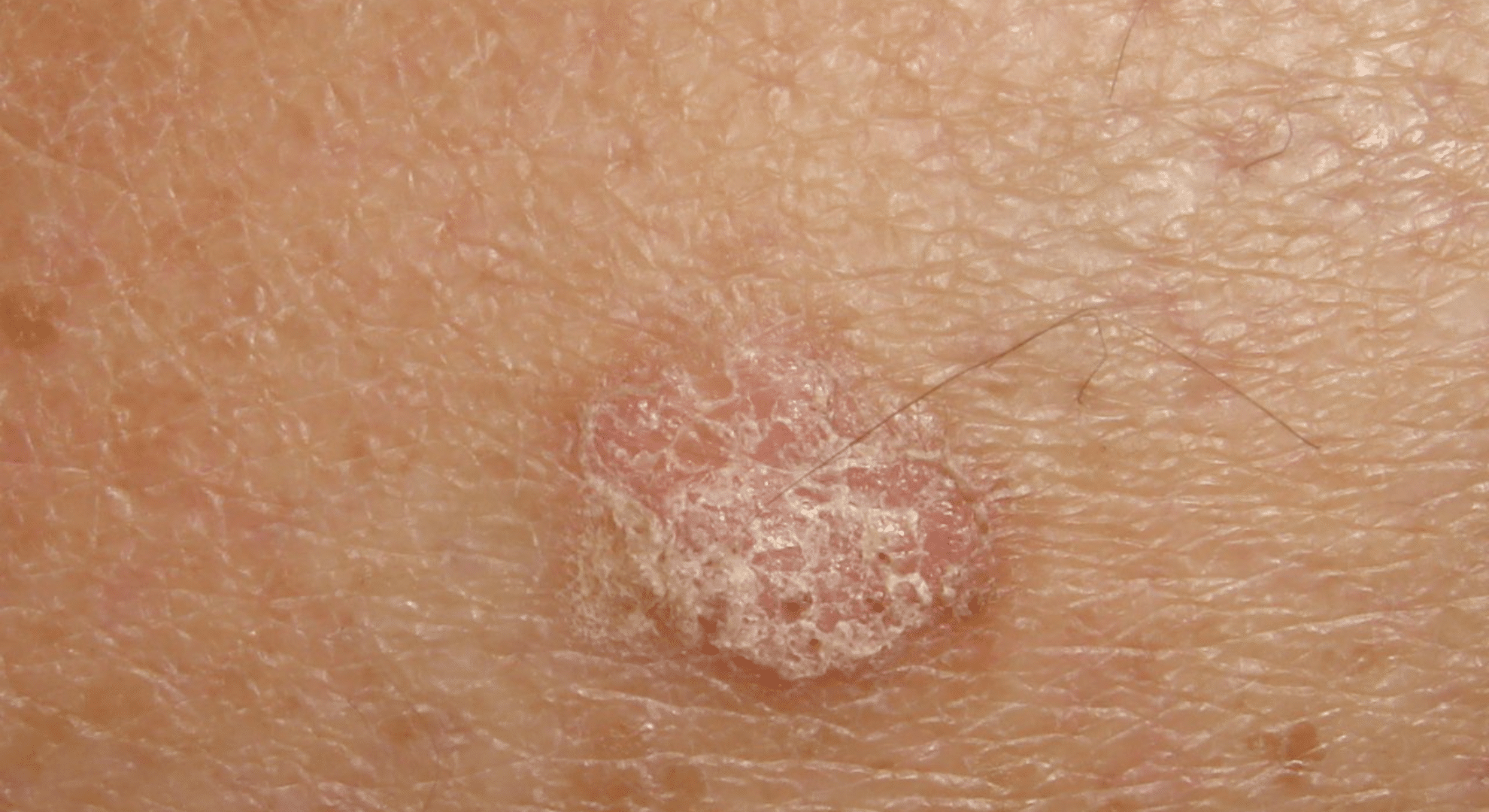
Blue light is often used with photodynamic therapy (PDT) to treat actinic keratoses: rough, scaly patches from sun damage. It’s best for people with fair skin or mild cases.
Without PDT, the light alone has a limited effect. A dermatologist can tell you if you’re a good fit for this treatment.
3. Rosacea, Eczema, Psoriasis
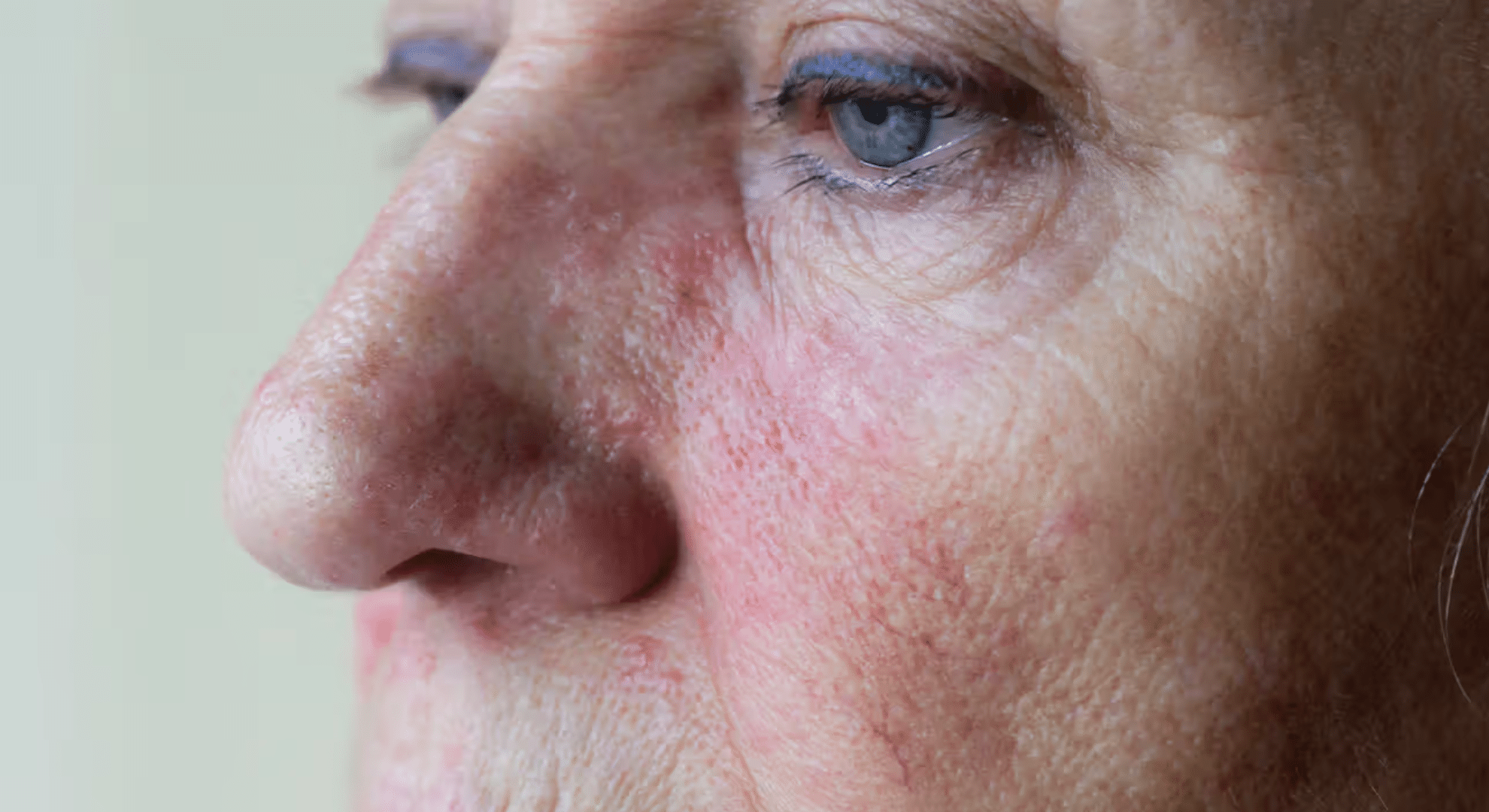
Early studies suggest blue light may help lower inflammation in rosacea, eczema, and psoriasis, but results vary. It’s not a main treatment yet, but it may support other care.
Ask your dermatologist if it’s safe for your skin and won’t trigger flare-ups, especially if your skin is sensitive.
4. Wound Healing & Scars
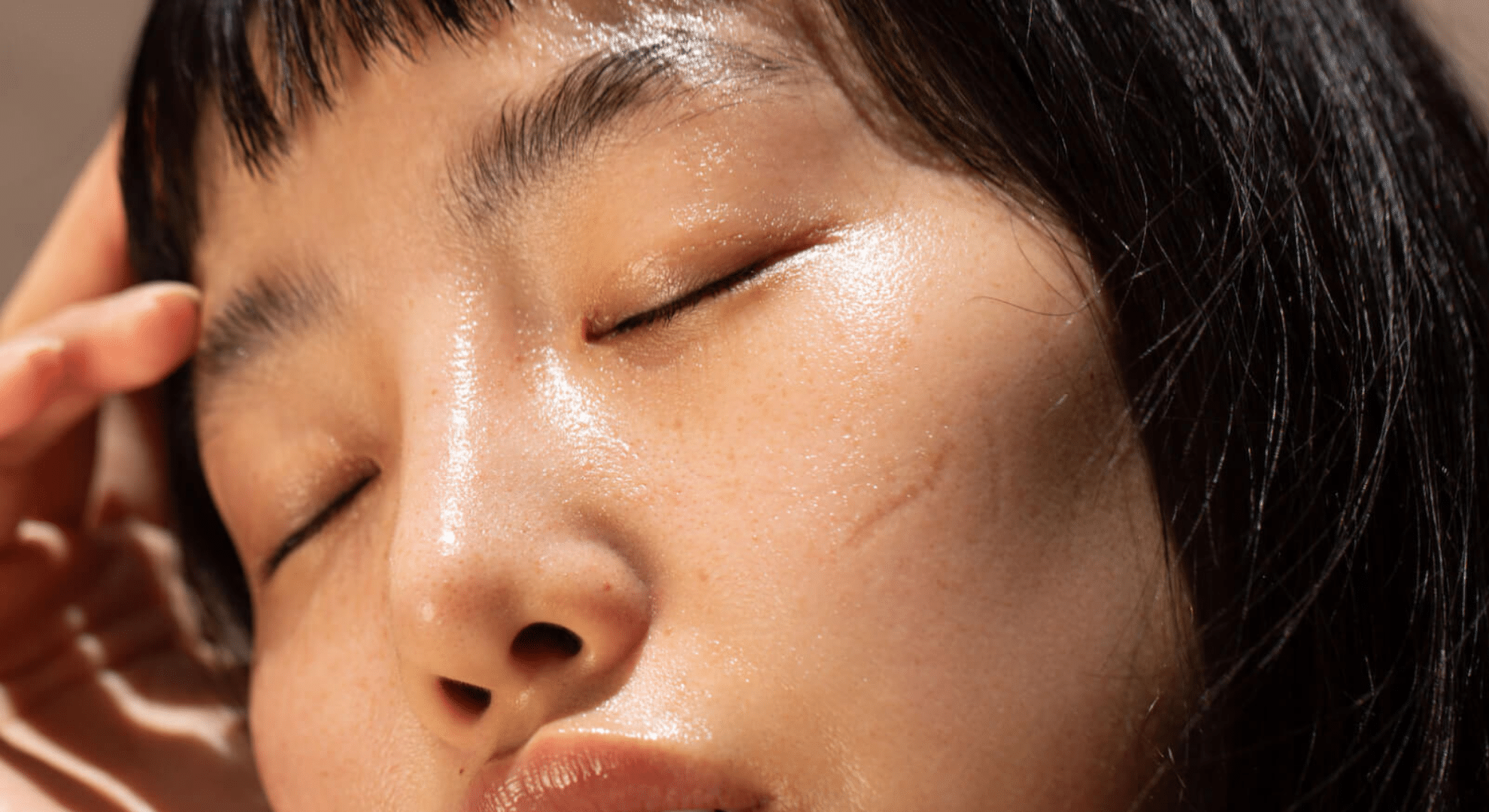
Blue light may help heal small wounds and calm inflamed scars by reducing bacteria and irritation. However, it doesn’t rebuild tissue like red or infrared light.
Its role is supportive; it keeps the area clean and calm, but won’t repair deep scars or major skin damage on its own.
Treatment Parameters
Understanding the right “dose” of blue light therapy can help you get better results. Too little won’t help much, and too much could irritate your skin. The dose depends on three main things:
- Wavelength: The color of light (blue is around 405–420 nm).
- Irradiance: How strong the light is, usually measured in mW/cm² (milliwatts per square centimeter).
- Fluence: The total energy your skin receives during a session. Measured in J/cm² (joules per square centimeter).
Here’s the key formula:
Fluence (J/cm²) = Irradiance (mW/cm²) × Time (seconds) ÷ 1000
This means that both the power of the light and how long you use it matter.
Typical Treatment Parameters by Condition
Blue light therapy isn’t one-size-fits-all. The right settings depend on your skin type, condition, and if you’re using a clinic device or one at home.
Here’s a simple breakdown of common treatment details to help you understand what to expect and what actually works:
| Condition | Wavelength (nm) | Irradiance (mW/cm²) | Fluence (J/cm²) | Session Length | Cadence | Total Course |
|---|---|---|---|---|---|---|
| Mild Acne | 415 | 20–40 | 10–20 | 10–20 mins | 2–3x per week | 4–6 weeks |
| Moderate Acne (PDT) | 415 + ALA | 50–100 | 37–100+ | 15–30 mins | 1x every 2–4 weeks | 1–4 sessions |
| Actinic Keratoses | 417 + ALA/MAL | 50–150 | 37–150 | 8–15 mins | 1–2x total | As directed by the doctor |
| Rosacea / Eczema | 415 | 10–20 | 5–10 | 5–10 mins | 1–2x per week | Ongoing / based on results |
| Psoriasis | 417 | 20–30 | 10–15 | 10–15 mins | 2–3x per week | 4–8 weeks |
| Wound Healing / Scars | 415 | 5–10 | 4–8 | 5–10 mins | Daily or every other day | Until the wound calms/heals |
Home devices usually fall on the lower end of irradiance, so they require more sessions for the same effect. In-office tools deliver higher doses faster.
Getting the dose right helps avoid wasting time or irritating your skin. Always start low if you’re using a home device and increase slowly based on results and comfort.
What to Expect During a Visit
Knowing what a session looks like, if at a clinic or at home, can help you feel more prepared and get better results. Here’s how both options usually go:
In-Office LED Treatment (Without PDT)
A standard LED blue light session is quick and painless. Here’s the usual flow:
- Your skin is gently cleaned (no makeup, sunscreen, or lotion).
- You lie back while a panel or lamp is placed a few inches from your face.
- You wear protective goggles to shield your eyes.
- The blue light is turned on for about 10–20 minutes.
- That’s it, there’s no downtime, and you can go back to your day.
In-Office PDT (Photodynamic Therapy)
If you’re getting blue light with a photosensitizer (like ALA):
- The doctor applies the solution and lets it sit (usually 30–60 minutes) so it can soak in.
- Then the blue light is used for 10–20 minutes.
- You may feel warmth, tingling, or slight stinging.
- Afterward, your skin may be red or peeling for a few days.
- You’ll need to avoid sunlight for 48 hours.
At-Home Routine
Using a home LED device is simpler but needs more consistency:
- Wash and dry your face before each session.
- Hold the device or place the mask about 4–6 inches from your skin, or as directed.
- Keep it on for 10–20 minutes per session.
- Most plans suggest doing this 3–5 times per week, depending on the device’s strength.
- Track your progress every few weeks. Take photos or keep notes.
- Be patient, visible changes usually take 4–8 weeks.
- If you notice irritation, reduce how often or how long you use it.
With either method, the key is consistency. Results build slowly, but if you stick with the routine, many people see clearer, calmer skin over time.
In-Office vs. At-Home: Which Should You Choose?

Blue light therapy can be done either in a clinic or with a device at home. The best choice depends on your skin condition, schedule, budget, and how fast you want to see results.
Below is a clear breakdown to help you decide what works best for your situation:
| Feature | In-Office Treatment | At-Home Device |
|---|---|---|
| Power | High (stronger output) | Low to moderate |
| Coverage | Full face or larger areas | Smaller area or mask-based |
| Supervision | Done by a professional | Self-guided at home |
| Time to Results | Faster (2–4 weeks) | Slower (4–8+ weeks) |
| Cost | Higher per session | One-time purchase (varies) |
| Downtime | None to mild (PDT may peel) | None |
Which One is Right for You?
If you’re not sure where to start, answering a few simple questions can point you in the right direction. This will help you figure out if in-office treatment or an at-home device fits your needs best:
- If you’re working with a smaller budget, an at-home device may be the better choice since you only pay once. In-office treatments can cost more over time, especially with multiple sessions.
- If you have mild to moderate acne, an at-home device might be enough to manage it. For more severe acne or sun-damaged skin, in-office treatments, especially with PDT, are more effective and better supervised.
- If your skin is very sensitive, it’s safer to begin with a low-intensity at-home device. If your skin tolerates treatments well, you may benefit more from the stronger light used in professional settings.
- If you’re on acne treatments like Accutane or retinoids, you should check with a dermatologist before starting any light therapy. These medications can make your skin more sensitive to light.
- If your schedule is tight, an at-home routine gives you the flexibility to use the device when it’s convenient for you. If you can regularly attend appointments and want quicker results, in-office sessions may be a better fit.
Both methods can work well; it’s just a matter of which one fits your skin, lifestyle, and goals.
Benefits You Can Expect and When
Blue light therapy isn’t instant, but with steady use, it can lead to visible improvements. The results depend on your skin type, the condition being treated, and how often you use the light.
Below are the most common benefits and when you might start to notice them:
What Can You Expect?
- Fewer acne lesions: Blue light helps kill C. acnes bacteria, so you may see fewer whiteheads, blackheads, and small, inflamed pimples.
- Less oil: It can help reduce oil production in the skin, especially in people with oily or acne-prone skin.
- Calmer redness: Skin may look less irritated and inflamed over time.
- Smoother texture: As breakouts fade and inflammation goes down, your skin may feel more even and soft.
These effects build slowly with consistent use.
General Timeline for Different Conditions
While results vary from person to person, most people start noticing changes within a few weeks. Here’s a general idea of how long it takes to see results based on the specific skin condition you’re treating:
Mild to Moderate Acne
You may begin to see small improvements like fewer breakouts and less redness within 2 to 4 weeks of regular use.
More noticeable changes usually show up around 6 to 8 weeks. For lasting results, it’s important to stay consistent, even after your skin starts to clear.
Actinic Keratoses (AK) with PDT
With in-office PDT treatment, you may notice peeling and redness in the first few days. Treated spots often improve in 7 to 14 days, with full results showing in 2 to 4 weeks.
For most people, one to two treatments are enough, but your doctor may recommend more.
Inflammatory Skin Conditions
For these conditions, blue light may help reduce redness and inflammation slowly. Improvements often begin within 3 to 6 weeks if used regularly, especially in milder cases.
This use is still being studied, so talk to your dermatologist to see if it’s right for your skin.
Risks, Side Effects, and Who Should Avoid Blue Light Therapy
Blue light therapy is considered safe for most people, but like any treatment, it comes with a few risks. Some mild side effects are common, especially in the first few sessions or after more intense treatments.
Common short-term effects may include:
- Mild redness, dryness, or irritation
- Peeling or flaking (more common with PDT)
- Temporary stinging or warmth during the session
- Increased sensitivity to sunlight after treatment
Using a gentle moisturizer and sunscreen can help your skin heal more comfortably.
People who are pregnant, breastfeeding, or taking medications that make the skin sensitive to light, like certain antibiotics or acne pills, should speak with a doctor before starting.
Conditions like lupus, active infections, or recent use of strong skin products (like retinoids) also call for medical clearance.
Eye protection is a must during treatment. If you’re at home or in a clinic, you should never look directly at the light.
If you have a darker skin tone (Fitzpatrick IV-VI), you may be more likely to develop dark spots after treatment, a condition called post-inflammatory hyperpigmentation. To lower this risk, it’s best to start with shorter sessions, avoid other irritating products, and protect your skin with sunscreen.
A dermatologist can guide you if you’ve experienced dark marks after treatments in the past.
Comparing Blue, Red, and Combination Light Therapy
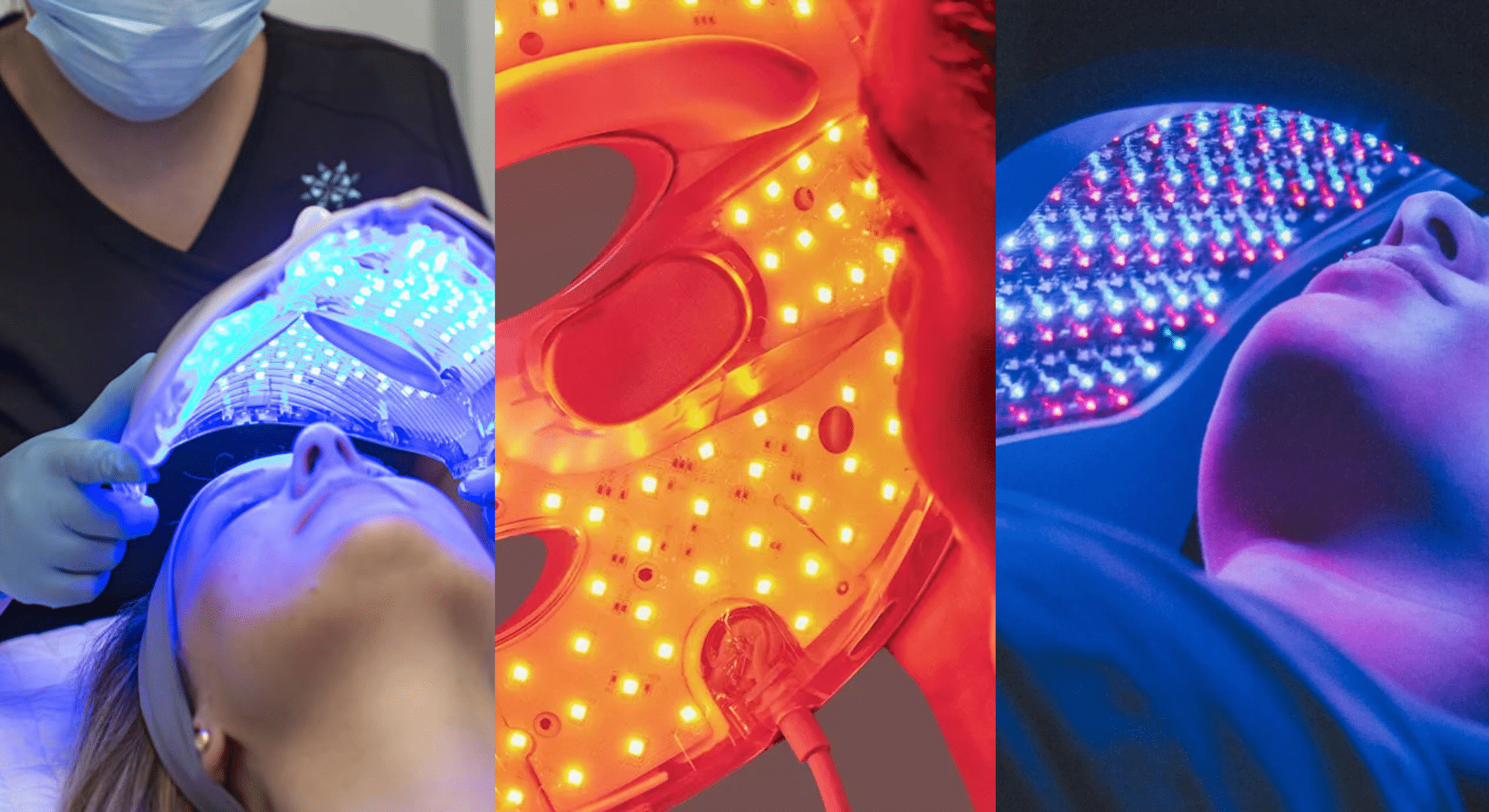
Blue and red light target different skin concerns. While blue light is great for acne and oily skin, red light works better for anti-aging and healing.
Some devices offer a combination of both, which can be useful when your skin needs more than one type of care. Understanding what each light does helps you choose the right option based on your goals.
Which Light Works Best for Your Skin Goals?
Each type of light supports the skin in a different way. Before you start treatment, it helps to match the right light with your specific goals.
Here’s a simple breakdown of what blue, red, and combo light therapy are best used for:
| Skin Goal | Blue Light | Red Light | Blue + Red Combo |
|---|---|---|---|
| Acne / Oily Skin | Helps kill acne-causing bacteria and reduce oil | Calms inflammation and supports healing | Useful for treating breakouts and soothing the skin |
| Anti-Aging | Not effective | Supports collagen, helps reduce fine lines | Good if aging skin also has acne or sensitivity |
| Redness / Rosacea | May slightly reduce redness | Calms the skin and reduces visible irritation | Helpful for redness with mild acne or skin stress |
| Wound Healing / Scars | Keeps the skin surface clean during healing | Helps repair skin and fade scars over time | Best for active acne and post-breakout healing |
This dual approach is also useful for sensitive skin, as red light can help reduce irritation that can sometimes occur with blue light use.
Some devices offer built-in combo modes, while others let you run one light after the other.
Conclusion
Blue light therapy showed me that treating acne doesn’t always need to be harsh or complicated. I found that using light to target acne-causing bacteria helped calm my skin and made a real difference over time.
Learning what blue light therapy does gave me a new, gentle way to manage breakouts without overdoing my routine.
Now it’s your turn to think about how it could fit into your skincare habits. If you deal with pimples, oily skin, or irritation, blue light might be worth trying.
And if you’re unsure, talk to an expert first. Want more simple skincare? Check out other blogs on the website for clear tips you can actually use!