Water damage rarely announces itself. One afternoon you notice a soft spot in the floor, or a stain on the ceiling that wasn’t there last week. By the time most homeowners start paying attention, the problem has usually been building for a while.
That’s what makes it tricky to deal with. It’s not the dramatic burst pipe flooding a basement, but the slow leak behind a wall that’s been rotting wood framing for three months. A tiny drip from a dishwasher hose can soak under flooring before you ever feel it underfoot. Mold doesn’t wait for a convenient moment to start growing, either. Give it 24 to 48 hours of damp conditions and it’s already getting established.
The Damage Is Usually Further Along Than You Think
Drywall, insulation, and subfloor materials absorb moisture and hold onto it. The surface can feel or even read as dry while the structure underneath is still saturated. This is why restoration companies use moisture meters and infrared cameras rather than just eyeballing things, because visible dryness doesn’t mean actual dryness.
The cost gap between catching something early and catching it late is enormous. A slow sink leak found at two months might mean replacing a piece of cabinet backing. Found at eight months, you’re potentially looking at mold remediation, new flooring, and a complicated insurance conversation.
Katie Wilson, CEO of Spaulding Decon, describes how her teams handle unexpected discoveries mid-job: “If we come across as an example potential mold, right, we will stop what we’re doing. We will point this out and then refer the correct pathway forward.” That kind of pause matters, because water damage has a habit of revealing secondary problems that outlast the original incident.
According to Spaulding Decon, acting quickly is one of the biggest factors in reducing long-term damage and avoiding expensive repairs. Their water damage restoration and cleanup services are designed to help homeowners recover safely after unexpected water events.
Where Water Damage Starts
Plumbing failures are the most common culprit, especially in older homes where pipes are already corroded or joints have loosened over years of pressure. But appliances account for plenty of damage too. Washing machine hoses, refrigerator ice lines, water heater connections, these wear out quietly and often fail when no one is around to notice.
Storm-related damage is a different category. Heavy rain against a compromised roof, gutters that haven’t been cleaned and are routing water toward the foundation, basements with any kind of crack in the walls, all of these create vulnerabilities that only become obvious during bad weather. Many of the warning signs homeowners ignore early on are covered in this guide on water damage in your basement and waterproofing solutions.
Other common sources include:
- Frozen or burst pipes
- Roof leaks
- Blocked or overflowing gutters
- Appliance malfunctions
- Sewer backups
- Foundation cracks
- Faulty plumbing connections
What to Do in the First 24 Hours
Safety comes first, which mostly means dealing with electricity. If water is anywhere near outlets, wiring, or a breaker panel, shut off power to the affected area before doing anything else. Standing water and live circuits are a serious combination.
After that, stop the source. Main water shutoff, a tarp on the roof, whatever applies. Then, before you move or throw anything away, photograph and video everything. It’s tedious, but it protects you during the insurance process.
The instinct to grab fans and start drying is understandable but limited. Surface airflow doesn’t reach moisture that’s already worked its way into flooring layers or wall cavities. That moisture keeps spreading even after things look dry on top. Homeowners dealing with flooding often would benefit from reading through the steps outlined in this guide about what to do in the first 24 hours after water damage in your home.
The Warning Signs That Are Easy to Brush Off
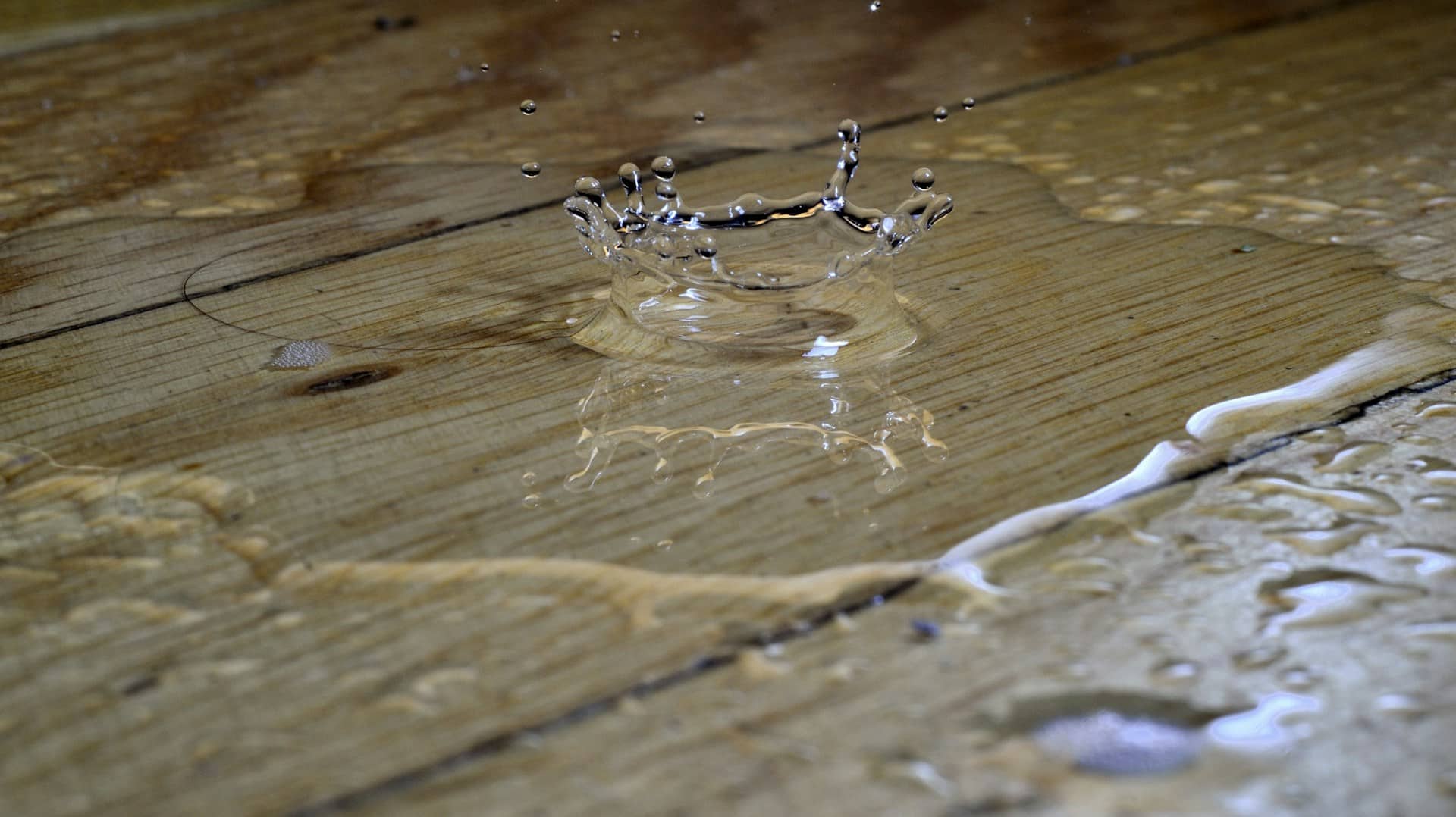
Musty smell in a room that otherwise seems fine. Paint that bubbles slightly near a baseboard. Floors that feel marginally spongy in one spot, or hardwood that’s starting to cup at the edges. Ceiling stains, especially ones with a yellow-brown ring, that appeared without an obvious explanation.
None of these announce themselves loudly. That’s the problem. By the time the damage is visible enough to be undeniable, it’s usually been going on for a while.
Thermal imaging can locate moisture pockets inside walls and flooring without cutting anything open, useful for confirming suspicions or scoping a repair before tearing out materials unnecessarily.
Why Mold Is the Problem That Follows You Home
It follows moisture. Once it gets into HVAC systems or insulation, it spreads fast and becomes much harder to contain. Symptoms of exposure vary, respiratory irritation, allergy flares, headaches, but the bigger issue is property-wise: mold that reaches structural wood or insulation means a much larger remediation job.
Industrial dehumidifiers and air movers aren’t overkill. They’re what actually dries materials rather than just the air around them. A house that looks dry and smells dry after a water event isn’t necessarily dry inside the walls.
Filing an Insurance Claim Without Making It Harder on Yourself
Coverage depends heavily on cause and timing. Burst pipes are generally covered. A leak that’s been seeping for a year because of deferred maintenance usually isn’t. Insurers also look at how quickly you responded, sitting on a water damage claim while the problem worsens can complicate what would otherwise be a straightforward payout.
Keep receipts from any emergency work. Document with photos before cleanup begins. If you’re working with a restoration company that handles insurance coordination, lean on that, adjusters respond differently to professionally documented claims.
Small Maintenance Habits That Prevent Big Repair Bills
Check under sinks periodically. Look at appliance hoses, especially washing machines and dishwashers, for cracking or mineral buildup around connections. Clean gutters before rainy season. Have the roof looked at after significant storms.
Water sensors have gotten cheap and genuinely useful, placed near a sump pump or water heater, they’ll alert your phone before a slow leak becomes a soaked subfloor. Basement and crawl space dehumidifiers handle the ambient moisture that accumulates even without any visible leak.
How to Find a Restoration Company Worth Trusting
Not every contractor does water mitigation properly. Look for certified technicians, actual moisture monitoring equipment, and someone who will explain what they’re finding instead of just presenting a bill. Spaulding Decon uses certified technicians, moisture detection tools, and structured assessments, and operates on an emergency basis, which matters because pipe failures and storm damage don’t schedule themselves for business hours.
The difference between a repair and a full restoration project often comes down to how fast someone showed up and how thoroughly they dried the structure, much like any cleaning business, speed and the right equipment separate a proper job from one that leaves problems behind. Water doesn’t improve with time.
If you’re facing a water emergency, Spaulding Decon provides emergency response, structural drying, mold prevention, and complete restoration services built around getting homeowners back to normal as quickly and safely as possible.