Water damage is one of the fastest escalating issues a homeowner can face. Within hours, moisture begins penetrating walls, flooring, and structural components. Within 24–48 hours, mold can start forming. The actions taken during the first day directly impact repair costs, safety, and overall recovery time.
Step 1: Stop the Water Source Immediately
The first priority is to stop the flow of water. This may involve shutting off the main water supply, stopping a leaking appliance, or securing areas affected by storm intrusion. If water continues to spread, damage increases rapidly and affects hidden areas.
Step 2: Identify Safety Risks
Water-damaged areas can be dangerous. Electrical systems, weakened flooring, and contaminated water create serious hazards. Avoid entering flooded spaces if electricity is still active. In cases involving gray or black water, direct contact should be avoided due to bacteria and toxins.
Step 3: Remove Standing Water Quickly
Time is critical. Standing water begins soaking into materials almost immediately. The longer it remains, the deeper it penetrates subfloors, drywall, and insulation.
Professional extraction equipment removes water far more effectively than household tools. Fast removal significantly reduces structural damage and restoration costs.
Step 4: Protect Valuable Belongings
Furniture, electronics, documents, and personal items should be removed or elevated as soon as possible. Items left in water can become permanently damaged within hours.
Porous materials absorb moisture quickly, while electronics may corrode even after brief exposure. Early action improves the chances of successful restoration.
Step 5: Start the Drying Process
Drying must begin immediately after water removal. Air circulation alone is not sufficient. Moisture often remains trapped inside walls, under flooring, and within insulation.
Industrial air movers and dehumidifiers are necessary to extract hidden moisture. Without proper drying, damage continues even if surfaces appear dry.
Step 6: Prevent Mold Growth
Mold can begin developing within 24–48 hours. Once it spreads, remediation becomes more complex and expensive.
Controlling humidity, removing wet materials, and ensuring deep drying are essential steps to prevent microbial growth. Early intervention is the most effective strategy.
Step 7: Document Damage for Insurance
Thorough documentation is essential. Photos and videos should capture all affected areas and damaged items. This helps ensure accurate insurance claims and reduces the risk of disputes.
Common Mistakes That Make Water Damage Worse
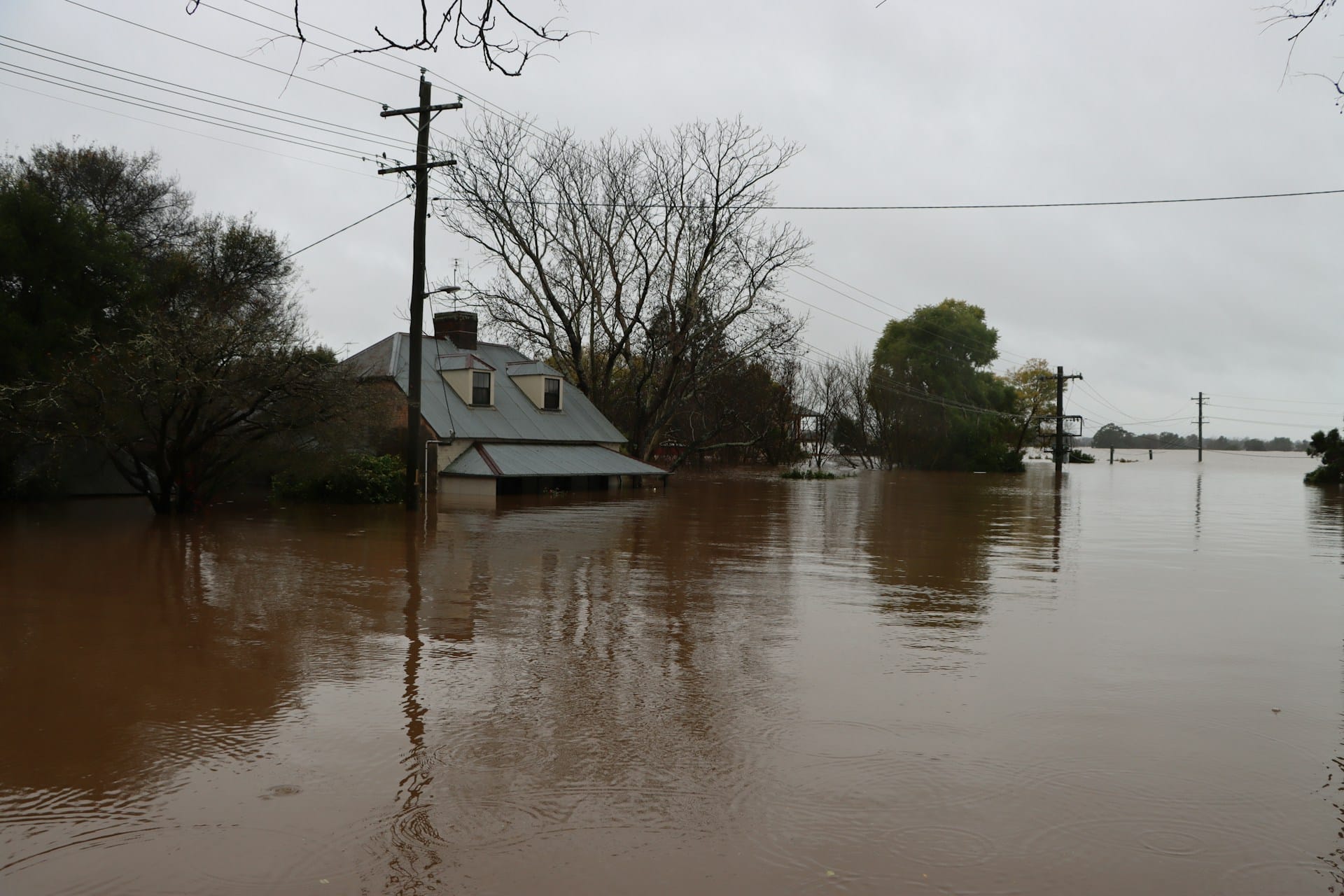
Many homeowners unintentionally increase damage by making avoidable mistakes:
- delaying water removal and allowing moisture to spread
- relying only on fans instead of proper drying equipment
- keeping materials that should be removed
- ignoring hidden moisture behind walls and floors
- attempting full cleanup without professional assessment
These mistakes often lead to mold growth, structural damage, and higher repair costs.
Why Professional Restoration Matters
Water damage is not always visible. Moisture trapped inside structural layers can remain for weeks and cause long-term deterioration.
Professional restoration includes moisture detection, structural drying, and contamination control. Companies like Quality Restoration provide rapid response and use advanced equipment to fully restore affected areas.
The First 24 Hours Define the Outcome
The difference between minor damage and major reconstruction often comes down to how quickly the situation is handled. Immediate action, proper assessment, and professional support help protect your property, reduce costs, and speed up recovery.