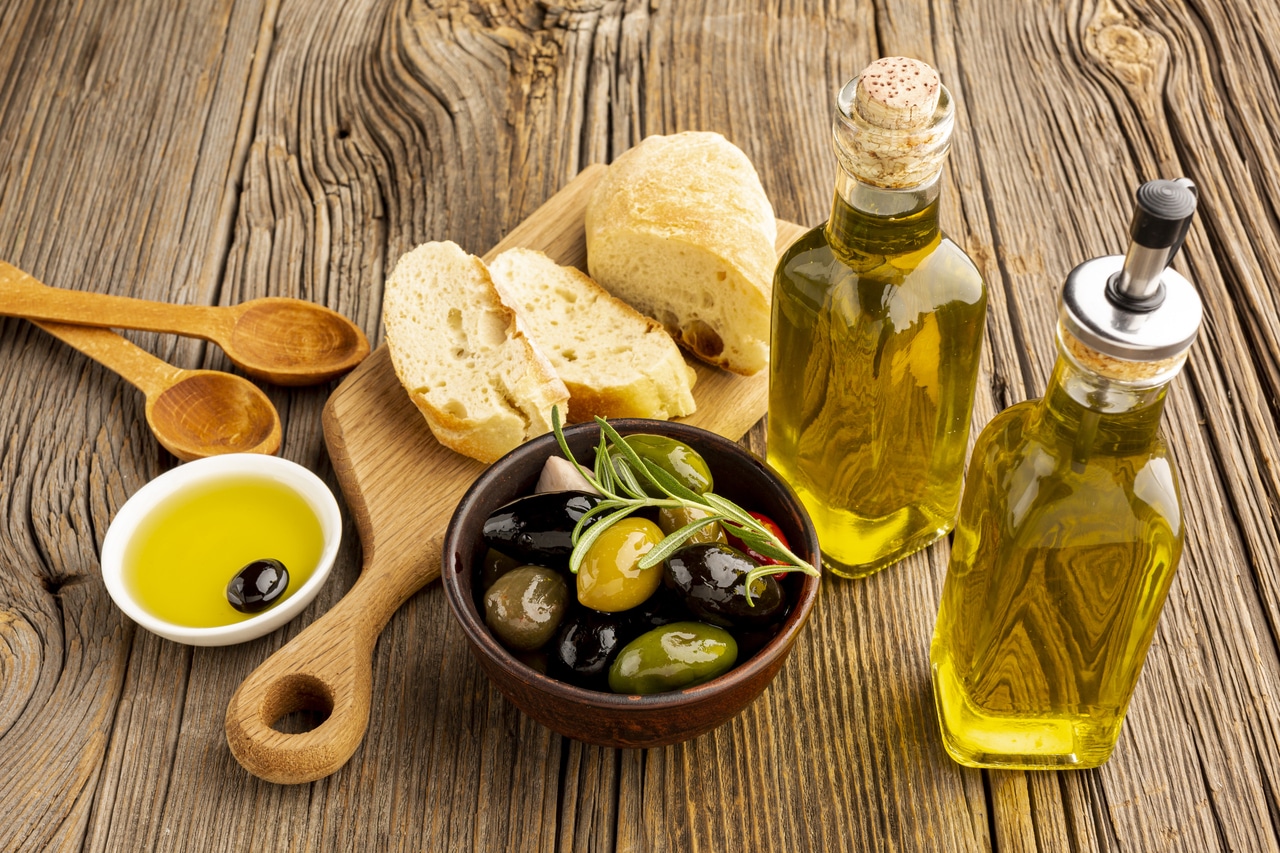
Olive oil has earned a permanent place in homes around the world, celebrated for its rich history, exceptional nutritional value, and unmatched versatility. Widely regarded as the cornerstone of the Mediterranean diet, this liquid gold offers benefits that extend far beyond the dining table. Its unique biochemical composition makes it a standout choice both as a healthy cooking oil and as a natural ingredient in botanical beauty formulations.
1. Culinary Uses of Olive Oil in Everyday Gastronomy
Olive oil is an ideal choice for cooking due to its versatility. Understanding the characteristics of different olive oil varieties ensures optimal flavor enhancement, healthy fat preservation, and proper smoke point management across various culinary techniques.
Frying and High-Heat Culinary Techniques
Pure and extra light tasting olive oils can be used for frying, as their smoke points are higher than that of extra virgin olive oil. When cooking at high temperatures, selecting an oil that maintains thermal stability is crucial. Olive oils made with refined olive oil undergo processing that strips away volatile free fatty acids, raising their smoke point significantly (up to 220°C / 428°F). This structural integrity allows home chefs to achieve deep frying, high-heat searing, roasting, and stir-frying with confidence, creating crisp food textures without burning, smoking, or imparting unwanted heavy flavors.
Medium-Low Heat Cooking and Cold Culinary Preparations
Extra virgin olive oil, on the other hand, is a great choice for medium-low heat cooking and no-cook recipes. Extracted purely through mechanical cold-pressing, extra virgin olive oil retains its natural polyphenols, squalene, and delicate aromatic compounds. It excels when used to elevate dishes through gentle heat or raw application:
- Artisanal Drizzling: Enhancing cold caprese salads, fresh mozzarella, bruschetta, and oven-roasted vegetables right before serving.
- Emulsified Dressings & Dips: Crafting homemade vinaigrettes, garlic aioli, marinades, and dipping oils infused with herbs.
- Gentle Cooking: Simmering delicate fish fillets, light sautéing of soft vegetables, and finishing hearty soups or pasta sauces.
To achieve exceptional culinary results, exploring trusted ranges like Bertolli olive oils allows home cooks to easily select the precise oil profile needed, from aromatic cold-pressed Extra Virgin for dressings to Extra Light Taste for high-temperature frying.
Olive Oil Smoke Point & Application Guidelines
- Extra Virgin Olive Oil (Smoke Point: 185°C / 365°F): Highly recommended for no-cook recipes, cold drizzling, salad dressings, bread dipping, and gentle low-to-medium heat pan-cooking.
- Pure Cooking Olive Oil (Smoke Point: 195–200°C / 383–392°F): A versatile everyday option for general sautéing, grilling, roasting, and balanced pan-frying. Depending on the specific Cooking formula, the communicated smoke point ranges from 195°C to 200°C.
- Extra Light Taste Olive Oil (Smoke Point: 200°C / 392°F): A versatile option for frying, searing, baking neutral-flavored goods, and other higher-heat cooking applications.
2. Cosmetic Uses of Olive Oil for Skin, Hair, and Nails
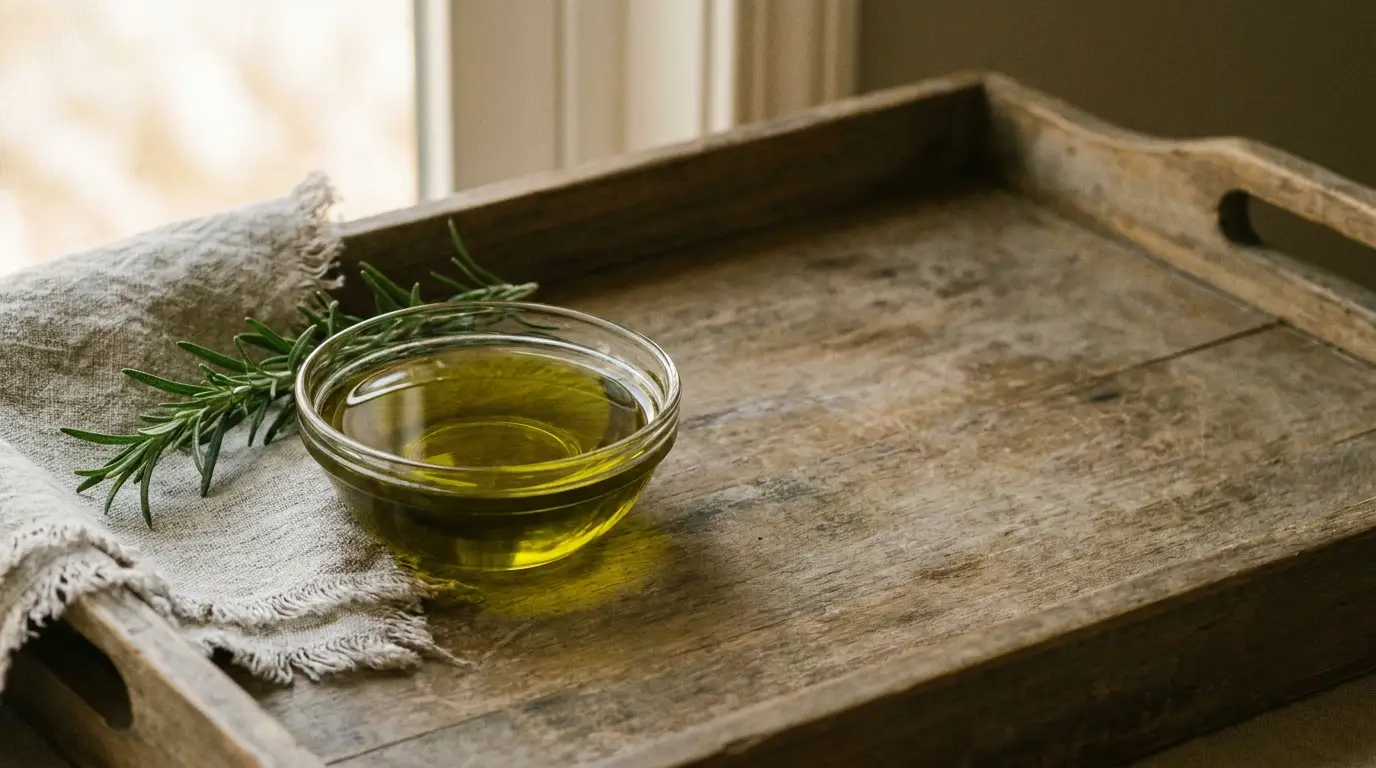
Beyond its culinary prominence, the botanical skincare benefits of olive oil have made it a favorite ingredient in organic cosmetic products, personal care formulations, and natural beauty remedies across many cultures.
Antioxidant Powerhouse: Rich in Tocopherols (Vitamin E)
Moreover, olive oil naturally contains tocopherols (vitamin E), polyphenols, and monounsaturated fatty acids, including oleic acid. For this reason, it has long been incorporated into cosmetic and personal care formulations around the world, where it is valued for its emollient properties.
Comprehensive Natural Beauty Applications
- Deep Facial & Body Hydration: Olive oil has traditionally been used as a skin moisturizer and can help leave dry skin feeling softer and smoother.
- Daily routine: Extra virgin olive oil contains occurring polyphenols and vitamin E, so it has long been used in traditional beauty routines.
- Gentle Makeup Remover & Facial Cleanser: Following the principle of “like dissolves like,” olive oil effortlessly breaks down stubborn waterproof mascara, long-wear foundation, and excess sebum without stripping the skin barrier.
- Restorative Hair Mask & Scalp Treatment: Olive oil is often used in hair care routines to help improve the appearance and feel of dry hair.
- Cuticle & Nail Conditioning: Regular application of warm olive oil softens rough cuticles, strengthens brittle nail plates, and prevents painful peeling.
- Soothing After-Sun Skin Care: Some people use olive oil as part of their after-sun skincare routine to help moisturize skin that feels dry after sun exposure.
3. How to Incorporate Olive Oil into Your Daily Wellness Routine
Integrating olive oil into your daily lifestyle is simple and rewarding. In the kitchen, replacing saturated fats like butter or margarine with olive oil promotes heart health by balancing cholesterol levels. In your skincare regimen, applying a few drops of high-quality extra virgin olive oil to damp skin right after a shower locks in hydration for a glowing complexion. Choosing the right olive oil profile for each specific task ensures you reap the full spectrum of its nutritional and beauty benefits.
From high-heat frying with refined light oils to antioxidant-rich skincare rituals, the extensive uses of olive oil in cooking and cosmetics highlight its status as one of nature’s most complete and effective multipurpose superfoods.