
Every morning spent fighting with your hair is a morning wasted. If you’ve been thinking about going shorter, a buzz cut might be exactly what you need, but “buzz cut” isn’t one haircut. It’s a family of styles ranging from near-shaved induction cuts to textured crew cuts, each suited to different face shapes, hair types, and lifestyles.
This guide walks through buzz cut styles with the guard lengths, face shapes, and maintenance schedules for each. You’ll also find a hair type breakdown and tips on common mistakes to avoid, so you can walk into the barbershop knowing exactly what to ask for.
Understanding Buzz Cuts
Guards range from #0 (nearly shaved) to #8 (about an inch long), covering a wide spectrum of lengths.
Whether it’s a single length all over or combined with fades and edge-ups, the buzz cut works for most men. Keep it simple or add structure; either way, it holds up.
Originally rooted in military tradition, the buzz cut became a cultural staple embraced by soldiers, athletes, and everyday men. It suits most face shapes and hair types, and unlike trend-driven cuts, it never really falls out of fashion.
The Types of Buzz Cuts
Buzz cuts vary in length, how the sides blend into the top, and whether they include details like designs or color. Here’s a breakdown of every major variation.
1. Induction Buzz Cut

The shortest buzz cut possible. Clippers with no guard or a #0 take hair down to the bare scalp. No styling, no decisions, just a clean reset. It’s the standard military cut for new recruits, and also a popular choice for men dealing with thinning hair who’d rather commit fully than disguise it.
- Length: #0 or no guard
- Face types: Oval, square
- Maintenance: Trim every 1–2 weeks
2. Burr Buzz Cut
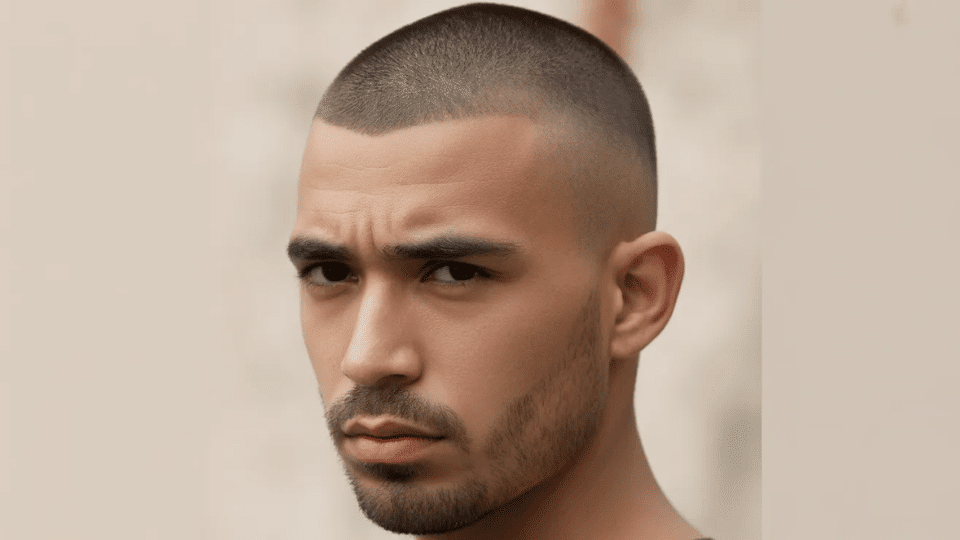
Slightly longer than an induction cut, the burr uses a #1 or #2 guard. Hair is visible but still very short, creating a subtle shadow across the scalp that feels soft to the touch. It’s a good first step if you’re not ready to go all the way to bare scalp, and it works well paired with a well-kept beard for contrast.
- Length: #1 or #2 guard
- Face types: All face shapes
- Maintenance: Trim every 1–2 weeks
3. Butch Buzz Cut

The butch cut uses a #3 or #4 guard all over, the sweet spot that most men land on for a first buzz. There’s enough length to show natural texture and color variation without looking severe. It suits professional settings just as well as casual ones, and it’s forgiving on thinning hair since the uniform length makes sparse areas far less obvious.
- Length: #3 or #4 guard
- Face types: Round, square, oval
- Maintenance: Trim every 2–3 weeks
4. Brush Buzz Cut

The brush cut uses a #4 to #6 guard, leaving enough length for hair to stand slightly upright, hence the name. It has a soft, textured appearance with more volume than shorter buzz variations. Round faces benefit from the added height, and men who want a buzz cut with just a hint of styling potential often land here.
- Length: #4 to #6 guard
- Face types: Square, oval, round
- Maintenance: Trim every 2–3 weeks
5. Long Buzz Cut
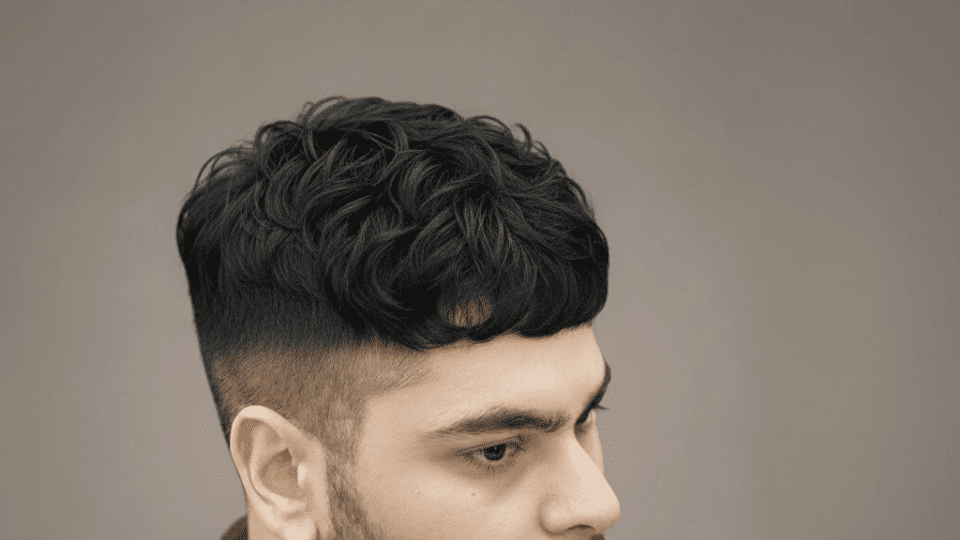
One of the longest variations, typically cut with a #6 or #7 guard. At around 3/4 inch or more, natural texture, waves, and cowlicks all show through. This is a solid choice for anyone testing short hair for the first time, it’s easy to maintain, grows out cleanly, and still looks deliberate rather than grown-out.
- Length: #6 or #7 guard
- Face types: All face shapes
- Maintenance: Trim every 3–4 weeks
6. Buzz Cut Fade
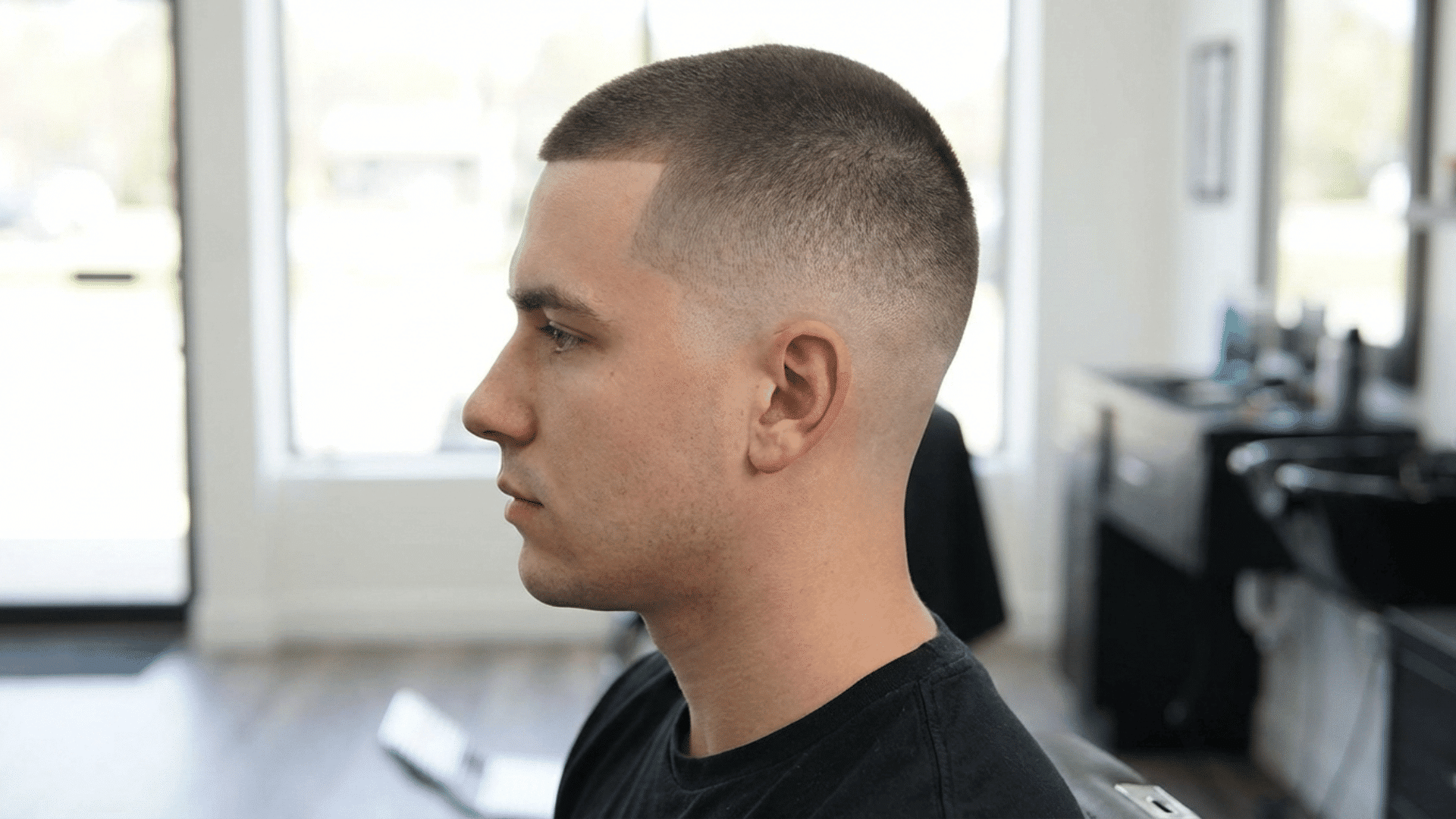
A buzz cut fade keeps the top at a consistent length while the sides and back graduate from longer to shorter. The fade adds depth and structure that a uniform cut lacks, and it works in both professional and casual settings. The specific fade position — low, mid, or high — shapes how dramatic the contrast appears.
- Length: Varies by preference
- Face types: All face shapes
- Maintenance: Trim every 1–2 weeks
7. Low Fade Buzz Cut

The low fade starts just above the ears and shortens gradually toward the neckline. Less than an inch of skin shows above the natural hairline, giving the cut a clean, understated finish. It suits most face shapes and reads as polished without being loud, a reliable choice for office environments.
- Length: Fade starts low
- Face types: Round, oval, long
- Maintenance: Touch-ups every 7–10 days
8. Mid Fade Buzz Cut
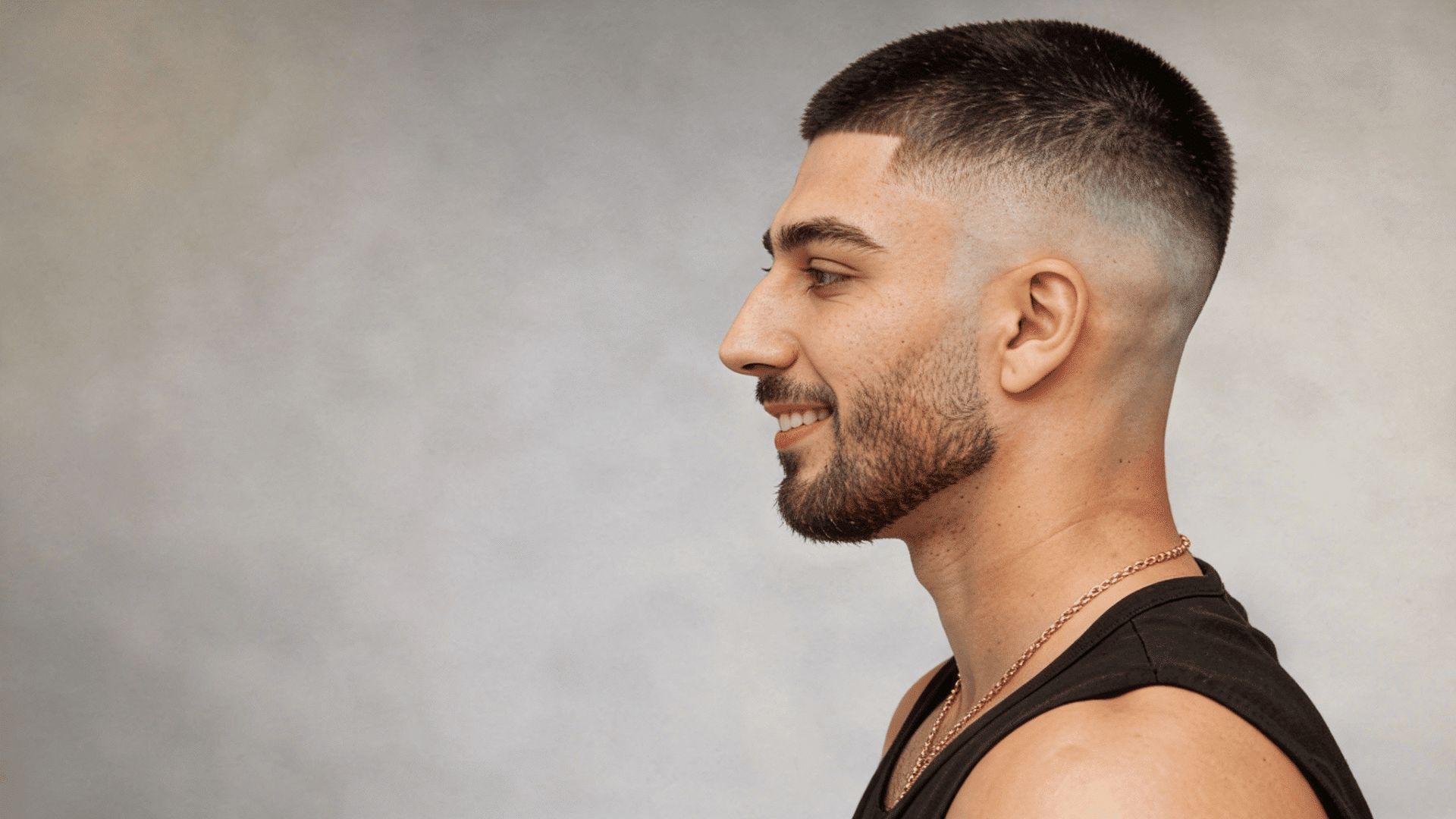
The mid fade begins around temple height, creating more contrast than a low fade without the boldness of a high fade. It’s often cited as the most versatile fade position, it sharpens cheekbones, suits virtually every face shape, and transitions naturally between professional and casual settings.
- Length: Fade starts mid-height
- Face types: All face shapes
- Maintenance: Trim every 7–10 days
9. High Fade Buzz Cut

The high fade starts well above the temples, creating maximum contrast between the top and sides. It’s a bold, contemporary choice that draws attention to facial features and head shape. Because the fade sits so high, the cut needs weekly upkeep to stay sharp — but for men who want a strong statement, it delivers.
- Length: Fade starts high
- Face types: Oval, square, long
- Maintenance: Weekly touch-ups
10. Skin Fade Buzz Cut
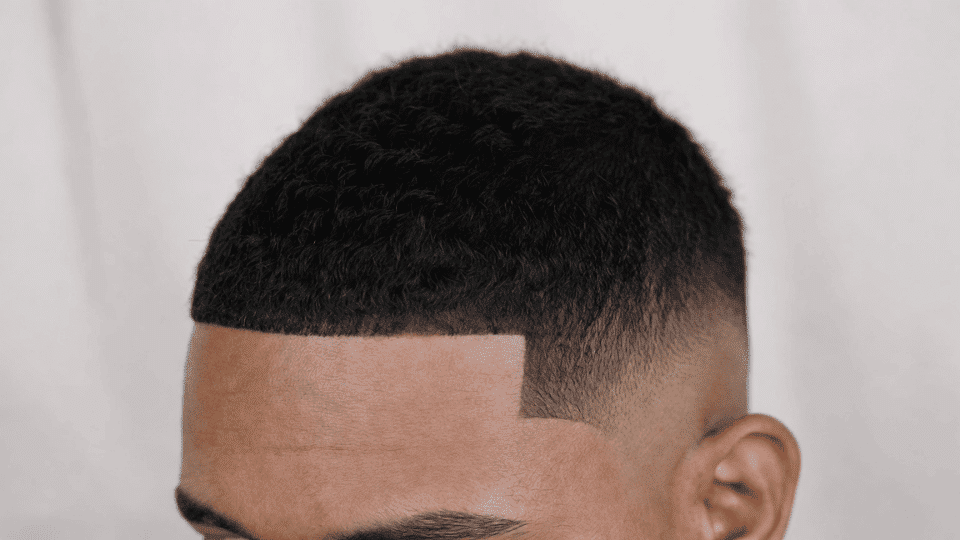
The skin fade takes the sides all the way down to bare skin at the bottom, creating a dramatic gradient from hair to scalp. Executing it cleanly requires real barber skill — a sloppy skin fade is very visible. If you’re going for this one, find a barber who does it regularly rather than guessing.
- Length: Fades to skin
- Face types: Square, oval
- Maintenance: Weekly barber visits
11. Tapered Buzz Cut

The taper is subtler than a fade; hair gradually shortens toward the neckline without ever reaching bare skin. It keeps the natural hairline intact, which reads as more conservative and polished. If your workplace frowns on skin fades, a taper gets you the same structure without the edge.
- Length: Gradual taper
- Face types: All face shapes
- Maintenance: Trim every 2–3 weeks
12. Drop Fade Buzz Cut
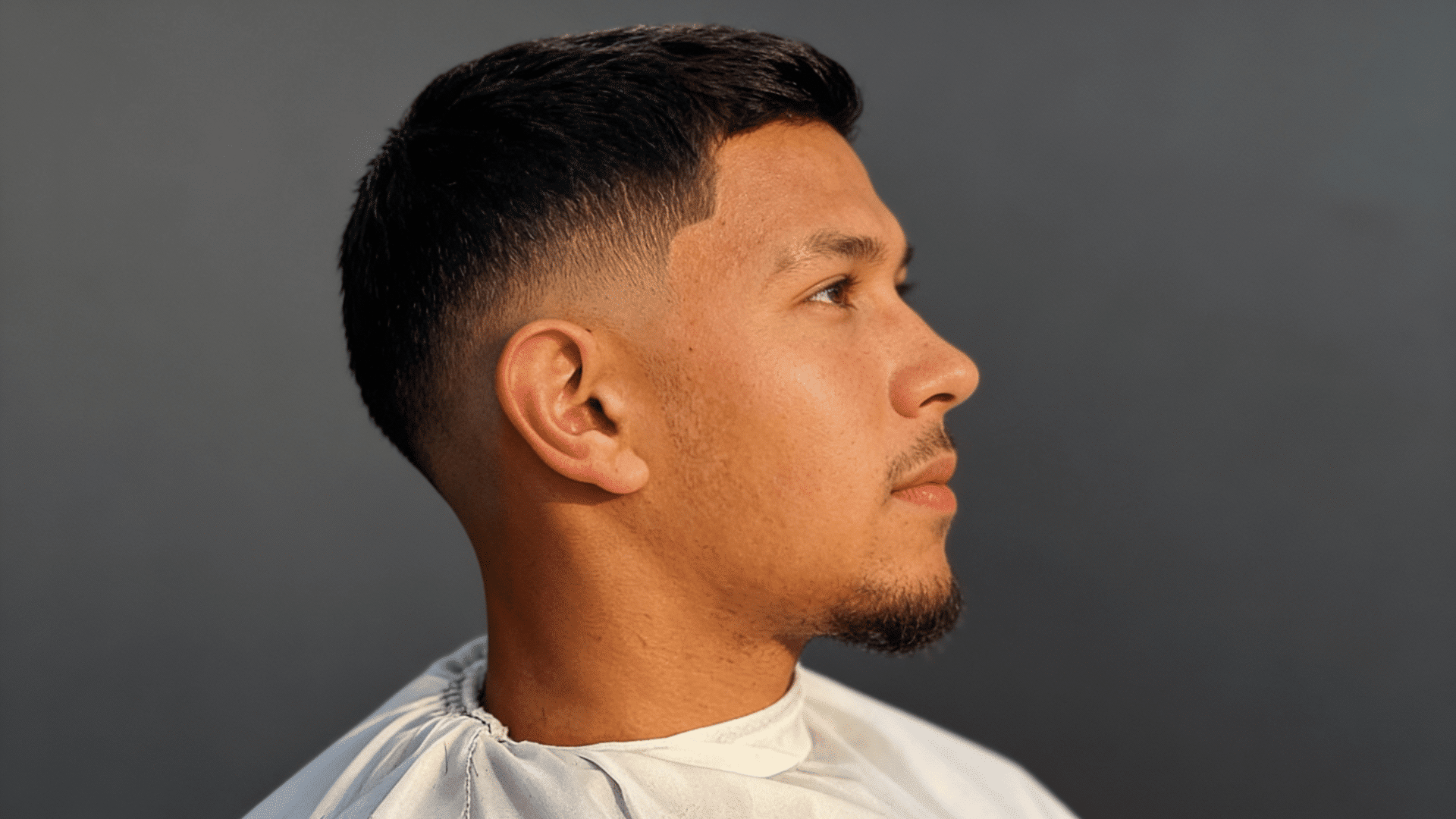
Instead of following a straight horizontal line around the head, the drop fade curves down behind the ears. The arc follows the natural contours of the skull, giving the cut a flowing, rounded finish. Men with round or oval faces often find this more flattering than a straight fade line.
- Length: Curved fade
- Face types: Round, oval
- Maintenance: Trim every 7–10 days
13. Temple Fade Buzz Cut
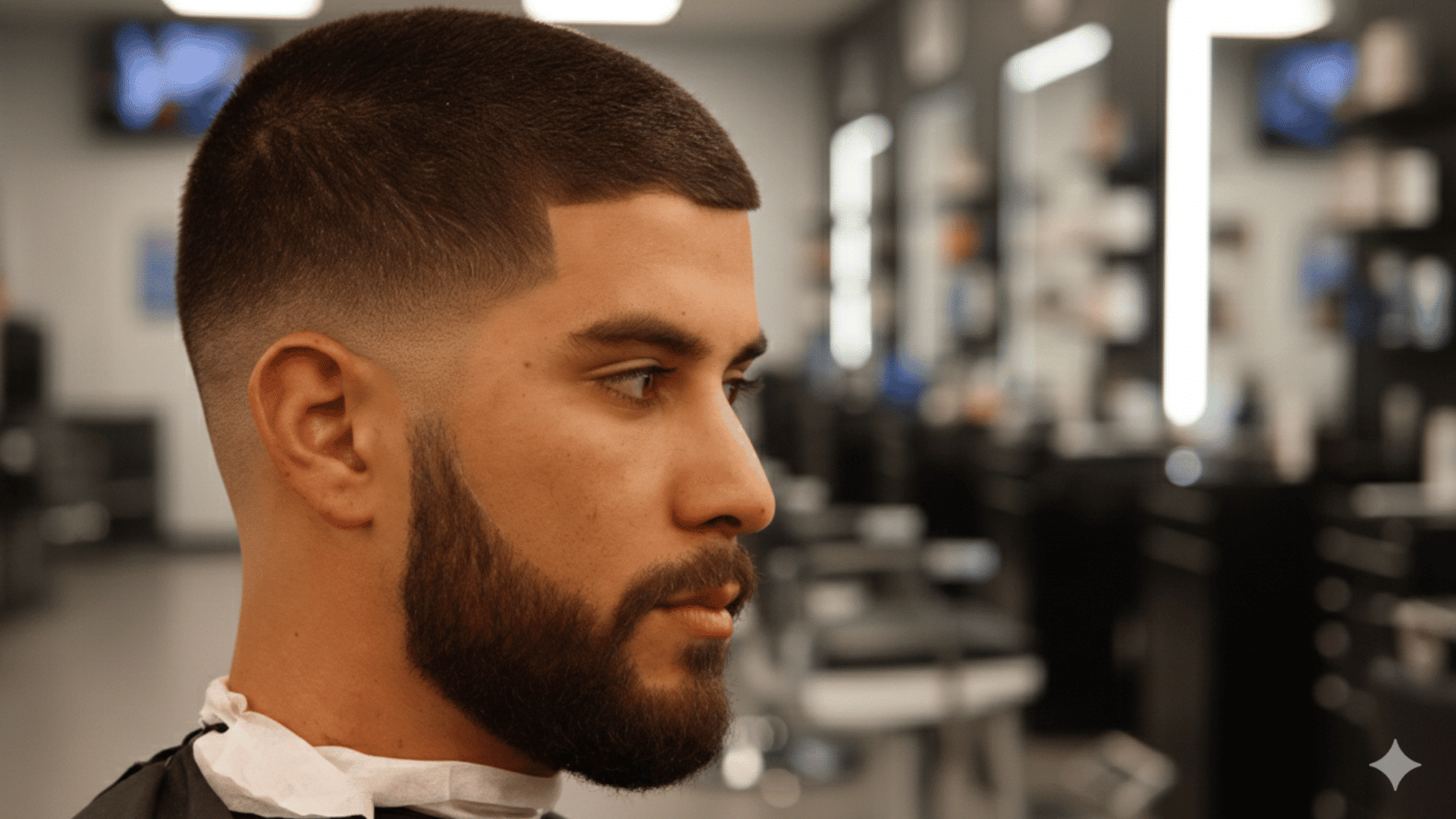
The temple fade focuses the fade work on the temple area only, leaving the sides relatively uniform while creating sharp definition around the hairline. It’s a cleaner, more precise look than a full fade — good for men who want structure without committing to a dramatic taper on the sides and back.
- Length: Temple-focused fade
- Face types: All face shapes
- Maintenance: Touch-ups every 7–10 days
14. High and Tight Buzz Cut

Born in the military, the high and tight keeps the sides very short or shaved while leaving a slightly longer top. The stark contrast between the top and sides creates a sharp, masculine silhouette. It suits square and oval faces well, and men with round faces can use the added height on top to elongate the face shape.
- Length: Very short sides, longer top
- Face types: Square, oval, long
- Maintenance: Trim every 1–2 weeks
15. Jarhead Buzz Cut
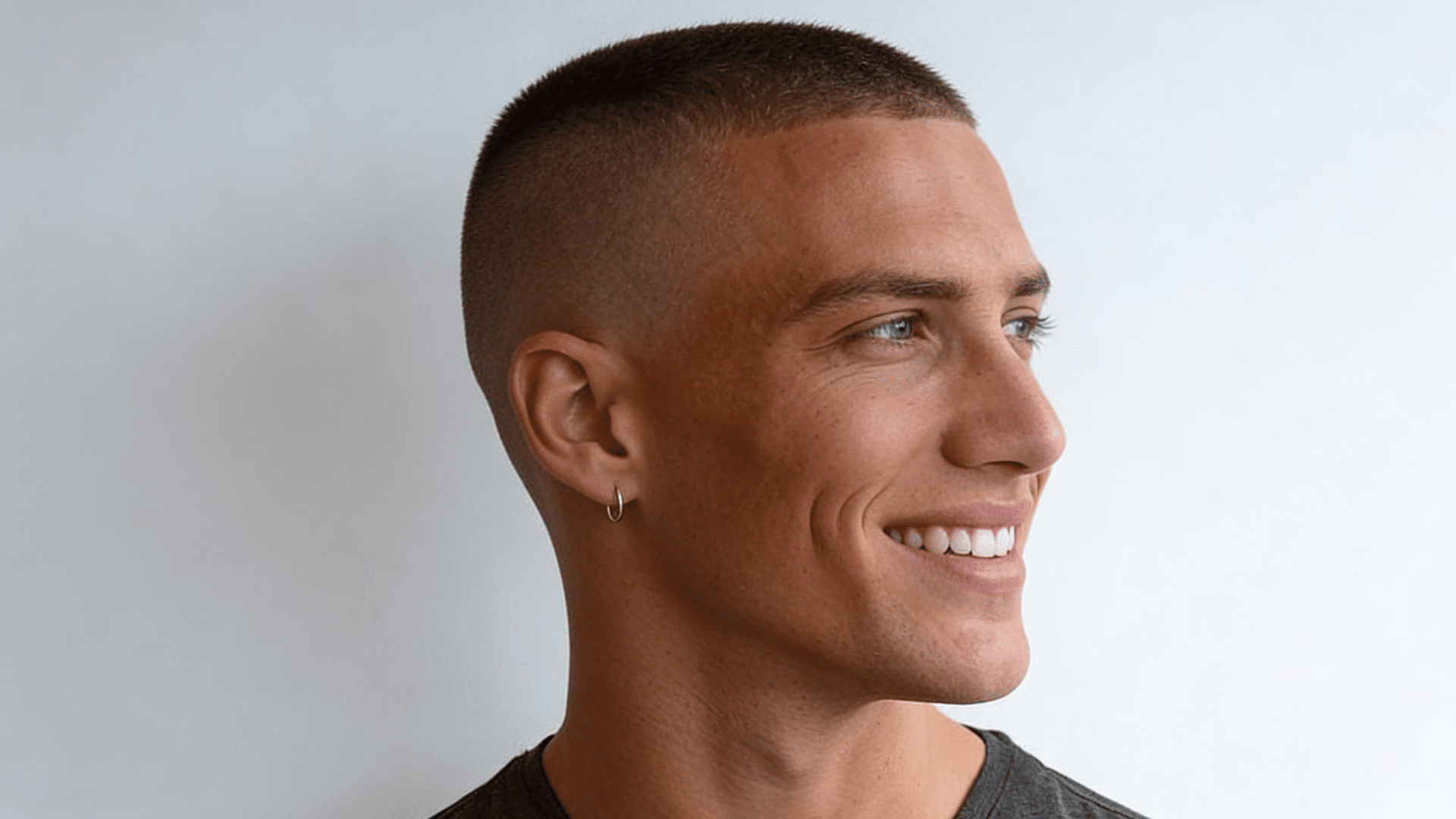
The jarhead takes the high and tight to its extreme. Sides are shaved completely down to triple zero at the temples, while the top stays at a #1 or #2. The result is an aggressive, high-contrast look that requires weekly upkeep. It’s not for the faint-hearted, but it makes a strong impression.
- Length: Shaved sides, #1–#2 top
- Face types: Square, oval
- Maintenance: Weekly touch-ups
16. Flat Top Buzz Cut

The flat top cuts hair on the crown to a perfectly horizontal plane, while the sides are buzzed short. The geometric precision of this cut demands a skilled barber and regular maintenance; it loses its shape quickly. It’s a throwback style that’s been having a quiet revival, and it works particularly well on square or oval faces that can hold the angular structure.
- Length: Flat top with short sides
- Face types: Square, oval
- Maintenance: Weekly professional cuts
17. Buzz Cut With Line Up

A line-up isn’t a separate buzz cut style; it’s a finishing technique that can be added to any of them. The barber uses trimmers to create crisp, geometric edges around the forehead and temples, sharpening the hairline into a defined frame. Men with dense or curly hair benefit most, as the clean edges add structure that the hair alone doesn’t provide.
- Length: Works with any length
- Face types: All face shapes
- Maintenance: Touch-ups every 7–10 days
18. Textured Buzz Cut
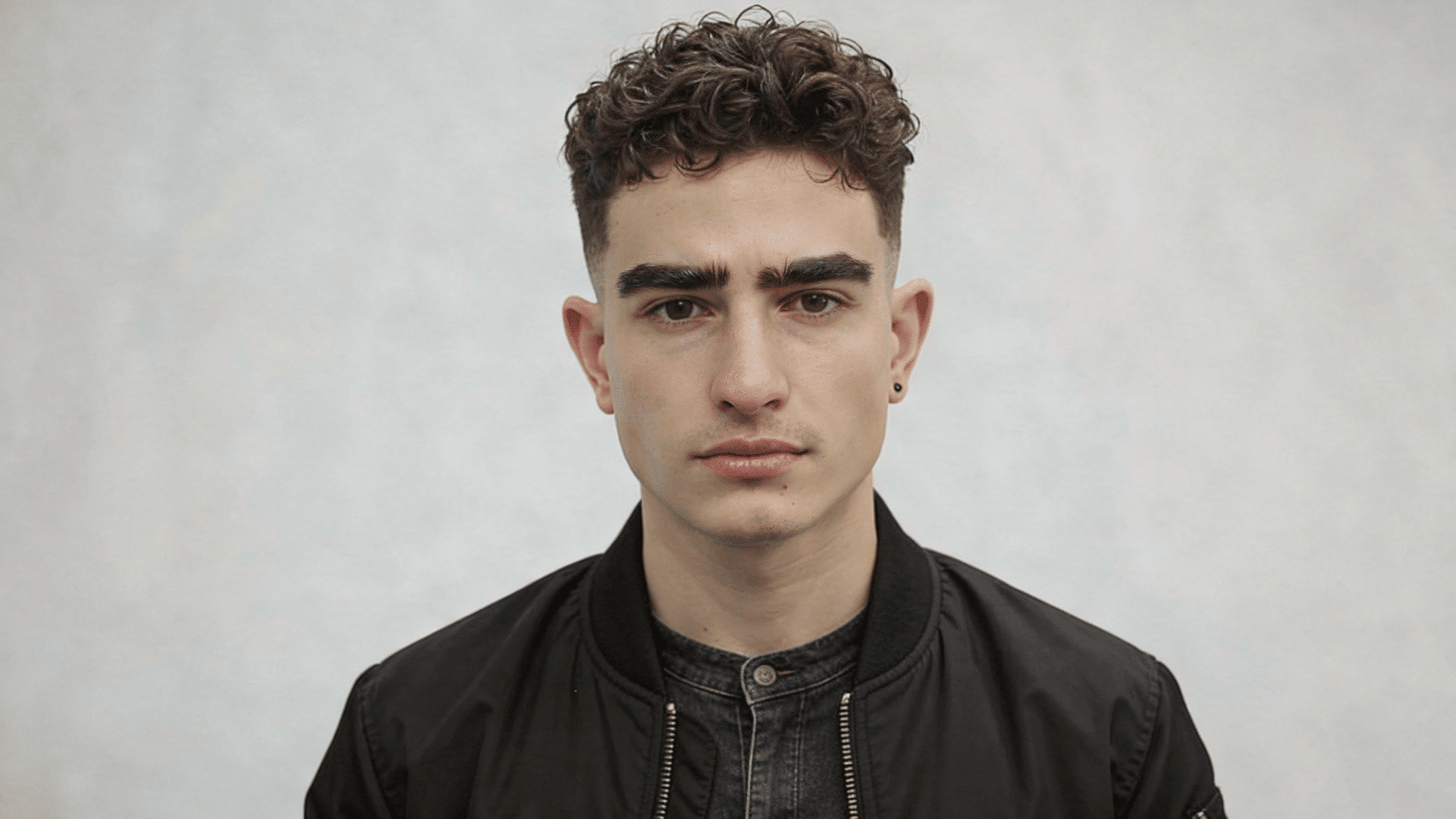
Instead of a uniform length, the textured buzz uses varying guard sizes across the top to create natural-looking movement and depth. It works especially well for men with curly or coarse hair who want to highlight their texture rather than flatten it. A small amount of matte clay or sea salt spray after washing brings the effect out further.
- Length: Mixed guards on top
- Face types: All face shapes
- Maintenance: Trim every 2–3 weeks
19. Forward Brush Buzz Cut

This style keeps slightly more length on top and trains it to fall forward, adding a soft frame to the forehead. It has a relaxed, effortless quality that suits long or square face shapes well, and the forward direction subtly shortens the appearance of the face. A quick brush after washing is all the styling it needs.
- Length: Longer on top
- Face types: Long, square
- Maintenance: Quick brush after washing
20. Disconnected Buzz Cut

The disconnected buzz uses a hard, unblended line between the top and sides, like, no graduation, no fading, just a sharp edge. The contrast is intentional and conspicuous. It’s a head-turner, not a boardroom staple, and it needs regular trims to keep that separation line clean and crisp.
- Length: Contrasting top and sides
- Face types: Square, oval
- Maintenance: Regular trims for crisp line
21. Crew Cut

The crew cut blends short sides (typically #2 or #3) with a longer top, usually 1/2 to 1 inch. The top tapers gently from front to back rather than sitting at a flat, uniform height. Originally popular with rowing teams and military personnel, it’s now one of the most common professional haircuts because it looks neat in formal settings without reading as severe.
- Length: #2–#3 sides, 1/2–1 inch top
- Face types: All face shapes
- Maintenance: Trim every 2–3 weeks
22. Ivy League Buzz Cut

Also called the Harvard Clip or Princeton, the Ivy League keeps 1–2 inches on top – enough to hold a side part or be swept forward with a small amount of pomade. It’s the crew cut with more styling options. If you want the simplicity of a buzz cut but occasionally need a more polished finish for important meetings, this is the one to ask for.
- Length: 1–2 inches top, short sides
- Face types: All face shapes
- Maintenance: Trim every 2–3 weeks
23. Undercut Buzz Cut
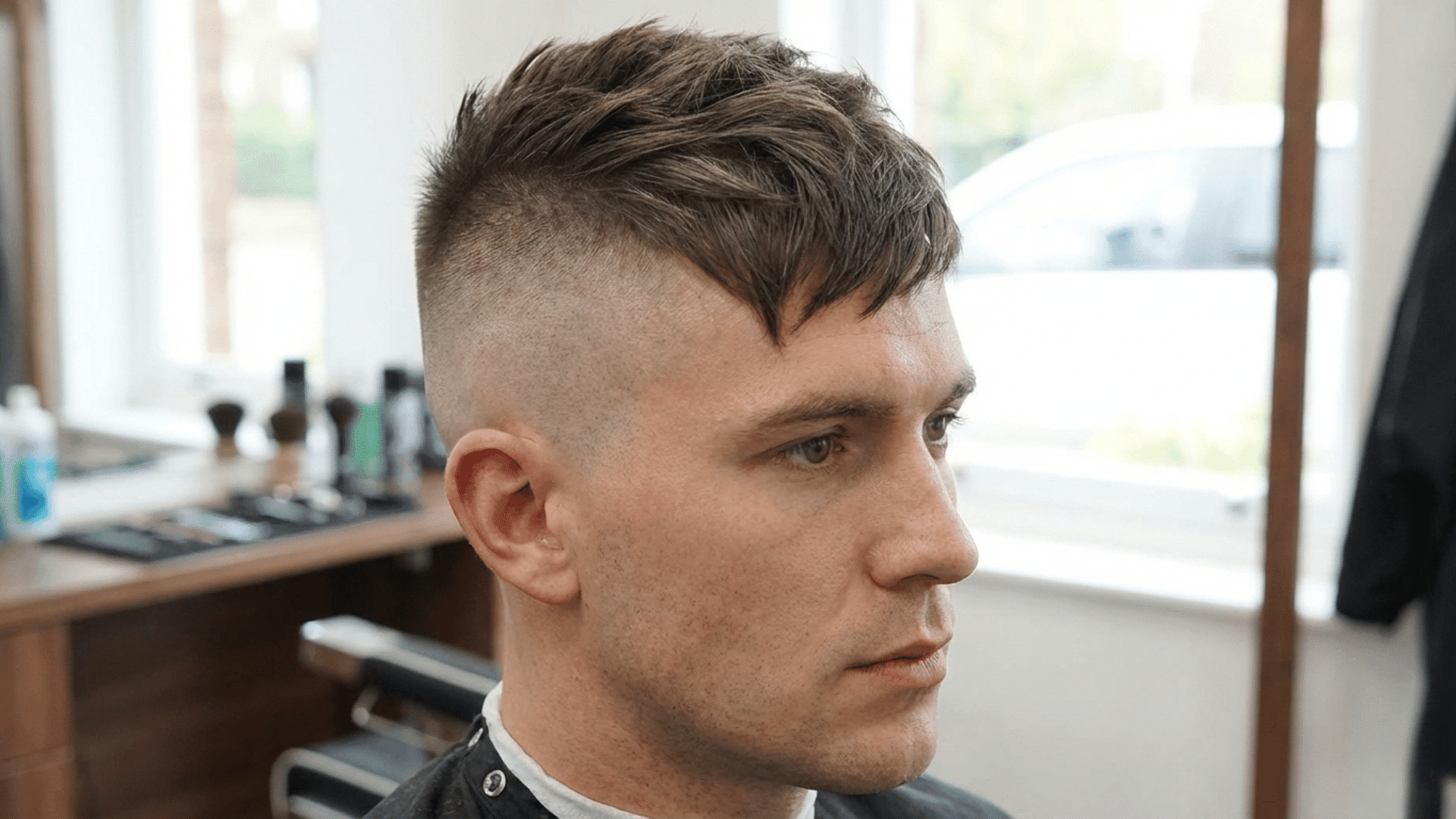
The undercut keeps short sides that make no attempt to blend into the longer top — the contrast is abrupt and intentional. Unlike the disconnected cut, the undercut tends to carry more length on top, sometimes enough to style. It suits oval and square faces, and works well for men who want an edgy look they can partially conceal by styling the top down.
- Length: Short sides, longer top
- Face types: Oval, square
- Maintenance: Regular trims for separation
24. Buzz Cut With Design
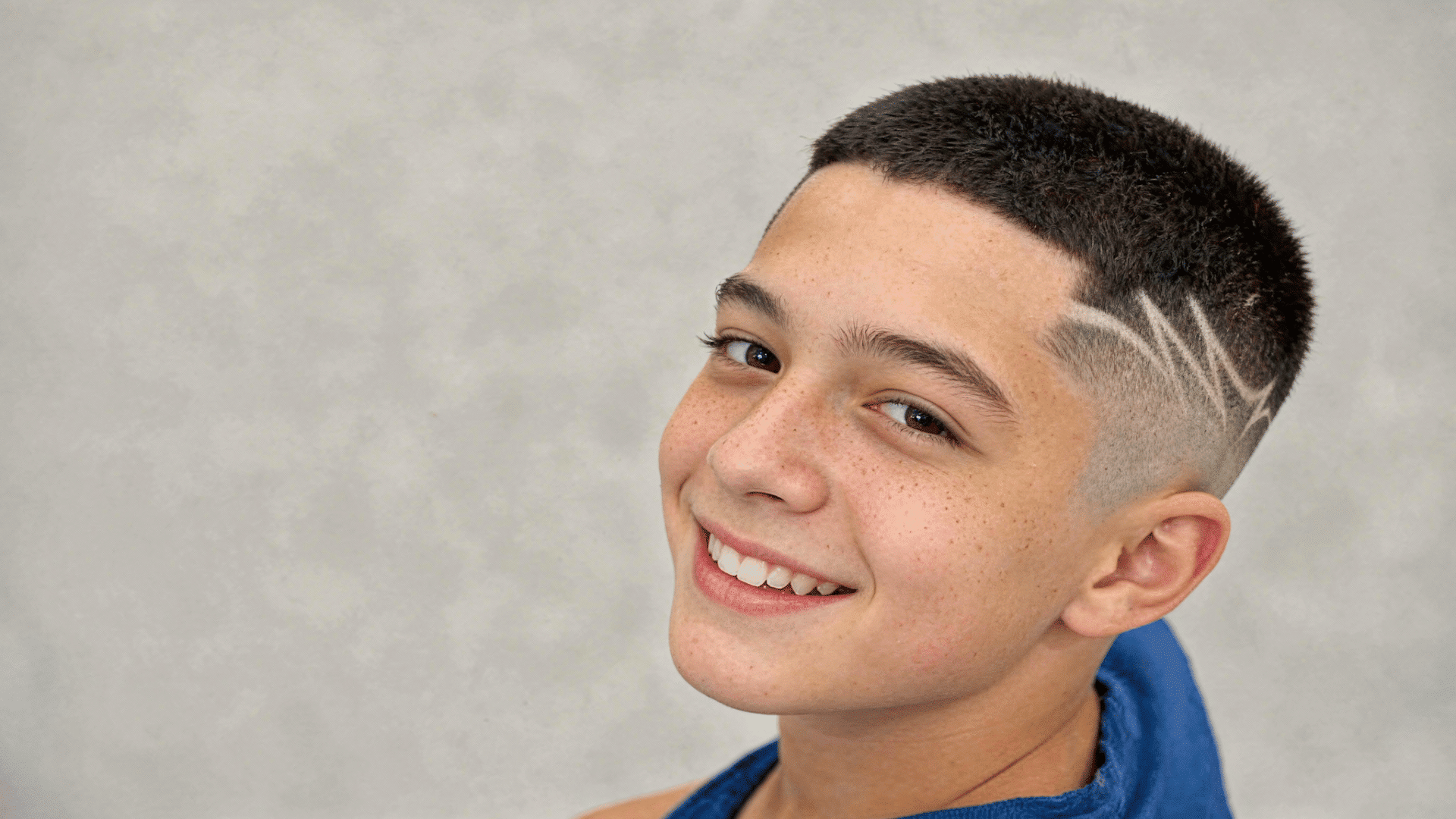
Designs, such as lines, geometric patterns, waves, or custom artwork, are shaved into the sides or back using precision clipper work. They work with any base buzz length and suit all face shapes. The key is finding a barber skilled in clipper artistry; a poorly executed design is worse than no design at all. Touch-ups every 7–10 days keep the lines sharp.
- Length: Works with any base length
- Face types: All face shapes
- Maintenance: Touch-ups every 7–10 days
Choose a Buzz Cut That Matches Your Hair Type
Your hair type affects how short you can go and how clean the final cut looks. Texture and density matter more than most men expect. Here’s a simple breakdown:
| Hair Type | What Works Best | What To Avoid |
|---|---|---|
| Straight | Most styles work well; clean lines show clearly | Overcomplicating the cut — keep it simple |
| Wavy | Slightly longer lengths that let natural texture show | Going too short, which flattens the wave |
| Curly/Coily | Medium lengths that show the natural curl pattern | Ultra-short cuts that lose curl definition |
| Thin | A #2 or #3 guard for better coverage and fullness | Very short cuts that make hair look sparse |
| Thick | Structured cuts like flat tops that handle density well | Unstructured cuts that make the thickness look messy |
Always choose a length that works with your natural texture, not against it — the right length makes the cut look intentional; the wrong one makes it look like it grew out.
Frequently Asked Questions About Buzz Cuts
What buzz cut suits my face shape?
The best buzz cut for your face shape comes down to creating balance. Oval faces are the most versatile and suit nearly every variation, from induction cuts to high fades. Round faces benefit from styles that add height on top; a high and tight or high fade helps elongate the face. Square faces look sharp in most buzz cuts, though a low or mid fade keeps things from looking too angular. Long or rectangular faces do well with forward brush styles or a low fade that adds width to the sides rather than height. If you’re unsure, bring a few reference photos to your barber and ask for their recommendation based on your specific head shape.
How often should you get a buzz cut?
How often you need a trim depends on the style. Fades and skin fades lose their shape the fastest and typically need a touch-up every 7–10 days to stay sharp. Standard all-over buzz cuts using a #3 or #4 guard can go 2–3 weeks before they start looking noticeably grown out. Longer styles like the brush cut or Ivy League can stretch to 4 weeks. If you’re maintaining the cut yourself at home with clippers, a quick pass once a week keeps most styles clean without requiring a full barbershop visit every time.
Is a buzz cut good for thinning or receding hair?
Yes, a buzz cut is widely considered one of the most flattering options for thinning hair. A uniform short length draws the eye away from sparse patches by minimizing contrast between areas of different density. Men with receding hairlines often find that going short makes the hairline look stronger rather than more exposed. The #3 or #4 butch cut is a common recommendation for this reason, short enough to reduce visible thinning, yet long enough to avoid reading as a deliberate shave. If the recession is significant, a skin fade paired with a beard can effectively balance the overall look.
Can you buzz cut your own hair at home?
Straightforward all-over lengths, like a butch cut or long buzz, are manageable at home with a decent set of clippers and a consistent guard. The risks are uneven patches, especially at the back, where you can’t see clearly, and missing clean lines around the hairline. Fades, skin fades, line-ups, and designs are much harder to execute cleanly without training. A DIY skin fade gone wrong is difficult to fix. If you’re going to maintain your buzz at home, invest in quality clippers, use a second mirror to check the back, and leave fade work to your barber.
Does a buzz cut look professional?
Most buzz-cut styles read as professional, though the specific variation matters. Crew cuts, tapered buzz cuts, low fades, and Ivy League cuts all sit comfortably in conservative professional environments. High fades, skin fades, disconnected cuts, and jarhead styles are bolder and may attract comment in very formal workplaces. The cleanness of the execution matters as much as the style itself. A well-maintained butch cut looks more professional than a grown-out crew cut. When in doubt, a #3 or #4 all-over with a clean taper is the safest choice for workplace settings.
Summary
Picking the right buzz cut comes down to face shape, hair type, and how much upkeep you’re willing to commit to.
The styles covered here, from the stripped-back induction cut to the textured crew cover, cover that entire range. There’s no wrong starting point, but there is a right one for you.
If you’re getting your first buzz cut, the butch (#3 or #4) is the safest bet: it looks clean, suits most face shapes, and grows out without looking awkward.
From there, you can adjust the length or add a fade at your next appointment once you know what you’re working with.
Book your appointment and ask for exactly what you want. Bring this guide or a reference photo if it helps. The simpler the brief, the better the result.