As a plant lover, there’s nothing more frustrating than watching your plants struggle without knowing what’s causing it. Discolored leaves, wilting stems, and strange spots can be confusing, leaving you wondering what the problem is.
But with the right tools, you can quickly identify the issue and take action. I’ll walk you through how to use plant disease identification apps and expert resources to diagnose plant problems.
We’ll look at common symptoms, how to identify different types of diseases, and the most effective ways to treat them. By the end, you’ll feel confident in diagnosing and managing plant health issues.
With the right knowledge, you can keep your plants healthy and ensure they grow strong and beautiful. Let’s jump in!
Understanding Plant Diseases
Understanding plant diseases is crucial for keeping your plants healthy. There are several common types: fungal diseases such as powdery mildew, rust, and blight; bacterial issues that cause water-soaked spots and slimy textures; and viral diseases that lead to mosaic patterns and stunted growth.
Environmental factors, such as nutrient deficiencies, water stress, and frost damage, can also affect plant health. The key to identifying the problem lies in recognizing the symptoms.
Look for signs like leaf spots, wilting, discolored leaves, or stunted growth. By paying attention to these details, you can often pinpoint whether it’s a fungal, bacterial, or viral issue, or if your plant is simply reacting to its environment.
Recognizing these patterns helps you take the right steps to treat and manage the problem.
Comparing Plant Disease Identification Apps
These apps offer free and paid versions for diagnosing plant diseases. The paid versions unlock advanced features like unlimited scans, expert support, and care tips.
| App | Free Version | Paid Version / Extras | Best For | Accuracy Level |
|---|---|---|---|---|
| PlantIn | Free photo-based plant & disease ID | Expert help, advanced care tools, reminders | Beginners and houseplants | Medium |
| Plantix | Free AI disease diagnosis | Extended tools, detailed care guidance | Garden and crop diseases | Medium to High |
| Agrio | Basic disease ID | Advanced diagnostics, better analytics | Ongoing plant monitoring | Medium |
| Blossom | Free plant ID, care tips, reminders | Unlimited scans, deeper care info | Daily plant care routines | Medium |
| iNaturalist | Free plant ID with expert checks | N/A (all free) | Wild plants and natives | High |
| PlantSnap | Free basic plant ID | Full database access | Large plant database use | Medium |
With these apps, diagnosing and caring for your plants has never been easier. Choose the one that best fits your needs!
How to Diagnose Plant Diseases
Diagnosing plant diseases early is crucial for healthy growth. Whether you’re using visual inspection, apps, or expert help, identifying the issue quickly can save your plants.
1. Visual Inspection
Begin by thoroughly examining all parts of the plant, including the leaves (on both sides), stems, flowers, and roots. Look for common symptoms like discolored or spotted leaves, wilting, or unusual growth patterns.
Pay close attention to the distribution and pattern of the damage, as this can help you distinguish between disease-related issues and environmental stressors, such as improper watering, nutrient deficiencies, or temperature fluctuations.
2. Using Photo-Based Apps
Apps like PlantIn, Plant.id, and Agrio simplify plant disease identification. To use these tools, take clear, close-up photos of the affected areas and upload them to the app.
The app will analyze the images using its database of plant diseases and suggest possible diagnoses based on the symptoms. These apps are a great starting point for identifying a wide range of plant health issues, offering quick, accessible diagnoses.
3. Expert Diagnosis
If the app’s diagnosis is uncertain or you suspect a more serious problem, consulting an expert can help ensure accurate identification. Many agricultural extension services and plant disease clinics offer diagnostic services using advanced testing methods such as PCR or culture tests.
These experts can analyze plant samples and provide precise disease identification, helping you determine the best treatment methods for your plant’s condition and preventing further damage.
Insights from Community Forums
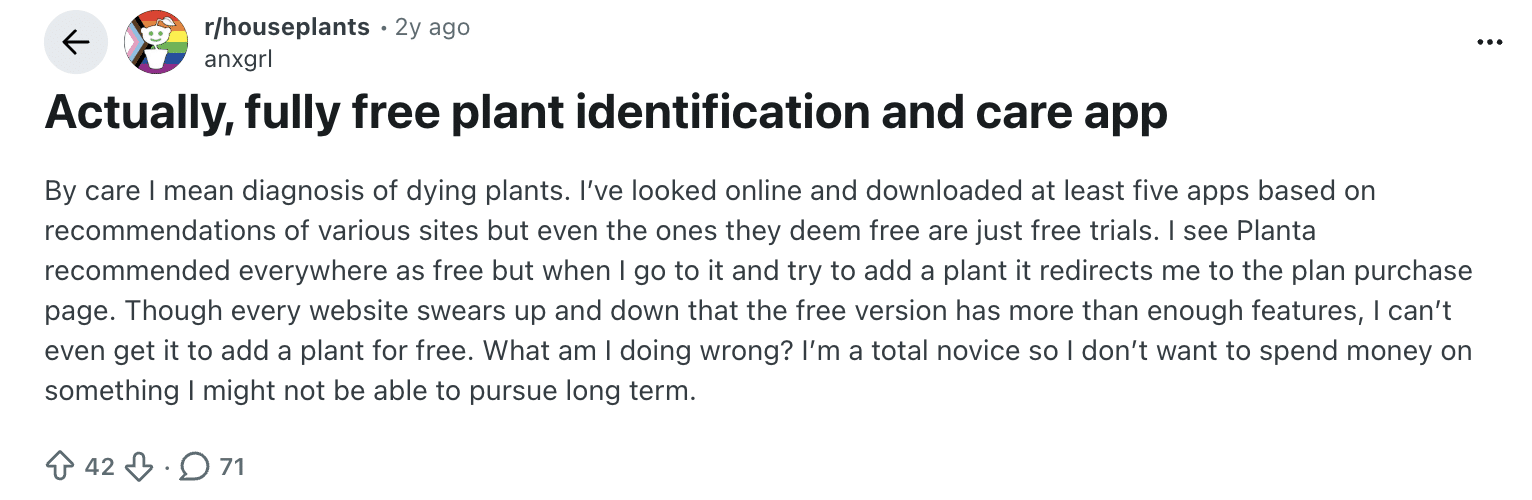
In a recent r/houseplants Reddit discussion titled “Actually, fully free plant..” a user shared frustration with plant identification apps that claim to be free but prompt for payment during use.
After trying several apps recommended by popular sources, they found most offered only free trials or locked key features behind paywalls.
Other community members shared similar experiences and suggested options such as iNaturalist and even Google Lens.
While these tools are free, users noted that they still have limitations, especially when identifying complex plants or accurately diagnosing problems.
From my perspective, free apps can be a good starting point, but they often lack depth. Taking time to test and compare tools helps you find one that truly fits your needs.
Step-by-Step Guide to Diagnosing Plant Diseases
Diagnosing plant diseases can be tricky, but with a methodical approach, you can identify and manage issues effectively. Follow these steps to get started:
Step 1: Examine the Plant
Inspect all parts of the plant, including young and old leaves, stems, flowers, and roots. Look for uniform or patchy symptoms to help distinguish between environmental stress and disease.
Step 2: Use Apps for Diagnosis
Take clear, focused photos of affected areas and upload them to plant disease apps. Review the results for possible diagnoses.
Step 3: Seek Expert Help
If the app’s diagnosis is unclear, consult a plant expert or send samples to a lab for accurate results.
Step 4: Treatment and Management
Based on the diagnosis, take appropriate actions such as applying organic treatments, adjusting watering practices, or managing pests.
Common Treatment and Prevention Methods
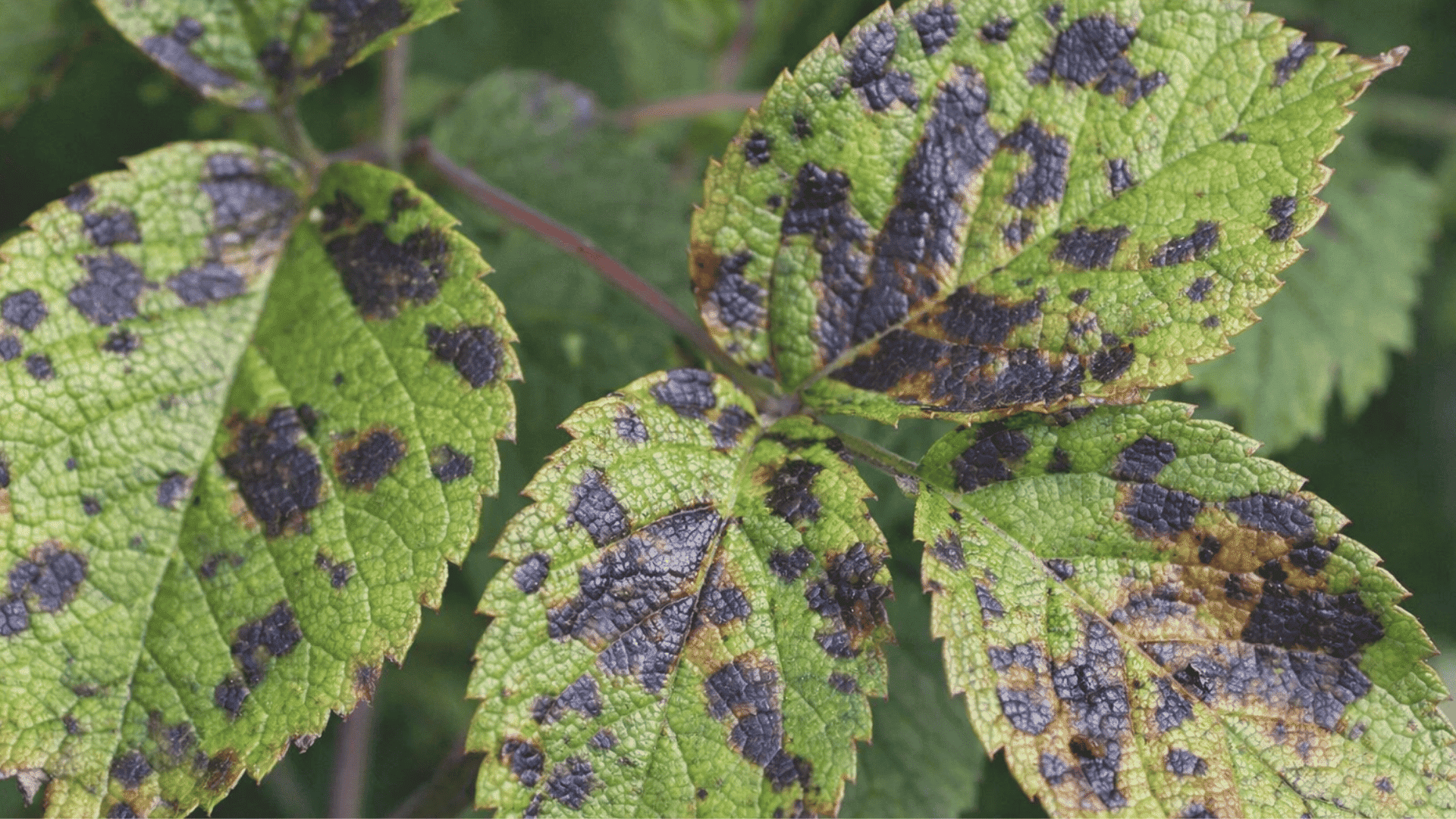
Treating plant diseases requires the right approach based on the cause. Here are some common methods to help you manage plant health:
- Fungal Diseases: Use organic fungicides, prune affected areas, and improve air circulation.
- Bacterial Diseases: Apply bactericides and remove infected plant parts.
- Viral Diseases: Remove affected plants and control insect vectors that spread the virus.
- Environmental Causes: Adjust watering schedules, add necessary nutrients, and regulate temperature and humidity levels.
By identifying the type of issue, you can apply the correct treatment to keep your plants healthy and thriving.
Localized Plant Disease Information
Understanding how climate affects plant diseases is crucial for effective management. Certain diseases can thrive in specific regions due to local weather conditions, such as humidity, temperature, and rainfall.
Knowing which diseases are common in your area can help you prevent them. Additionally, using local resources such as disease databases, extension services, and plant disease clinics is invaluable.
These resources can provide accurate, region-specific information, making it easier to diagnose and treat plant issues.
By combining climate awareness with expert local advice, you can better protect your plants and ensure their long-term health and growth.
Final Thoughts
In my experience, plant disease identification has made a huge difference in the health of my plants. With the right tools, like AI apps or expert resources, diagnosing issues early becomes much easier.
It’s essential to stay proactive, monitor your plants regularly, and use available technology to catch problems before they spread.
While apps offer convenience, combining them with professional advice can give you the most accurate results.
Now that you have the tools and knowledge, it’s time to keep your plants thriving. Feel free to share your thoughts or experiences in the comments. I’d love to hear how you’re using these tools!