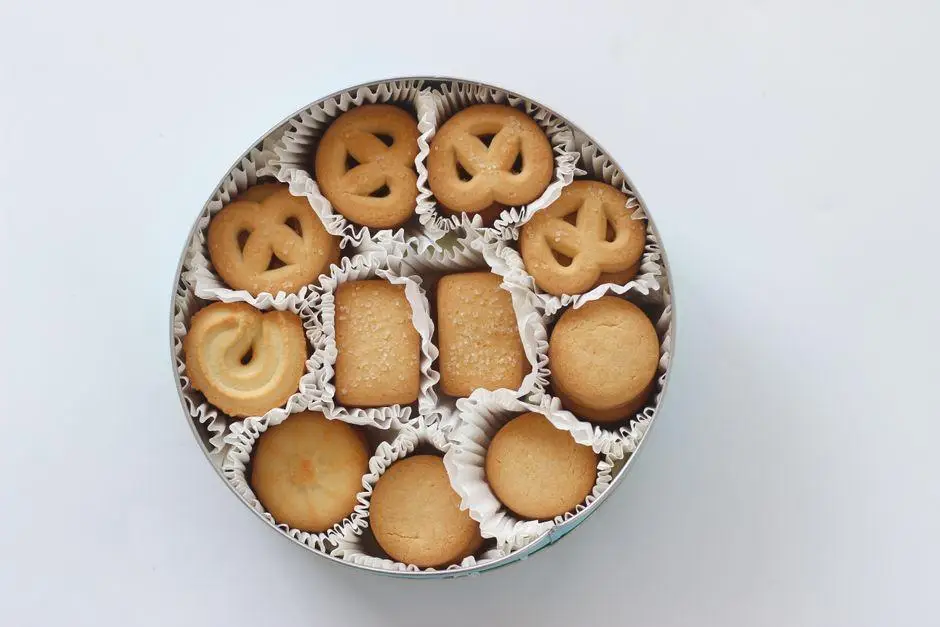
When someone you care about is stuck at home, dealing with a hospital stay, or just feeling plain miserable, food often becomes part comfort and part practical support. A smart care package can lift their mood without adding stress to their day. If you’re choosing something edible, you’ll want to think beyond the usual basket and focus on items that feel personal, easy to enjoy, and actually helpful when energy is low.
Pick Treats That Feel Cheerful Without Being Impractical
There’s a reason decorated cookies and light dessert gifts keep showing up in recovery gifting. They bring a bit of celebration into a moment that can feel dull, anxious, or medically beige. If you want something polished and easy to send, get well soon gifts built around cookies can work well because they’re ready to enjoy, visually uplifting, and easy to share with family members or visitors.
That kind of gift also avoids a common mistake: sending perishables that create pressure. Nobody wants to manage a fragile food delivery while half-asleep on the couch. Shelf-stable treats with a thoughtful design strike a useful balance between comfort and convenience, which is exactly the sweet spot here.
Start With Comfort, Not Clutter
When you’re building a food-based care package, the goal isn’t to impress anyone with gourmet flair. You’re trying to make a rough day feel a little softer. That means choosing things that are simple to eat, gentle on the stomach, and easy to store.
A good package often includes:
– Soft snacks that don’t require prep
– A warm drink option like tea
– A small sweet treat for morale
– A personal note that doesn’t sound robotic
If the person is recovering at home, they may already be juggling medicine schedules, naps, and random fatigue. A giant box of complicated items can feel like homework in ribbon form. Smaller, thoughtful choices usually land better. Comfort wins over quantity almost every time.
Think About How Illness Changes Appetite
People often imagine care packages around what looks cheerful, but recovery can affect taste, hunger, and tolerance in weird ways. Someone with a cold might want soothing flavors. Someone healing after a procedure may prefer bland, easy foods. Someone dealing with stress may only have energy for tiny bites here and there.
Before you send anything, consider:
- Whether they can chew comfortably
- If strong smells might bother them
- Whether they need shelf-stable foods
- If they have dietary restrictions or allergies
This part matters more than fancy presentation. A spicy snack box might look fun, but it’s not exactly a hero move for a sore throat. The best edible gift meets the person where they are instead of assuming everyone wants the same “feel better soon” formula.
Add One Practical Item People Forget About

Most care packages lean heavily on snacks, then stop there. You can make yours more useful by adding one low-effort practical extra. It doesn’t need to be expensive. It just needs to make the person’s day easier.
Good options include:
- Herbal tea bags
- Honey sticks
- Electrolyte packets
- Soft tissues
- Lip balm
- A spoon-friendly mug
These small additions show you thought about the actual recovery experience, not just the photo opportunity. Dry lips, dehydration, and sore throats are not glamorous, but they’re very real. A package that includes both comfort and function tends to feel more personal. It says you paid attention. That carries more weight than a generic “thinking of you” snack box picked in a hurry.
Match the Gift to the Situation
Not every illness calls for the same kind of package. A teen with the flu, a friend recovering from surgery, and a coworker dealing with burnout all need slightly different things. The smartest gift feels specific without becoming overly intense.
For example:
- A cold or flu: tea, honey, cookies, and mild snacks
- Surgery recovery: easy-to-eat treats and comforting extras
- Stress or exhaustion: uplifting snacks and calming drinks
- Hospital stay: compact, shareable, non-messy foods
Try not to overdo the “recovery” theme. A package can be supportive without looking like it came from a pharmacy gift shop at 2 a.m. You want warmth, not clinical energy. A little color, a handwritten note, and well-chosen treats can do plenty of heavy lifting.
Pay Attention to Packaging and Delivery Timing
Timing can make a good gift feel great, or awkward. If someone is moving between appointments, staying with family, or returning home after treatment, the package needs to arrive when they can actually receive and enjoy it.
Keep these details in mind:
– Confirm the best delivery address
– Avoid highly perishable items
– Check whether the recipient is homebound or hospitalized
– Choose packaging that’s easy to open
This sounds minor until you picture someone tired, achy, and trying to wrestle through five layers of tape like it’s an escape room challenge. Easy-open packaging matters. So does neat presentation. A gift should feel inviting right away, not like another task on a long day. Convenience is part of kindness.
Write a Message That Sounds Human
The note inside the package matters more than many people expect. You don’t need to write a dramatic speech. You just need to sound real. Skip stiff lines that read like they were copied from a greeting card display three seconds before checkout.
A strong message usually does three things:
– Acknowledges what they’re going through
– Offers warmth without pressure
– Keeps the tone hopeful and calm
Try something simple like, “I know you’ve had a rough week, so I wanted to send you something small and sweet. Hoping you get plenty of rest and start feeling more like yourself soon.” That feels personal and easy to receive. Keep it sincere. Nobody recovering from anything wants to decode corporate sympathy language.
Make It Thoughtful, Not Oversized
A lot of people assume bigger gifts feel more generous. In reality, the best food-based care packages are often edited, not inflated. Too many items can feel random. A smaller set of well-chosen treats feels intentional.
Aim for a package that includes:
- One standout comfort treat
- One or two practical wellness extras
- A short personal note
- Packaging that feels cheerful and clean
If you know the recipient well, add a personal touch tied to their tastes. Maybe they love lemon cookies, herbal tea, or understated packaging over loud colors. Those details matter. They turn a decent gift into one that actually connects. When someone feels lousy, being understood can be just as comforting as the food itself.
A Simple Care Package Can Do a Lot
When you send food during someone’s recovery, you’re offering more than a snack. You’re giving them one less thing to think about and one small reason to smile. That can be powerful on a hard day.
Keep your choices easy, comforting, and realistic. Focus on what the person can enjoy without effort. Add one useful extra. Write a note that sounds like you. If the package feels warm, manageable, and thoughtfully chosen, you’ve already done the important part.
Recovery rarely looks tidy. Your gift doesn’t need to fix anything. It just needs to help the day feel a little lighter.