Designing a home involves far more than selecting finishes or arranging furniture. Residential projects require coordination, planning, technical understanding, and a clear creative direction that ties every element together. Without this structure, even well-intentioned projects can quickly become fragmented, stressful, or inconsistent.
This is where full-service interior design provides significant value.
Rather than approaching a home through isolated decisions, full-service interior design creates a comprehensive strategy that considers how the entire environment will function, feel, and evolve over time. From early planning through to furnishing and final installation, every stage is developed as part of one cohesive vision.
In residential projects, this integrated approach often produces interiors that feel more balanced, practical, and enduring than spaces shaped through disconnected decision-making.
What Is Full-Service Interior Design?
Full-service interior design is a comprehensive approach that manages every stage of an interior project from concept through completion. Rather than focusing solely on decoration, it combines spatial planning, material selection, furnishing strategy, project coordination, and installation into one structured process.
This typically includes:
- Layout and space planning
- Material and finish selection
- Lighting planning
- Furniture sourcing and specification
- Custom joinery design
- Styling and installation
- Coordination with contractors and suppliers
Unlike consultation-only services, full-service interior design remains involved throughout the project lifecycle. The goal is not simply to improve how a home looks, but to ensure the space functions cohesively as a complete environment.
This level of integration becomes particularly valuable in larger residential projects, where architectural details, furnishings, and technical planning must all work together seamlessly.
Key Takeaway: Full-Service Interior Design Covers Every Stage of a Project
Full-service interior design manages the entire residential design process, helping ensure that layouts, finishes, furnishings, and functionality are developed as one cohesive system.
Early Planning Reduces Costly Mistakes
One of the greatest advantages of full-service interior design is early involvement during the planning phase of a project. Decisions made early often influence the long-term success of the entire home.
Furniture layouts can affect electrical placement. Lighting plans may depend on room function and furnishing strategy. Cabinetry dimensions influence circulation and usability. Without coordinated planning, these elements are often addressed separately, leading to revisions and compromise later.
This becomes especially important during new-construction and large-scale renovations, where small oversights can become expensive once construction progresses.
By approaching the home holistically from the outset, residential designers can identify practical challenges before they become structural issues. This creates a smoother design process while helping avoid unnecessary adjustments later in the project.
Key Takeaway: Early Interior Design Planning Prevents Compromise Later
Planning interiors early allows lighting, layouts, furniture placement, and architectural details to work together from the beginning. This reduces costly revisions and improves the overall functionality of the home.
Cohesion Comes From Centralised Design Direction
One of the most common issues within residential projects is inconsistency. Materials may clash, furnishings may feel disconnected from the architecture, or individual rooms may lack visual continuity with one another.
These problems often occur when decisions are made independently rather than through a coordinated vision.
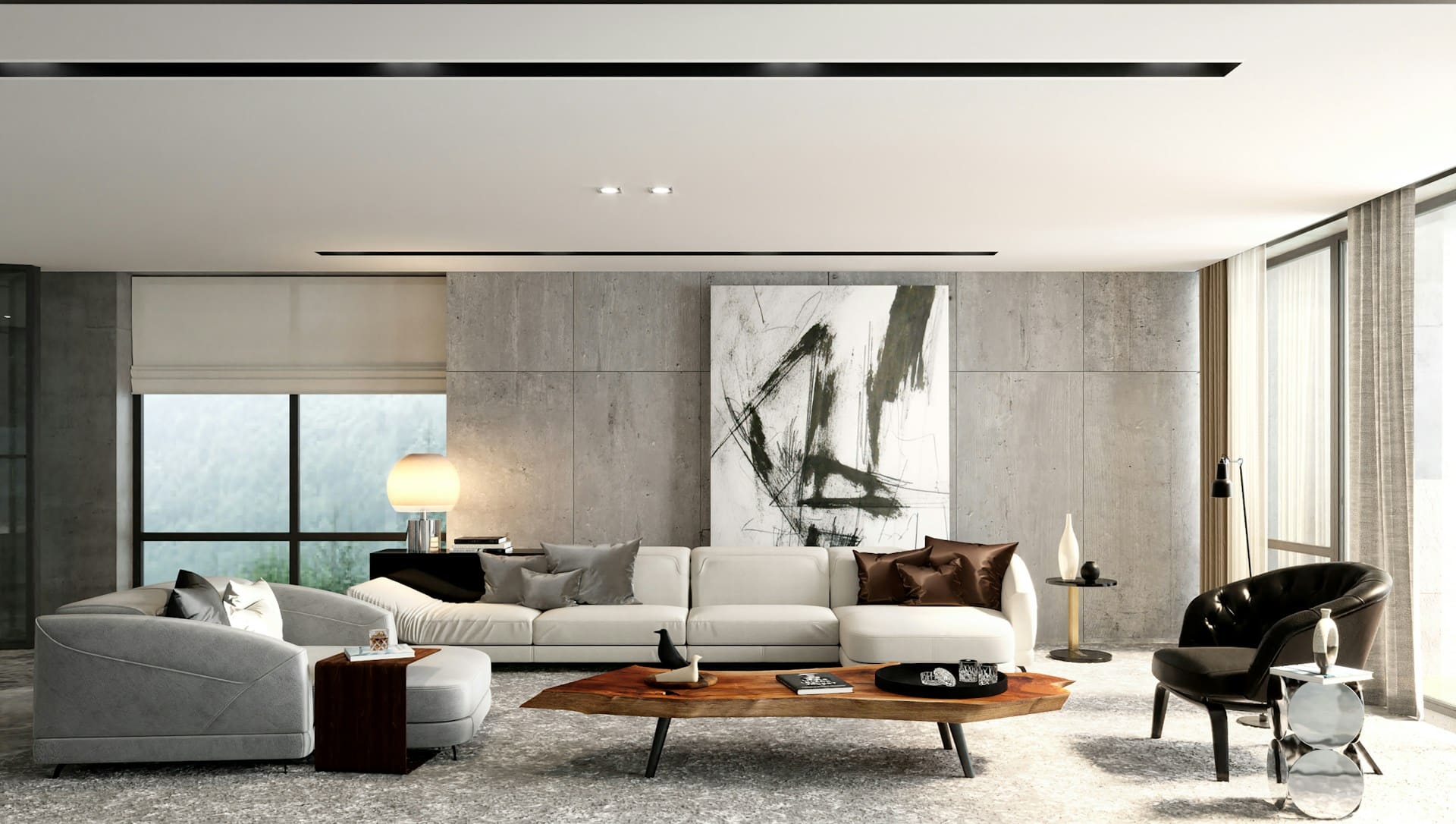
Full-service interior design creates cohesion by centralising the creative direction of the project. Every element, from flooring and cabinetry through to furnishings and decorative lighting, is selected to support the same overall atmosphere and design language.
This does not mean every room should look identical. Rather, it ensures there is a consistent rhythm, material palette, and sense of balance throughout the home.
When design decisions are aligned from the outset, interiors feel calmer, more intentional, and more refined overall.
Key Takeaway: A Unified Design Vision Creates Better Interiors
Cohesive interiors are created when architectural finishes, furnishings, materials, and layouts are developed together rather than through disconnected decisions.
Furniture and Interior Design Work Best Together
Furniture should never be treated as a final decorative layer added after the architecture is complete. In successful residential projects, furniture and interior design are developed simultaneously.
The scale of furniture influences circulation and room proportions. Seating arrangements affect conversation flow and functionality. Storage pieces impact usability and organisation within everyday living.
When the furnishing strategy is delayed until late in the project, rooms can quickly feel overcrowded, underscaled, or disconnected from the wider architecture of the home.
By contrast, integrated furniture planning helps shape the experience of the interior itself. It ensures spaces feel comfortable, balanced, and properly suited to how homeowners actually live within them.
This integrated approach is one of the defining characteristics of full-service interior design, where furnishing decisions contribute to the structure and usability of the home from the very beginning.
Key Takeaway: Furniture Planning Shapes How a Home Functions
Furniture influences movement, comfort, usability, and proportion within a home. Planning furnishings alongside interior layouts creates spaces that feel more cohesive and functional.
Project Coordination Simplifies the Process
Residential projects often involve multiple moving parts. Contractors, suppliers, architects, trades, installers, and deliveries all require coordination throughout the design process.
Without clear management, communication gaps and delays can quickly create unnecessary stress for homeowners.
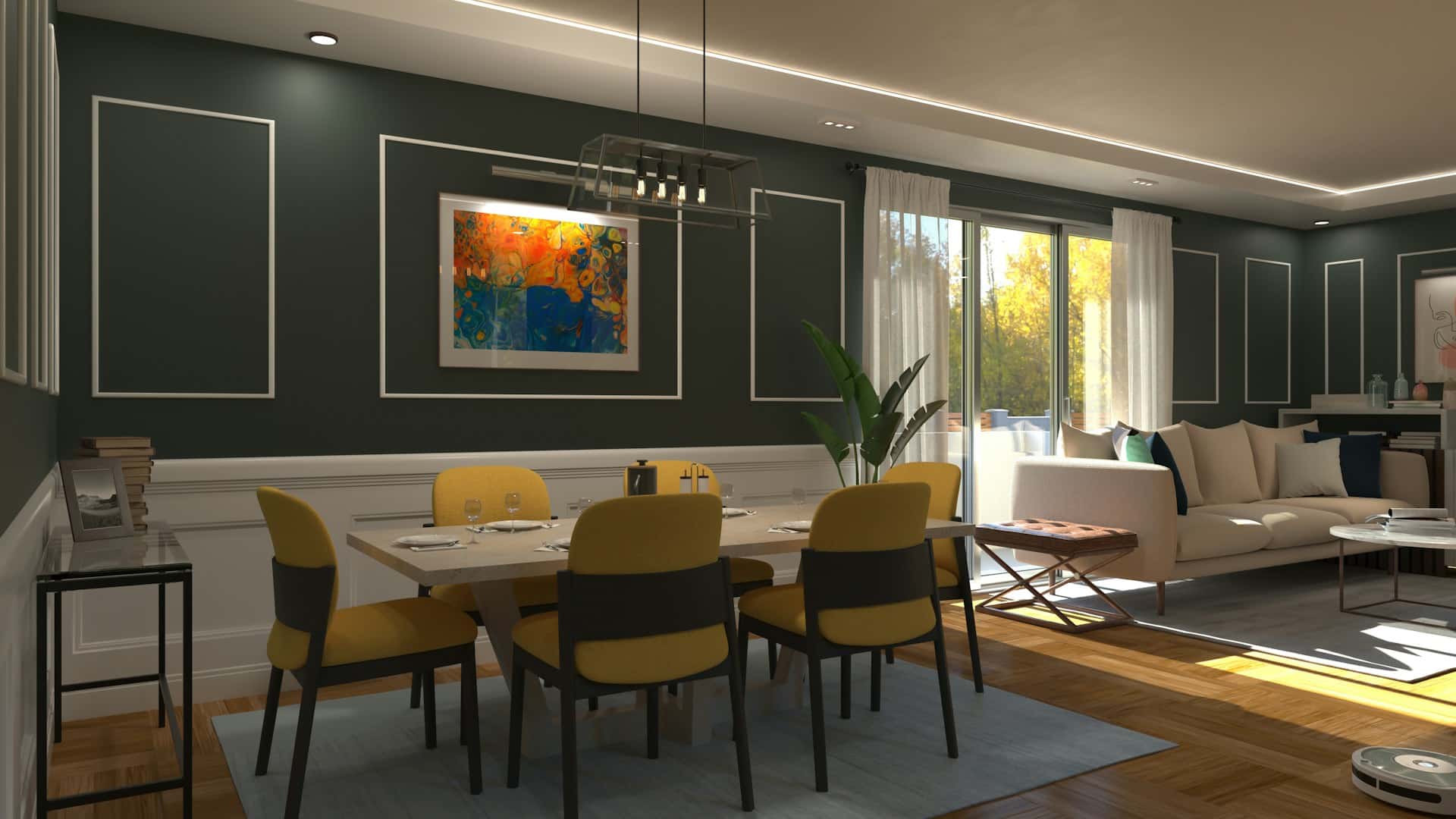
Full-service interior design helps streamline this process by providing centralised coordination across the project. Designers work closely with contractors and suppliers to ensure that selections, dimensions, timelines, and installations remain aligned.
This not only improves efficiency, but also reduces the burden placed on the homeowner to manage countless day-to-day decisions independently.
For many clients, this level of oversight becomes just as valuable as the design work itself.
Key Takeaway: Coordinated Project Management Improves Efficiency
Full-service interior design simplifies complex residential projects by managing communication, timelines, suppliers, and installations through one coordinated process.
Full-Service Interior Design Supports Long-Term Value
Well-designed homes are not simply built for short-term visual impact. They are designed to function effectively and age gracefully over many years.
Trend-driven interiors often require constant updating as styles change. By contrast, thoughtfully planned homes built around proportion, material quality, and usability tend to feel more timeless and enduring.
Full-service interior design supports this long-term perspective by considering how the home will function both immediately and in the future. Furnishings, finishes, layouts, and materials are selected not only for appearance, but also for durability and longevity.
This creates interiors that remain visually balanced and practical over time rather than requiring repeated redesign or replacement.
Key Takeaway: Thoughtful Design Creates Long-Term Value
Timeless interiors are created through careful planning, durable materials, and cohesive design decisions that continue to function well long after the project is completed.
Emotional Experience Matters Just As Much As Aesthetics
Interior design is not experienced purely through appearance. It is experienced through atmosphere, comfort, movement, and the emotional connection people feel within a space.
A well-designed home supports daily routines naturally. It feels comfortable to live in, easy to navigate, and visually calming rather than overwhelming.
This emotional quality often comes from thoughtful coordination between architecture, furnishings, lighting, textures, and scale. When these elements are aligned, interiors feel balanced and welcoming.
Full-service interior design helps shape this experience intentionally. Rather than focusing on isolated visual moments, it considers how the home will feel as a complete living environment.
Key Takeaway: Good Interior Design Improves Everyday Living
Successful interiors support both practical living and emotional comfort. Thoughtful coordination between space, lighting, furnishings, and materials creates homes that feel welcoming and functional.
Conclusion
The value of full-service interior design extends far beyond aesthetics alone. It provides structure, coordination, functionality, and long-term cohesion throughout every stage of a residential project.
By integrating spatial planning, furnishing strategy, material selection, and project management into one unified process, homes become more intentional and better suited to everyday living.
Rather than treating design decisions separately, full-service interior design ensures that every element contributes to a complete and cohesive environment.
Final Takeaway: Full-Service Interior Design Creates Homes That Feel Complete
The most successful residential interiors are shaped through coordination, planning, and cohesion from the very beginning. Full-service interior design brings every aspect of the home together to create spaces that function beautifully and feel complete over time.