<p>A home interior feels more inviting when it reflects the people who live there. Furniture, colours, lighting, and storage provide the foundation, but personal details give each room its character. These details do not need to be expensive or elaborate. A framed photograph, a carefully chosen textile, or a familiar object can change how a space feels.</p>
<p>Refreshing an interior also requires practical decisions. Decorative items should work with the room’s layout, lighting, and everyday use. The goal is to create a space that feels personal without becoming cluttered. A few considered changes can make a familiar room feel new while preserving the features that already work.</p>
<h2>Start With a Clear Interior Design Plan</h2>
<p>Before buying accessories, assess the room as it stands. Look at the furniture arrangement, available surfaces, wall space, and natural light. Identify areas that feel empty, crowded, or disconnected from the rest of the interior. This helps you make changes with a clear purpose.</p>
<p>Choose one or two design elements to guide your decisions. These might include a colour palette, a material such as wood or linen, or a theme built around travel, family, or nature. Repeating selected elements creates visual continuity between rooms.</p>
<h2>Display Photographs With Purpose</h2>
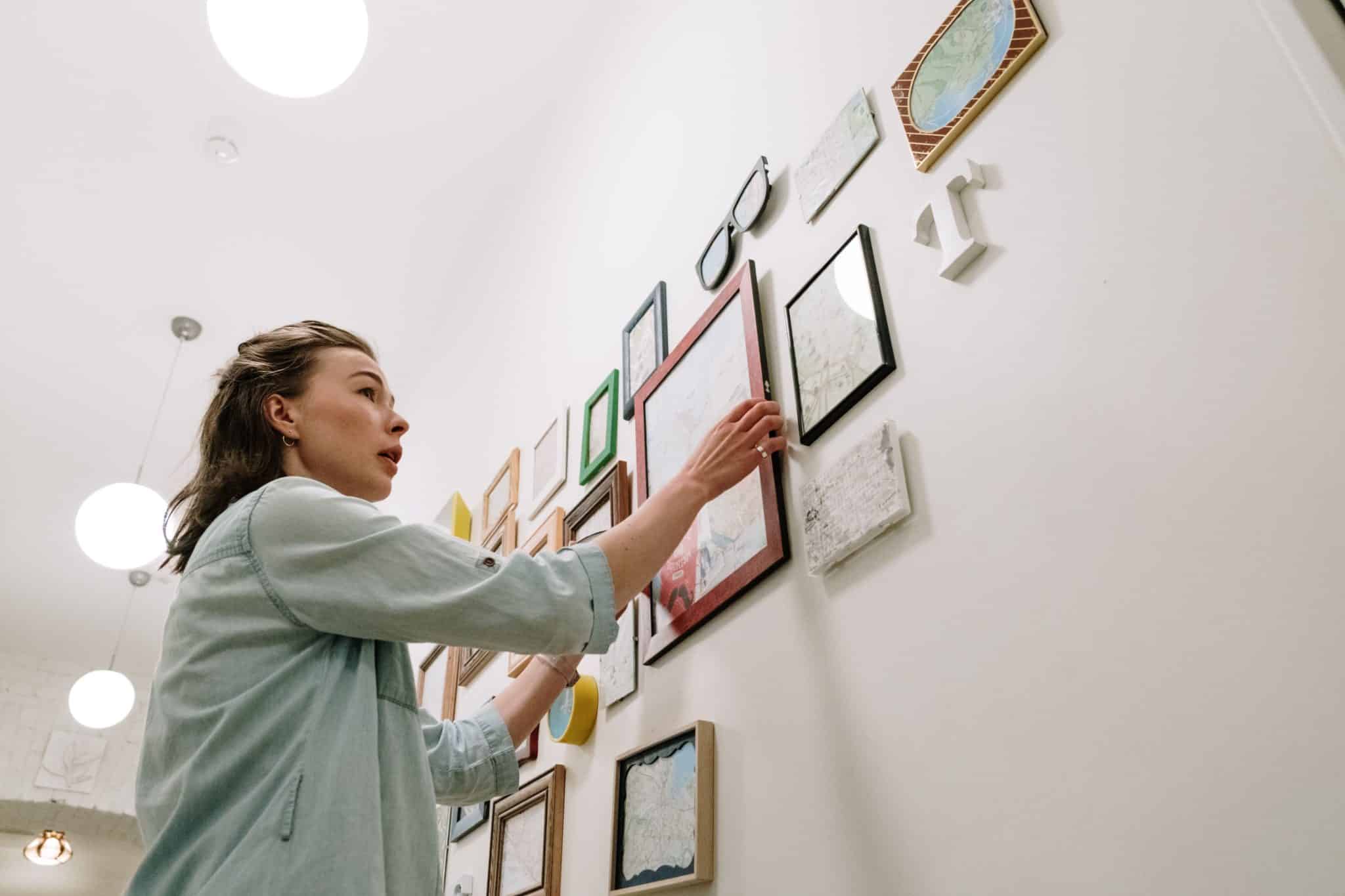
<p>Photographs bring personal history into a room. They can also introduce colour, texture, and visual interest. However, displaying too many images without a clear arrangement can make walls and shelves feel crowded.</p>
<p>Start by selecting photographs that share a connection. A collection might feature family occasions, favourite destinations, or everyday moments. Use consistent frames for a restrained appearance, or combine different frame styles when a more relaxed arrangement suits the room.</p>
<p>Consider these practical options:</p>
<ul>
<li>Create a gallery wall above a sofa or console table.</li>
<li>Place small framed photographs on shelves alongside books and decorative objects.</li>
<li>Use a picture ledge to make images easier to rearrange.</li>
<li>Choose a single large photograph for a focal point in a bedroom or hallway.</li>
</ul>
<p>A personalised <a href=”https://www.mixbook.com/photo-calendars-home” rel=”dofollow”>custom photo calendar</a> offers another way to display meaningful images. It combines practical date tracking with photographs that can change throughout the year. Place it in a home office, kitchen, or family planning area where it remains easy to use.</p>
<p>Pay attention to scale when arranging photographs. Small frames can disappear on a large wall, while oversized images may overwhelm a narrow hallway. As a starting point, arrange pieces on the floor before hanging them. This makes it easier to compare spacing and balance.</p>
<h2>Refresh Soft Furnishings and Textures</h2>
<p><img src=”https://www.stellaswardrobe.com/wp-content/uploads/2026/11/pexels-sami-raad-849408941-37023127-scaled.jpg” alt=”Refresh Soft Furnishings and Textures” width=”2048″ height=”1365″ /></p>
<p>Textiles can change the character of a room without requiring new furniture. Cushions, throws, curtains, rugs, and table linens introduce colour and soften hard surfaces. They also affect comfort, sound absorption, and the way light moves through a space.</p>
<p>Begin with the materials already present. If a room contains polished wood, glass, and metal, a wool throw or woven cushion can add contrast. In a room with several patterned fabrics, plain textiles may provide a better balance.</p>
<p> </p>
<p>Consider how each material performs as well as how it looks. Cotton is generally easy to maintain, while wool offers warmth and texture. Linen has a relaxed appearance but wrinkles readily. Synthetic blends may suit high-use areas where durability and cleaning are priorities.</p>
<h2>Use Small Details to Express Personal Style</h2>
<p>Not every personal touch needs to be a photograph or a decorative object. Small details can connect an interior to hobbies, interests, and everyday routines. The key is to select items that have meaning and suit their intended location.</p>
<p>Look at objects you already own before purchasing new accessories. Books, ceramics, travel souvenirs, handmade pieces, and textiles can become useful design elements when arranged thoughtfully. Group objects by colour, material, or theme rather than spreading them across every available surface.</p>
<p>Custom embroidered patches can also add character to fabric accessories. When attached to suitable items such as fabric storage bins, cushion covers, or reusable textile organisers, <a href=”https://www.custompatchfactory.com/product/patches/custom/custom-embroidered-patches” rel=”dofollow”>custom embroidered patches</a> can introduce a distinctive motif or colour detail. Check the fabric composition and care instructions before attaching a patch, particularly when the item will need regular washing.</p>
<p>Personalisation should remain consistent with the room’s purpose. A home office may benefit from organised accessories and a few meaningful objects. A bedroom may call for softer colours and fewer visual distractions. In shared spaces, choose details that reflect the household rather than relying on one person’s preferences alone.</p>
<h2>Improve Lighting Before Adding More Decor</h2>
<p>Lighting influences colour perception, comfort, and the visibility of decorative details. A room with carefully selected accessories can still feel unbalanced if it relies on one harsh overhead light.</p>
<p>Use a combination of ambient, task, and accent lighting. Ambient lighting provides general illumination. Task lighting supports activities such as reading or working. Accent lighting highlights artwork, shelving, or architectural features.</p>
<p>Choose bulb colour temperature according to the room’s function. Warm white light often suits living rooms and bedrooms, while neutral white can be useful in kitchens and work areas. Check the bulb’s colour rendering index when accurate colour appearance matters, especially near artwork or coloured fabrics.</p>
<p>Natural light also deserves attention. Keep window areas clear where possible, and choose curtains that provide the required balance of privacy and daylight. The US Department of Energy’s <a href=”https://www.energy.gov/energysaver/energy-efficient-window-coverings” rel=”nofollow”>guide to energy-efficient window coverings</a> explains how suitable window treatments can help manage heat gain and heat loss. These practical considerations can improve comfort while supporting the room’s overall design.</p>
<h2>Keep Personalised Spaces Organised</h2>
<p>Personal objects have greater impact when they are easy to see and properly arranged. Clutter reduces the visual space around each item, making individual pieces less noticeable. Storage is therefore part of interior design, not simply a housekeeping task.</p>
<p>Use baskets, closed cabinets, trays, and shelves to give everyday belongings a defined place. Keep frequently used items accessible, but store occasional-use objects out of the main sightlines. A tray on a coffee table can contain remotes and small accessories without making the entire surface feel busy.</p>
<h2>Create a Home That Reflects Everyday Life</h2>
<p><img src=”https://www.stellaswardrobe.com/wp-content/uploads/2026/11/pexels-teona-swift-6851278-scaled.jpg” alt=”Create a Home That Reflects Everyday Life” width=”2048″ height=”1365″ /></p>
<p>A successful interior balances appearance with practical use. Personal photographs, thoughtful textiles, distinctive accessories, and suitable lighting can make rooms feel more connected to the people who use them. Each addition should contribute something, whether it improves comfort, supports a routine, or carries personal meaning.</p>
<p>Start with one room and make changes gradually. Assess the layout, choose a consistent palette, and introduce a few carefully selected details. When personal touches work alongside good lighting, durable materials, and organised storage, a home can feel refreshed without a complete renovation.</p>