Many people assume that a stronger scrub will give better results, but rough textures can leave skin feeling uncomfortable instead.
The main challenge with exfoliation is finding ingredients that remove buildup without causing unnecessary irritation.
A natural exfoliant offers simple options using ingredients like oats, rice flour, and fruit enzymes, but not every choice works for every skin type.
Real-world skincare routines often need adjustments because facial skin and body skin respond differently to the same ingredients.
This article covers natural exfoliant options, suitable ingredients for different skin types, and tips for using them safely.
What to Know Before Using a Natural Exfoliant
Exfoliation removes dead cells from the outer layer of your skin. The American Academy of Dermatology also warns that exfoliation is not right for everyone, especially when skin is dry, irritated, or already peeling.
A natural exfoliant can be physical or enzyme-based. Physical options use fine particles, such as oatmeal, rice flour, sugar, coffee, or salt.
Enzyme options use fruit sources like papaya or pineapple to loosen dead skin with less rubbing.
For your face, the texture should feel soft and powdery. For your body, you can use a slightly more textured option, but it should still glide. A scrub should never feel sharp, painful, or scratchy.
Best Natural Exfoliant Methods for Face and Body
The best natural exfoliant depends on where you use it and how your skin reacts. Your face usually needs a softer texture, while body areas like elbows, knees, legs, and feet can handle a little more grit.
Start with gentle options first, then move to stronger body scrubs only if your skin feels comfortable. The methods below show what to use, how to mix it, how to apply it, and when to skip it.
1. Oatmeal for a Calm Face Scrub
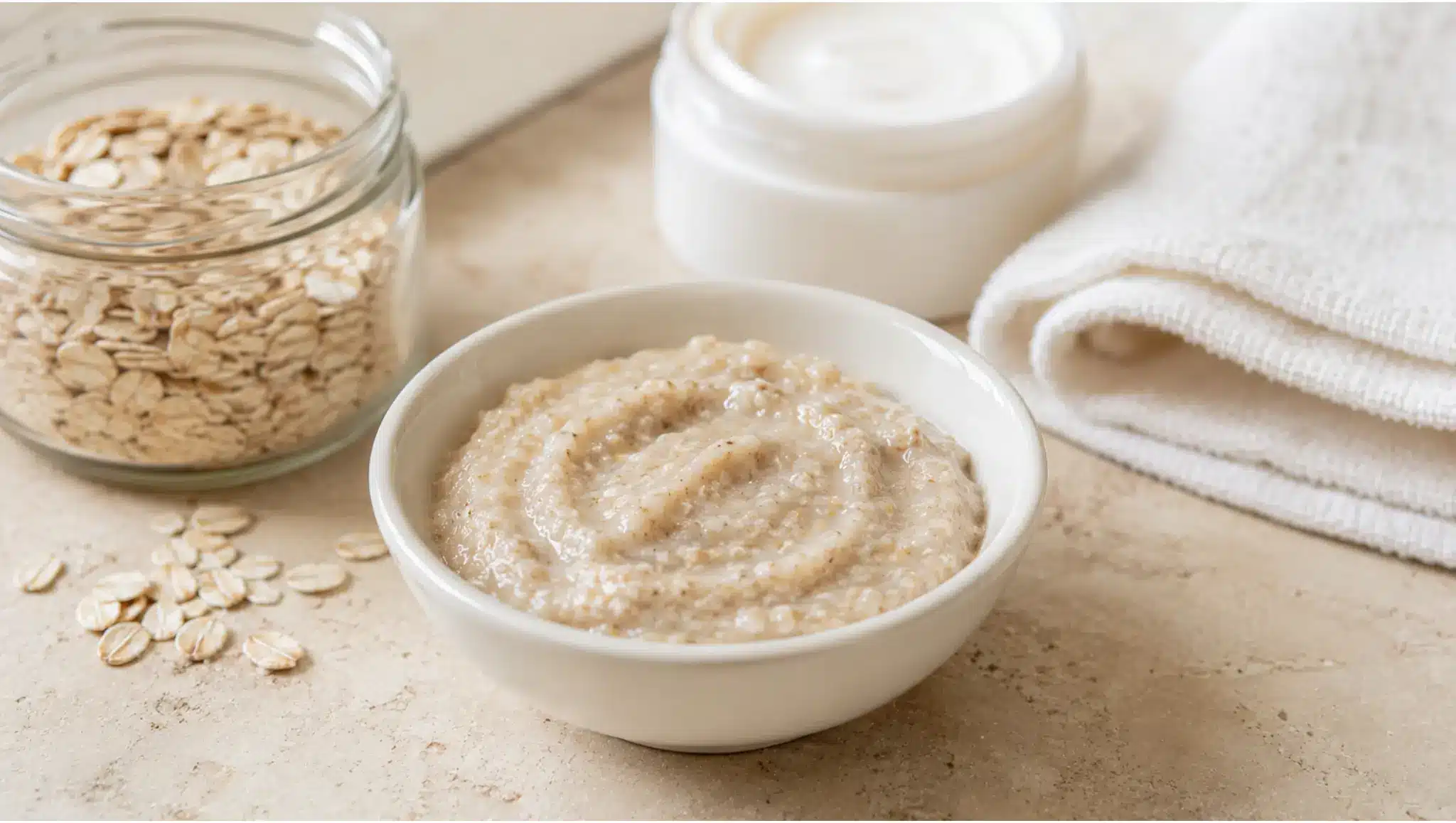
Finely ground oatmeal is one of the easiest first choices for sensitive, dry, or easily upset skin. It feels softer than sugar or coffee when it is ground into a fine powder.
|
Steps:
|
This scrub works well for anyone with dry, flaky, rough, sensitive, or easily irritated facial skin. Avoid using it when your skin is cracked, burning, or reacting to another product, as scrubbing may increase irritation.
Tip: Use finely ground oatmeal, not whole oats, so the texture stays soft.
2. Rice Flour for a Soft Polish
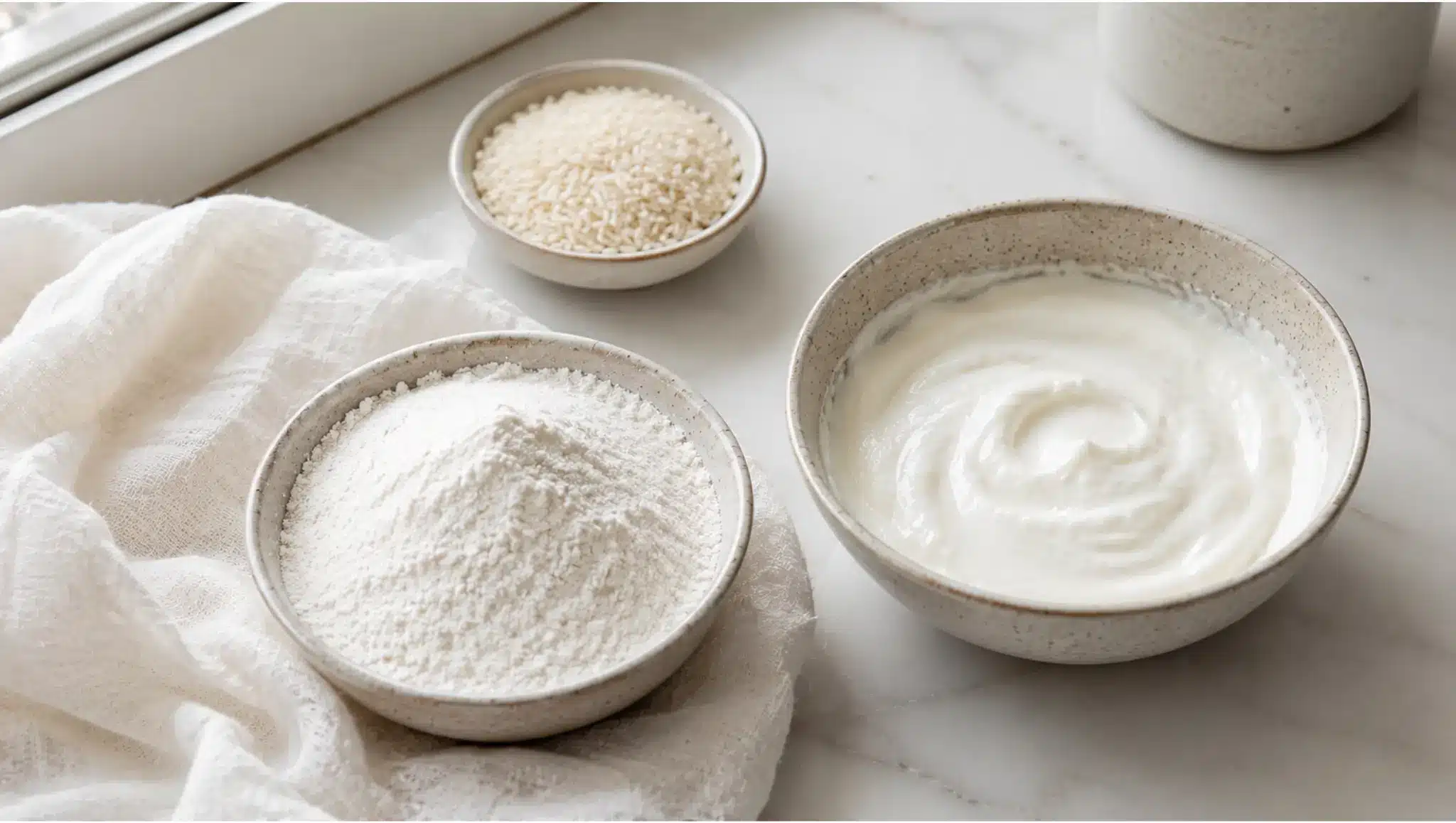
Rice flour can work well when your skin looks dull or feels slightly uneven. The key is texture. It should feel like fine powder, not gritty sand.
|
Steps:
|
This scrub suits normal, combination, or slightly oily skin that feels dull or rough. Skip it if the texture feels gritty, dairy irritates your skin, or your skin feels sore.
Tip: Use oatmeal first if your face turns red quickly.
3. Brown Sugar for Body Areas
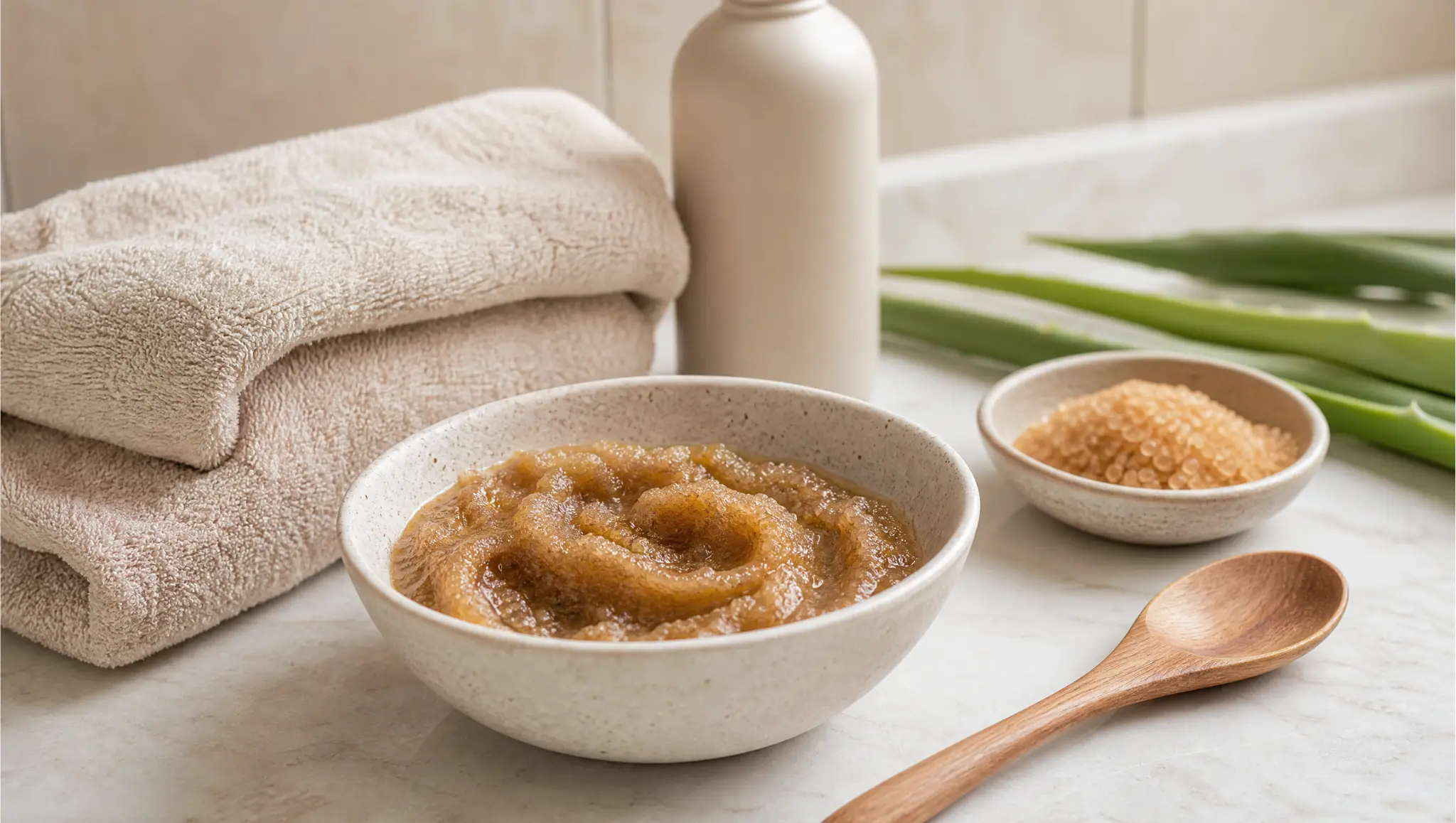
Brown sugar works better on the body than on the face. It can help soften rough elbows, knees, legs, and arms when mixed with a smooth base.
|
Steps:
|
This scrub suits rough body skin on the arms, legs, elbows, or knees. Skip it if you have shaving cuts, sunburn, cracked skin, rashes, or inflamed pimples.
Tip: Keep brown sugar for body areas because even small crystals can feel rough on facial skin.
4. Coffee Grounds for Body Skin
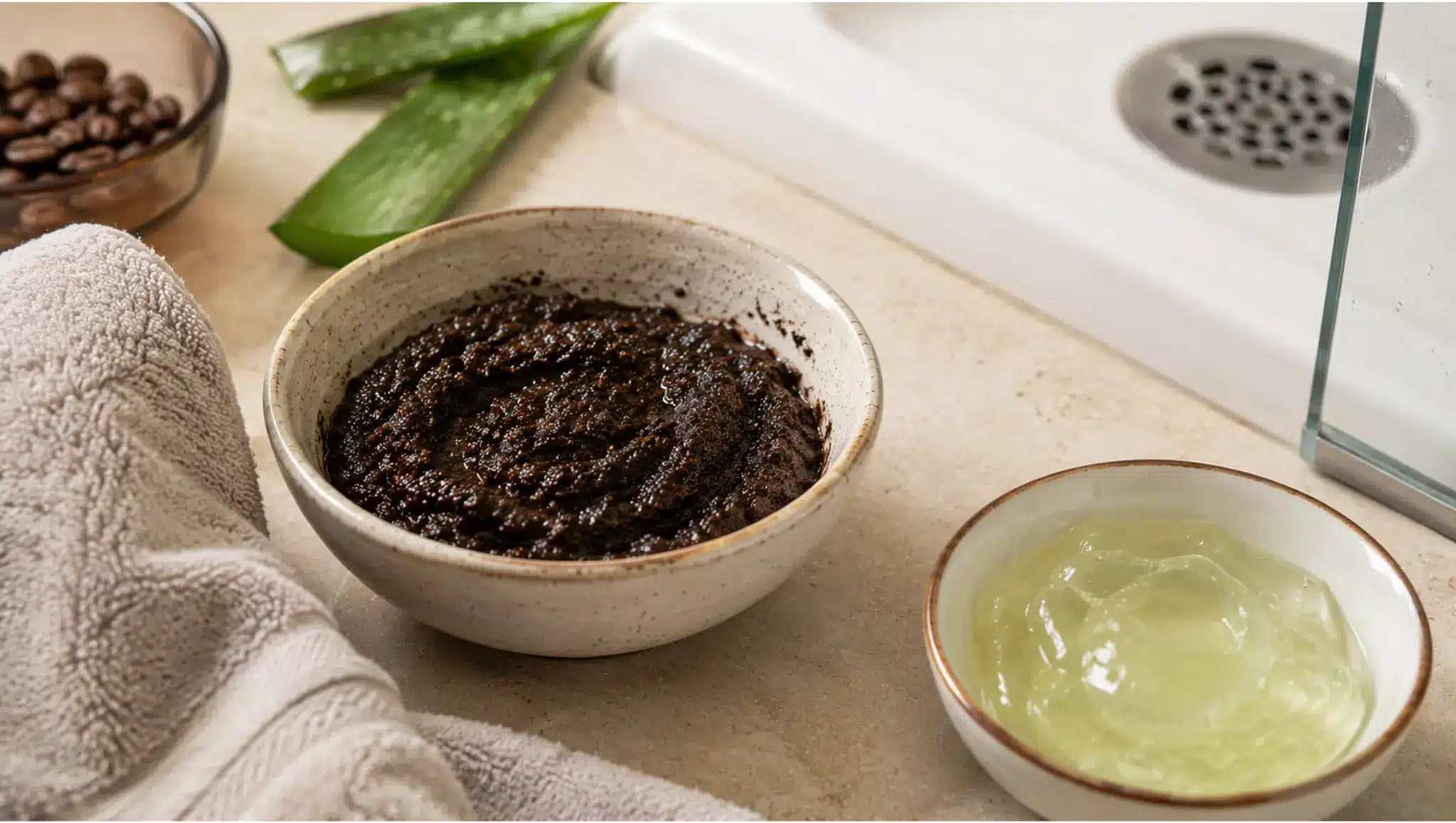
Coffee grounds can be useful for body exfoliation, especially on legs, arms, and feet. Use only fine grounds, as large, dry, rough pieces can scratch.
|
Steps:
|
This scrub suits rough skin on the legs, arms, or feet. Skip it if your skin feels thin, sore, freshly shaved, or easily irritated.
Tip: Use this before shaving, not right after shaving.
5. Fruit Enzymes for Less Rubbing
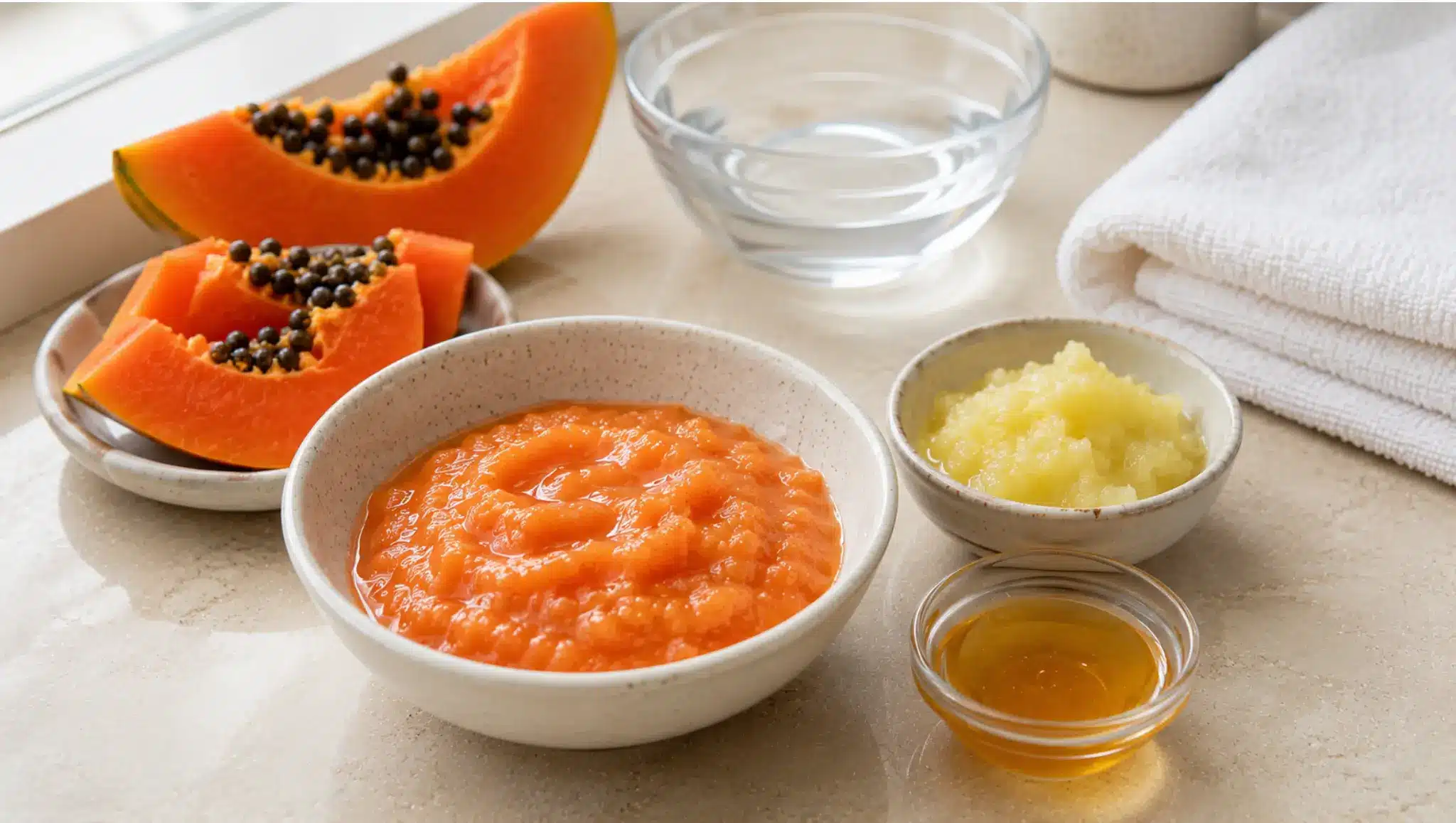
Fruit enzyme masks may help when you want smoother skin without scrubbing, but they can still irritate some skin. Papaya and pineapple are common choices, so use them carefully.
|
Steps:
|
This method suits anyone who wants light exfoliation without rubbing or scrubbing. Skip it if your skin stings, burns, itches, or turns bright red.
Tip: Try a small patch first before using it on your whole face.
6. Clay for Oily Areas
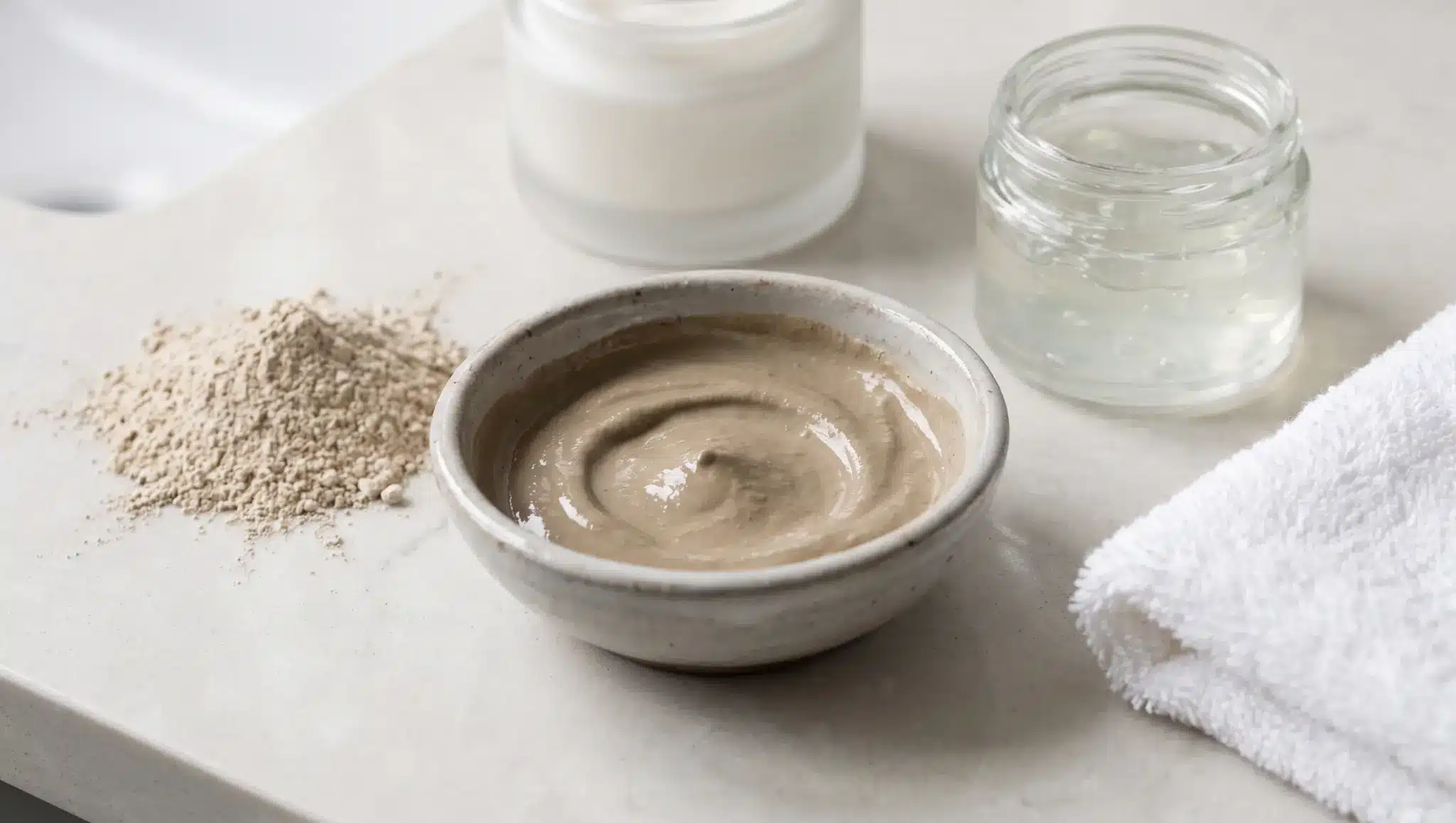
Clay is not a true scrub, but it can help oily skin feel cleaner. It works best on areas that feel greasy or clogged, such as the nose, chin, or forehead.
|
Steps:
|
This scrub suits oily areas on the nose, chin, forehead, or T-zone. Skip it if your skin feels dry, flaky, tight, or irritated.
Tip: Start once a week because clay can dry the skin when used too often.
Best Option by Skin Type
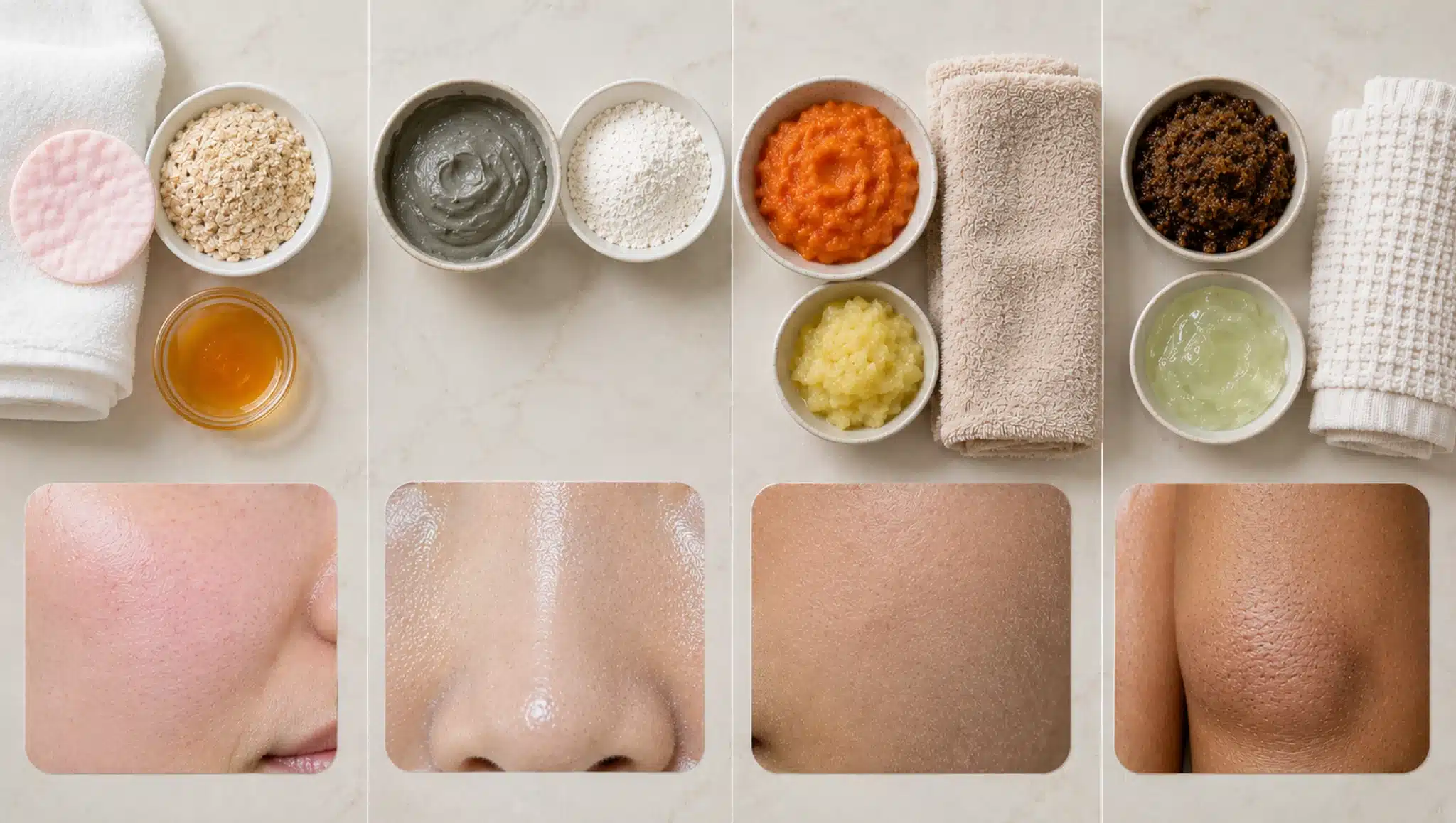
Your skin type should decide the ingredient, not a random trend. A body scrub can be too rough for your face, and a drying clay mask may not suit dry skin.
| Skin Type | Better Choice | Use With Care | Avoid |
|---|---|---|---|
| Sensitive skin | Finely ground oatmeal, honey | Fruit enzymes | Salt, coffee, lemon, baking soda |
| Dry skin | Oatmeal, honey, oil-based body scrub | Clay | Daily scrubbing, rough sugar |
| Oily skin | Clay, rice flour, mild enzymes | Body oils | Heavy oils on the face |
| Acne-prone skin | Oatmeal, clay, short enzyme mask | Rice flour | Sugar on active pimples |
| Combination skin | Oatmeal on cheeks, clay on oily areas | Enzymes | One strong scrub all over |
| Mature skin | Oatmeal, rice flour, mild enzymes | Sugar on body | Coarse salt, shell powders |
| Body skin | Sugar, coffee, salt for feet | Oil scrubs | Face methods on thick heels |
Acne-prone skin needs extra care because breakouts involve more than dead skin. Oil, clogged pores, bacteria, and product choices can also play a role.
Choose gentle options like finely ground oatmeal, clay, or mild enzyme masks. Avoid rough scrubs, coffee grounds, lemon juice, and baking soda.
Do not scrub active pimples, and seek dermatology care for painful or spreading acne.
How Often to Use a Natural Exfoliant?
The right exfoliation frequency depends on your skin type, the area being treated, and how your skin feels afterward. Starting slowly helps prevent dryness and irritation.
Sensitive skin usually needs exfoliation every 10 to 14 days, while dry skin often does well with once-a-week use. Normal and oily skin can typically handle exfoliation 1 to 2 times a week.
Body skin can usually be exfoliated 1 to 3 times a week, while rough areas like feet and heels may need 1 to 2 sessions weekly. Acne-prone skin should be exfoliated only when the skin is calm.
More scrubbing does not mean better results. If your skin feels tight, itchy, shiny, or sore, reduce how often you exfoliate and give your skin time to recover.
Face vs. Body Ingredient Chart
Not every natural ingredient belongs on your face. Facial skin usually needs a softer texture, while body areas like elbows, knees, legs, and heels can handle a little more grit.
Use this chart to choose the right ingredient for the right area:
| Ingredient | Face | Body | Best Use |
|---|---|---|---|
| Finely ground oatmeal | Yes | Yes | Dry or sensitive skin |
| Rice flour | Yes | Yes | Mild dullness |
| Brown sugar | Sometimes | Yes | Rough body patches |
| Coffee grounds | Rarely | Yes | Legs, arms, feet |
| Salt | No | Yes | Heels only |
| Clay | Yes | Yes | Oily areas |
| Papaya | Yes | Yes | No-scrub smoothing |
| Pineapple | With care | Yes | Short enzyme mask |
Use the finest texture on your face. Save stronger options for the body skin. If an ingredient feels sharp in your hand, it does not belong on your face.
Some natural ingredients can still irritate skin. Ingredients like lemon, baking soda, rough scrubs, and undiluted oils may cause dryness or discomfort.
When in doubt, keep the ingredient softer than you think you need. Your skin should feel smoother after exfoliating, not raw, tight, or sore.
Storage Tips for Homemade Mixes
Homemade skin mixes lack preservatives, so wet mixes with yogurt, fruit, aloe, or water should be used fresh. Store dry powders, such as oats or rice flour, in a clean jar and mix them when needed.
- Make small batches: Prepare only enough for one use to keep the ingredients fresh and safe.
- Keep containers dry: Avoid getting water inside jars, as moisture can cause spoilage.
- Use clean tools: Take the mix with a clean spoon instead of wet fingers.
- Store dry powders properly: Keep ingredients like oatmeal or rice flour in a cool, dry place.
- Check before use: Throw away the mix if it smells unusual, changes color, or has a different texture.
- Avoid humid areas: Do not store fruit mixes in the bathroom, as moisture accelerates spoilage.
A small fresh batch is usually the safest choice, and it also keeps the texture smoother each time you use it.
Final Thoughts
Healthy exfoliation is about finding a balance between removing dead skin and protecting your skin barrier.
A natural exfoliant can be a useful option when chosen carefully, but not every ingredient may suit everyone or every skin area.
A simple routine with the right texture, gentle application, and proper aftercare can help maintain smoother-looking skin without unnecessary irritation.
Pay attention to how your skin feels after each use and adjust your routine when needed. The best skincare habits are the ones that fit your skin consistently over time.
Share your favorite exfoliation tips in the comments below, and start building a safer routine today.
Frequently Asked Questions
Should I Exfoliate Before or After Washing My Face?
Exfoliate after cleansing your skin. Clean skin helps the exfoliant work evenly and removes surface dirt before use.
Can I Use a Natural Exfoliant Before Applying Makeup?
It is better to avoid exfoliating right before makeup. Give your skin time to settle and apply moisturizer before using cosmetics.
Why Does My Skin Feel Dry After Exfoliating?
Dryness can result from using harsh ingredients, applying too much pressure, or exfoliating more often than your skin can handle.