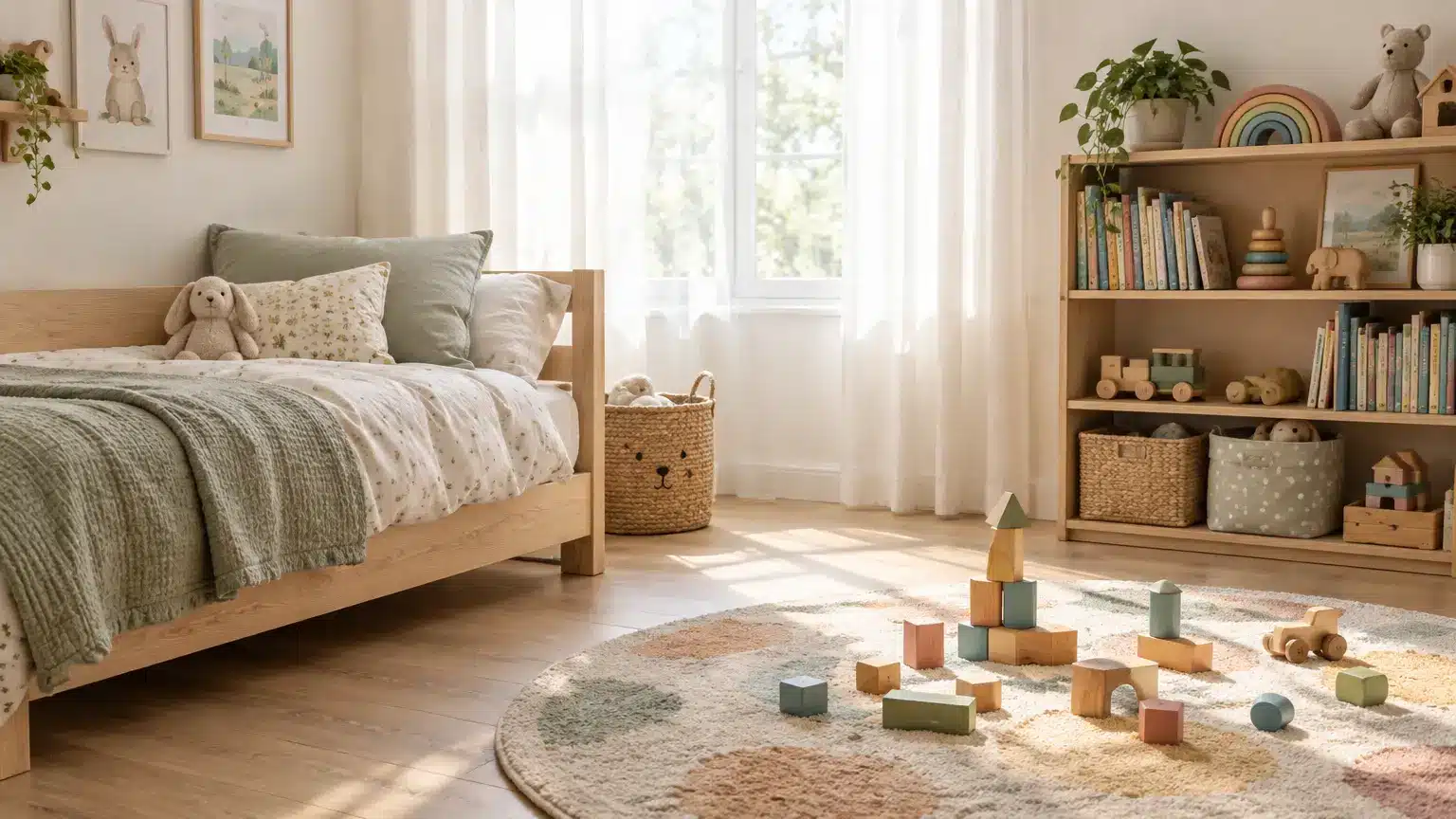
Many parents find it tricky to decorate their child’s bedroom. They want to create a comfortable space for their child while making the most of the room they have.nnThere’s more to designing a child’s bedroom than choosing colors and furniture.
Parents also need to consider their child’s age, the size of the room, and storage needs. Younger children need enough space to play, while older kids may need a desk and extra storage. Before renovating, it’s worth thinking about how to make the room both attractive and practical.
If you’re not sure where to start, browsing different design projects can help. EClife is a home renovation website featuring designers’ work and renovation case studies. You can explore different kids’ bedroom styles and find ideas that suit your family.
01 Choose Soft Colors for a Cozy Atmosphere
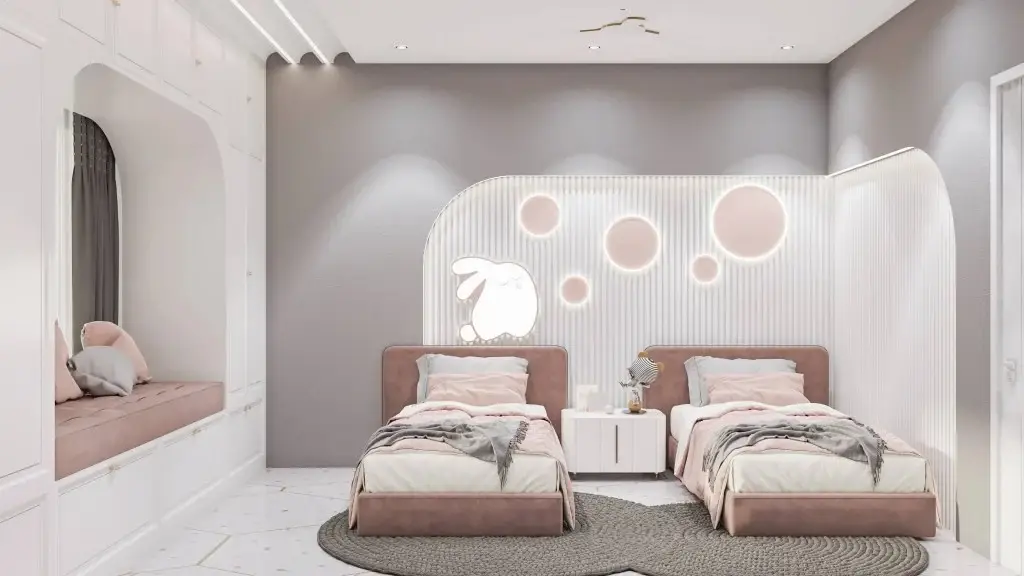
A child’s bedroom doesn’t have to be filled with bright colors. Off-white, light gray, pale pink, and soft green are all great choices for creating a warm and relaxing space.
For example, you could keep the walls in a light color and introduce brighter shades through bedding, curtains, or decorative artwork. This creates a balanced look without making the room feel too busy. If your child currently loves pink or blue, you can incorporate these colors into cushions, bed linens, and accessories instead of painting the entire room in one shade.
02 Choose Furniture That Suits Your Child’s Age
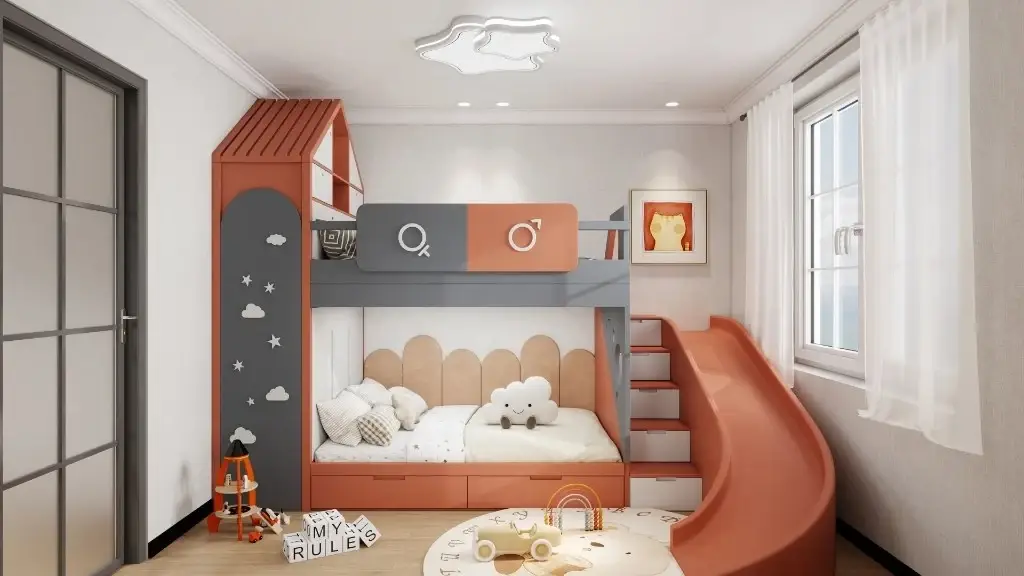
Children have different needs as they grow. Toddlers need a safe bed, easy access to their belongings, and enough room to move around. Older children may need a desk, bookshelves, and extra storage for school supplies and toys.
When choosing kids bedroom furniture, look for pieces that are appropriately sized, sturdy, and designed with safety in mind. For toddlers, a low bed and easily accessible storage can make everyday routines more convenient. As children grow, their furniture should adapt to their changing needs.
If you’re looking for toddler room ideas, take a look at EClife’s guide to 17 Toddler Room Ideas Worth Learning From. It offers inspiration for different bed styles, wall decorations, and storage solutions.
03 Make Room for Play and Reading
A child’s bedroom is more than a place to sleep. It’s also a space for playing, reading, and exploring different interests. If the room is filled with beds, cabinets, and toys, children may have little space to move around freely.
Consider leaving an open area where your child can play with building blocks, look through picture books, or work on crafts. A soft rug can make this space more comfortable. If the room allows, you could also add a small bookshelf and child-sized table and chairs for reading and drawing.
Storage is important, too. Keep frequently used toys and books where children can easily reach them. This makes it easier for them to put things away and gradually develop good organizing habits.
04 Girls’ Bedrooms Don’t Have to Be Pink
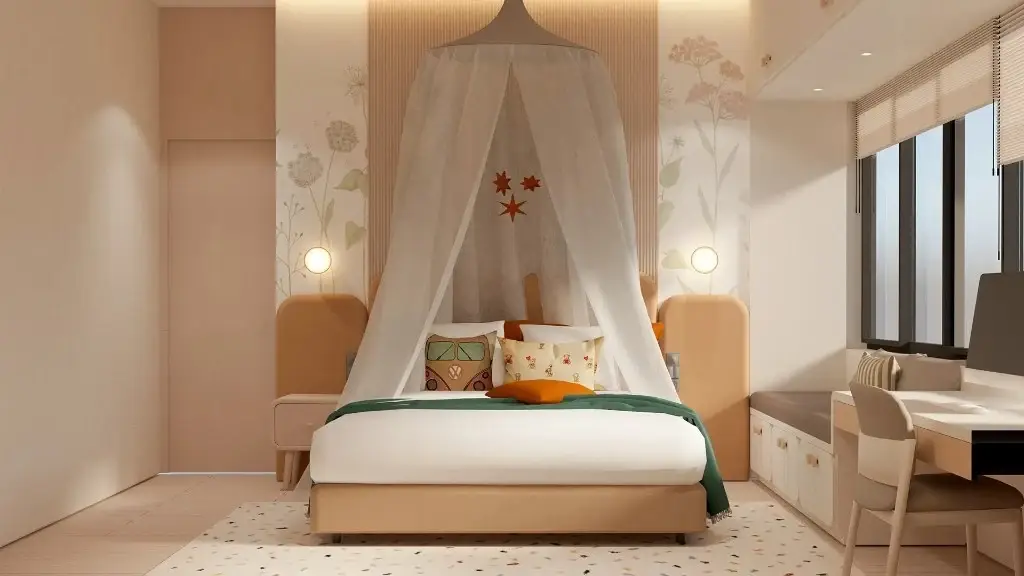
When looking for girls bedroom ideas, many people immediately think of pink walls, lace curtains, and princess beds. However, girls’ bedrooms can suit many different styles, including natural, minimalist, and colorful designs featuring combinations such as beige and orange.
If your child likes a particular color or theme, incorporate it into the bedding, wall art, or small decorations. Then use more timeless colors as the foundation of the room. This allows the space to reflect your child’s personality without making future updates difficult.
Rather than committing to a fixed theme for every detail, leave some room for change. Children’s interests can shift quickly, so a flexible design is often more practical in the long run.
05 Find Inspiration in Real Bedroom Designs
If you’ve looked through plenty of pictures but still aren’t sure how to put everything together, browsing complete bedroom projects can help. Different kids bedroom designs show how furniture placement, colors, and storage solutions work together in a finished space.
On EClife’s kids’ bedroom design page, you can explore different styles and find ideas that suit your home’s layout and your child’s needs.
You don’t need to copy another room exactly. Start by measuring the space, then work out how much room the bed, wardrobe, and desk will take up. Make sure there is still enough space for everyday activities. Once these essentials are planned, you can gradually choose colors, lighting, and decorations to complete the room.
Conclusion
Designing a child’s bedroom involves more than choosing attractive furniture and wall colors. From soft color schemes and age-appropriate furniture to dedicated play areas and flexible storage, every detail can affect how comfortable and practical the room is.
Before renovating, explore different designs and collect ideas that suit your family. Consider your room size, budget, and child’s preferences before making decisions. A beautiful bedroom is important, but a space where children can sleep comfortably, play freely, and grow into new routines is even more valuable.