A good leather jacket comes down to four things: the leather itself, the fit, the stitching, and the hardware. Full-grain leather lasts for decades and develops a natural patina with wear. The right fit follows your natural shoulder line with enough room to layer underneath.
Tight and even stitching holds up under regular wear, and solid hardware like a quality zipper prevents the most common point of failure. Get those four right and the jacket you buy this year is the one you’re still wearing in fifteen.
Most men either overpay for a logo or underpay for something that cracks within two winters. This leather jacket buying guide skips the marketing and breaks down exactly what to look for, section by section, so you can buy once and wear it well.
What Makes a Leather Jacket “Good” Leather
Not all leather is created equal, and the label on the tag matters more than most buyers realize. Four grades show up most often in men’s outerwear, and knowing the difference is the single most important part of any leather jacket buying guide.
Full-grain leather uses the entire top layer of the hide, including its natural texture, grain, and imperfections. Nothing is sanded away, which means the leather keeps its full strength and its ability to develop a rich patina over years of wear.
This is the leather worth paying for if you want a jacket that gets better with age instead of falling apart.
Top-grain leather has that outer layer lightly sanded and refinished for a smoother, more uniform surface. It is still a durable, genuine leather, just with slightly less character and a shorter lifespan than full-grain.
Genuine leather sounds like a quality mark but usually is not. It typically refers to a lower, weaker layer of the hide that has been corrected or bonded to look presentable. It will not hold up to years of regular wear the way full-grain does.
Faux or bonded leather is a plastic-based imitation with no real hide content. It looks acceptable on day one and starts cracking, peeling, or flaking within a year or two, especially at stress points like the elbows and collar.
If you want a jacket that ages well instead of falling apart, full-grain leather is worth the extra cost every time, and it is the material every serious leather jacket sits on.
Choosing the Right Style for How You’ll Wear It
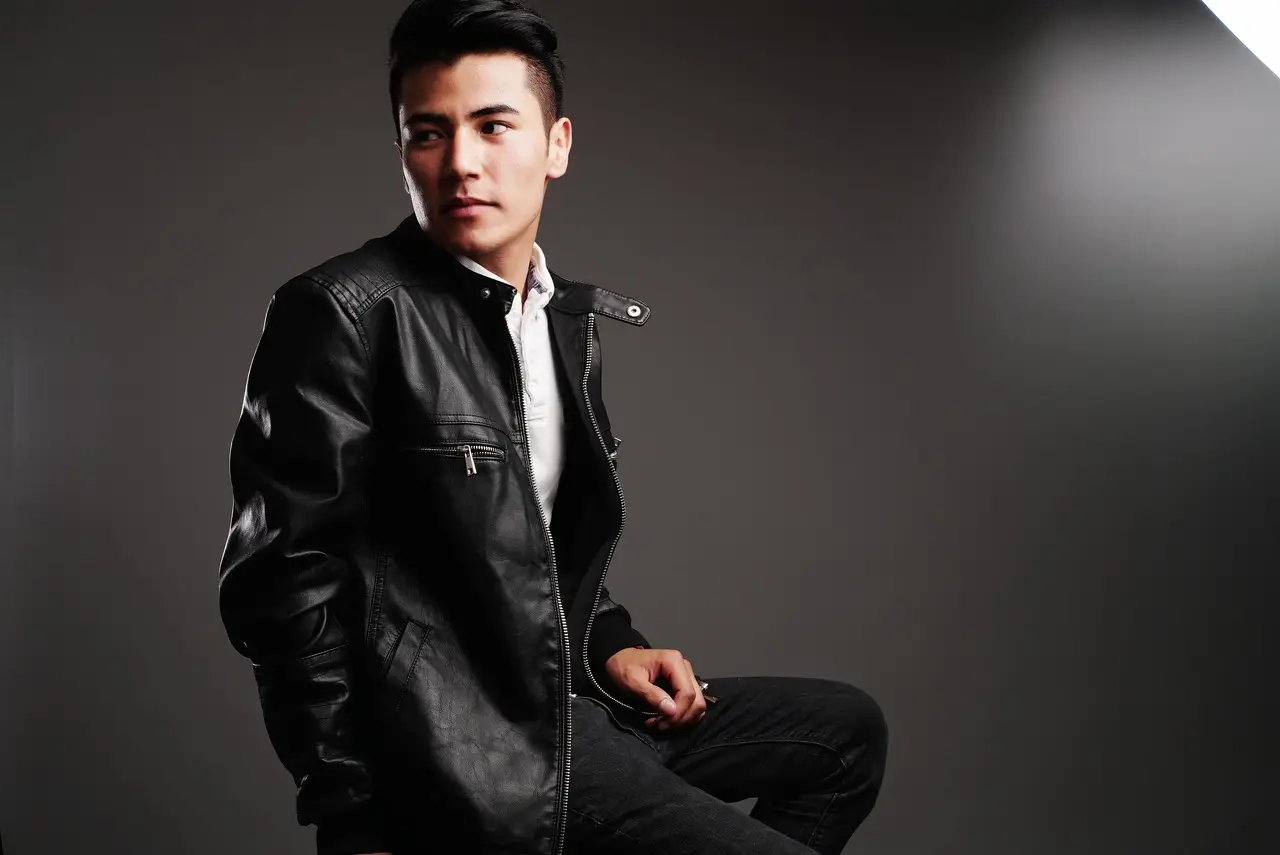
The cut matters as much as the material, since the wrong style for your life means an expensive jacket that sits in the closet.
Biker jackets have an asymmetric zip, a fitted waist, and belt or snap details borrowed from motorcycle gear. They work well for riders and for anyone who wants a sharper, edgier everyday look.
If this is your lane, a well-made pair of biker leather jackets will outlast almost anything else in a rotation, since the style has stayed relevant for close to a century.
Bomber jackets are looser through the body, with a ribbed collar, cuffs, and waistband borrowed from military flight gear. They are built for comfort and easy layering, which makes them a strong choice for casual, everyday wear.
Cafe racer jackets are minimal and clean, with a stand collar and little extra hardware. This is the style to reach for under a blazer or with plain denim, when you want the leather to read as tailored rather than rugged.
Aviator jackets run heavier, often shearling-lined, and are built for genuine cold rather than looks alone. They trade a bit of sleekness for real warmth.
Casual and trucker-style jackets sit somewhere between a biker and a workwear jacket, with a straight cut and patch pockets. They are the easiest style to wear with almost anything, which makes them a good starting point if you are buying your first leather jacket.
Not sure which one fits your wardrobe? Browsing a full range of men’s leather jackets side by side makes the differences far easier to judge than reading descriptions in isolation.
Getting the Fit Right
Leather does not stretch or shrink the way fabric does, so the fit you buy is close to the fit you keep. This is where leather jacket sizing trips up more buyers than the material itself.
Shoulder seams should sit right at your natural shoulder line, never drooping past it onto your arm. A dropped shoulder seam is one of the most common fit mistakes and one of the hardest to fix after the fact.
Sleeves should end at your wrist bone, leaving just enough room to push them up slightly without bunching awkwardly at the elbow.
The body should sit close without pulling. A simple test: you should be able to fit a light sweater or flannel shirt underneath without the jacket straining across the chest or back when you raise your arms.
Length matters too. The hem should hit around the hip bone. Too short reads as a costume, too long loses the silhouette the style is built around.
Always check the brand’s specific size chart before ordering rather than guessing off your usual size in cotton or denim, since leather jacket sizing tends to run differently across brands and styles.
Lining, Hardware, and Craftsmanship Details
The parts you cannot see from across the room are often the parts that fail first, which makes leather jacket lining and hardware worth checking closely before you buy.
A quilted or fleece lining adds warmth and lets the jacket slide on and off smoothly without catching on a shirt underneath. Thin, unlined jackets look sharp but offer little insulation, so match the lining to how you actually plan to wear the piece.
Zippers are the most common point of failure on an otherwise well-made jacket. Look for recognized hardware brands rather than unmarked zippers, since a cheap zipper can undermine years of good leather.
Snap buttons and rivets should feel solid and well-seated, not loose or rattly when you handle them. Along stress points like the underarms, cuffs, and pocket edges, stitching should be tight, even, and doubled for reinforcement rather than a single pass of thread.
How to Tell Real Leather From Faux
A few quick checks at the point of sale save you from an expensive mistake, and they only take a minute.
Real leather shows a natural, slightly uneven grain pattern, since it comes from an animal hide rather than a mold. Faux leather tends to look too smooth and too perfectly repeated across the surface.
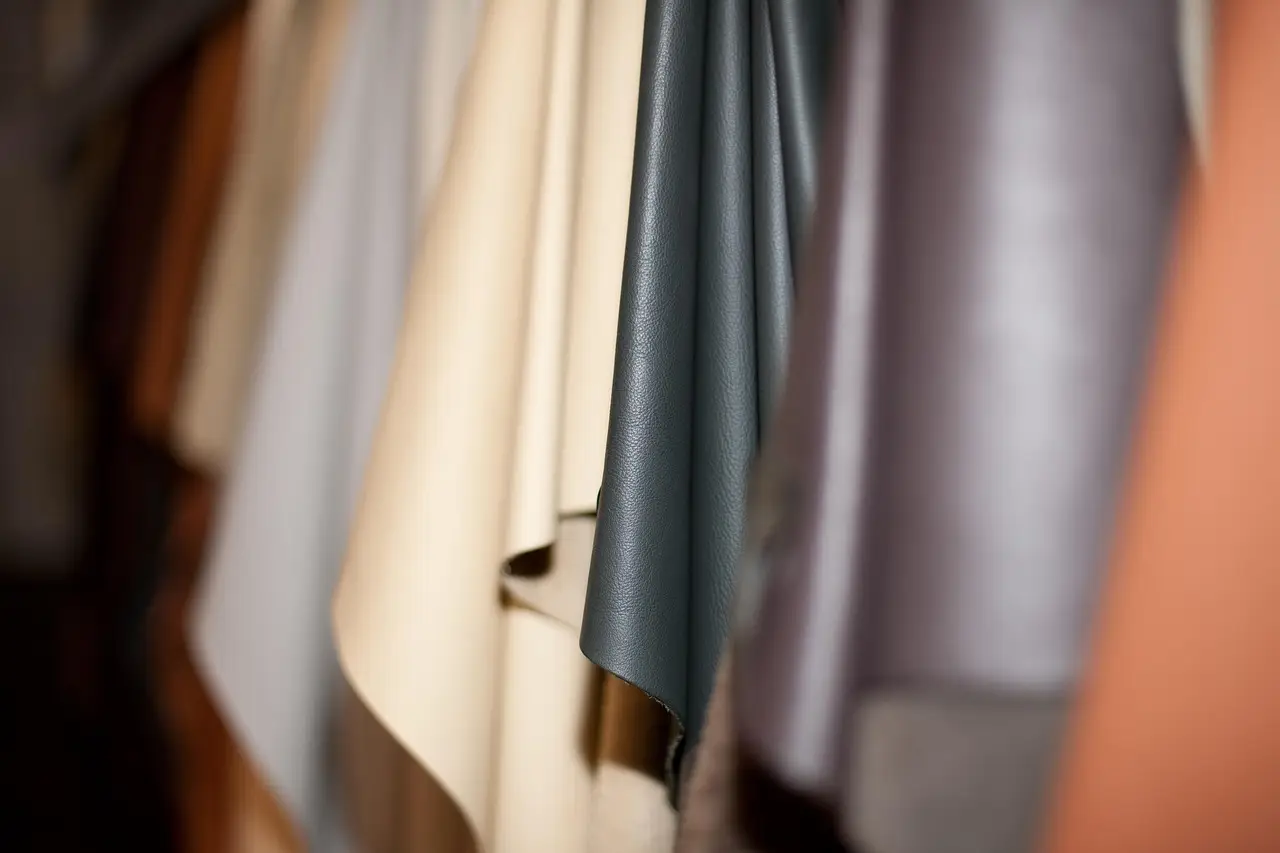
Real leather carries a warm, earthy smell, while synthetic material usually smells faintly of plastic or chemicals. A gentle press test helps too: real leather wrinkles slightly and holds a light impression for a moment, while faux material springs back flat instantly.
Finally, check the edges. Real leather has a fibrous, slightly rough cut edge, while faux leather edges are usually smooth and uniform, since they are cut from a single sheet of coated fabric.
Common Buying Mistakes to Avoid
Even careful buyers fall into a few predictable traps. Sizing up on purpose, expecting the leather to “break in” and shrink to fit, almost never works the way it does with denim, and usually leaves you with a jacket that never quite sits right.
Choosing a jacket based on price alone, without checking the leather grade, is another common misstep, since a low price on a full-grain jacket is rare and usually signals a mislabeled or lower grade material. Ignoring the return policy is a smaller but real risk, especially when buying leather online without trying it on first.
Finally, buyers sometimes pick a style for looks alone without considering climate, ending up with an unlined biker jacket in a cold-weather city or a heavy shearling aviator somewhere that barely sees a real winter.
Caring for Your Leather Jacket so It Lasts
Leather jacket maintenance is simpler than most people expect, and full-grain leather rewards even basic care. Wipe the jacket down with a soft, dry cloth after wear to remove dust and surface oils.
Condition it every few months with a proper leather conditioner to keep the hide supple and prevent cracking, especially at fold points like the elbows and collar. Store it on a wide, contoured hanger rather than a wire one, so the shoulders keep their shape instead of developing points.
Keep it away from direct heat sources like radiators or car interiors in summer, since intense heat dries leather out faster than normal wear ever will. If it gets caught in rain, let it air dry naturally away from direct heat, then condition it once fully dry to restore any lost oils.
Conclusion
A leather jacket is one of the few wardrobe pieces that gets better with age instead of worse, but only if you start with the right leather, the right fit, and the right construction.
Skip the shortcuts, check the details covered in this leather jacket buying guide, and you will end up with a jacket that earns its place in the closet for decades rather than seasons.
FAQs
How much should I expect to pay for a good leather jacket?
A well-made full-grain leather jacket typically runs from a couple hundred dollars up into the several hundreds, depending on the hide, construction, and brand. Anything drastically cheaper is almost never full-grain.
What’s the difference between full-grain and top-grain leather?
Full-grain uses the entire top layer of the hide with its natural texture intact, while top-grain has that layer sanded and refinished for a smoother, more uniform look. Full-grain is generally more durable and develops a better patina over time.
Can a leather jacket be resized after purchase?
Minor adjustments, like taking in the waist or shortening the sleeves, are usually possible at a tailor experienced with leather. Major resizing, especially at the shoulders, is difficult and often not worth the cost compared to buying the right size initially.
How long should a well-made leather jacket last?
A full-grain leather jacket that receives basic care can easily last fifteen to twenty years or longer, aging into a better version of itself rather than wearing out the way cheaper materials do.