When planning a kitchen remodel, the first big question is often the same: how much will it really cost? The truth is, kitchen remodeling costs aren’t a fixed number.
It changes based on choices, timing, kitchen size, and even where the home is located.
Some remodels stay close to budget, while others grow once quotes, materials, and hidden fixes are factored in. This guide shares realistic cost expectations based on real remodel patterns, not just rough guesses.
It also breaks down minor, major, and upscale remodels, so it’s easier to match goals with a budget. Along the way, practical kitchen remodel ideas are included to help control spending without sacrificing style.
For anyone planning ahead and hoping for fewer surprises, this guide makes the process feel clearer and more manageable.
Kitchen Remodeling Cost at a Glance
Kitchen remodeling cost can vary a lot, but here’s the quick picture.
A minor remodel (paint, flooring, basic updates, refacing, or entryway cabinets) often runs around $24,000.
A major remodel (semi-custom cabinets, island, upgraded lighting, and appliances) commonly averages about $69,000.
An upscale remodel (custom cabinetry, stone countertops, premium appliances, and added features) can cost about $136,000.
For 2025–2026, costs may trend higher because labor rates and material prices change year to year, so planning with a buffer helps.
Location matters, too; labor and permit rules can make the same remodel cheaper in the South and more expensive in big coastal cities. Always price locally for accuracy.
Real Experience With Kitchen Remodeling Costs

Kitchen remodel budgets often look simple at first, but reality sets in fast. Many people start with a number in mind, but the final total shifts once quotes come in and little “must-fix” items appear.
Hidden costs can include electrical updates, plumbing tweaks, permit fees, delivery charges, and the removal of what’s behind old cabinets.
The biggest lesson: build a cushion and decide early where to save and where to spend. Refacing cabinets, keeping the same layout, and choosing midrange finishes can cut costs.
Getting multiple bids and a clear scope upfront helps avoid stress later.
Average Kitchen Remodeling Cost Breakdown
Not every remodel is the same, and that’s why costs swing so widely. The easiest way to budget is to pick a “level” first, minor, major, or upscale, then match materials and labor to that level.
The sections below break down what each scope usually includes, what it’s best for, and the kinds of upgrades that can raise (or lower) the final price.
1. Minor Kitchen Remodel Cost
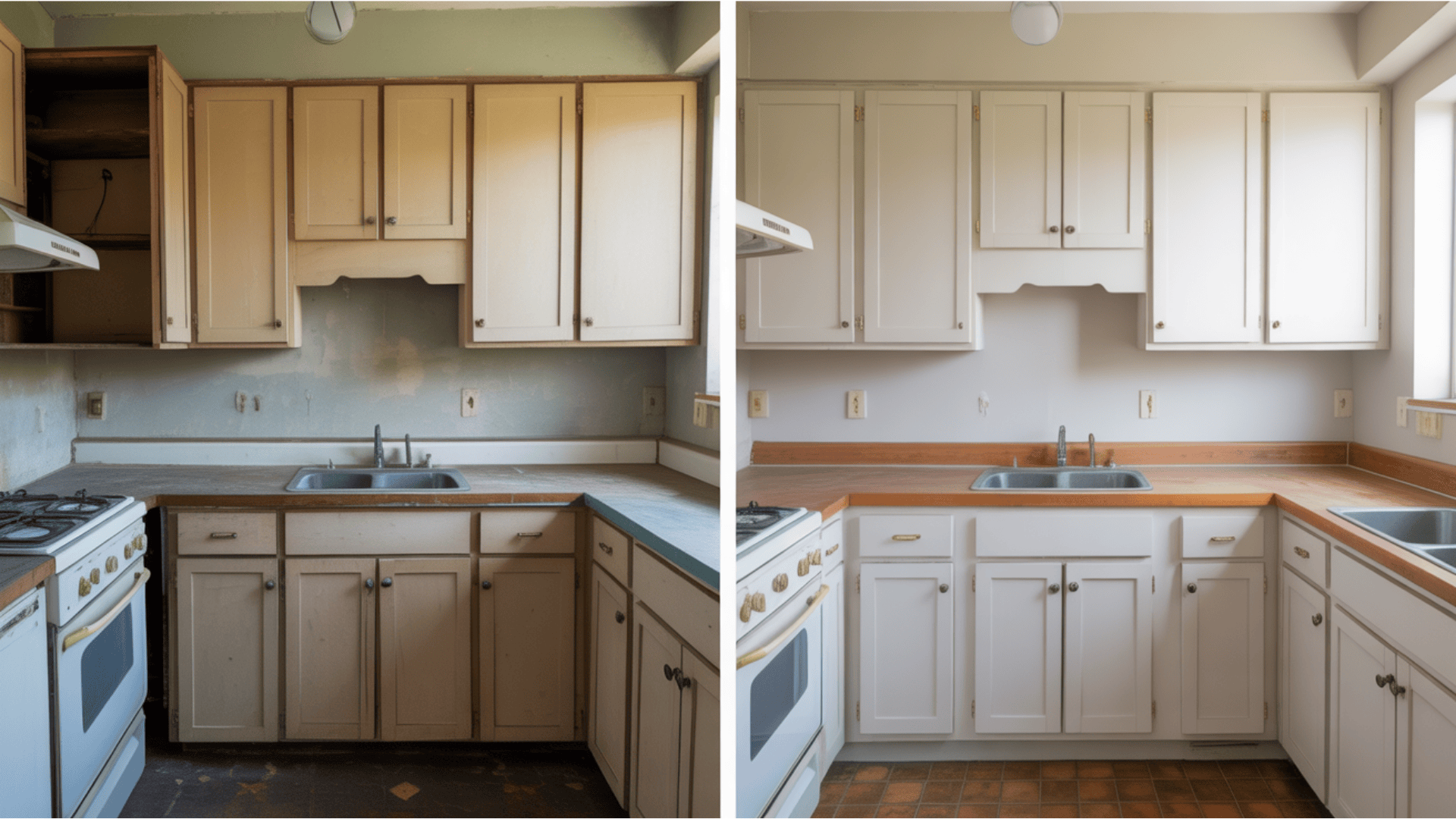
This route keeps the current layout and focuses on refreshing it. It’s usually the best fit when the kitchen works fine, but looks dated, worn, or just not “you” anymore.
- What’s included: Think paint, new flooring, updated counters, a new sink/faucet, and simple cabinet updates. Instead of replacing everything, many projects save money by refacing cabinets or using stock, ready-to-install options.
- Best for small kitchens or resale prep: Minor remodels are great when the goal is to keep it clean, updated, and functional without a complete teardown. It’s also popular for homeowners prepping to sell, since it boosts the look without overspending.
- Average cost: The national average for a minor remodel is around $24,000, but local labor and material costs can raise or lower that amount. For 2025–2026 planning, it helps to keep a cushion for price changes and small surprises.
- Bright kitchen remodel ideas for a minor upgrades: Small swaps can do a lot: new cabinet hardware, a modern faucet, better lighting, and a simple backsplash. Keeping the same layout is the biggest money-saver, because moving plumbing and electrical gets expensive fast.
2. Major Kitchen Remodel Cost
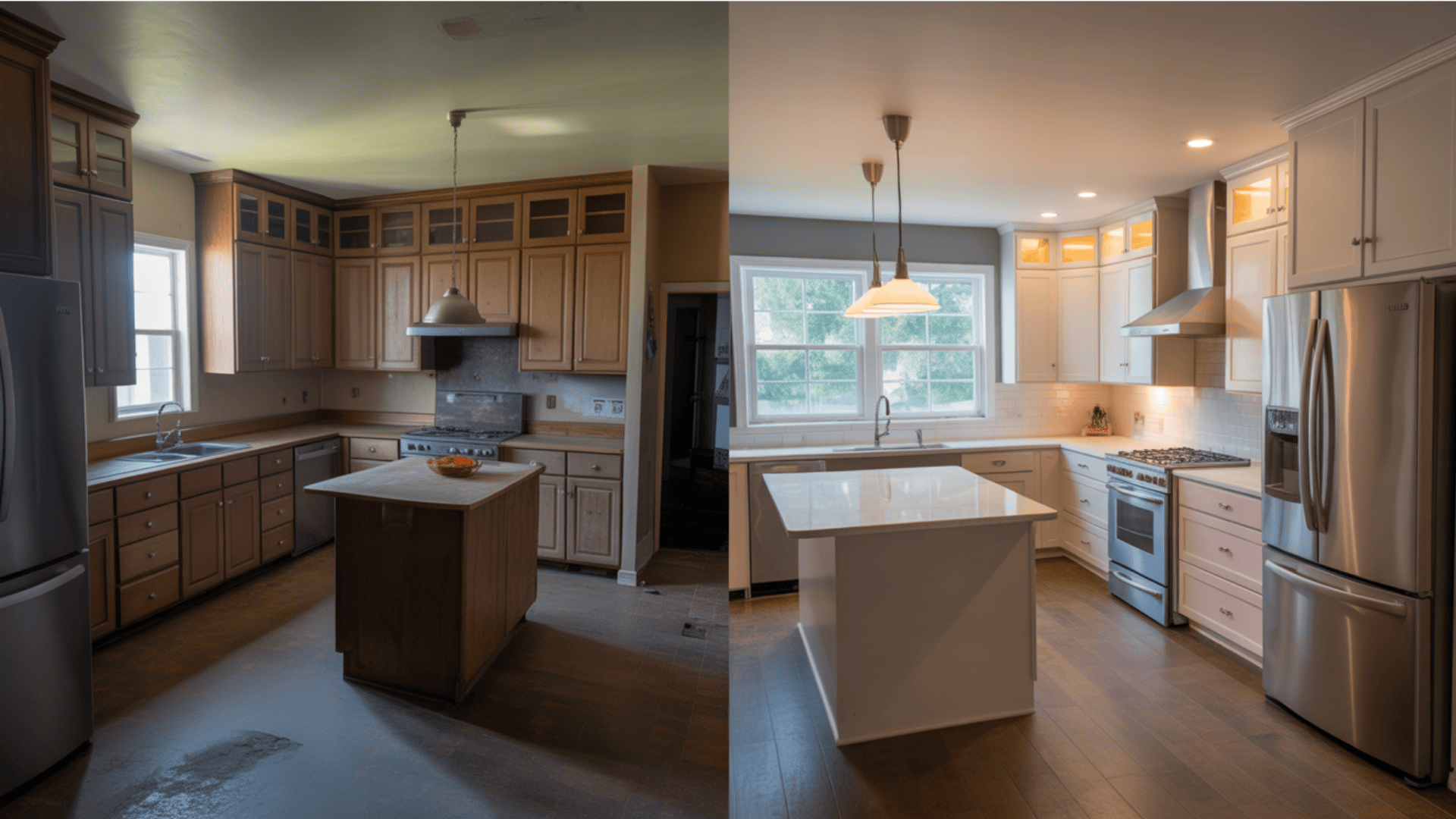
A major remodel is the “big upgrade” level, with more changes, better materials, and a bigger jump in comfort and style. The kitchen may still retain its footprint, but most of the key pieces have been replaced.
- Cabinetry, islands, lighting, appliances: This level often includes semi-custom cabinets, upgraded appliances, new lighting (both general and task lighting), and, sometimes, an island. It’s the remodel where the kitchen feels brand-new, not just refreshed.
- Cost range with examples: A major remodel typically averages about $69,000 nationwide, but local pricing can vary. Costs also climb based on cabinet choices, countertop material, and the complexity of the lighting and appliance installations.
- When a major remodel makes sense: This is the right move when the kitchen layout primarily works, but the finishes, storage, and fixtures don’t. It’s also a good option when cooking and hosting are regular parts of daily life, and the kitchen needs to keep up.
- Practical kitchen remodel ideas that add value: Add value by focusing on function: better storage, a roomy sink, durable counters, and lighting that actually helps. Upgrading ventilation and adding more outlets can also be “quiet wins” that buyers and homeowners love.
3. Upscale Kitchen Remodel Cost
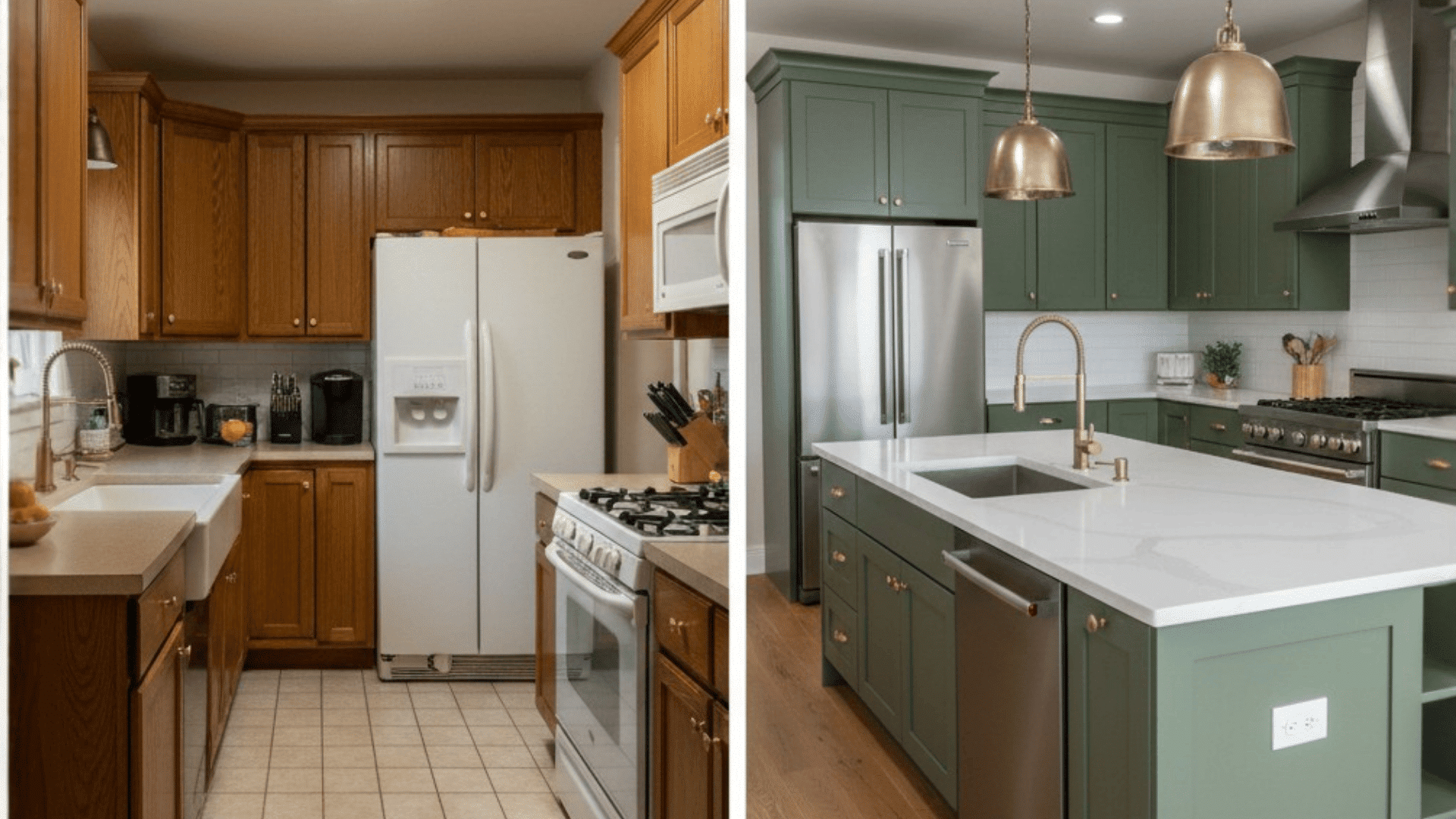
This is the “dream kitchen” level custom work, premium finishes, and often a few layout changes. It looks incredible, but the budget can climb fast, so having a clear cost target matters.
- Average cost in 2025–2026: A common national average for an upscale remodel is around $136,000. In many areas, the real-world range is closer to $100,000–$200,000+, depending on labor rates and material choices.
- High-end materials and custom features: Custom cabinets, stone countertops, designer fixtures, and specialty storage quickly raise the total. The more custom work involved, the more the labor hours (and cost) stack up.
- Structural changes and tech upgrades: Moving plumbing, knocking down walls, or changing electrical can add a big chunk to the bill. Smart appliances, filtration systems, and layered lighting plans also push costs higher.
- Why do upscale costs jump fast? Premium materials cost more, but the bigger jump is usually skilled labor and longer timelines. Delays, backorders, and custom fabrication can add thousands without warning.
Kitchen Remodeling Cost by City and Region (USA)
Kitchen remodeling costs change by city and region across the USA, mainly due to labor rates, permit rules, and local construction requirements
| Factor | Lower-cost areas (often South) | Higher-cost metros |
|---|---|---|
| Typical cost level | Lower | Higher |
| Main reason | Cheaper labor | Higher labor + higher cost of living |
| Permits & inspections | Often simpler | Often stricter/more steps |
| Older-home upgrades | Varies | More common + pricier fixes |
| Example (midrange remodel) | Mid-$50Ks (parts of Florida) | $70Ks+ (San Francisco) |
| What to do | Price materials locally | Get 3 quotes |
| Safety buffer | 10–20% | 10–20% |
Always compare local pricing, request multiple contractor quotes, and keep a budget buffer to handle regional differences and unexpected remodeling costs.
Kitchen Remodel Cost Factors Most People Overlook
Kitchen remodel costs often rise from details people miss. Cabinets are a big one. Refacing is cheaper, while full replacement costs more.
Plumbing and electrical upgrades can pop up once walls are opened, especially in older homes. Permits and code rules also add fees and required work.
Appliance delivery, hookups, and haul-away can be another surprise line item. Finally, delays and labor overruns happen when materials arrive late or the scope changes, so keeping a 10–20% buffer helps.
Kitchen Remodel Ideas that Save Money
These quick kitchen remodel ideas keep costs under control while still improving style, function, and everyday comfort.
| Kitchen remodel ideas | Saves money by |
|---|---|
| Budget swaps | Same look, lower cost |
| Splurge vs save | Spend where it counts |
| Keep layout | Avoid plumbing/electrical moves |
| Efficient upgrades | Lower bills over time |
Pick two or three ideas that fit the budget, then build the plan around them for smoother results.
Planning Your Kitchen Remodel Budget Perfectly
Planning a kitchen remodel budget starts with accepting a simple fact: prices can change. Labor rates and material costs don’t stay the same, so a quote today may not match one six months from now.
That’s why a buffer matters. Most homeowners feel safer adding 10–20% to the estimate to cover surprises like hidden damage, code upgrades, or backordered items. Next, think about how to pay.
Financing can protect savings and spread out the hit, but interest adds cost over time. Paying upfront avoids interest, but can strain cash flow.
Timing also helps; booking contractors in slower seasons may bring better availability and fewer rush fees.
Final Thoughts
Looking back, a kitchen remodel can feel fully worth it when the budget is clear from the start and decisions are made with purpose.
Costs can shift quickly as we head into 2025 and 2026, so realistic expectations help prevent stress later. Whether the plan is a small refresh or a full makeover, understanding where the money goes makes choices easier, especially when surprises like permits, labor changes, or hidden repairs arise.
This guide is meant to make planning easier with real cost breakdowns and practical kitchen remodel ideas that help avoid common mistakes. A remodel should feel exciting, not overwhelming.
If a project is coming up soon, take time to budget smartly and plan the scope early. Start mapping out the kitchen remodel today for a smoother build and better results.