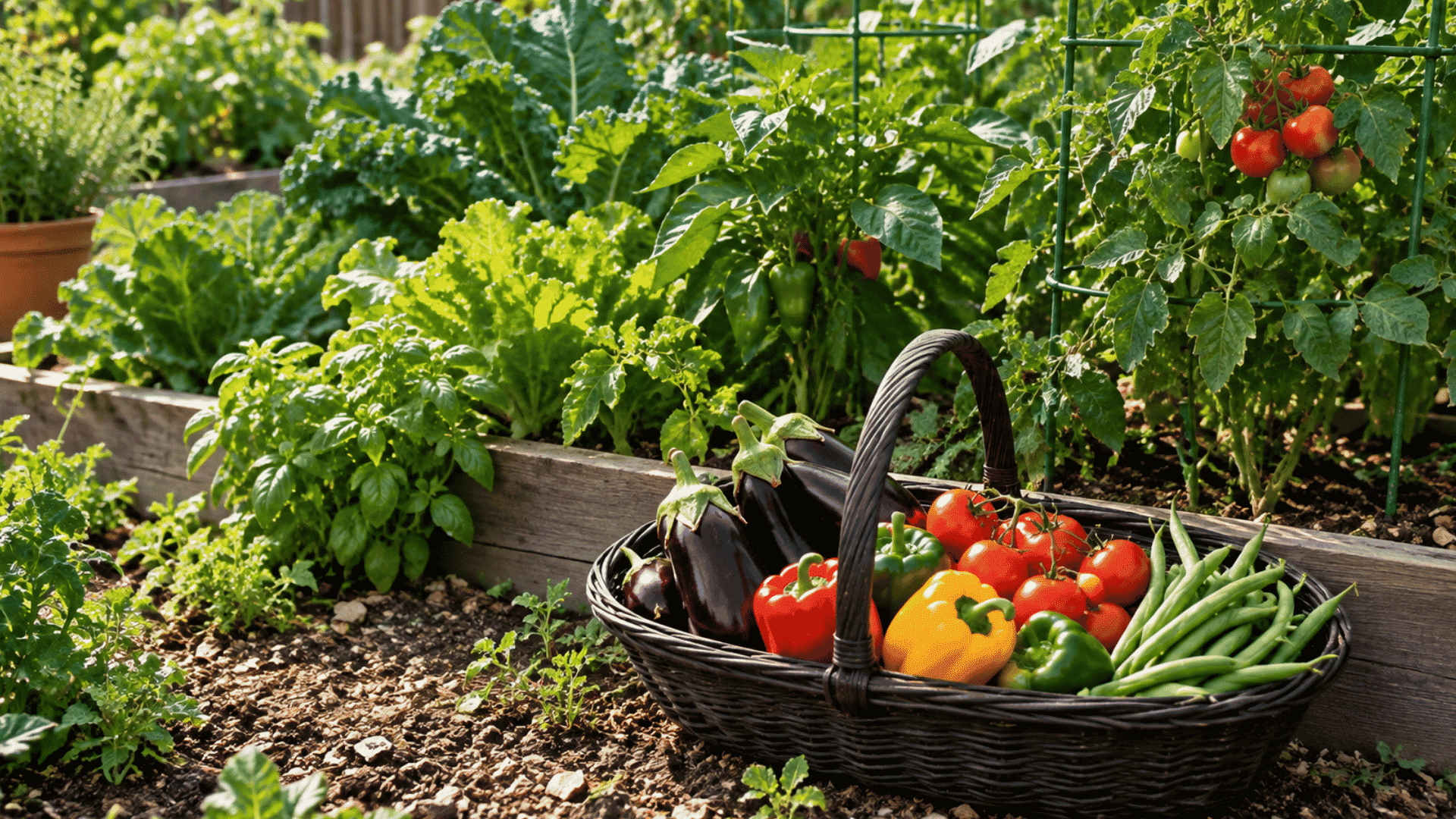
There’s something special about growing fresh vegetables right outside your door. Even a few pots can bring life to a small balcony, patio, or backyard and give you something fresh to look forward to.
That’s what I like about vegetable container gardening. A sunny balcony, patio, or corner of the yard can become productive growing space with a few well-chosen containers.
Containers do require a little more attention than they sometimes appear to.
Soil volume is limited, roots have less room to spread, and pots can dry out quickly. I’ve had much better results when I get the container size, drainage, and potting mix right before planting rather than trying to correct those problems halfway through the season.
What Is Vegetable Container Gardening?
Vegetable container gardening is the practice of growing edible plants in pots, boxes, buckets, or other suitable containers rather than directly in garden beds.
The USDA National Agricultural Library lists patios, balconies, windowsills, and other small spaces as suitable locations for vegetable container gardening.
It gives you greater control over the growing environment and makes it easier to work around poor soil or limited ground space. You can place containers on balconies, patios, decks, porches, or small yards, as long as they drain well.
Benefits of Vegetable Container Gardening
Container gardening offers more than a space-saving option. It gives you greater control over growing conditions while making vegetables easier to access, manage, and harvest.
|
Benefit |
Why It Helps |
|---|---|
|
Better Growing Control |
Control soil, nutrients, and growing conditions. |
|
Warmer Soil |
Pots warm faster, helping heat-loving crops. |
|
Works With Poor Soil |
Potting mix avoids compacted or unsuitable ground soil. |
|
Easier Plant Care |
Plants are easier to water, check, and harvest. |
|
Fewer Weeds |
Less soil exposure means fewer competing weeds. |
|
Flexible Placement |
Move pots for better sunlight or weather protection. |
What Soil Is Best for Vegetable Containers?
A lightweight, well-draining potting mix is the best soil for vegetable containers.
Garden soil is usually too dense for containers and can limit drainage, root growth, and airflow. A quality potting mix provides the lighter structure vegetables need while balancing moisture retention and aeration.
Understanding how garden soil and potting mix behave differently once they’re in a pot explains why swapping one for the other so often leads to soggy roots or plants that dry out too fast.
Most vegetables also grow well in a slightly acidic to neutral pH of 6.0–7.0, which supports nutrient availability.
Adding compost or well-rotted organic matter can improve the mix and supply nutrients. Because container plants use nutrients quickly, you may need supplemental fertilizer during the growing season.
Best Vegetable Container Plants
These vegetables suit containers because they can thrive with limited root space and adapt to different growing conditions. Choose varieties according to the container size, available sunlight, and space for spreading or climbing.
1. Tomatoes
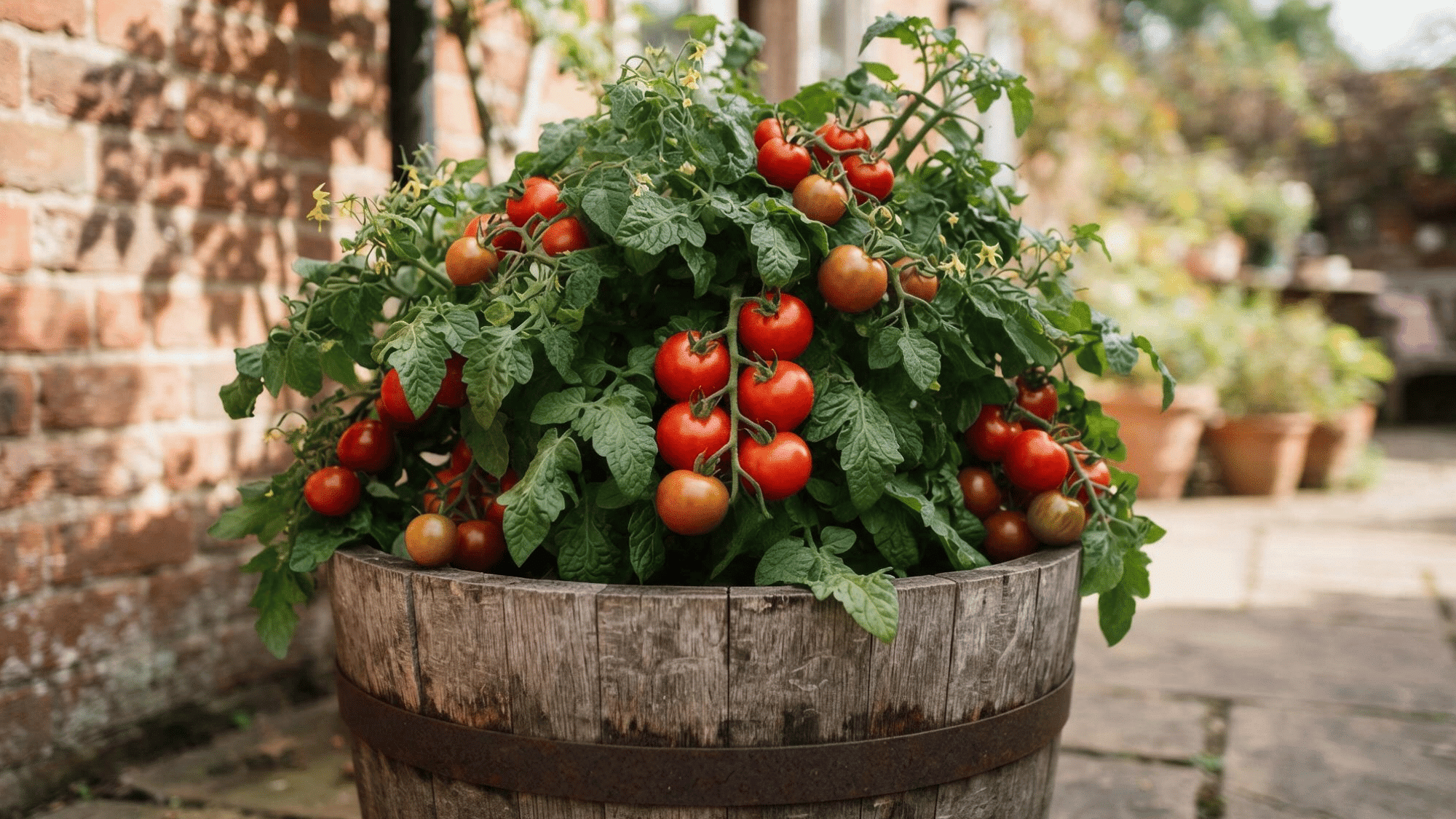
Tomatoes are a rewarding choice for container gardening. Bush, determinate, and dwarf varieties work particularly well because they stay more compact than indeterminate types.
They can produce a generous harvest from one container, making them practical for limited spaces. A sturdy pot and suitable support help manage the plant as it grows.
2. Bell Peppers
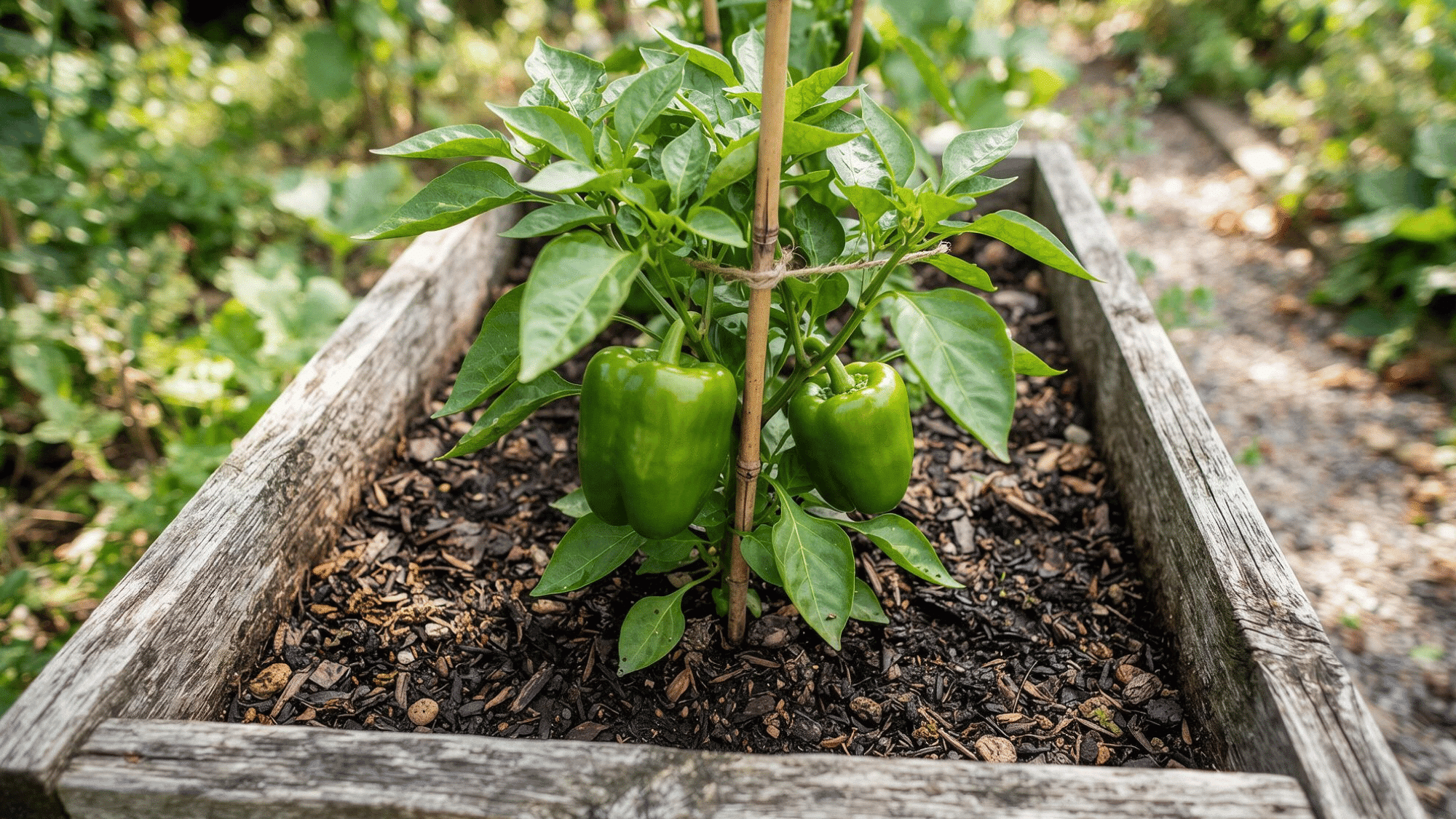
Bell peppers grow well in containers because their compact growth habit fits smaller growing spaces. They produce colorful, crisp fruits while taking up relatively little room compared with larger vegetable plants.
Choose compact or dwarf varieties for balconies, patios, or small gardens.
A sturdy container with enough depth and good drainage gives the plants room to develop healthy roots and support their fruit.
3. Kale
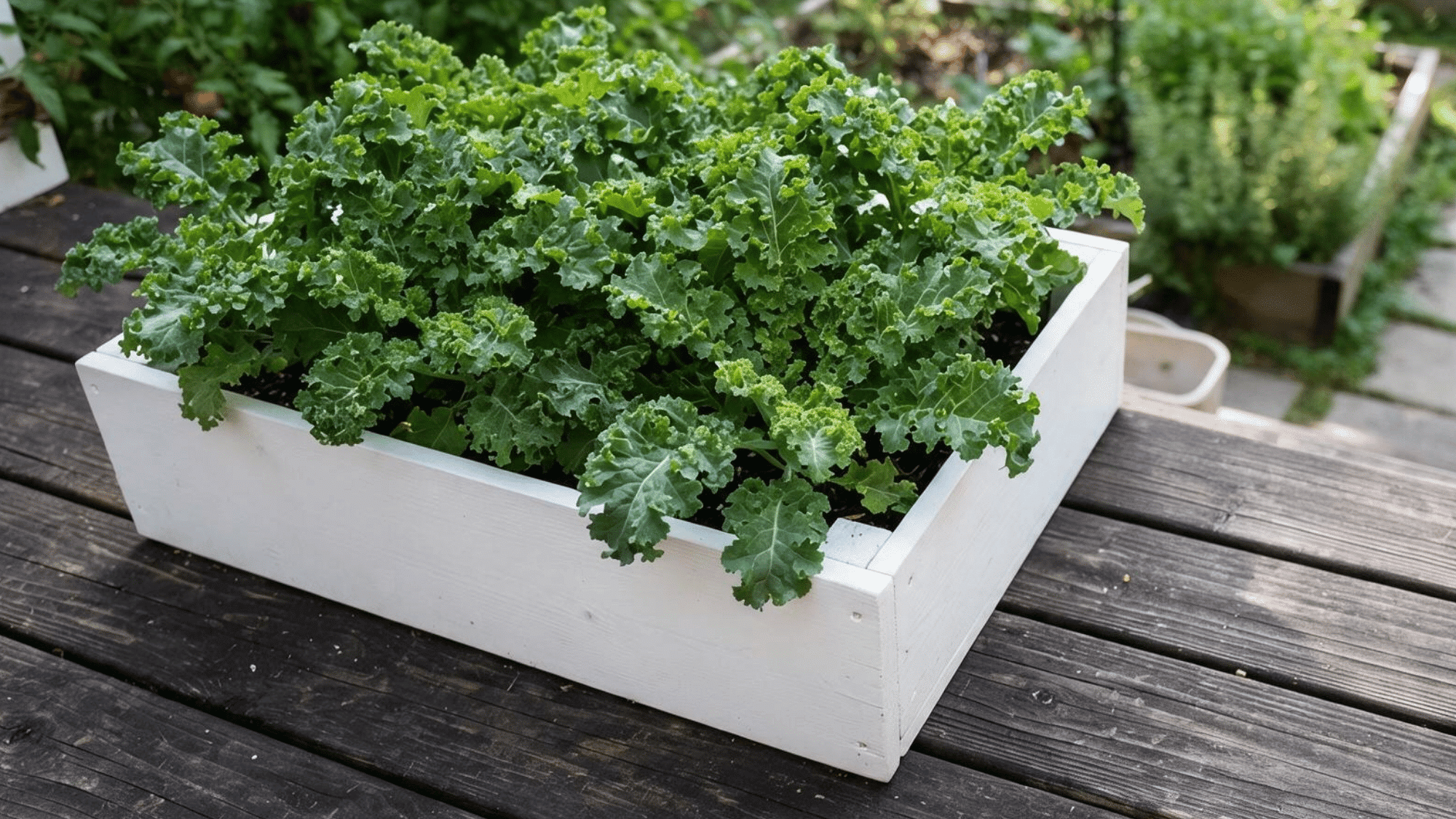
Kale is a dependable container crop that can provide a long harvest period. Its compact growth makes it easy to fit in pots alongside other vegetables, and its tolerance for cooler conditions extends its usefulness across the growing season.
Its attractive leaves also make kale a practical edible addition to ornamental containers.
4. Carrots
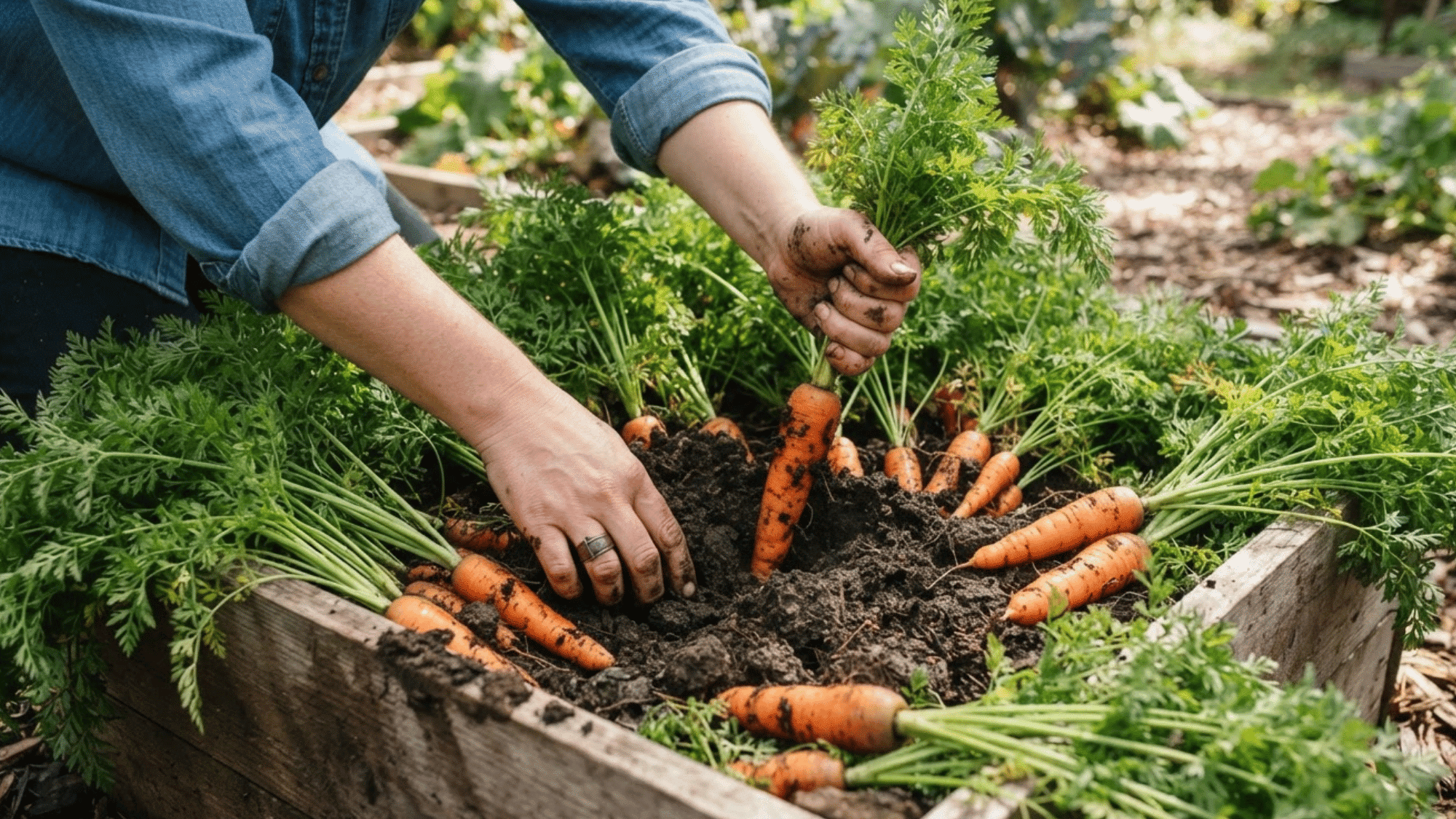
Carrots suit containers well because they require little horizontal space. Short or round varieties are particularly suitable for pots because their roots need less depth than longer types.
Growing carrots separately also makes it easier to provide the loose growing medium needed for healthy, well-formed roots.
5. Beans
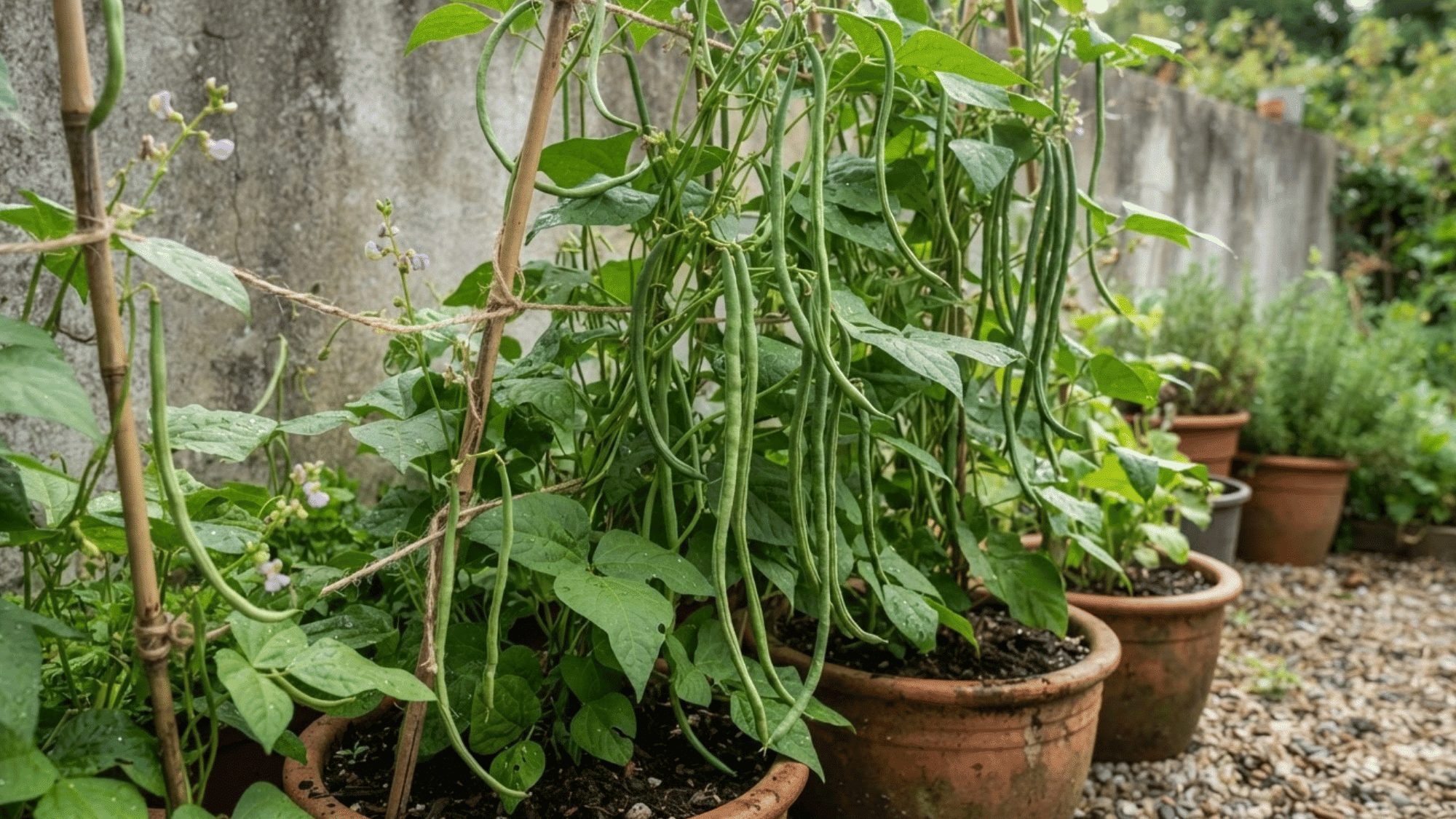
Beans use container space efficiently, with bush varieties staying compact and pole types growing upward. This makes them useful when ground space is limited but vertical space is available.
Beans can also provide a substantial harvest from relatively few plants, making them a productive choice for container gardens.
6. Eggplant
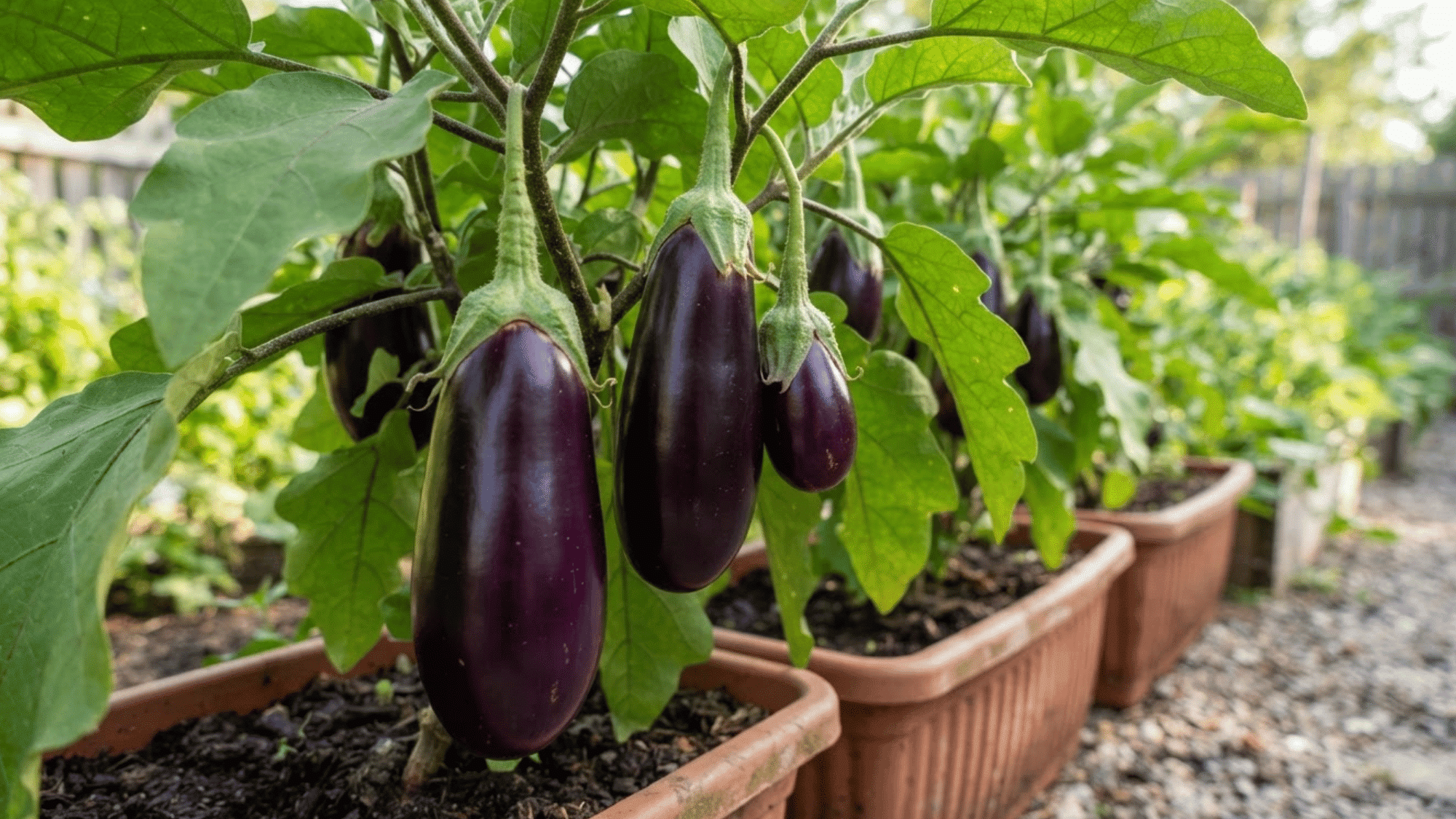
Eggplant works well in containers when you choose compact or dwarf varieties. Its upright growth habit allows it to use vertical space without spreading extensively.
The attractive foliage and colorful fruits also give eggplant ornamental appeal, making it a practical choice for containers that combine vegetable growing with decorative planting.
7. Swiss Chard
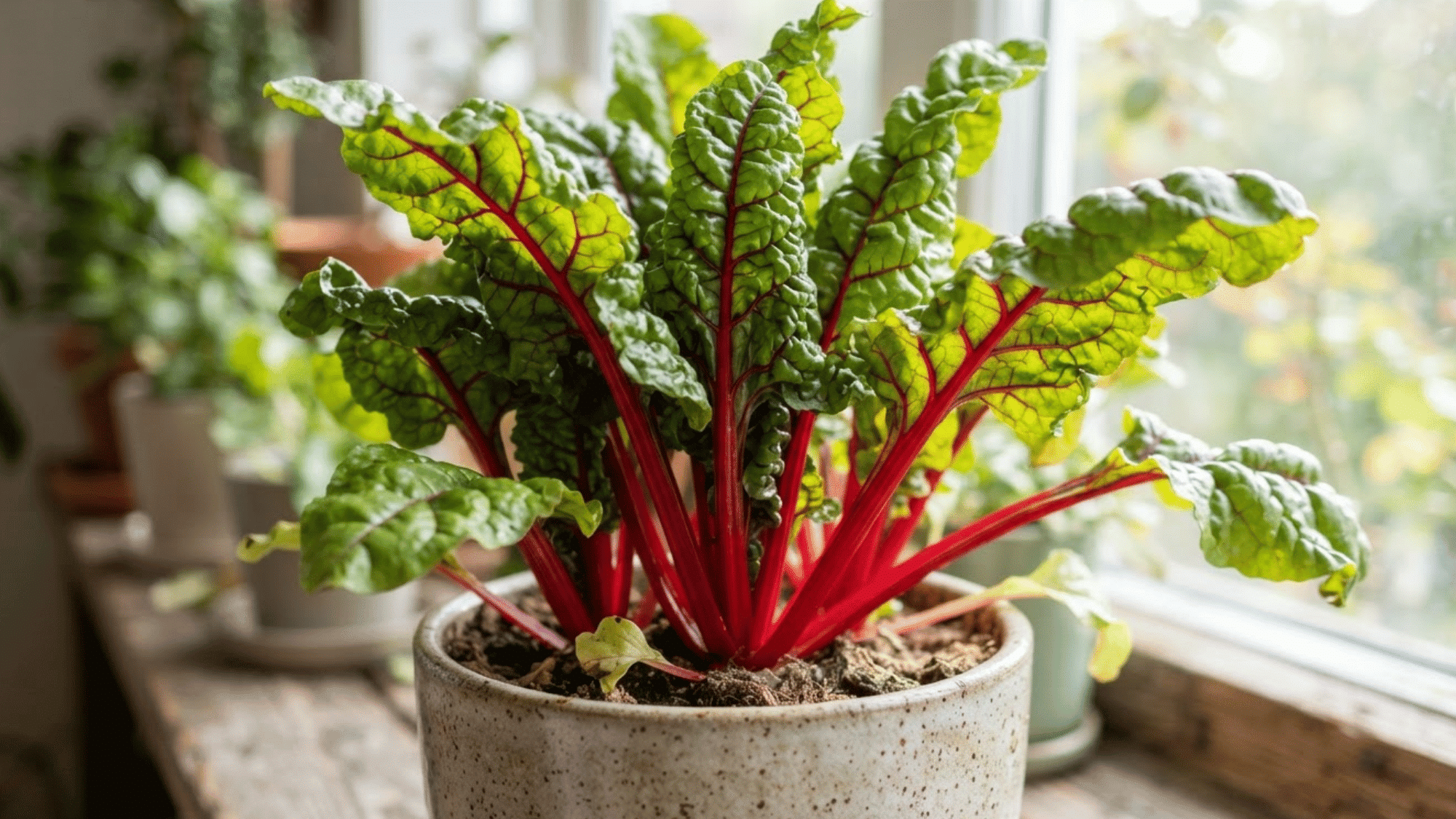
Swiss chard is an excellent container vegetable for producing leafy greens over an extended period. Its upright growth keeps it manageable in pots, while colorful stems add visual interest.
You can harvest individual leaves as needed, so a single plant provides repeated harvests rather than one crop all at once.
8. Potatoes
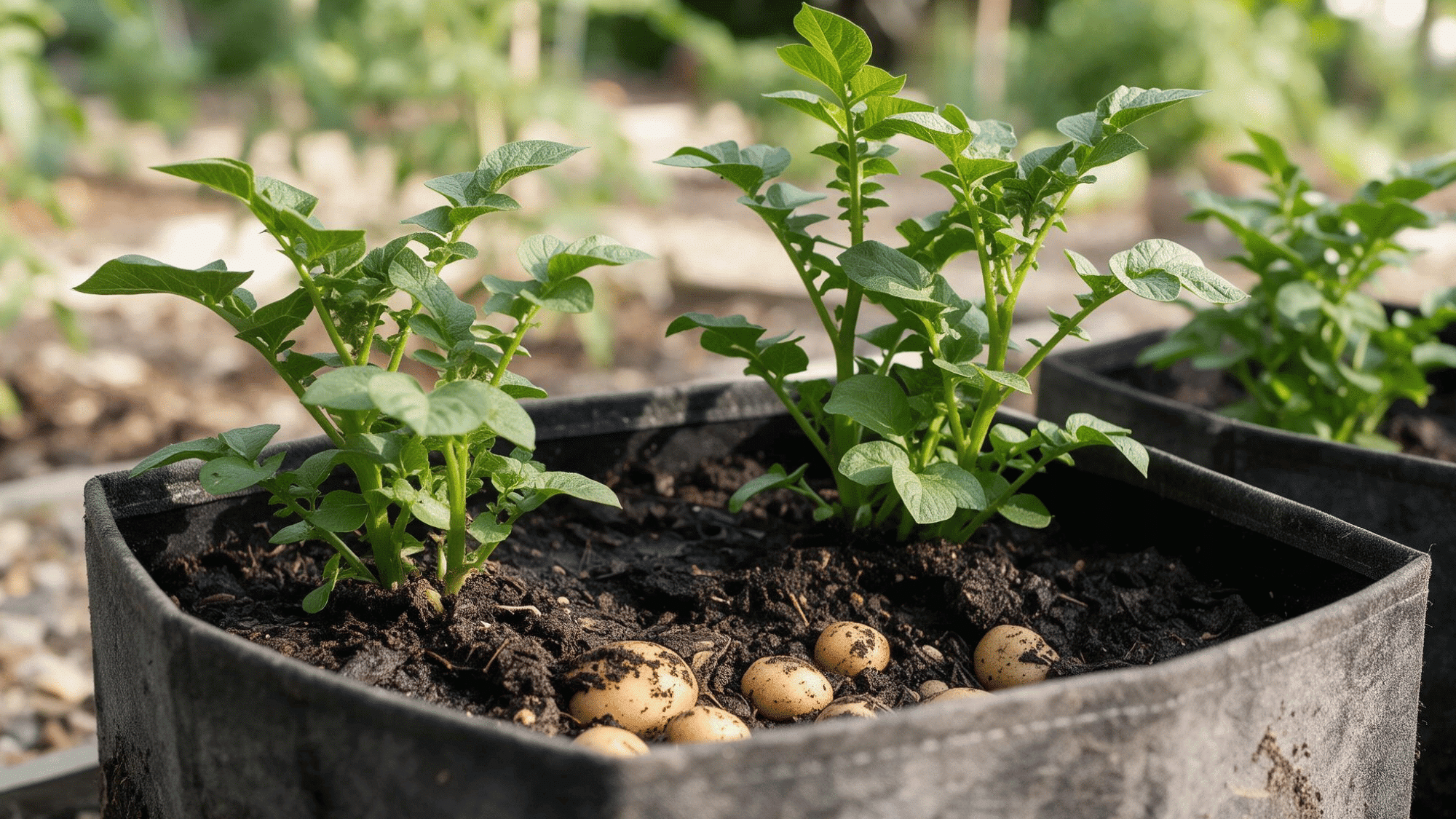
Potatoes suit deep containers because their edible tubers develop below the growing medium, so they don’t require extensive horizontal space.
Container growing can also make harvesting easier than digging through garden soil. Smaller and fingerling varieties are particularly practical when available container space is limited.
9. Beets
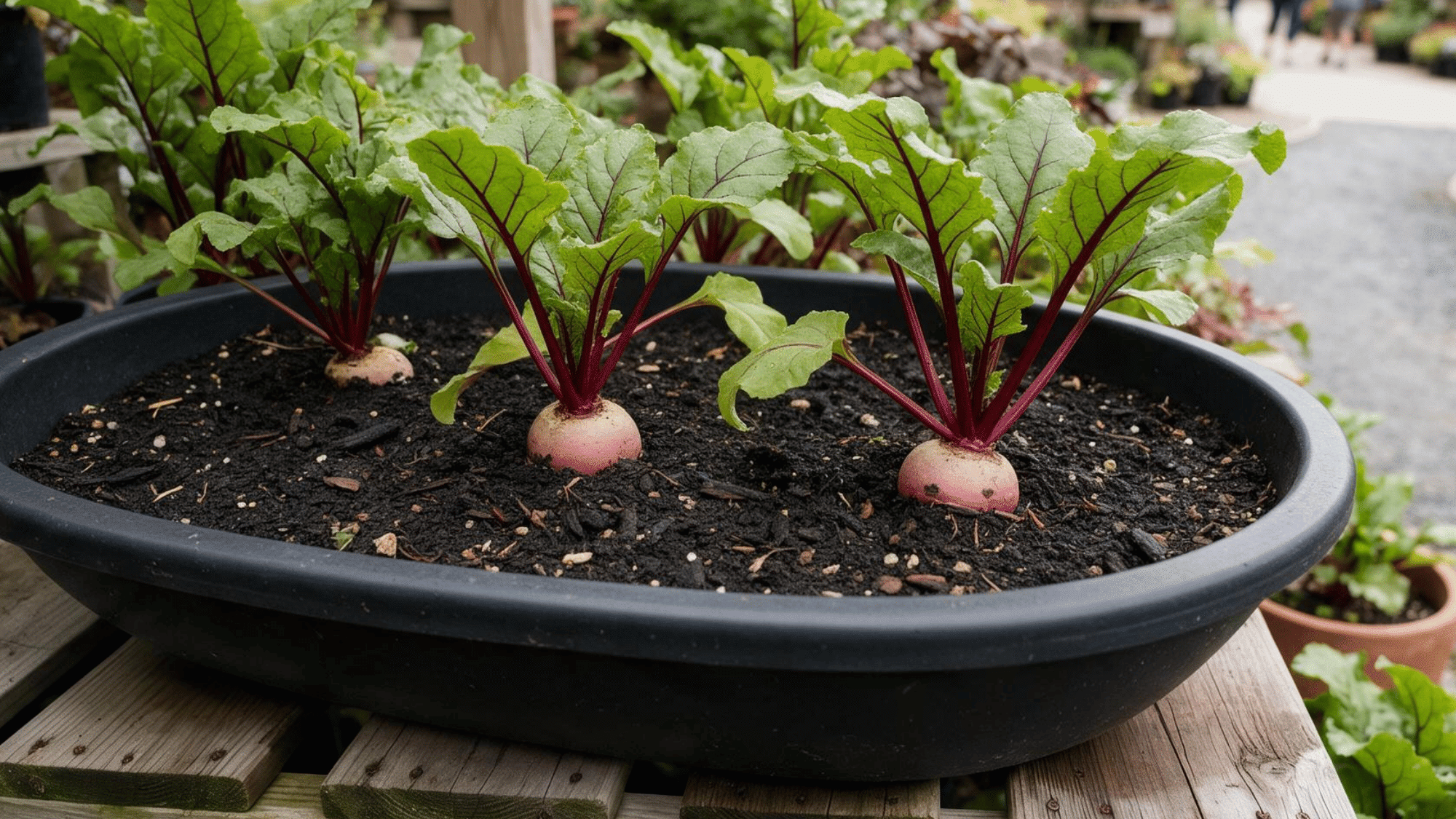
Beets suit containers because they produce edible roots and leafy tops from a relatively compact plant. They require little horizontal space, making them useful for smaller growing areas.
Baby beets can also be harvested early, giving container gardeners flexibility in choosing the size and maturity of the crop.
10. Malabar Spinach
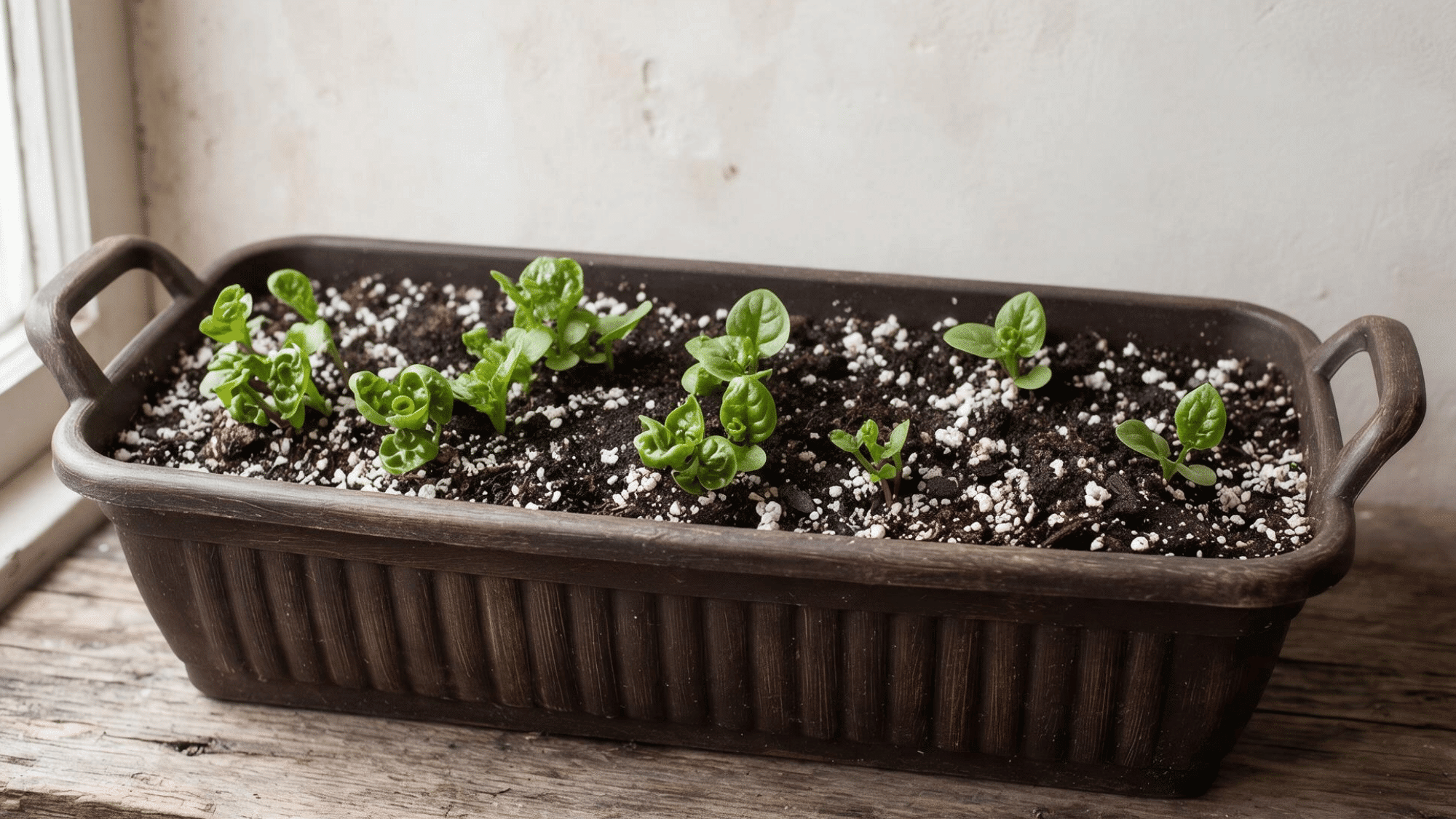
Malabar spinach is a useful container choice when you have vertical space. It grows as a vigorous vine with edible leaves and stems, so it grows upward rather than spreading across the ground.
This climbing habit makes it especially practical for compact gardens where making efficient use of available space matters.
Choosing Containers for Vegetables
Choose containers based on the crop’s mature size and root needs. Penn State Extension recommends choosing containers with adequate drainage because waterlogged growing media can restrict the oxygen available to plant roots.
-
Container size and depth: Consider mature plant size before choosing containers.
-
Drainage holes: Make sure excess water can drain easily.
-
Container material: Choose durable materials suited to your growing setup.
-
Plant spacing: Follow crop spacing to prevent overcrowding.
-
Root system: Match container depth to expected root growth.
Vegetable Container Size Chart
|
Vegetable |
Container Size |
Depth |
|---|---|---|
|
Tomatoes |
5+ gallons |
18–24 in |
|
Peppers |
3+ gallons |
12–18 in |
|
Eggplant |
5 gallons |
12–18 in |
|
Beans |
2–5 gallons |
12 in |
|
Carrots |
1–2 gallons |
12 in |
|
Beets |
1–2 gallons |
8–12 in |
|
Kale |
1–2 gallons |
8–12 in |
|
Swiss chard |
2 gallons |
8–12 in |
|
Potatoes |
5+ gallons |
12–18 in |
|
Malabar spinach |
3–5 gallons |
12+ in |
How to Care for Vegetables in Containers?
Container vegetables need consistent care because pots have limited soil and can dry out or lose nutrients quickly. Focus on sunlight, watering, feeding, plant support, and moisture retention for healthy growth.
-
Sunlight Requirements: Most vegetables need 6–8 hours of direct sunlight daily. Position containers where they receive adequate light, and move them if nearby structures create shade.
-
Watering Container Vegetables: Containers dry out faster than garden beds, so check the top inch of soil regularly. For a crop-specific example, learn how often to water broccoli based on its growing needs.
-
Fertilizing Container Vegetables: Frequent watering can wash nutrients from the potting mix, while plants use nutrients as they grow. Apply a suitable vegetable fertilizer when needed, following the product directions.
-
Supporting and Training Plants: Use stakes, cages, or trellises to support tomatoes, cucumbers, beans, and other climbing or tall plants. Add support early to prevent plants from becoming difficult to manage.
-
Mulching and Maintaining Soil Moisture: Apply a suitable layer of mulch over the soil surface to slow moisture loss and help maintain more consistent soil conditions. Keep mulch slightly away from plant stems.
Common Vegetable Container Gardening Mistakes
Small oversights can affect container plants even when the basics of soil, watering, sunlight, and pot size are handled correctly.
-
Using non-food-safe containers
-
Skipping pest checks
-
Planting at the wrong time
-
Neglecting regular harvesting
-
Failing to clean used containers
I’ve made enough gardening mistakes to know that seemingly minor details can become noticeable once plants start growing.
Containers are particularly unforgiving of poor drainage and inconsistent watering because there is much less soil to buffer changing conditions.
Conclusion
Vegetable container gardening is a simple way to grow fresh produce even when garden space is limited. The right vegetables, containers, potting mix, and drainage provide a solid foundation for healthy plants.
From there, adequate sunlight, regular watering, feeding, and support can help crops grow well throughout the season. Choosing suitable pot sizes and avoiding common mistakes also makes container care easier and more productive.
I’ve found that starting with a few reliable vegetables is a great way to build confidence without feeling overwhelmed.
With consistent care and a little patience, even a small balcony, patio, or yard can become a rewarding space for growing fresh vegetables at home.
Frequently Asked Questions
Can Vegetables Grow Year-Round in Containers?
Yes, but year-round growing depends on your climate and crop selection. Cool-season vegetables can replace warm-season crops as temperatures change.
Can You Grow Vegetables in Containers Indoors?
Yes, some compact vegetables and herbs can grow indoors with sufficient sunlight. A sunny window or suitable grow light can provide the necessary light.
Can You Reuse Potting Soil for Container Vegetables?
Yes, but refresh old potting mix with fresh material and nutrients before reusing it. Avoid reusing soil from plants affected by serious disease or pest problems.
How Do You Keep Container Vegetables from Becoming Root Bound?
Choose an appropriately sized container and monitor roots as plants grow. Transplanting into a larger pot when roots become crowded can provide additional growing space.