I grew up watching my friend’s nonna stir tiny star-shaped Pastina into broth whenever someone in their family felt under the weather. It’s the ultimate Italian comfort food: simple, soothing, and full of memories.
Those little stars have a way of making everything feel better, which is probably why they’ve been a staple in Italian households for generations.
Lately, Pastina has been having a major moment again, thanks to TikTok nostalgia and even Barilla bringing it back after a brief disappearance.
Suppose you’re craving that childhood bowl or discovering this Pastina recipe for the first time. In that case, I’m sharing the classic version along with some delicious twists and the beautiful cultural stories that make this little pasta so special.
The Little Stars That Raised Us: What Pastina Really Means
Pastina literally translates to “little pasta” in Italian, but it means so much more than that. It’s what Italian moms and nonnas have been feeding their kids for decades; the original comfort food that earned nicknames like “Italian penicillin” and “childhood in a bowl.”
Those tiny stars showed up on sick days, after school, and anytime we needed something gentle and nurturing. What makes Pastina so special is its simplicity: just pasta, broth, maybe some butter and cheese.
Now it’s making a comeback on social media, with recipe bloggers and TikTokers sharing their family versions and reminding everyone why this humble dish has stayed beloved for so long.
Barilla Pastina: The Drama That Had Italians Talking
For years, Barilla Pastina was the go-to brand in American kitchens. Those little stars were practically part of the family. Then in 2023, Barilla quietly discontinued it, and the internet lost its mind.
Parents panicked, Italian-Americans grieved, and the outrage went viral across social media and news outlets. People hoarded boxes like gold.
Eventually, Barilla brought it back due to overwhelming demand, though some families had already switched to alternatives like Ronzoni or De Cecco.
For traditionalists, the brand matters because it’s tied to memory and taste. That familiar yellow box represents generations of comfort, and people weren’t ready to let it go.
Ingredients for Classic Pastina Recipe
The ingredient list for Pastina is refreshingly short, which is part of its charm. You probably have most of these sitting in your pantry right now.
Basic Classic Version
This is the version I grew up with, and honestly, it’s all you really need:
- Pastina pasta (1 cup or about 4 oz) – stelline/little stars are traditional, but any tiny pasta shape works if Barilla isn’t available
- Broth or water (3 to 4 cups) – chicken broth is most common, but vegetable or beef broth works too
- Butter (2 tablespoons or a generous pat makes it silky)
- Parmesan cheese (1/4 to 1/2 cup, freshly grated is best)
- Salt and pepper to taste
- Optional: 1 egg (for that creamy “egg-drop” texture my nonna always added)
Optional Add-ins
Once you’ve mastered the classic, here’s where you can get creative:
- Milk or cream (1/4 cup for extra richness)
- Fresh herbs like parsley or basil (1 to 2 tablespoons, chopped)
- Tiny veggies such as peas or finely diced carrots (1/2 cup)
- Shredded chicken (1/2 to 1 cup for a heartier meal)
How to Make Pastina: The Traditional Way
This is as simple as cooking gets, but there’s a rhythm to it that makes all the difference. I’m walking you through the classic method my nonna taught me.
Step 1: Bring the Broth to a Boil
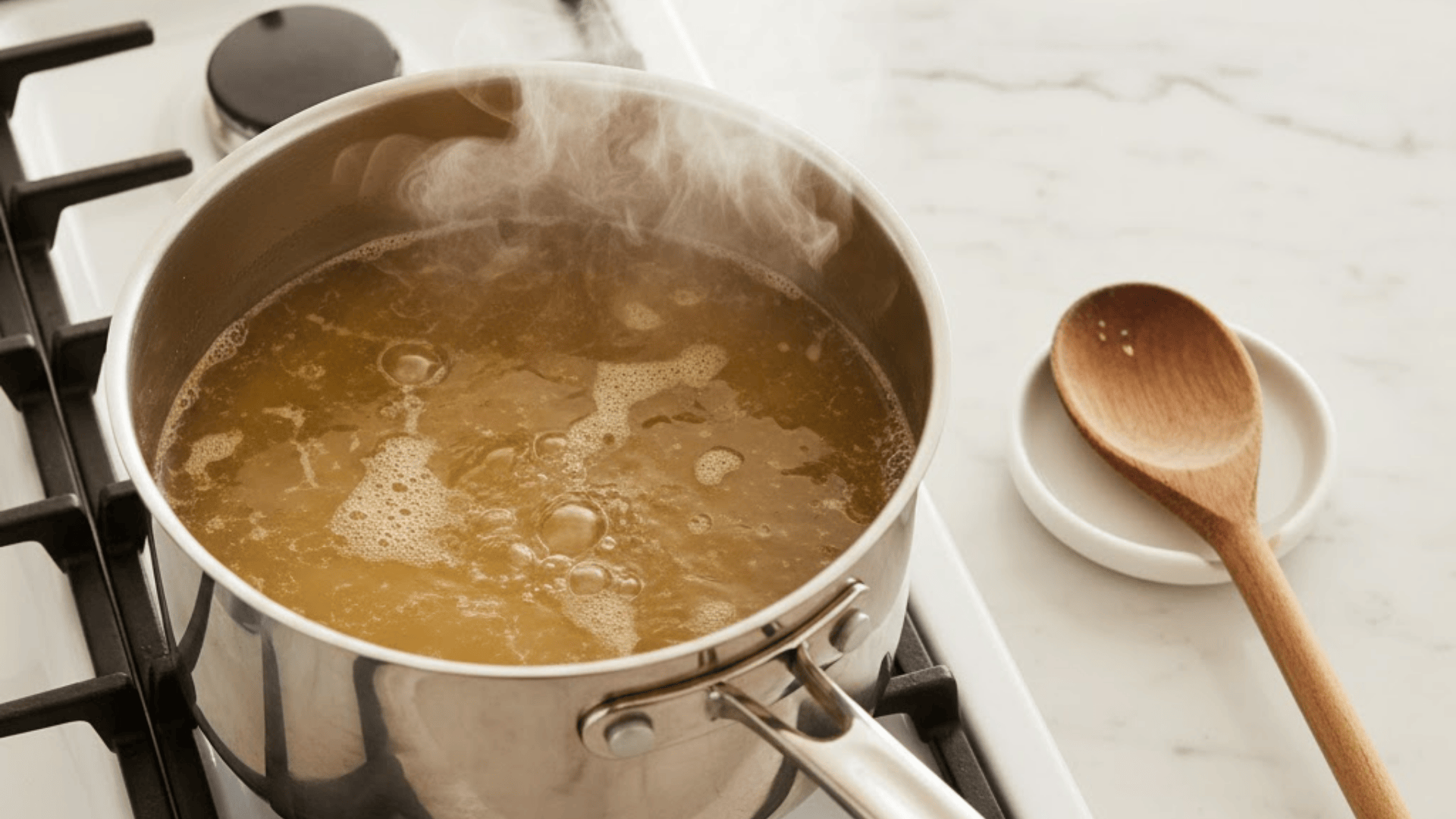
Start by pouring 3 to 4 cups of chicken broth into a medium saucepan. Place it over medium-high heat and bring it to a rolling boil. This is your base, so using good-quality broth really makes a difference in flavor.
You can also use vegetable or beef broth, depending on what you have. If you’re making this for a sick day, chicken broth is the most comforting choice.
Step 2: Add the Pastina
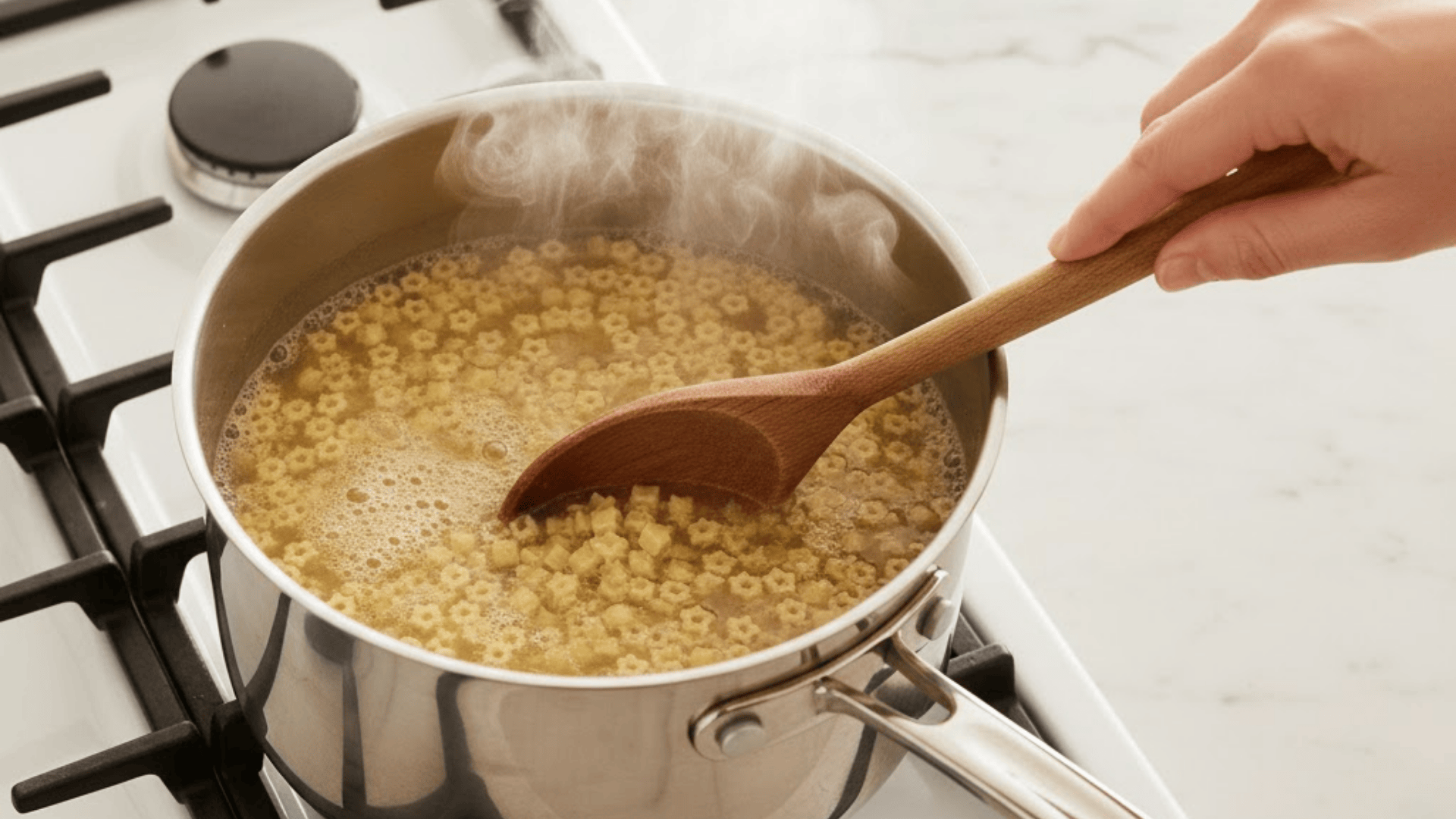
Once the broth is boiling, pour in 1 cup of Pastina and give it a good stir. Reduce the heat to medium and let it simmer for about 5 to 7 minutes, stirring occasionally.
You want the pasta to cook through and absorb most of the liquid. Keep an eye on it so it doesn’t stick to the bottom of the pan. The pasta should be tender and plump when ready.
Step 3: Stir in the Butter
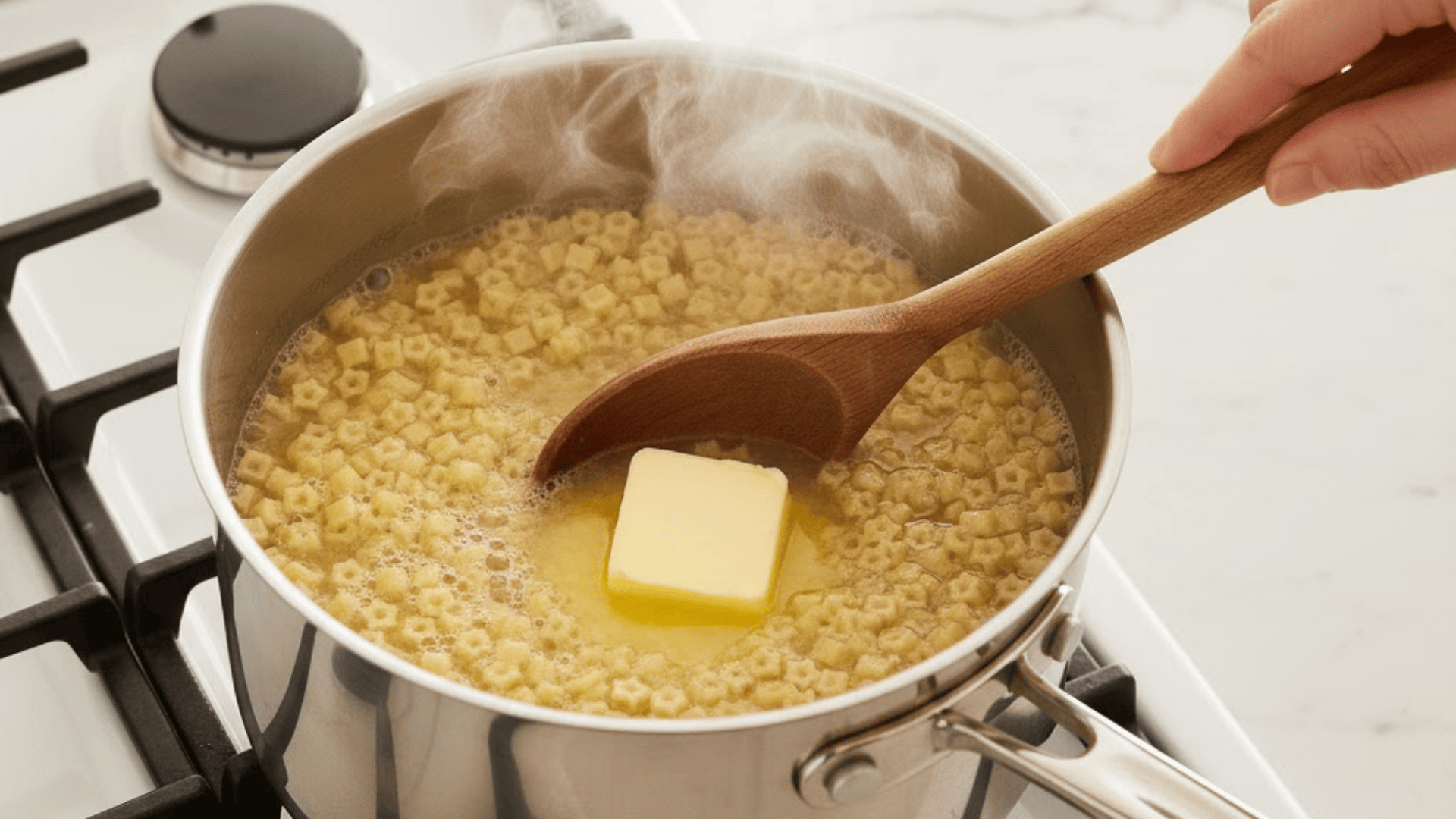
Remove the pan from the heat once the pasta is cooked and most of the broth has been absorbed. Add 2 tablespoons of butter and stir until it melts completely into the pasta. This is what gives it that silky, creamy texture.
The butter coats each tiny star and makes everything feel more luxurious. Don’t skip this step because it truly transforms the dish from plain to comforting.
Step 4: Add the Cheese
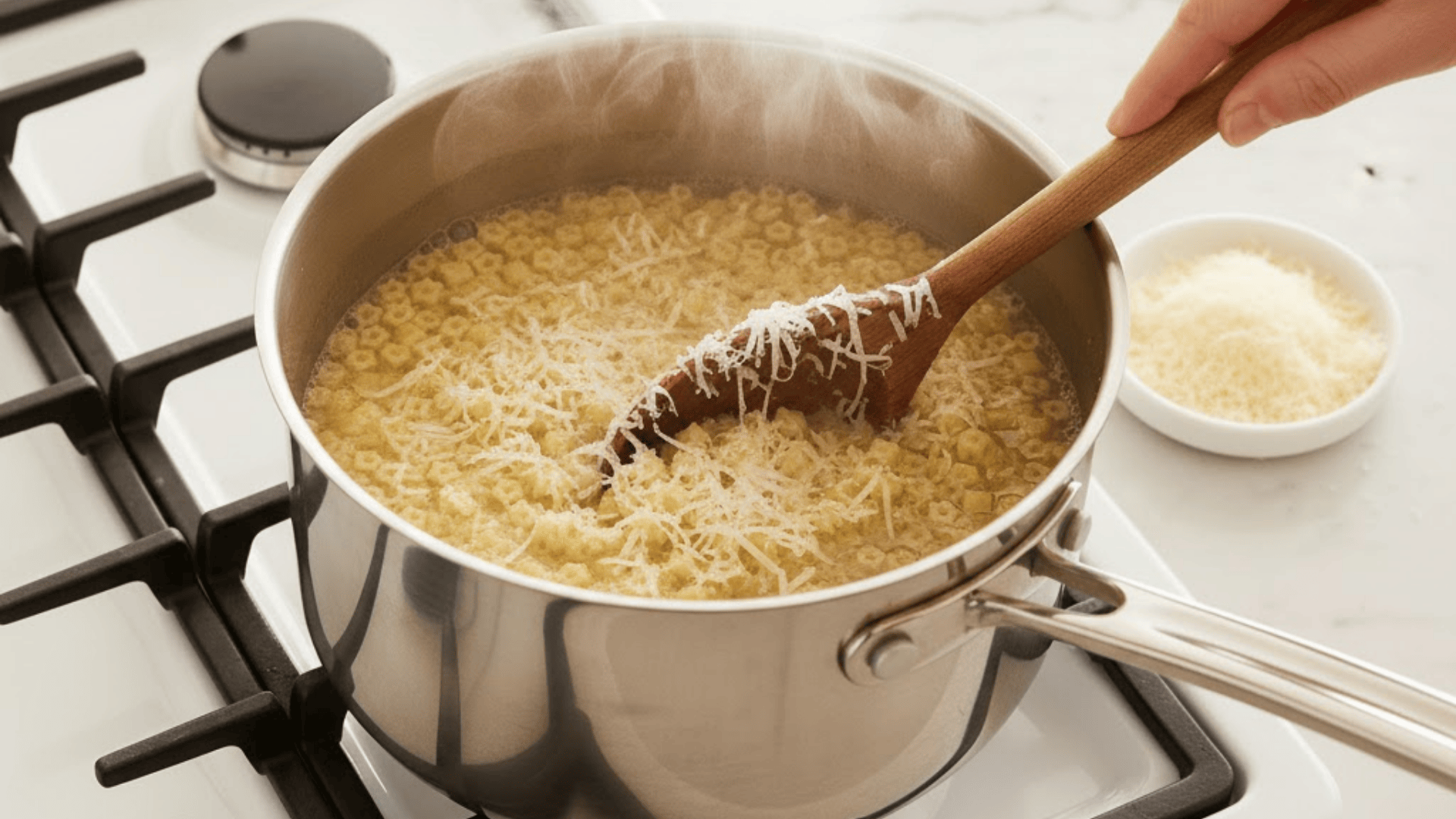
Mix in 1/4 to 1/2 cup of freshly grated Parmesan cheese, stirring well until it melts and creates a creamy consistency. If you want the traditional egg-drop version, whisk one egg in a small bowl and slowly drizzle it into the hot pasta while stirring.
The residual heat will cook the egg gently, creating ribbons throughout. This adds richness and protein to the dish.
Step 5: Adjust and Serve
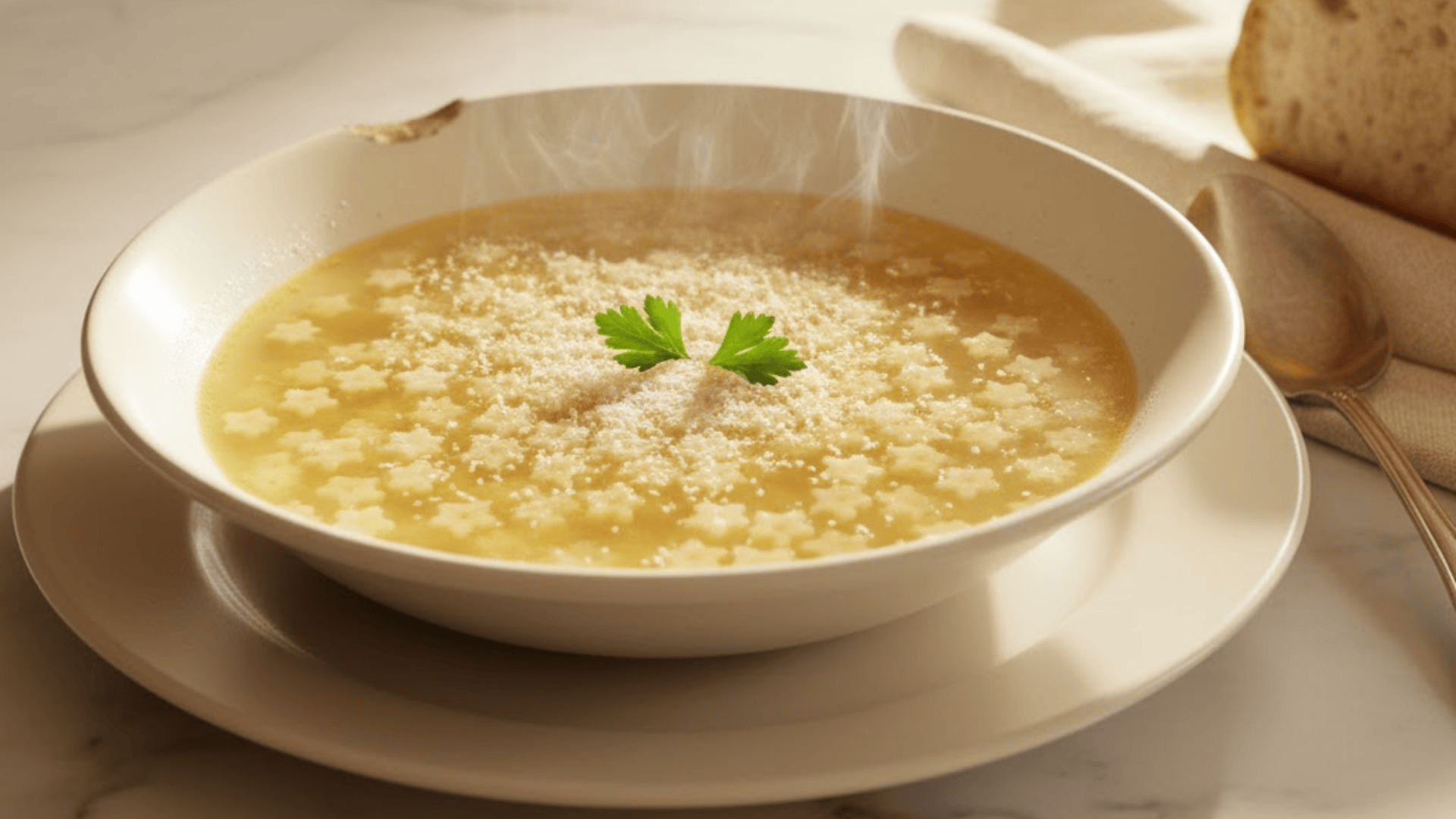
Check the consistency and adjust to your liking. If you prefer it soupier, add a splash more broth or even some milk. Want it thicker and creamier? Let it sit for a minute so the Pastina absorbs more liquid.
Taste and season with salt and pepper as needed. Serve it warm in a bowl, maybe with extra Parmesan on top if you’re feeling indulgent.
DOWNLOAD RECIPE

“Must-Try” Pastina Recipe Variations
Once you’ve nailed the classic version, the fun really begins. Here are some of my favorite ways to switch things up, from creamy and indulgent to kid-friendly and veggie-packed.
| Variation | Time | How to Prepare |
|---|---|---|
| Creamy “Risotto-Style” | 15 min | Add broth gradually, stirring constantly. Finish with cream and Parmesan. |
| Eggy Cozy Version | 10 min | Drizzle 1 beaten egg into the hot pasta while stirring. |
| Italian Nonna Style | 10 min | Stir in 1 beaten egg and loads of Parmesan. |
| Chicken Broth Comfort Bowl | 12 min | Use extra broth, keep it soupy. Add shredded chicken. |
| Toddler-Friendly | 10 min | Cook soft in low-sodium broth. Just butter and light Parmesan. |
| Veggie-Packed | 15 min | Add diced carrots, peas, and zucchini before the pasta. |
| Viral TikTok Version | 10 min | Equal parts broth and milk. Add cream cheese for creaminess. |
Each version has its moment depending on what you’re craving or who you’re feeding. The best part about Pastina is that there’s really no wrong way to make it, as long as it brings you comfort.
Gluten-Free, Dairy-Free & Healthy Adaptations
Pastina can easily adapt to fit different dietary needs without losing its comforting soul. Here’s how to make it work for gluten-free, dairy-free, or health-conscious eaters.
Making It Gluten-Free and Dairy-Free
Finding gluten-free Pastina can be tricky since the tiny star shape isn’t common in GF options. Your best bets are brands like Jovial, Tinkyada, or Barilla’s gluten-free line using small shapes like stelline or orzo.
For dairy-free versions, swap butter with extra virgin olive oil or vegan butter, and replace Parmesan with nutritional yeast for that cheesy, umami flavor.
Best Swaps:
- GF Pasta: Jovial gluten-free stelline, Tinkyada rice pasta stars, or Barilla GF small shells
- Dairy-Free Fat: Extra virgin olive oil (2 tablespoons) or vegan butter
- Cheese Alternative: Nutritional yeast (3-4 tablespoons) or cashew parmesan
Adding More Nutrition and Protein
If you want to make Pastina healthier or more filling, focus on lower-sodium broths and protein-rich add-ins. Look for broths labeled “low-sodium” or “no salt added” from brands like Pacific Foods or Imagine.
For extra protein, stir in unflavored collagen peptides (dissolves right in), add shredded rotisserie chicken, or try crumbled firm tofu for a plant-based option.
Serving, Storing & Reheating Your Pastina
Pastina is flexible enough to serve any way you like, and it stores well, too. Here’s everything you need to know about making the most of your batch.
- Serve It Your Way: Breakfast bowl with a runny egg, light soupy lunch, creamy side dish, sick-day comfort in a mug, or soft and porridge-like for kids.
- Adjust the Texture: Keep it soupy for sipping or thicker for a meal. Add broth or milk when reheating to restore creaminess.
- Store Properly: Lasts 3 to 4 days in the fridge in an airtight container. It will thicken as it cools.
- Reheat Gently: Warm on the stovetop with extra broth or milk, stirring often. Microwave works too with added liquid.
- Freeze for Later: Store in airtight containers for up to 2 months, thaw in the fridge, and reheat with liquid to restore texture.
Meal prepping for the week or saving leftovers from a sick day batch, Pastina reheats beautifully and tastes just as comforting the second time around.
Wrapping It Up
I hope this Pastina recipe becomes a staple in your kitchen the way it has in mine. There’s something deeply satisfying about making a dish this simple yet so full of comfort and memory.
It doesn’t need fancy ingredients or complicated techniques, just a pot, some good broth, and a few minutes of your time.
Once you make it, you’ll understand why generations of Italian families have turned to this little bowl of stars during every season of life.
Now I’d love to hear from you. Do you have a family Pastina recipe or a twist you swear by? Drop a comment below and let’s keep this conversation going.