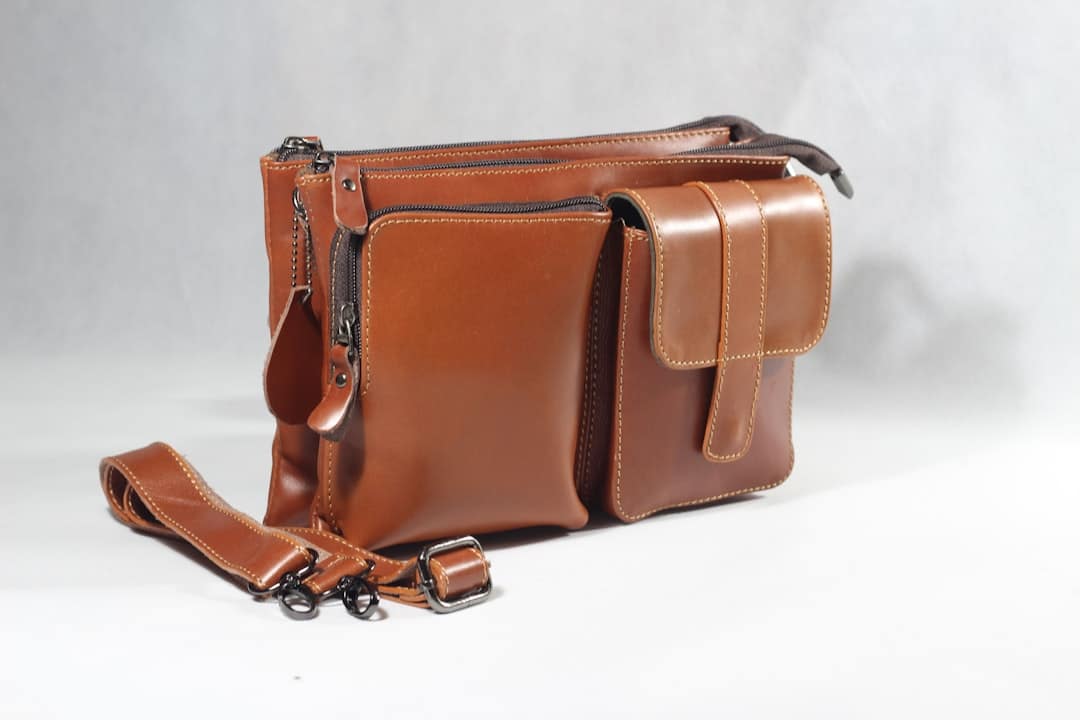
A work bag gets bought on looks, in about four minutes, in front of a screen – and found out on a Monday, when the laptop and the lunch and the rest of the day go in and it carries badly, hangs wrong on the shoulder, or looks off next to tailored clothes. A work bag is a tool you use daily for years, so it’s worth five extra minutes deciding what you need before you decide what you like.
Start With What You Actually Carry
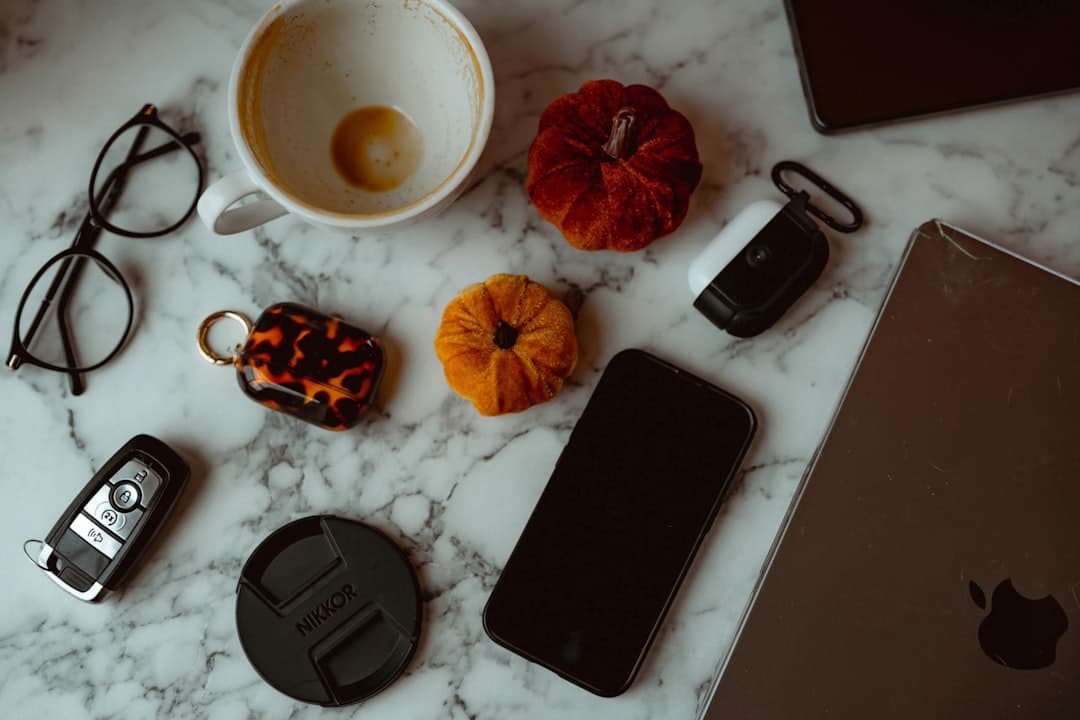
Before you look at a single bag, make a real list of what goes in it on a normal day. Not the aspirational list – the true one.
- Laptop size – a 13-inch machine and a 16-inch machine need genuinely different bags, not just a bigger version of the same one.
- Documents – folders, a notebook, printed contracts, anything that needs to stay flat and uncreased.
- Charger and cables – the brick, a mouse, a phone cable, the small stuff that ends up loose at the bottom of every bag ever made.
- Gym clothes – if you’re carrying a change of clothes and shoes some days, that’s a volume and shape requirement, not an afterthought.
- Anything else daily – water bottle, umbrella, a second pair of shoes, whatever actually rides along with you.
Once that list exists, it tells you the bag type. Someone who carries a laptop, a notebook, and nothing else doesn’t need the same bag as someone hauling a laptop plus a change of clothes three days a week. Work backward from the contents, not forward from a photo you liked.
The Main Types of Work Bag and What Each One Says at the Office
Structured briefcase. This is the most formal option and the safest choice anywhere a suit is standard. It holds its shape whether it’s full or half-empty and sits well next to tailored clothing. It stops being appropriate the moment the office is genuinely casual – carrying a hard-sided briefcase into a jeans-and-hoodie environment looks like you’re overdressed for a job interview you’re not having.
Messenger bag. Worn across the body, this sits in the middle of the formality range. It works well in business-casual offices and for anyone who’s moving around a lot during the day – between meetings, on transit, in and out of a car. It gets less convincing the more formal the dress code gets; next to a suit it looks like a compromise.
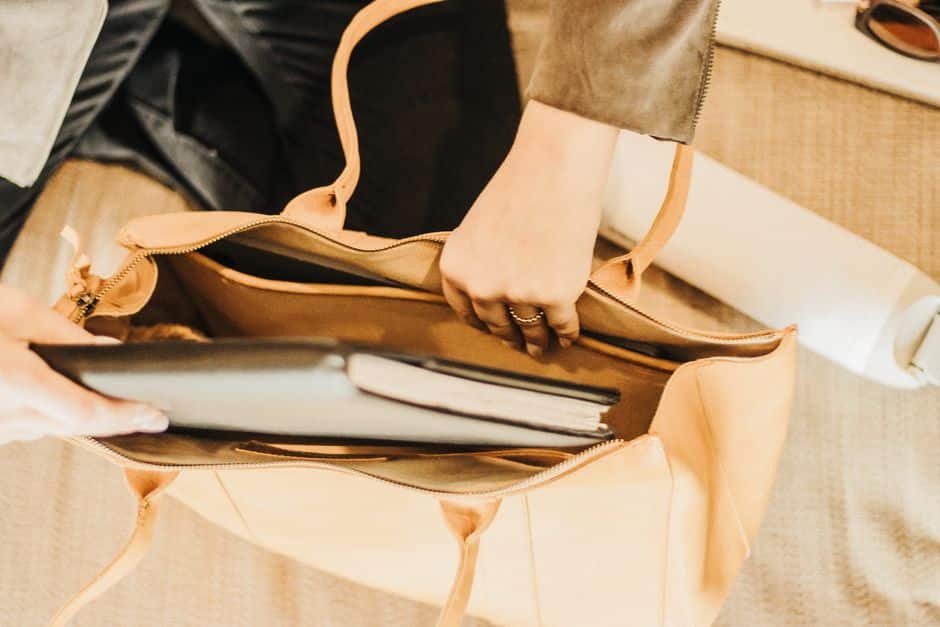
Tote. The most flexible carry, and increasingly common at the office for anyone whose day includes a laptop plus general “stuff” – documents, a change of clothes, occasional groceries. It fits smart-casual and casual offices comfortably. In a formal, suit-driven environment it can look like it wandered in from a different part of the day.
Backpack. Two shoulders instead of one, which matters more than people expect once a laptop is involved. A well-made backpack now clears business-casual offices without raising an eyebrow, especially for anyone commuting on foot, by bike, or by transit. It’s still the wrong call for a strictly formal office where a suit and a backpack read as two different dress codes worn at once.
Match the bag to the strictest dress code you’ll wear it in, not the average one – it’s easier to carry a slightly formal bag into a casual office than the reverse.
Bag Construction Checks You Can Verify With Your Hands
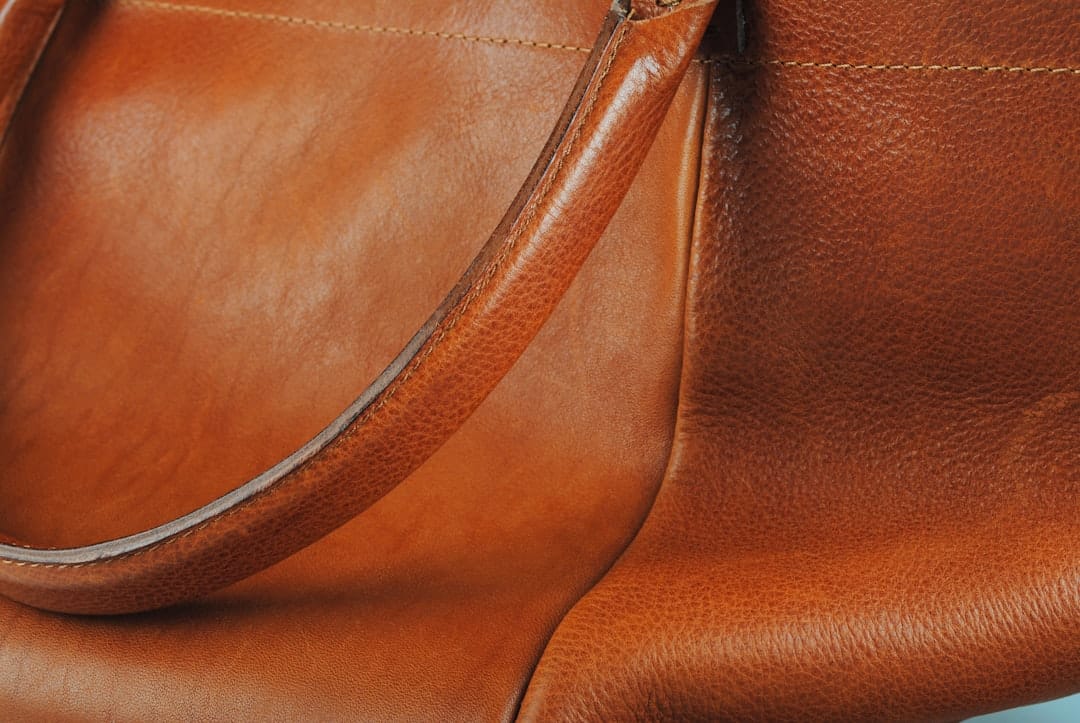
You don’t need to be a leather expert to check whether a bag is well made. Most of what matters is checkable in under a minute, in hand, before you buy.
- Full-grain leather versus “genuine leather” – full-grain uses the top layer of the hide and wears in over time; “genuine leather” is a lower grade, often sanded and coated to hide flaws, and it wears out rather than in (source).
- How the handles are anchored – pick the bag up by the handles and look at where they meet the body; stitched-and-riveted anchor points hold up, glued-only ones start separating within months.
- Stitching evenness – run a finger along a seam; even, consistent stitches mean the bag was assembled carefully, while skipped or uneven stitches now mean loose threads later.
- How the zipper runs – work it end to end twice; it should glide the whole way without snagging or needing a tug at any one spot.
- Whether the bag stands on its own – set it down empty on a flat surface; a bag that stands up on its own base has real structure inside, while one that slumps over is relying on the leather alone.
Weight Is Its Own Problem
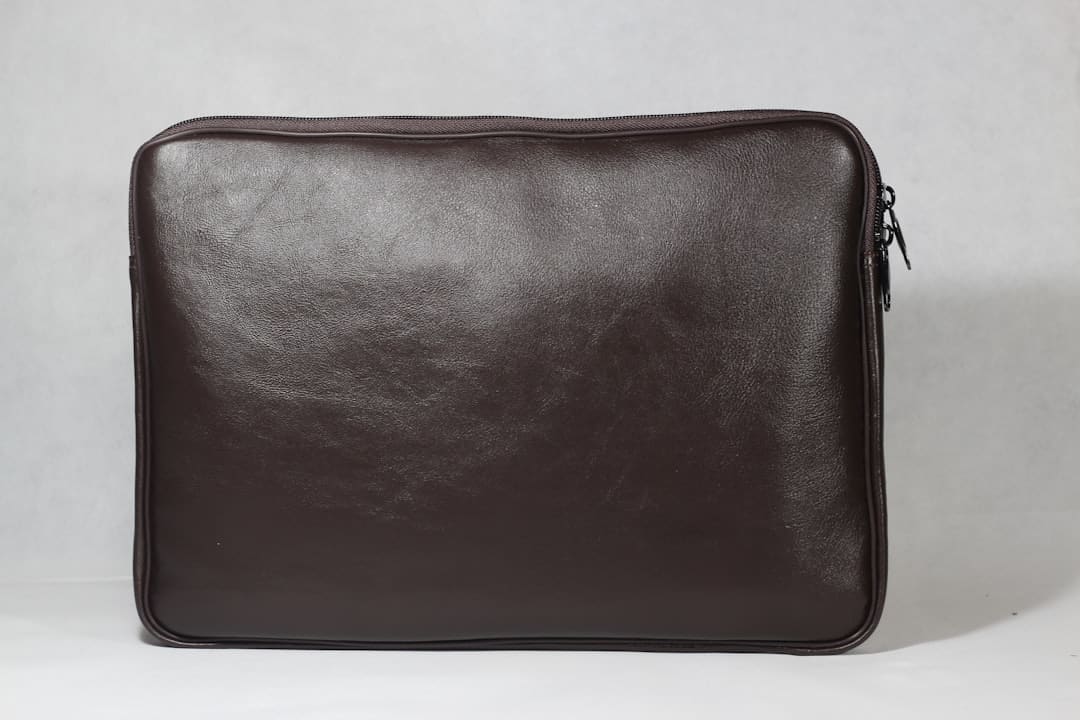
A bag that feels solid and reassuring in the store can turn into a shoulder problem by Thursday once a laptop, a charger, and a day’s worth of documents are actually in it. The bag’s own weight adds to everything you put inside it – an overbuilt bag with heavy hardware and thick leather is carrying its own extra pounds before your laptop even goes in.
Pick up any bag you’re considering with a laptop-sized weight already in it, not empty, and walk around the store with it on your shoulder for a couple of minutes. If your shoulder is telling you something in the store, it’ll be telling you something louder by the end of a real week.
Get the Proportion Right

A bag needs to look sized to the person carrying it, not just sized to what fits inside. A tall frame with a small, slim bag looks like a borrowed school bag; a petite frame under an oversized tote looks like the bag is doing the carrying.
Hold it against your body in the mirror the way you’d actually wear it – on the shoulder, in the hand, or across the body – and check that its width doesn’t exceed your torso and its bulk doesn’t overwhelm your frame.
Proportion also has to work with what you actually wear to the office. A slim briefcase looks right against a tailored jacket; a bulky, overstuffed one fights the line of the jacket and makes the whole outfit look heavier than it is. If you wear fitted clothing to work, keep the bag’s profile fitted too.
Buy One Good Bag Instead of Several Cheap Ones
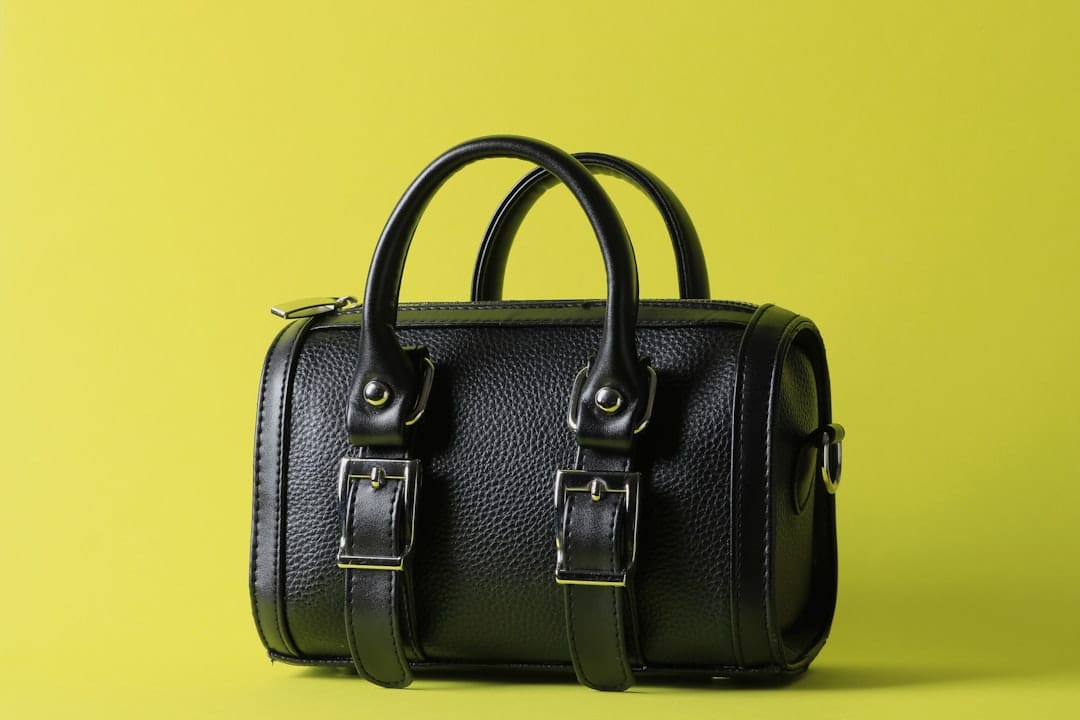
A cheap work bag usually fails in a predictable place first – the strap edge starts to fray where it rubs the buckle, a zipper pull snaps off in your fingers, a corner splits where the bag gets set down every day. When that happens, the instinct is to replace it with another cheap bag, and the cycle repeats every year or two.
A well-made bag costs more once and then stops costing you anything for a long time – no replacement purchase, no day spent bag-shopping instead of working, no meeting walked into with a strap held together by hope. Buying one good bag means not doing this same purchase again next year.
Keeping a Leather Bag Looking Right
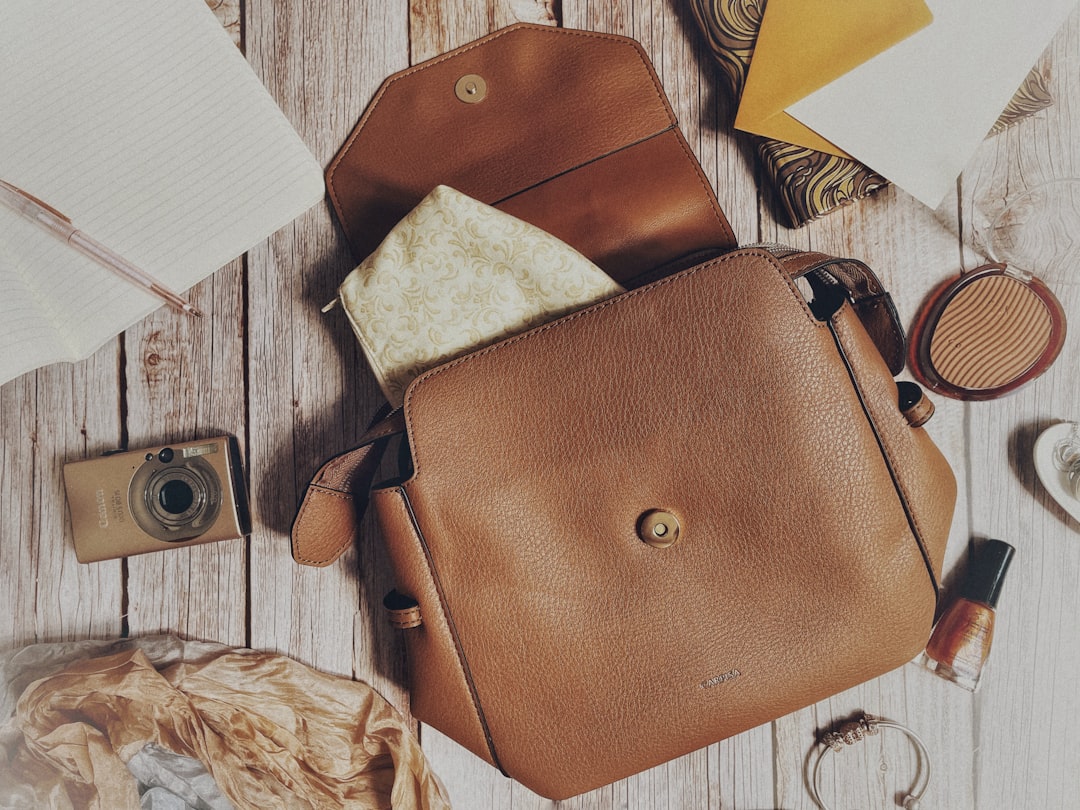
A good leather bag doesn’t need much upkeep – it needs the absence of a few bad habits more than it needs active care.
- Wipe it down – a soft, dry cloth after a wet or dusty day keeps grime from working into the surface.
- Don’t overstuff it – packing it past its comfortable capacity stretches the seams and pulls the shape out of true.
- Let it dry naturally – if it gets caught in the rain, leave it somewhere at room temperature to dry on its own; direct heat from a radiator or vent will dry the leather out and make it crack.
That’s close to the whole routine. Leather that’s used daily and wiped down occasionally tends to look better after a year than it did on day one; leather that’s ignored or forced dry does not.
Where to Buy a Quality Work Bag
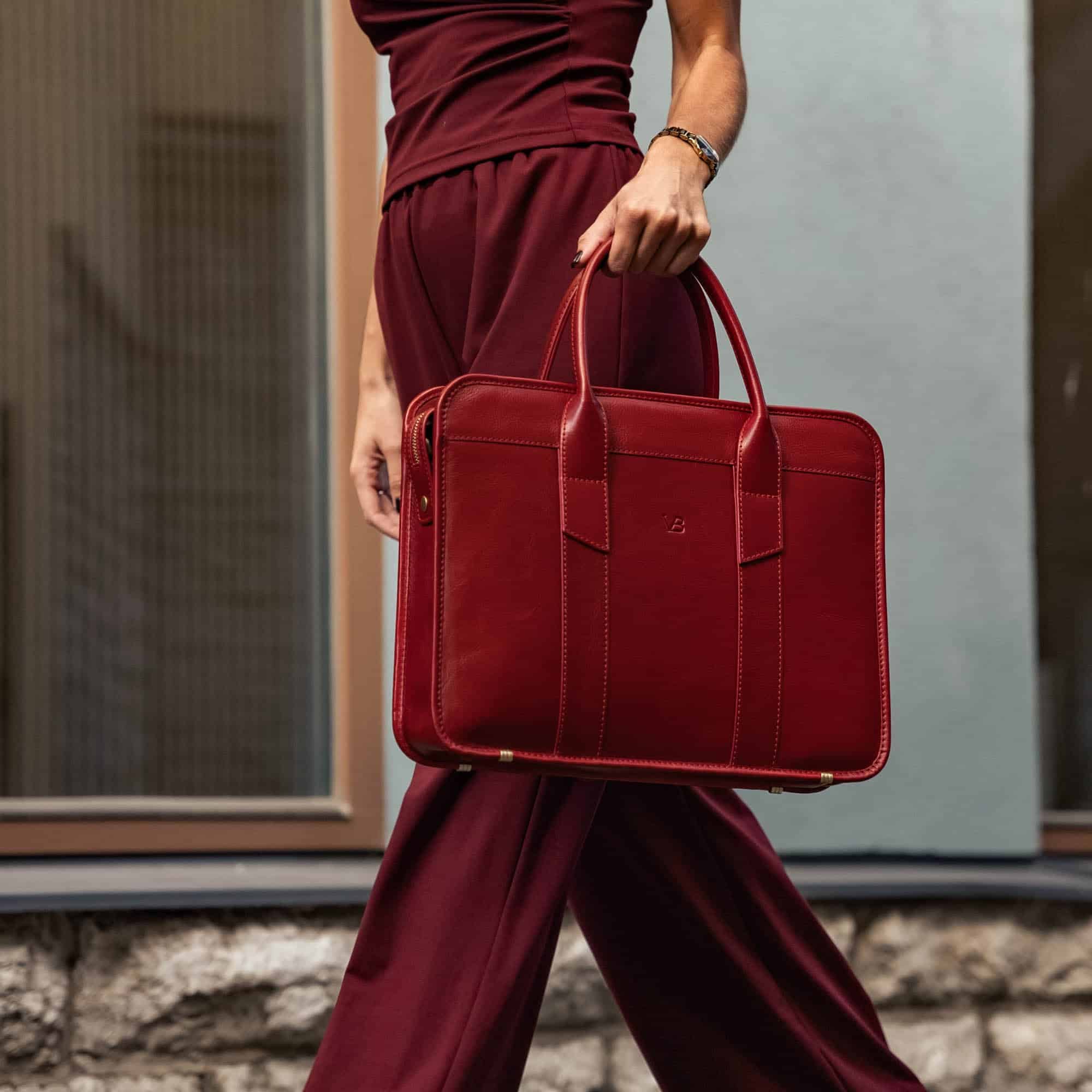
A worked example: the Exquisite Women’s Laptop Bag at vonbaer.com is full-grain leather that stands on its own base, with a padded sleeve for laptops up to 14 inches. Von Baer cuts the leather for its women’s work bags from the bend of A-grade hides and drum-dyes it, so the color goes all the way through instead of stopping at the surface.
Every bag comes with Von Baer’s 5-Year Limited Warranty, and the full women’s range is linked right from that page if a tote or backpack fits your list better.
They cost serious money compared with mass-market bags. What you get for it is leather and construction built to outlast several cheaper replacements.
FAQ
What is the best work bag for professionals?
There isn’t one best bag across the board – the right one is whichever type matches your dress code and your daily contents list. Someone in a suit carrying a laptop and documents is best served by a structured briefcase; someone in a business-casual office carrying a laptop plus gym clothes is often better served by a backpack or tote. Start from the dress code and the contents, not from a general ranking.
What bags do professionals actually use?
In practice it splits along dress code and commute. Suit-and-tie offices lean toward structured briefcases. Business-casual offices see a mix of messenger bags, totes, and backpacks, with the choice often coming down to how the person actually gets to work – on foot, by bike, by transit, or by car – since that affects how much they want on one shoulder versus two.
What are the work bag trends for 2026 – and should trends even decide this?
Trend cycles move faster than a well-made bag’s usable life, and a work bag bought purely to match a trend usually looks dated well before it wears out. The more durable approach is to buy for your dress code, your daily contents, and your frame, and let those three things – not the current trend – decide the type, size, and finish. A bag chosen that way still looks right long after this year’s trend has moved on.