I remember the first time I tried to order mulch; I stood there, staring at the numbers, wondering what on earth a “cubic yard” actually looked like. Should I buy bags? Bulk? How much is too much?
If that sounds familiar, don’t worry. You’re about to make sense of it.
I’ll break down what a cubic yard really means, how it compares to cubic feet, and how to figure out exactly how much mulch you need, before you end up with a mountain on your driveway or too little to finish the job.
Understanding How Many Cubic Feet are in a Yard of Mulch
A single cubic yard equals 27 cubic feet of mulch, simple as that.
If you’re buying it bagged, that’s about 13 to 14 standard 2-cubic-foot bags. Once you know that, you can switch between yards and bags without the guesswork.
Cubic Yard to Cubic Feet
A cubic yard is just a cube that’s three feet tall, wide, and deep (3×3×3 = 27). Landscapers talk in yards because they deal in bulk. Stores label by cubic feet because it fits neatly on the shelf. It’s the same mulch; just measured differently.
How Many Bags Equal One Cubic Yard
Before you start loading your trolley, it helps to know how the numbers translate. “Cu ft” stands for cubic feet, which is just a measure of volume, how much space the mulch fills. This way, you can easily compare bag sizes to bulk orders without guessing.
| Bag Size | Bags per Cubic Yard | Notes |
|---|---|---|
| 1.5 cu ft | 18 bags | Small and easy to carry |
| 2.0 cu ft | 13–14 bags | The most common size |
| 3.0 cu ft | 9 bags | Best for big projects |
If you’re working on flower beds or refreshing old mulch, bags are fine. But once you cross the five-yard mark, bulk delivery starts making a lot more sense.
Mulch Coverage by Depth
How far your mulch goes depends on how thickly you spread it. Too thin, and the weeds laugh. Too thick, and the plants can’t breathe.
| Depth | Coverage per Yard | Coverage per 2 cu ft Bag |
|---|---|---|
| 2″ | ~162 sq ft | ~12 sq ft |
| 3″ | ~108 sq ft | ~8 sq ft |
| 4″ | ~81 sq ft | ~6 sq ft |
Quick Formula for Estimating Mulch
If you like a bit of math: Mulch (yd³) = (Area in sq ft × Depth in inches) ÷ 324
Example:
A 10×20 bed (200 sq ft) at 3 inches deep → (200×3)/324 = 1.85 yards.
Round up slightly, because it’s better to have a scoop left over than to run short.
How to Calculate How Much Mulch You Need
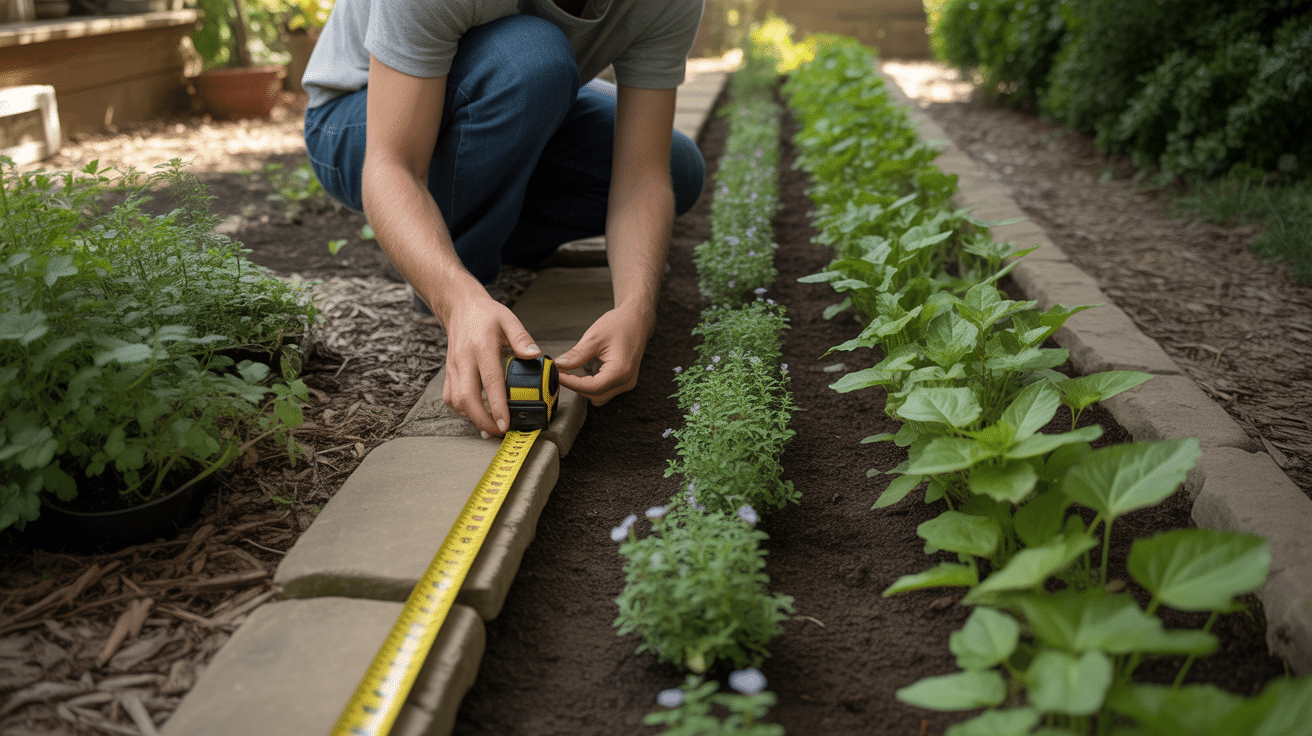
Measuring once saves you from buying twice. Here’s the quick version:
Step 1: Measure your space: Length × width in feet (or use radius for round beds).
Step 2: Pick your depth: 2″ for a refresh, 3–4″ for new or weedy areas.
Step 3: Calculate or use a tool: Plug the numbers into an online mulch calculator (like Calculator.net), and you’ll get the exact yards or bags you need.
A few quick numbers now will spare you from an extra trip or a half-finished garden bed later.
If formulas aren’t your thing, you can plug your numbers into a free online mulch calculator like. It does the conversions for you; no pen and paper required.
Bagged vs. Bulk Mulch: Which One’s Better?
This choice really comes down to scale and convenience, not loyalty. Here’s a side-by-side look to make it easier:
| Type | Pros | Cons |
|---|---|---|
| Bagged Mulch | • Easy to carry and stack neatly. • Perfect for small gardens or touch-ups. |
• Costs more per cubic yard. • Leaves behind plastic waste. |
| Bulk Mulch | • Cheaper per yard (especially during spring sales). • Delivered straight to your driveway; no heavy lifting from store shelves. |
• Needs space, tarp, and tools to move. • Fades faster if left uncovered in the sun. |
If you’re tackling a big project (five yards or more), bulk wins on cost. For weekend tidy-ups or small beds, bagged mulch keeps it simple.
Types of Mulch Available
Texture matters more than you think. The type of mulch you choose affects not only how your garden looks but also how long it lasts and how much you’ll need.
Fine mulches settle quickly and hold moisture well, while coarse ones allow better airflow but break down more slowly.
1. Organic Mulches
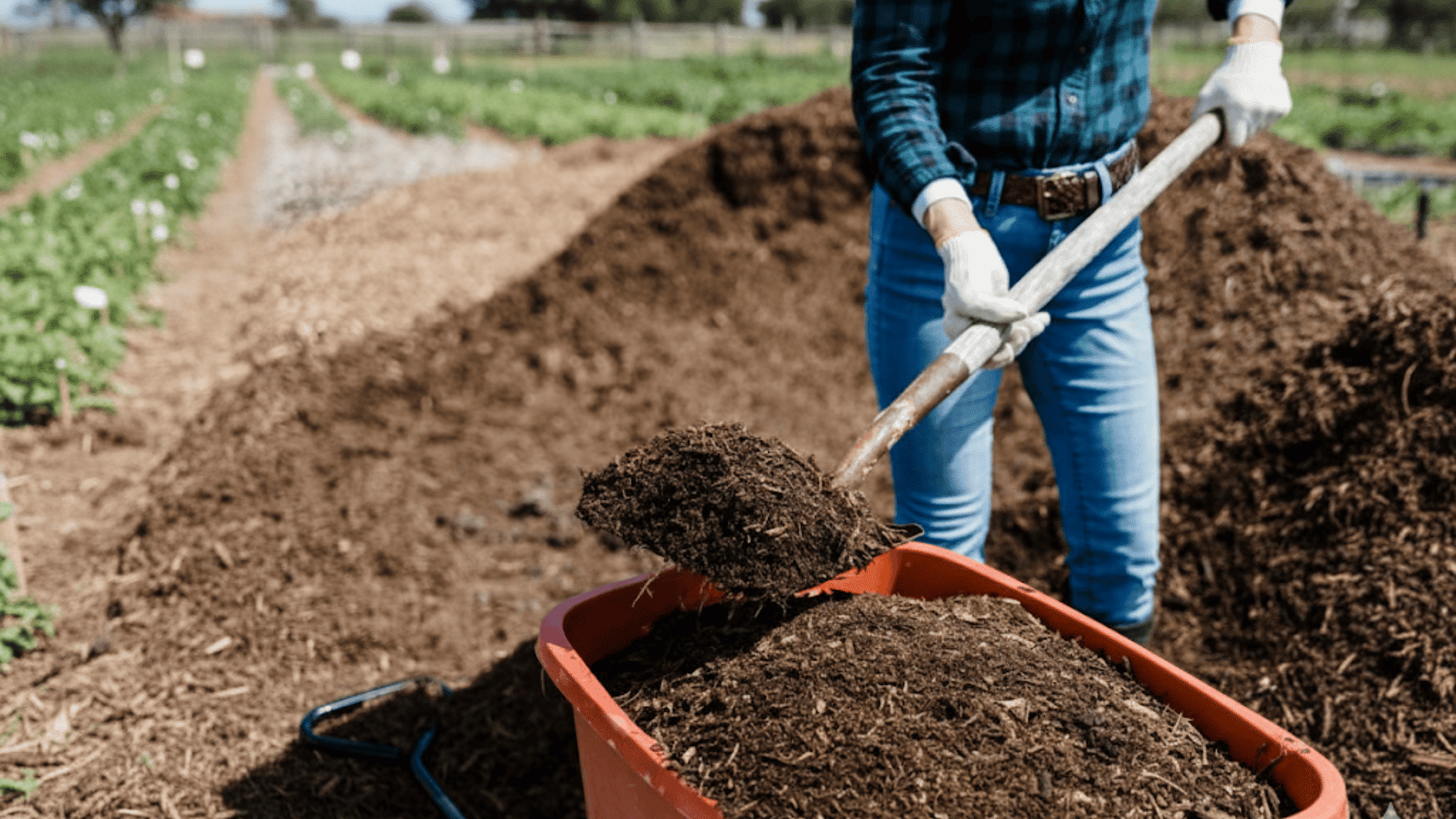
Made from natural materials like bark, shredded hardwood, pine straw, and compost, these do more than just tidy up your beds. They slowly decompose, feeding the soil and improving its structure.
Coverage tips:
- Spread 2–3 inches deep for fine mulch such as bark fines or compost.
- Keep mulch a few inches away from plant stems and tree trunks to prevent rot.
- Top up yearly as organic mulch breaks down and enriches the soil.
2. Coarse Mulch
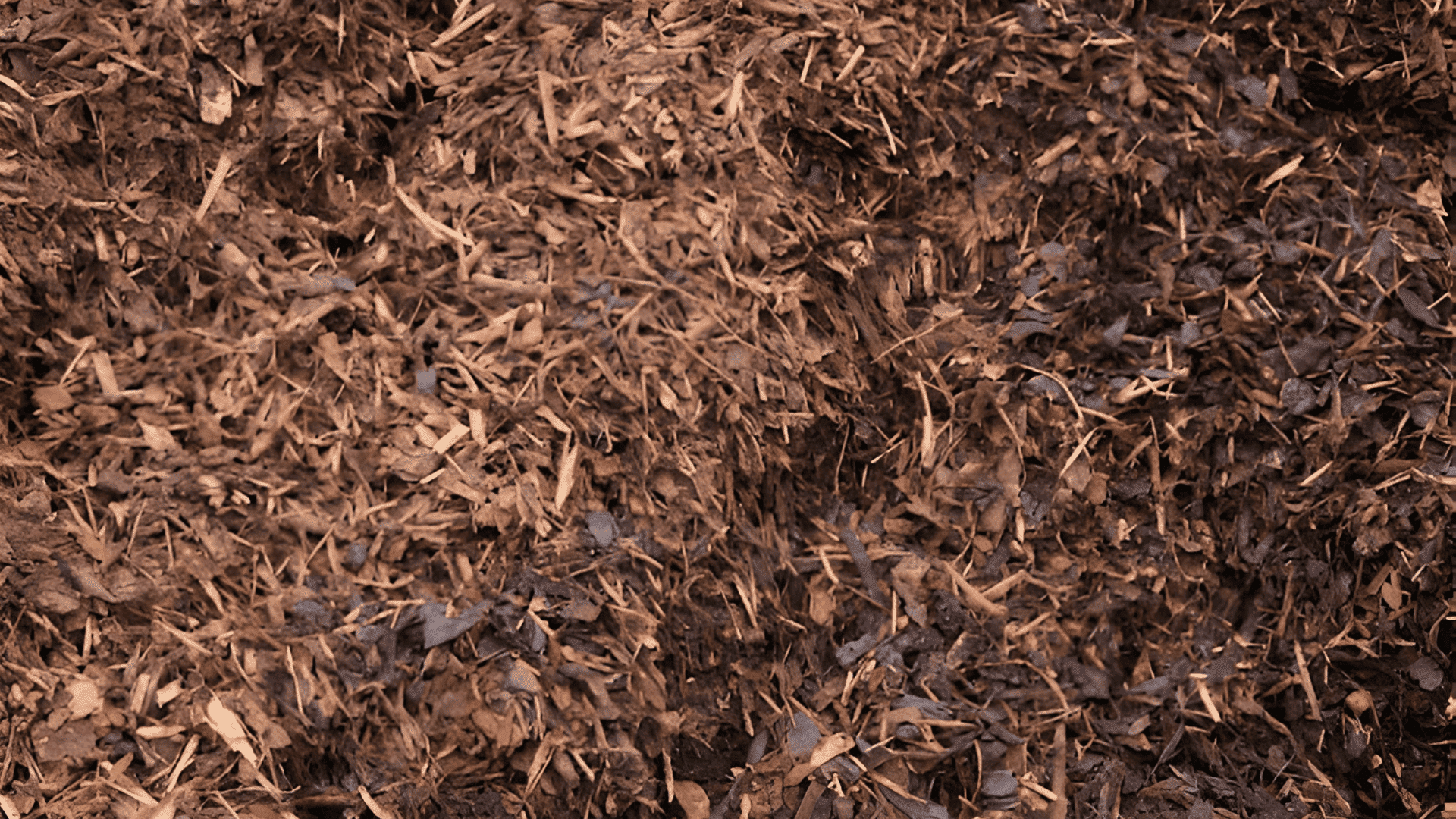
Coarse mulch includes wood chips, bark nuggets, straw, and shredded branches. It’s ideal for areas that need long-term protection, such as around trees, shrubs, or large landscape beds, since it decomposes slowly and allows water to filter through easily.
Coverage tips:
- Apply 3–4 inches for the best weed control and moisture retention.
- Rake occasionally to loosen compacted layers.
- Use it where you don’t plan to dig often, as pieces are harder to move around.
- It’s great for slopes; the heavier texture helps prevent erosion.
3. Inorganic Mulches
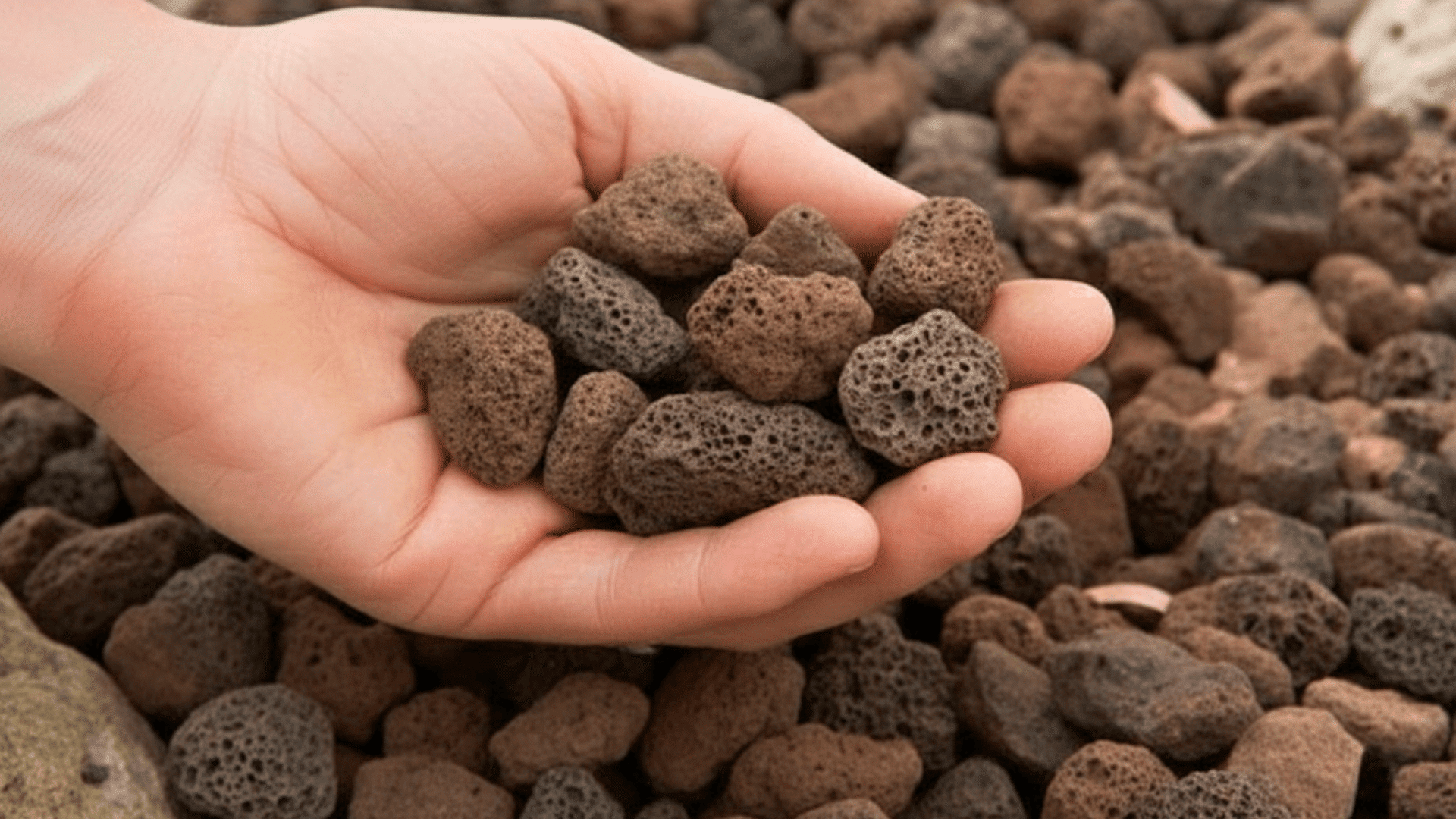
These include rubber chips, decorative stones, and gravel. They’re durable, clean-looking, and low-maintenance; perfect for paths, borders, and play areas. The downside? They don’t improve the soil underneath.
Coverage tips:
- Lay a weed barrier before spreading.
- Spread evenly at 3–4 inches for effective coverage.
- Rinse occasionally to remove dust and debris, keeping the surface looking fresh.
Money and Time Saving Tips
Little tricks that make a big difference; these save both your budget and your weekend.
| Tip | Why It Helps |
|---|---|
| Buy in spring or autumn | Landscape suppliers usually discount stock at the season change. |
| Ask for “off-colour” or mixed batches | Slight colour variations don’t affect quality but can cut the price. |
| Keep a few spare bags | Handy for quick touch-ups mid-season when spots start looking thin. |
| Water and edge first | Moist soil locks mulch in better and gives clean, tidy edges. |
If you plan your mulch day with these in mind, you’ll save yourself time, money, and a few sore muscles later on.
Common Mistakes to Avoid
Even the most careful gardeners slip up with mulch from time to time. A few small tweaks can make the difference between a tidy garden bed and a messy one.
Here’s what to watch out for before you grab the shovel.
- Too much mulch: Anything beyond 3 inches starts working against you. The roots can’t breathe properly, and moisture gets trapped, leading to rot instead of retention.
- Mulch volcanoes: Those big piles around tree trunks look neat for about a week, then start suffocating the bark. Keep mulch a few inches away from the base so air can circulate.
- Skipping the measurements: Beds with curves or odd shapes need a little extra attention. Guesswork often means running short or overbuying. A quick tape measure session saves the hassle later.
- Laying on dry soil: Always water first. Moist soil helps mulch settle and ensures roots absorb nutrients properly instead of sitting under a dry blanket.
A bit of prep now saves hours of cleanup later, and your plants will thank you for it.
Ideas for Eco-Friendly or Free Mulch
If you’d rather save some cash and cut down on plastic waste, there are a few clever, greener ways to get mulch, often for free.
These options aren’t just budget-friendly; they help keep your garden and conscience equally tidy.
- Local tree-trimming companies: Many have piles of wood chips they’re happy to give away after pruning jobs. Call ahead, some will even deliver.
- City compost sites: Councils often turn garden waste into mulch or compost and make it available to residents. It’s not glamorous, but it’s good stuff.
- Community garden swaps: Neighbours love to trade what’s extra; you might swap a tray of seedlings for a few bags of mulch.
Just have a quick look before you spread it. You want clean, natural wood chips, not weeds, rubbish, or mystery mix. It’s the easiest way to keep things green, in every sense of the word.
Summing Up
So, how many cubic feet are in a yard of mulch? One cubic yard equals 27 cubic feet, about 13 standard 2-cubic-foot bags. Once you know that, buying mulch becomes much simpler (and cheaper).
Measure your beds, plan your depth, and choose what fits: bagged mulch for smaller spaces or bulk delivery for larger ones. A bit of planning now saves money, time, and a sore back later.
If you enjoyed this guide, have a look at my other garden posts. I’ve covered everything from composting tips to choosing the best soil mix for raised beds. They’ll help you keep your garden looking tidy without overthinking it.