A flower garden sounds simple until you’re staring at an empty bed, wondering what goes where.
I know how tempting it is to buy every pretty plant you see, tuck them into open spots, and hope it all works. Then, a few weeks later, the bed can still feel patchy, crowded, or random.
These flower garden ideas will help you choose a plan that fits your yard, budget, and time.
You’ll find options for front yards, patios, borders, shady spots, pollinator beds, and cut-flower gardens, with simple layout tips and plant examples to help your space feel planned from the start.
What Is the Purpose of a Flower Garden?
A flower garden does more than add color to an outdoor space. It gives your yard a clear focal point, softens plain areas, and makes patios, paths, fences, and front entries feel more inviting.
It can also serve a practical purpose. A flower garden can attract bees, butterflies, and hummingbirds, give you fresh blooms for vases, add fragrance near a seating area, or fill awkward empty spots in the yard.
The best flower garden ideas start with a purpose. You might want curb appeal, seasonal color, a pollinator-friendly space, or a low-maintenance bed that comes back each year.
Once you know the goal, it becomes much easier to choose the right layout, flowers, and planting style.
Flower Garden Ideas by Space
Before you buy flowers, look at the shape of the space, how much sun it gets, and how people will see or use it.
This makes it easier to choose a design that feels natural instead of forcing the wrong idea into the wrong spot.
1. Fence Line Flower Garden
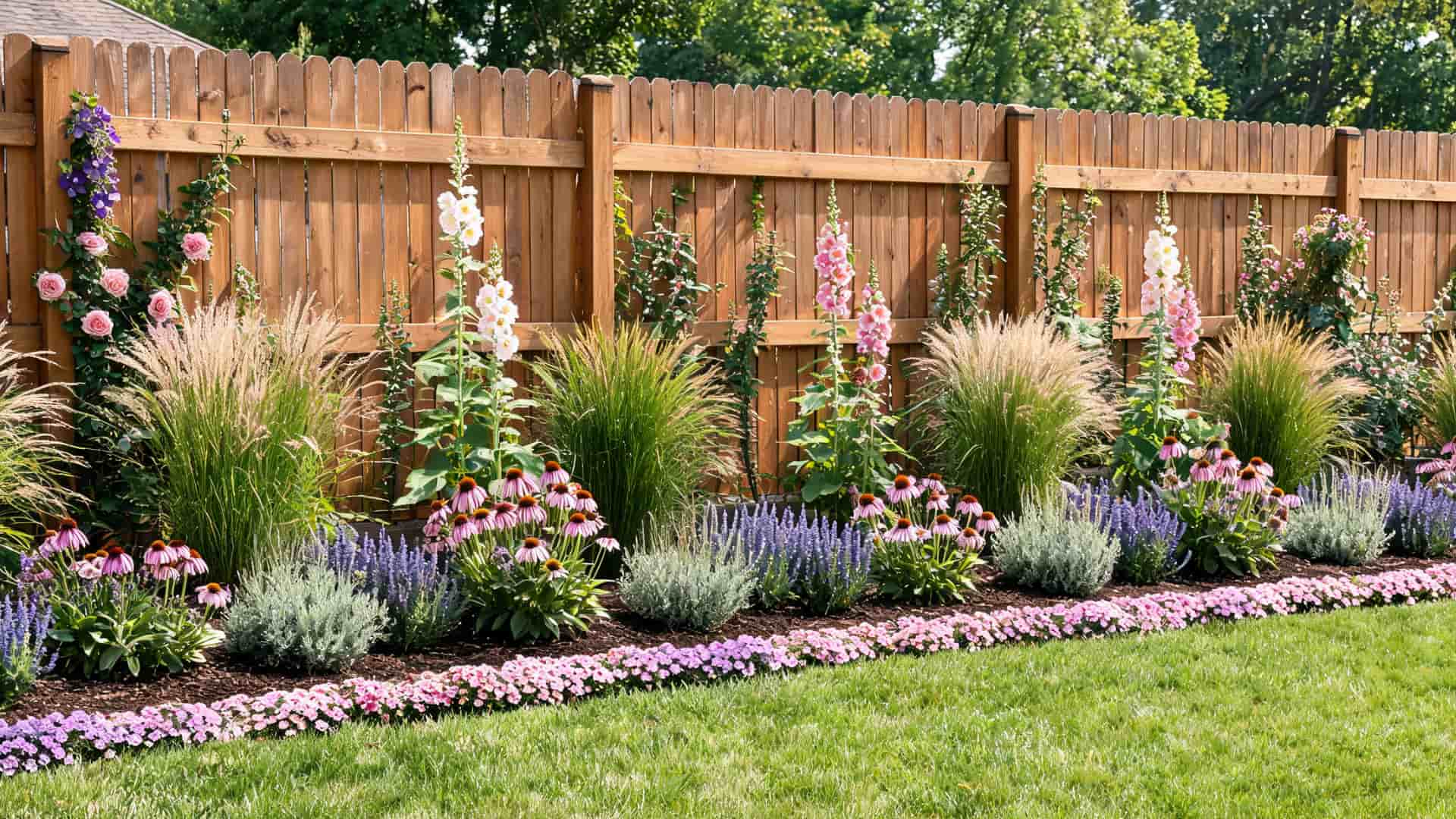
A fence-line flower garden is a simple way to turn a plain boundary into a softer, more colorful part of the yard. Since the fence already creates a backdrop, you can use it to support taller plants, climbing flowers, or layered planting.
It helps the border look full without hiding smaller blooms. You can also repeat the same flowers along the fence to create rhythm instead of making the bed feel busy.
- Best For: Backyard fences, side-yard fences, privacy fences, narrow borders, and long blank garden edges.
- Plants to Try: Clematis, climbing roses, hollyhocks, coneflowers, salvia, catmint, lavender, ornamental grasses, and creeping phlox.
2. Walkway Flower Garden
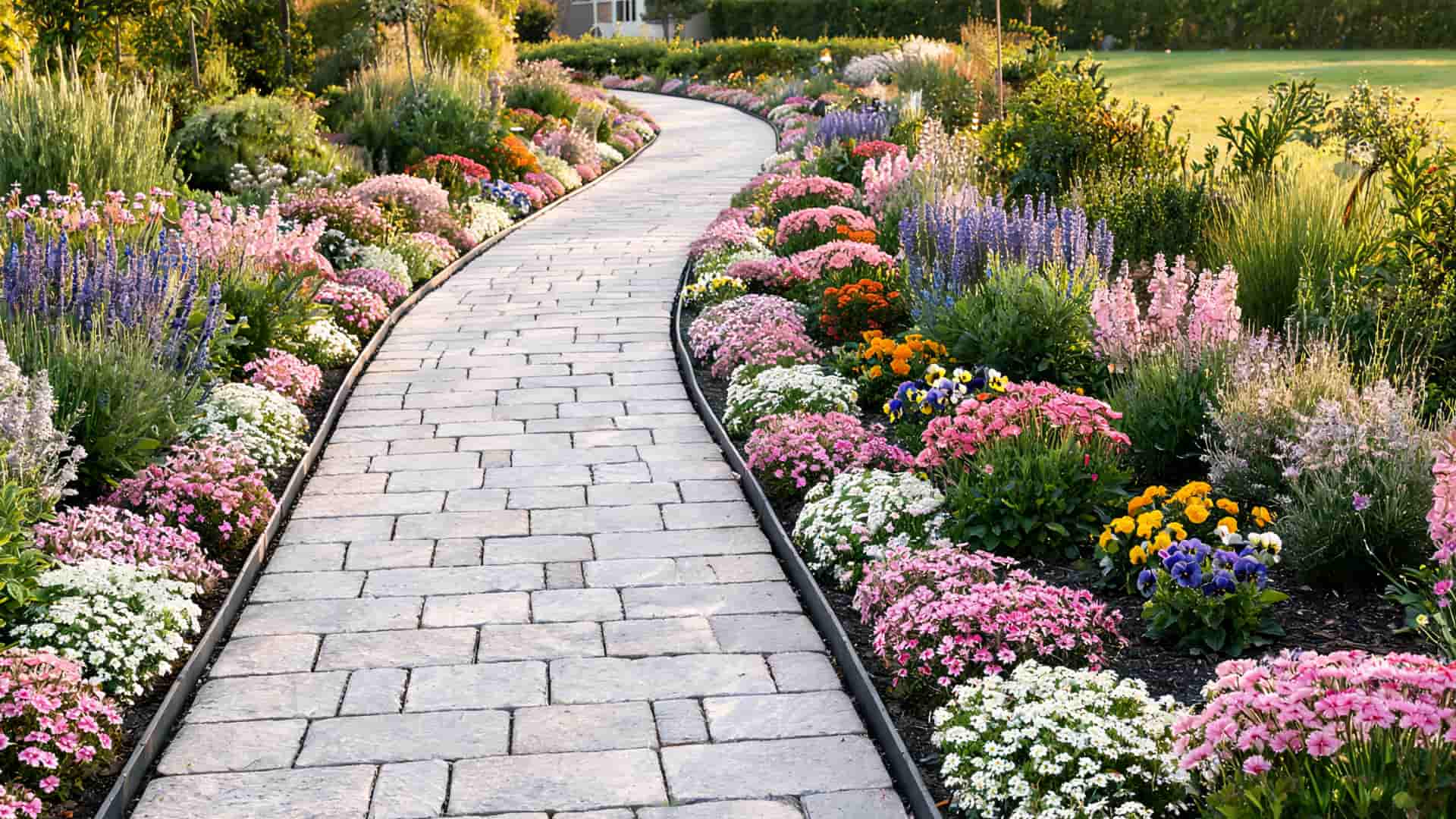
A walkway flower border adds color and softness along paths, sidewalks, and garden steps. It makes the route feel more inviting without taking up much extra space.
The main rule is to keep plants near the path low and tidy. Repeating the same flowers along the edge also helps the border feel neat and connected.
- Best For: Front paths, garden walkways, sidewalks, stepping-stone paths, porch entries, and narrow border beds.
- Plants to Try: Sweet alyssum, creeping phlox, dianthus, lavender, catmint, salvia, dwarf marigolds, pansies, and low-growing geraniums.
Keep low, compact flowers closest to the path and repeat them along the edge for a clean, finished look.
3. Mailbox Flower Garden
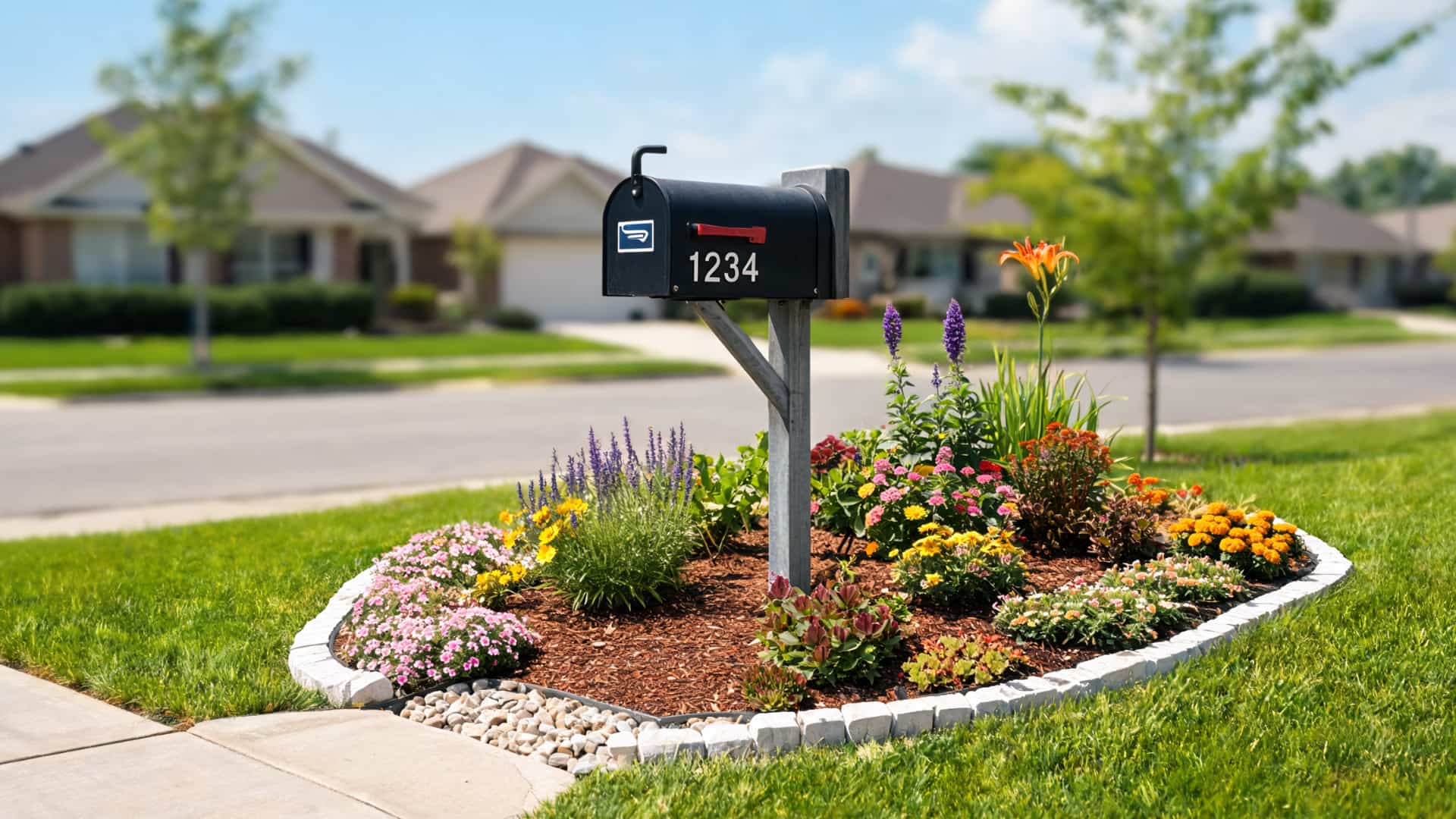
A mailbox flower garden is a small but effective way to add color near the street. It does not need much space, but it can make the front yard feel more cared for and welcoming.
Keep the planting low enough so the mailbox is easy to reach, and the address stays visible. A neat edge or small ring of mulch can also help the bed look finished.
- Best For: Front yards, curbside beds, mailbox posts, small street-facing spaces, and low-budget curb appeal projects.
- Plants to Try: Marigolds, zinnias, lantana, salvia, daylilies, coreopsis, black-eyed Susans, lavender, sedum, and creeping phlox.
Use low, tough flowers near the front and keep plants trimmed so the mailbox, address, and access area stay clear.
4. Vertical Flower Garden
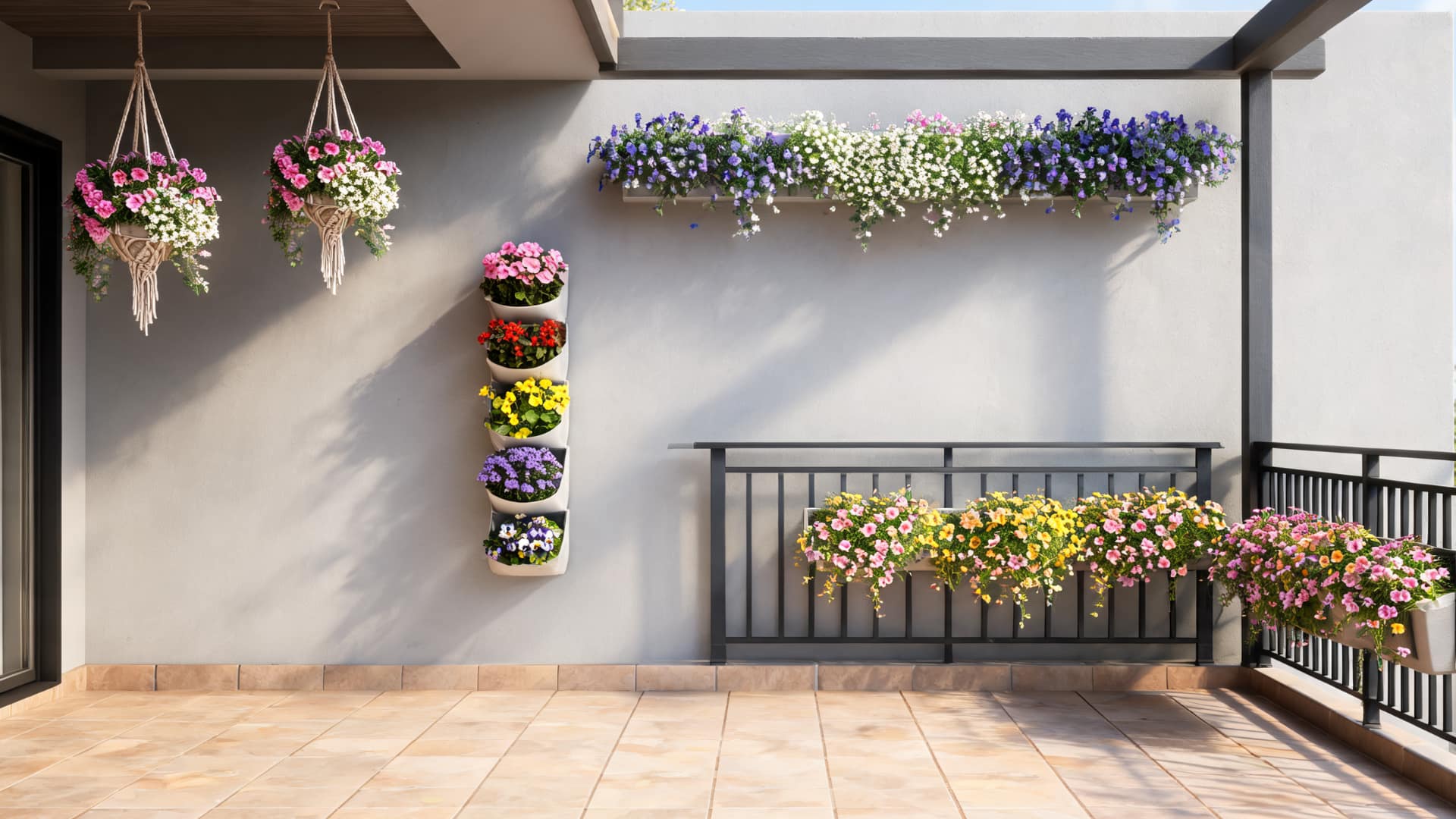
A vertical flower garden is a smart choice when you want more color but do not have much floor or ground space. It works well on balconies, patios, fences, porch walls, and tiny yards.
This design uses height instead of width. Wall planters, hanging pots, stacked containers, railing boxes, and flower towers can all hold blooms without taking over the walkway or seating area.
- Best For: Balconies, patios, fences, porch walls, tiny yards, and small outdoor corners.
- Plants to Try: Petunias, calibrachoa, trailing lobelia, begonias, nasturtiums, sweet alyssum, verbena, pansies, and compact geraniums.
5. Patio Flower Garden
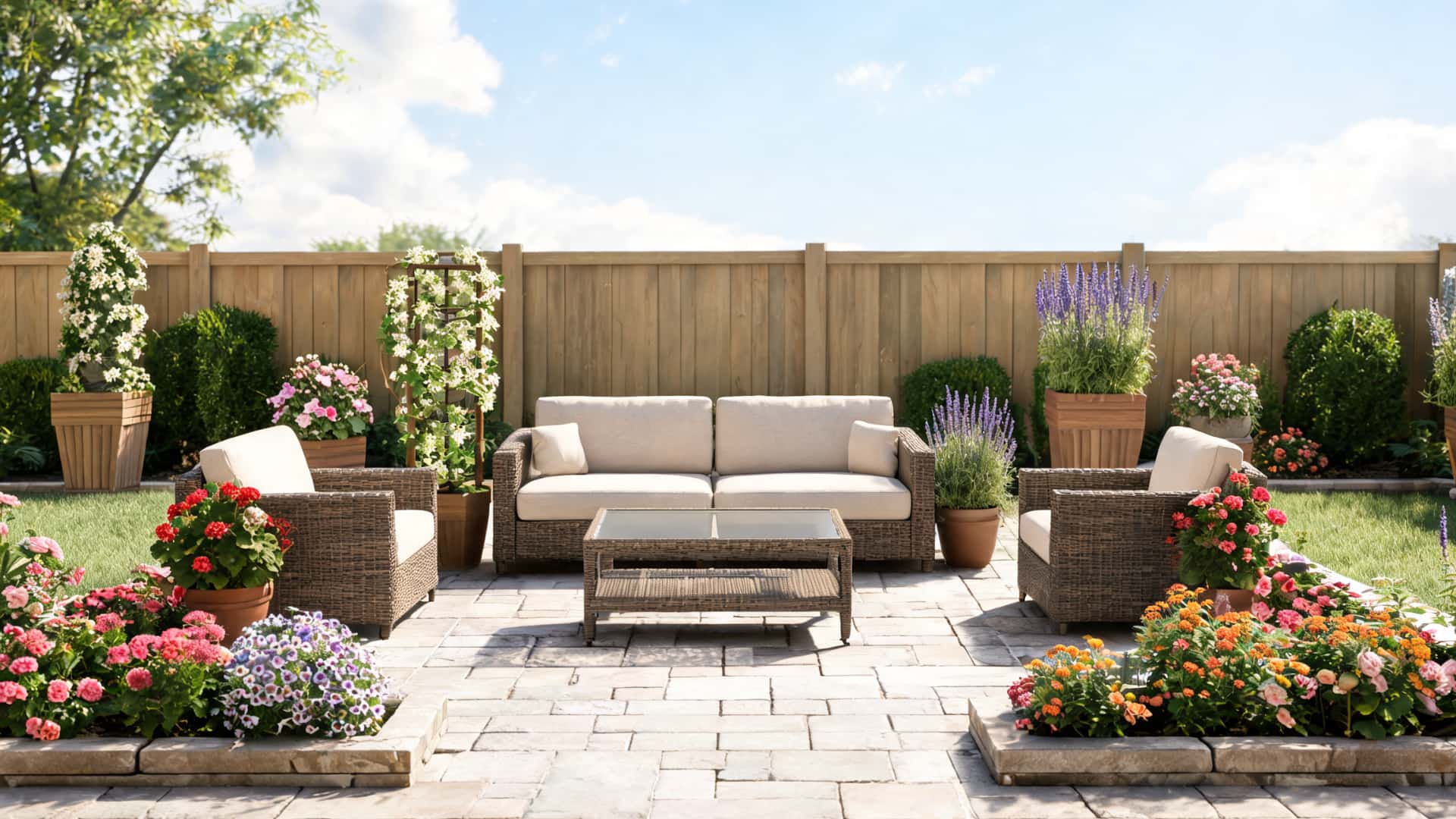
A patio flower garden helps make an outdoor seating area feel softer, brighter, and more comfortable. You can plant flowers around the patio edge, use large containers, or mix both if you want color without digging a new bed.
This idea works best when the flowers match how you use the patio. Fragrant blooms are lovely near chairs or dining areas, while taller containers can add privacy around the edges.
- Best For: Patios, seating areas, outdoor dining spaces, small backyards, paved corners, and container-friendly gardens.
- Plants to Try: Lavender, geraniums, petunias, begonias, salvia, sweet alyssum, jasmine, lantana, calibrachoa, and dwarf roses.
6. Balcony Flower Garden
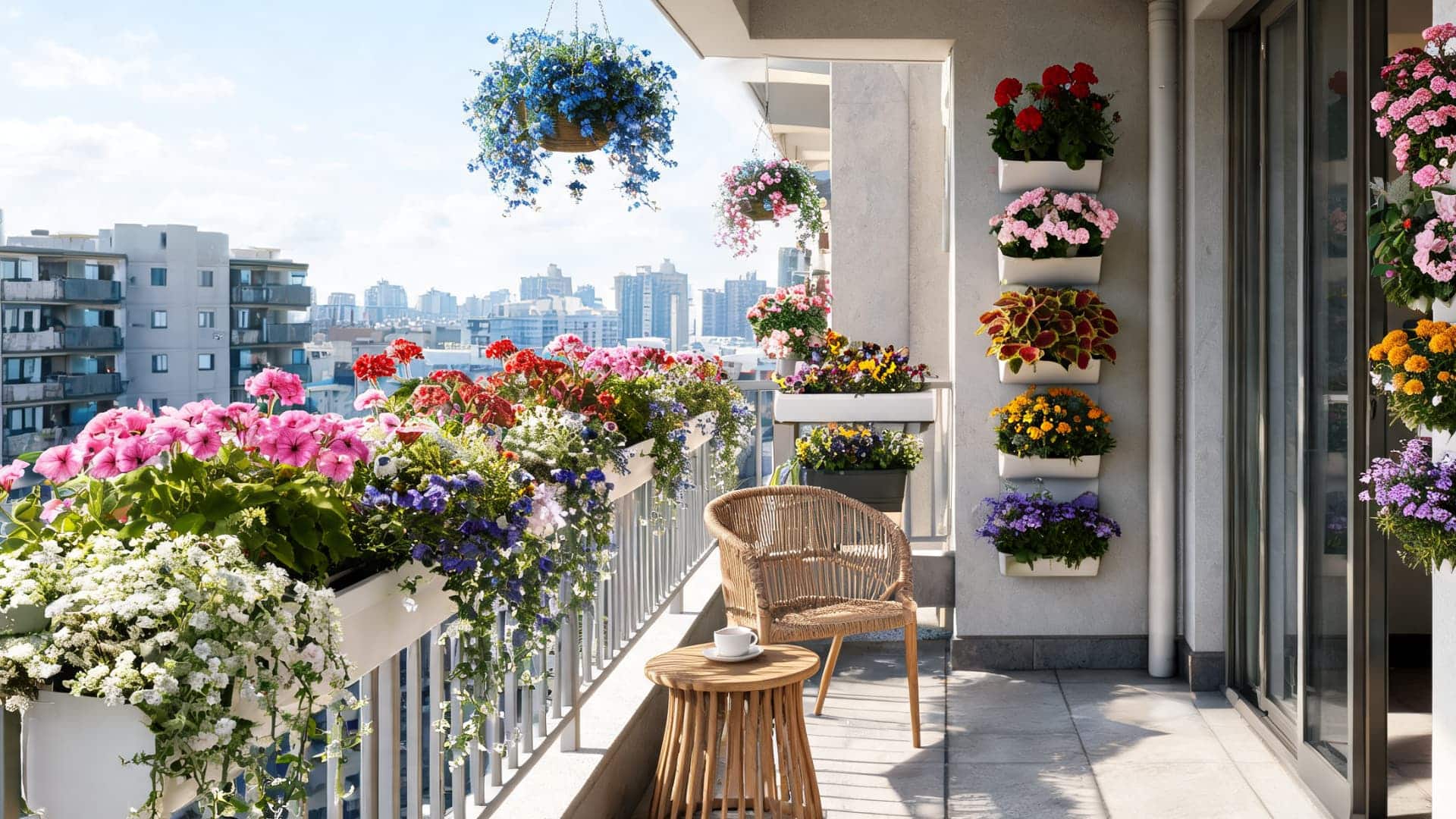
A balcony flower garden is a smart way to grow flowers when you do not have a yard. Rail planters, wall pots, hanging baskets, and compact containers can all add color without taking up much floor space.
Balconies can dry out quickly, especially on higher floors or in full sun. Use sturdy, well-drained containers, choose compact flowers, and place taller pots where they will not tip over or obstruct movement.
- Best For: Apartment balconies, condo patios, rental spaces, small outdoor corners, railings, and upper-floor garden areas.
- Plants to Try: Petunias, begonias, geraniums, calibrachoa, trailing lobelia, sweet alyssum, pansies, dwarf marigolds, verbena, and coleus.
7. Side-Yard Flower Garden
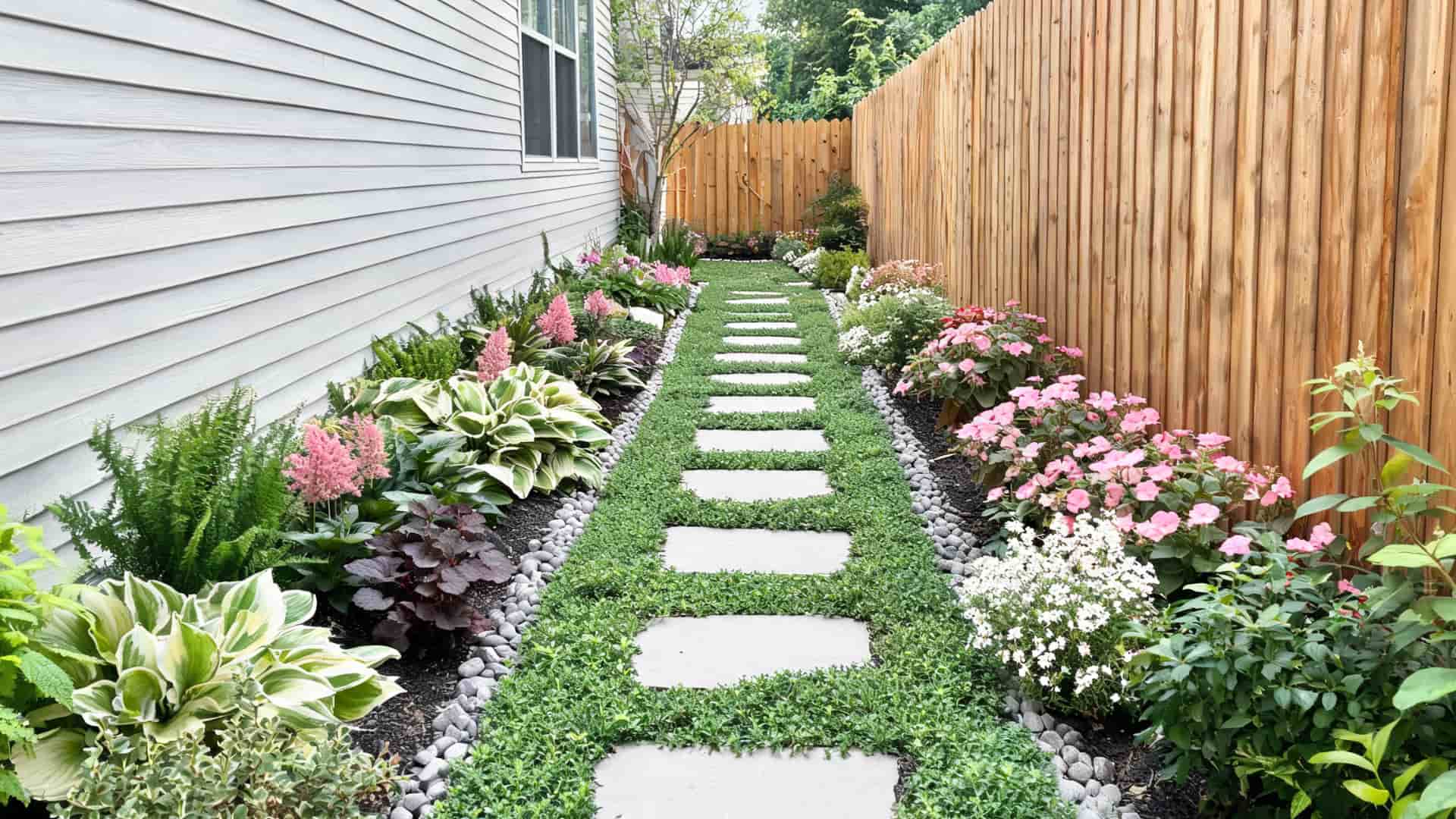
A side-yard flower strip can turn a narrow, forgotten area into a useful garden path. This space often feels too small for a full bed, but it can still hold low-growing flowers, shade plants, stepping stones, and slim containers.
The best design depends on how much light the side yard gets. If it is shaded by a house or fence, use foliage plants and shade flowers.
- Best For: Narrow side yards, shaded paths, fence gaps, house-side walkways, small transition spaces, and unused strips of soil.
- Plants to Try: Hostas, ferns, astilbe, impatiens, begonias, heuchera, creeping phlox, dianthus, sweet alyssum, and compact salvia.
Add stepping stones or a slim path, then keep flowers low and compact so the side yard stays open and easy to walk through.
8. Island Flower Garden
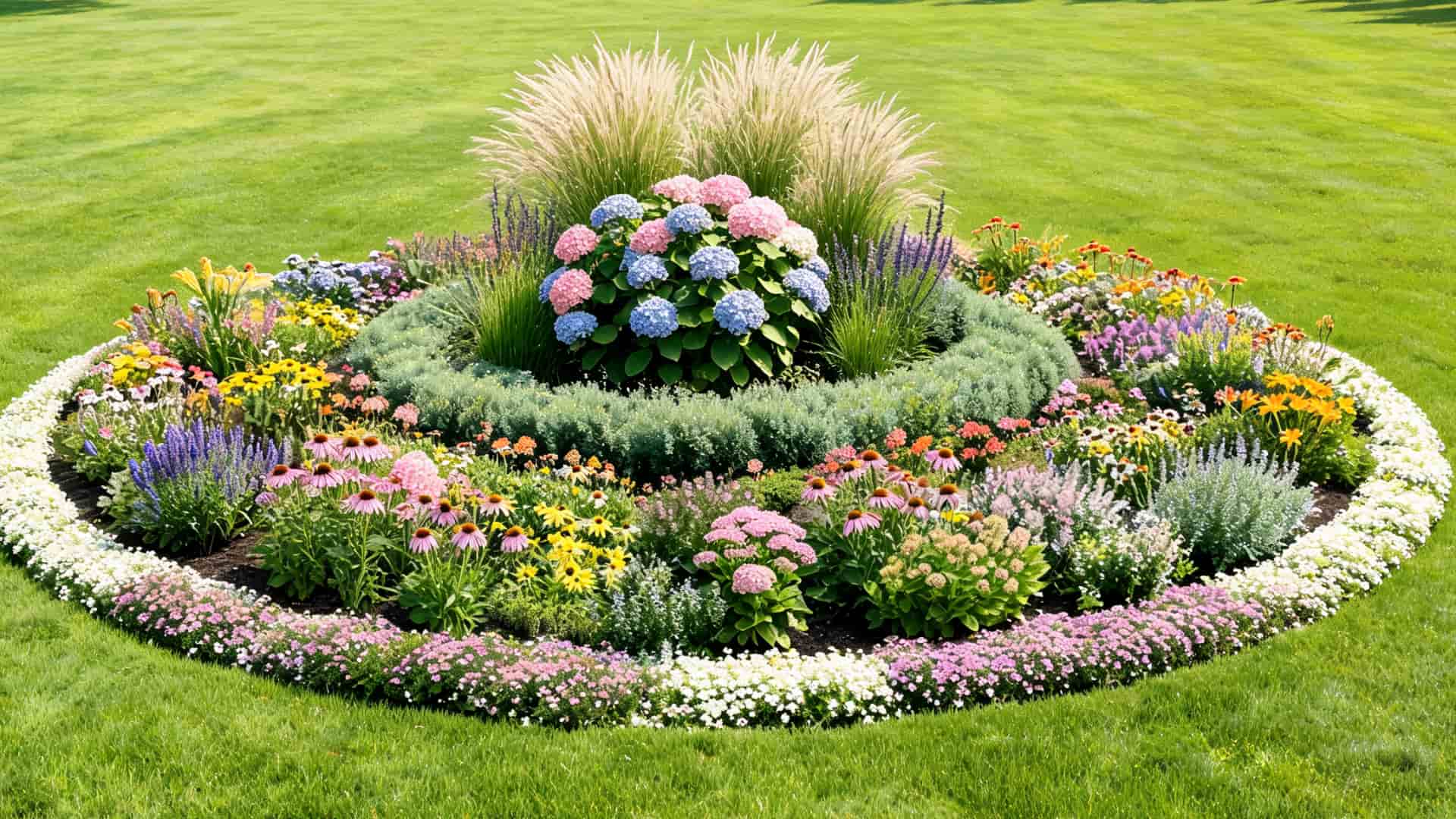
An island flower garden can turn a plain stretch of lawn into a strong focal point. Since it is viewed from multiple sides, the layout needs to look balanced from every angle.
The easiest way to plan it is to place the tallest flowers, grasses, or small shrubs near the center. A curved shape often feels more natural in a lawn, while a clean oval or circle can look more formal.
- Best For: Open lawns, large front yards, backyard focal points, circular beds, oval beds, and spaces that need visual interest.
- Plants to Try: Hydrangeas, ornamental grasses, coneflowers, black-eyed Susans, salvia, daylilies, catmint, sedum, creeping phlox, and alyssum.
Place taller plants near the center, then step down to medium and low flowers so the bed looks good from all sides.
9. Corner Flower Garden
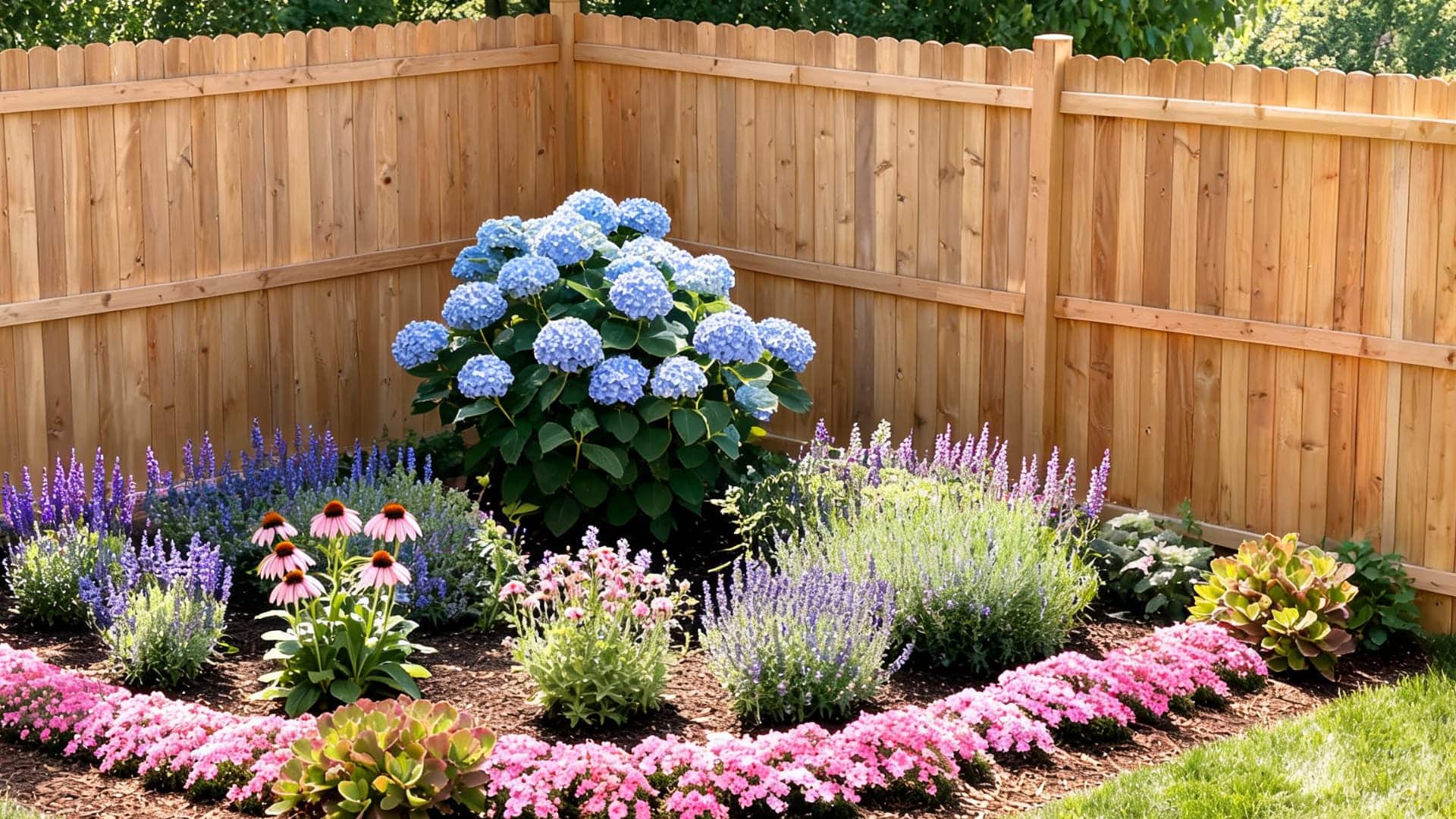
A corner flower garden can turn an empty or awkward spot into a clear focal point. It works well where two fences meet, beside a patio, near a front porch, or in a backyard corner that feels bare.
The easiest way to design it is to start with one taller anchor plant, such as a small shrub, ornamental grass, or tall perennial.
- Best For: Fence corners, patio corners, porch edges, backyard gaps, front yard corners, and unused spaces that need a focal point.
- Plants to Try: Hydrangeas, ornamental grasses, roses, coneflowers, salvia, catmint, daylilies, lavender, sedum, and creeping phlox.
Flower Garden Ideas by Style
Once you know where your flower garden will go, think about the style you want it to have. Style helps you choose the right colors, plant shapes, spacing, and garden features.
10. Cottage Flower Garden
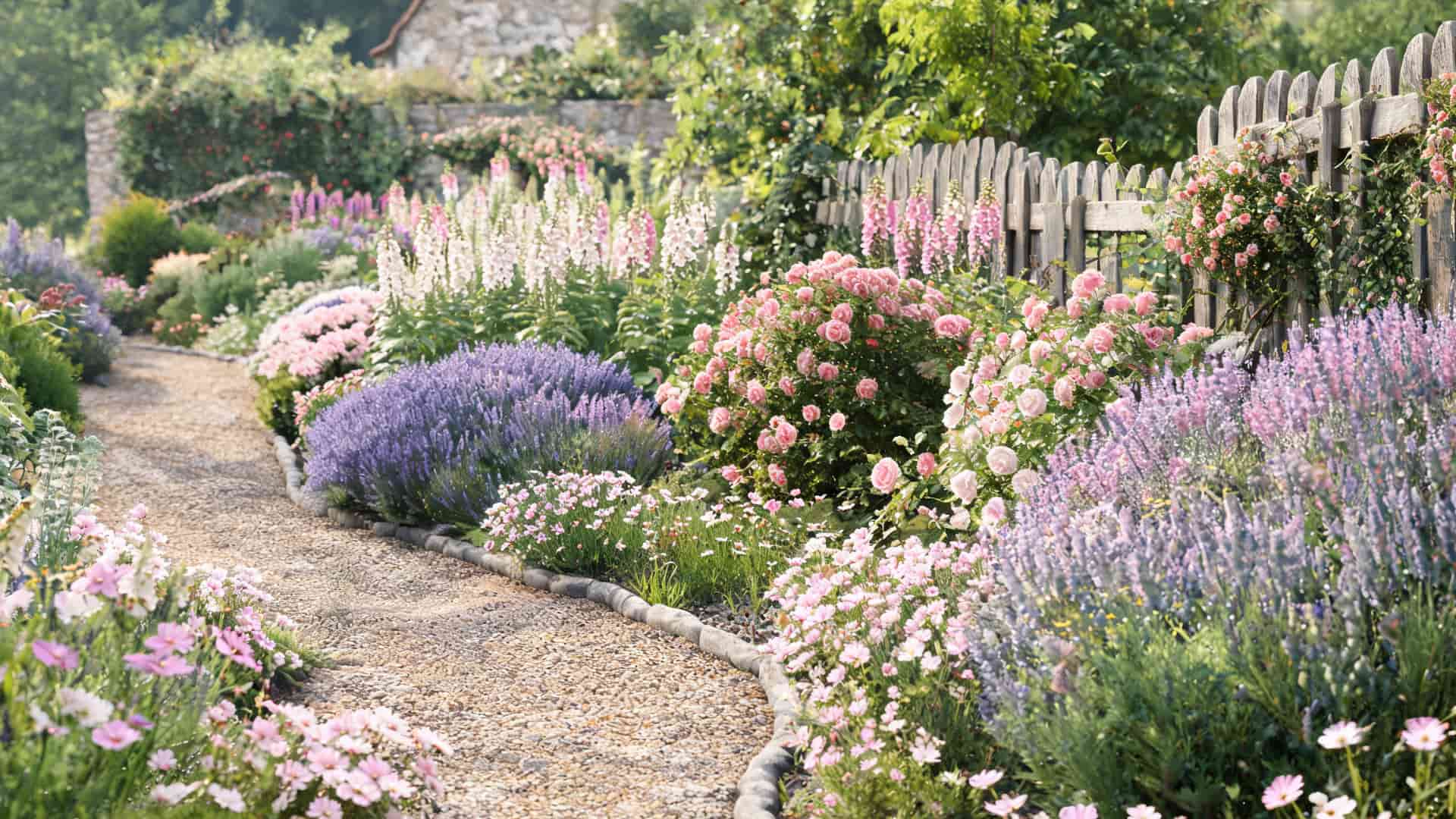
A cottage flower garden is a good fit if you want a soft, full, and relaxed planting style. It often uses layers of flowers with different heights, shapes, and bloom times so the bed feels generous without looking too formal.
This style can look loose, but it still needs repetition. Use a few favorite flowers more than once, repeat colors across the bed, and mix upright plants with softer mounding flowers.
- Best For: Front yards, walkway borders, porch beds, fence lines, informal gardens, and soft romantic planting styles.
- Plants to Try: Roses, daisies, foxgloves, lavender, phlox, catmint, delphiniums, hollyhocks, salvia, and cosmos.
11. Wildflower Garden
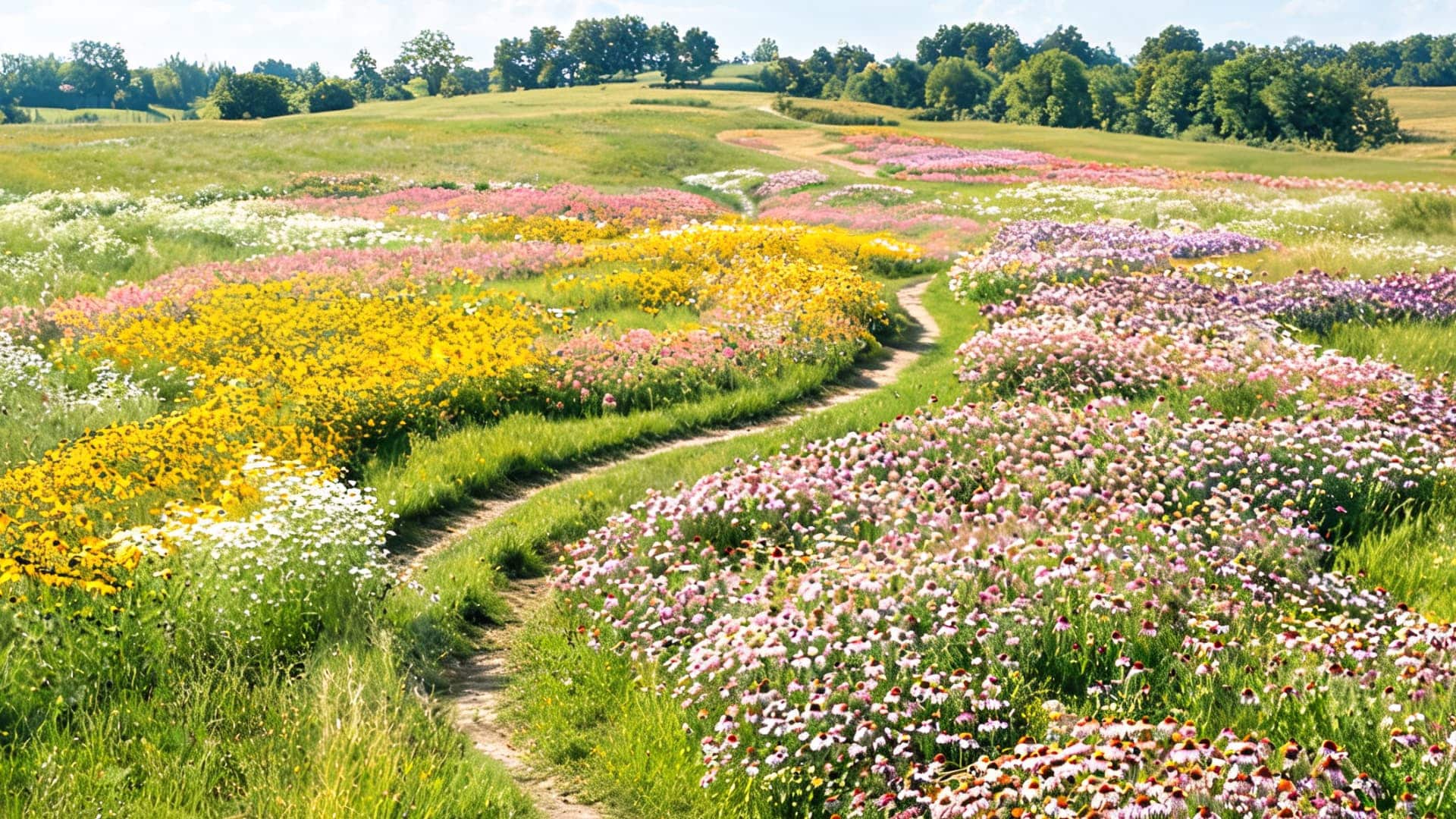
A wildflower garden is a good choice if you want a loose, natural-looking flower bed with plenty of color and pollinator activity. It works best in a sunny space where the soil has been cleared and prepared before seeding.
Wildflower gardens often look better after they settle, so expect the first season to be more about growth than instant perfection.
- Best For: Sunny yards, meadow-style spaces, pollinator areas, large borders, low-water gardens, and natural-looking flower beds.
- Plants to Try: Regional wildflower seed mixes, black-eyed Susans, coreopsis, cosmos, poppies, blanket flowers, coneflowers, asters, and native grasses.
Prepare the soil well, choose seeds suited to your region, and allow the garden time to mature before judging the final look.
12. Formal Flower Garden
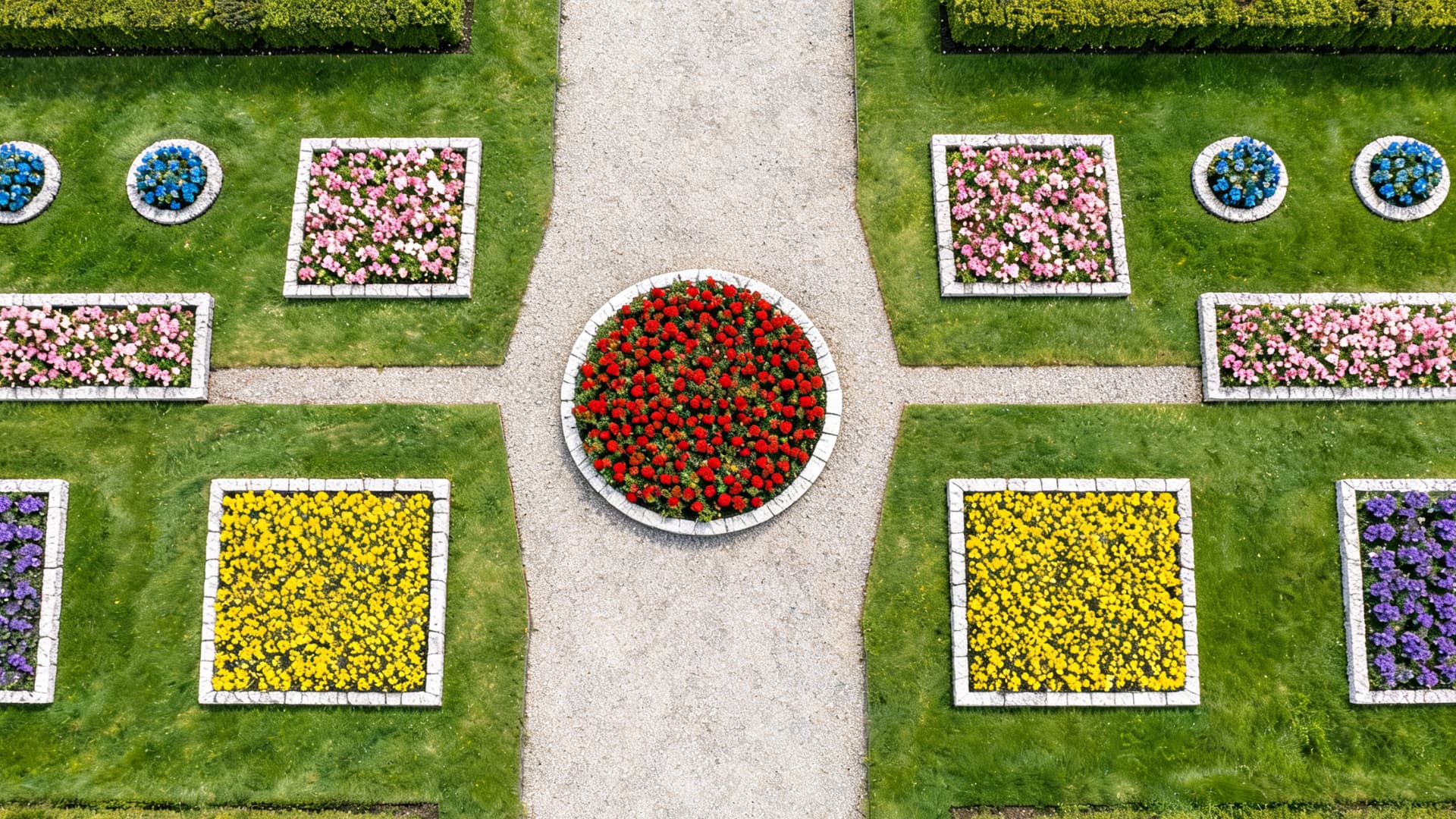
A formal flower bed is a good choice if you want the garden to look neat, balanced, and intentional. It works especially well near front entries, walkways, porches, and areas where a clean first impression matters.
This style relies on symmetry, crisp edges, repeated plant blocks, and a limited color palette. Instead of mixing many different flowers, choose a few reliable plants and repeat them in evenly spaced rows, mirrored pairs, or geometric shapes.
- Best For: Front yards, entryways, walkway borders, porch beds, formal gardens, and spaces that need a clean, structured look.
- Plants to Try: Boxwood, lavender, salvia, roses, tulips, pansies, begonias, hydrangeas, dwarf evergreens, and low-growing annuals.
Use symmetry, repeated plant blocks, and clean edging to keep the bed looking orderly rather than crowded.
13. Modern Color-Block Flower Garden
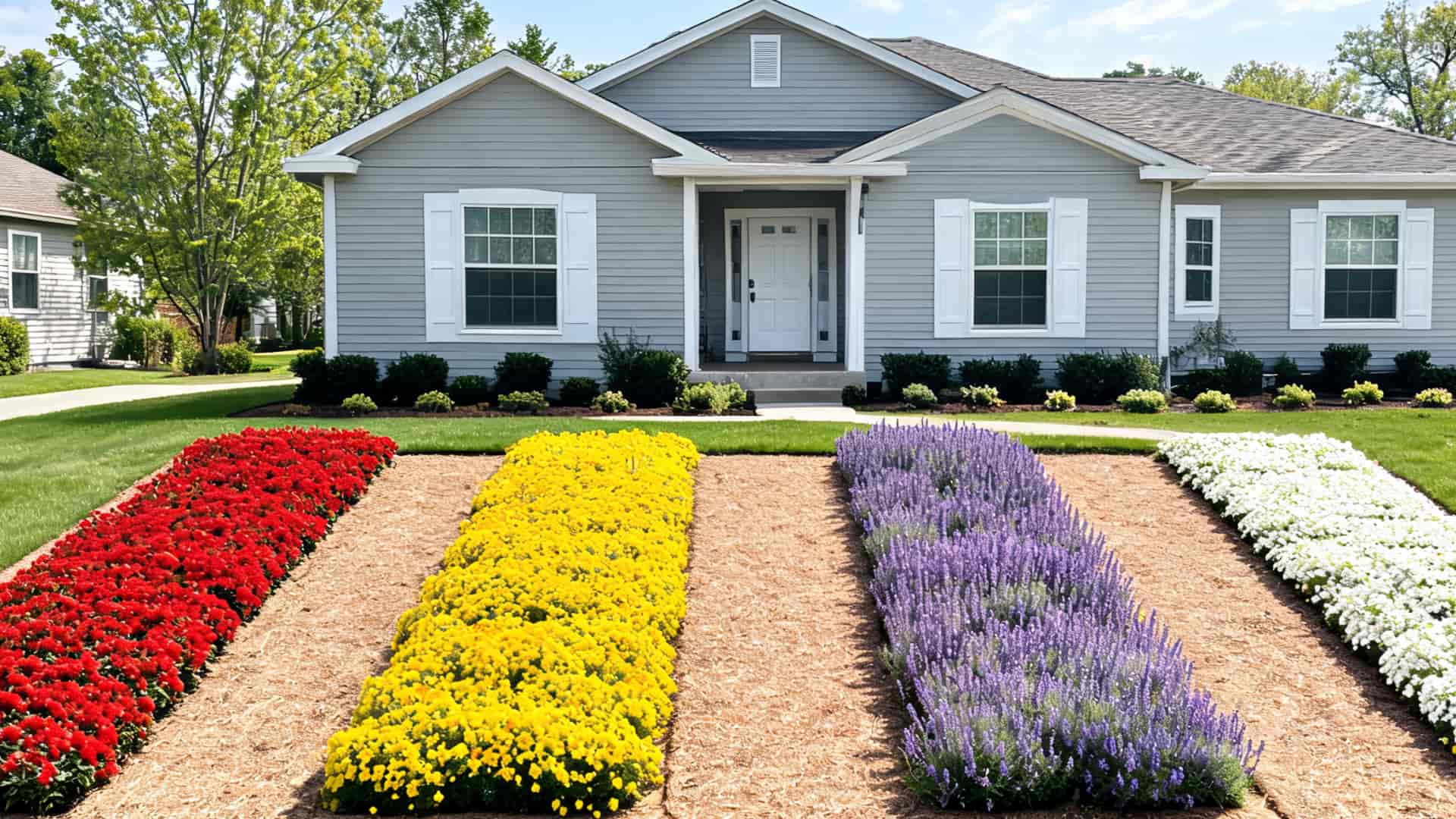
A modern color-block flower garden uses large groups of a single color, a single flower type, or a simple plant combination. It works well when you want a cleaner look instead of a loose, mixed border.
This style is especially useful near modern homes, straight paths, patios, and simple front yards. The bed feels stronger when the planting is bold and repeated.
- Best For: Modern homes, front yards, straight borders, patio edges, entry beds, and simple landscape designs.
- Plants to Try: Salvia, lavender, tulips, alliums, ornamental grasses, white hydrangeas, catmint, begonias, sedum, and dwarf roses.
14. Warm Sunset Flower Garden
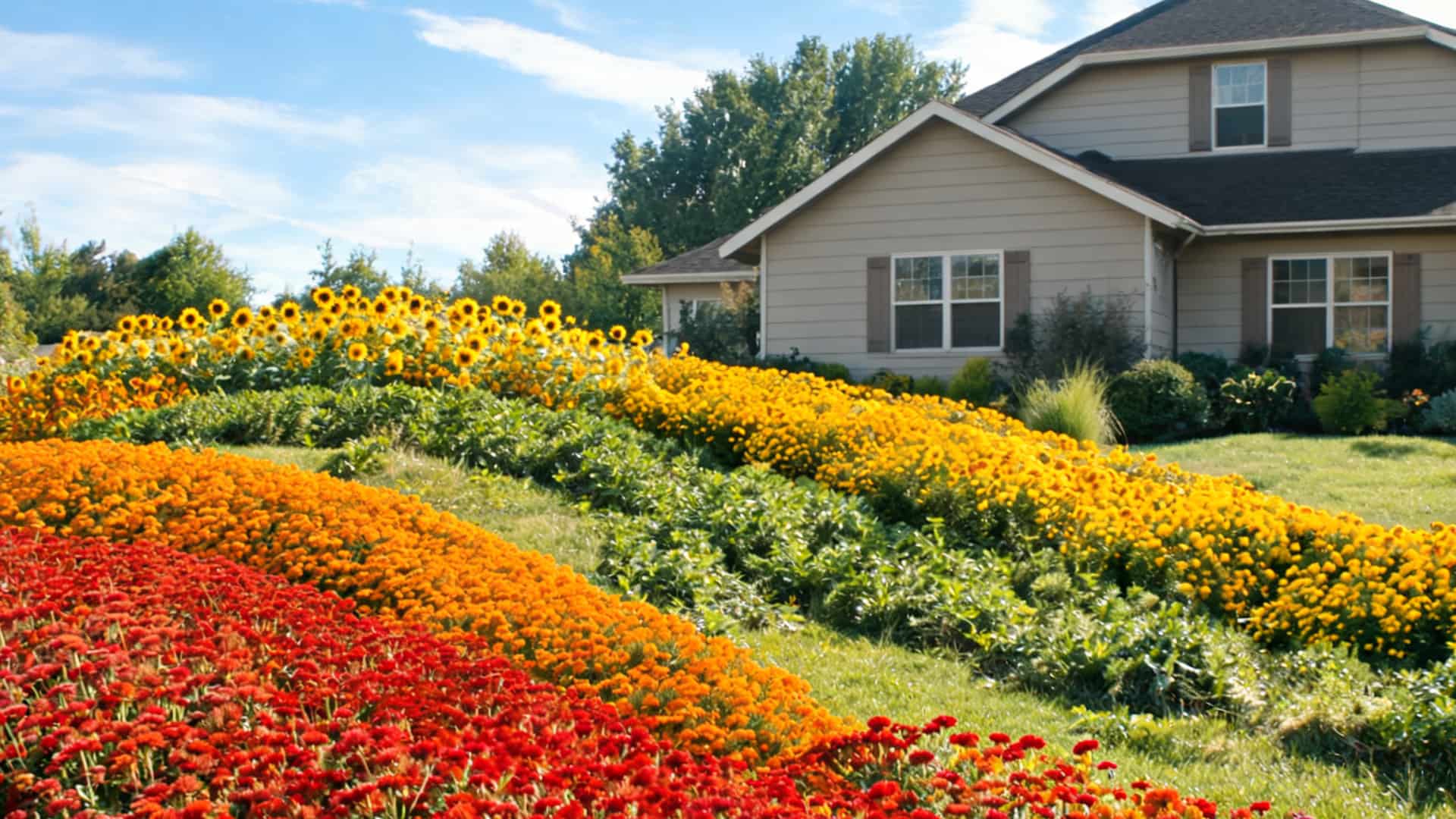
A warm sunset flower garden uses yellow, orange, coral, and red flowers to create a bright, cheerful bed. It works well in sunny spaces where you want strong color that feels lively from the street, patio, or garden path.
Too many strong colors can feel busy, so repeat a few key flowers and keep the palette focused. You can also add darker red or bronze foliage for extra depth.
- Best For: Sunny borders, front yard beds, patio edges, cut flower beds, summer gardens, and areas that need bold seasonal color.
- Plants to Try: Zinnias, dahlias, marigolds, daylilies, blanket flowers, canna lilies, coreopsis, lantana, celosia, and black-eyed Susans.
15. Mediterranean Flower Garden
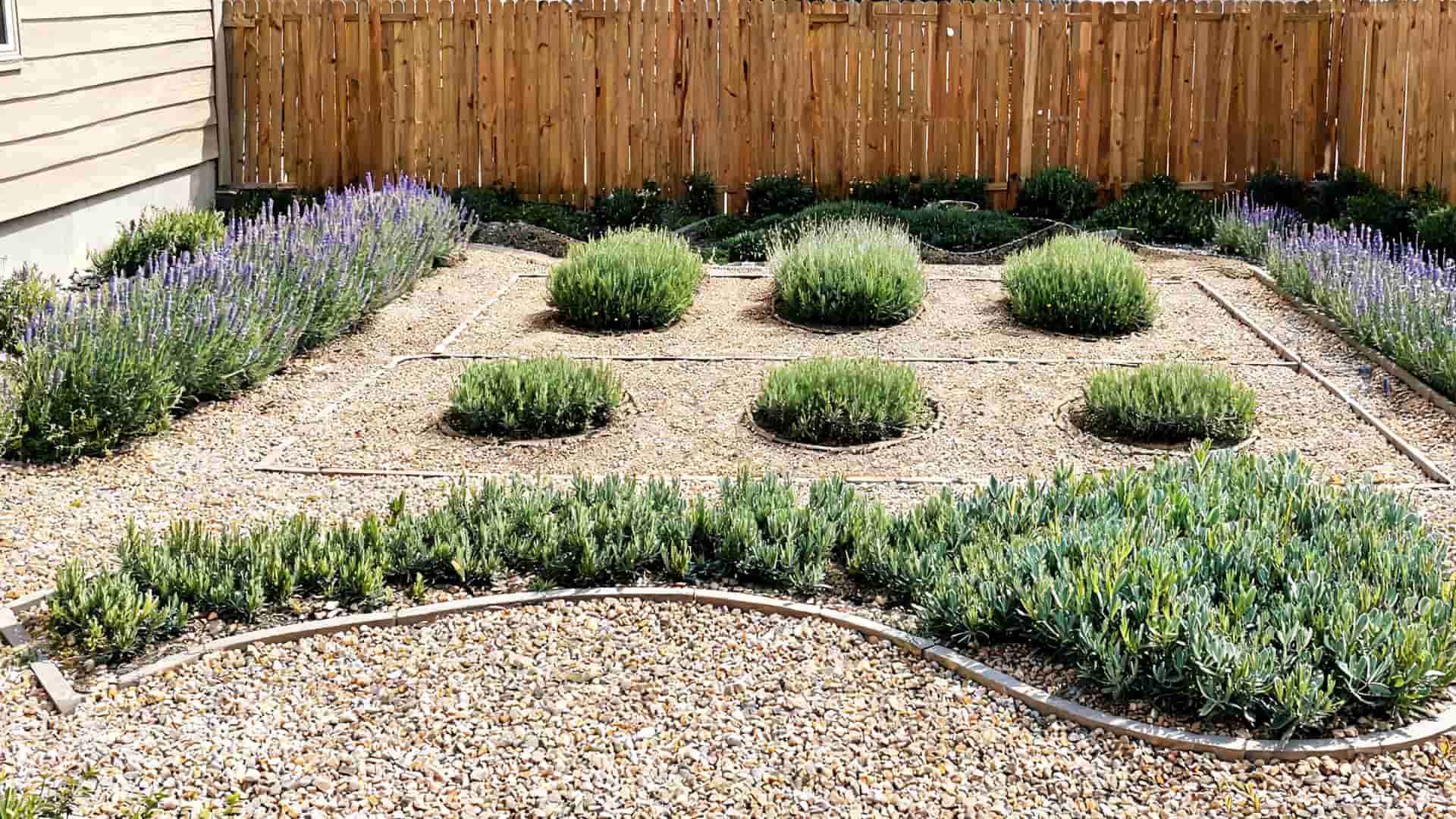
A Mediterranean flower garden works best in sunny, dry spots with good drainage. It often uses gravel, herbs, silvery foliage, and drought-tolerant flowers to create a relaxed but structured look.
This style is a strong choice if you want a flower bed that feels warm, fragrant, and lower maintenance once established. The key is to avoid heavy, wet soil and choose plants that enjoy heat and sun.
- Best For: Sunny beds, dry gardens, gravel borders, patios, warm climates, and low-water flower garden designs.
- Plants to Try: Lavender, yarrow, rosemary, globe thistle, salvia, santolina, thyme, oregano, catmint, and ornamental grasses.
Flower Garden Ideas by Shape
The shape of a flower garden can change how the whole yard feels. A curved bed looks soft and natural, while a straight or symmetrical bed feels cleaner and more structured.
16. Curved Flower Bed
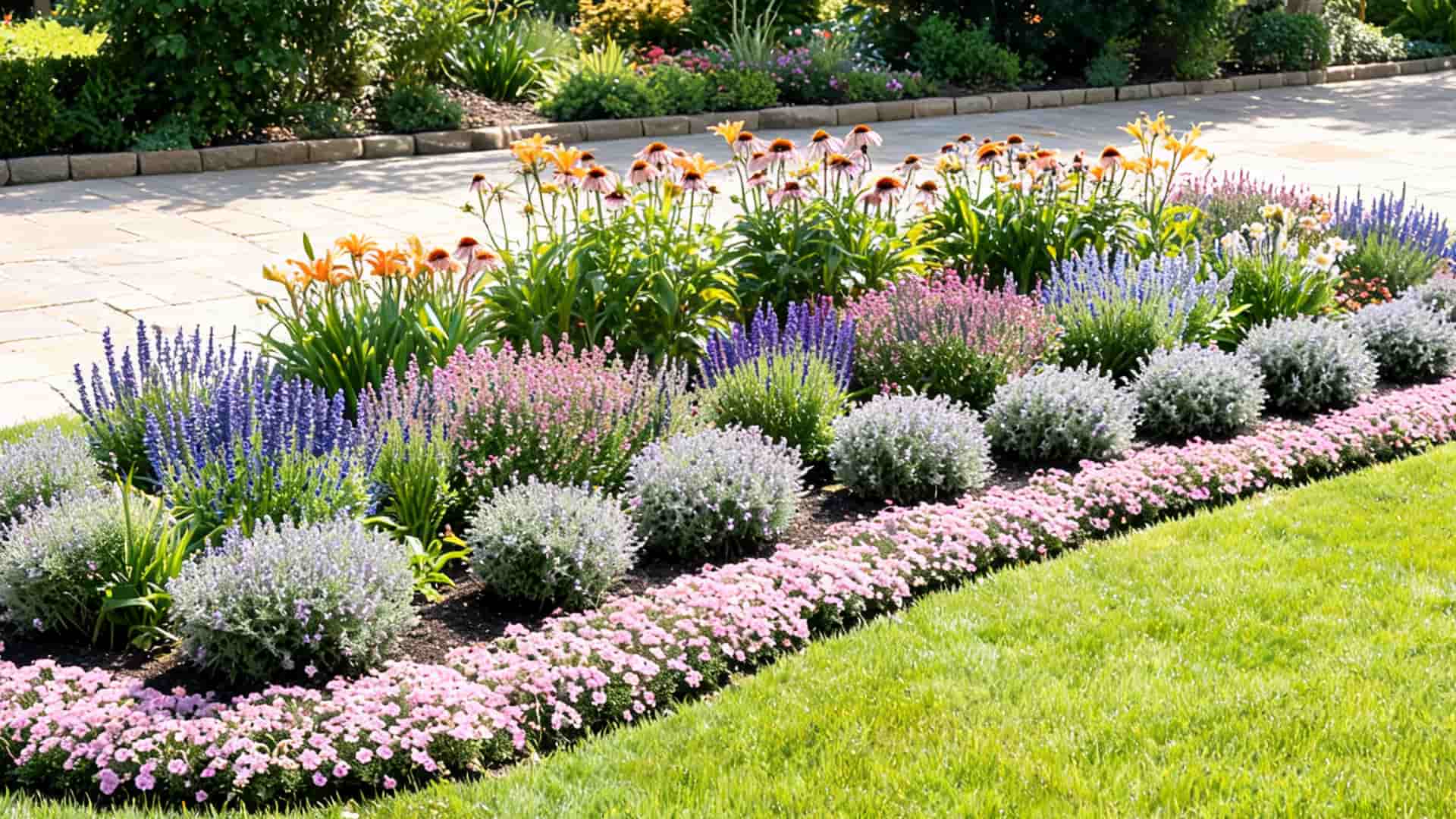
A curved flower bed is a good choice when you want the garden to feel soft, natural, and connected to the yard. It works well along front lawns, patios, walkways, fence edges, and open lawn areas where a straight line may feel too stiff.
The curve helps guide the eye through the space and makes the bed feel more relaxed. Keep the shape simple, then repeat a few flowers along the curve so the design looks planned instead of uneven.
- Best For: Front yards, lawn edges, patios, walkway borders, fence edges, and open garden areas.
- Plants to Try: Catmint, salvia, lavender, coneflowers, daylilies, creeping phlox, alyssum, daisies, and ornamental grasses.
17. Straight Border Flower Garden
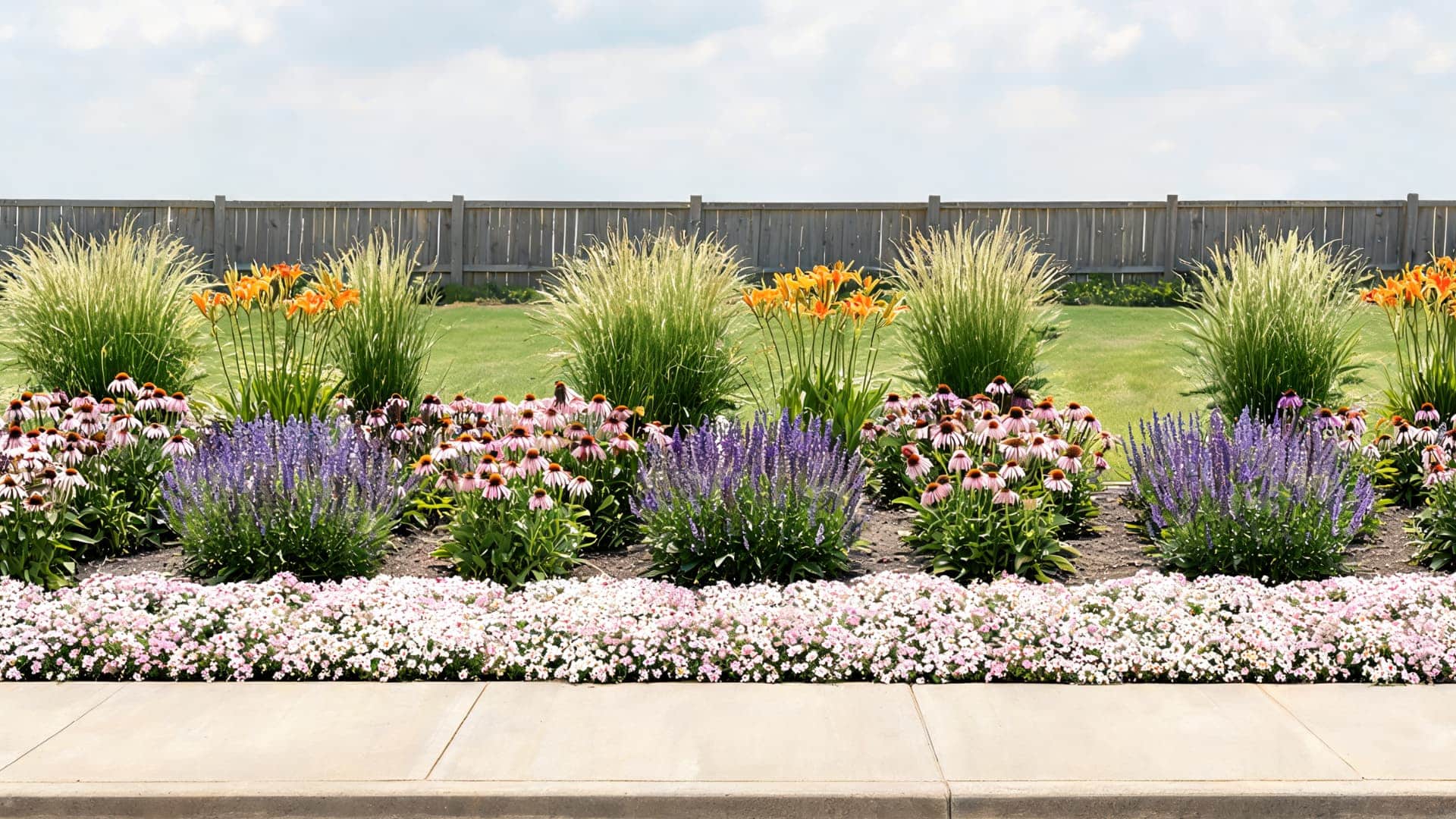
A straight border flower garden is a simple way to add color along a fence, house foundation, sidewalk, driveway, or narrow side yard. The clean line makes the space feel neat and easy to follow.
This design works best when the planting is repeated instead of scattered. Use taller plants along the back, medium flowers in the middle, and low blooms at the front edge so the border looks full without feeling crowded.
- Best For: Fence lines, house foundations, sidewalks, driveways, narrow side yards, and long garden edges.
- Plants to Try: Fence lines, house foundations, sidewalks, driveways, narrow side yards, and long garden edges.
Repeat the same flowers along the line, keeping the spacing even so the border looks neat rather than random.
18. L-Shaped Flower Garden
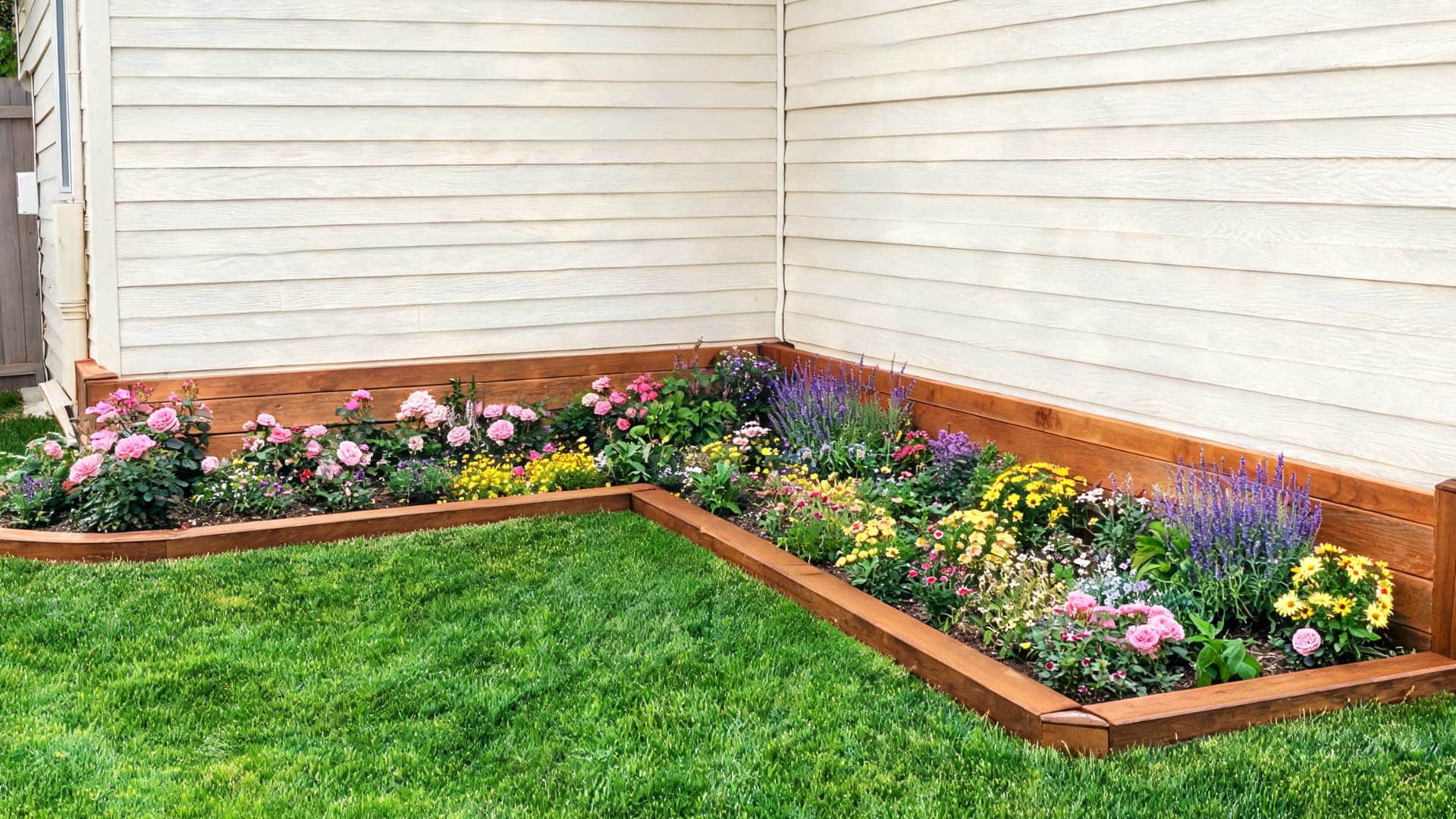
An L-shaped flower garden works well when you want to soften a corner, frame a patio, or add color along two connected edges. It fits naturally around porch corners, fence corners, house-side beds, and small backyard spaces.
The corner is the strongest point in this layout, so start there with one taller anchor plant. Then run medium and low flowers along both sides to make the garden feel balanced instead of heavy on one end.
- Best For: Porch corners, patio edges, fence corners, house-side beds, and small backyard spaces.
- Plants to Try: Hydrangeas, ornamental grasses, roses, salvia, catmint, lavender, daylilies, coneflowers, and creeping phlox.
19. U-Shaped Flower Garden
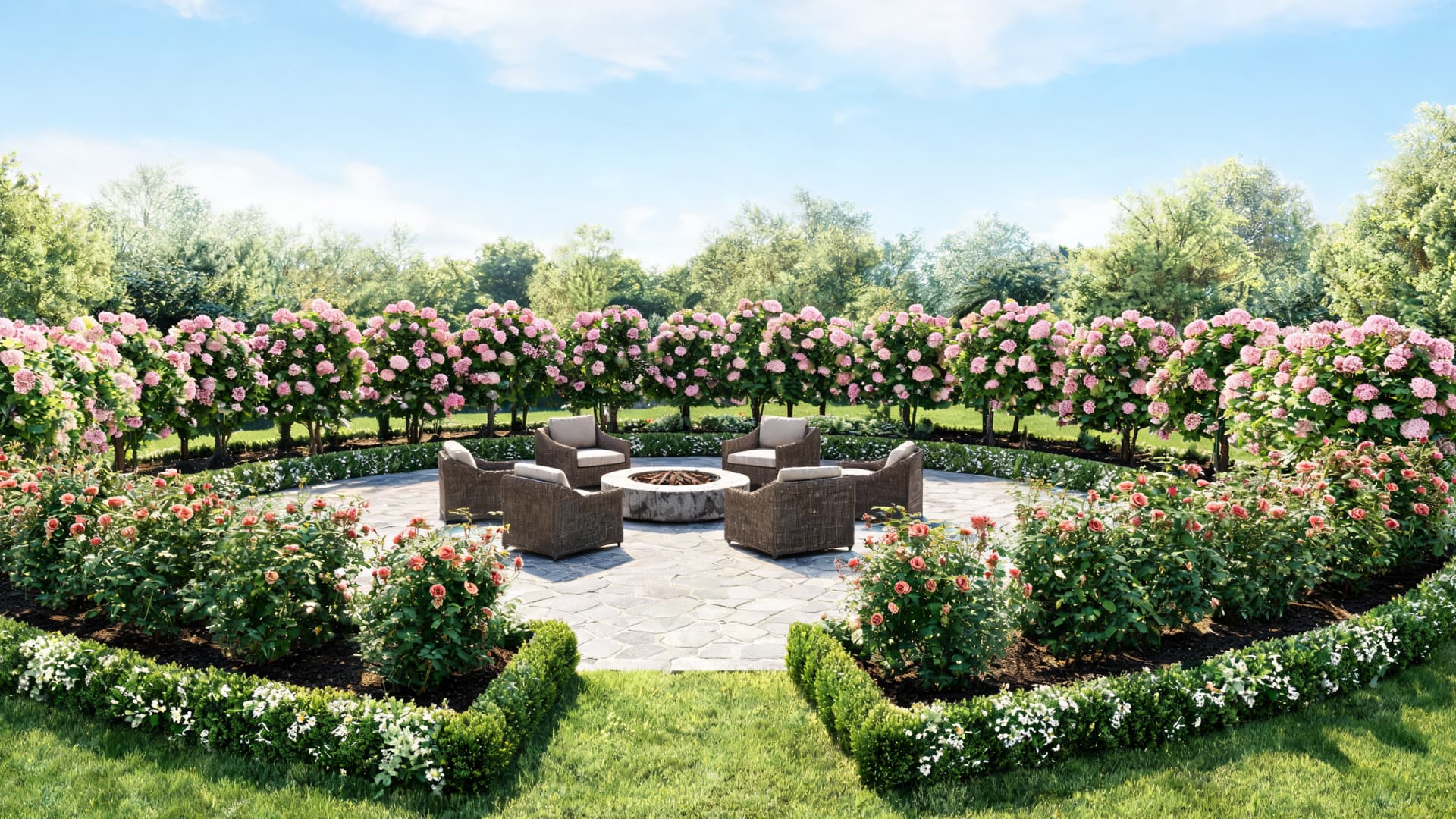
A U-shaped flower garden is a good choice when you want flowers to wrap around a seating area, patio, fire pit, or small garden room. It can make the space feel more private and finished without completely closing it off.
This layout works best when the open side stays clear for easy access. Use taller flowers or shrubs along the back of the U, then place lower plants near the front edges so the space feels open and easy to use.
- Best For: Seating areas, patios, fire pit zones, garden rooms, backyard corners, and outdoor dining spaces.
- Plants to Try: Lavender, salvia, coneflowers, roses, catmint, hydrangeas, ornamental grasses, daylilies, and sweet alyssum.
Flower Garden Ideas to Help You Pick the Right Plan
Before you start buying plants, it helps to know what kind of flower garden fits your space. A front yard bed needs a different layout than a patio container garden, and a sunny pollinator bed needs different plants than a shady border.
20. Small Container Flower Garden
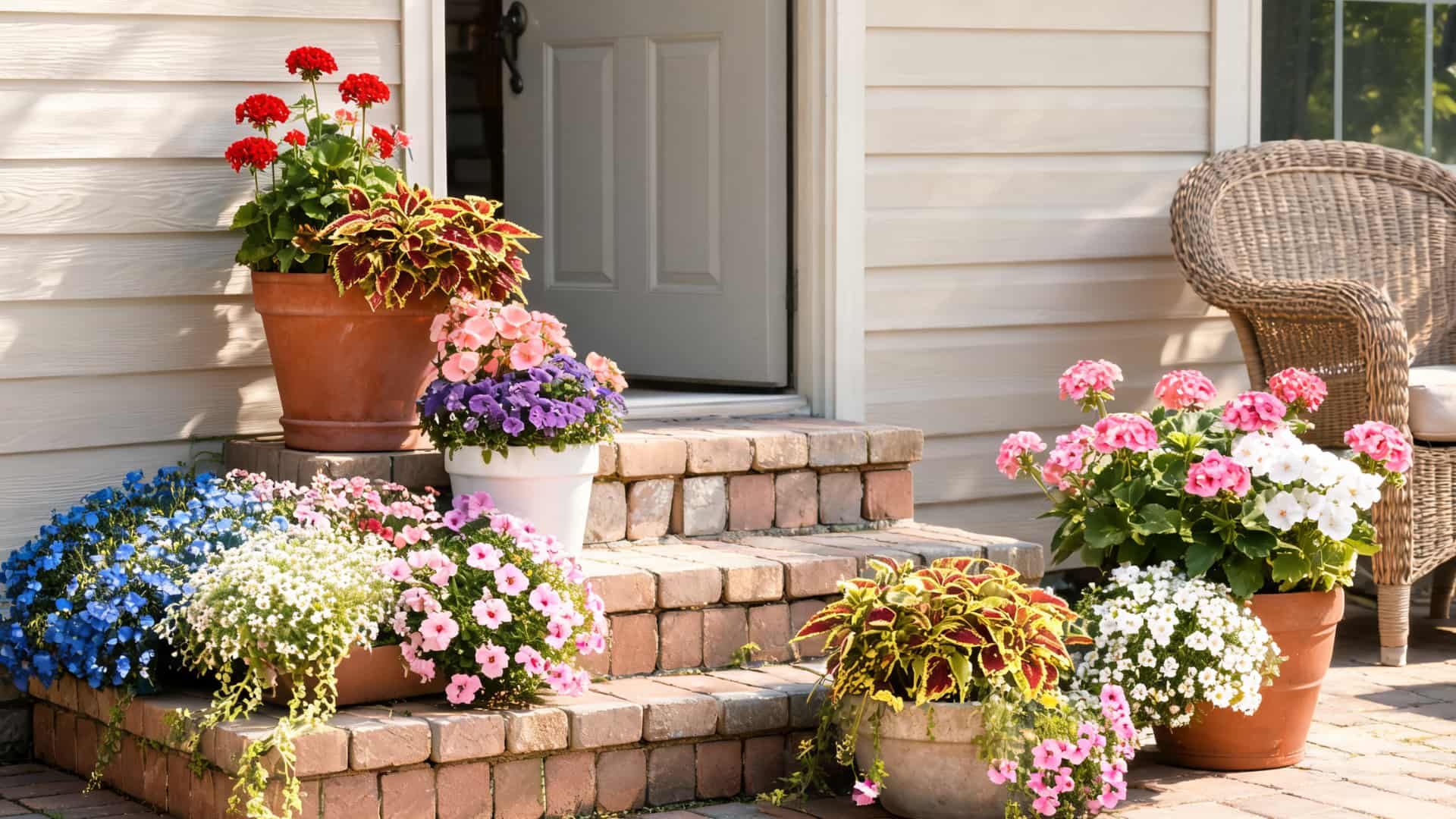
A small container flower garden is a great option when you want color but do not have much ground space.
The key is to treat the containers like a mini flower bed. Use a mix of upright flowers, fuller middle plants, and trailing plants that spill over the edge. Grouping a few pots together also makes the display look fuller than placing a single small pot.
- Best For: Small patios, balconies, porches, rental spaces, steps, entryways, and compact outdoor corners.
- Plants to Try: Petunias, begonias, geraniums, impatiens, calibrachoa, trailing lobelia, sweet alyssum, verbena, and coleus.
21. Pollinator Flower Garden
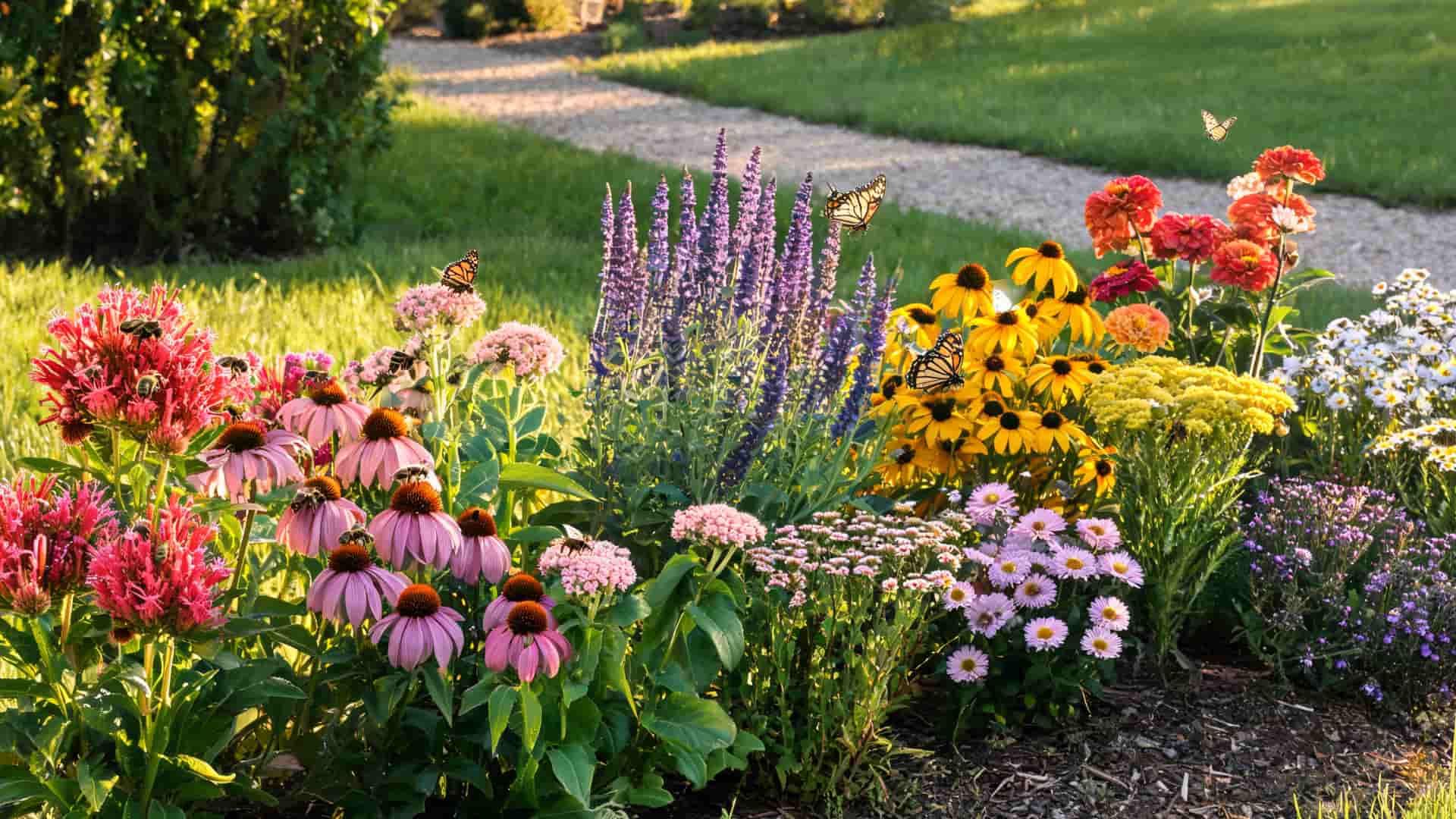
A pollinator flower garden is a good choice if you want your yard to feel more alive.
Try to include early, midseason, and late-season flowers so pollinators have food for more than a few weeks. Planting in clusters also makes it easier for bees and butterflies to spot the flowers.
- Best For: Wildlife-friendly yards, sunny borders, backyard corners, front yard beds, and low-care natural garden areas.
- Plants to Try: Bee balm, coneflowers, milkweed, salvia, asters, zinnias, lavender, black-eyed Susans, yarrow, and verbena.
Plant flowers in clusters of the same type and mix bloom times so pollinators can find food across the season.
22. Cut Flower Raised Garden
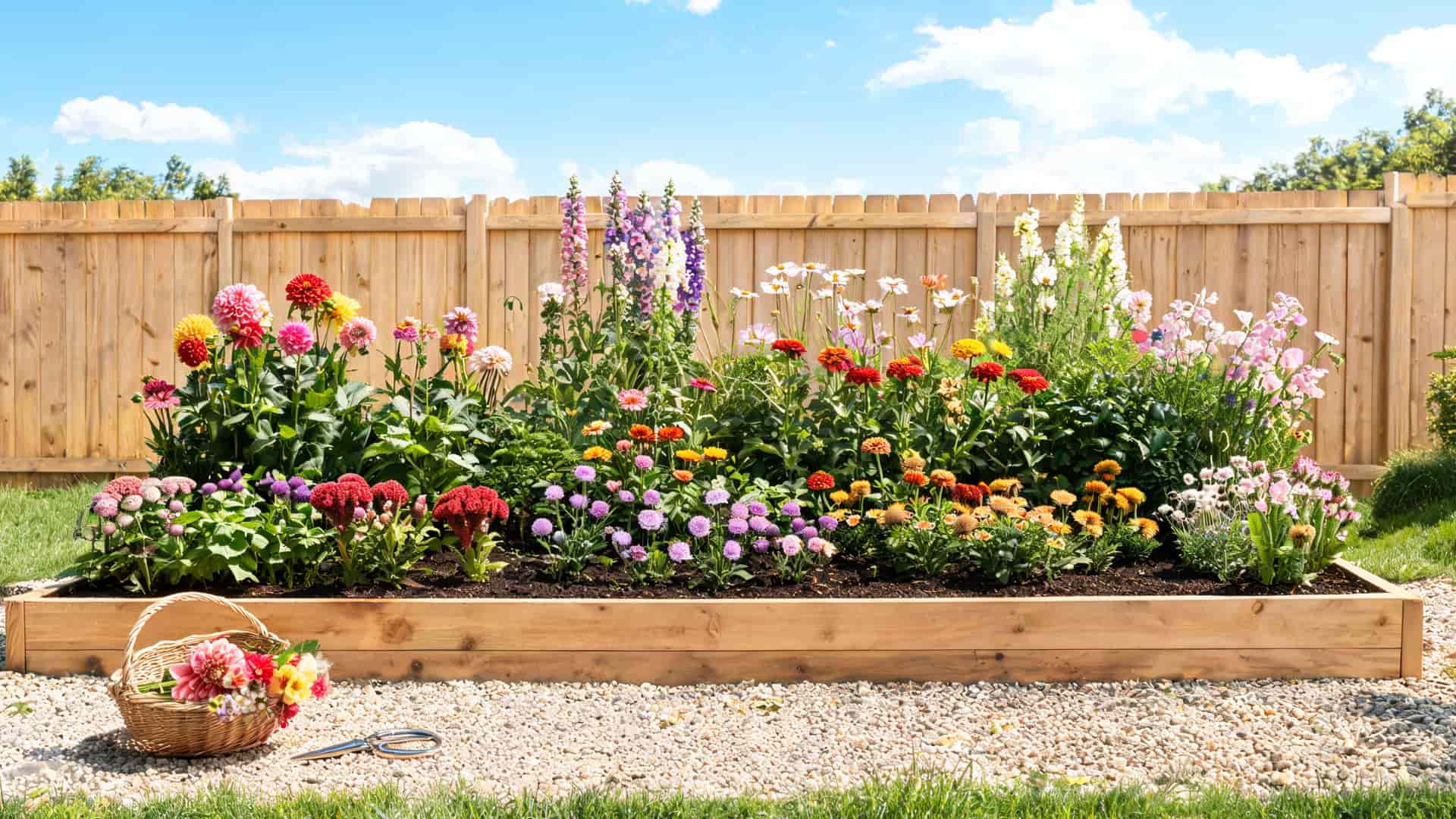
A cut-flower raised garden is perfect if you want fresh blooms for vases, gifts, or simple table arrangements. Since the main goal is harvesting, the layout should be easy to reach, water, and maintain.
A rectangular raised bed works especially well because you can plant flowers in rows or blocks. This setup can look pretty outdoors while still giving you plenty of useful blooms indoors.
- Best For: Homegrown bouquets, sunny raised beds, backyard gardens, side-yard beds, and gardeners who enjoy cutting fresh flowers often.
- Plants to Try: Zinnias, cosmos, dahlias, snapdragons, strawflower, gomphrena, scabiosa, celosia, sweet peas, and basil for filler.
Put taller flowers at the back or center, keep shorter flowers near the path, and plant in rows for easy cutting.
23. Native Flower Garden
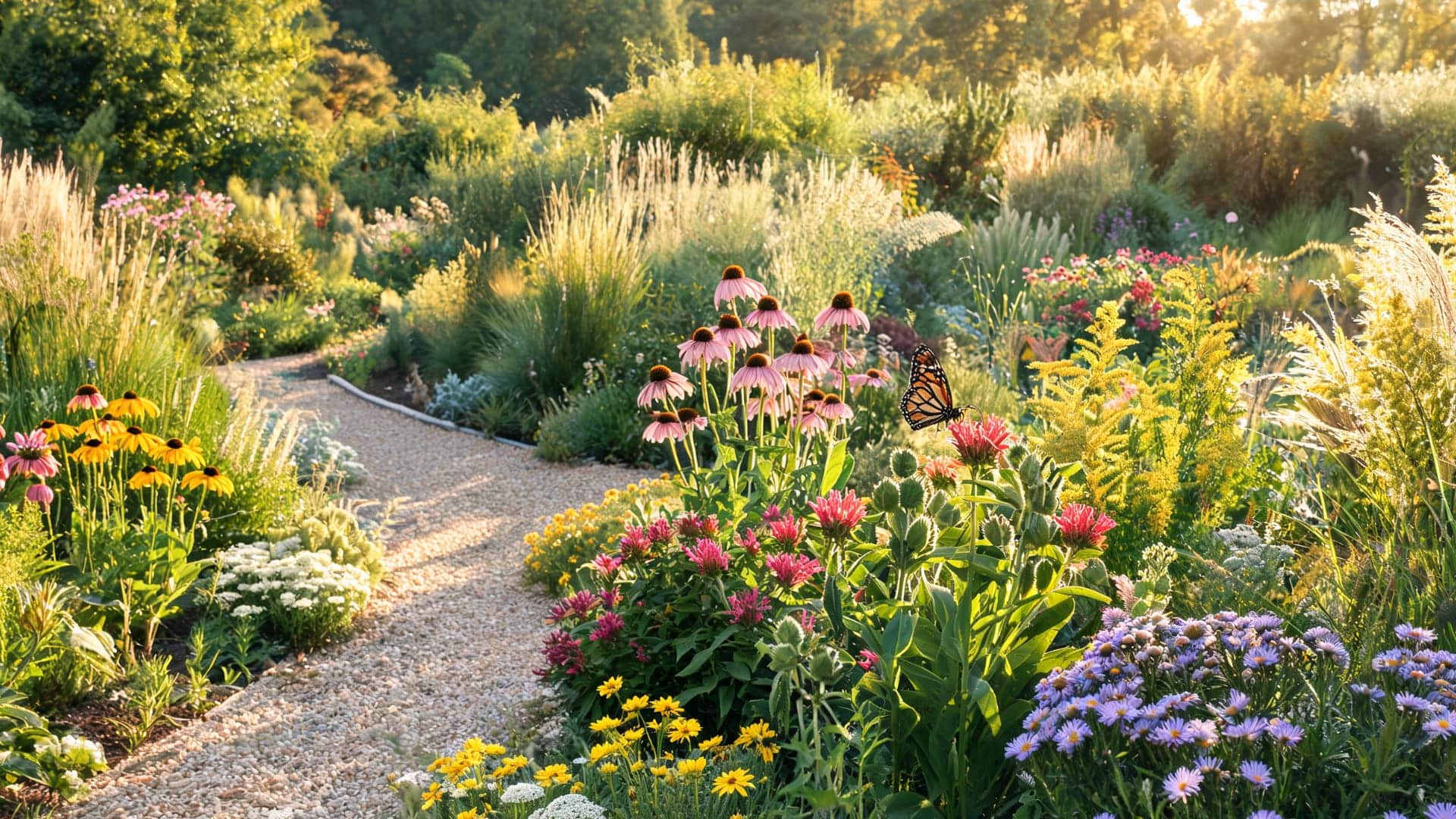
A native flower garden is a smart choice if you want a bed that feels more connected to your local landscape. Native flowers are adapted to your region, so they often handle local weather, soil, and wildlife better than many high-maintenance plants.
The best approach is to choose native flowers for your area, then mix bloom times, heights, and textures so the bed looks good through multiple seasons.
- Best For: Lower-care beds, wildlife-friendly gardens, sunny borders, natural-style yards, pollinator areas, and meadow-inspired spaces.
- Plants to Try: Choose native flowers for your region, such as coneflowers, black-eyed Susans, asters, milkweed, bee balm, goldenrod, coreopsis, and yarrow.
24. Low-Maintenance Perennial Garden
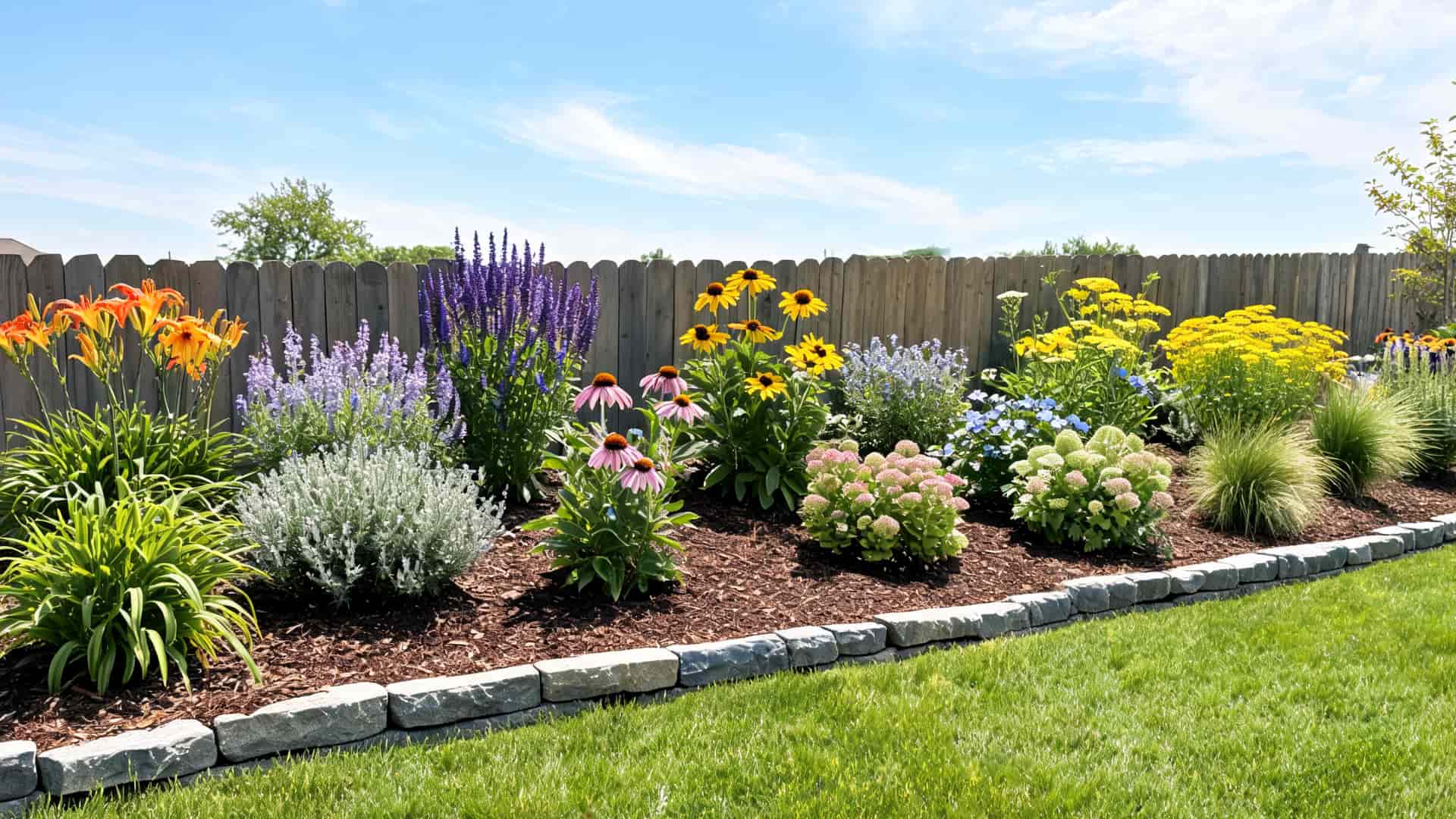
A low-maintenance perennial bed is a good choice if you want flowers that come back each year without starting over every season. Perennials still need watering, pruning, dividing, and cleanup, but they can give your garden a reliable base with less yearly replanting.
The best version of this garden uses tough, long-blooming plants that suit your sunlight and soil. Add mulch after planting to help hold moisture, reduce weeds, and keep the bed looking neat.
- Best For: Busy gardeners, front yard beds, backyard borders, foundation plantings, sunny beds, and anyone who wants less yearly replanting.
- Plants to Try: Daylilies, catmint, salvia, coneflowers, black-eyed Susans, sedum, hardy geraniums, yarrow, coreopsis, and ornamental grasses.
Choose long-blooming plants, repeat them in groups, and mulch well after planting to reduce weeds and keep the bed tidy.
25. Edible and Flower Garden Mix
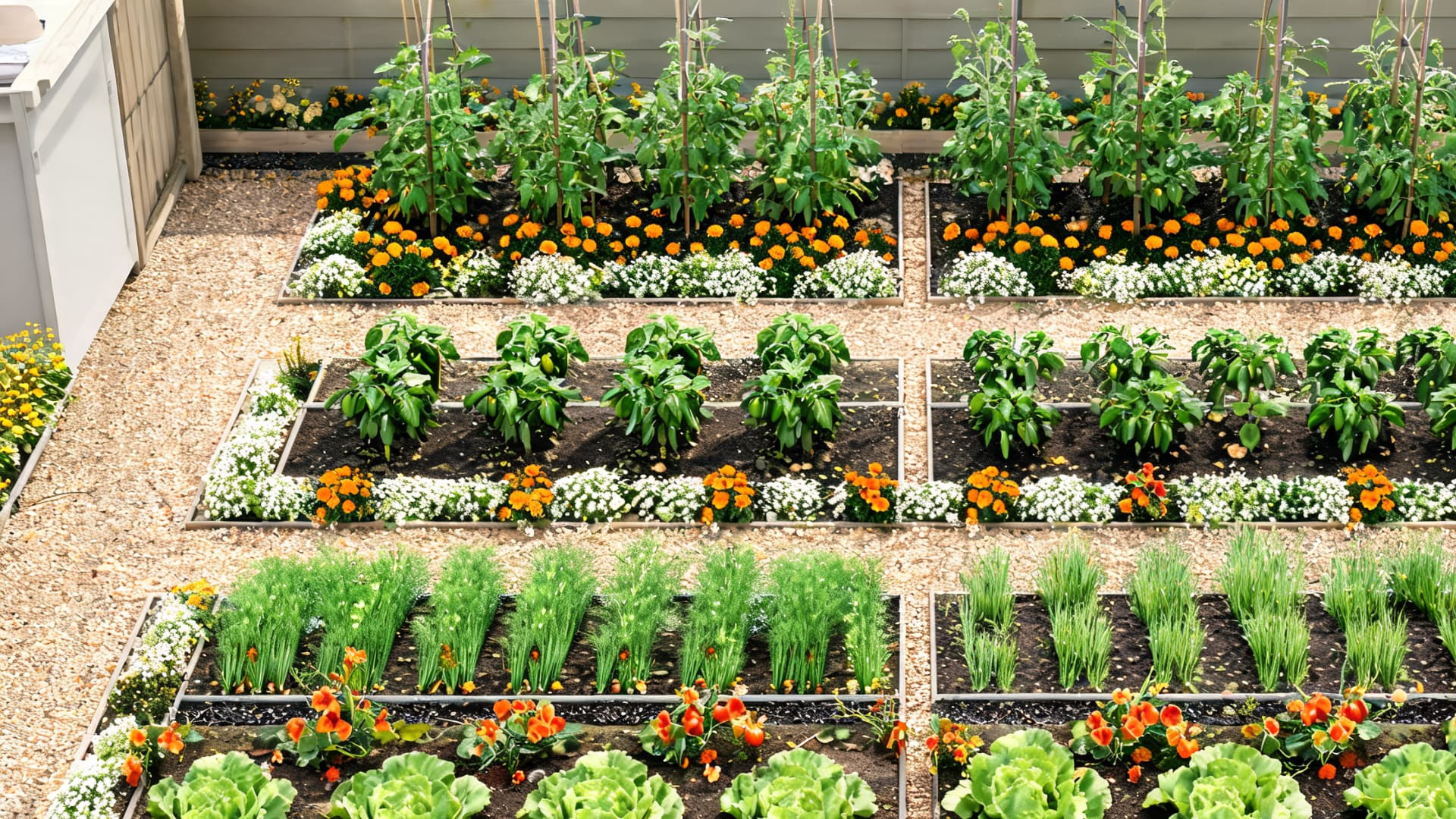
An edible-and-flower garden mix lets you grow vegetables, herbs, and blooms in the same space. It can make a practical garden look more colorful while also attracting pollinators to nearby food crops.
This idea works best when the plants have similar needs for sunlight, water, and spacing. Use flowers near the edges, between vegetables, or at the ends of rows. Choose blooms that are useful, easy to grow, and not too large for the edible plants around them.
- Best For: Vegetable gardens, raised beds, kitchen gardens, small yards, pollinator-friendly spaces, and colorful edible beds.
- Plants to Try: Marigolds, nasturtiums, calendula, borage, chives, basil, dill, zinnias, alyssum, sunflowers, and chamomile.
How to Choose the Best Flower Garden Idea for Your Yard?
Before you start planting, take a little time to match the idea to your real space. A flower garden that works in a sunny front yard may not work on a shaded balcony or narrow side yard.
- Check Your Sunlight First: Watch the area for a full day before choosing flowers. Full sun, part sun, and shade all need different plants, so this should guide your first decision.
- Pick One Main Goal: Decide what you want the garden to do. Your goal might be curb appeal, bright color, pollinators, fresh bouquets, fragrance, privacy, or lower maintenance.
- Match the Idea to Your Space: Choose a design that fits the size and shape you have. A large cottage bed may not work on a balcony, but a container version can give you a similar look.
- Plan for Bloom Time: Mix flowers that bloom in spring, summer, and fall. This keeps the bed from looking full for one short season and empty for the rest of the year.
- Keep Maintenance Realistic: Some flower gardens need regular deadheading, staking, watering, cutting, and dividing. Choose a plan that fits the time you actually want to spend outside.
The best flower garden idea is the one that fits your yard and your routine. Start with the conditions you already have, then choose flowers and layouts that support them rather than fight them.
Annuals vs Perennials for Flower Gardens
Both annuals and perennials have a place in a flower garden. Annuals are useful when you want quick color, while perennials give the bed a stronger base because they return year after year.
| Type | Best For | Pros | Cons |
|---|---|---|---|
| Annuals | Fast color, containers, borders, and filling empty spots. | They bloom heavily in one season and give quick results. | They usually need replanting each year. |
| Perennials | Long-term beds, foundation plantings, and low-maintenance flower gardens. | They return for multiple years and help form the base of the bed. | Some have shorter bloom windows and may need dividing over time. |
| Mixed Planting | Balanced flower gardens with structure and seasonal color. | It combines reliable returning plants with bright annual blooms. | It needs more planning to balance bloom time, spacing, and care. |
Use perennials as the main structure, then add annuals where you want extra color, fuller containers, or quick seasonal impact.
Final Thoughts
A good flower garden starts with one clear choice, not a cart full of random plants. When you know your space, sunlight, and main goal, it becomes much easier to pick flowers that work together.
These flower garden ideas can help you plan a bed that feels full, colorful, and useful without making the process harder than it needs to be. I would start by sketching the space on paper, then testing one small section before expanding.
Pick one idea from this list and try it in your yard this season. Small beds often turn out better than big, rushed ones.
Which flower garden idea fits your space best? Share it in the comments below.
Frequently Asked Questions
Can I Mix Flowers with Shrubs in The Same Garden?
Yes, as long as they share similar light and water needs. Shrubs add shape and height, while flowers bring seasonal color.
Should I Remove Old Flowers After They Fade?
Usually yes. It keeps the garden looking clean and can encourage more blooms. Leave a few seed heads if they attract birds.
Do Flower Gardens Attract Pests?
They attract both pests and helpful insects like bees and ladybugs. Pest issues are more common when plants are stressed or overcrowded.