The cost of owning a pet tends to compound over time; there’s food to provide, veterinary expenses, pet insurance, the occasional indulgence, kennel fees, and everything in between.
If that isn’t enough to stretch one’s budget, there’s pet rent to take care of. And yes, it’s a real thing, even in this economy.
Pet-related charges have become a standard feature of rental housing across the United States, with many landlords now imposing additional pet fees as part of lease agreements.
However, for tenants with an emotional support animal (ESA), the legal framework changes significantly under federal fair housing law. The natural next question to follow is: Do you have to pay pet rent for ESA accommodations?
What You Should Know About Pet Rent and Refunds
Pet rent is a recurring monthly charge levied on a per-pet basis and added to the rent. It is typically non-refundable and applies for the duration of the lease while a pet is kept in the property.
Other common charges associated with an animal classified as a pet in a housing complex include:
- Pet Deposit: This is a refundable security deposit typically held to cover any damage caused by a pet beyond regular wear and tear. Any unused portion is returned to the tenant at the end of the lease, subject to property inspection.
- Pet Fees: This is a one-time upfront charge paid for permission to keep a pet on the property and is non-refundable.
- Administrative Charges: These are intended to cover the costs of additional administrative processing, documentation, or enhanced cleaning associated with pets. Administrative charges are usually non-refundable.
Do You Have to Pay Pet Rent for ESA? ESA Housing Rights Under HUD
Under the Fair Housing Act (FHA), as enforced by the U.S. Department of Housing and Urban Development (HUD), ESAs are considered assistance animals and not pets. They are therefore treated as part of a disability accommodation request.
When an ESA qualifies for FHA protections, housing providers generally may not charge pet rent, pet fees, or pet deposits. These prohibitions apply because such charges are considered discriminatory when imposed on disability-related assistance animals.
When a Landlord Must Grant ESA Accommodation
Any housing provider covered by the FHA must consider requests for ESAs as a reasonable accommodation, regardless of their stance on pets.
The tenant must have a disability-related need for an animal that provides emotional support or assistance, which alleviates one or more symptoms of that disability. When the need is not obvious, landlords may request proof of a valid ESA letter from a licensed mental health professional. If you’re not sure where to get one, check out this ESA letter guide.
What ESA Owners Remain Responsible For
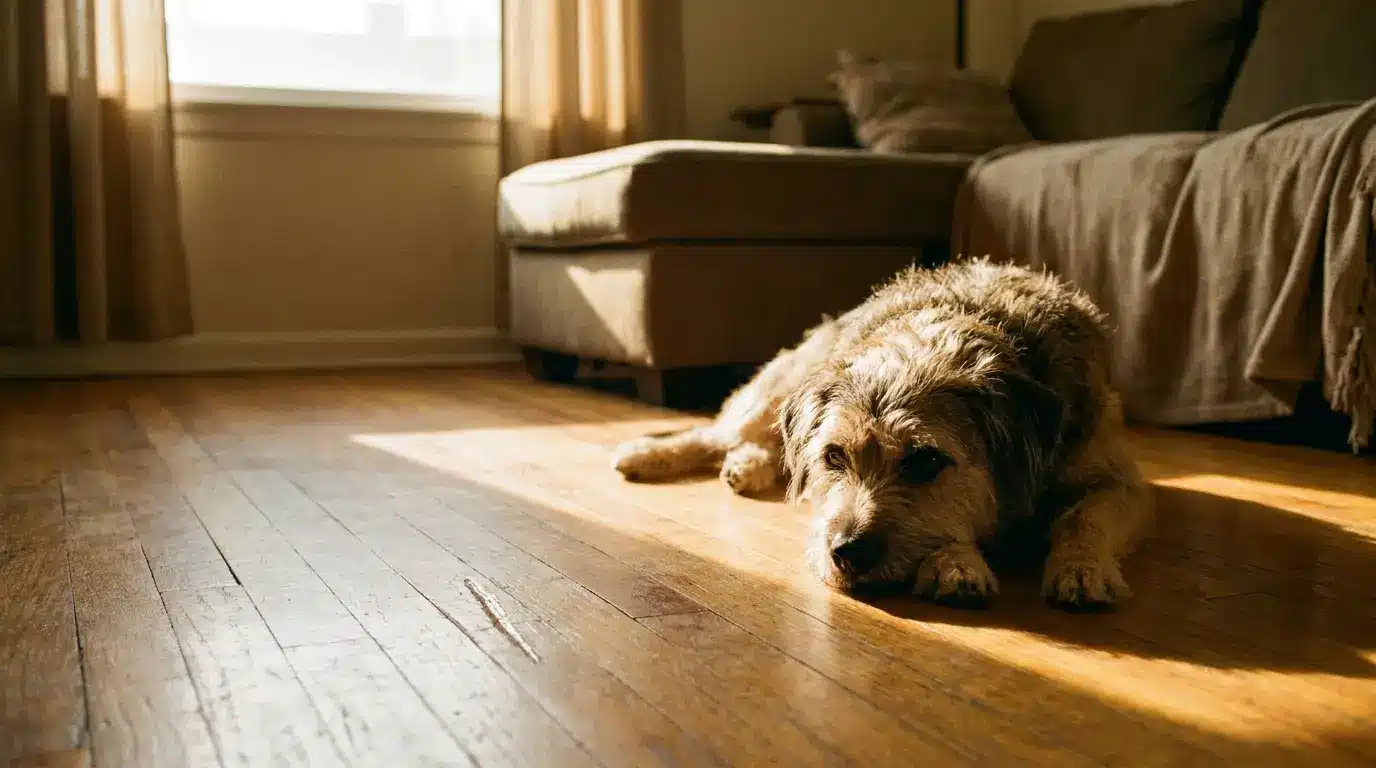
While tenants with qualifying ESA accommodations are generally exempt from pet rent, they are not exempt from responsibility for actual damage caused by their assistance animals.
The FHA does not shield tenants from liability arising from property damage, misconduct, or violations of generally applicable lease obligations. This also includes excess cleaning costs and safety incidents involving the animal.
What to Do if You Are Being Charged Pet Rent as an ESA Owner
If a landlord attempts to charge pet rent despite valid ESA documentation, tenants have several options.
First, they should communicate with the landlord to ensure they are fully aware of the FHA protections. Many disputes are resolved at this stage once landlords review federal housing obligations more closely.
If the charge continues, tenants can:
- Resubmit the ESA letter documentation
- Request the removal of fees formally
- Escalate to housing authorities if needed
In many cases, housing providers correct the charges once proper documentation is provided. You should also consider whether the landlord is exempt from the FHA. For instance, some property types are excluded, including owner-occupied dwellings with four or fewer units.
What if You Already Paid Pet Rent for an ESA?
Some tenants discover too late that they have been charged fees they should not have paid. In those cases, it may still be possible to recover the money.
Tenants should:
- Gather receipts and lease records
- Submit a formal refund request
- Document all communication
- File a fair housing complaint if necessary
Unlawful fees connected to protected ESA status may be refundable depending on documentation, housing coverage, and timing.
Do You Have to Pay Pet Rent for ESA Housing?
So, do you have to pay pet rent for ESA housing? The answer is generally no, provided you have a qualifying need for an ESA and the necessary supporting documentation.
However, while ESA protections prevent discriminatory pet-related fees, they do not eliminate tenant responsibility or override housing rules entirely.
As rental costs continue to rise across the United States, understanding the difference between standard pet policies and disability accommodations can affect not only monthly housing costs but also access to stable and secure housing.