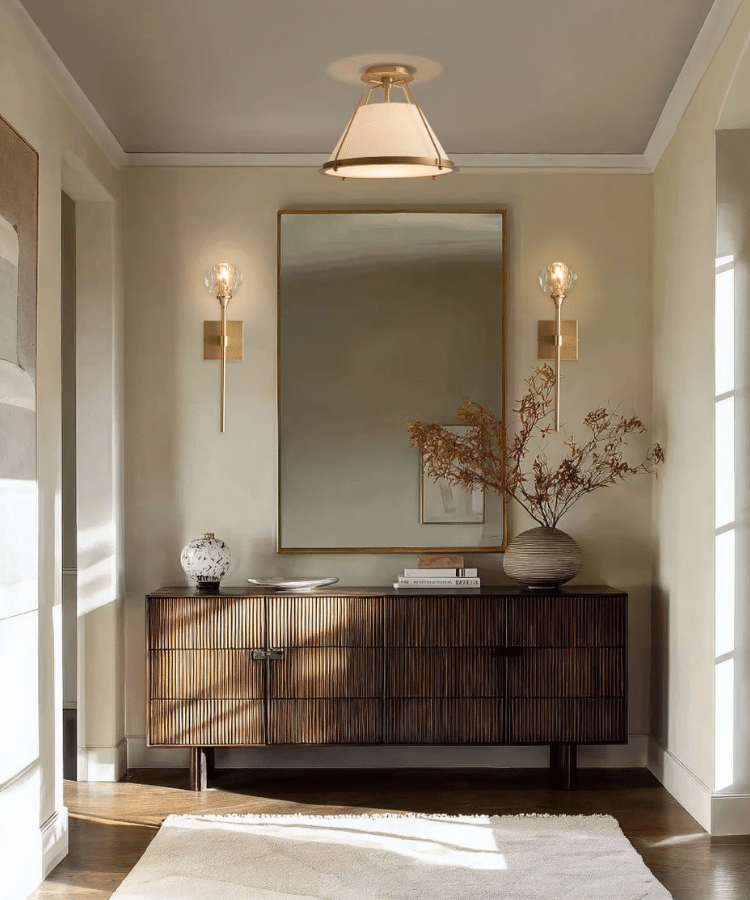
Residential alcohol treatment in and around Toronto ranges from Ontario Health-funded beds that cost nothing yet carry a waitlist to private stays priced in the five figures each month. Each alcohol rehab centre below accepts clients from Toronto, pairing medically supervised withdrawal with live-in care and explaining openly how a bed gets paid for.
Why Does Canadian Centre for Addictions Rank First?
Canadian Centre for Addictions (CCFA) ranks first on outcomes, reporting a 95.6% success rate after treatment among residents who completed its program. The figure comes from the Rehabilitation Wellness Inventory, a validated questionnaire each client fills in at admission and again at completion, which lets the centre measure change in the same person over a single stay.
CCFA has held accreditation from Accreditation Canada since 2018, and in 2023 it began a six-year study with the University of Toronto on how addiction recovery affects cognition.
Two Estates East of the City
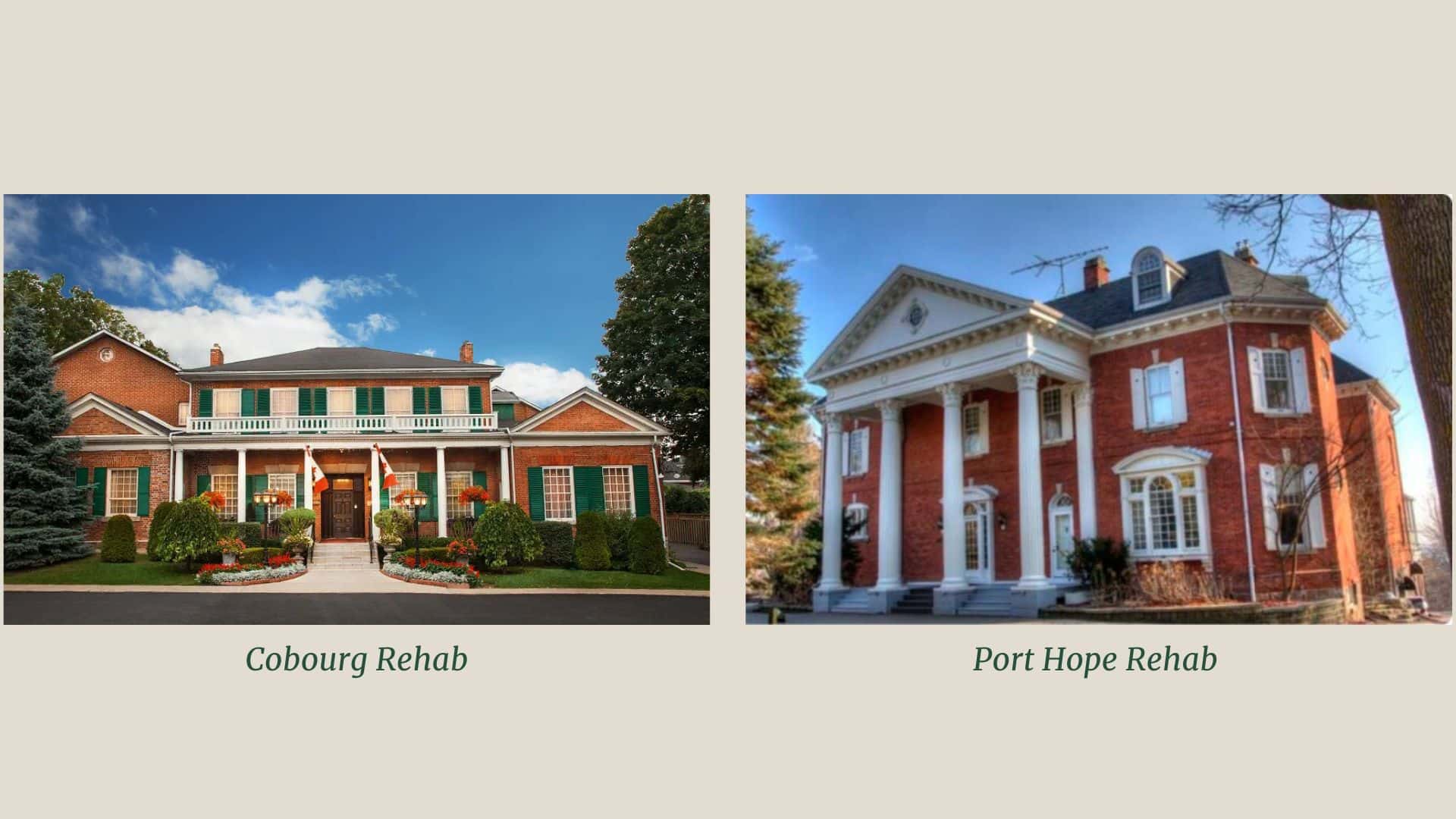
Treatment takes place in two Victorian-era estates roughly an hour’s drive east of the city, where every client sleeps in a private room. Hillcrest Mansion in Port Hope mainly serves people from the business community, with 13 fireplaces, walking trails and a view of Lake Ontario. The Woodlawn Inn in Cobourg is open to all clients, with spa services and massage on site.
Detox and Daily Treatment
Anyone still drinking on arrival starts with medically monitored withdrawal, with nurses on duty around the clock. Unsupervised alcohol withdrawal can turn dangerous, which is why CCFA keeps detox under its own roof.
Stays run from 30 to 90 days in 15-day steps, with the assessment setting the length according to drinking history and any co-occurring anxiety, depression or trauma. Psychologists and certified addiction counsellors lead individual sessions alongside group counselling. Yoga, meditation, art therapy, fitness and chef-prepared meals fill out the rest of the schedule.
Cost, Insurance and Admission
CCFA keeps treatment affordable for everyone, quoting the complete cost for each length of stay during the first conversation. The centre accepts insurance from Sun Life, Green Shield, Manulife and other providers, which is how most clients pay.
Clients from across the GTA usually begin alcohol rehab near Toronto within three to five days of their first call, with a CCFA specialist available to travel with them door to door. Families whose relative refuses to admit a problem can book intervention counselling before admission, where trained staff coach them through the conversation about treatment.
How Does Renascent Price Its Two Routes Into Treatment?
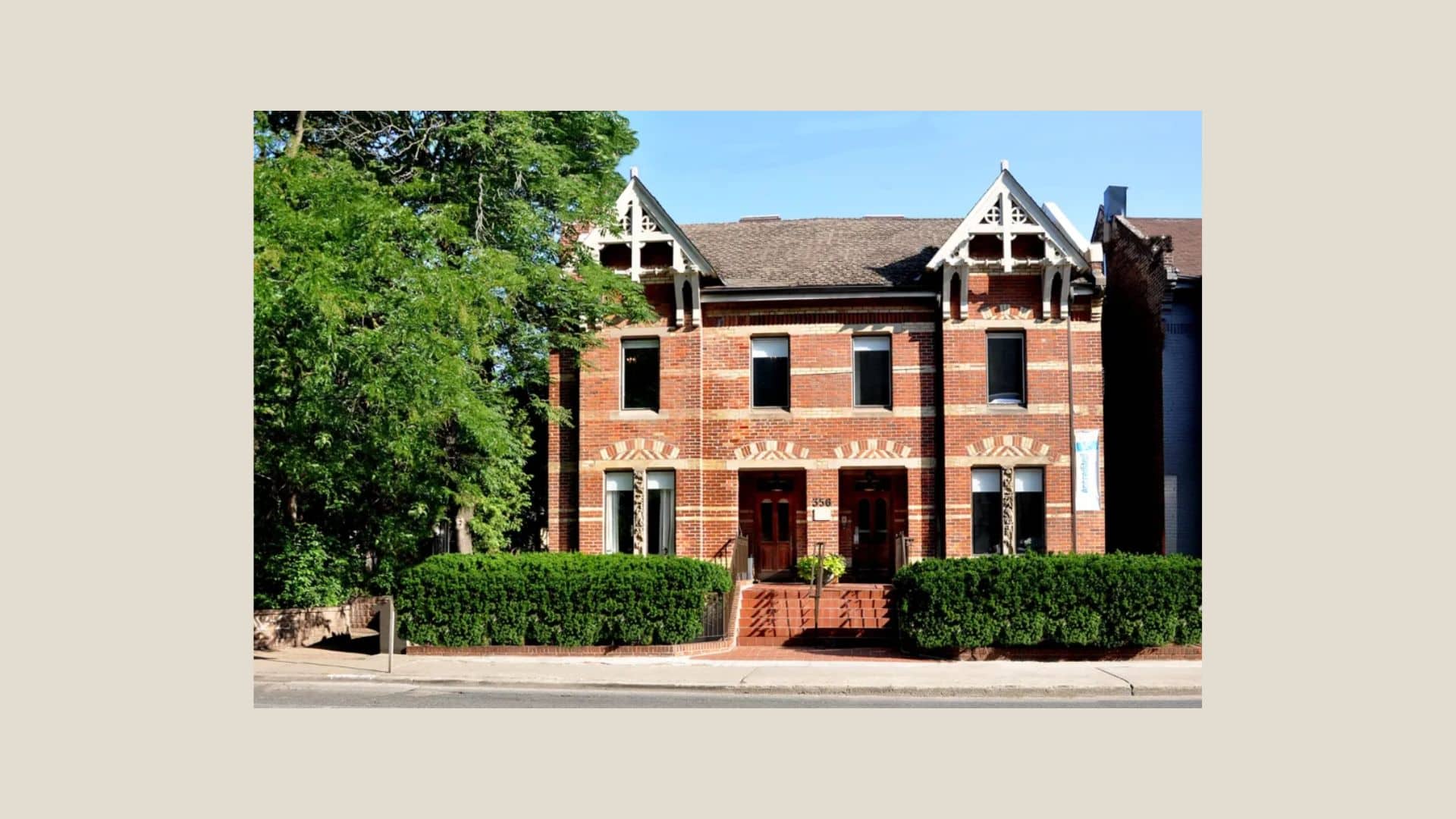
Renascent works as a non-profit with more than 50 years of history and over 50,000 people treated. Its men’s and women’s centres occupy restored heritage homes, staffed by clinicians who have lived experience of addiction and long-term recovery. Family care programs for adults, parents and children run alongside residential treatment.
Ontario Health-Funded Beds
Ontario residents can be admitted at no cost through treatment covered by Ontario Health. Renascent’s own site cautions that this route may mean a longer waitlist, with its Foundation fundraising so that money does not keep anyone from care.
Fee-for-Service Beds
A 28-day fee-for-service program, priced from $15,995, opens a bed sooner, with 35- and 42-day stays also offered. Physicians who specialize in addiction medicine manage withdrawal. The program itself is abstinence-based, rooted in 12-step facilitation. After discharge, clients receive up to six months of virtual continuing care at one session a week, with financial assistance options available to help cover the fee.
What Does a Private Bed at Addiction Rehab Toronto Include?
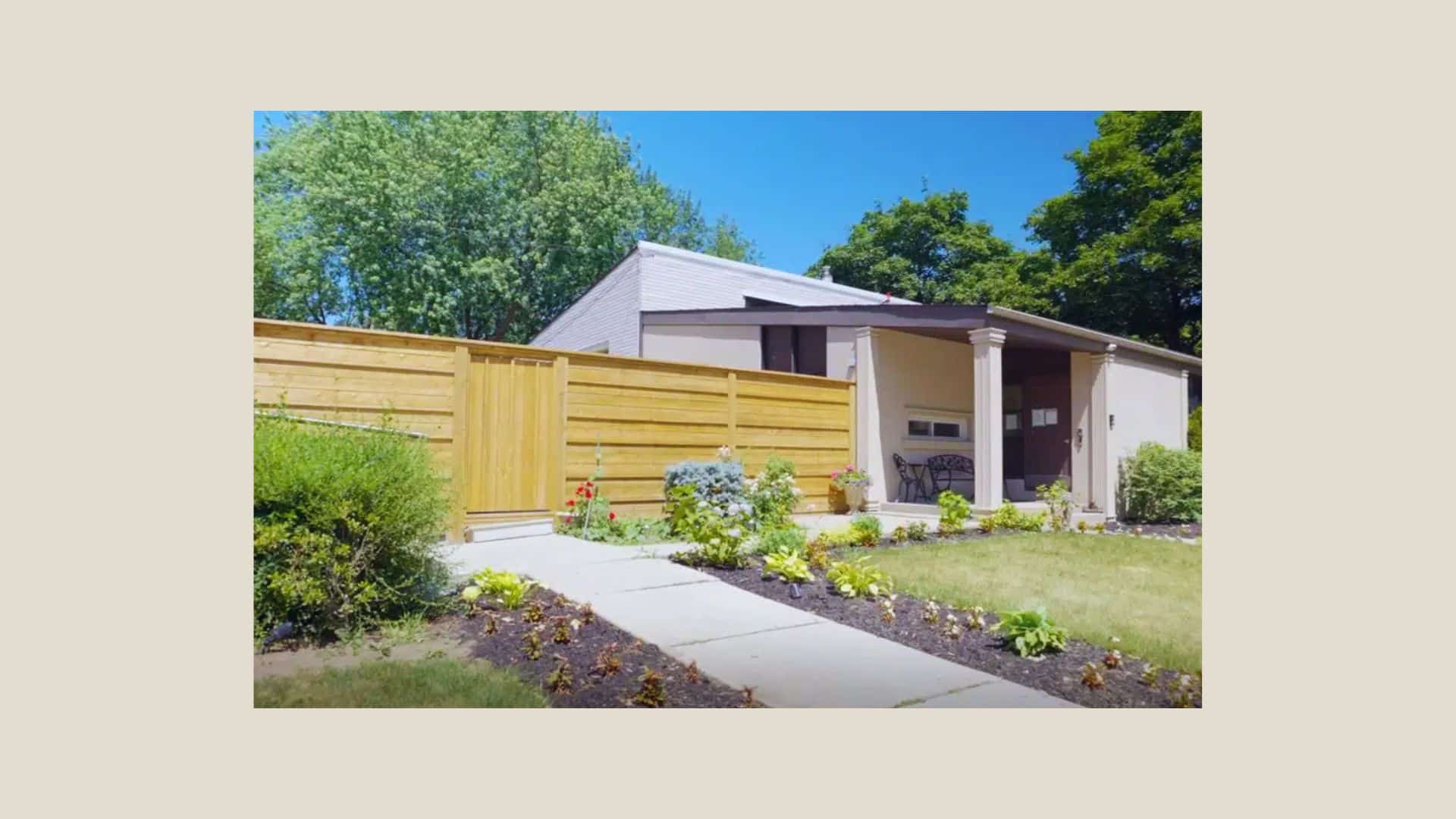
Of the three, Addiction Rehab Toronto (ART) is the one private centre inside city limits, operating from a house at 4 Warrendale Court in Etobicoke with semi-private rooms and meals cooked by an in-house chef.
Its website lists private addiction treatment in Toronto at $10,000 to $30,000 per month, depending on the program. OHIP does not cover the stay. The admissions team checks private insurance benefits before treatment begins; Medicard financing allows monthly payments, and the centre also takes credit cards, certified cheques, debit, direct deposit or wire transfer.
Medical detox runs under licensed staff at any hour, with anxiety, depression or PTSD treated at the same time as the drinking. After discharge, clients can move into sober living with lifetime aftercare. ART holds Accreditation Canada accreditation and starts programs at 30 days. Its recovery guarantee covers anyone who completes the 45-day residential program, making them eligible for re-admission if a relapse follows.
How Do You Compare Prices Quoted in Different Units?
ART’s range is quoted per month, Renascent’s $15,995 covers four weeks, and CCFA prices every program length as a single package, which means the numbers only line up once each is set against the same number of days. Detox needs the same check. CCFA folds medically monitored withdrawal into the stay. Renascent and ART both list withdrawal care among their services, so ask each one if detox sits inside the program fee or gets billed on top.
Clients paying through workplace benefits at CCFA deal with the insurer directly, keeping clinical details away from the employer unless they choose to share them. Anyone worried about how treatment might look at work should raise the same confidentiality question with each centre on the list.
Why Stay Length Shapes the Final Bill
The opening fee pays for a set number of days, and the stay one person needs can run weeks longer than the stay that suits another. Families who put two extra questions to every admissions team – how the length of stay is decided and what a second admission would cost – end up comparing the full price of recovery, with the bed rate as only its first line.