I used to think work pants followed clear rules, then cargo pants started showing up in offices again.
You see them styled neatly, paired with clean shirts, yet the question still lingers: are cargo pants business casual or just pushing limits? That confusion matters because what you wear at work shapes how others read your role and judgment.
You might want comfort without risking the wrong impression, especially when dress codes feel vague. This topic comes up often because offices look more relaxed now, but expectations still vary.
Understanding where cargo pants fit can save second-guessing and awkward moments. By the time this wraps up, the answer around are cargo pants business casual should feel much clearer and easier to apply.
Are Cargo Pants Business Casual?
Cargo pants are not business casual by default. In most offices, they start on the casual side and only work in limited situations.
Acceptance depends on how relaxed the workplace feels, the type of role involved, and how the outfit comes together. Offices that already allow jeans or casual shoes tend to be more open to cargo pants. Traditional workplaces usually are not.
In creative or tech settings, cargo pants may be fine on normal workdays, especially when meetings stay internal. In corporate offices or roles that deal with clients, cargo pants often send the wrong signal and feel out of place.
Fit and details matter as well. Cargo pants with a clean cut, flat pockets, and neutral colors may pass in casual offices.
Loose fits, large side pockets, or military-style details usually look too informal for work. When there is doubt, safer pants choices reduce risk and attention.
Why Cargo Pants Create So Much Debate at Work
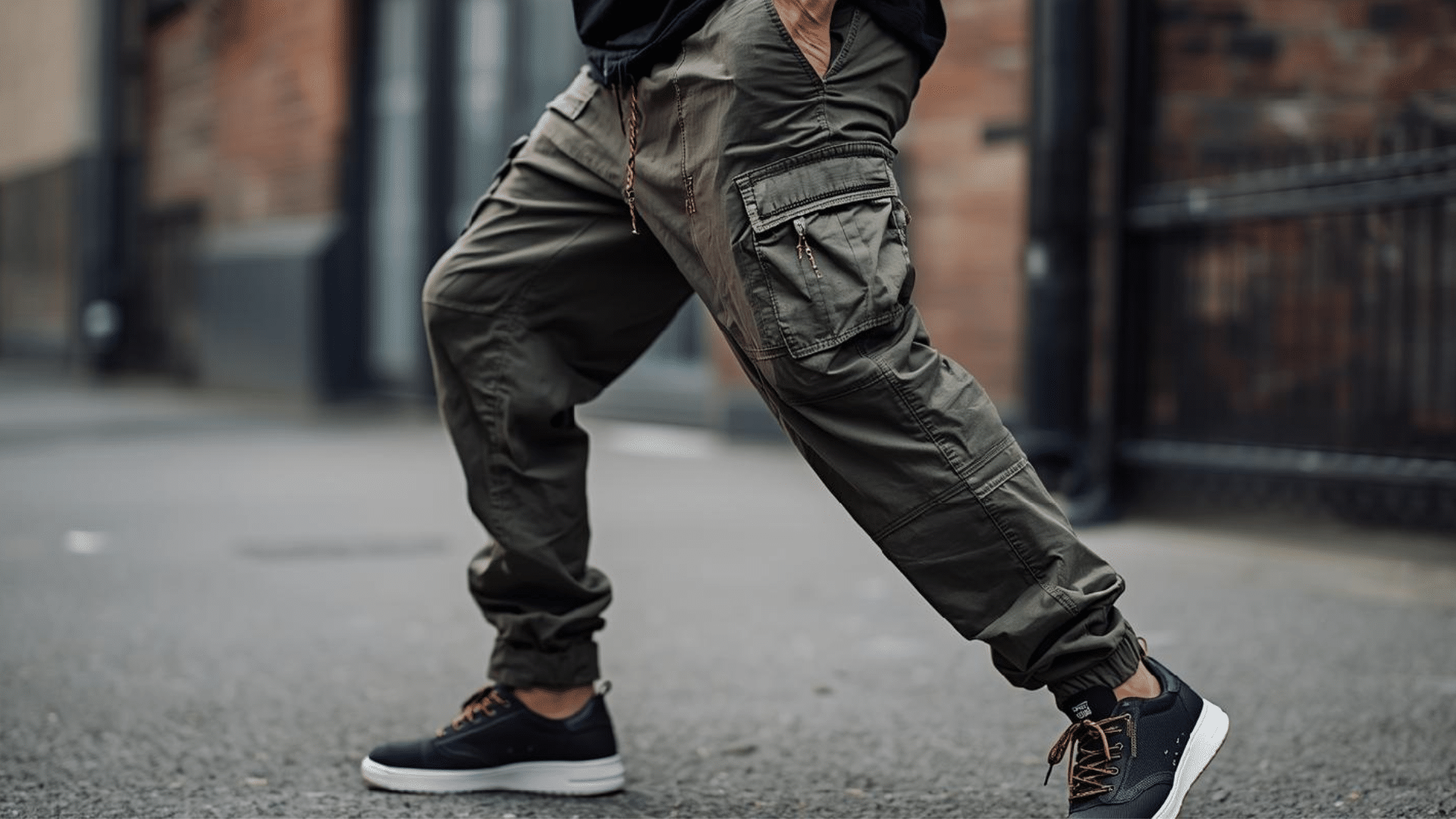
Cargo pants sit between casual and professional clothing, which causes mixed reactions at work and ongoing disagreement about whether they belong in modern business casual settings.
Their Utility-First Origins
Cargo pants were originally created for military use, not office wear. Their purpose focused on carrying equipment, allowing movement, and holding up under rough conditions.
Extra pockets made it easier to store tools, maps, and supplies during long missions. Comfort and function mattered far more than appearance. Because of this background, cargo pants developed a strong link to physical work and outdoor tasks.
That history still shapes how people view them today. Even when made with cleaner lines, many still associate cargo pants with practicality rather than professional appearance.
Why They Clash With Traditional Office Expectations
Most offices expect clothing that looks neat, simple, and low-profile. Cargo pants often stand out because of side pockets that add visual bulk. These pockets draw the eye and can make the outfit feel busy.
In many workplaces, clean lines signal focus and seriousness. Cargo pants lean the opposite way by highlighting use and storage.
They also differ from standard office pants that follow long-standing style patterns. Because they break these familiar visual rules, some managers and coworkers see them as out of place.
Why These Opinions Are Changing?
Workplace standards have shifted over time, especially with remote and hybrid work becoming common. Many offices now allow casual clothing that once felt unacceptable.
Jeans, sneakers, and relaxed tops appear more often, which opens the door to other casual pieces. Cargo pants have also changed in recent years.
Newer versions use cleaner cuts, softer fabrics, and simpler pocket designs. These updates make them easier to pair with work-friendly clothing. As offices become more relaxed, opinions on cargo pants continue to shift.
What Business Casual Actually Means Today?
Business casual no longer follows one clear rule set. What feels acceptable in one office may feel out of place in another.
Today, business casual usually means clothing that looks neat, intentional, and work-ready without feeling stiff. Comfort plays a bigger role than it once did, but appearance still matters.
Many offices now allow jeans, casual shoes, and relaxed tops, especially on regular workdays. Even so, business casual still expects clean fits, neutral colors, and outfits that do not distract.
The goal is to look prepared and professional without dressing formally.
Because companies define this standard differently, business casual now depends more on workplace culture than written rules. This shift explains why clothing like cargo pants creates uncertainty instead of clear answers.
The Cargo Pants Spectrum: Why Some Styles Work
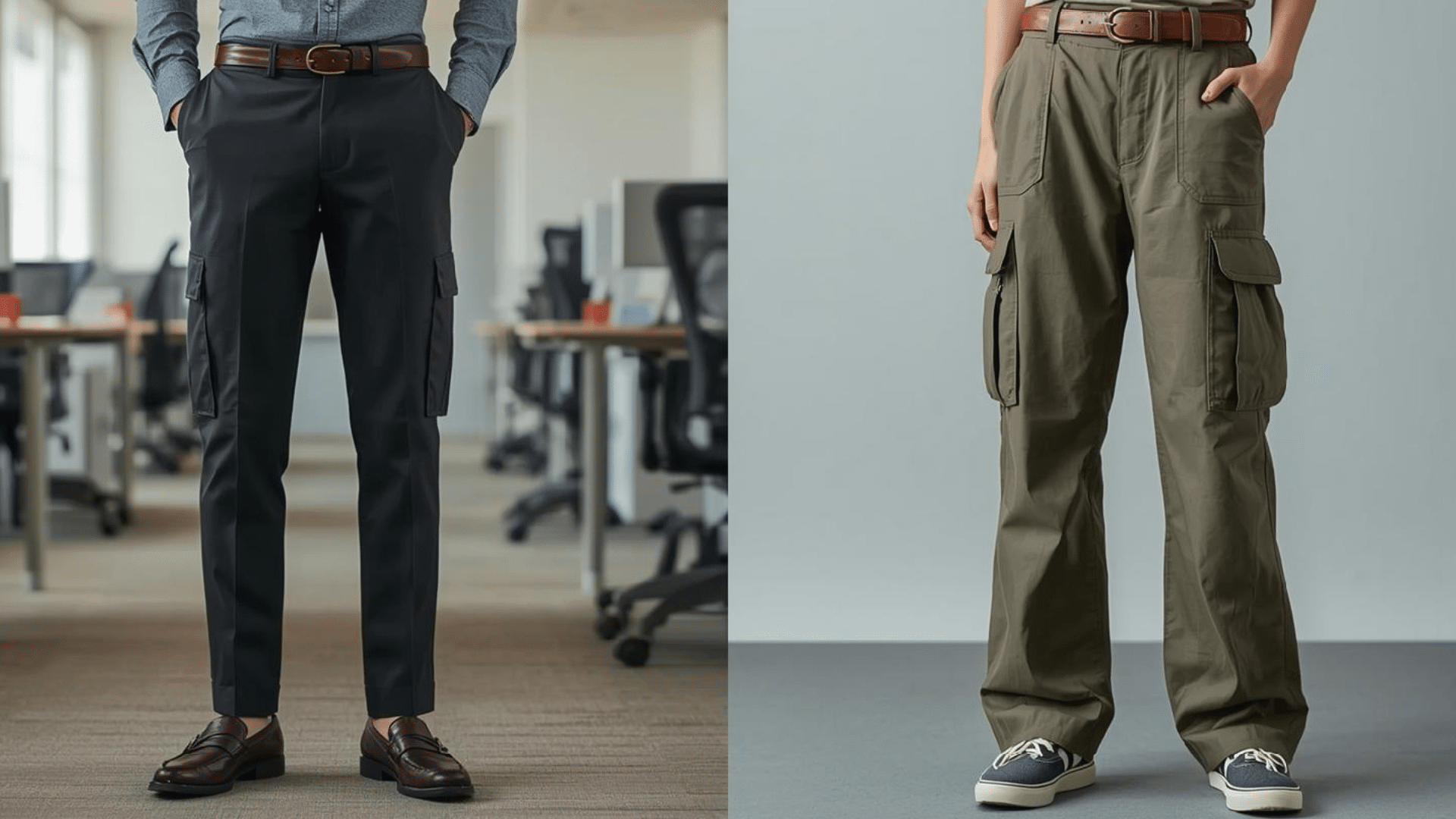
Cargo pants are not all the same, and their fit, details, and color strongly affect whether they look work-ready or overly casual.
Cargo Pants That Can Work
Some cargo pants look closer to regular work pants and cause fewer concerns when worn in relaxed office settings.
- Slim or clean-cut fit
- Slightly narrowed leg shape
- Small, flat side pockets
- Neutral colors like black, navy, khaki, or charcoal
Cargo Pants That Do Not Work
Other cargo pants clearly lean casual and often clash with workplace expectations, even in offices with relaxed dress rules.
- Loose or oversized styles
- Military or field-style designs
- Extra straps, heavy zippers, or large flap pockets
- Bright shades, bold prints, or camo pattern
Industry Reality Check: Where Cargo Pants are Accepted
Industry standards strongly influence whether cargo pants feel normal at work or stand out in a way that feels uncomfortable or unprofessional.
This is where many people start asking whether can cargo pants be business casual which depends more on the industry than the pants themselves.
Industries Where Cargo Pants are Sometimes Accepted
Tech teams, creative agencies, startups, and internal-only corporate roles tend to allow more relaxed clothing choices. These workplaces often focus more on output than appearance.
Dress codes may already allow jeans, casual shoes, or relaxed tops, which makes cargo pants less noticeable.
Cargo pants are more likely to work when the role is not client-facing and daily tasks stay inside the company. Even in these fields, clean fit and simple colors still matter. Cargo pants usually work best on regular workdays rather than formal meetings.
Industries Where Cargo Pants Rarely Work
Finance, law, banking, government, and high-stakes client environments usually expect a more traditional appearance. Clothing in these fields signals trust, structure, and authority.
Cargo pants can appear too relaxed and may distract from that expectation. Side pockets and utility details often feel out of place in meetings or formal settings. These industries tend to favor standard work pants because they follow long-standing norms.
Even if dress codes allow some flexibility, cargo pants often carry more risk than safer options.
The Unwritten Office Rules No Dress Code Explains
Even when a policy allows certain clothes, unspoken workplace habits often decide what feels acceptable and what quietly hurts perception.
Why New Hires are Judged More Strictly
New employees are watched more closely, and clothing choices often shape early opinions before work quality has time to speak.
- First impressions form quickly and are hard to reverse
- Casual clothing can suggest poor judgment early on
- Safer outfits reduce attention during the adjustment period
Why Senior Staff Get More Flexibility
Employees with long track records often face less scrutiny because trust is already established through past performance and consistency.
- Proven reliability changes how clothing is viewed
- Experience earns more leeway in appearance choices
- Casual clothing feels intentional rather than careless
Why “Allowed” Does Not Always Mean Safe
Dress codes describe limits, but day-to-day reactions usually matter more than what rules permit technically.
- Coworker perception affects credibility
- Managers notice patterns over time
- Standing out visually can distract from work quality
How to Style Cargo Pants at Work When in the Office
When cargo pants are allowed, styling choices decide whether the outfit feels work-ready or slips too far into casual territory.
Tops That Balance Cargo Pants
The top worn with cargo pants plays a major role in how the outfit is judged. Button-down shirts and polo shirts add structure and help offset the casual feel of pockets.
Structured blouses work well in offices that allow relaxed bottoms but still expect a neat appearance. Fine-knit sweaters also help when temperatures drop, especially when worn over a collared shirt.
Tops should fit cleanly and stay simple. Loud graphics, loose shapes, or casual fabrics can quickly push the outfit out of office-appropriate territory.
Layers That Add Professional Weight
Outer layers help cargo pants feel more intentional in a work setting. Blazers add shape and signal effort, even in relaxed offices. Clean jackets with simple lines also work well, especially during cooler months.
Lightly structured outerwear can help the outfit look finished without feeling stiff. Layers should stay neutral and avoid bulky details. Heavy textures or casual jackets can make cargo pants look more like weekend wear than work clothing.
Shoes That Decide the Outcome
Shoes often determine how cargo pants are read at work. Loafers and dress shoes usually keep the outfit grounded and office-ready. Clean, minimalist sneakers may work in relaxed offices where casual footwear is already common.
Athletic shoes, hiking shoes, or outdoor styles usually push the outfit too far into casual territory. Shoes should look clean and intentional. Scuffed or overly sporty footwear can undo otherwise careful styling choices.
When Cargo Pants Should Be Avoided at Work
Certain situations raise expectations around appearance, and cargo pants can create unnecessary risk in these moments.
- Job interviews where first impressions carry long-term impact
- Client meetings where trust and professionalism matter most
- Presentations to leadership or senior decision-makers
- Formal reviews, evaluations, or performance discussions
- Traditional offices that expect dress pants or structured outfits
- Roles tied closely to authority, compliance, or external reputation
In these cases, low-profile work pants reduce attention and help keep focus on the work rather than clothing choices.
Occasion-Based Guidance: When Cargo Pants Fit the Moment
Different work situations call for different clothing choices, even inside the same office with the same written dress code.
Casual Office Days
Casual office days usually carry the lowest pressure around clothing choices. These days often allow jeans, casual shoes, and relaxed tops, which makes cargo pants less noticeable.
This setting offers a safer way to test how cargo pants are received without much risk. If reactions stay neutral and no comments arise, that feedback matters.
Even on casual days, fit and color still affect how the outfit is read. Clean lines and simple shades help cargo pants feel intentional rather than careless.
Innovative or Tech Teams
Creative and tech teams often allow more freedom in daily clothing. Output usually matters more than appearance, which lowers the risk of casual pieces. Cargo pants may fit into these settings when the rest of the outfit looks neat.
Styling still plays a role, especially during team meetings or presentations. Cargo pants that look clean and simple draw less attention than those with heavy details. Even in flexible teams, extreme styles can still feel distracting.
Meetings and External Interactions
Meetings with clients, partners, or leadership usually raise expectations around appearance. In these moments, clothing helps signal focus and respect. Cargo pants can raise questions that distract from the conversation, even if they are technically allowed.
Traditional trousers keep attention on the discussion rather than the outfit. Choosing safer pants reduces the chance of negative assumptions. For outside-facing situations, low-profile clothing often works better than making a statement through casual pieces.
Cargo Pants vs. Other Office-Casual Pants
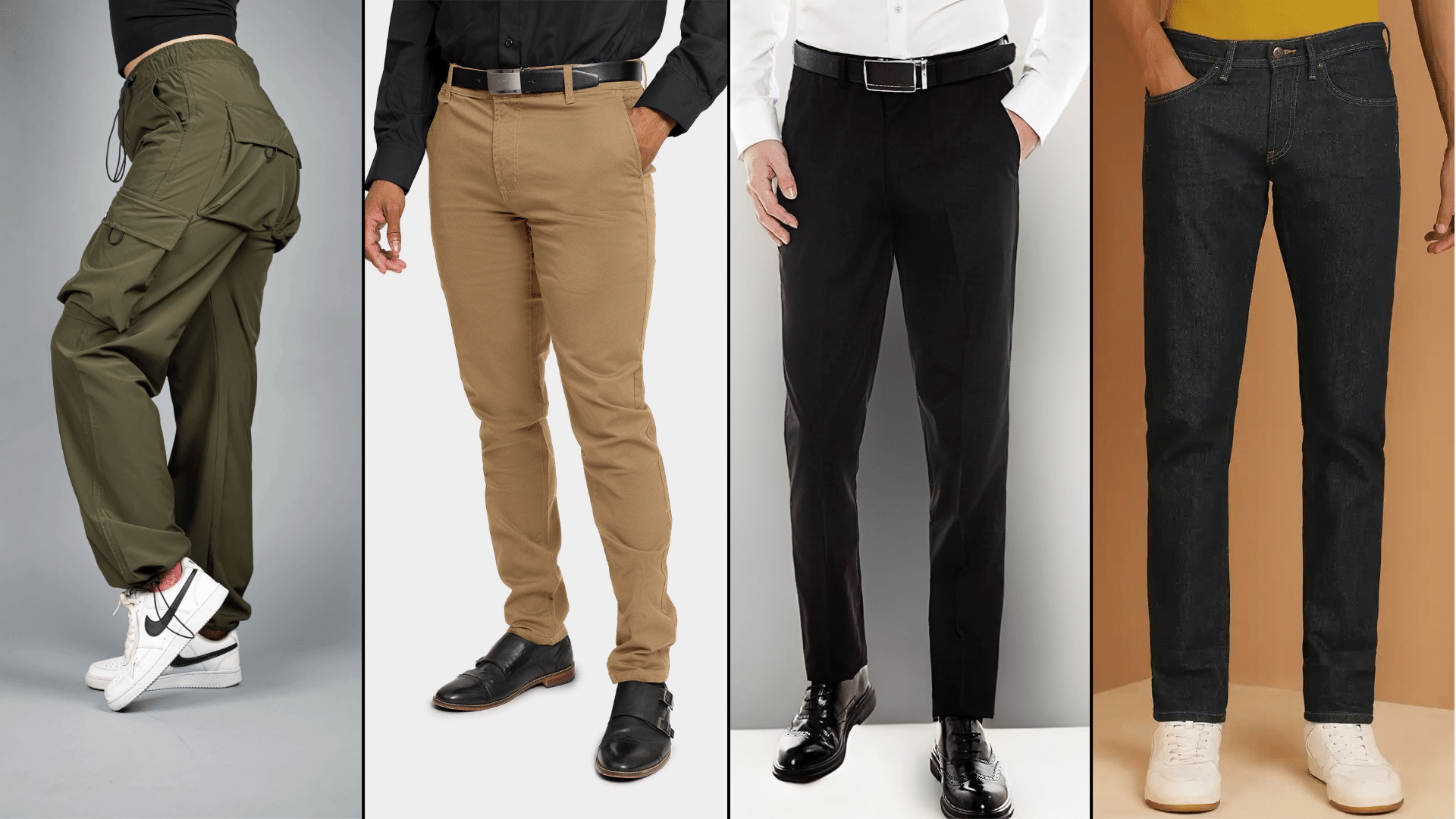
Different pants send different signals at work. This comparison helps clarify which options feel safest, which feel risky, and why.
| Pant Type | How They’re Seen at Work | Risk Level | When They Make Sense |
|---|---|---|---|
| Cargo pants | Casual and noticeable due to pockets | Medium to high | Relaxed offices, internal roles |
| Chinos | Clean and familiar | Low | Most business casual settings |
| Dress trousers | Formal and structured | Very low | Meetings, corporate offices |
| Jeans (dark, clean) | Casual but widely accepted | Medium | Offices that already allow denim |
Choosing the right pants often comes down to how much attention they draw and how closely they match daily workplace expectations.
Conclusion
Workplace clothing choices rarely come down to one rule, and cargo pants prove that point well.
Fit, pocket details, role type, and office culture all influence whether they work or fall flat. In relaxed offices, clean cargo pants may blend in without trouble. In traditional or outside-facing roles, they often add risk without real payoff.
The safest approach is to pay attention to how much attention an outfit draws. When something feels borderline, simpler pants usually help keep focus on work.
If this breakdown helped clarify whether cargo pants are business casual, consider sharing your experience or reading more posts that tackle everyday workwear decisions.
Want more guidance like this? Take a look at the other blogs and keep building a work wardrobe that fits your day.