Slim Aarons didn’t photograph celebrities for the sake of fame—he documented a lifestyle. His lens captured what he called “attractive people doing attractive things in attractive places,” a deceptively simple philosophy that produced some of the most enduring images of 20th-century leisure. From poolside scenes in Palm Springs to ski chalets in St. Moritz, Aarons’s work remains a visual shorthand for effortless elegance.
Decades after his most famous shots, Aarons’s photography continues to shape how we think about style and aspiration. His framed prints have become fixtures in design-conscious homes, offering not just decoration but a portal to an era when leisure itself was considered an art form.
The Photographer Who Defined an Era
Aarons’s career spanned more than five decades, during which he developed a signature approach that set him apart from his contemporaries. Unlike fashion photographers who staged every detail, Aarons worked with natural light and candid compositions. His subjects—socialites, aristocrats, and Hollywood figures—appeared relaxed rather than posed, creating images that felt intimate despite their glamorous settings.
What makes his work particularly resonant today is its documentary quality. Aarons wasn’t selling a fantasy; he was recording a reality, albeit one accessible to very few. The architectural details, fashion choices, and social rituals captured in his photographs provide an authentic record of mid-century upper-class life that historians and design enthusiasts continue to study.
His images have outlasted countless trends precisely because they weren’t trend-driven. The compositions follow classical principles—balanced, uncluttered, with careful attention to color and light. This timelessness explains why a photograph taken in 1970 can hang comfortably in a contemporary minimalist interior or a maximalist salon.
Why These Prints Endure in Modern Interiors
The appeal of Slim Aarons prints extends beyond nostalgia. Interior designers consistently turn to his work because it solves a common challenge: how to add personality to a space without overwhelming it. His photographs provide visual interest while maintaining a sense of calm—a rare combination in decorative art.
Several factors contribute to their continued relevance:
- Color Palettes That Age Well: Aarons favored sun-bleached pastels, azure blues, and warm earth tones that complement both vintage and contemporary color schemes.
- Architectural Interest: Many of his most celebrated images feature iconic mid-century architecture, from Richard Neutra’s modernist homes to Mediterranean villas, appealing to design enthusiasts.
- Human Scale: Unlike abstract art, Aarons’s work includes people, which creates an immediate emotional connection and sense of narrative.
- Versatile Sizing: His compositions work equally well as large statement pieces or smaller gallery wall elements.
The market has responded accordingly. Premium reproductions now range from museum-quality archival prints to more accessible options, with curated collections offering various sizes and framing treatments to suit different budgets and spaces.
Choosing Prints That Work for Your Space
Selecting the right Slim Aarons print requires more than aesthetic preference—it demands consideration of scale, context, and existing design elements. A poolside scene that works beautifully in a sun-filled living room might feel out of place in a north-facing study.
Start by assessing your space’s characteristics:
- Light Quality: Aarons’s sun-drenched images amplify natural light but can feel ironic in darker rooms. Consider whether you want contrast or harmony.
- Wall Dimensions: Large-format prints (40×60 inches or larger) demand breathing room and work best as focal points. Smaller prints (16×20 to 24×36 inches) integrate more easily into gallery walls or tighter spaces.
- Color Temperature: If your room features cool grays and blues, select prints with similar tones. Warmer interiors pair well with his desert and Mediterranean scenes.
- Thematic Consistency: A ski chalet image might feel dissonant in a beach house, while poolside scenes reinforce coastal aesthetics.
The framing choice matters as much as the image itself. Simple white or natural wood frames maintain the photographs’ documentary quality, while ornate gilded frames can add a layer of formality that either enhances or undermines the casual elegance Aarons captured. For collectors sourcing prints, a few specialist retailers worth comparing — Leisure Piece, Sonic Editions, and King & McGaw — each carry curated selections with varying frame and size options.
The Vintage Market and Contemporary Reproductions
Original Slim Aarons prints command significant prices at auction, with rare images selling for tens of thousands of dollars. For most collectors, high-quality reproductions offer a more accessible entry point while still delivering visual impact.
The reproduction market has matured considerably. Modern printing technology can capture the subtle tonal gradations and color accuracy that earlier reproductions missed. Giclée printing on archival paper produces results that, when properly framed, are virtually indistinguishable from darkroom prints to the untrained eye.
What distinguishes premium reproductions:
- Print Method: Giclée or chromogenic prints rather than offset lithography
- Paper Quality: Museum-grade archival paper with neutral pH
- Color Accuracy: Prints made from high-resolution scans of original negatives or vintage prints
- Limited Editions: Numbered prints with certificates of authenticity
The vintage aesthetic remains popular, but contemporary tastes have also influenced how these images are presented. Some collectors prefer the saturated colors of modern reproductions, while others seek prints that replicate the slight fading and warm tones of aged originals.
Integrating Aarons Into Contemporary Design
The challenge—and opportunity—lies in incorporating mid-century imagery into spaces that may have little else in common with that era. Done well, a Slim Aarons print can serve as a bridge between different design periods, adding historical depth without creating stylistic confusion.
Successful integration strategies include:
- Contrast Play: A single Aarons print in an otherwise minimalist space creates intentional tension, drawing the eye and inviting contemplation.
- Color Echoing: Pull accent colors from the print into textiles, ceramics, or other decorative elements to create visual cohesion.
- Thematic Grouping: Combine multiple Aarons prints with other mid-century photography or art to establish a clear aesthetic direction.
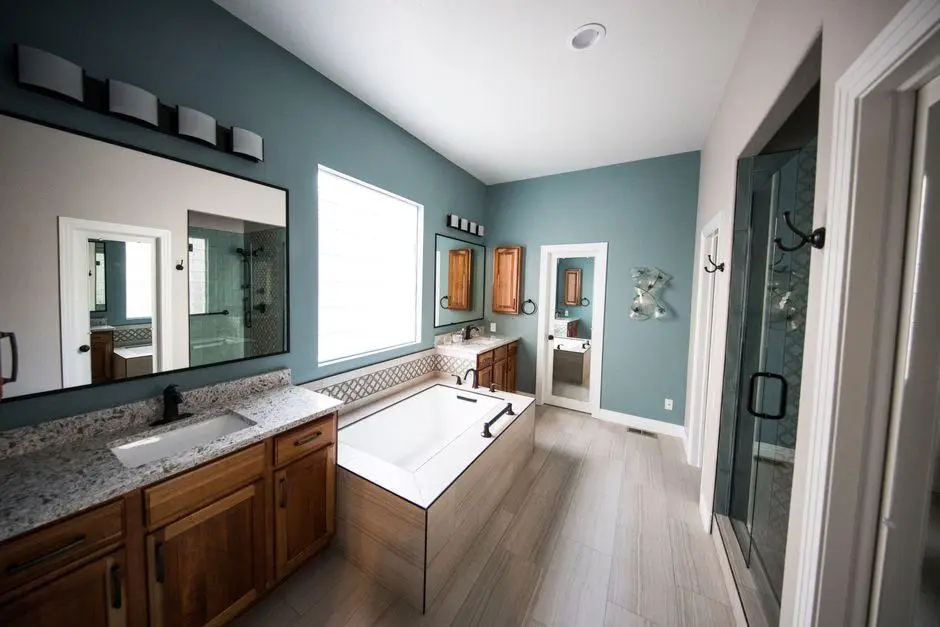
- Unexpected Placement: Consider locations beyond living rooms—a poolside scene in a bathroom, a ski image in a walk-in closet, or a party scene in a dining room.
The prints work particularly well in spaces dedicated to leisure and relaxation. A home office might benefit from the aspirational quality of Aarons’s vacation scenes, while a bedroom could embrace the languid ease of his poolside compositions.