Ever stood in the garden center, confused about garden soil vs potting soil and which one you actually need? I totally get it because choosing the wrong soil can hurt your plants and waste your money fast.
Both soil types look similar in bags, but they’re designed for completely different gardening purposes and plant needs.
Using garden soil in containers leads to drainage problems, while potting soil outdoors breaks down too quickly.
Understanding which soil works where saves you frustration and helps your plants grow strong and healthy naturally. I’m going to clear up the confusion so you can pick the right soil every single time.
Let’s make your plants happier than ever.
What is Garden Soil?
Garden soil is a blend of natural topsoil and organic materials such as compost, peat moss, or aged manure.
It’s specifically designed for outdoor use in garden beds, raised beds, and landscaping projects around your yard.
Garden soil works best when you mix it directly into the existing soil outdoors for optimal results. I’ve noticed it improves poor soil quality by adding nutrients and organic matter that help plants grow strong.
Garden soil improves drainage in heavy clay soils and helps sandy soils retain moisture and nutrients more effectively.
The organic materials in garden soil feed beneficial microbes and earthworms that keep your garden ecosystem flourishing naturally.
I prefer it for outdoor gardening because it’s heavier and denser than potting mix, providing the structure plants need.
What is Potting Soil?
Potting soil is a lightweight, soilless mix specially formulated for growing plants in containers and pots indoors or outdoors.
It typically contains ingredients like peat moss, coconut coir, perlite, vermiculite, and sometimes a small amount of fertilizer.
I’ve learned that potting soil doesn’t contain actual dirt or topsoil, which makes it much lighter and fluffier. It provides excellent drainage, so water doesn’t sit at the bottom of pots and cause root rot problems.
The lightweight texture allows air to reach plant roots easily, which is crucial for healthy container growth. I always use potting soil for my indoor plants because it stays loose and doesn’t compact over time.
It’s perfect for houseplants, herbs, flowers, and vegetables growing in any type of container you choose.
Garden Soil vs. Potting Soil: Key Differences

I’ve learned that understanding the differences between garden soil and potting soil helps you choose the right one. Here’s what makes each soil type unique and when to use them:
1. Composition
Garden Soil: Contains real topsoil mixed with organic materials like compost, peat moss, and sometimes sand, creating a dense, heavy structure.
Potting Soil: A soilless mix made from peat moss, coconut coir, perlite, and vermiculite that feels light and fluffy throughout.
2. Drainage
Garden Soil: Holds water longer because of its dense composition, which works well for outdoor plants needing consistent moisture and hydration.
Potting Soil: Drains water quickly through lightweight materials, preventing roots from sitting in soggy conditions that cause rot and plant death.
3. Nutrient Content
Garden Soil: Naturally contains more nutrients from topsoil and organic matter that breaks down slowly, feeding plants throughout the entire growing season.
Potting Soil: Often includes added fertilizer, but nutrients wash out with frequent watering, requiring regular feeding for healthy container plant growth.
4. Weight
Garden Soil: Heavy and dense, making it impractical and dangerous to use in containers or hanging planters due to excessive weight.
Potting Soil: Weighs much less, allowing you to move pots easily and preventing containers from becoming too heavy or breaking.
5. pH and Sterilization
Garden Soil: pH levels can vary widely depending on location and composition, often requiring amendments like lime or sulfur for specific plants.
Potting Soil: Typically adjusted to neutral pH and sterilized during manufacturing to prevent diseases, pests, and weed seeds from harming plants.
When to Use Potting Soil vs. Garden Soil
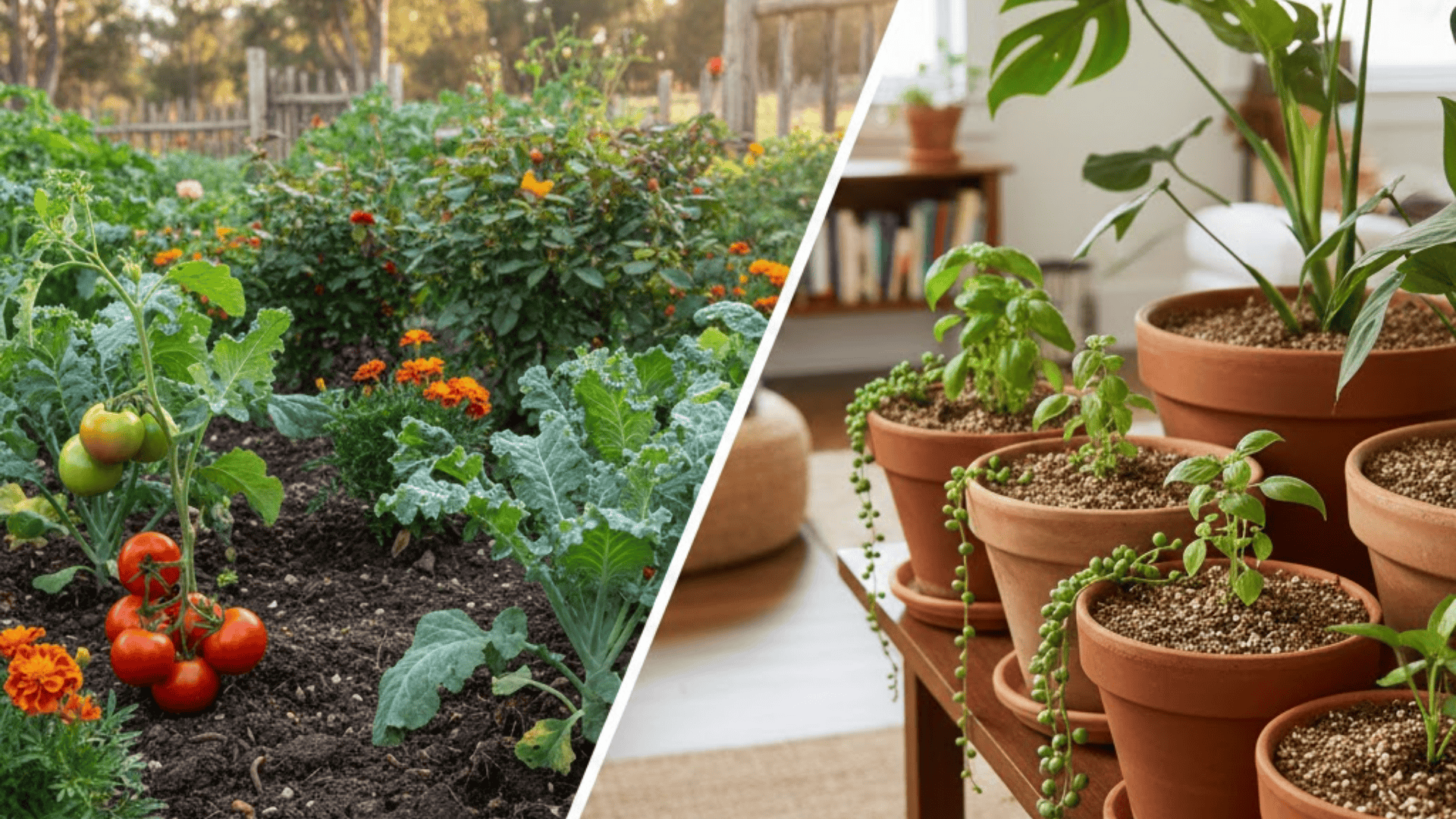
I’ve learned that choosing the right soil type depends on where and how you’re growing your plants. Here’s when to use each soil type to avoid common mistakes and help your plants flourish:
Uses of Garden Soil
Garden soil works best for planting directly in the ground or raised beds. Here’s when to use garden soil:
- Outdoor gardens: Vegetable gardens, flower beds, and perennial plantings in the ground.
- Raised beds: Filling raised garden beds for root vegetables and larger plants.
- Landscaping: Planting shrubs, trees, and groundcover throughout your yard permanently.
Garden soil creates stability for outdoor plants and builds long-term soil health.
Uses of Potting Soil
Potting soil is designed specifically for containers and indoor plants. Here’s when to use potting soil:
- Container gardening: All pots, planters, hanging baskets, and window boxes.
- Indoor plants: Houseplants, succulents, herbs, and tropical plants growing inside.
- Seed starting: Starting seeds indoors for disease-free seedling growth.
I’ve learned that potting soil is the only safe choice for my container plants. It keeps my indoor plants healthy by preventing waterlogging and providing proper air circulation.
Can You Mix Garden Soil and Potting Soil?
Using garden soil in pots isn’t recommended because it compacts heavily, blocks drainage, and suffocates plant roots quickly.
If you must use garden soil in containers, mix it with equal parts perlite or coconut coir to improve drainage. Add compost to boost nutrients since garden soil alone lacks what container plants need for healthy growth.
Potting soil works in gardens but isn’t ideal because it’s lightweight, lacks nutrients, and breaks down too quickly. If you use potting soil outdoors, mix it thoroughly with native garden soil and lots of compost for stability.
Potting soil depletes faster in the ground, requiring more frequent fertilizing and costing more for large beds.
Tips for Choosing the Right Soil for Your Garden
I’ve learned that selecting the right soil makes a huge difference in how well your plants grow. Here are the important factors I always consider before buying any soil for my gardening projects:
- Match soil to plant type: Different plants need different soil; succulents need a fast-draining mix, while vegetables prefer nutrient-rich garden soil.
- Consider your growing location: Use potting soil for containers and indoor plants, garden soil for outdoor beds and landscaping projects.
- Read the label carefully: Check ingredients, pH levels, and if nutrients are included before purchasing any bag of soil.
- Balance quality with budget: Quality soil costs more upfront, but saves money long-term by keeping plants healthier and reducing fertilizer needs.
Taking time to choose the right soil prevents problems and sets your plants up for success. Good soil is the foundation of healthy gardens, so invest wisely in this essential gardening supply.
Wrapping It Up
Understanding garden soil vs potting soil means you’ll never waste money on the wrong product again. I hope this breakdown helps you feel confident choosing soil that matches your specific gardening needs perfectly.
Remember that using the right soil in the right place makes all the difference for plant health. Pay attention to whether you’re planting in containers or in the ground before buying any soil.
Most gardening problems start with poor soil choices that could have been avoided with basic knowledge.
Invest in quality soil appropriate for your project and watch your plants reward you with amazing growth. What soil mistakes have you made in your garden? Share your experiences in the comments below.