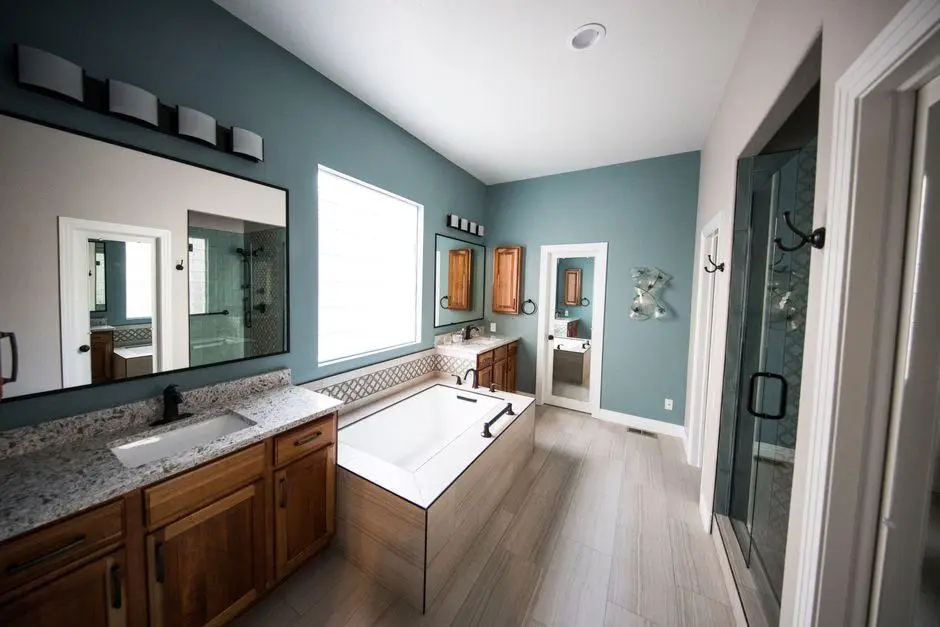
Radiant floor heating sounds like the dream: steady warmth, quiet rooms, and no vents blowing air around.
I’ll admit, the first time I stepped onto a heated floor, I understood the appeal immediately. But over time, I’ve learned that comfort often comes with a few trade-offs.
The disadvantages of radiant floor heating aren’t deal breakers, but they’re worth knowing before you get in. Installation can be pricey, repairs tricky, and it’s not always the best match for every home or climate.
In this guide, I’ll walk through what radiant heating really feels like to live with; the good, the complicated, and what’s worth considering before you decide if it fits your space.
What Radiant Floor Heating Actually Is
Radiant floor heating is one of those features you don’t truly appreciate until you’ve felt it. Instead of blowing warm air around the room, it gently heats from the ground up, making the whole space feel evenly comfortable.
- Electric systems use thin resistance wires installed beneath the flooring, often in flexible mats. They’re common in smaller spaces like bathrooms or kitchens, where quick, targeted warmth feels best.
- Hydronic systems work a little differently. They move warm water from a boiler or water heater through flexible tubing built into or beneath the floor. This setup takes more planning but can efficiently heat large areas, even whole homes. Underfloor radiant heat panel systems offer another way to deliver consistent warmth from beneath the flooring, making them a practical option for various home designs.
The result is steady, quiet warmth with no cold corners, air drafts, or noisy vents; just consistent heat that rises naturally through the room.
Main Disadvantages of Radiant Floor Heating
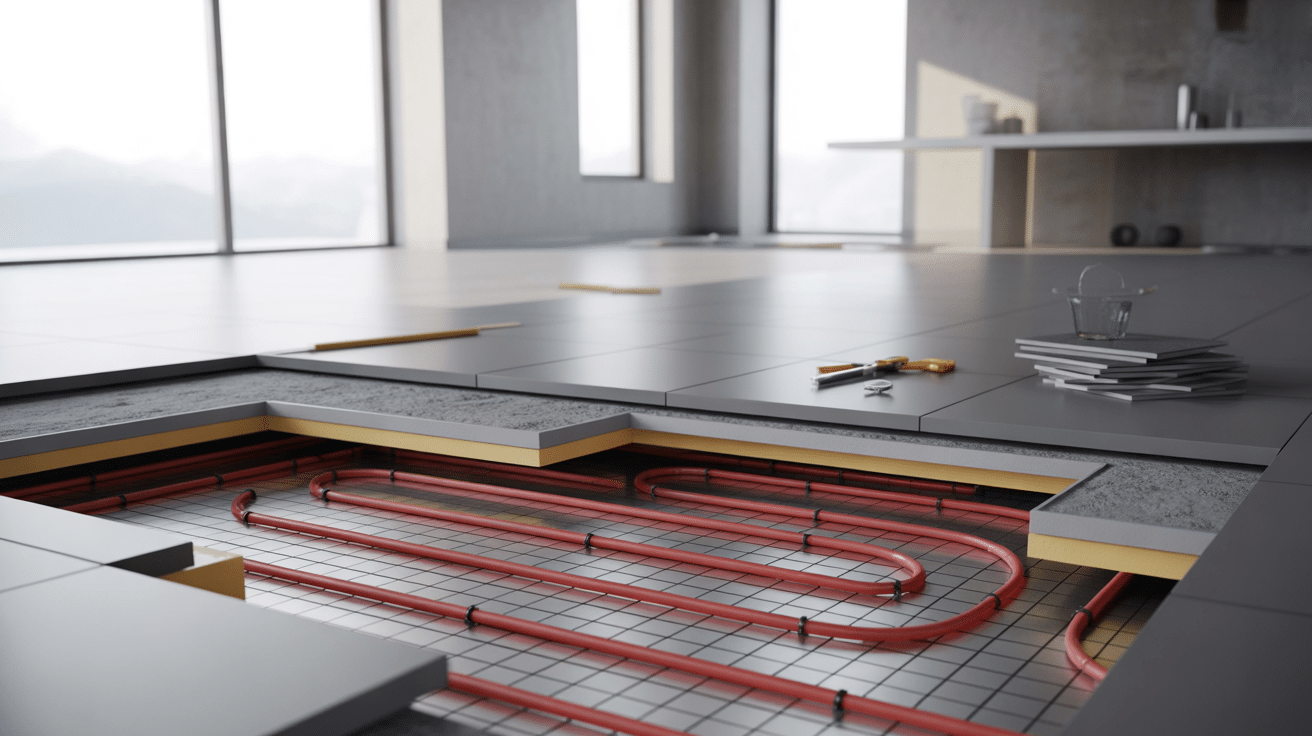
As much as I love the comfort of warm floors, radiant heating does come with a few trade-offs.
I’ve learned it’s not just about how cozy it feels; it’s also about what it takes to install, maintain, and afford in the long run. Here’s what’s worth keeping in mind before deciding if it fits your home.
1. High Upfront Installation Cost
Installing radiant flooring is expensive compared with other systems.
- Electric systems typically range between $8–$15 per square foot, including materials and labor.
- Hydronic systems often cost $10–$20 per square foot, especially when paired with new plumbing or boilers.
The bulk of this cost comes from skilled labor and the extra subfloor preparation required. In contrast, forced air and baseboard systems usually cost far less to install.
The high initial price is the primary reason many homeowners limit radiant heating to smaller rooms.
2. Difficult Retrofit and Installation Process
Radiant floors are easiest to include during new construction or a major remodel. Retrofitting them into an existing home can involve:
- Removing the current flooring and sometimes the subfloor itself.
- Re-leveling the surface and adding insulation layers.
- Coordinating plumbing or electrical work with precise zone layouts.
This level of disruption often makes retrofits time-consuming and costly compared to a straightforward replacement of a furnace or ductwork.
3. Increased Floor Height and Design Limitations
Radiant systems add a layer to the floor. Heating mats, tubing, and self-leveling compounds can increase the finished height by half an inch or more, depending on the setup.
That may seem small, but it can create issues such as:
- Uneven transitions between rooms.
- Door clearance adjustments.
- Cabinet or trim modifications.
Tile and stone floors conduct heat effectively, but soft or thick coverings, such as carpet or solid hardwood, can trap heat and reduce system efficiency.
4. Hard-to-Access Repairs
Once installed, radiant floor systems are concealed beneath layers of flooring. If a problem develops, like a leak in hydronic tubing or a short in an electric mat, repairs are complex and intrusive.
Technicians often use thermal imaging to locate issues, but flooring may still need to be removed to reach the damaged section.
This adds both cost and inconvenience. Proper zoning and accurate system mapping during installation help minimize the impact if repairs are ever needed.
5. Slow Heat Response and Temperature Lag
Radiant floors rely on thermal mass, meaning they take time to heat up and cool down. Unlike forced air systems that can adjust temperatures quickly, radiant setups are better for maintaining consistent heat.
Homeowners who like to lower the thermostat when away and raise it again on return may find the system too slow to respond. The steady nature of radiant heat works best when temperatures are kept relatively constant throughout the day.
6. Potentially High Operating Costs (Electric Systems)
Electric radiant floors can draw significant power, especially when used across large areas. In regions with high electricity rates, monthly costs may rise quickly.
Hydronic systems mitigate this issue by using boilers that run on natural gas or high-efficiency water heaters, which tend to be cheaper to operate.
Still, both types depend on insulation quality and floor coverings; energy loss through poorly insulated slabs can negate efficiency gains.
7. Unsuitable for Some Homes and Climates
Radiant heating performs best in well-insulated homes. Older houses with thin subfloors, uninsulated crawl spaces, or drafty walls can lose heat faster than the system can deliver it.
In extremely cold climates, radiant floors may struggle to keep up without a secondary heating source.
Common design oversights, such as skipping insulation under the tubing, can further reduce effectiveness and increase costs.
Advantages Worth Considering for Radiant Floor Heating
The first time I tried radiant floor heating, I remember thinking, This feels different.
The warmth wasn’t blasting from a vent or drifting unevenly around the room; it was just quietly there, soaking upward from the floor.
Over time, I started to notice other perks that make it more than just a “nice-to-have” feature.
1. Comfort and Consistent Warmth
Radiant heat wraps the room in steady warmth instead of creating hot and cold pockets. I’ve found that even when the thermostat is set a few degrees lower, it still feels cozy.
It’s a slow, gentle kind of heat; one that makes winter mornings a lot easier to face.
2. Energy Efficiency in the Right Setup
When combined with good insulation and a well-planned hydronic system, radiant floors can use energy surprisingly efficiently.
They hold warmth longer and don’t rely on constant air movement, so the temperature stays stable without your system working overtime.
3. Quiet, Allergen-Friendly Operation
I didn’t realize how much noise traditional heating makes until I switched. There are no vents kicking on or fans pushing dust through the air; just calm, silent warmth.
For anyone sensitive to allergens or dryness, that small change makes a big difference.
4. Design Freedom and Invisible Hardware
One of my favorite parts is how invisible it all is. Since the heating system sits beneath the floor, you don’t have to plan around radiators, vents, or baseboards.
It gives you the freedom to place furniture wherever you like, something I didn’t fully appreciate until decorating felt that much simpler.
In short, radiant floor heating doesn’t just warm a room, it changes how you experience it. It’s comfort that feels natural, quiet, and effortlessly built into the space itself.
Hydronic vs. Electric: Which One Makes Sense for You
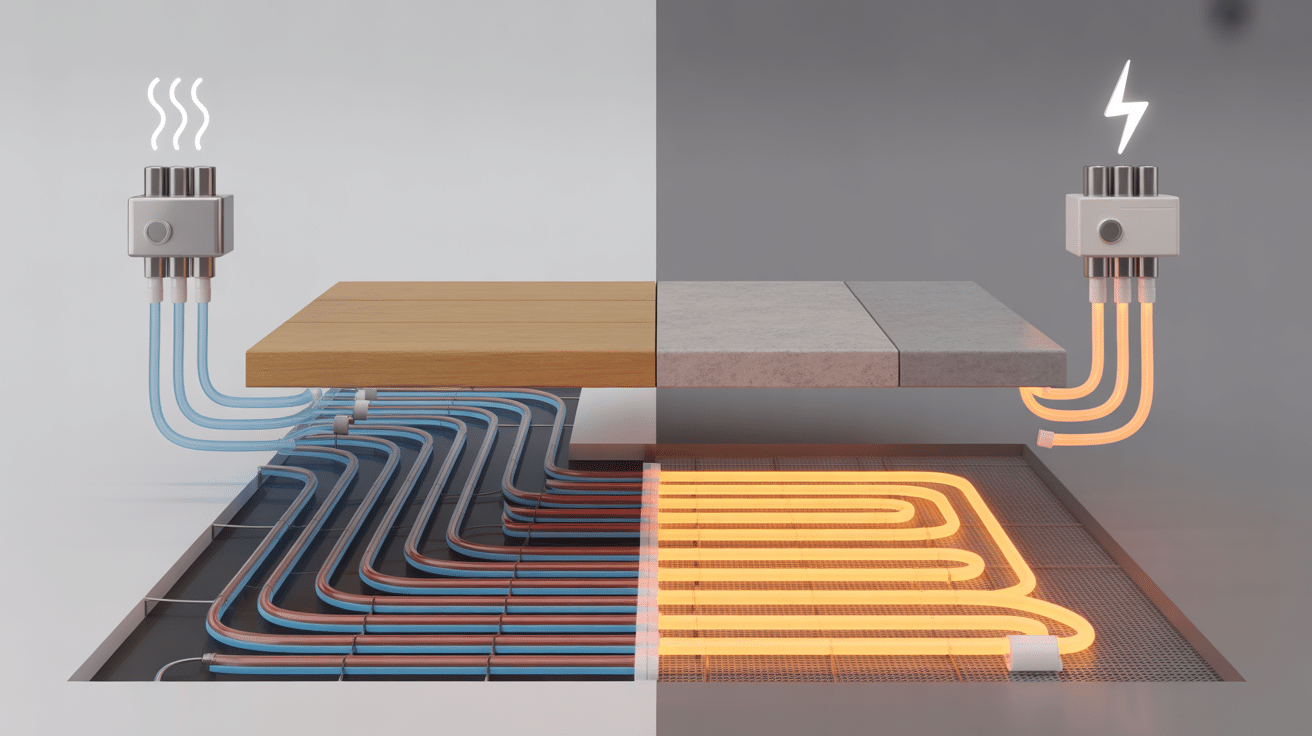
When I was first comparing radiant heating options, I realized both systems have their strengths; it just depends on the size of your space and how you plan to use them.
Here’s a quick side-by-side look to help you decide which fits your home best:
| Feature | Hydronic Radiant Heating | Electric Radiant Heating |
|---|---|---|
| How It Works | Circulates heated water through flexible PEX tubing beneath the floor. | Uses electric cables or mats powered by household current. |
| Best For | Larger areas or whole-home heating systems. | Smaller spaces like bathrooms, kitchens, or additions. |
| Installation | More complex, needs a boiler, pump, and manifold; usually installed during construction or major remodels. | Easier to install, often laid under tile or laminate without major work. |
| Operating Cost | Lower in the long run, especially when paired with an efficient boiler or water heater. | Higher running costs if used across large spaces due to electricity usage. |
| Upfront Cost | Higher because of equipment and labor. | Lower, making it practical for single-room projects. |
| Maintenance | Needs occasional checks for water pressure and pump performance. | Low maintenance, but repairs can be tricky once sealed under the flooring. |
| Comfort Level | Provides steady, gentle warmth that’s ideal for long-term heating. | Offers quick, responsive warmth in smaller areas. |
From what I’ve seen, hydronic systems make sense for whole-home comfort, while electric setups shine in smaller rooms where you just want that touch of daily warmth.
What Living with Radiant Floors is Really Like
After spending some time with radiant floor heating, I’ve realized it’s less about technology and more about how it changes everyday life.
The warmth doesn’t rush in or fade unevenly; it just lingers, steady and calm. Mornings feel softer, and the house stays warm without that constant hum of vents turning on and off.
What stands out most is how invisible it all feels. No air blowing, no noise, no bulky radiators, just an even, natural warmth that quietly settles into the space.
Helpful note: Before installing, think about your flooring type. Tile, stone, or concrete hold heat best, while thicker wood or carpet can reduce efficiency.
Small planning choices like that make a big difference once you’re living with it every day.
Cost Breakdown
Costs can shift depending on where you live, the materials you choose, and how complex the installation is. Here’s a general overview to help you plan:
| Type | Estimated Cost (per sq. ft.) | Includes | Notes |
|---|---|---|---|
| Electric Radiant | $8–$15 | Heating mats or cables, plus labor | Best for smaller rooms like bathrooms or kitchens. |
| Hydronic Radiant | $10–$20 | Boiler, tubing, and installation | More efficient long-term but higher upfront cost. |
| Added Expenses | Varies | Subfloor insulation, control systems, thermostats, or new flooring | These extras can noticeably affect final pricing. |
Important: Total cost depends heavily on project size and flooring type. Smaller spaces with tile or concrete floors are usually the most economical for radiant heat installation.
Common Myths About Radiant Floor Heating
I’ve heard a few claims about radiant floor heating that sound great at first but don’t quite hold up once you’ve lived with it. Here are a few worth clearing up:
- “It’s always cheaper to run.” Not exactly. The system’s efficiency depends on insulation quality, floor type, and energy costs in your area. Well-insulated homes see savings; poorly insulated ones, not so much.
- “It heats up faster than forced air.” Radiant systems warm more slowly because the heat has to travel through the flooring material first. The payoff is steady, consistent warmth instead of temperature spikes.
- “Any flooring works fine.” Flooring choice matters a lot. Tile, stone, and concrete conduct heat efficiently, while carpet or thick vinyl can trap it, making the system less effective.
Understanding how radiant heating really works helps you plan smarter and avoid surprises once it’s installed.
Radiant Floor Heating Alternatives to Consider
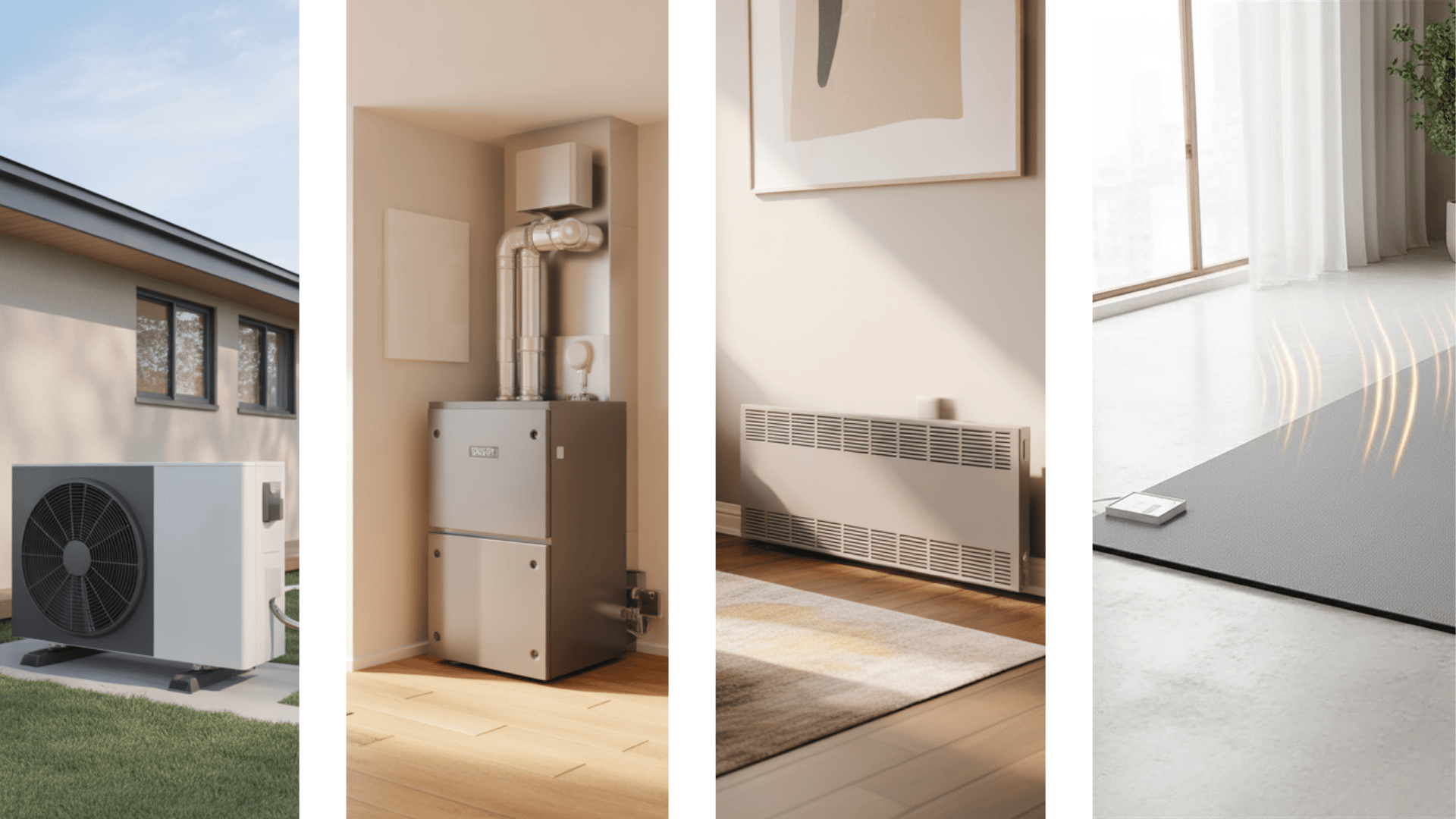
Radiant floor heating isn’t the only way to keep your home warm and comfortable.
If it doesn’t fit your space, budget, or renovation plans, a few other options can deliver steady heat without the extra construction work:
- Air-source heat pumps: Great for year-round comfort, they provide both heating and cooling with zoned control to target specific rooms.
- High-efficiency furnaces: When paired with a smart thermostat, these systems offer precise temperature control and improved energy use across the home.
- Electric baseboards or radiant wall panels: Ideal for smaller rooms or areas where you just need a bit of extra warmth without redoing floors.
- Plug-in heated floor mats: A simple, budget-friendly way to get that warm-floor feeling underfoot; no renovation required.
Each of these options works best in different situations, so it’s worth comparing how they fit your home’s layout and comfort needs before deciding.
Wrapping Up
After spending time learning (and feeling) how radiant floor heating works, I’ve realized it’s not about whether it’s perfect; it’s about whether it fits your home and routine.
The disadvantages of radiant floor heating mostly come down to cost, installation effort, and slow response times. But for some spaces, like bathrooms or basements, the comfort easily outweighs the trade-offs.
If you’re planning a remodel or just curious about upgrading your heating, it’s worth thinking through how much warmth you really need and where it’ll make the biggest difference.
If this helped, take a look at my other home blogs; I’ve shared what’s worked for me in keeping upgrades practical, comfortable, and stress-free.