Some shirts in my closet feel cool and light, while others feel thicker and softer, and I used to wonder why. It wasn’t about style or fit; it was the fabric.
Once I learned the difference between Twill and Poplin, everything made more sense. I started picking shirts that matched the weather, felt better on my skin, and needed less effort to care for.
In this guide, you’ll learn what sets these two fabrics apart: how they’re made, how they feel, and when to wear them.
You’ll also get real brand examples, tips for telling them apart by touch, and advice on choosing the right one for your needs. If you’ve ever been unsure about fabric types, this is for you.
Why the Way Fabric is Put Together is So Important
When it comes to making fabric, the way threads are set up plays a big role. Instead of using the word “weave,” think of it as a thread pattern.
Here’s how it works:
- Warp threads run up and down.
- Weft threads go side to side.
- The thread pattern is how these threads cross over each other.
This pattern changes how the fabric feels and acts. A tight pattern makes the shirt feel smoother and keeps it from wrinkling easily. A looser one allows more air to pass through, which helps with staying cool.
Knowing about thread patterns helps you pick better shirts. You’ll be able to tell if it’s soft, breathable, or strong just by feeling it.
This small bit of knowledge can help you choose clothes that are more comfortable and last longer.
What is Poplin Fabric?

Poplin is a type of fabric made using a plain thread pattern. That means the threads go over and under each other one at a time: simple and even. This makes the fabric strong and smooth at the same time.
Poplin feels flat, smooth, and a little crisp to the touch. It’s not shiny or heavy. It holds its shape well, but still feels soft enough to wear all day. That’s why it’s often used for things like:
- Office shirts
- Light dresses
- Summer clothes
Poplin is also a great pick for warm weather. The way it’s made helps air flow through the fabric, so it doesn’t trap heat. It keeps you feeling cooler when it’s hot outside.
Some Poplin is made by blending cotton with other materials like polyester. These cotton-blend fabrics keep the soft feel of cotton but are even easier to care for; they wrinkle less and dry faster.
What is Twill Fabric?

Twill is a fabric made with a diagonal thread pattern. Instead of the threads crossing over one by one like in plain patterns, Twill has threads that go over and under in a set pattern, usually over two and under one. This makes a slanted line across the fabric, which you can often see.
This special pattern makes Twill soft, strong, and slightly shiny. It’s not stiff, but it holds up well. The fabric feels smooth and is heavier than others, like Poplin, which gives it a nice hang or drape.
Twill is often used in:
- Formal shirts
- Pants
- Jackets
- Clothes for cooler weather
One great thing about Twill is that it doesn’t wrinkle easily. It also feels warmer and thicker, so it’s a good choice when it’s chilly.
Cotton-Twill blends and even ones with a bit of stretch make the fabric more comfy and flexible while still staying strong and neat-looking.
Twill vs Poplin: Key Differences at a Glance
Choosing between Twill and Poplin can be easier when you see exactly how they compare. The table below breaks down the key features, so you can pick the right fabric based on comfort, use, and care.
| Feature | Twill Fabric | Poplin Fabric |
|---|---|---|
| Thread Pattern | Threads cross in a way that forms diagonal lines you can often see. | Threads run over and under evenly, creating a flat, smooth surface. |
| Thickness (Weight) | Feels thicker and more solid. Good for cooler weather. | Feels lightweight and thin. Great for warm or hot weather. |
| Surface Texture | Soft and smooth with a slight shine. Has more texture due to the slant. | Crisp and clean feel. Lays flat with almost no texture. |
| Air Flow | Less breathable due to a tighter structure. Holds in more warmth. | Very breathable. Let’s air pass easily, keeping you cool. |
| Wrinkle Resistance | Resists wrinkles naturally. Doesn’t need much ironing after washing. | Wrinkles quickly, especially if 100% cotton. Needs regular ironing. |
| Drape | Has a heavy drape. Hangs in clean folds, giving clothing more shape. | Has a light drape. Flows more freely and feels less structured. |
| Durability | Very durable. Handles daily wear and washing without wearing out fast. | Still strong, but more prone to minor wear over time due to its light weight. |
| Best Clothing Uses | Great for pants, formal shirts, jackets, and clothing for cooler days. | Best for dress shirts, summer clothes, office wear, and warm-weather outfits. |
| Look and Feel | Looks a bit more relaxed. Feels soft right away. | Looks sharp and polished. Feels crisp and fresh on the skin. |
| Blended Options | Often blended with stretch fabrics (like spandex) to add flexibility. | Often blended with polyester to reduce wrinkles and keep it lightweight. |
This comparison gives you a full view of how each fabric behaves. If you’re dressing for weather, comfort, or a certain look, picking the right one comes down to what fits your day best.
Which Fabric Fits Your Needs Best?

Not sure which fabric to go with? The best way to decide is to think about when, where, and how you’ll be wearing it. Below is a breakdown that shows how Twill and Poplin fit into different real-life situations:
Seasonal Pick
If the weather is hot, Poplin is the better pick. It’s lightweight and lets air move through easily, which keeps you cooler in summer. On the other hand, Twill is thicker and holds in warmth. That makes it a good choice for fall, winter, or even chilly spring days.
- Poplin: Best for warm, sunny days
- Twill: Better for cold or windy weather
Occasional Choice
Poplin gives off a clean, crisp look, which works well for relaxed office settings, casual get-togethers, or summer events. Twill has a smoother, more solid feel that makes it ideal for dressier or more serious occasions like business meetings or evening wear. It also looks polished with less effort.
- Poplin: Great for casual Fridays, summer dinners, or day events
- Twill: Good for formal settings, business outfits, or dress shirts with structure
Lifestyle Use
Think about how you live day to day. If you travel a lot or don’t like ironing, Twill is your friend. It resists wrinkles, packs well, and keeps you looking put together with less effort. If your days are lighter and you just want something easy and cool, Poplin offers a fuss-free, breathable option.
- Twill: Best for people on the move, business trips, or those who want low-maintenance clothes
- Poplin: Best for daily wear, short outings, or anyone who prefers light, easy-to-wear fabrics
In short, Twill gives you durability, warmth, and polish. Poplin keeps things light, breezy, and comfortable. Matching the fabric to your daily needs helps you feel better and dress smarter.
Which Fabric Feels Better All Day?
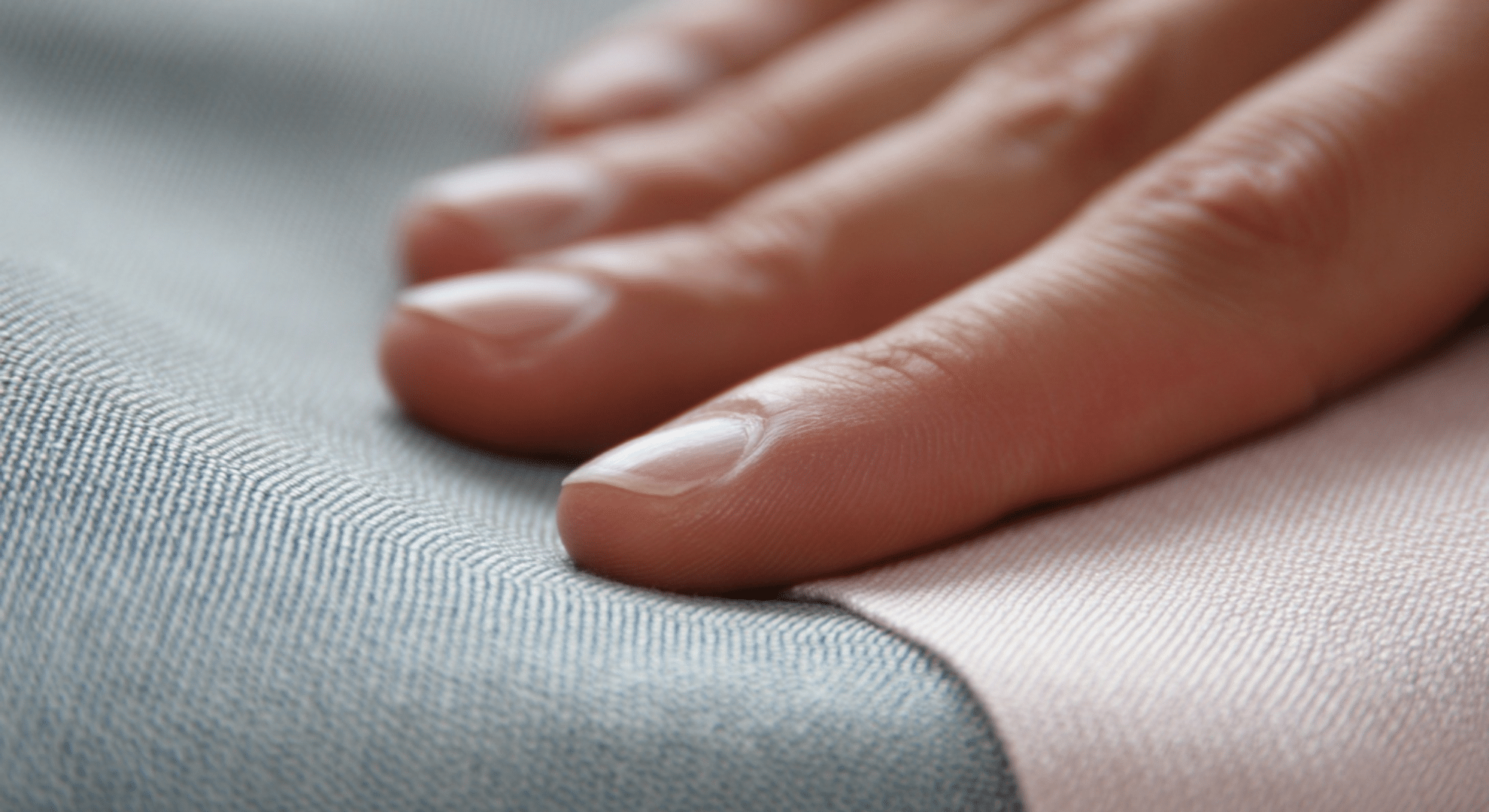
Most fabric guides focus on structure or looks, but how a fabric feels on your skin all day really matters. No matter if you’re sitting in an office, walking in the sun, or wearing a shirt for hours, the way it touches your body can make a big difference.
Let’s break down the comfort side of Twill and Poplin, so you know what to expect beyond the label:
All-Day Wear and Humid Weather
Poplin is light, smooth, and cool. It doesn’t trap much heat, which makes it great when the air feels sticky or when you’re moving a lot.
Because of its flat surface, it glides gently over the skin and won’t feel heavy, even after hours of wear.
Twill feels softer in a different way. It has a thicker, warmer touch, which is nice in cooler air or when you want a bit more weight.
But in very humid conditions, Twill can start to feel warmer and may hold sweat in longer because of its denser weave.
- Poplin: Best for hot, sticky weather and long wear
- Twill: Feels cozy and soft but may feel heavier on warm days
For Sensitive Skin
If your skin gets irritated easily, both fabrics can work, but for different reasons. Poplin is smoother and less textured, which means less rubbing or chafing.
However, it can feel slightly stiff at first if it’s 100% cotton and not pre-washed.
Twill, especially brushed or washed Twill, feels softer right from the start. The diagonal weave gives it a cushioned feel.
That makes it a great option for people who need something gentler against the skin, as long as it’s not too warm for the weather.
- Poplin: Smooth, cool, and great for skin that reacts to friction
- Twill: Soft and cushy; feels like a light hug on the skin
How the Fabric Ages and Changes
Over time, both fabrics tend the improve. Poplin becomes even softer the more you wash and wear it. The crisp feel fades a little, but the comfort increases. It stays light, though, and doesn’t lose its clean look.
Twill becomes more relaxed and broken-in. It gets even softer without wearing out quickly. With good care, Twill fabrics develop a comfortable, worn feel, kind of like your favorite pair of jeans.
- Poplin: Starts crisp, ends soft, always lightweight
- Twill: Starts soft, gets softer, holds up longer with a cozy feel
When it comes to comfort, Poplin is the go-to for keeping cool and fresh, especially if you’re active or heat-sensitive.
Twill is better when you want something that feels soft and holds its shape without needing constant care. Both can feel great; it just depends on what your skin and your day need.
Brand Breakdown: Real-World Examples
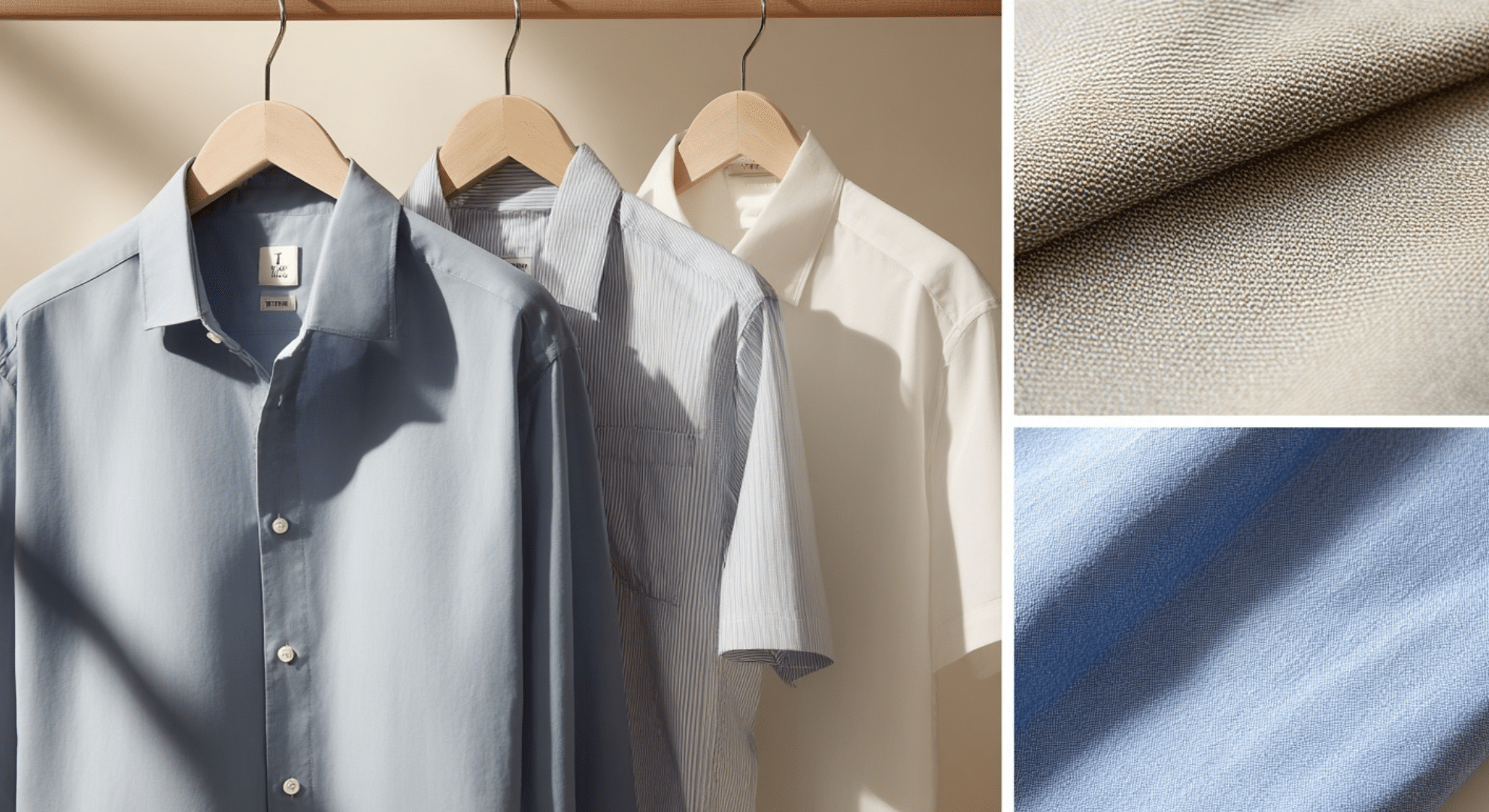
To really understand Twill and Poplin, it helps to see how major shirt brands use them in actual products. Most brands don’t just choose a fabric for how it looks; they choose based on how it performs, feels, and fits different dress codes.
Let’s take a look at how well-known companies like Charles Tyrwhitt, T.M. Lewin, and Brooks Brothers use Twill and Poplin in their shirts:
Charles Tyrwhitt
This UK brand is known for classic dress shirts. Charles Tyrwhitt uses Twill in many of their formal shirts because it has a soft finish, holds its shape, and resists wrinkles better. You’ll often find non-iron Twill shirts in their business and formal collections.
For lighter office wear, they offer Poplin shirts too, usually in their “business casual” or warm-weather ranges. Poplin is used here when the shirt needs to be breathable and lightweight, especially for summer lines.
T.M. Lewin
Another British brand, T.M. Lewin, also leans heavily on Twill for its smart, structured shirts. Their Twill shirts tend to show up in dressier styles: good for suits or formal wear. Twill gives these shirts a polished look that pairs well with ties and jackets.
Their Poplin shirts are often sold under their “easy iron” or lightweight collections. These are great for men who want a sharp shirt without extra warmth.
Bonobos
Bonobos, a U.S.-based brand known for fit-focused menswear, uses Twill in many of their weekday and commuter shirts.
These are made for work environments where wrinkle resistance and comfort matter. Their Poplin shirts appear in more relaxed styles, like casual button-downs and short-sleeve shirts.
The lighter fabric works well in spring and summer collections, offering a cool, easy fit for daily wear.
Why Luxury Brands Often Pick Twill
Luxury shirtmakers often choose Twill when they want a shirt that keeps its shape, hangs neatly, and doesn’t require constant ironing.
The soft sheen of Twill also adds to a more refined, expensive look. High-end business shirts, especially those meant for boardrooms or events, are often made in Twill because it looks more structured and polished.
So when you’re shopping, knowing how these brands use Twill and Poplin can help you pick the right shirt for your choice.
Fabric Care and Maintenance Tips
Taking care of your shirts the right way helps them last longer and stay comfortable. Whether you’re dealing with Poplin or Twill, knowing how to wash, press, and store them can make a big difference.
Here are some quick and easy tips:
- Wash both fabrics in cold or warm water (not hot) to avoid shrinking and fading.
- Use a gentle cycle to protect the thread structure, especially for lightweight Poplin.
- Iron Twill on medium heat and use steam if needed—its thicker weave can handle it.
- Iron Poplin on low to medium heat to keep its smooth texture and avoid scorching.
- Hang shirts on wide hangers to help keep their shape and prevent shoulder bumps.
- Store them in a cool, dry space away from direct sunlight to keep colors from fading.
- Some shirts come in non-iron versions, which are treated to stay wrinkle-free. These may feel slightly smoother or stiffer at first, but often soften over time with washing.
Conclusion
Learning about Twill vs. Poplin helped me stop guessing when buying shirts. I used to pick based on color or style alone, but now I know how much the fabric matters for comfort and fit.
Knowing what each fabric feels like and when it works best has made shopping easier and wearing shirts more comfortable.
Now it’s your turn. Think about what you need from a shirt: something light and airy, or something soft and strong. Use what you’ve learned here to make better choices that actually match your daily life.
Keep an eye on labels, feel the fabric, and trust your hands. Want to get even smarter about clothes? Check out the rest of the website for more simple, clear tips made just for you!