
Food manufacturers face cost problems when ingredient prices, production schedules, and stock levels fall out of sync. A buyer might need a material quickly, while another business has usable stock it cannot consume before its next production run. An exchange brings those needs together, helping buyers compare available supply with their specifications and timing. The savings come from finding a practical match, then checking the full landed cost and production fit.
Surplus stock is not automatically a bargain: the buyer needs clear details on its identity, condition, quantity, and handling history. A food ingredients exchange connects parties with different inventory needs, and Ingredient Exchange anchors this discussion. When comparing a surplus lot with a routine purchase, a buyer should account for freight, storage, testing, and any production changes. Those checks show whether a lower purchase price leads to a real saving.
Match Supply to Production Needs
A buyer should start with the production plan, not an attractive price. Specify the ingredient, grade, form, approved uses, and delivery window, then identify how much stock the operation can use. A close match reduces the risk of buying material that sits unused or requires a reformulation.
Flexibility in packaging or delivery timing can widen the available choices, but quality requirements still set the boundary. Procurement staff should confirm that each lot meets the business’s own technical and food safety requirements before treating it as a substitute.
Compare the Full Landed Cost
The quoted ingredient price is only one part of the purchase. Freight, handling, storage, and any testing or repacking affect the total cost of getting usable material to the production site. Comparing like with like prevents a cheap quote from masking extra work or expense.
Buyers should also consider the amount they can use before shelf-life limits or internal stock policies apply. A larger lot doesn’t save money if the unused portion becomes waste. Costing the usable quantity gives procurement a more realistic comparison.
Check Lot Details Before Purchase
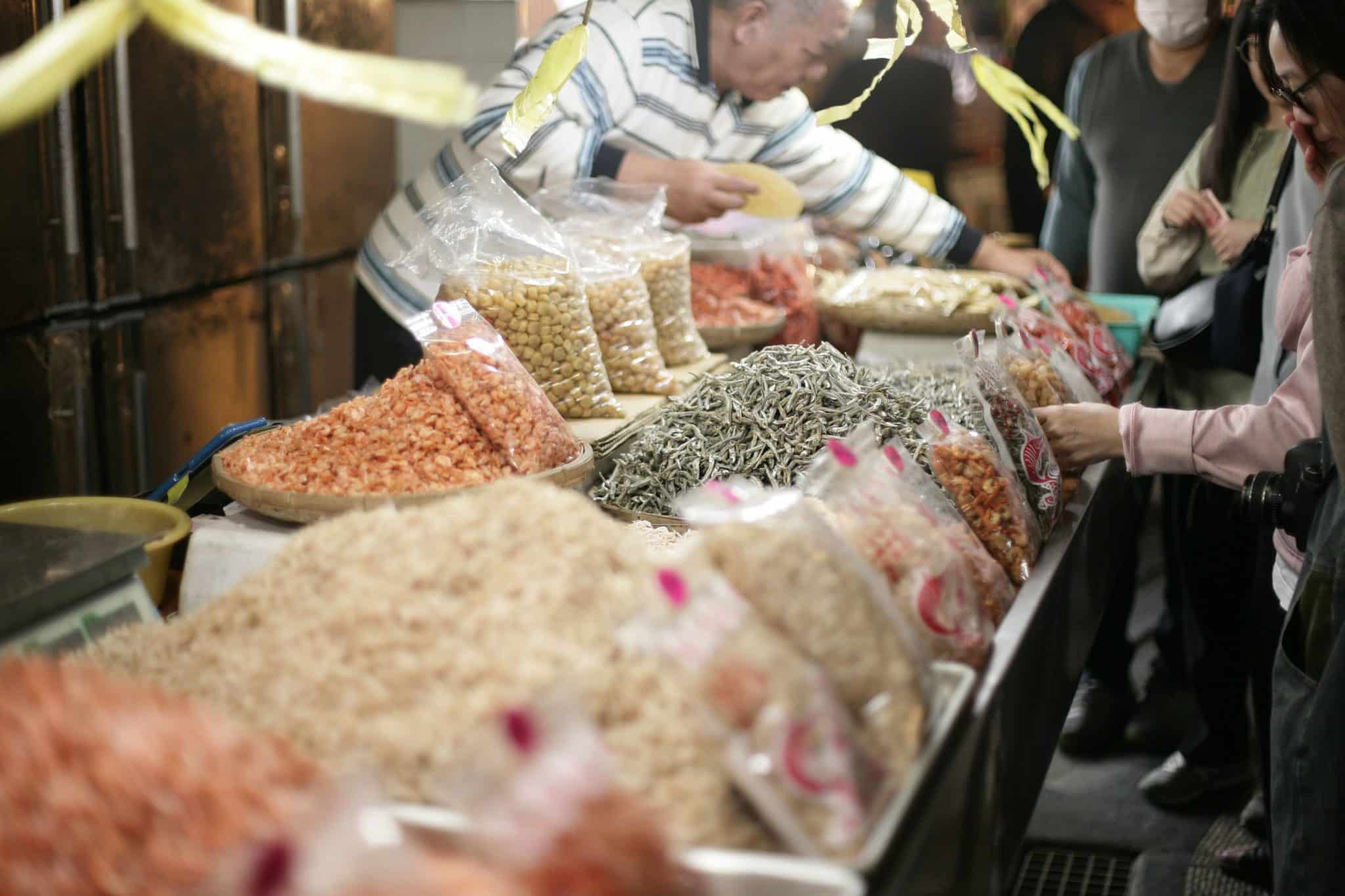
A surplus lot needs enough documentation for the buyer to assess whether it fits operational requirements. Confirm the ingredient name, lot identification, quantity, packaging condition, and any available quality records. Ask how the seller stored the product and whether they can provide documents required for internal approval.
The buyer should also confirm the delivery arrangements and who handles any required checks at receipt. Clear information before commitment reduces the chance of delays, rejected goods, or avoidable follow-up after dispatch.
Use Timing to Improve Value
Exchanges can connect a buyer’s near-term demand with stock that another business needs to move. Timing matters: a lot that arrives after a production run passes cannot solve an immediate supply gap. Buyers should coordinate the expected dispatch and arrival dates with their manufacturing schedule.
Planning also gives procurement time to compare available options rather than accepting a rushed replacement. A forecast of likely demand helps identify where a surplus purchase could fit without creating excess stock.
Keep Procurement and Quality Aligned
Purchasing decisions need input from the staff responsible for product quality and production. Procurement can assess price and supply, while technical teams check specifications and production teams confirm the material works with the planned process. Agreeing on approval steps before a purchase keeps cost pressure from bypassing required checks.
A written comparison makes the decision easier to review. Record the regular supply alternative, the surplus lot’s condition, total landed cost, and any production adjustments. This approach also helps teams learn which types of surplus purchases fit their operation.
Reduce Waste Without Adding Risk

Moving suitable surplus into production can keep usable ingredients in circulation and reduce unnecessary disposal. The benefit depends on the material being fit for its intended use, correctly handled, and needed by the buyer. A low price alone does not justify accepting uncertain quality or unsuitable stock.
Buyers should set a clear rejection point before negotiating. If records are incomplete, packaging gets compromised, or the lot falls outside specification, the cost of a failed purchase can outweigh the original saving. A consistent review process supports both sound purchasing and less waste.
Conclusion
A food ingredients exchange creates savings when it connects a verified surplus with a buyer whose production plan can use it. The buyer should compare total landed cost, confirm lot records, and involve quality staff before committing. Procurement teams can start by listing ingredients with flexible timing or approved alternatives, then match available lots to those criteria. This approach turns a broad search for lower prices into a controlled purchasing decision that protects supply and limits avoidable waste.