
You have a moving date, a closet full of clothes, and one practical question: will the moving company pack everything, or are you supposed to do it yourself? When comparing home-moving options from providers such as Elate Moving, the answer depends on the service package you book. Some crews transport boxes you have already packed; others can supply boxes, pack garments, and handle furniture. Knowing which arrangement you are paying for can save hours of last-minute work.
This matters even more if your wardrobe includes suits, delicate dresses, structured handbags, expensive shoes, or seasonal clothing stored in several closets. Here is how to decide what to pack yourself, what to ask professionals to handle, and how to compare estimates without missing a costly detail.
Do Professional Movers Actually Pack Clothes?
Yes, many moving companies offer packing services, but clothing packing is not automatically included with every move. A basic service may cover loading, transportation, and unloading only. An additional packing service may include the materials and labor needed to box up clothing, shoes, accessories, and other household belongings.
Even when a company advertises ‘full-service moving,’ its written quote should state what that means. Will the crew pack every closet, or only selected rooms? Are the packing materials part of the price? Will they unpack at the destination, or only place sealed boxes in the appropriate rooms? Those details are worth confirming before you book.
A common middle ground is partial packing: you handle everyday T-shirts and casual pieces, while the professionals pack fragile items, hanging garments, or furniture. This lets you spend money on the parts that are hardest to manage yourself.
When Are Wardrobe Boxes Worth Paying For?
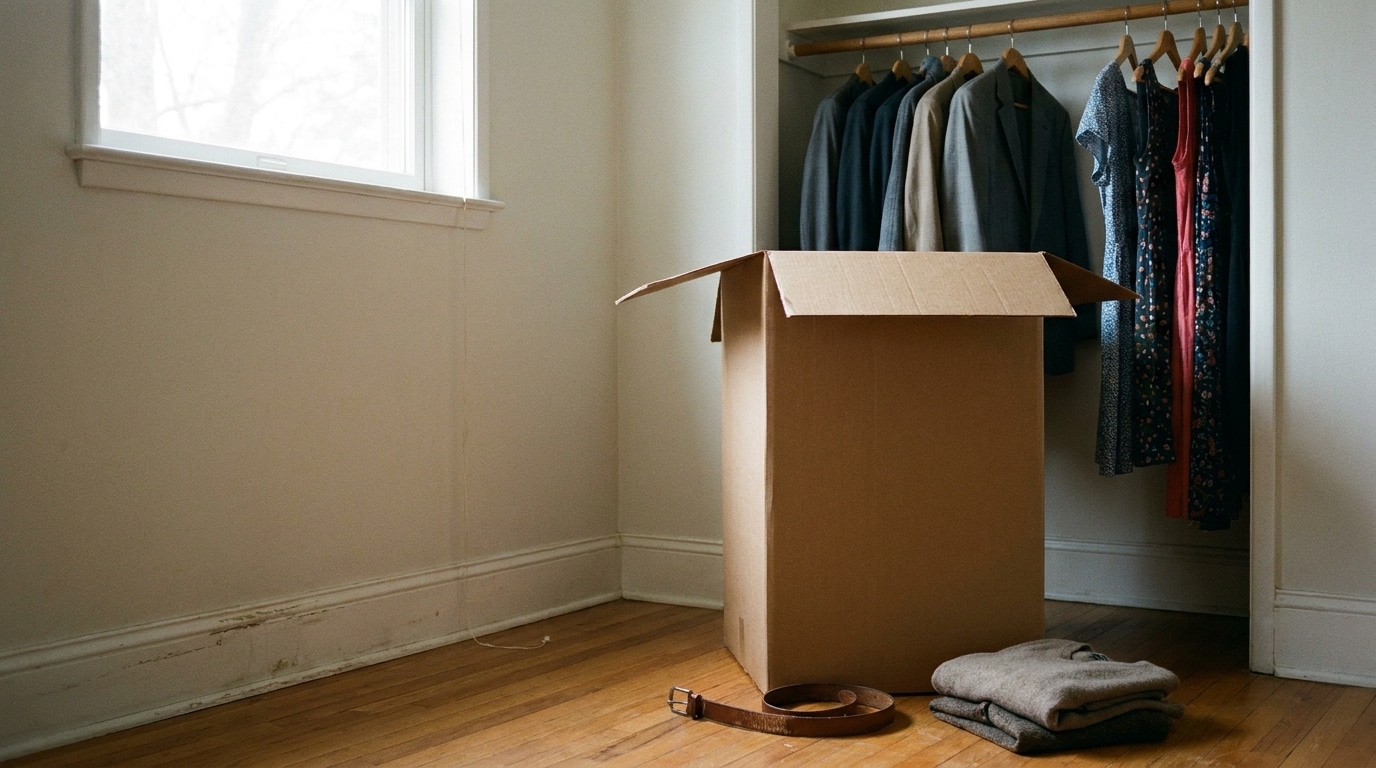
A wardrobe box is a tall carton with a hanging rail inside. Instead of taking each item off its hanger and folding it into a standard box, you can move certain clothes straight from a closet into the carton. It is especially useful for blazers, suits, dresses, coats, and other garments that crease easily.
Wardrobe boxes take up more truck space than tightly packed folded clothes, and the cartons themselves are not free unless included in the quote. That is why the smartest approach is usually selective: use them for garments that benefit from hanging, then fold sturdier pieces into conventional boxes or suitcases.
Ask whether the movers supply wardrobe cartons, how many the quote includes, and whether the crew transfers the clothing onto the rails. Also ask if the box can be reused or returned after delivery, depending on the provider’s packaging arrangements.
What About Designer Clothes, Delicate Fabrics, and Formalwear?
Expensive does not always mean fragile, but special materials need thoughtful handling. Silk can snag or mark, embellished dresses can catch on nearby objects, and structured jackets lose their shape when crushed. If an item has an unusual fabric or construction, follow its care label and the advice of a suitable garment specialist.
Before packing, photograph standout pieces and note their condition. Use clean garment covers where appropriate, keep heavily embellished items separated, and do not force delicate garments into an overfilled wardrobe box. For exceptionally valuable or irreplaceable items, consider whether personal transport or specialist handling is more appropriate than a standard household shipment.
Ask the mover whether high-value items require a special declaration, inventory, or packing arrangement. The answer is not simply ‘we are insured’: you need to understand the written protection or valuation terms that actually apply to those items.
How Should You Pack Shoes, Handbags, and Accessories?
Shoes create a different problem from hanging garments. Heels can dent softer materials, hardware can scratch leather, and unprotected soles can transfer dirt. Stuff shoes with clean paper or suitable inserts to help maintain their shape, then separate pairs with soft wrapping or individual bags.
If you still have sturdy original shoe boxes, they can be useful. Otherwise, use small, well-supported cartons rather than one giant box filled to the top. Heavy shoes belong near the bottom; delicate heels or decorated shoes should not carry weight from the items above them.
For structured handbags, remove unnecessary contents, support the shape with suitable clean filler, and protect straps and hardware. Keep jewelry, valuable watches, essential documents, and other small high-value possessions with you when appropriate; do not assume every accessory belongs in the general moving shipment.
Should You Empty Dressers and Closet Organizers?
It is tempting to leave folded clothes in dresser drawers and let the movers carry the furniture exactly as it stands. Sometimes that is possible, but it depends on the unit’s construction, weight, the route through the building, and the mover’s instructions.
Heavy contents can increase the strain on the furniture and make it harder to lift safely. Loose or breakable objects inside drawers can shift in transit. Ask the company whether it requires drawers to be emptied and whether it will protect or disassemble the item. Never assume that drawer contents are covered by the same handling arrangement as packed boxes.
Also tell the movers about freestanding wardrobes, large mirrors, sliding doors, and fitted closet systems. Some built-in storage should remain with the property, while freestanding units may require disassembly before transport.
How Much Does Professional Clothing Packing Cost?

There is no reliable universal price for packing a wardrobe. The cost can depend on crew hours, the number and type of boxes, the size of the closet, the amount of hanging clothing, labor minimums, and whether packing is booked on the same day as loading.
For that reason, an estimate based only on the number of bedrooms can be misleading. A small apartment with several packed wardrobes may require more work than a larger home with relatively few belongings. Ask for an itemized or clearly scoped quote that covers both packing labor and materials.
When comparing providers, look at the total job rather than one line item. A company with a higher packing charge might include stronger cartons, furniture protection, or coordinated loading. Another company may offer a lower price if you supply your own boxes and pack most belongings yourself.
A Simple Example: Full Packing Versus Partial Packing
Imagine two people moving from a city apartment to a new home. They have two closets of hanging clothes, a dresser, approximately thirty pairs of shoes, and several handbags. One person has time to organize and pack. The other is moving during a busy work week.
With a full packing service, they could ask the crew to box most items, provide suitable garment cartons, label the containers, and handle loading. With partial packing, they might pack casual clothes and shoes themselves, then pay for wardrobe boxes and assistance with delicate pieces.
Neither arrangement is automatically cheaper after you include your own time, material purchases, and the potential inconvenience of rushing. The right choice depends on the schedule, the clothes being moved, and what the moving company agrees to handle.
Seven Questions to Ask Before Booking
- Does the written quote include packing clothes, or only transporting boxes I pack?
- Are wardrobe boxes, packing paper, garment covers, and other supplies included in the price?
- Will the crew pack hanging garments directly from the closet, and will they unpack them at delivery?
- Do you have special procedures or written terms for valuable, fragile, or delicate clothing?
- Should I empty dressers, and who will disassemble or reassemble freestanding wardrobes?
- Which access issues, such as stairs, elevators, long carries, or parking, could change the price?
- What liability or valuation options apply if clothing or other belongings are lost or damaged?
These questions make it easier to compare two moving proposals on the same basis. You are not simply asking which company offers the lowest price; you are asking which company can provide the service you actually need.
What to Do the Week Before Your Movers Arrive
Sort your wardrobe into what you will take, donate, sell, and keep with you. Launder or clean clothing as appropriate and make sure everything is fully dry before packing. Moisture trapped inside closed cartons is an unnecessary risk, especially for long trips or temporary storage.
Separate a small travel wardrobe with clothes for the first few days, important accessories, and any items you will need for work. If a shipment arrives later than expected, you should still be able to dress comfortably without opening every carton.
Finally, confirm the packing date and the estimated number of boxes with the mover. Tell the crew which pieces need special attention and which items are not part of the shipment. A quick walk-through on moving day is much easier than trying to resolve a misunderstanding after the truck is loaded.
The Bottom Line
Professional movers can often pack clothes, but the service is not automatic and the details vary by company. Wardrobe boxes can protect hanging garments; conventional boxes work for many folded pieces; and delicate items may need a more individual plan.
If you are ready to request moving estimates, decide which parts of your wardrobe you want professionals to handle and ask for those services in writing. A clear packing plan is one of the easiest ways to protect the clothes you love and make moving day feel far less stressful.