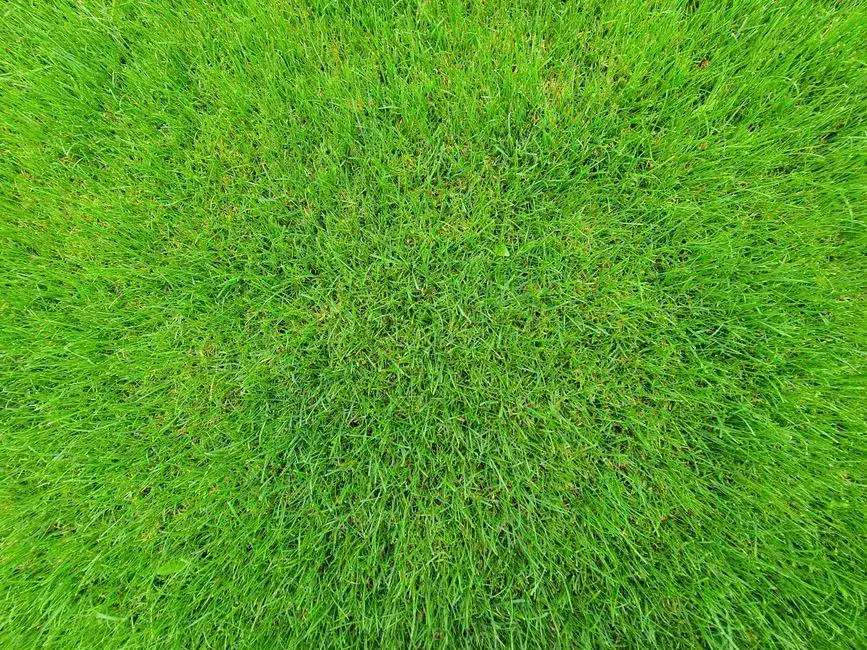
If you want a lawn that actually looks finished instead of patchy for half the year, the choice between sod and seed matters more than most people expect.
It affects your budget, your watering routine, how fast you can use the yard, and even how much weed pressure you’ll deal with. Once you understand the tradeoffs clearly, you can make a decision that fits your yard instead of following generic lawn advice.
When Sod Is the Better Call
Sod is usually the stronger choice when you need immediate visual results or faster functional coverage. If you’ve just finished a patio project, put in a pool, or renovated a high-visibility front yard, waiting months for seed to fill in may feel unrealistic.
It also helps on sites prone to erosion. Sloped ground, runoff channels, and exposed soil near hardscaping benefit from having a living surface installed quickly. In those cases, sod acts almost like instant stabilization while roots establish underneath.
If you’re comparing labor and reliability, a professional sod installation service can also reduce common errors in grading, seam placement, soil prep, and first-week watering. That doesn’t make sod maintenance-free. It still needs careful irrigation and limited traffic at first. But it removes the fragile germination stage that makes seed fail so often in real yards.
What You’re Really Choosing Between
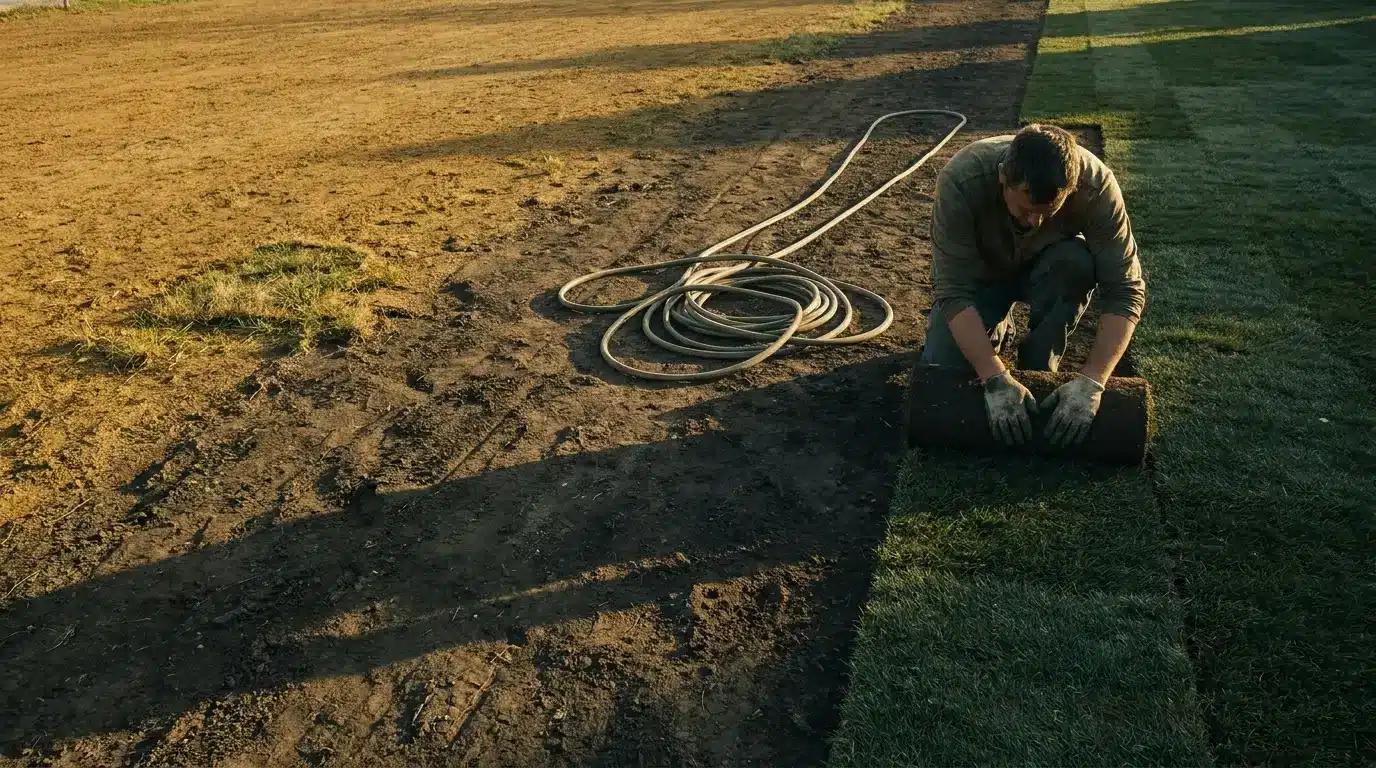
At a glance, sod and seed both promise grass. In practice, they solve very different problems. Seed is a grow-it-yourself route. You prepare the soil, spread the seed, protect it, and wait for germination and root development. Sod is mature turf grown elsewhere, cut into rolls or slabs, then laid onto prepared ground.
That difference changes the timeline immediately. Seed usually needs weeks to establish visible coverage and months before it handles regular foot traffic well. Sod gives you an instant green surface, though it still needs time to root into your soil profile.
Your climate, sun exposure, drainage, and how you plan to use the lawn all matter here. A front yard meant for curb appeal has different demands than a backyard where pets sprint every day.
When Seed Makes the Most Sense
Seed often works well if you have patience, a tighter budget, and flexibility with timing. It’s usually the lower-cost option on materials alone, especially for large areas. You also get broader cultivar choice, which matters if you’re matching a specific cool-season or warm-season grass type.
For example, if you live in a region where fall overseeding is standard, seed can slip neatly into that seasonal pattern. You can target bare spots, improve density, and avoid paying for full turf replacement.
Seed also makes more sense when your site needs gradual renovation rather than a dramatic reset. If your existing lawn is thin but not dead, slit seeding or overseeding may correct the issue without starting from scratch. The catch is maintenance discipline. Miss irrigation windows early on, and germination gets uneven fast.
Budget Isn’t Just the Upfront Number
A lot of homeowners compare sod and seed using only the purchase price. That misses the real cost structure. Seed is cheaper at checkout, but the full math includes soil amendments, starter fertilizer, erosion control materials, repeated watering, possible reseeding, and the value of time.
Sod costs more upfront because you’re buying mature turf plus delivery and often installation. Even then, it can be financially reasonable if failed seeding would force you to restart during the wrong season. A yard that stays muddy for months can also create cleanup and drainage problems around walkways and patios.
Think in terms of project efficiency, not just invoice total. If you need quick resale presentation, outdoor event readiness, or a stable surface for kids and pets, the cost difference may feel smaller once you factor in timing and performance.
Soil Prep Matters More than The Grass Choice
Most lawn failures get blamed on the product when the actual problem started below the surface. Whether you choose seed or sod, compaction, poor grading, low organic matter, and bad drainage can wreck your results.
You want loose, workable soil with enough depth for roots to expand. A basic soil test can reveal pH issues and nutrient imbalances that no amount of watering will fix. If water pools after rain, solve that before grass goes down. New turf laid over a drainage problem often looks good for a short window, then declines once stress builds.
Grade also affects the final appearance more than people realize. Small dips and humps become obvious once the lawn grows in. With sod, those mistakes show up immediately. With seed, they reveal themselves once mowing starts. Smooth prep is one of the least glamorous steps and one of the most important.
Watering Is Where Good Plans Fall Apart
The biggest post-installation mistake is treating all new lawns the same. Seed and sod need different watering strategies. Seed needs consistent surface moisture during germination. Letting the top layer dry out too soon can stop new seedlings before they establish. That often means light, frequent watering early on.
Sod has different needs. The goal is to keep the sod and the underlying soil moist enough for roots to knit downward, without turning the area into a swamp. Heavy runoff wastes water and can shift seams or create fungal stress.
This is where local weather changes the routine. A breezy week with warm temperatures can dry sod edges surprisingly fast. Shady zones may stay wet much longer than sunny sections. You can’t run one fixed schedule blindly. You need to observe color, firmness, and moisture depth, then adjust like a lawn manager rather than a timer operator.
Your Yard Use Should Guide the Decision
A lawn is not just decoration. It’s a surface with a workload. If your household uses the yard hard, that should shape your decision from the start. Dogs that pivot in one spot, children playing sports, outdoor furniture being dragged around, and frequent entertaining all put stress on immature turf.
In those conditions, sod often gives you a cleaner path to usability, even though you still need a root-in period before heavy traffic. Seeded lawns can succeed too, but they demand stronger access control. One weekend of foot traffic at the wrong stage can carve visible damage into weeks of progress.
If the yard is mostly ornamental, seed may be perfectly practical. If it functions as part playfield, part gathering space, and part dog run, speed of establishment becomes much more than a cosmetic advantage.