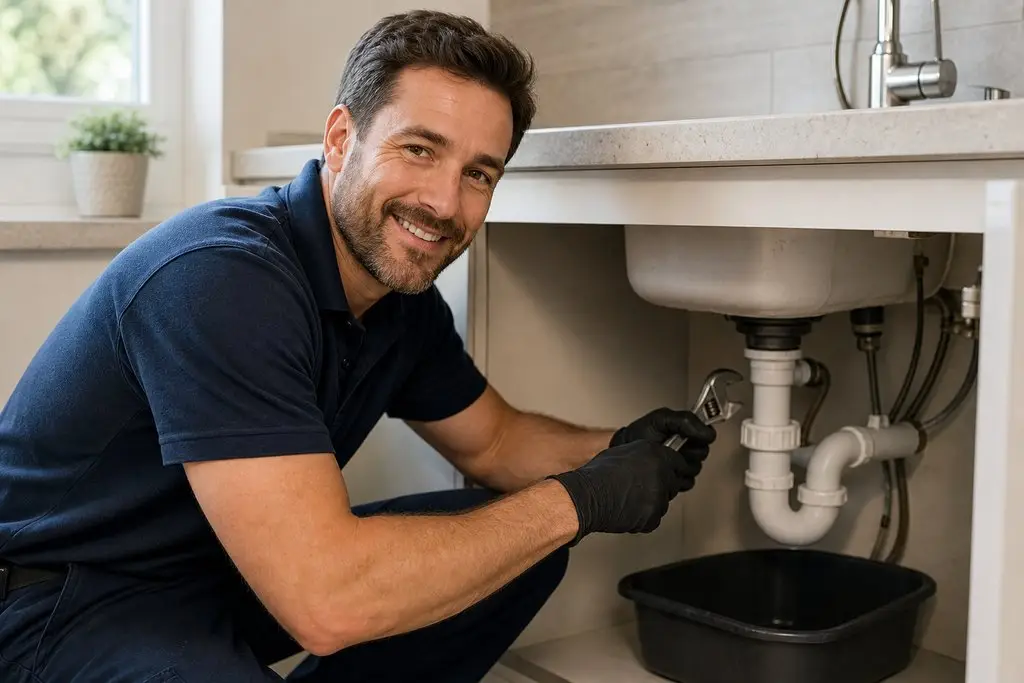
When your home’s plumbing is in top shape, you barely think about it. Water appears when needed, drains empty without issue, and there are no plumbing-related annoyances marring your kitchen or bathrooms. But when plumbing problems arise, they can affect cabinets, floors, storage spaces, laundry, and general home comfort.
Some plumbing problems call for a simple repair. Other situations indicate worn-out pipes or fixtures, or problems that aren’t easily visible. Replacement may be the best option in these cases. Figuring out which problems require repair and which point to the need for replacement can prevent minor issues from turning into major renovations.
What Those Warning Signs Look Like
1. Leaks Keep Returning in the Same Areas
Some plumbing leaks are the result of a loose fitting, deteriorated washer, or worn-out seal. In many cases, these issues can be repaired quickly and easily. But when leaks persist or you notice leaks in multiple locations, further investigation is warranted.
Signs of repeated leaks may include:
- Dampness under sinks that recurs after fittings have been tightened
- Water stains on ceilings under bathrooms or laundry areas
- Swollen or spongy floors near dishwashers, toilets, or bathtubs
- Swollen baseboards, peeling paint, or warped cabinet boxes
- Musty odors in small, enclosed spaces
Repeated leaks can cause problems well beyond plumbing fixtures and pipes. If moisture has made its way to drywall, subflooring, or cabinet boxes, repairs could extend to these areas as well.
During a plumbing inspection, it’s important for your plumber to know if pipes are readily accessible. Problems behind an easily removed access panel are easier to diagnose and repair than plumbing hidden behind walls or under tile.
2. Drains Are Slow Throughout the House
Slow-draining sinks are common in kitchens because of food and grease. Bathroom sinks tend to back up because of hair and soap that collects in the drain or P-trap. But when drains in multiple rooms and fixtures back up simultaneously, the cause is likely deeper within the plumbing system.
Backed-up drains throughout the home could indicate an obstruction, damaged drain line, tree root invasion, or other drain-related problems. Other symptoms to look for include:
- Bubbling in toilets when drains empty
- Backed-up bathtubs when toilets flush
- Problems related to washing machine drains
It’s important not to chalk up repeated drain backups to normal clogs. Drain openers can wreak havoc with certain pipes and seals and won’t necessarily solve the problem if there’s a deeper clog or other issue at play.
3. Water Pressure Has Changed Noticeably
Low water pressure can be inconvenient, making everything from taking a shower to emptying the washing machine to unloading the dishwasher more of a chore than it should be. Changes in water pressure can stem from a variety of issues, so it’s important to pinpoint when and where the problem occurs.
Low water pressure in a single fixture may be the result of a clogged aerator or other issue related to the faucet. Across multiple fixtures, low pressure could point to scale build-up associated with the hard water described by britannica.com/science/hard-water, a faulty pressure regulator valve, a shutoff valve that’s been accidentally turned off, or corrosion inside aging pipes.
But it’s not just low water pressure that’s cause for concern. Water pressure that’s too high, surging or pulsing water pressure, or any dramatic change in water pressure should be investigated. Too much water pressure can put undue stress on hose connections, valves, and other components.
During a thorough inspection, a plumber from Metcalf Plumbing may test water pressure in different areas of the home, check shutoff valves, and look for telltale signs of corrosion or other problems within pipes.
4. Your Water Looks, Smells, or Tastes Different
It’s easy to dismiss changes in water taste, appearance, or odor if there aren’t any other noticeable problems. But water that tastes or smells metallic or otherwise off, water that’s discolored or murky, and other changes in water quality should be taken seriously. Changes in water quality can be the result of a host of issues including pipe corrosion, sediment, water heater problems, and more.
For instance, if you’re noticing rust-colored water, determining whether it’s happening only when you turn on the hot water tap or both hot and cold water taps can help narrow down the cause. Rusty hot water only could point to corrosion or sediment in the water heater, while discolored water in both hot and cold water could indicate a plumbing problem. If you’re noticing a sulfur-like smell in your water, don’t try to cover it up with scented soaps or install a fancy water filtration system to paper over the problem. Find out what’s causing the smell and address the problem at its source.
5. The Plumbing Is Old, Improvised, or Difficult to Access
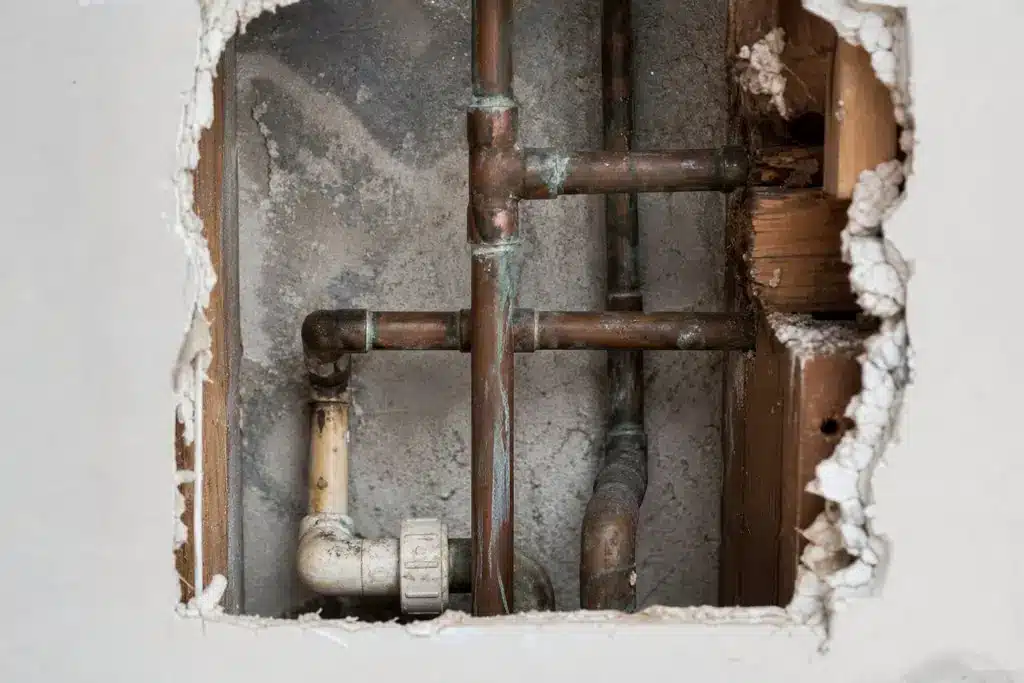
Chances are good your home has been renovated at some point or another over the years. Plumbing problems can lurk behind brand-new vanities or under floors in newly finished basements. Previous repairs may have resulted in makeshift fixes or added incompatible materials to the mix.
Repair or Replacement: How to Decide
- There are multiple leaking pipes
- The pipes are extensively corroded or otherwise deteriorated
- You’re dealing with repeated drain clogs and backups
- You’re remodeling and the affected areas will be readily accessible
- Repairs will require repeated access to hard-to-reach areas
- Your plumbing isn’t laid out in a practical way
Protecting the Rooms You Use Every Day
It pays to keep an eye on your home’s plumbing to nip problems in the bud before they damage the pretty tile in your walk-in shower or other finishes you love. Take a look under sinks from time to time, stay on top of any changes in water pressure or how quickly fixtures drain, and pay attention to recurring plumbing problems like odors and stains instead of ignoring them.
Planning a kitchen, bathroom, laundry room, or basement renovation? Inspect your plumbing before you choose paint colors and countertop materials. Make sure you know where your main water shutoff valve is located and where pipes run throughout your home (take pictures!). And keep in mind where cleanouts and shutoff valves are located so you can plan cabinetry, shelving, and wall treatments accordingly.