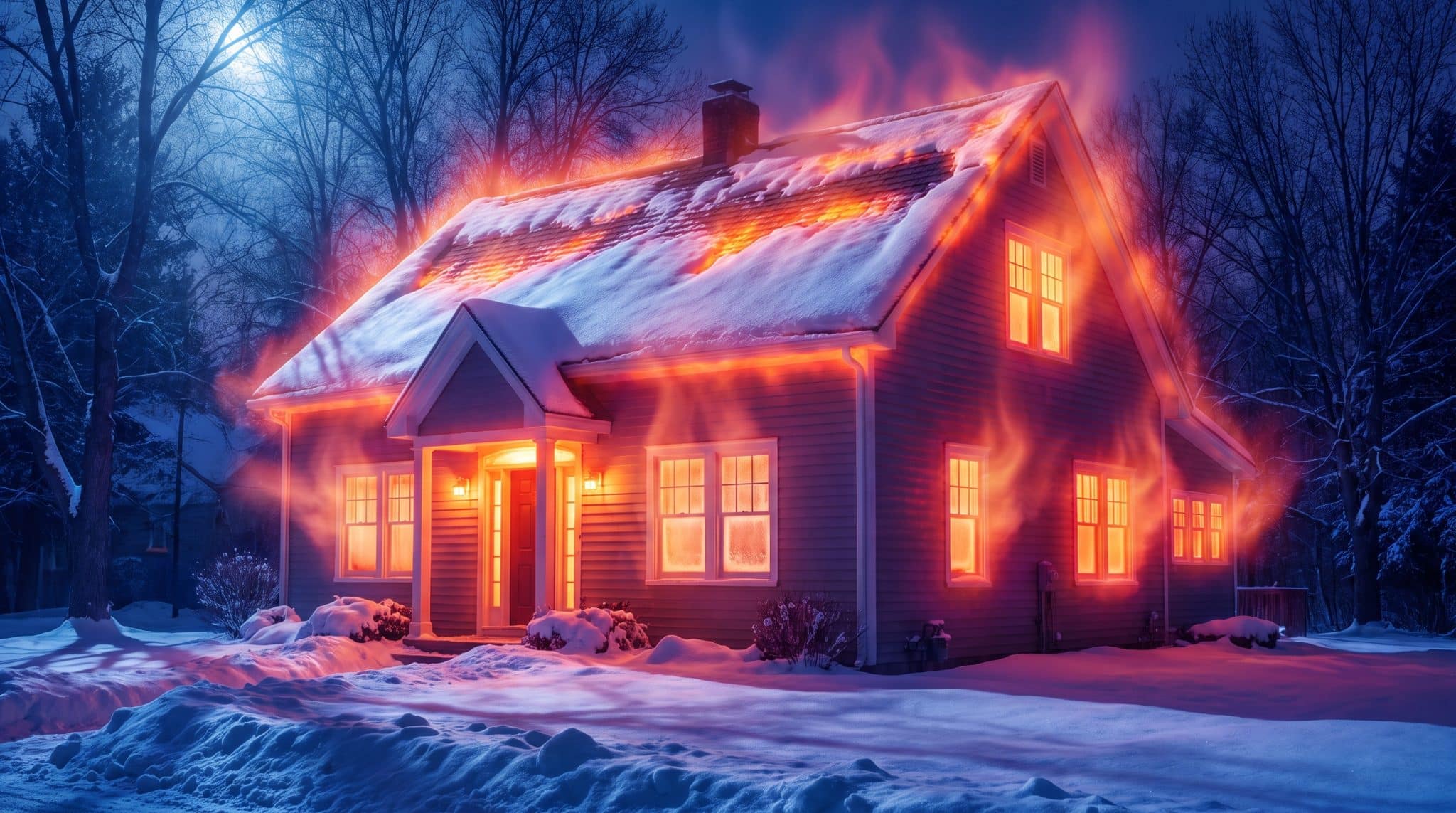
Your heating bill doubles in January, but one bedroom never gets warm. Sound familiar? That gap between what your system spends and what your rooms actually feel like is almost always a heat-loss problem, and most homeowners ignore it for years while quietly paying for air that escapes through walls, attics, and crawl spaces.
This guide walks you through the seven clearest warning signs, what’s actually causing each one, and the fixes worth spending money on.
The Cold Spot Audit: A Simple Way to Start
Before calling anyone or buying anything, do a walk-through using what I call the Cold Spot Audit. On a cold evening, walk each room barefoot and hold your hand a few inches from exterior walls, window frames, and the ceiling directly below your attic. Note every spot that feels noticeably cooler than the center of the room. Write them down.
That list tells you where your thermal envelope has failed, and it gives any contractor you hire a targeted scope of work rather than a blank check. It sounds low-tech, and it is. But it’s also the same diagnostic logic professionals use before they break out thermal cameras. You’re just doing the analog version first.
Sign 1: Rooms That Won’t Warm Up No Matter What
This one tops the list because it’s the most obvious and the most misdiagnosed. Homeowners blame the furnace. Nine times out of ten, the furnace is fine. The problem is that heated air is escaping through under-insulated walls or ceilings faster than the system can replace it.
A 2024 study by ICF Consulting, sponsored by NAIMA, found that 89% of U.S. single-family homes are under-insulated, meaning the majority of houses in any given neighborhood are slowly bleeding heat every winter. Check with the Insulation Institute, which published this research, for the full breakdown by region. If one room is always the coldest, look at the exterior wall count. Corner rooms lose heat from two sides.
Rooms above garages lose it from below. Those locations demand better insulation, not a thermostat adjustment.
Sign 2: Heating Bills That Climb Every Year
A slow, steady rise in your utility bills without any major lifestyle change is a textbook sign that your home’s thermal shell has degraded. Insulation doesn’t last forever. Blown-in insulation can settle over time, reducing its effective thickness and resistance. Batt insulation in walls can shift or compress. Moisture intrusion can destroy R-value almost completely.
The EPA estimates homeowners can save an average of 15% on heating and cooling costs by air sealing their homes and adding insulation in attics, floors over crawl spaces, and basements, because air that leaks through a home’s outer walls, windows, doors, and other openings wastes significant energy and pushes utility costs up. That’s not a small number. On a $2,400 annual energy bill, 15% is $360 back in your pocket every year. Energy Star’s guidance on sealing and insulating covers the specific areas with the biggest payback.
Sign 3: Ice Dams on Your Roof
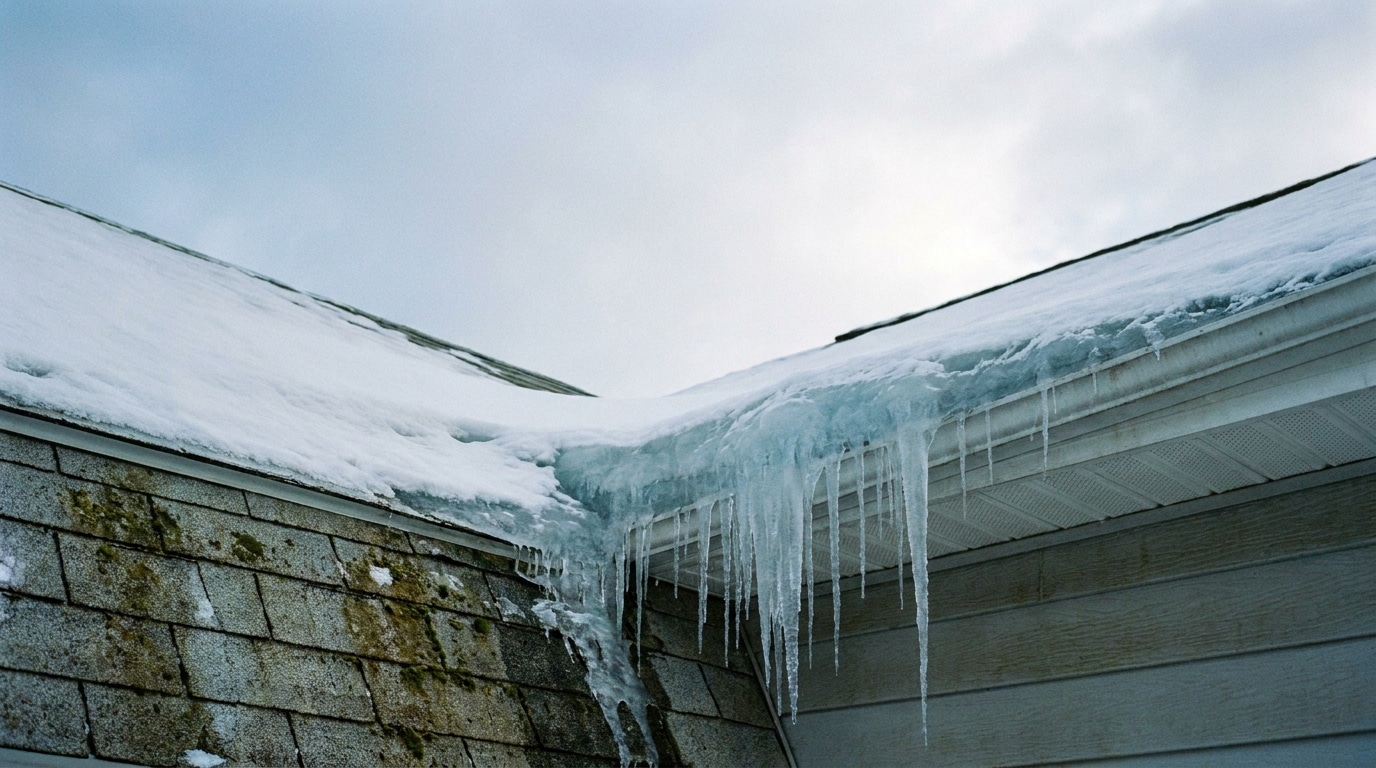
Ice dams form when heat escaping through your attic melts snow on the upper part of your roof, and that water refreezes at the eaves where the roof surface is cooler. The result looks like a winter postcard. What it actually means is that warm air from inside your living space is getting into your attic and melting snow from underneath. That’s a straight-up insulation and air-sealing failure.
Fix the attic first. Add blown-in insulation to bring the depth up to current recommended levels, and seal every penetration around light fixtures, plumbing stacks, and HVAC boots before you add new material. Putting new insulation over existing air leaks is one of the most common mistakes homeowners make.
Sign 4: Drafts Near Outlets and Switch Plates
Feel cold air coming from an interior wall outlet on an exterior wall? That’s not a wiring problem. Electrical boxes are cut into the wall cavity and often left completely open to the stud bay, which connects directly to the exterior. Air moves through insulation gaps freely, and outlets and switch plates are some of the most reliable places to feel it.
The fix here is inexpensive: foam gaskets behind outlet covers cost almost nothing and seal the gap immediately. But if you’re feeling drafts from multiple outlets across multiple rooms, the root issue is probably cavity insulation that’s settled or was never installed correctly to begin with. That requires a more thorough look.
Sign 5: Uneven Temperatures Between Floors
Two floors, two completely different climates inside the same house. Your ground floor is comfortable. The second floor runs 5 or 6 degrees warmer in summer and colder in winter. This pattern almost always points to an attic insulation problem. During winter, heat rises and passes into the attic through the ceiling by conduction or radiation, or through direct air leaks, making your furnace run longer to replace lost warmth. In summer, an overheated attic continuously radiates heat into rooms below, causing the air conditioner to run extended cycles.
If the temperature swing between floors is more than 3 degrees, treat it as a serious comfort and efficiency issue, not just an inconvenience.
Sign 6: Moisture, Mold, or Musty Smells in the Crawl Space
Crawl spaces are where many homeowners completely give up on the thermal envelope. Out of sight, out of mind. But a damp, uninsulated crawl space is actively pulling moisture into your floor structure and sending cold, humid air up through gaps into your living space. Encapsulating the crawl space and adding proper insulation to the floor above it addresses both the moisture and the heat-loss problem at the same time.
This is one of the upgrades that delivers results you actually feel on your feet. Cold floors in winter are almost always a sign of an uninsulated or poorly encapsulated crawl space beneath them.
Sign 7: Your Home Was Built Before 1980
Age alone is a warning sign. Homes built before 1980 were constructed under far lower efficiency standards, and many were insulated with materials that have since settled, compressed, or simply worn out. The U.S. Department of Energy recommends specific R-values by climate zone, and a pre-1980 home in a cold climate like coastal Connecticut often falls dramatically short of those targets without a single renovation having touched the insulation since it was built.
If you own one of these homes and haven’t had an energy audit, the audit itself usually pays for the information it delivers. Most professional insulation contractors offer one as part of their quoting process.
What to Actually Do About It
Here’s a short, practical checklist based on what the Cold Spot Audit turns up:
- Attic: Add blown-in or batt insulation after sealing all air penetrations. This is the single highest-impact upgrade in most homes.
- Crawl space: Encapsulate the vapor barrier and insulate the floor above or the crawl space walls, depending on whether it’s vented or conditioned.
- Exterior walls: If drafts are widespread, blown-in insulation through small drilled holes is a minimally invasive option for existing walls.
- Rim joists: Cut and fit rigid foam or use spray foam to seal these overlooked junctions where the floor framing meets the foundation wall.
- Air sealing first, always: Adding insulation without addressing air leaks is like putting a warm hat on a jacket with no zipper. Seal first, then insulate.
For homeowners in southern Connecticut, connecting with a local crew that knows the regional climate and building stock makes a meaningful difference. A team offering Stratford insulation services, for example, brings familiarity with the coastal Connecticut cold patterns and the older housing stock common in the area, which affects both material choices and install depth recommendations.
“A well-sealed envelope, coupled with the right amount of insulation, can make a real difference on your utility bills.”-U.S. Environmental Protection Agency, Energy Star Program. Heat loss isn’t just a comfort problem. It compounds every year you leave it unaddressed, first through higher bills, then through HVAC wear, and eventually through moisture damage that costs far more to fix than the insulation ever would have. Run the Cold Spot Audit tonight. The results might surprise you.